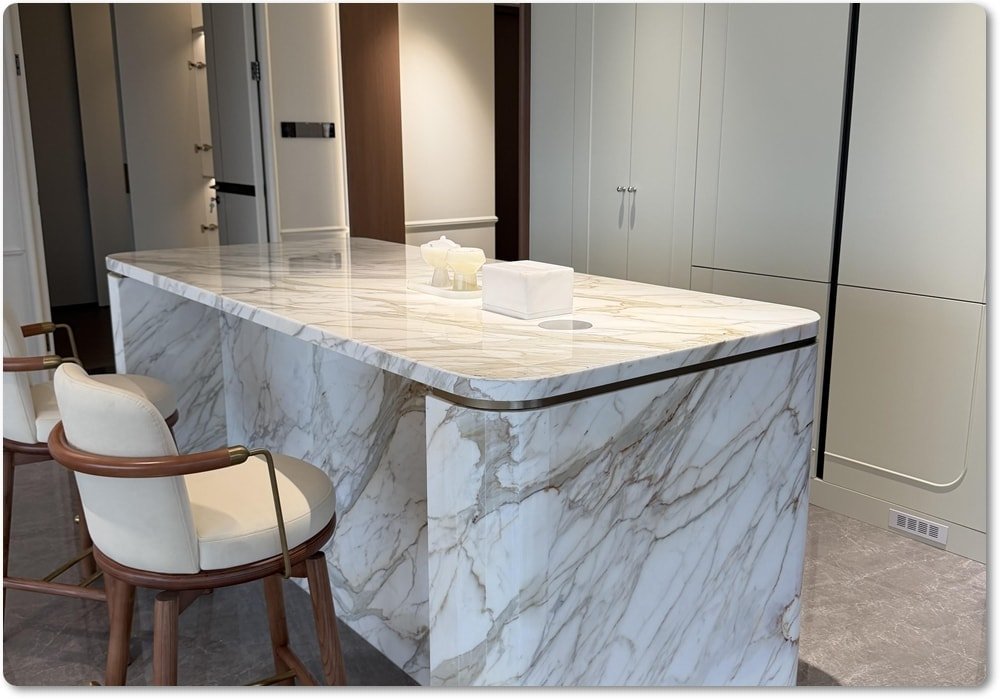
The global natural stone industry has become increasingly competitive, especially as developers, fabricators, distributors, and commercial contractors seek stable access to high-quality marble materials at predictable pricing. Whether buyers search for marble slabs for sale near me or evaluate direct overseas sourcing options, the procurement strategy has become just as important as material selection itself.
Today’s large-volume marble procurement process involves far more than comparing prices between suppliers. Successful buyers evaluate quarry stability, slab consistency, logistics reliability, packaging standards, lead times, and long-term pricing structures before committing to contracts.
For commercial projects, hospitality developments, luxury residential construction, and stone distribution businesses, procurement errors can lead to significant financial losses due to installation delays, inconsistent batches, excessive breakage, and warranty claims. This is why professional procurement systems — including RFQs, factory audits, sample approval protocols, and annual supply agreements — are now considered essential.
This guide explains how experienced buyers manage marble slab procurement from the initial RFQ stage through long-term global supply partnerships.
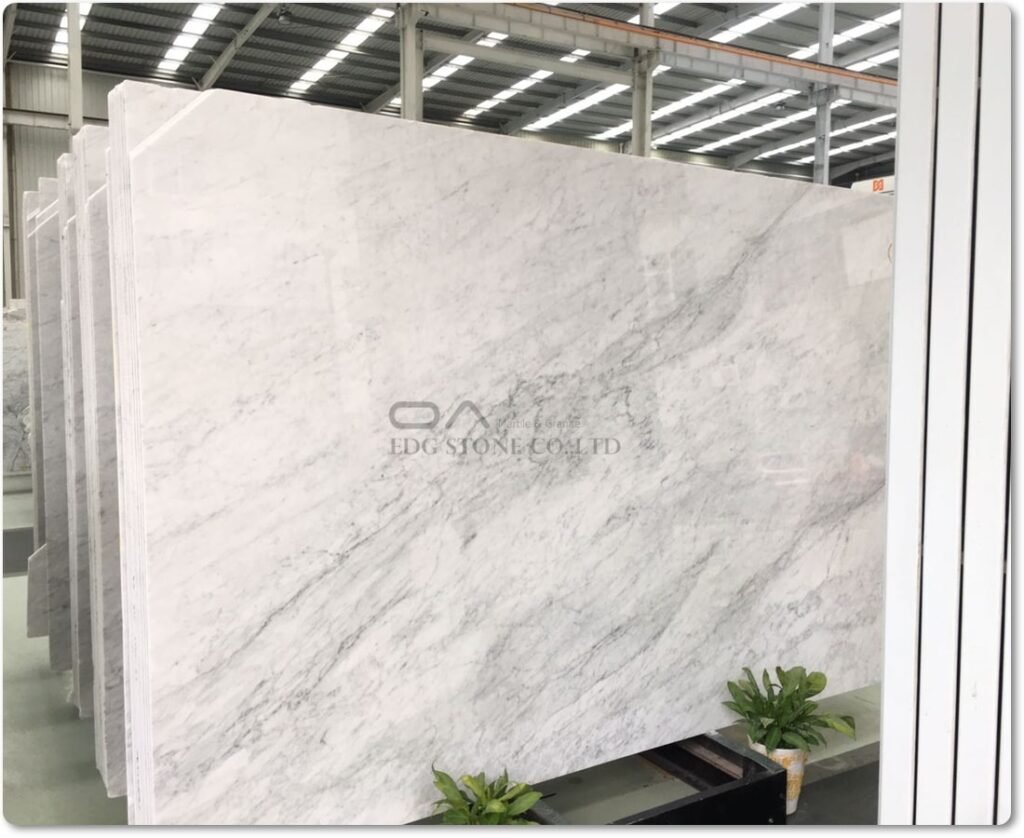
How Large Buyers Source Marble Slabs?
Large-scale buyers typically follow a structured procurement process designed to minimize supply risk while optimizing pricing and quality control.
Unlike retail customers searching for “cheap marble slabs” locally, professional buyers usually evaluate both domestic inventory and international factory-direct sourcing models.
Common Bulk Marble Buyers
Bulk marble slab procurement is common among:
- Stone distributors
- Countertop fabricators
- Commercial developers
- Hotel construction groups
- Architectural firms
- Luxury home builders
- Government infrastructure contractors
- Large retail chains
- Import wholesalers
These buyers prioritize:
- Consistent slab appearance
- Stable inventory availability
- Reliable lead times
- Competitive container pricing
- Technical quality compliance
- Export packaging standards
- Long-term supplier reliability
Local Sourcing vs Direct Factory Procurement
Many buyers initially search online for:
- marble slabs for sale near me
- cheap marble slabs
- wholesale marble slabs
- marble slab suppliers
- marble slab distributors near me
Local distributors provide faster delivery and lower logistical complexity. However, direct factory procurement often offers:
- Lower per-square-foot costs
- Larger inventory selection
- Custom sizing capabilities
- Better project matching
- Container consolidation
- Exclusive stone access
- Private label opportunities
For large commercial projects, direct procurement from manufacturers or export factories frequently reduces overall project costs by 15–40%.
Modern Global Procurement Trends
Several trends are reshaping marble sourcing strategies worldwide:
Quarry-to-Project Traceability
Professional buyers increasingly request origin verification to ensure material authenticity and ethical sourcing.
Multi-Country Supply Diversification
To reduce geopolitical and logistics risks, many distributors now source marble from multiple countries rather than relying on a single region.
Inventory Buffering
Due to shipping volatility, many buyers maintain reserve inventory for high-volume colors and fast-moving materials.
Long-Term Pricing Agreements
Instead of spot purchases, buyers negotiate annual agreements to stabilize pricing and production scheduling.
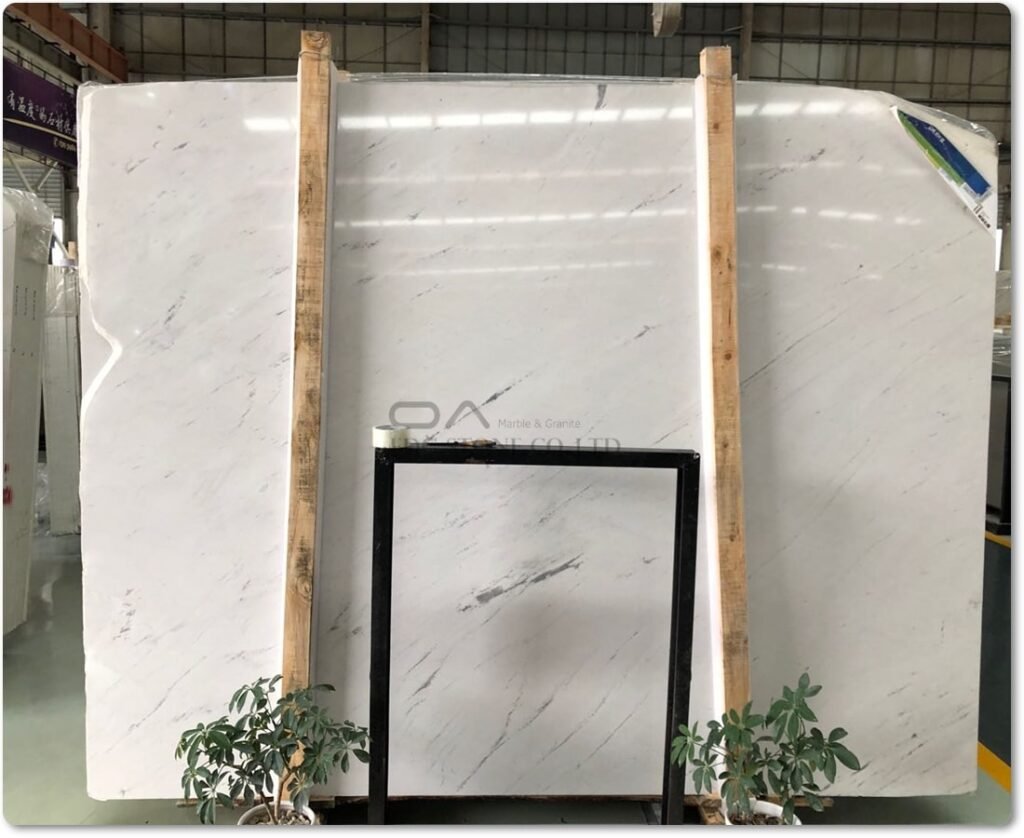
RFQ Best Practices
A well-structured RFQ (Request for Quotation) is the foundation of successful marble procurement.
Poor RFQs often lead to:
- Incorrect pricing
- Misunderstood specifications
- Shipment delays
- Material inconsistency
- Contract disputes
Professional RFQs eliminate ambiguity and standardize supplier responses.
Essential RFQ Components
A comprehensive marble slab RFQ should include:
Material Specifications
Clearly define:
- Marble type
- Origin preference
- Color expectations
- Vein characteristics
- Surface finish
- Thickness
- Tolerance requirements
Example:
- 20mm polished white marble slabs
- Bookmatched vein preference
- Low-resin treatment requirement
- Minimum usable slab dimensions
Quantity Requirements
Specify:
- Estimated square footage
- Number of containers
- Monthly volume
- Annual procurement forecast
Suppliers price differently depending on:
- Spot orders
- Trial orders
- Container volume
- Annual commitments
Packaging Standards
The RFQ should define:
- Wooden crate requirements
- Heat-treated export packaging
- Foam protection systems
- Reinforcement standards
- Moisture protection
- Labeling protocols
Quality Standards
Professional buyers often define:
- Maximum fissure allowance
- Resin treatment limits
- Color variation tolerance
- Surface defect acceptance
- Breakage thresholds
Delivery Terms
Specify:
- FOB
- CIF
- DDP
- Target port
- Lead time expectations
- Shipping schedule
Why Detailed RFQs Matter?
A detailed RFQ allows buyers to compare suppliers objectively rather than evaluating incomplete quotations.
This reduces:
- Procurement errors
- Unexpected cost increases
- Rework risk
- Supply chain instability
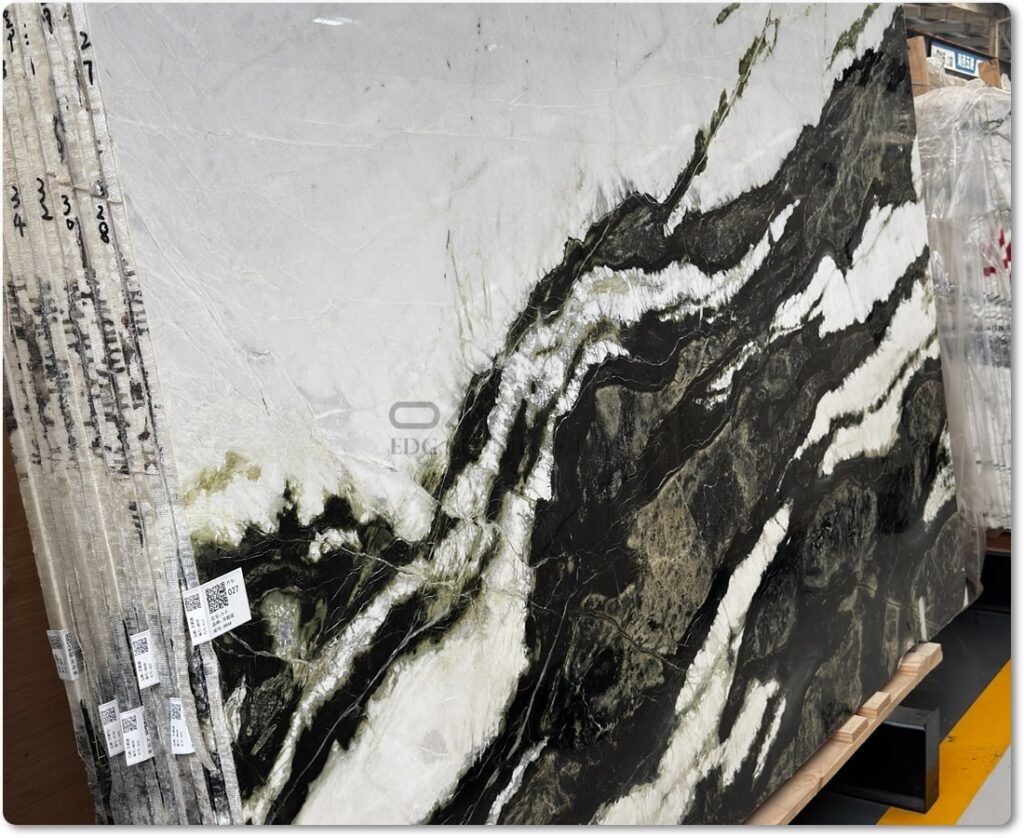
Factory Audit Checklist
Factory audits are critical when sourcing marble internationally.
A polished sample alone does not guarantee production capability.
Professional buyers evaluate the entire manufacturing system before entering long-term agreements.
Production Capacity
Audit teams should verify:
- Monthly slab output
- Number of polishing lines
- CNC fabrication capability
- Cutting precision equipment
- Reinforcement systems
Factories with limited automation may struggle to maintain consistency at scale.
Raw Material Stability
Buyers should assess:
- Quarry ownership
- Block inventory
- Long-term quarry contracts
- Alternative quarry access
Reliable access to raw materials is essential for long-term batch consistency.
Quality Control Systems
Professional factories should maintain:
- Slab inspection protocols
- Digital inventory tracking
- Thickness calibration systems
- Moisture control procedures
- Defect grading standards
Export Experience
Experienced exporters understand:
- International packaging requirements
- Customs documentation
- Fumigation compliance
- Container optimization
- Insurance coordination
Sustainability & Compliance
Many commercial projects now require:
- ESG documentation
- Sustainable quarrying practices
- Worker safety systems
- Environmental compliance records
Factory Audit Red Flags
Warning signs include:
- Poor slab organization
- Excessive breakage
- Inconsistent polishing quality
- Weak packaging systems
- Lack of QC documentation
- No inventory tracking
- Limited export history
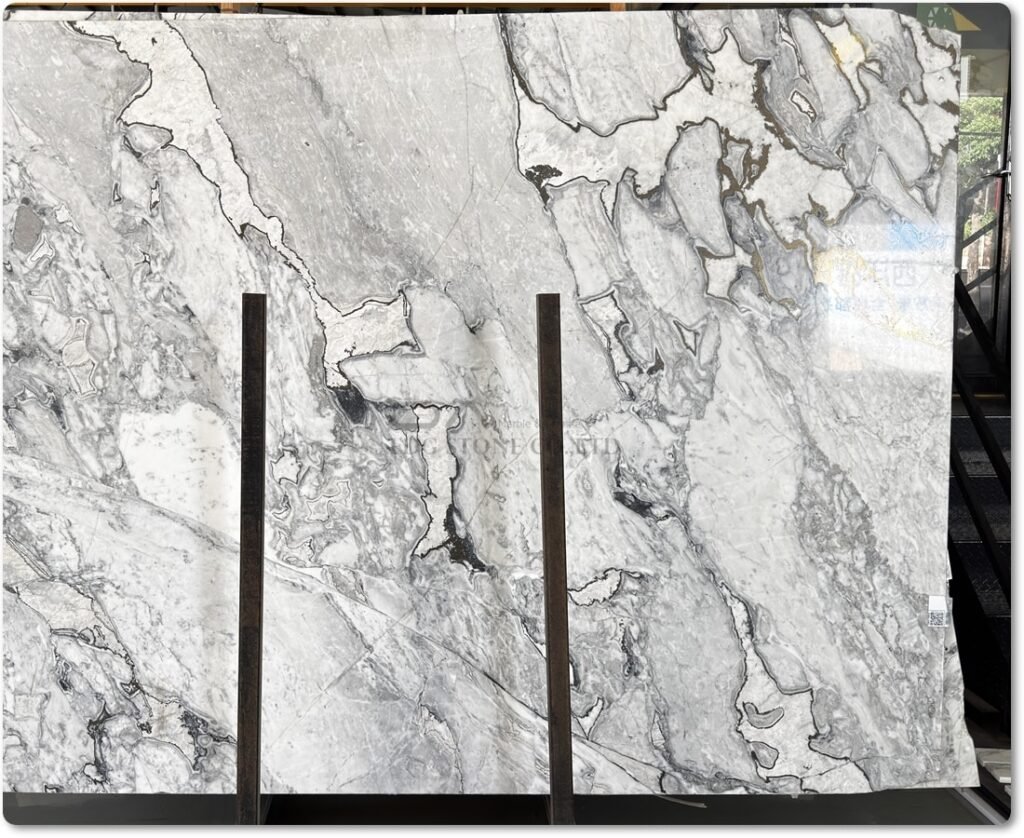
Sample Approval Systems
Sample approval systems reduce disputes and ensure production alignment.
Professional marble procurement always includes formal sample verification before mass production.
Types of Marble Samples
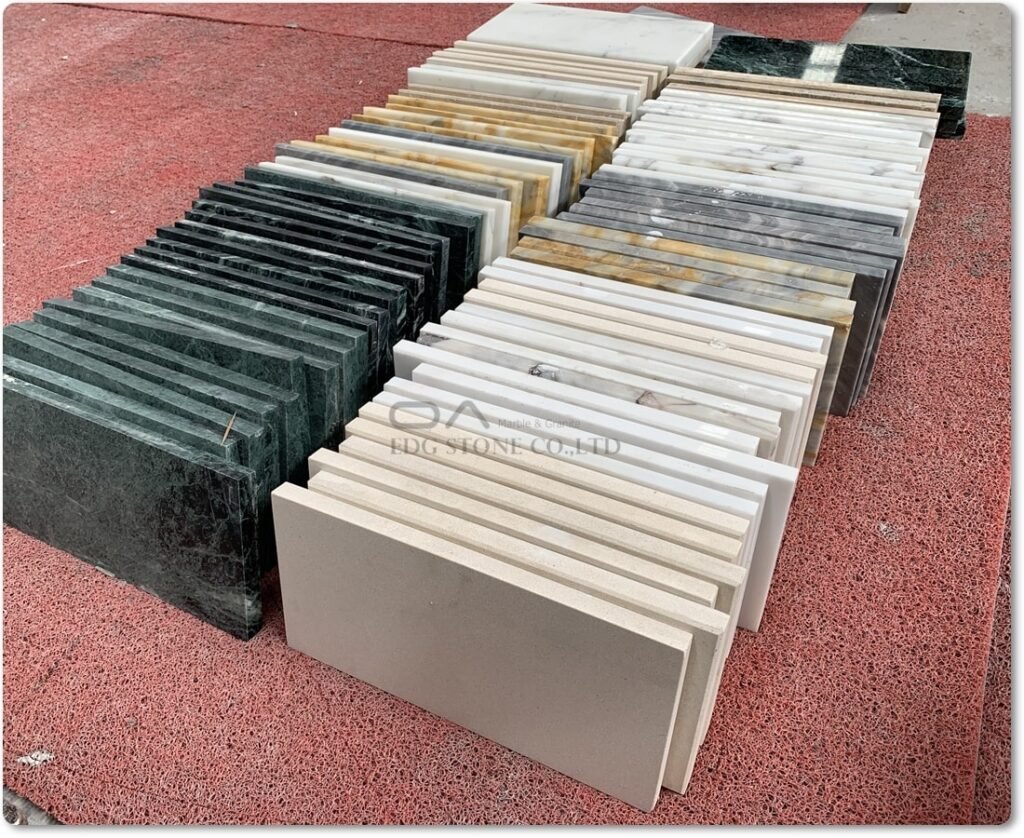
Hand Samples
Typically:
- 100×100mm
- 150×150mm
- Small finish demonstrations
Useful for:
- Color review
- Finish evaluation
- Basic material confirmation
However, small samples cannot represent the full slab variation.
Full Slab Approval
Commercial buyers often require:
- Slab photos
- Wet slab images
- Bundle videos
- Live inspection calls
- Sequential slab numbering
This process helps confirm:
- Vein flow
- Color consistency
- Bookmatching suitability
Mock-Up Installations
Luxury projects frequently require:
- Full room mockups
- Sample wall installations
- Floor layout previews
- Lighting condition tests
Digital Approval Systems
Modern procurement teams use:
- Cloud-based inspection platforms
- QR-coded slab tracking
- Shared approval databases
- Remote video inspections
These systems improve communication between:
- Designers
- Developers
- Fabricators
- Suppliers
Batch Consistency Management
One of the biggest challenges in marble procurement is batch inconsistency.
Natural stone inherently varies in:
- Color
- Veining
- Mineral density
- Crystal structure
- Movement patterns
Professional procurement strategies minimize these variations.
Why Batch Consistency Matters?
Inconsistent marble batches can cause:
- Visual mismatch
- Installation rejection
- Project delays
- Designer dissatisfaction
- Increased fabrication waste
Best Practices for Consistency Control
Block Reservation
Buyers often reserve:
- Specific quarry blocks
- Sequential cutting production
- Dedicated inventory allocations
This improves uniformity across projects.
Bundle Tracking
Professional factories label slabs by:
- Quarry block number
- Production date
- Bundle sequence
- Thickness calibration
Production Timing
Ordering all project material simultaneously reduces variation risk.
Projects split across multiple production periods may experience:
- Quarry variation
- Seasonal differences
- Finish inconsistency
Acceptable Variation Standards
Professional contracts usually define:
- Color variation limits
- Vein movement tolerance
- Resin visibility acceptance
- Surface fill standards
Clear expectations reduce future disputes.
MOQ & Inventory Planning
MOQ (Minimum Order Quantity) management significantly impacts marble procurement economics.
Factories must balance:
- Production efficiency
- Inventory cost
- Export logistics
- Material yield optimization
Common Marble MOQ Structures
Typical MOQ models include:
Per Container MOQ
Many factories prefer:
- 1 full container minimum
- Mixed container options
- Consolidated shipment programs
Per Material MOQ
Some rare marble materials require:
- Minimum bundle quantities
- Full block purchases
- Production-run commitments
Inventory Planning Strategies
Professional buyers forecast:
- Seasonal demand
- Construction cycles
- Regional trends
- Fast-moving colors
- Replacement inventory
Safety Stock Planning
Maintaining safety inventory reduces:
- Project delays
- Emergency air freight costs
- Lost sales opportunities
Balancing Cheap Pricing vs Inventory Risk
Buyers searching for “cheap marble slabs” often focus only on initial price.
However, low-cost procurement can create hidden costs through:
- High breakage
- Inconsistent quality
- Delayed shipments
- Replacement claims
- Poor yield rates
True procurement optimization balances:
- Price
- Quality
- Logistics reliability
- Inventory turnover
- Long-term supplier stability
Pricing Negotiation Models
Professional marble procurement pricing is far more sophisticated than simple per-square-foot negotiations.
Common Pricing Structures
Spot Pricing
Best for:
- Small projects
- Trial orders
- Market testing
However, spot pricing is vulnerable to:
- Quarry fluctuations
- Freight volatility
- Currency shifts
Annual Contract Pricing
Long-term agreements may include:
- Fixed annual pricing
- Quarterly adjustments
- Indexed freight formulas
- Currency protection clauses
These contracts provide:
- Budget stability
- Production priority
- Inventory reservation
Volume-Based Discounts
Factories commonly offer:
- Container discounts
- Quarterly volume rebates
- Annual purchase incentives
Negotiation Variables
Beyond slab pricing, buyers negotiate:
- Packaging upgrades
- Free samples
- Storage programs
- Priority production
- Extended payment terms
- Exclusive regional rights
Understanding Real Procurement Cost
The true landed cost includes:
- Material price
- Freight
- Insurance
- Customs duties
- Warehousing
- Inland trucking
- Breakage risk
- Financing cost
Experienced buyers analyze total procurement cost rather than focusing solely on slab price.
Long-Term Supplier Agreements
Annual supply agreements create stability for both buyers and manufacturers.
These agreements are increasingly common among:
- Distributors
- Developers
- Hotel groups
- Multi-location fabricators
Benefits for Buyers
Long-term agreements provide:
- Stable pricing
- Production priority
- Reserved inventory
- Better payment terms
- Reduced supply disruption
Benefits for Suppliers
Manufacturers gain:
- Predictable production scheduling
- Better quarry planning
- Improved cash flow forecasting
- Lower operational volatility
Common Contract Terms
Professional supply agreements often include:
- Annual volume commitments
- Quality specifications
- Delivery schedules
- Inspection procedures
- Penalty clauses
- Exclusivity terms
- Price adjustment formulas
Performance Monitoring
Strong procurement partnerships include:
- Quarterly reviews
- KPI tracking
- Breakage analysis
- Lead time monitoring
- Quality scorecards
These systems create continuous improvement across the supply chain.
Why EDG Stone Factory Supports Global Distributors?
As international marble procurement becomes more complex, distributors increasingly seek suppliers capable of supporting long-term operational stability rather than only low pricing.
EDG Stone Factory supports global distributors through:
- Stable quarry partnerships
- Diverse marble inventory
- Professional export packaging
- Custom fabrication capabilities
- Container consolidation services
- Large-scale production capacity
- Flexible MOQ support
- Fast sample processing
- International logistics coordination
For distributors and commercial buyers, supplier reliability is essential for maintaining project schedules and customer satisfaction.
Modern procurement success depends on building resilient partnerships capable of supporting:
- Large commercial projects
- Repeat inventory programs
- Long-term pricing structures
- Global logistics execution
Conclusion
Bulk marble slab procurement requires far more than comparing quotations between suppliers.
Successful procurement strategies integrate:
- Structured RFQs
- Factory audits
- Sample approval systems
- Batch consistency controls
- Inventory planning
- Pricing negotiation frameworks
- Long-term supplier agreements
Whether buyers initially search for marble slabs for sale near me or explore direct factory sourcing opportunities, professional procurement systems ultimately determine profitability, project reliability, and long-term operational success.
As global supply chains continue evolving, companies that establish stable supplier partnerships, clear quality standards, and scalable procurement processes will achieve stronger pricing control, better project execution, and greater competitive advantage in the natural stone market.
FAQ
What is the best way to source marble slabs in bulk?
The best strategy combines supplier RFQs, factory audits, sample approval systems, and long-term supply agreements to ensure stable pricing and quality consistency.
Are cheap marble slabs always lower quality?
Not necessarily. Some factories offer competitive pricing due to scale, quarry ownership, or efficient logistics. However, extremely low pricing can sometimes indicate quality or packaging risks.
Why are factory audits important for marble procurement?
Factory audits help buyers verify production capacity, quality control systems, export experience, and raw material stability before placing large orders.
How do buyers ensure marble batch consistency?
Professional buyers reserve quarry blocks, order materials in a single production cycle, and implement slab tracking systems to minimize variation.
What is a marble slab MOQ?
MOQ stands for Minimum Order Quantity. It may refer to:
- Minimum bundles
- Full containers
- Specific production runs
- Annual purchase commitments
Why do distributors sign annual marble supply agreements?
Annual agreements help stabilize pricing, secure inventory availability, improve lead times, and reduce procurement uncertainty.
References
- Natural Stone Institute — Dimension Stone Design Manual
- ASTM International — Natural Stone Standards and Specifications
- International Trade Administration — Global Construction Materials Market Reports
- World Bank Logistics Performance Index
- MIA Technical Design Manual for Natural Stone
- Construction Specifications Institute — Stone Procurement Guidelines
- Stone World Magazine — International Stone Supply Chain Reports
- Journal of Construction Engineering and Management — Material Procurement Studies
- Global Stone Congress Research Papers
- International Surface Event Industry Reports