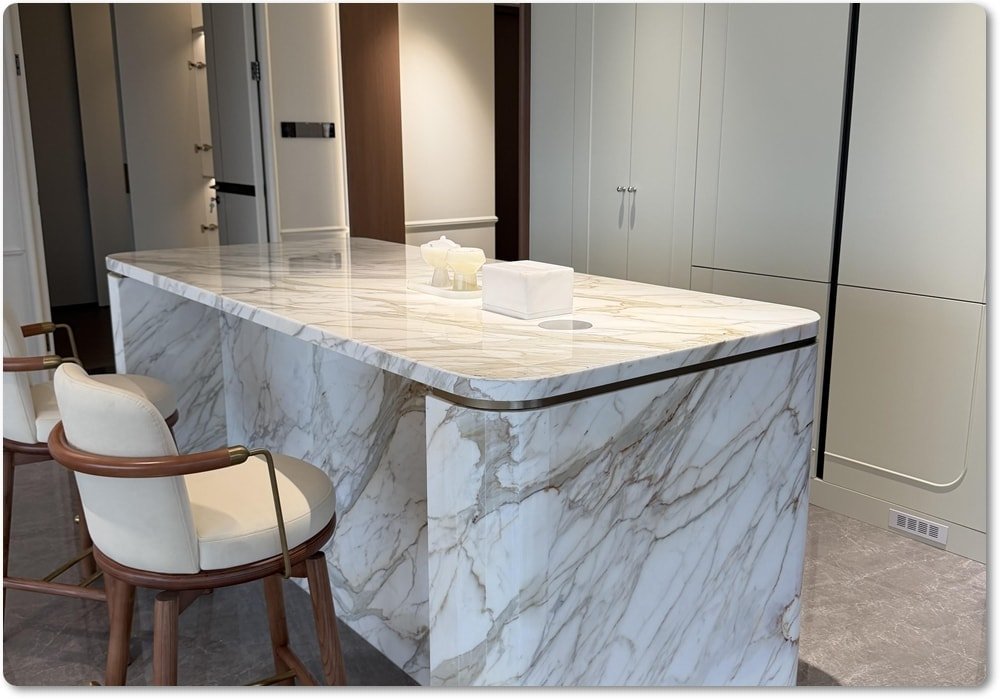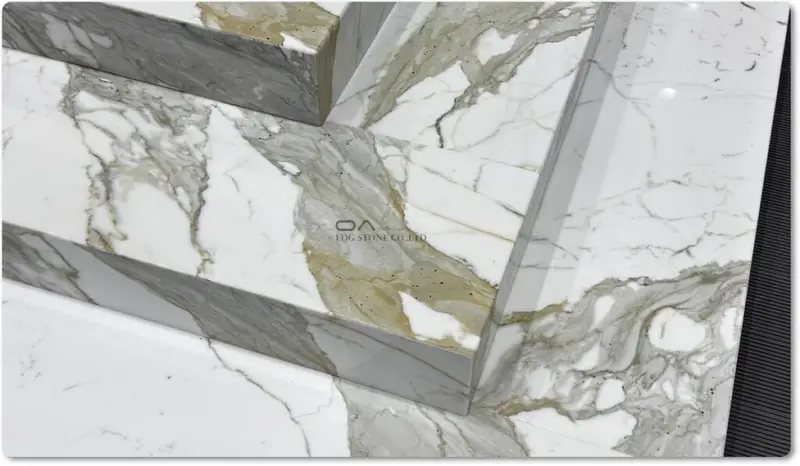
Introduction
Natural marble is often selected for its color, veining, and finish, but procurement success depends on more than appearance. For countertops, vanities, flooring, wall cladding, and lobby features, buyers also need to understand density, absorption, flexural strength, and how the stone will perform after fabrication and installation. ASTM’s current dimension-stone standards specifically address absorption and bulk specific gravity, compressive strength, modulus of rupture, and flexural strength, and the Natural Stone Institute (NSI) treats these tests as core technical tools for project selection and verification.
This matters because marble is a natural product with real variability. Two slabs that look similar in the yard can behave differently in service if their internal structure, moisture behavior, or bending strength differs. NSI also notes that test data should not be treated as permanent; its lab guidance states that outdated technical data and project-specific conditions are reasons to request fresh testing.
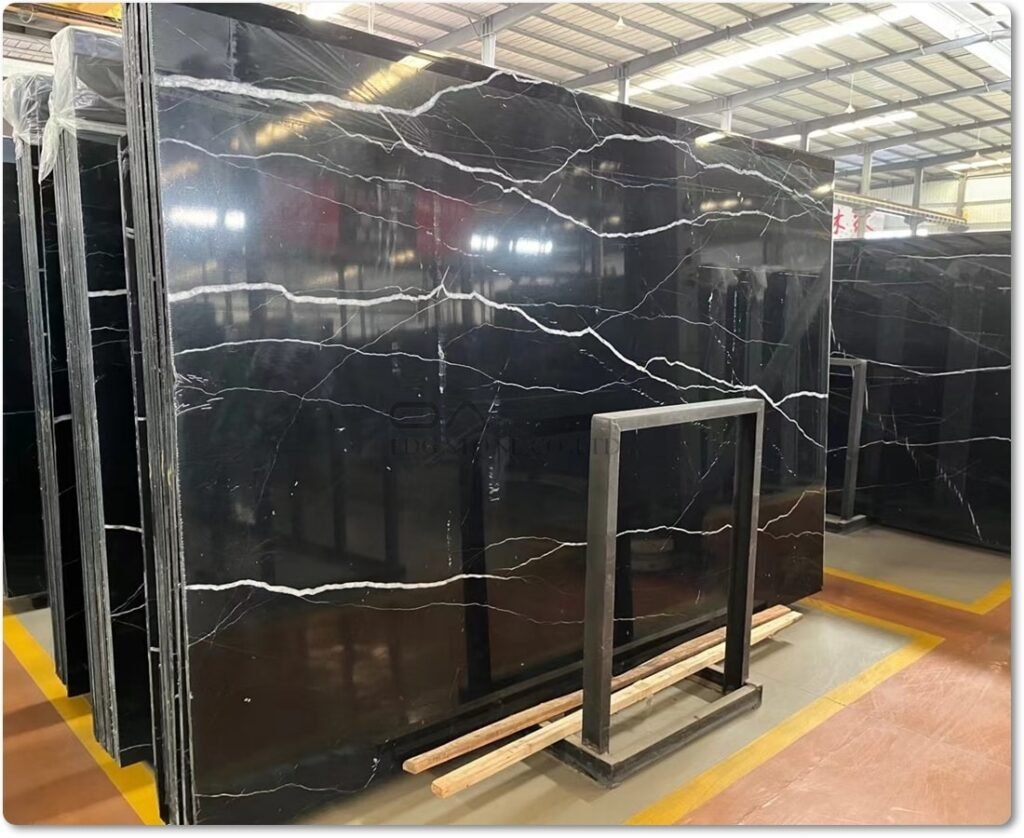
Why Material Performance Matters?
For contractors, architects, importers, and distributors, marble should be specified as a building material, not just a decorative surface. Performance properties affect handling safety, fabrication waste, structural reliability, stain risk, and long-term maintenance. The Natural Stone Institute’s Dimension Stone Design Manual is the industry’s single-source reference for dimension-stone design and construction facts, which is a strong signal that physical performance belongs in the specification stage, not as an afterthought.
In practical terms, a visually beautiful slab can still be the wrong slab for a wet room, a long countertop span, an exterior wall, or a high-traffic public interior. That is why technical buyers compare the stone’s measured properties with the project’s service conditions before approving orders. This is an inference based on the standard testing framework and NSI’s guidance to use project-specific testing when conditions change.
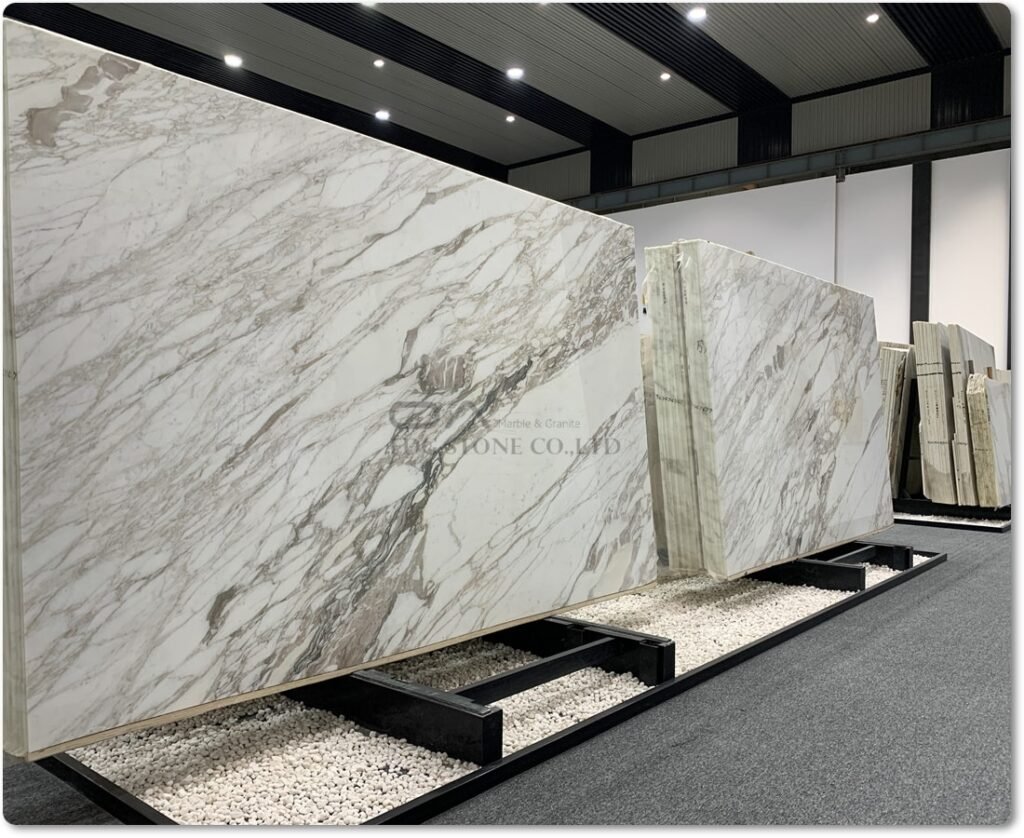
Density and Marble Stability
Density is one of the first numbers buyers should review because it is tied to how much the slab weighs, how it handles during fabrication, and how it behaves during transport and installation. ASTM C97/C97M covers absorption and bulk specific gravity of dimension stone, and NSI lists absorption, density, and bulk specific gravity together in its stone test lab scope, which shows how closely these measurements are connected in procurement practice.
A denser marble slab often feels more substantial in handling and may be less vulnerable to certain edge-damage scenarios, but density alone does not guarantee superior performance. The real value of the number is comparative: it helps buyers distinguish one material from another and assess whether the slab is appropriate for the proposed use. When density is reviewed together with thickness and reinforcement requirements, it becomes easier to plan safe fabrication and installation. This last point is a practical inference from the way dimension-stone standards are used in the industry.
Water Absorption and Stain Resistance
Marble is a calcareous stone, which means it can be sensitive to moisture and to mild acids. NSI states that stones in the limestone family, which are like marble in their calcium-carbonate base, can be altered by mild acids and that absorption varies widely among materials. NSI’s care guidance also warns that lemon, vinegar, and other acids may dull or etch calcareous stones.
Water absorption matters because moisture can influence staining risk, cleanup difficulty, and suitability for wet environments. The USGS also notes that water absorption appreciably affects stone strength, apart from frost-related effects. In procurement terms, that means a marble slab that looks excellent in a dry showroom may still need sealing, careful detailing, or a different application strategy in kitchens, bathrooms, spas, and other moisture-heavy spaces.
For buyers, the useful question is not simply “Does marble absorb water?” The better question is “How much does this specific marble absorb, and is the proposed use compatible with that behavior?” That is exactly why ASTM C97/C97M testing and current project data are so important before release to fabrication.
Flexural Strength and Breakage Prevention
Flexural strength is critical when marble is expected to span unsupported distances, resist handling stress, or survive fabrication and installation without cracking. ASTM C880/C880M is the standard test for flexural strength of dimension stone, while ASTM C99/C99M covers modulus of rupture. NSI’s testing services list both methods as core tests for natural stone.
This property matters especially for countertops, vanity tops, stair treads, wall panels, and thinner slab formats. The thinner the stone or the longer the unsupported span, the more important it becomes to verify that the marble can tolerate real-world loads and handling. In practice, flexural data helps fabricators decide whether to change thickness, add support, adjust seams, or revise the installation detail.
Breakage prevention is not only about the final load. Slabs are also stressed during cutting, moving, packing, and dry-fitting. That is why project teams should request performance data before the stone leaves the factory, not after a problem appears on site. NSI explicitly says it is appropriate to seek new testing when stone is being introduced to the market, when technical data is outdated, or when project conditions require it.
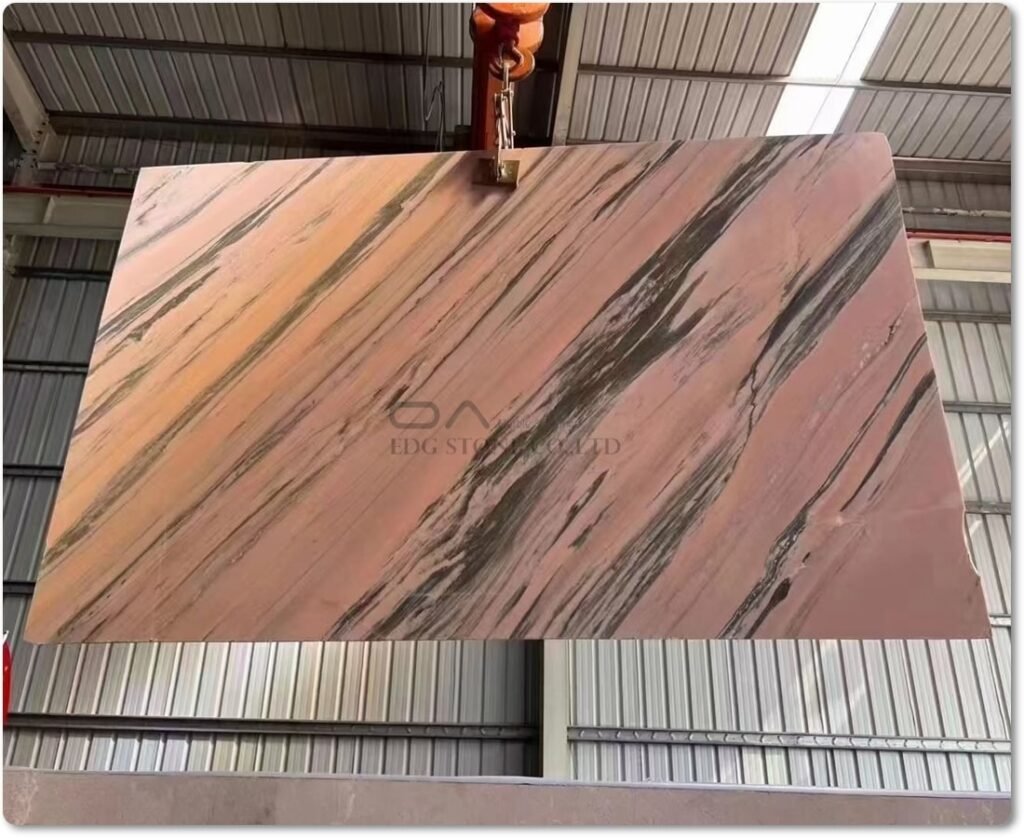
Thermal Movement in Commercial Projects
Temperature changes can influence how stone assemblies behave, especially in exterior applications, heated interiors, and large commercial installations. The Dimension Stone Design Manual is NSI’s current reference for design and construction facts, and it includes guidance for horizontal and vertical installations, which is where movement-related detailing becomes essential. For specification work, the key takeaway is that thermal conditions should be treated as part of the assembly design, not ignored until installation day.
This is especially important for lobbies, facades, snow-melt areas, and other projects where stone is exposed to wider temperature swings. In those cases, movement joints, substrate conditions, anchorage, and support details all become part of the stone’s real performance. The exact detail should always follow the project engineer’s design and the applicable stone installation guidance.
Finish Selection and Durability
Finish choice affects both appearance and service behavior. A polished finish gives marble a high-luster luxury look, while a honed finish often reads softer and can be easier to live with in some applications. The important technical point is that calcareous stones are vulnerable to acid etching, and NSI warns that common acidic cleaners can dull the surface. That means finish selection should be made with maintenance habits, use intensity, and expected wear patterns in mind.
NSI also notes that marble is quarried and used in multiple finishes, including polished and honed. For procurement teams, the right finish is the one that matches the project’s cleaning routine, lighting, traffic, and tolerance for visible aging. In high-visibility commercial spaces, finish choice can change how a stone looks after months of use, not just on installation day.
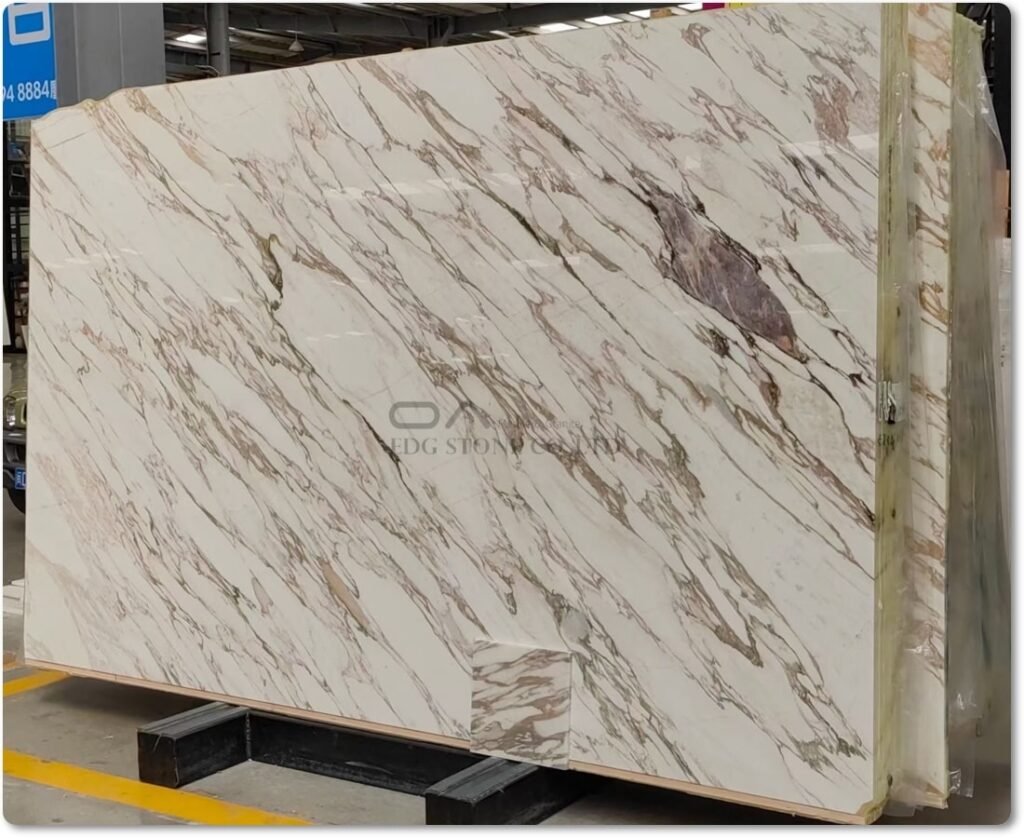
How EDG Stone Factory QC Testing Should Be Evaluated?
A professional QC program for marble slabs should do more than confirm the slab is the right color. The buyer should expect disciplined checks on thickness, surface flatness, visual consistency, bundle verification, and technical documentation, with test data matched to the intended application. NSI’s lab guidance shows that current stone procurement increasingly depends on verified technical data, not informal visual approval alone.
For higher-spec projects, the strongest QC programs pair visual grading with physical testing and documentation review. That approach helps reduce disputes over variation, minimizes site surprises, and gives architects and contractors a clear record of what was approved. Because NSI also points to the Dimension Stone Design Manual as the industry’s technical reference, QC should be aligned with the same standards used in design and installation.
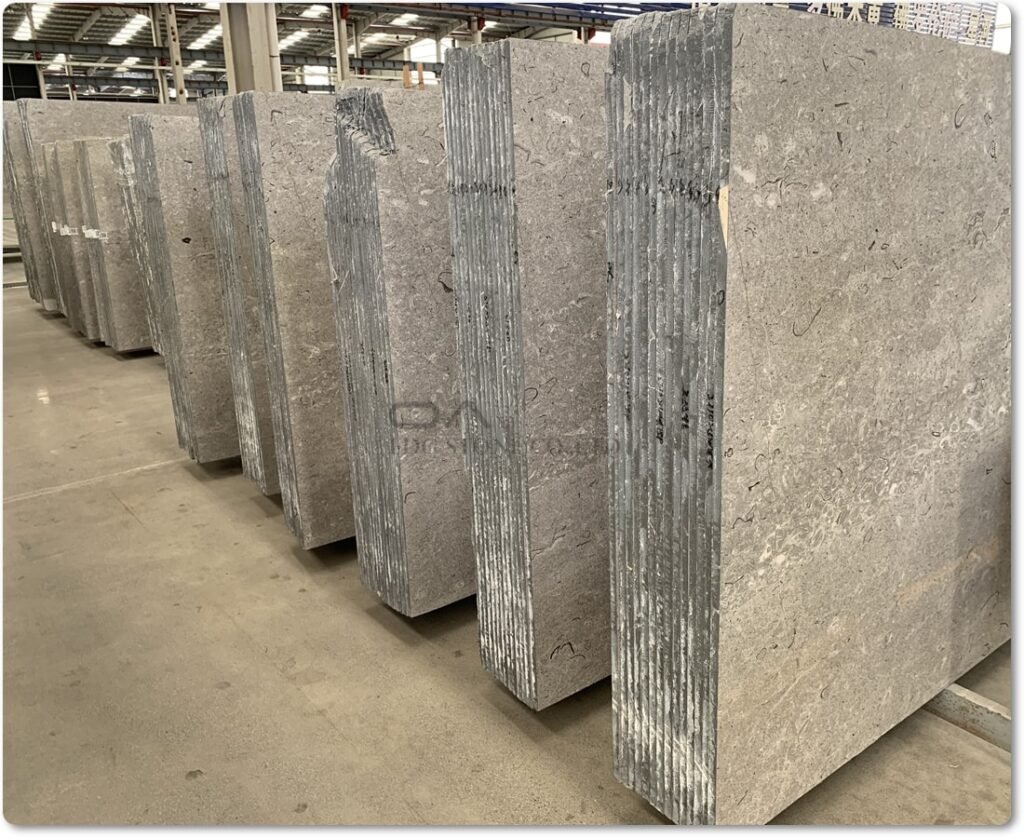
Procurement Mistakes Buyers Must Avoid
The most common mistake is buying marble based on photographs alone. Images are useful for color selection, but they do not reveal absorption, density, or bending performance, and they cannot show whether a slab is suitable for a wet room or long-span countertop. A second mistake is ignoring test age: NSI notes that ASTM C1799 says test results should not be more than three years old, which is a strong reminder to request current data.
Another frequent error is skipping the conversation about finishing and maintenance. Because acidic cleaners can etch calcareous stone, procurement teams should confirm sealing expectations, cleaning products, and end-user habits before the order is finalized. Finally, buyers should not assume that all marble behaves the same way. Similar-looking materials can differ significantly in absorption, flexural strength, and service suitability.
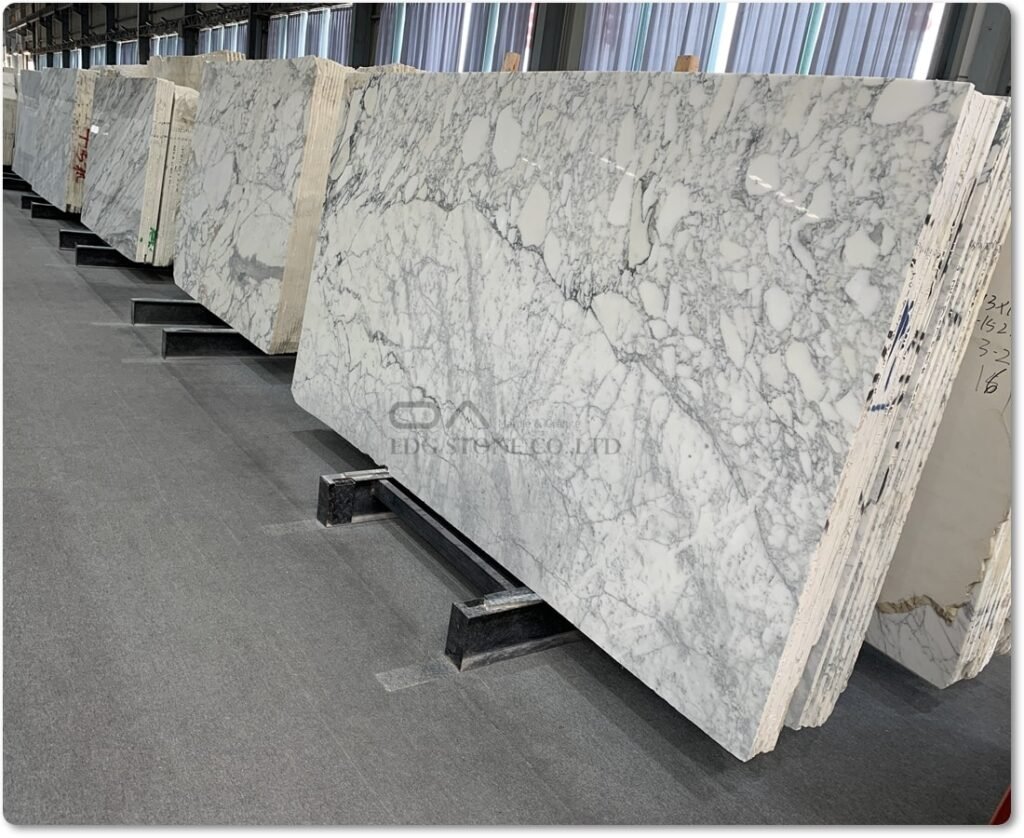
Conclusion
Marble slabs perform well when the right material is matched to the right application. Density helps buyers understand handling and bulk behavior. Water absorption influences stain risk and moisture sensitivity. Flexural strength helps prevent cracking and breakage. Finish selection, shapes, maintenance, and visible aging. When those factors are reviewed together with current test data and project-specific conditions, buyers can reduce risk and improve the chance of a successful installation.
For contractors, architects, importers, and distributors, the best marble purchases are not based on appearance alone. They are based on verified performance, suitable detailing, and a clear understanding of how the slab will behave in service. That is the practical standard supported by ASTM testing methods and NSI’s current technical guidance.
FAQ
What is the most important marble property for countertops?
Flexural strength and absorption are both critical because one helps indicate resistance to cracking while the other helps indicate moisture and stain sensitivity. ASTM and NSI treat these as core stone-performance tests.
Does polished marble stain easily?
Polished marble can show etching and wear more visibly because calcareous stones are sensitive to mild acids and acidic cleaners. Sealing and proper maintenance matter, but they do not make marble acid-proof.
Why do buyers request slab test reports?
Test reports help confirm whether the stone’s measured properties match the project’s service conditions. NSI specifically recommends project-specific testing when technical data is outdated or conditions are unusual.
How often should stone test data be refreshed?
NSI’s materials testing guidance says outdated data is a reason to retest, and its brochure notes that ASTM C1799 says test results should not be more than three years old.
References
ASTM C97/C97M-25, Standard Test Methods for Absorption and Bulk Specific Gravity of Dimension Stone.
ASTM C880/C880M-25, Standard Test Method for Flexural Strength of Dimension Stone.
ASTM C99/C99M-25, Standard Test Method for Modulus of Rupture of Dimension Stone.
Natural Stone Institute, ASTM International Standards / Testing Services / Dimension Stone Design Manual.
USGS, Geologic Appraisal of Dimension-Stone Deposits.