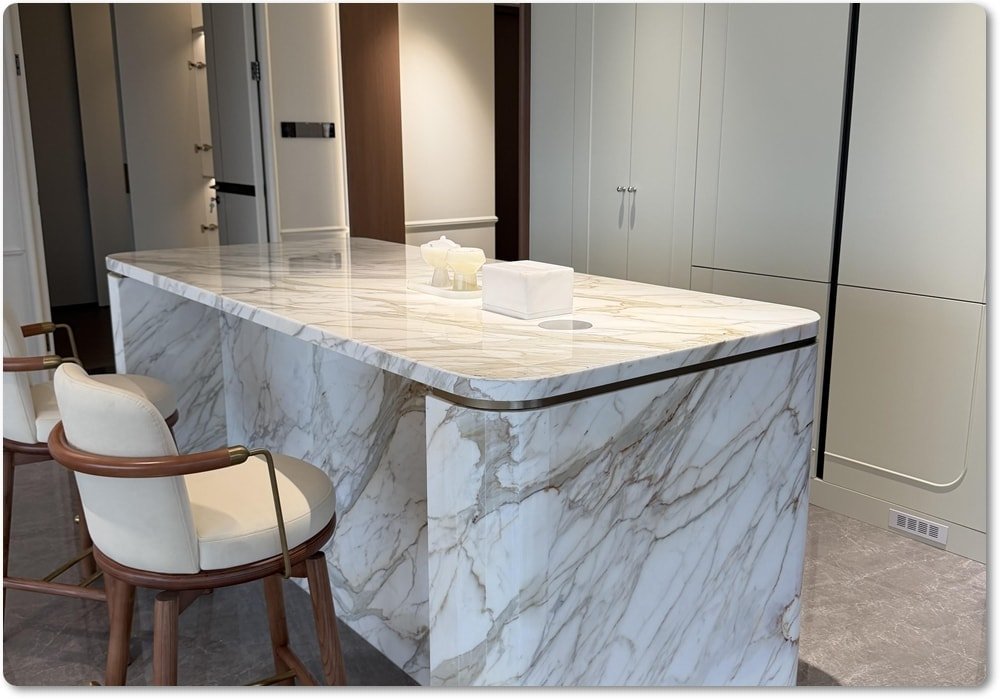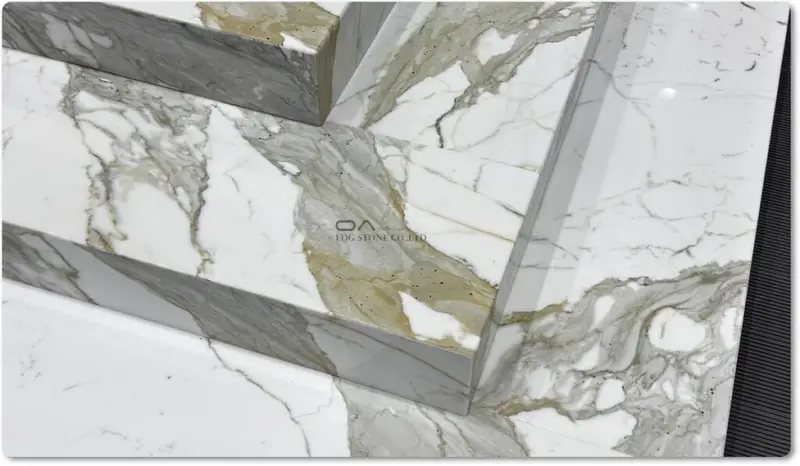
Why Surface Finish Changes Marble Performance?
Surface finish affects more than aesthetics. It influences reflectivity, tactile feel, how easily fingerprints and water spots show, and how obvious etching becomes on a calcareous stone. The Natural Stone Institute recommends neutral cleaners, thorough rinsing, and avoiding acidic products because acids can dull or etch marble surfaces.
In practical terms, a highly reflective finish tends to deliver the strongest visual contrast in the veining, while a matte or textured finish can better disguise day-to-day wear. A leathered surface is typically created from a honed base and then worked with diamond brushes, producing a textured finish that hides fingerprints, smudges, and water spots well.
That is why finish selection should be tied to the use case. A low-touch feature wall can prioritize drama. A family kitchen island may need a finish that is easier to live with. A commercial lobby floor needs a finish that supports both appearance and slip-resistance expectations.
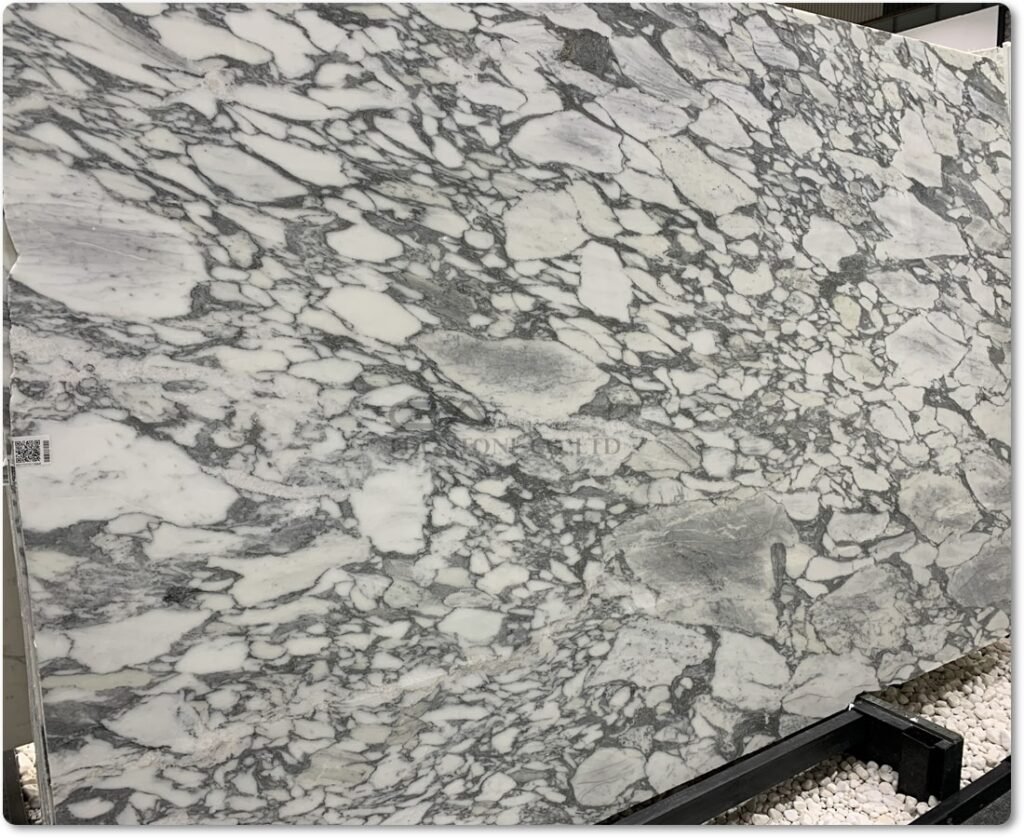
Polished Marble Slabs
Polished marble slabs are the classic luxury choice. A polished finish is glossy, reflective, and designed to enhance the stone’s color depth and veining clarity. MSI describes polished finishes as shiny, smooth, and mirror-like, with the ability to make the stone appear richer and darker in tone.
For white marble slabs, polishing is often the fastest way to create a premium, high-contrast look. It works especially well when the design goal is formal, clean, and bright. In hotel lobbies, reception counters, powder rooms, and feature walls, polished white marble can deliver the crisp visual impact clients expect from luxury stone. The hospitality sector’s 2026 direction favors intentional, memorable spaces, and polished marble fits that brief when the design needs a refined focal point.
The tradeoff is visibility. Polished marble can show fingerprints, hard-water spotting, and etching more obviously than a matte or textured finish because the surface reflects more light. The maintenance response is not complicated, but it must be consistent: neutral cleaner, soft cloth, thorough rinse, and prompt spill control.
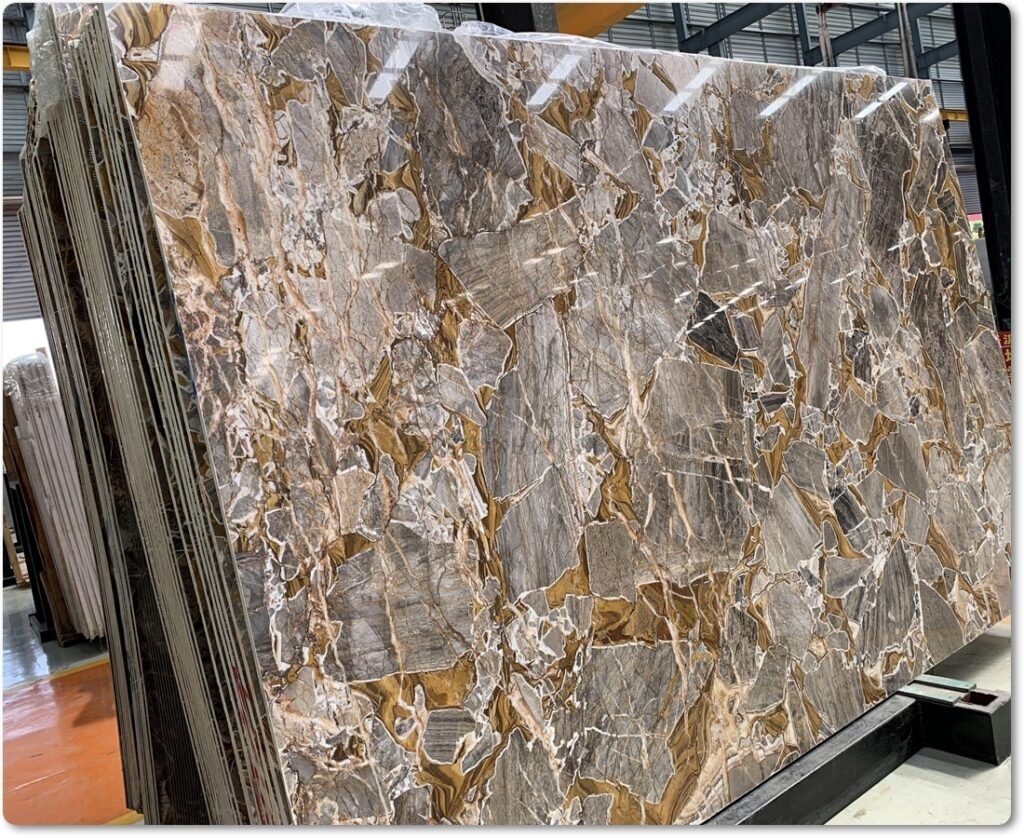
Honed Marble Slabs
Honed marble slabs have a soft matte finish. MSI describes honed marble as producing a matte, velvet-like appearance that feels smoother and more casual than a polished surface. In marble applications, honed finishes are often selected when the owner wants elegance without the high shine.
This finish is popular for kitchens and bathrooms because it reduces glare and creates a quieter, more relaxed visual effect. Honed white marble slabs work well in contemporary interiors, spa-inspired bathrooms, and understated wall cladding where the veining should remain visible but not overpowering.
The maintenance profile is different from polished marble. Honed surfaces can be less formal in appearance, but they can also reveal use patterns differently and may need more frequent care depending on traffic and exposure. As with all marble, acids can etch the finish, so care routines should stay neutral and non-abrasive.
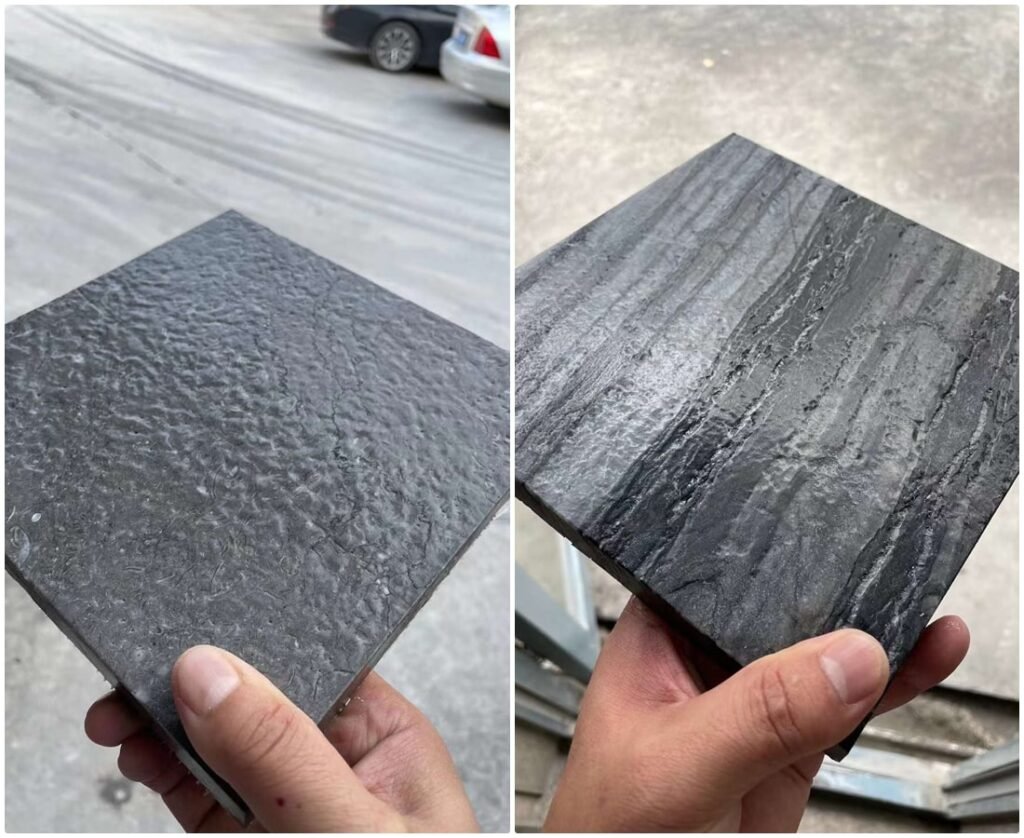
Leathered Marble Finishes
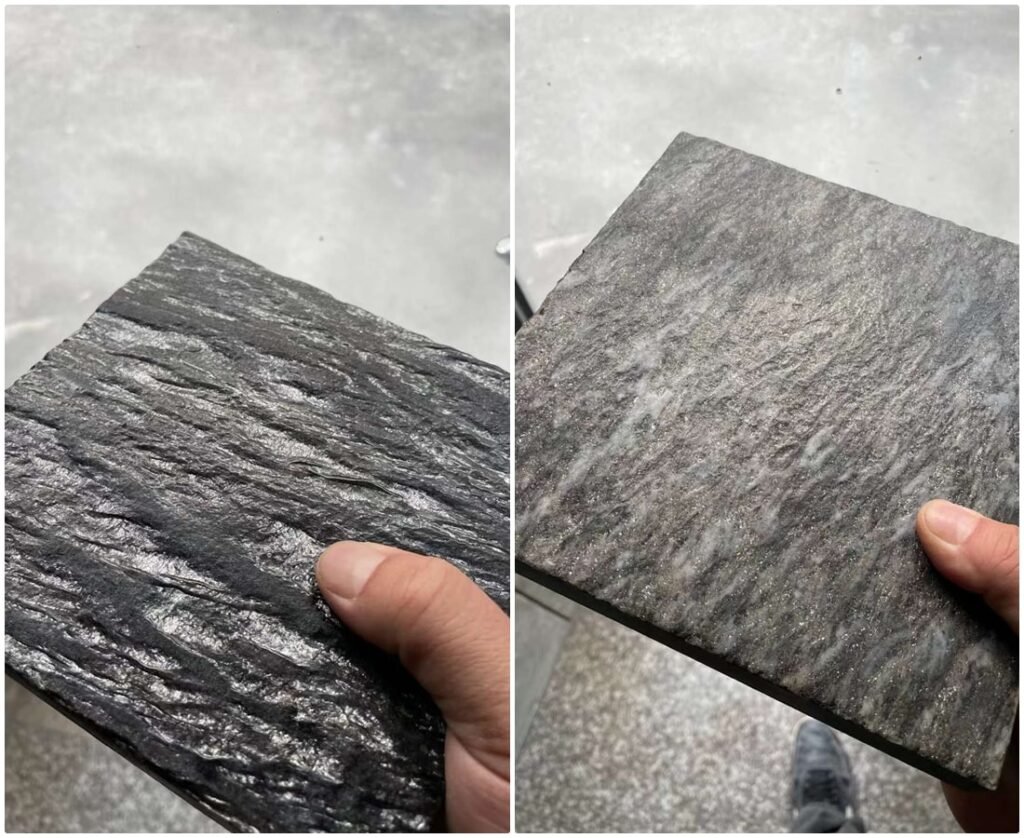
Leathered marble finishes sit between honed and textured. Industry sources describe the process as starting with a honed base, then using diamond brushes to create a lightly textured surface. The result is often described as suede-like or softly tactile, with a subtle sheen rather than a mirror gloss.
This finish is increasingly popular on premium white marble slabs when designers want visual richness without the glare of polishing. The Natural Stone Institute has highlighted leathered marble in high-end projects where the goal was to enhance the stone’s glittering character while concealing discoloration and other imperfections.
Leathered surfaces are especially useful where fingerprints, smudges, and watermarks are a concern. MSI notes that leathered surfaces tend to hide fingerprints, smudges, water spots, and crumbs well, and can offer more stain resistance than honed finishes. That makes leathered marble a strong candidate for kitchen islands, vanity tops, bar fronts, and statement walls that need a more forgiving surface.
Bookmatched Marble Applications
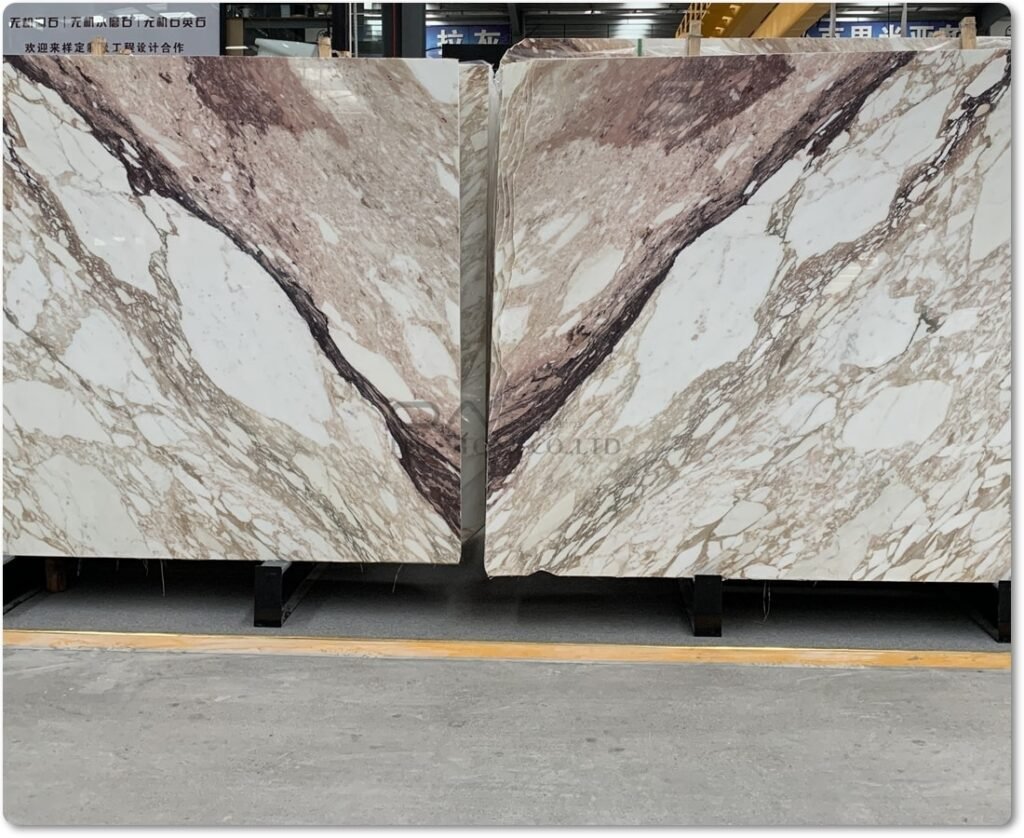
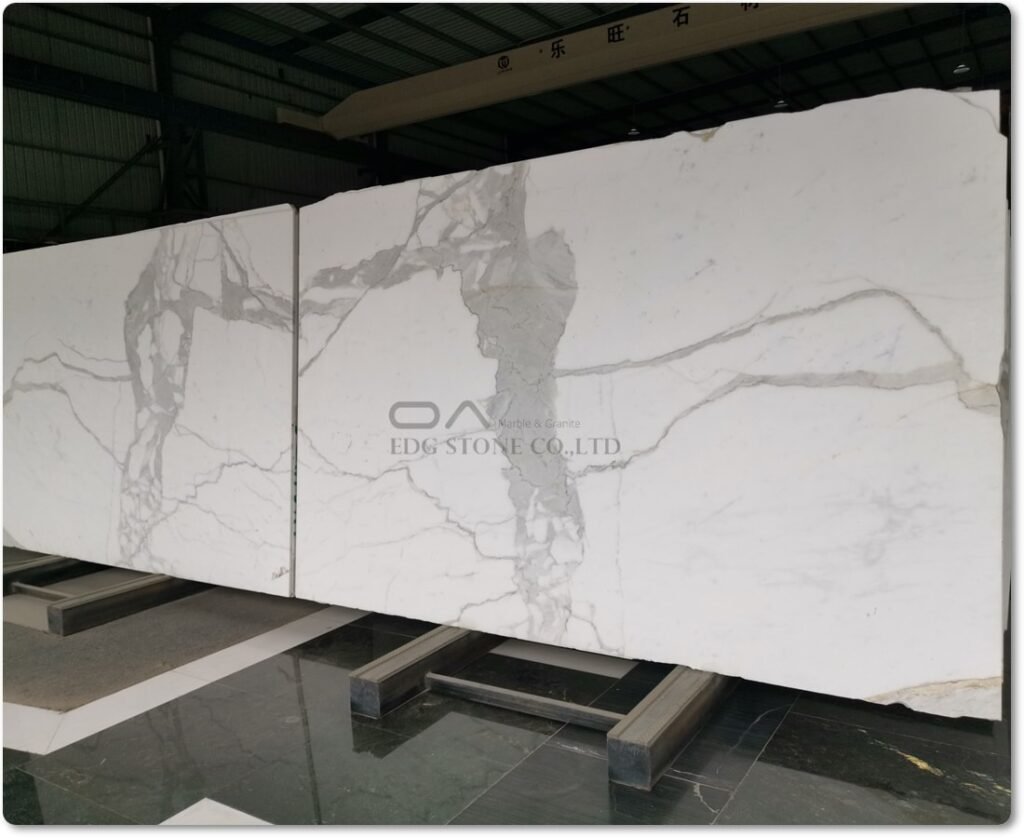
Bookmatching turns two adjacent slabs into a mirrored composition, creating a symmetrical vein pattern that reads like natural artwork. The Natural Stone Institute’s project library and awards materials show bookmatched marble used on feature walls and large interior surfaces where the visual impact is meant to be immediate and dramatic.
This technique is most effective on large vertical applications such as lobby walls, fireplace surrounds, reception backdrops, shower walls, and double-height feature panels. It works best when the marble has strong movement, consistent block selection, and enough slab size to preserve the mirrored effect. In high-end hospitality, that kind of visual rhythm aligns well with the current move toward curated, emotionally resonant spaces.
One important production note: bookmatching should be specified deliberately. The Natural Stone Institute’s technical library includes a book-matching Q&A precisely because this is not something to assume by default on every interior marble wall. In practice, that means the matching method, slab sequence, and acceptable vein alignment should be defined in drawings and shop tickets. That is an inference from the technical guidance and the way the industry frames the topic.
Slip Resistance & Commercial Compliance
Slip resistance matters most when marble is used underfoot, especially in wet or heavily trafficked public areas. The Tile Council of North America notes that ANSI A137.1 uses a wet DCOF threshold of 0.42 or greater for level interior spaces expected to be walked upon when wet, while also warning that DCOF alone should not be the only factor in determining suitability.
This is especially relevant when polished marble is being considered for commercial flooring. A polished finish may be beautiful, but in wet or splash-prone areas, it should be evaluated with the intended use in mind, not just the visual effect. TCNA also explains that older static friction methods, such as ASTM C1028, were withdrawn because they can give misleading results.
For specifiers, the safest approach is straightforward: match the finish to the use zone, ask for real test data where flooring is involved, and avoid treating appearance as a proxy for safety. That is especially true in hotel bathrooms, spa areas, pool-adjacent spaces, entrance lobbies, and food-service environments.
Luxury Hospitality Design Trends 2026
Luxury hospitality in 2026 is moving toward experiences that feel intentional, surprising, and deeply tailored. DLR Group identifies immersive outdoor escapes, bold, expressive design, and carefully curated private spaces as key directions shaping hospitality design in 2026. WATG Advisory likewise points to emotionally resonant experiences, elevated food-and-beverage environments, and stronger placemaking as major market forces.
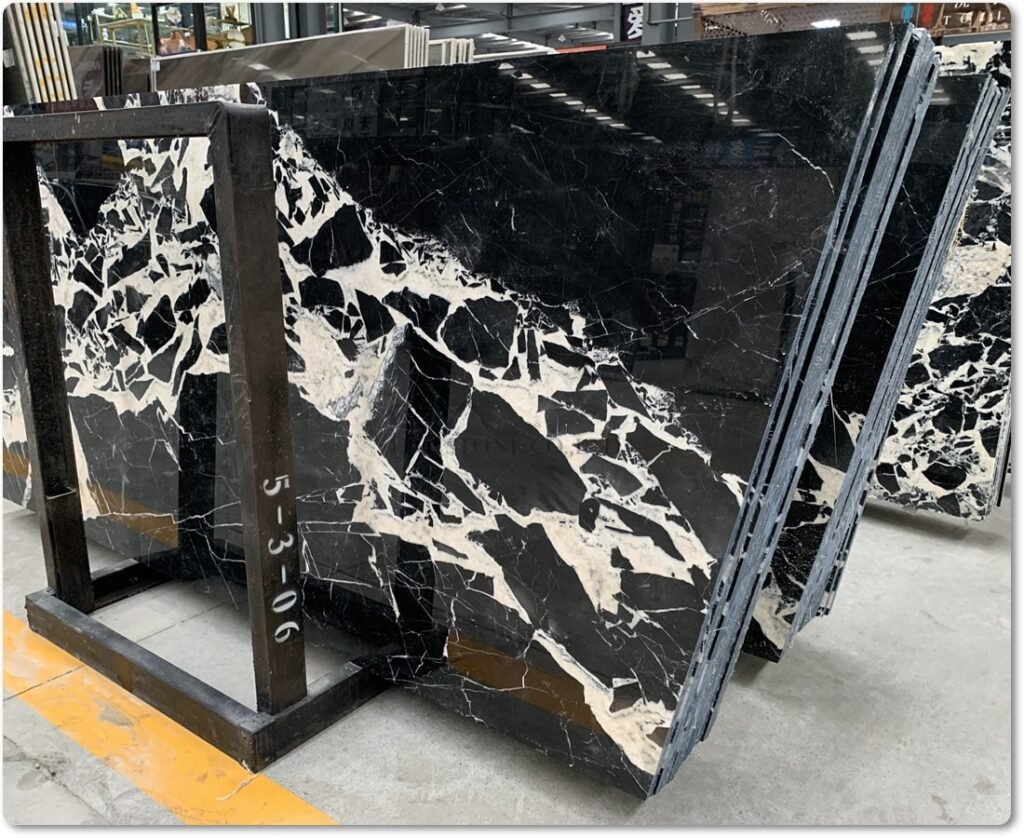
That direction is good news for marble. White marble slabs still perform exceptionally well in hospitality because they feel timeless, tactile, and materially rich. Polished marble supports high-drama arrival zones. Honed marble suits calm, wellness-oriented interiors. Leathered marble adds depth and warmth in spaces where designers want texture without glare. Bookmatched marble creates the kind of signature moment that luxury hotels increasingly need.
The design language in 2026 also leans toward layered, experience-driven interiors rather than plain surfaces. That makes natural stone especially relevant because it brings genuine material variation rather than printed imitation. In a market that values place, mood, and memorability, marble’s natural veining remains one of the most effective ways to create a premium identity.
Best Finish for Kitchens, Bathrooms & Walls
For kitchens, polished marble slabs are the strongest visual choice when the owner wants maximum brightness and a formal luxury look. Honed marble is usually the more forgiving option for everyday use, while leathered marble is ideal when the client wants texture and a softer, more practical finish. As with all marble, the final decision should account for acid exposure and cleaning habits.
For bathrooms, honed and leathered finishes are often easier to live with than highly reflective polished surfaces, especially around sinks, vanities, and shower-adjacent zones where water spotting is common. In wet areas, maintenance discipline matters as much as finish choice, and stone-specific cleaning guidance should be followed.
For walls and feature cladding, polished marble is the most dramatic, honed marble is the most restrained, and bookmatched marble is the most memorable. If the brief calls for a statement surface in a lobby, fireplace wall, or powder room, bookmatched white marble slabs can deliver a powerful architectural focal point.
Maintenance Comparison Table
| Finish | Visual character | Best use | Maintenance profile | Notes |
|---|---|---|---|---|
| Polished | High gloss, reflective, rich veining contrast | Feature walls, formal kitchens, and lobbies | Clean with neutral cleaner; keep acids away because they can etch marble. | Strongest visual drama, but most reflective. |
| Honed | Soft matte, velvet-like, low glare | Kitchens, bathrooms, calm interiors | Requires the same neutral-care routine; acids can still dull the surface. | Good balance of elegance and everyday usability. |
| Leathered | Textured, suede-like, subtle sheen | Islands, vanities, bar fronts, tactile walls | Hides fingerprints, smudges, water spots, and crumbs well; repairs can be harder to blend. | Often, the most forgiving premium finish. |
| Bookmatched | Mirrored slab pattern, highly decorative | Feature walls, fireplace surrounds, hotel statements | Care depends on the underlying finish, usually polished, honed, or leathered. | A layout method, not a separate care class. |
For all marble finishes, the core maintenance rule is the same: use neutral cleaner, avoid acids, rinse thoroughly, and dry the surface after cleaning. The Natural Stone Institute also recommends prompt blotting of spills and using a squeegee in wet areas to reduce soap scum buildup.
EDG Stone Factory Surface Processing Capability
A strong marble-slab production workflow should be able to support finish consistency, slab grading, and project-specific pattern control. For polished marble slabs, that means even gloss and clean calibration. For honed marble, it means a smooth matte field without patchiness. For leathered surfaces, it means controlled texture and repeatable tactile character. For bookmatched work, it means careful slab pairing and accurate sequence control.
At the factory level, buyers should also look for stable packing, shade sorting, and a clear approval workflow before shipment. Bookmatched and high-gloss projects are especially sensitive to layout, lighting, and slab variation, so sign-off samples and shop drawings should be reviewed before fabrication moves forward. That follows directly from the industry’s emphasis on tolerances and the fact that bookmatching is a specified design choice rather than an assumed default.
Conclusion
The best marble finish is the one that matches the project’s visual goal, traffic level, and maintenance expectations. Polished marble slabs deliver luxury and reflection. Honed marble slabs offer softness and control. Leathered marble finishes add texture, depth, and a more forgiving surface. Bookmatched marble applications create the dramatic centerpiece that turns a wall into a destination.
For white marble slabs in 2026, the winning formula is clear: choose the finish for the function, not just the look. When performance, maintenance, and design intent are aligned, marble remains one of the most powerful materials in both residential and commercial interiors.
References
- Natural Stone Institute, “Learn About Cleaning Products for Natural Stone”
- Natural Stone Institute, “Remove Stains from Stone Applications”
- Natural Stone Institute Resource Library, “Book-matched Marble Expectations”
- Natural Stone Institute Resource Library, “Bookmatch and Diamond Match Veneer Patterns”
- Tile Council of North America, Coefficient of Friction / ANSI A326.3 resources
- DLR Group, “What’s Shaping Hospitality Design Trends in 2026”
- WATG Advisory, “Hospitality Trends 2026”
- MSI Surfaces finish guidance and marble finish pages