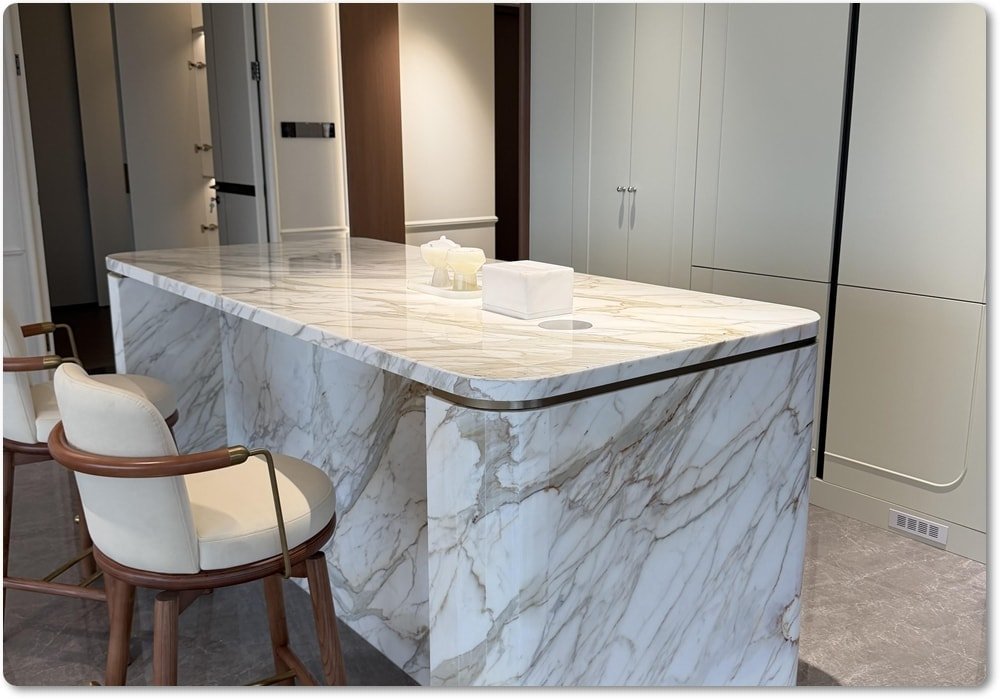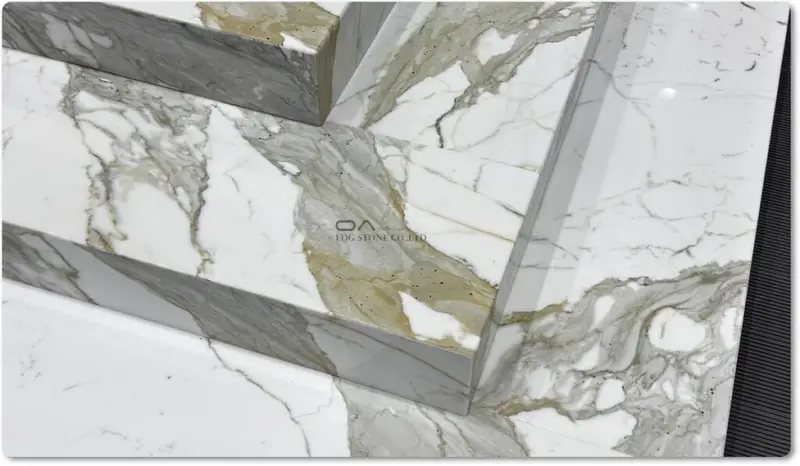
Marble is never just a surface. In high-end interiors, marble color becomes part of the project identity, affecting perception, atmosphere, brand value, and even how people experience a room. Among the most expressive choices, green marble slabs, black marble slabs, pink marble slabs, and blue marble slabs stand out for their ability to create distinct design narratives. Each color communicates something different: green feels grounded and refined, black feels dramatic and architectural, pink feels warm and elegant, and blue feels calm, fresh, and memorable.
For designers, developers, contractors, and specifiers, color strategy is not only about aesthetics. It also affects lighting performance, slab selection, bookmatching potential, maintenance expectations, and procurement consistency. A successful marble project begins with understanding how color works in space, how natural variation behaves across slabs, and how to match the stone to the right interior theme.
This guide explores how to use multi-color marble slabs strategically in luxury residential, hospitality, retail, and commercial projects. It also explains how EDG Stone supports multi-color marble supply for global buyers who need reliable sourcing, visual consistency, and custom project support.
Color Psychology in Luxury Stone Design
Color has a direct influence on how people perceive a space. In luxury stone design, marble color can change the emotional tone of a room before any furniture or lighting is added. Designers often use this to shape first impressions.
Green marble tends to suggest renewal, sophistication, and balance. It is often associated with botanical influence, wellness spaces, and premium interiors that need a sense of calm richness. Black marble conveys strength, exclusivity, and precision. It is a favorite for minimalist concepts, contemporary hotels, and statement architecture because it creates contrast and depth.
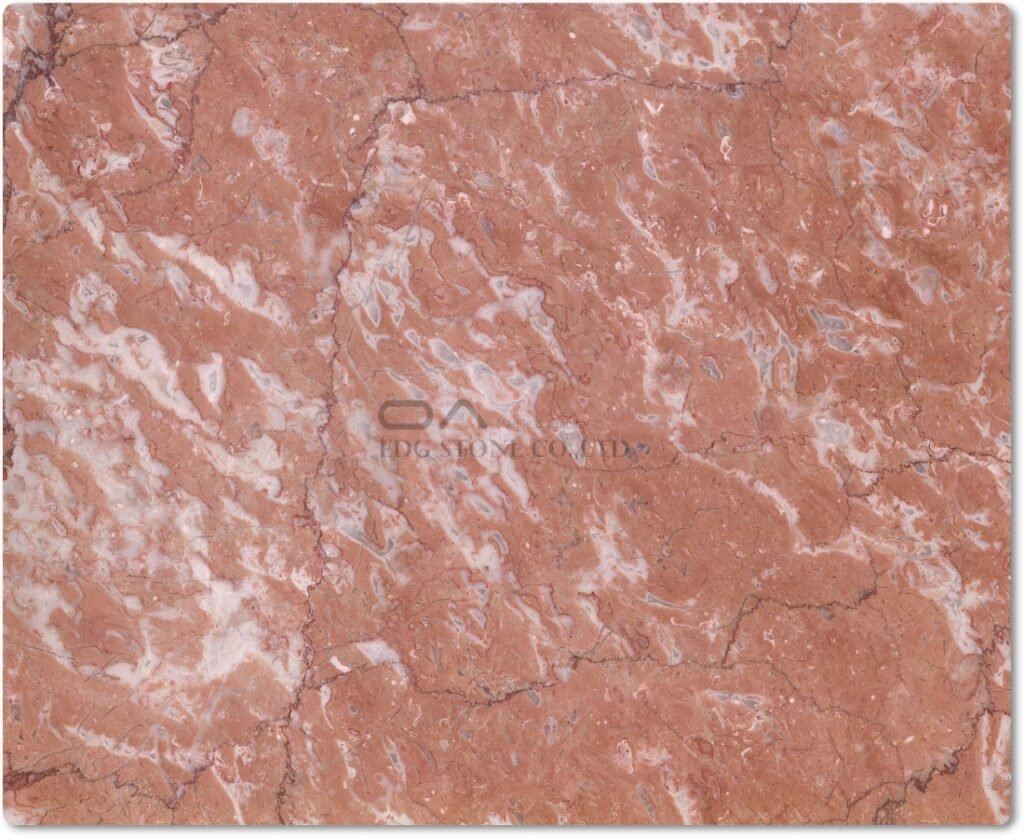
Pink marble brings softness, warmth, and personality. In modern hospitality and residential design, it can feel elegant rather than playful when paired with the right metals, woods, or neutral tones. Blue marble is less common and therefore more distinctive. It often gives a project a cool, artistic, and tailored character, especially when used in feature walls, bathrooms, reception desks, or decorative panels.
For developers and designers, the practical value of color psychology is simple: the right marble color helps a space communicate the right story. A spa should feel different from a private club. A luxury lobby should feel different from a boutique retail space. Marble color is one of the fastest ways to define that message.
Green Marble Applications
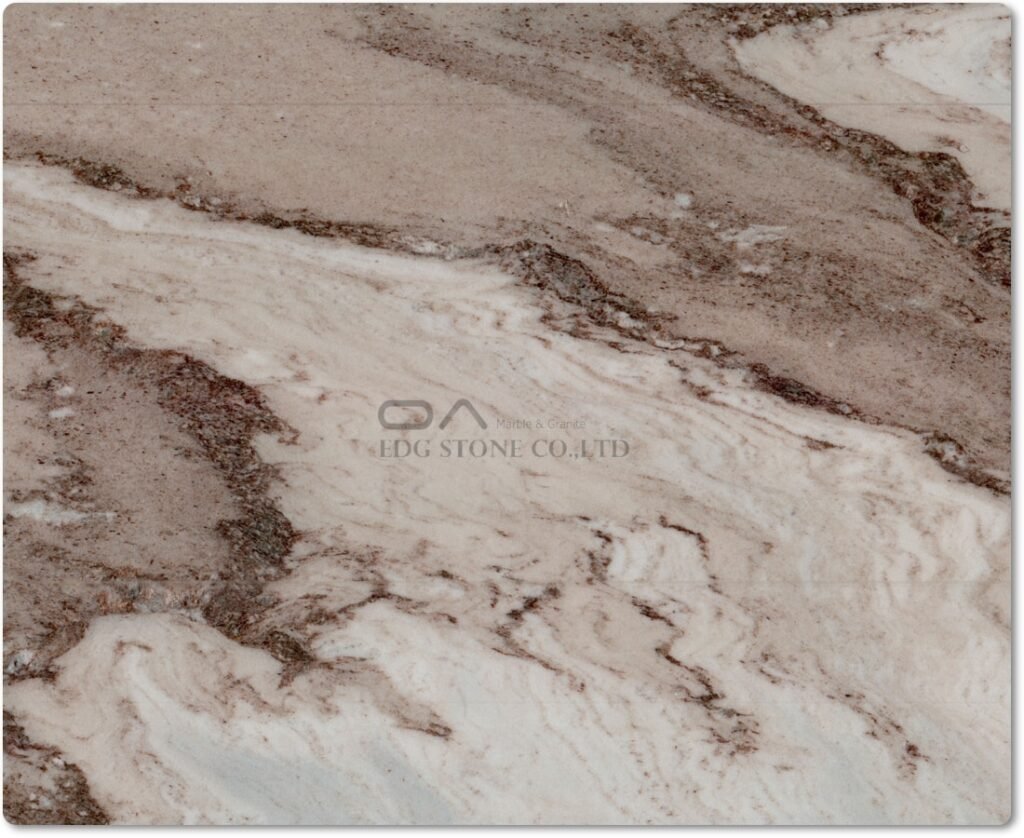
Green marble slabs are one of the strongest choices for interiors that want a natural yet luxurious identity. They work especially well when the project concept includes organic materials, warm metals, wood finishes, or wellness-focused spaces.
In residential projects, green marble is often used for kitchen islands, vanity tops, fireplace surrounds, accent walls, and custom furniture inserts. Deep green varieties create a rich and dramatic effect, while lighter or more veined greens can soften the overall composition. Green marble also pairs beautifully with brass, bronze, walnut, and cream-colored surfaces.
In hospitality design, green marble is popular in hotel lobbies, spa receptions, cocktail bars, and boutique lounges. It helps create a premium atmosphere without relying on excessive ornamentation. A well-chosen green slab can become the visual anchor of the space.
Commercial designers often use green marble in backlit panels, reception counters, and wall cladding where the stone needs to function as both a material and a brand statement. Because the color is naturally expressive, green marble does not need much support from surrounding finishes. It can lead the design direction on its own.
When specifying green marble slabs, pay attention to vein density, color depth, and slab batch matching. Some green marbles are highly varied from slab to slab, which can create visual inconsistency if the project needs a controlled appearance. For large installations, asking for full slab photos, side-by-side booking approval, and reserve stock is critical.
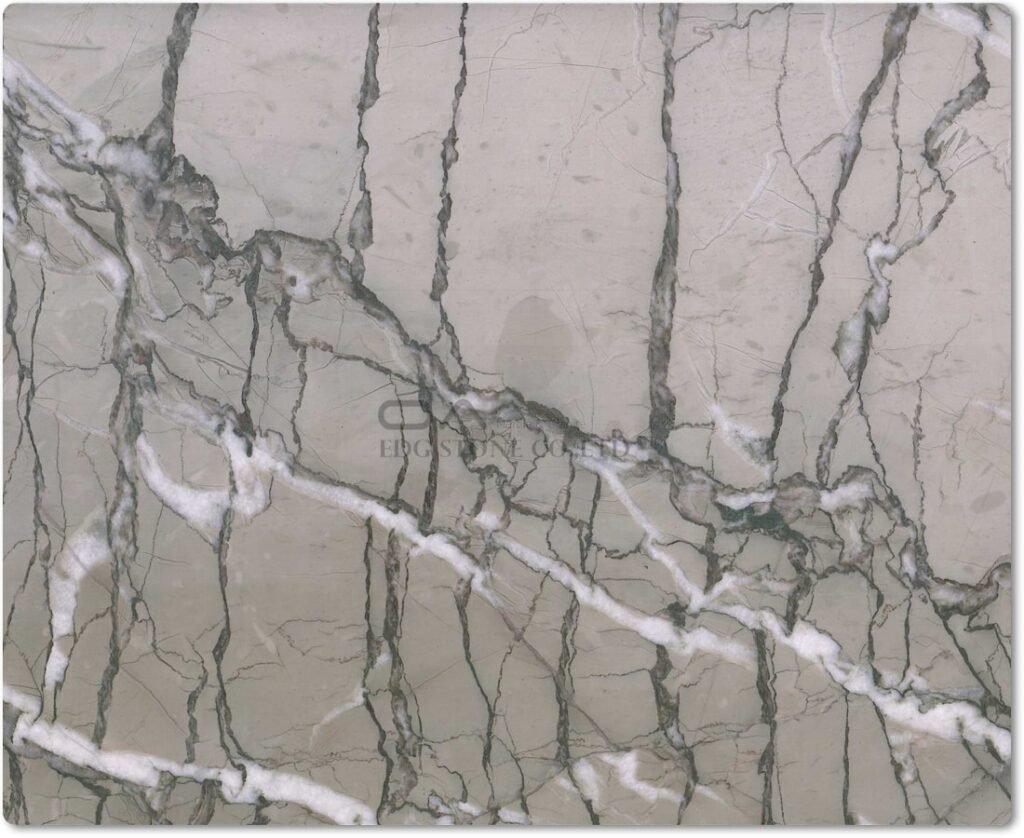
Black Marble Applications
Black marble slabs are among the most versatile options in luxury architecture because they can be both understated and dramatic. Their visual strength makes them useful in projects that need structure, contrast, and a high-end finish.
In contemporary kitchens, black marble is often used for countertops, waterfall islands, splashbacks, and dining tables. It creates a bold, refined look and works well with light cabinetry, stainless steel, or natural wood. In bathrooms, black marble can make vanities, shower walls, and floors feel sophisticated and hotel-like.
In commercial settings, black marble is especially effective in lobbies, executive offices, retail feature zones, and private club interiors. It performs well as a grounding material because it makes surrounding elements appear more vivid. When used with polished finishes, black marble reflects light and adds depth. When used with honed or leathered finishes, it creates a quieter, more architectural effect.
Black marble also supports strong branding. It is often selected for spaces that need to feel premium, confident, and memorable. Luxury fashion stores, automotive showrooms, and upscale hospitality venues frequently use black marble for this reason.
From a procurement perspective, black marble requires close attention to tone consistency. Some slabs appear charcoal, some lean brown, and some are truly jet black. Veining can also range from subtle to highly graphic. For a uniform project, the buyer should confirm whether the intent is a consistent dark field or a more dramatic natural pattern. This decision affects both slab selection and the final installed appearance.

Pink Marble Applications
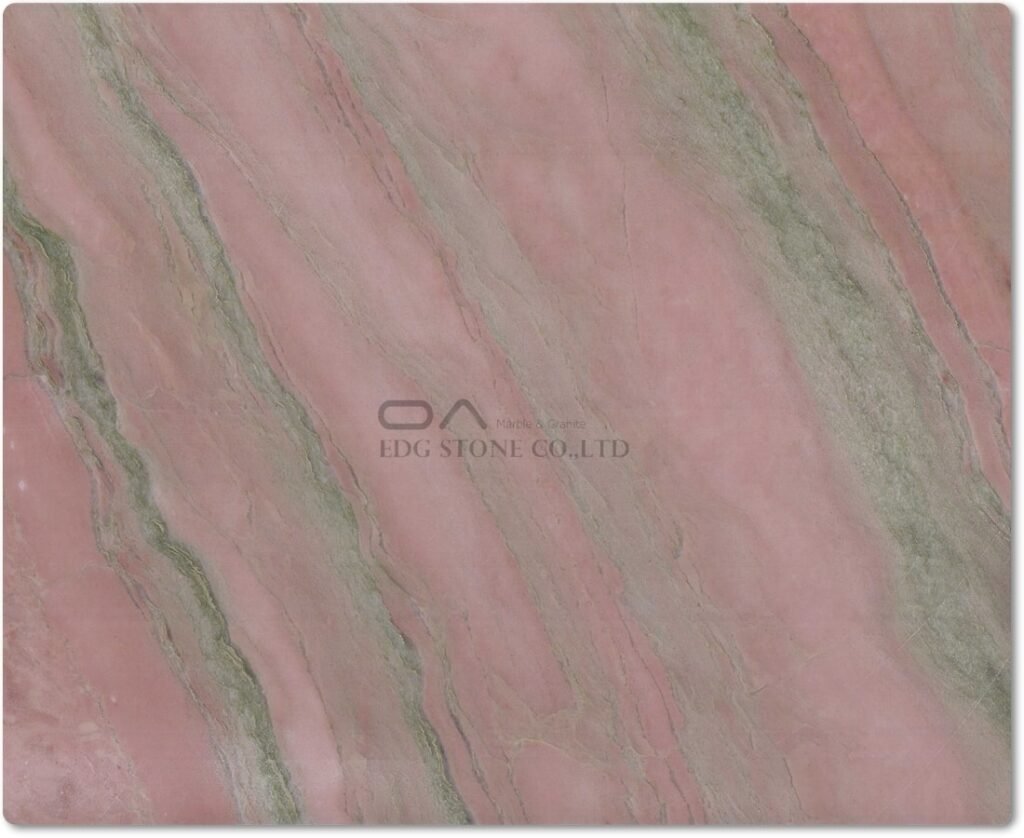
Pink marble slabs add warmth and character to luxury interiors. While they are sometimes associated with softer or more decorative design styles, modern applications have expanded their role significantly. Today, pink marble is used in sophisticated, high-visibility interiors where personality and elegance matter.
In residential projects, pink marble works well for bathroom vanities, powder rooms, bedside accents, tabletops, and custom decorative surfaces. It can feel contemporary when paired with matte black hardware, brushed gold, travertine, or neutral woods. Designers often use pink marble to soften a room dominated by stone, metal, or dark colors.
In hospitality and retail spaces, pink marble can create a memorable brand experience. It is particularly effective in boutique hotels, spa environments, beauty retail, cafés, and curated lifestyle spaces. When used thoughtfully, pink marble feels elevated rather than trendy.
Pink marble can also function as a balancing material in mixed-color schemes. For example, it can warm up a black-and-white interior or add subtle contrast in a room with green or blue accents. This makes it a useful tool for designers who want more emotional depth without losing refinement.
The main specification issue with pink marble is shade variation. Some slabs are pale blush; others are stronger coral, rose, or beige-pink. Buyers should always define the acceptable color range before approval, especially for projects with multiple rooms or repeated applications. Matching slabs across phases is essential if the project is being delivered over time.
Blue Marble Applications
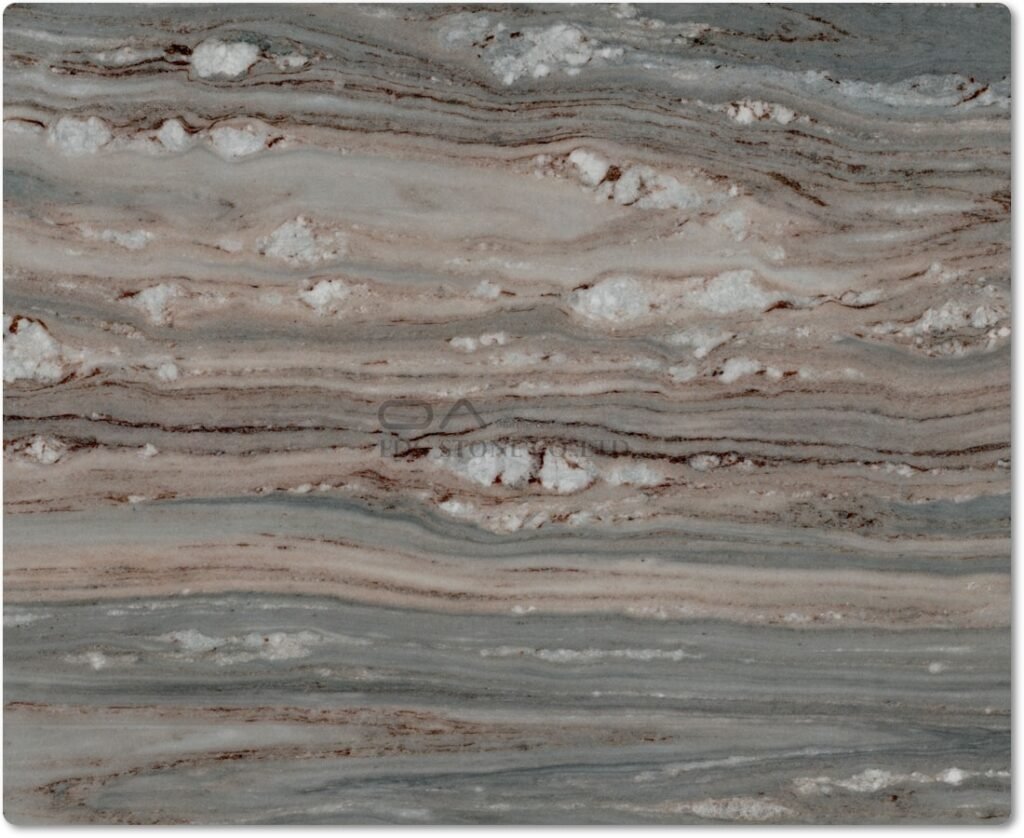
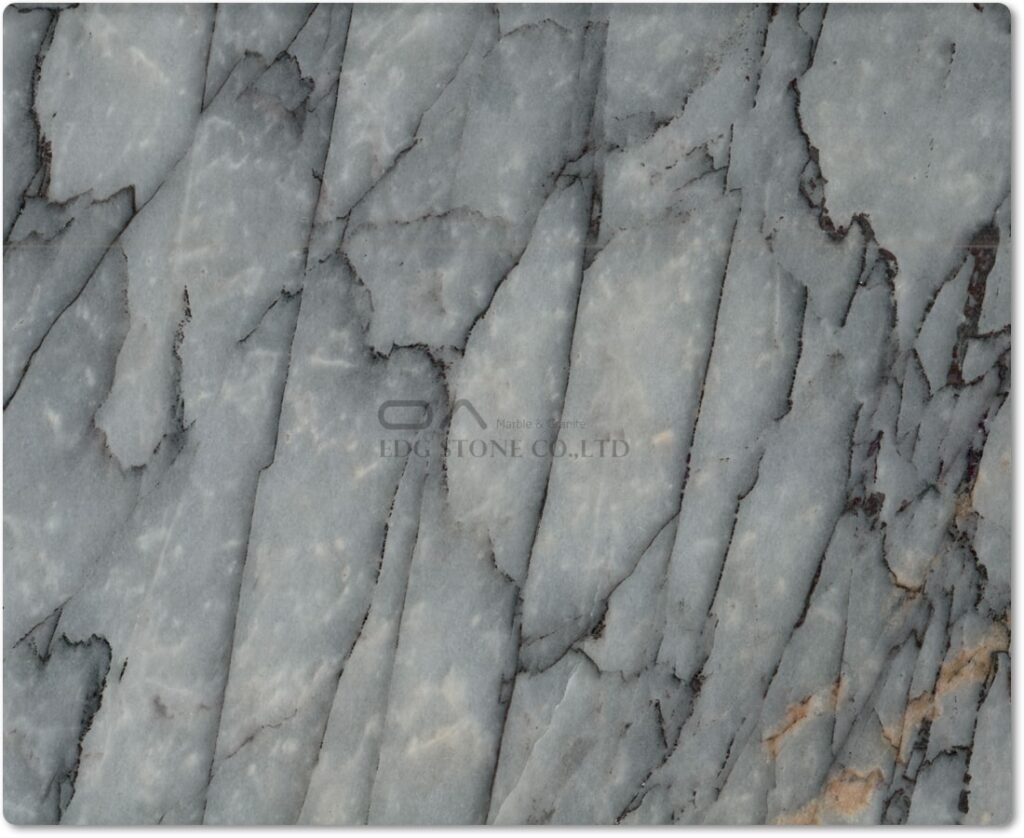
Blue marble slabs are distinctive, elegant, and visually memorable. They are less common than green or black marble, which makes them especially useful in projects that need a signature element. Blue marble is often selected when the goal is to create a cool, upscale, and slightly artistic atmosphere.
In luxury interiors, blue marble can be used for feature walls, reception areas, washrooms, countertops, bar fronts, display plinths, and decorative inserts. It performs particularly well in spaces where lighting can emphasize movement, texture, and color variation within the stone.
Blue marble often pairs well with white, gray, brass, silver, and dark timber finishes. In contemporary environments, it can create a crisp, coastal, or gallery-like effect. In more classical interiors, blue marble can feel regal and layered when combined with warm metals and symmetrical detailing.
Because blue marble is relatively uncommon, it often becomes a conversation piece. That makes it valuable for commercial developers who want a strong visual identity. In hotels, restaurants, and flagship retail spaces, blue marble can help create a recognizable interior story.
As with all natural stone, blue marble must be selected carefully for batch consistency. Some slabs read as cool gray with blue undertones, while others present stronger blue movement. The final result depends heavily on source selection, slab layout, and lighting conditions. What looks elegant under showroom lighting may shift significantly in warm interior light, so project testing is important.
Matching Marble Colors with Interior Themes
A strong marble strategy always starts with the overall design concept. The best color is not the most expensive or the rarest. It is the one that supports the architecture, finishes, lighting, and use case.
Green marble is ideal for biophilic, wellness, and nature-inspired themes. It works well in spaces that use wood, plants, matte metals, and earthy textures. Black marble fits minimal, modern, masculine, or high-contrast interiors. It is especially effective where clean geometry and strong lighting are part of the design language.
Pink marble is suitable for warm luxury, boutique hospitality, fashion-forward retail, and residential spaces that need softness or identity. Blue marble complements elegant, cool-toned, artistic, and maritime-inspired interiors. It also works well in projects where a custom look is important.
The most successful interiors often combine one dominant marble color with supporting neutral materials. For example, a green marble island can be balanced with oak cabinetry and light walls. A black marble reception desk can be softened with warm lighting and textured plaster. A pink marble vanity can be paired with cream tile and brushed brass. A blue marble feature panel can be highlighted with understated furnishings so the stone remains the focal point.
For designers working across multiple rooms or floors, color continuity matters. A project can still use more than one marble color, but there should be a clear system. Each stone should have a role: one for statement, one for background, and one for accent. That approach keeps the design coherent and easier to execute.
Commercial Lighting & Marble Appearance
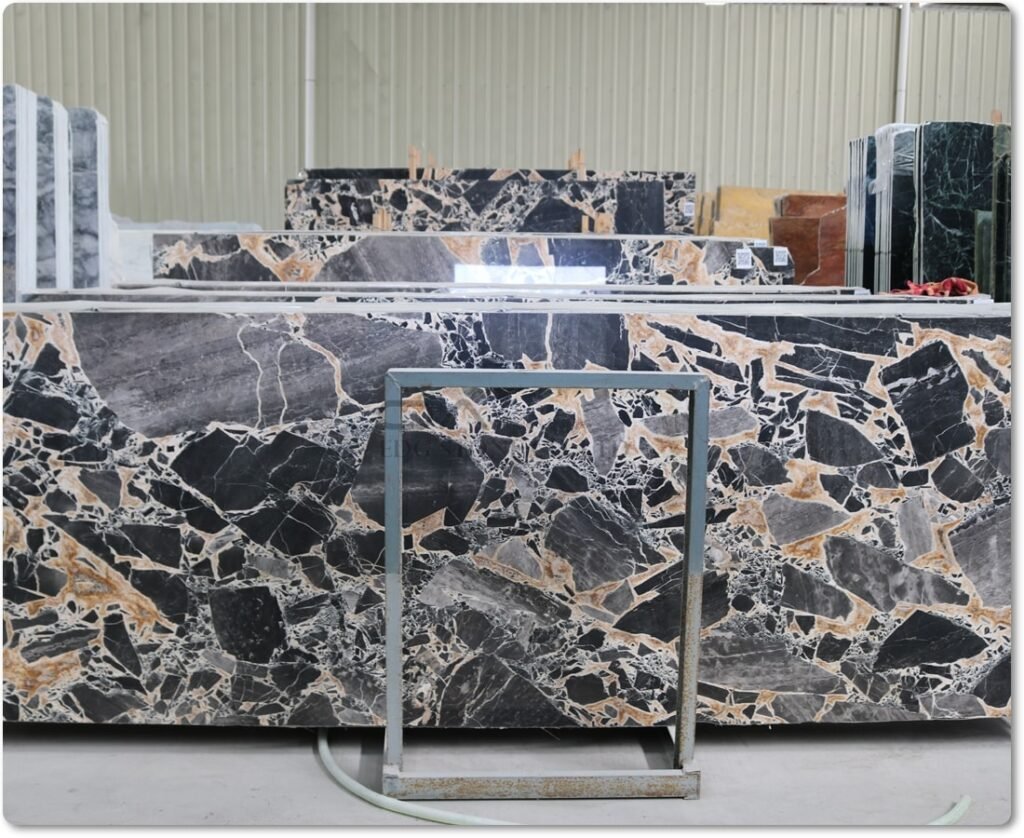
Lighting changes everything in marble design. The same slab can appear deeper, flatter, warmer, or cooler depending on the environment. This is one of the most important but most overlooked issues in marble procurement.
Natural daylight reveals true color variation, but it also changes throughout the day. Warm artificial lighting can make green marble feel richer, pink marble feel softer, and black marble feel less stark. Cool lighting can make a blue marble appear sharper and more modern. In retail and hospitality spaces, lighting design should be considered together with stone selection, not after it.
Polished finishes reflect more light and intensify color depth. Honed and leathered finishes reduce glare and often make the stone feel quieter and more architectural. This matters especially for black marble, which can show reflections and fingerprints more clearly in bright commercial interiors.
Large-format installations are especially sensitive to lighting. A slab that looks balanced in the warehouse may appear dramatically different once installed under pendants, wall washers, or concealed LED strips. Designers should review stone samples under intended lighting conditions whenever possible. For premium projects, it is also wise to test the finish with the exact fixture temperature planned for the space.
Color Consistency Procurement Risks
Natural marble is beautiful precisely because it is not manufactured to be identical. That beauty also creates procurement risk. Buyers need to manage variation in color, vein movement, quarry batch, and finish expectations.
One of the biggest mistakes in multi-slab projects is approving based on a small sample and assuming the whole order will match. A polished sample chip cannot fully represent the full slab’s movement, tone, or directional veining. For green, black, pink, and blue marble, especially, the difference between one slab and the next can be visually significant.
To reduce risk, project teams should request full slab photos, video inspections, batch labeling, and, when possible, reserve matching slabs for the entire order. It is also important to clarify whether the project requires a random match, a sequential match, a bookmatch, or a vein-matched layout. These choices affect both material yield and final appearance.
Transportation and finishing can also affect the result. A honed surface may appear lighter than a polished surface. A leathered finish may soften a strong color contrast. Even the installation direction can influence how the stone reads in the room.
For developers, consistency is not only a design issue. It is also a budget issue. Inconsistent slabs can lead to replacement costs, delays, site disputes, and wasted material. The best procurement strategy is to define color tolerance early, review approved lots carefully, and buy from a supplier that understands multi-slab visual control.
EDG Stone Factory Multi-Color Marble Supply
EDG Stone supports global buyers with multi-color marble supply for luxury residential, hospitality, and commercial projects. For designers and developers specifying green marble slabs, black marble slabs, pink marble slabs, or blue marble slabs, factory-level sourcing is an advantage because it gives the project team greater control over selection, production, and delivery.
A strong marble supplier should do more than quote a price. It should help align material selection with design intent, provide slab-level inspection, and coordinate consistent supply across project phases. For larger orders, this is especially important when different rooms or zones need matching tone, finish, and visual direction.
EDG Stone’s role in the supply chain is to support project success from slab selection to fabrication readiness. That includes helping buyers review color consistency, reserve suitable batches, and manage the balance between natural variation and design control. For international projects, this is essential because the material may need to pass through multiple approvals before fabrication begins.
For buyers searching online, language matters too. Clear product descriptions, project applications, and slab color categories help both people and search engines understand the material.
Conclusion
Green, black, pink, and blue marble slabs each offer a different design advantage. Green brings depth and natural luxury. Black adds contrast and authority. Pink introduces warmth and elegance. Blue creates a cool distinction and visual identity. The right choice depends on the interior concept, lighting plan, finish selection, and procurement control.
For designers and developers, the best marble strategy is never random. It is intentional. A successful project aligns color psychology, application, lighting, and consistency from the beginning. That is how marble becomes more than decoration and becomes part of the architecture itself.
For luxury projects that require reliable multi-color marble supply, EDG Stone provides the sourcing support, slab control, and project expertise needed to turn design ideas into finished spaces.