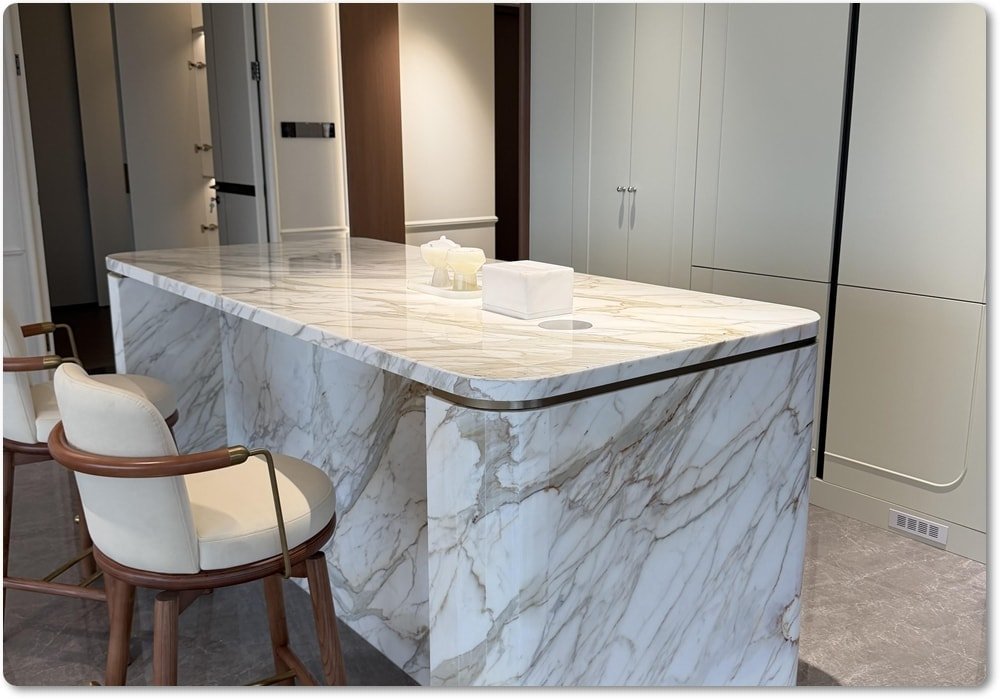
The global natural stone industry has become increasingly interconnected. Today, developers, contractors, architects, distributors, and luxury homeowners source marble slabs internationally to secure better pricing, wider material selections, and more stable supply chains. Markets such as Sydney, Melbourne, Toronto, and the UK represent some of the most active regions for imported marble slabs due to strong demand in residential, hospitality, retail, and commercial construction sectors.
Buyers searching for marble slabs Sydney, Melbourne, Toronto, and the UK are often comparing two major procurement models:
- Purchasing from local inventory stockists
- Importing directly from overseas marble factories and exporters
Each procurement strategy carries different implications for cost, logistics, lead time, slab consistency, quality control, and project risk management.
For large commercial developments and luxury residential projects, procurement strategy directly impacts profitability and project execution. Understanding how regional markets operate allows buyers to reduce risk while maximizing stone quality and supply stability.
This guide explores procurement trends across Australia, Canada, and the UK while explaining how international suppliers like EDG Stone support global marble slab buyers.
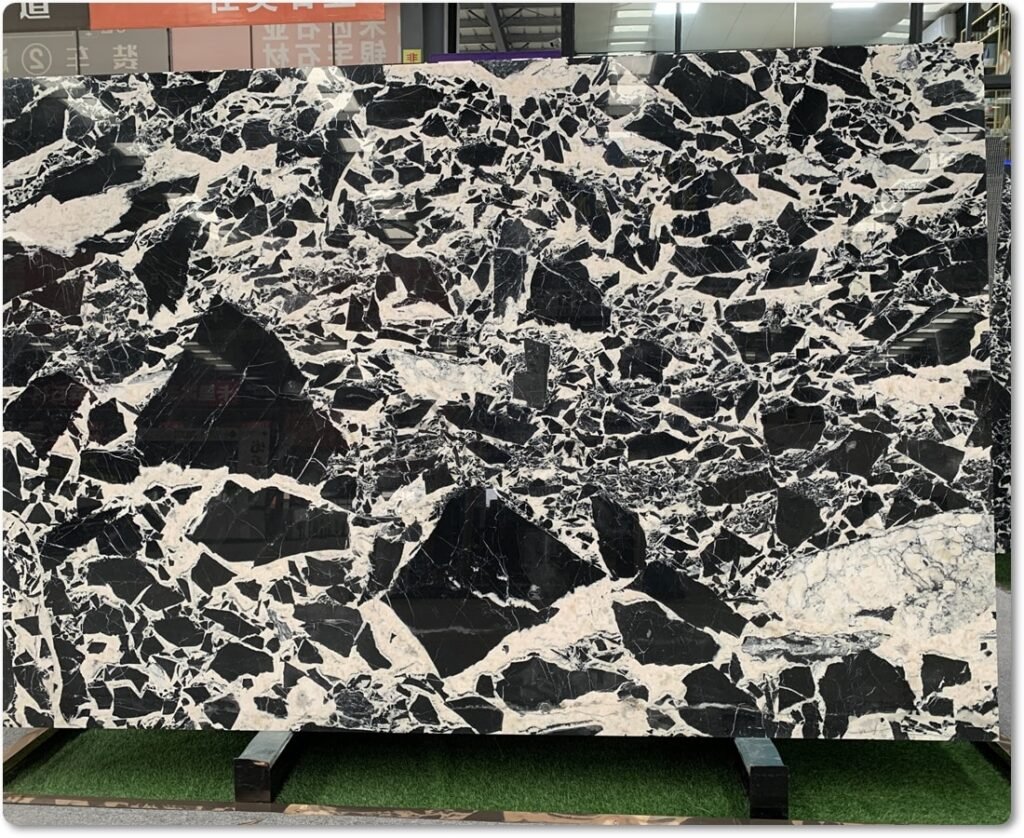
Why Regional Procurement Strategies Matter?
Marble procurement is no longer simply about finding attractive slabs. Professional buyers now evaluate:
- Supply chain reliability
- Container efficiency
- Currency fluctuation risks
- Freight costs
- Customs regulations
- Warehouse turnover
- Slab consistency
- Technical fabrication support
- Sustainable sourcing practices
Regional conditions influence how marble is purchased and distributed. For example:
- Australian buyers prioritize freight optimization because of long shipping distances.
- Canadian buyers focus heavily on freeze-thaw durability and customs efficiency.
- UK distributors prioritize rapid inland logistics and inventory turnover.
As a result, procurement strategies must be tailored to each market.
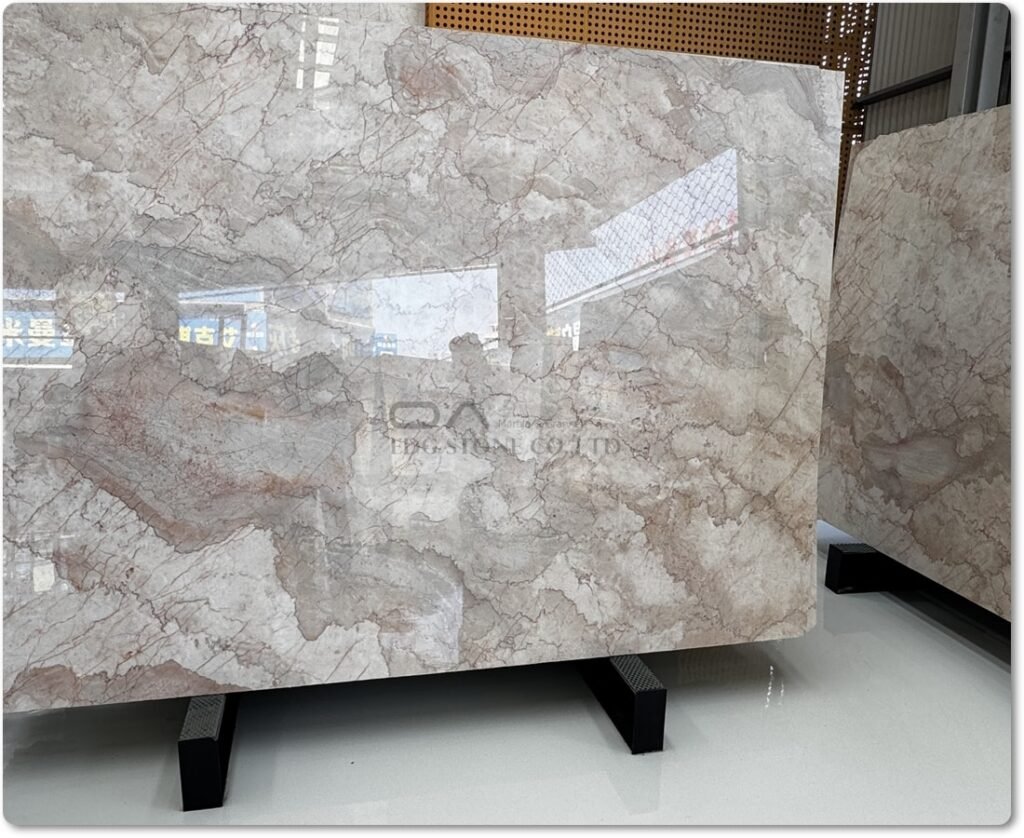
Local Inventory vs Direct Import
One of the first decisions buyers make is whether to source from local inventory or import directly from overseas suppliers.
Advantages of Local Inventory
Local slab yards and distributors offer:
- Faster delivery
- Immediate inspection
- Lower short-term logistical complexity
- Reduced customs handling
- Easier small-volume purchasing
This model works well for:
- Small renovation projects
- Residential kitchens
- Quick-turn developments
- Urgent replacement materials
However, local inventory also comes with limitations.
Limitations of Local Stock Suppliers
Local inventory holders often:
- Carry limited color ranges
- Maintain higher markups
- Offer inconsistent slab batches
- Have restricted thickness options
- Lack of large-volume project coordination
In many regions, distributors import slabs from overseas factories anyway, adding multiple layers of margin before the materials reach the final buyer.
Advantages of Direct Marble Import
Direct import from factories offers:
- Better pricing
- Larger slab selection
- Bookmatch consistency
- Project batch control
- Lower cost per square foot
- Direct QC communication
- Custom cutting capabilities
This procurement model is especially effective for:
- Hotels
- Condominium towers
- Luxury villas
- Commercial lobbies
- Retail developments
- Large countertop programs
For experienced contractors and distributors, direct import significantly improves procurement efficiency over long-term purchasing cycles.
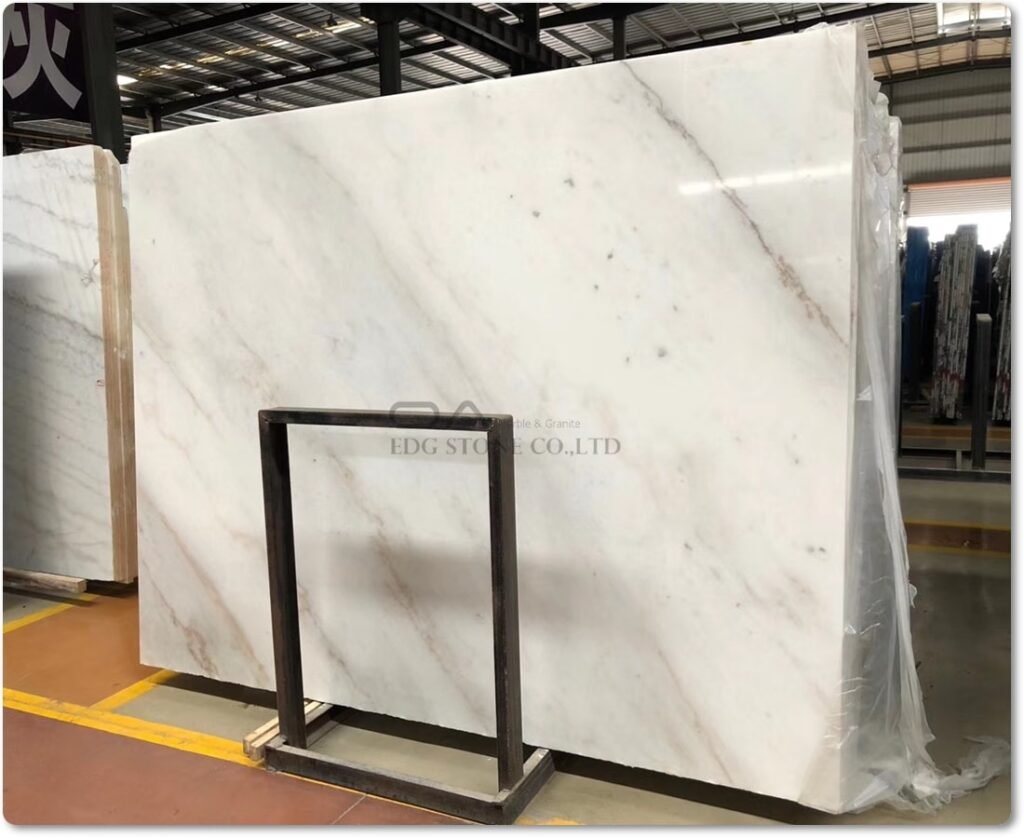
Australia Marble Procurement Trends
Australia remains one of the strongest markets for imported natural stone in the Asia-Pacific region.
Demand for marble slabs Sydney and marble slabs Melbourne continues to rise due to:
- Luxury residential construction
- Hospitality expansion
- Premium apartment developments
- Retail renovation projects
- Designer kitchen demand
Sydney Marble Procurement Characteristics
Sydney buyers typically prioritize:
- White marble slabs
- Calacatta marble
- Grey vein marble
- Bookmatched feature walls
- Large-format slabs
High-end architectural firms in Sydney increasingly specify imported marble for:
- Luxury penthouses
- Waterfront homes
- Boutique hotels
- Commercial reception areas
Because Sydney construction costs are already high, developers often seek direct factory sourcing to reduce stone procurement expenses.
Melbourne Marble Market Characteristics
Melbourne has a design-focused stone market with strong demand for:
- Warm-toned marble
- Beige marble
- European-inspired finishes
- Honed surfaces
- Minimalist vein structures
Melbourne interior designers frequently combine marble with:
- Timber
- Brass
- Matte black fixtures
- Contemporary cabinetry
This has increased demand for curated slab selections rather than commodity-grade stone.
Australia Import Challenges
Australian buyers face several procurement challenges:
Long Shipping Distance
Ocean freight to Australia is expensive and time-consuming.
Port Congestion Risks
Delays at major ports can affect construction schedules.
Container Cost Volatility
Freight pricing can fluctuate dramatically depending on fuel and global shipping demand.
Inland Transportation Costs
Domestic trucking within Australia can substantially increase landed costs.
As a result, Australian buyers increasingly focus on container optimization and supplier consolidation.
Canada Marble Market Analysis
The Canadian marble market continues to grow, especially in urban regions like Toronto and Vancouver.
Search demand for marble slabs Toronto reflects strong activity in:
- Condominium construction
- Luxury custom homes
- Commercial office projects
- Kitchen renovation markets
Toronto Procurement Preferences
Toronto buyers commonly seek:
- White marble slabs
- Quartzite alternatives
- Durable polished finishes
- Jumbo slabs
- Consistent veining
Due to harsh winters, Canadian buyers often evaluate:
- Porosity
- Sealing requirements
- Fabrication quality
- Structural stability
Canadian Distribution Structure
Canada’s marble distribution model often includes:
- Importers
- Regional slab warehouses
- Fabricators
- Kitchen contractors
Because transportation distances across Canada are extensive, regional warehousing plays a major role in procurement efficiency.
Currency Considerations
Canadian importers closely monitor:
- USD/CAD exchange rates
- Ocean freight pricing
- Fuel surcharges
Currency volatility significantly impacts imported stone pricing in Canada.
Toronto Competitive Trends
Toronto buyers increasingly compare:
- Marble vs quartz
- Marble vs quartzite
- Imported vs domestic inventory
- European vs Asian processing quality
Many developers now prefer direct procurement partnerships with overseas factories to stabilize long-term pricing.
UK Stone Distribution Structure
The UK remains one of Europe’s most mature natural stone markets.
Demand for marble slabs UK is driven by:
- Luxury housing
- Historic property renovation
- Hospitality projects
- Commercial office fit-outs
- High-end retail environments
UK Procurement Model
The UK market typically operates through:
- Import distributors
- Regional warehouses
- Fabrication workshops
- Installation contractors
London acts as the primary demand center, but stone distribution networks extend across:
- Manchester
- Birmingham
- Leeds
- Glasgow
- Bristol
UK Buyer Preferences
UK buyers frequently prioritize:
- European marble aesthetics
- Precision fabrication
- Sustainable sourcing
- CE compliance
- Consistent polishing quality
Popular applications include:
- Bathroom walls
- Fireplace surrounds
- Reception counters
- Luxury kitchen islands
- Hotel interiors
Brexit Impact on Stone Procurement
Brexit has changed procurement strategies for many UK buyers.
Key effects include:
- Additional customs documentation
- VAT complexity
- Border clearance delays
- Increased freight planning requirements
As a result, UK importers increasingly seek suppliers with strong export documentation experience.
Shipping Cost Analysis
Shipping costs represent one of the largest variables in international marble procurement.
Several factors influence total freight expenses.
Container Type
Most marble slabs ship in:
- 20-foot containers
- 40-foot containers
- Open-top containers
Heavy natural stone often reaches weight limits before volume limits.
Ocean Freight Routes
Freight pricing varies depending on:
- Origin port
- Destination port
- Seasonal demand
- Fuel costs
- Global trade conditions
Packaging Methods
Proper packaging impacts shipping efficiency and damage risk.
Professional exporters use:
- Wooden bundles
- Fumigated crates
- Reinforced steel supports
- Waterproof wrapping
- Foam protection
Poor packaging can lead to:
- Slab cracking
- Edge chipping
- Moisture damage
- Insurance disputes
Inland Logistics
Many buyers underestimate domestic transportation costs after port arrival.
Additional costs may include:
- Port storage
- Trucking
- Crane unloading
- Warehouse transfer
- Customs inspection fees
A full landed-cost calculation is essential before procurement decisions are finalized.
Container Consolidation Strategies
Container consolidation has become one of the most effective cost-reduction strategies in the stone industry.
What Is Container Consolidation?
Consolidation combines multiple stone products into one shipment.
For example:
- Marble slabs
- Quartz slabs
- Countertops
- Tiles
- Vanity tops
All can be loaded together in a single container.
Benefits of Consolidation
Lower Freight Cost Per Unit
Shipping costs are distributed across multiple products.
Improved Inventory Efficiency
Buyers receive broader material selections simultaneously.
Better Cash Flow Management
Importers reduce the need for multiple separate shipments.
Reduced Customs Processing
Fewer shipments simplify documentation and clearance.
Consolidation for Distributors
Stone distributors frequently consolidate:
- Mixed colors
- Mixed thicknesses
- Multiple project orders
This improves warehouse flexibility and inventory rotation.
Factory-Level Coordination
Experienced exporters coordinate:
- Weight balancing
- Bundle placement
- Container sequencing
- Protection systems
- Customs labeling
Efficient container loading reduces damage risk and freight waste.
Import Taxes & Customs
Import regulations significantly affect marble procurement costs.
Australia Customs Considerations
Australian importers typically evaluate:
- GST obligations
- Biosecurity inspection requirements
- Timber packaging compliance
- Customs brokerage costs
Incorrect documentation may cause major clearance delays.
Canada Import Considerations
Canadian buyers monitor:
- Duty classification
- Provincial taxes
- Currency declarations
- Anti-dumping compliance
- Border inspection procedures
Proper HS code classification is essential.
UK Import Requirements
UK importers must handle:
- VAT processing
- Customs declarations
- EORI registration
- Product compliance documentation
Post-Brexit procedures require more detailed paperwork than the previous EU trade systems.
Importance of Export Documentation
Professional suppliers provide:
- Commercial invoices
- Packing lists
- Bill of lading
- Fumigation certificates
- Certificate of origin
- Insurance documentation
Strong documentation reduces customs delays and protects project timelines.
How EDG Stone Factory Supports International Buyers?
Global buyers increasingly prefer working directly with experienced stone manufacturers capable of supporting international logistics and large-scale project execution.
EDG Stone provides comprehensive support for distributors, contractors, developers, architects, and wholesalers worldwide.
Wide Marble Selection
EDG Stone supplies:
- White marble
- Beige marble
- Grey marble
- Black marble
- Luxury natural stone
- Quartz
- Quartzite
- Granite surfaces
This allows buyers to consolidate multiple product categories within one procurement system.
Stable Factory Supply
Strong quarry partnerships and production coordination help maintain:
- Stable inventory
- Consistent slab batches
- Reliable lead times
- Large-volume availability
International Export Experience
EDG Stone supports global procurement with:
- Professional export packaging
- Container optimization
- Customs documentation
- Consolidated shipping
- Quality control inspections
Project-Based Procurement
Large commercial buyers benefit from:
- Bookmatch coordination
- Batch selection
- Custom fabrication
- Multi-container planning
- Long-term supply agreements
Quality Control Systems
Professional QC procedures include:
- Surface inspection
- Vein consistency review
- Dimension verification
- Packing inspection
- Moisture protection
These systems help reduce installation issues and replacement costs.
Conclusion
The international marble slab market continues evolving as buyers seek better pricing, broader selections, and more stable supply chains.
Whether sourcing marble slabs Sydney, marble slabs Melbourne, marble slabs Toronto, or marble slabs UK, procurement success depends on understanding regional logistics, customs requirements, shipping economics, and inventory strategies.
Local inventory offers speed and convenience, but direct factory import often provides:
- Better pricing
- Greater slab consistency
- Improved project coordination
- Stronger supply stability
- Expanded material selection
For developers, distributors, contractors, and design professionals, strategic procurement planning can dramatically improve project profitability and execution reliability.
Experienced international suppliers like EDG Stone help buyers simplify global marble sourcing through professional logistics coordination, quality control systems, and large-scale production capabilities.
As global construction and luxury interior demand continue expanding, efficient marble procurement strategies will remain a critical competitive advantage in Australia, Canada, the UK, and beyond.
FAQ
Is it cheaper to import marble slabs directly from factories?
In many cases, yes. Direct import can reduce intermediary markups and improve access to larger slab selections, especially for commercial or multi-unit projects.
What is the biggest challenge when importing marble slabs?
Shipping logistics and customs documentation are among the biggest challenges. Proper packaging and experienced export coordination are essential.
Why do Toronto buyers often compare marble with quartzite?
Toronto buyers frequently consider durability and maintenance requirements due to Canada’s climate and heavy residential usage patterns.
Are marble slabs popular in Sydney and Melbourne?
Yes. Luxury residential and hospitality projects in Sydney and Melbourne continue driving strong demand for premium imported marble slabs.
How can buyers reduce marble shipping costs?
Container consolidation, optimized loading plans, and mixed-product shipments can significantly reduce freight costs per square foot.
What documents are required for marble imports?
Common documents include:
- Commercial invoice
- Packing list
- Bill of lading
- Certificate of origin
- Fumigation certificate
- Insurance documents