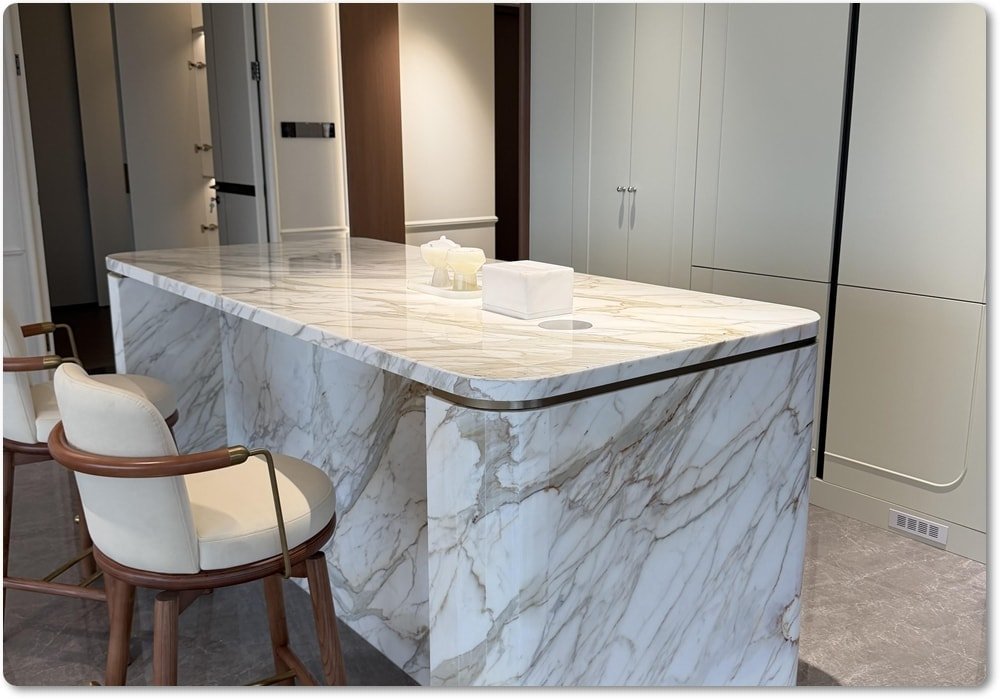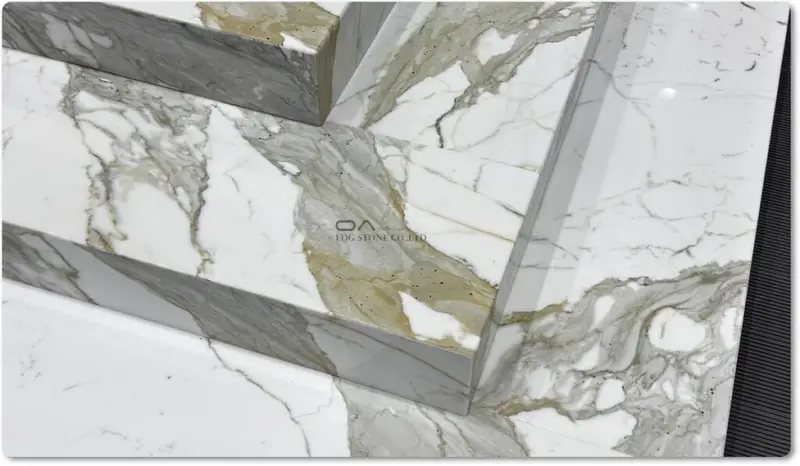
The global construction industry is rapidly shifting toward sustainable sourcing, adaptive reuse, and environmentally responsible material procurement. Among premium architectural materials, salvaged marble slabs for sale have emerged as an increasingly attractive option for developers, architects, interior designers, restoration specialists, and environmentally conscious homeowners.
Reclaimed marble offers far more than vintage aesthetics. Properly sourced salvaged stone can reduce environmental impact, preserve historical craftsmanship, lower embodied carbon, and create truly unique luxury spaces impossible to replicate with newly quarried materials. At the same time, procurement teams must carefully evaluate structural integrity, restoration feasibility, transportation risks, reinforcement requirements, and long-term performance.
This comprehensive guide explains how salvaged marble slabs fit into modern sustainable construction while outlining the practical engineering and procurement considerations buyers should understand before purchasing reclaimed stone materials.
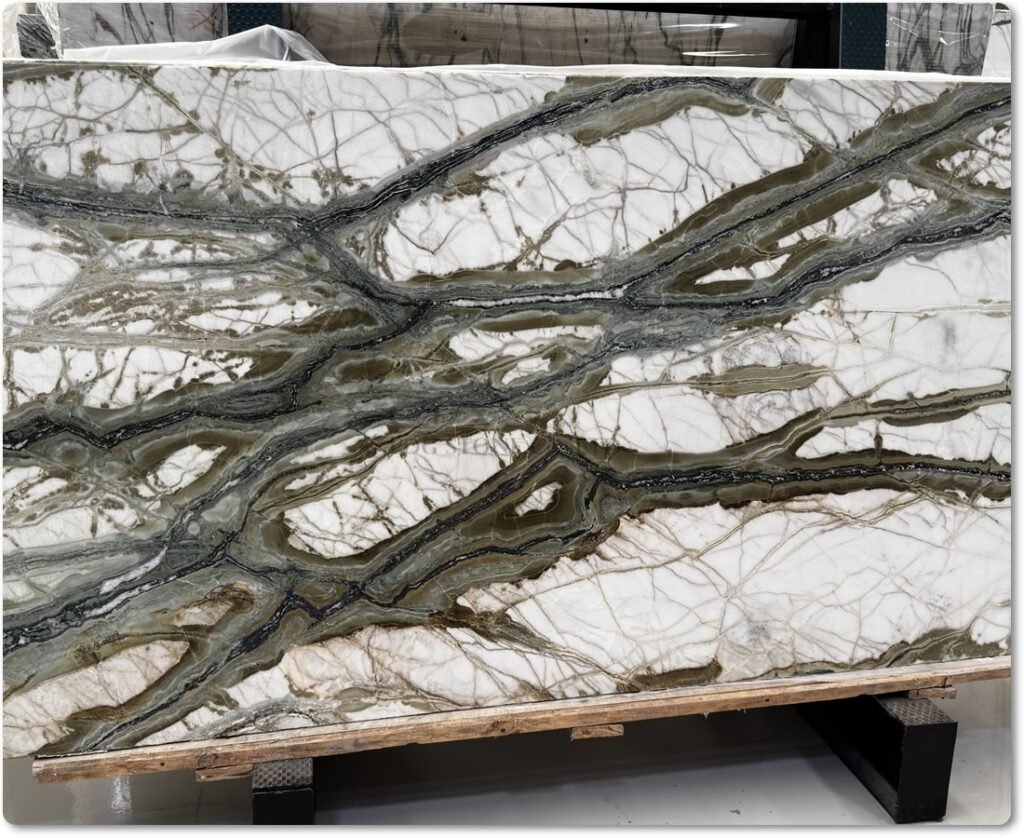
What Are Salvaged Marble Slabs?
Salvaged marble slabs are natural stone surfaces recovered from existing buildings, historical renovations, demolished structures, luxury estates, hotels, office towers, churches, government buildings, and commercial redevelopment projects. Instead of being discarded as construction waste, these slabs are reclaimed, processed, restored, and reintroduced into the architectural materials market.
Common sources include:
- Luxury hotel renovations
- Historical mansion restorations
- Commercial office redevelopment
- Old bank buildings
- Heritage architecture projects
- Government facility upgrades
- Retail flagship remodeling
- Demolished residential properties
- Antique stone yards
- Decommissioned institutional buildings
Unlike newly quarried marble, reclaimed slabs often feature:
- Rare discontinued stone varieties
- Historic quarry origins
- Unique natural aging patina
- Hand-finished craftsmanship
- Large-format dimensions are no longer commonly produced
- Vintage veining patterns
- Architectural provenance
Popular salvaged marble varieties include:
- Calacatta Marble
- Statuario Marble
- Carrara Marble
- Nero Marquina Marble
- Verde Alpi Marble
- Crema Marfil Marble
- Emperador Marble
- Arabescato Marble
- Rosa Portugalo Marble
- Travertine stone panels
In many high-end projects, reclaimed marble is intentionally selected because modern quarry production cannot replicate the same visual character or geological uniqueness found in older stone extraction periods.
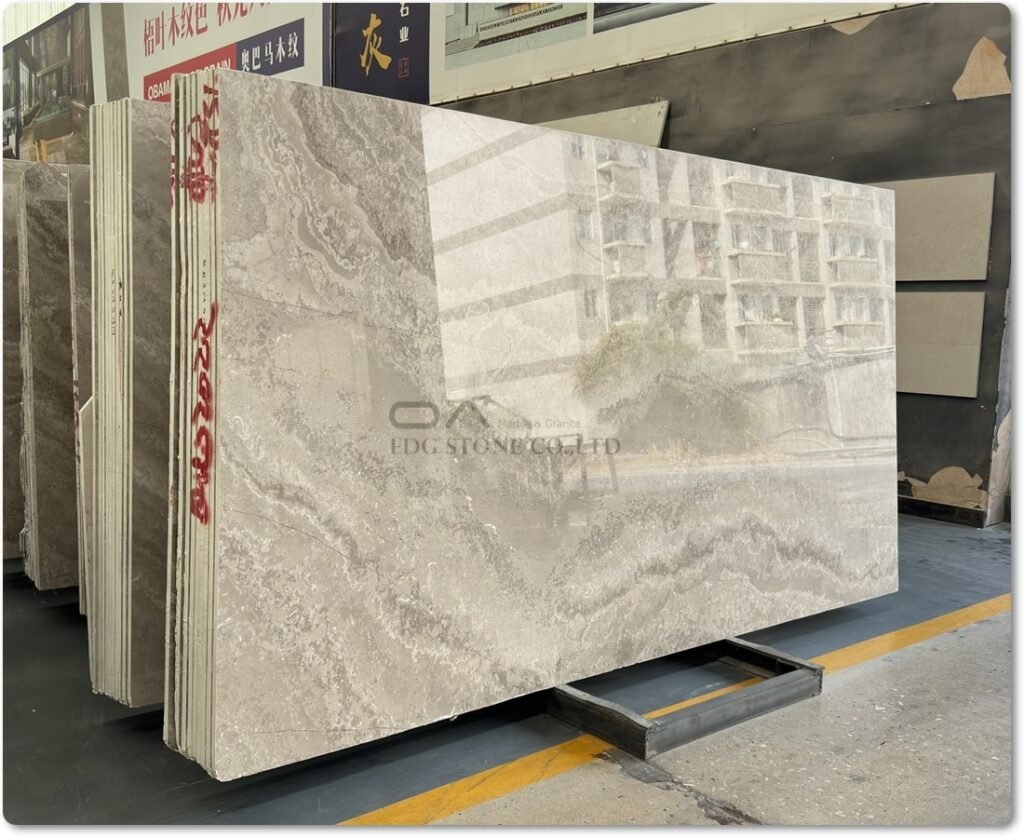
Circular Economy & Sustainable Construction
Sustainability has become one of the primary drivers behind the growth of the reclaimed stone market.
Reducing Construction Waste
Construction and demolition waste represent a significant environmental challenge worldwide. Salvaging marble slabs helps divert valuable natural stone from landfills while extending the lifecycle of existing materials.
Rather than extracting new stone from quarries, reclaimed marble allows builders to reuse already processed resources, significantly reducing:
- Quarry extraction impact
- Water consumption
- Energy use
- Transportation emissions
- Industrial cutting waste
- Packaging waste
- Carbon-intensive manufacturing
Lower Embodied Carbon
Natural stone already carries a lower embodied carbon footprint compared to many engineered materials. Reusing salvaged marble further decreases environmental impact because the energy-intensive quarrying and primary fabrication stages have already occurred.
For projects pursuing green certifications, reclaimed marble may contribute toward:
- LEED certification points
- BREEAM sustainability targets
- WELL Building Standards
- ESG compliance initiatives
- Corporate sustainability reporting
Supporting Circular Economy Principles
The circular economy focuses on extending material life cycles through reuse, refurbishment, restoration, and recycling. Salvaged marble perfectly aligns with these principles by transforming demolition waste into premium architectural assets.
Modern developers increasingly incorporate reclaimed stone into:
- Adaptive reuse projects
- Boutique hospitality
- Luxury residential developments
- Eco-conscious retail stores
- Sustainable office interiors
- Heritage preservation projects
Sustainability as a Luxury Selling Point
In luxury architecture, sustainability is no longer viewed as a compromise. Instead, reclaimed marble is increasingly associated with:
- Authenticity
- Exclusivity
- Historical narrative
- Environmental responsibility
- Bespoke craftsmanship
Buyers are often willing to pay premium pricing for responsibly sourced reclaimed stone with documented provenance.
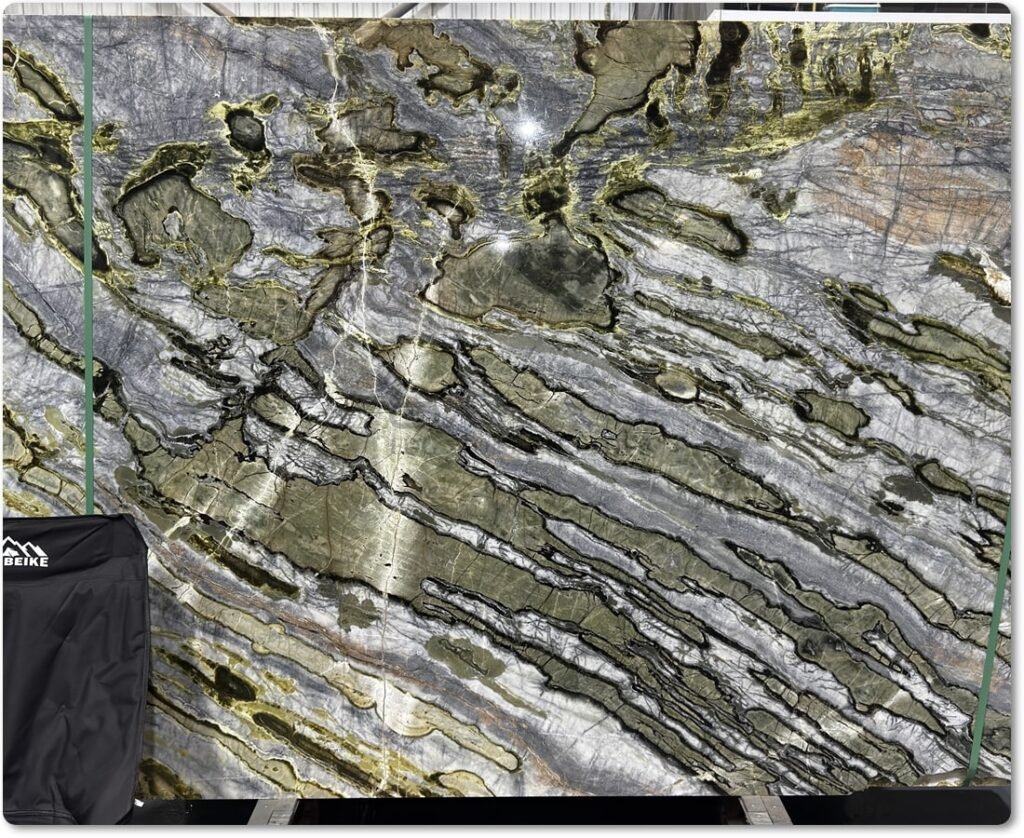
Structural Inspection Standards
One of the most critical aspects of purchasing salvaged marble slabs is structural inspection.
Unlike newly fabricated slabs, reclaimed stone may contain hidden defects caused by decades of use, removal procedures, transportation, moisture exposure, or structural stress.
Key Inspection Areas
Professional inspection should evaluate:
Surface Cracking
Hairline cracks may appear harmless, but can expand during fabrication or installation.
Inspect for:
- Linear stress fractures
- Thermal cracking
- Edge cracking
- Corner fractures
- Micro-fissures
- Resin-filled repairs
Internal Structural Weakness
Advanced inspection methods may include:
- Ultrasonic testing
- Tap testing
- Light transmission analysis
- Infrared scanning
- Moisture evaluation
These methods help identify hidden internal instability.
Water Damage
Older marble may suffer from prolonged moisture exposure, leading to:
- Mineral staining
- Salt contamination
- Structural softening
- Surface delamination
- Mold contamination in backing materials
Chemical Damage
Historic cleaning chemicals can degrade marble surfaces over time.
Common issues include:
- Acid etching
- Surface dullness
- Uneven polishing
- Calcium deterioration
- Loss of crystallization
Reinforcement Integrity
Older slabs may contain mesh backing or reinforcement systems that have deteriorated over time.
Inspect for:
- Rusting metal rods
- Adhesive failure
- Mesh detachment
- Epoxy aging
Thickness Consistency
Reclaimed slabs often vary in thickness due to:
- Previous refinishing
- Re-polishing cycles
- Historic fabrication methods
- Wear patterns
Inconsistent thickness can complicate fabrication and installation.

Thickness & Reinforcement Challenges
Thickness consistency is one of the most underestimated risks in salvaged marble procurement.
Common Thickness Variations
Older slabs may range from:
- 12 mm
- 18 mm
- 20 mm
- 30 mm
- Custom historical thicknesses
In some cases, the same slab may contain uneven thickness across different sections.
Why Thickness Matters?
Thickness impacts:
- Structural load capacity
- Edge fabrication
- Sink cutouts
- Countertop support
- Vertical installation safety
- Transportation stability
- Seam alignment
Reinforcement Solutions
Modern fabricators often reinforce reclaimed marble using:
Fiberglass Mesh Backing
Applied to slab backs for additional structural support.
Epoxy Resin Stabilization
Used to strengthen fissures and improve fabrication safety.
Aluminum Honeycomb Panels
Increasingly popular for lightweight large-format wall systems.
Steel or Composite Framing
Used in oversized installations or thin marble applications.
Fabrication Limitations
Not all reclaimed slabs are suitable for:
- Waterfall islands
- Thin-profile countertops
- Floating vanities
- Large unsupported spans
- Heavy cantilever designs
Experienced stone fabricators should evaluate the feasibility before purchase.
Best Applications for Reclaimed Marble
Certain architectural applications are particularly well-suited for salvaged marble.
Feature Walls
Bookmatched reclaimed marble creates a dramatic visual impact in:
- Hotel lobbies
- Luxury residences
- Corporate reception areas
- Retail flagship stores
Fireplace Surrounds
Vintage marble works exceptionally well for fireplace installations because moderate imperfections often enhance the historical aesthetic.
Bathroom Vanities
Reclaimed marble adds sophistication and sustainability appeal to luxury bathrooms.
Furniture Applications
Popular uses include:
- Dining tables
- Coffee tables
- Console tops
- Reception desks
- Custom cabinetry accents
Hospitality Design
Boutique hotels increasingly use reclaimed marble to create:
- Authentic design narratives
- Historical atmosphere
- Sustainable branding
- Luxury differentiation
Decorative Wall Cladding
Older marble slabs with natural patina often perform best in vertical applications where structural loads are lower.
Art & Decorative Installations
Smaller salvaged remnants can be transformed into:
- Mosaic panels
- Sculptural elements
- Decorative flooring inserts
- Artistic wall systems
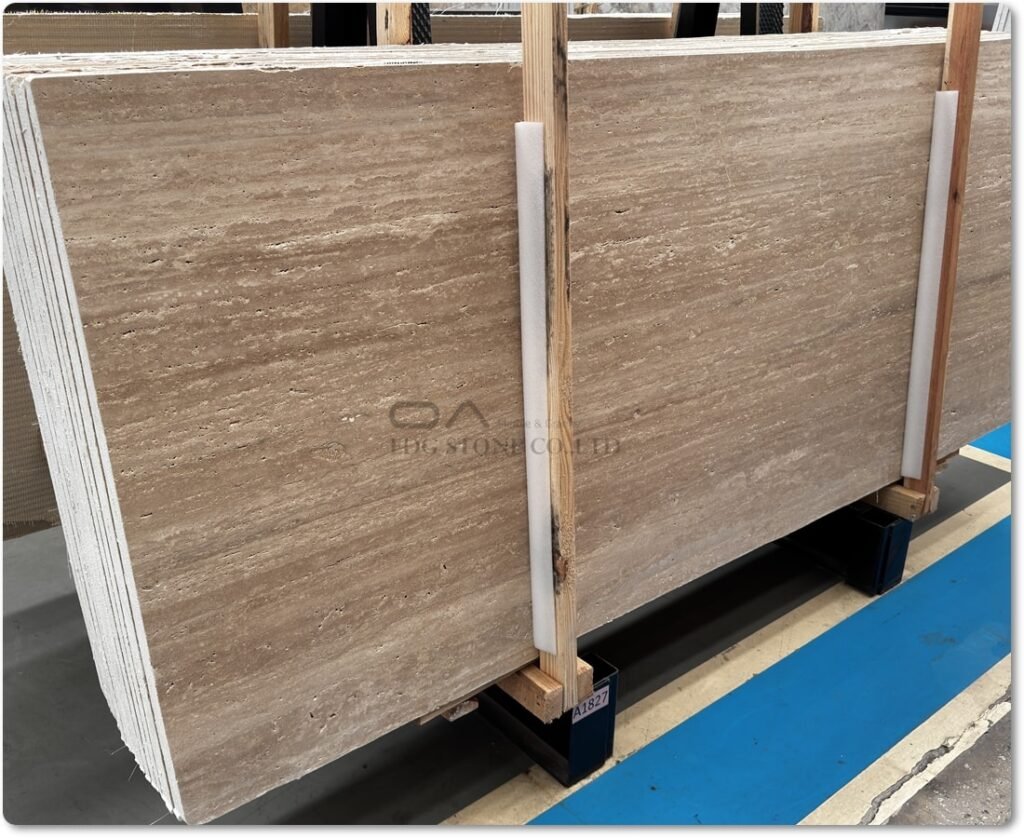
Restoration & Re-Polishing
Professional restoration is essential for maximizing the value and usability of reclaimed marble slabs.
Initial Cleaning
Restoration typically begins with deep cleaning to remove:
- Dirt accumulation
- Old sealers
- Adhesive residue
- Paint contamination
- Cement residue
- Wax coatings
Crack Repair
Technicians repair structural defects using:
- Transparent epoxy
- Color-matched resin
- Stone stitching systems
- Reinforcement rods
Surface Honing
Diamond abrasives remove damaged surface layers while restoring flatness and consistency.
Re-Polishing
Depending on design goals, reclaimed marble can receive:
- High-gloss polishing
- Honed finish
- Leather finish
- Brushed finish
- Antique finish
Stain Removal
Specialized poultice treatments may remove:
- Rust stains
- Oil penetration
- Water marks
- Organic discoloration
Edge Re-Fabrication
Older damaged edges can often be re-profiled into modern edge styles.
Popular profiles include:
- Pencil edge
- Eased edge
- Beveled edge
- Bullnose
- Mitered edge
Sealing Protection
After restoration, professional-grade sealers help protect against:
- Moisture penetration
- Oil absorption
- Staining
- Surface degradation
Commercial Design Opportunities
Commercial designers increasingly view salvaged marble as both a sustainability strategy and a branding opportunity.
Luxury Hospitality
Hotels use reclaimed stone to communicate:
- Heritage
- Authenticity
- Environmental responsibility
- Local cultural identity
Retail Flagship Stores
Premium retailers incorporate reclaimed marble to create:
- Unique customer experiences
- Sustainable luxury positioning
- Distinctive visual merchandising
Corporate Offices
Modern office spaces use reclaimed materials to support:
- ESG initiatives
- Employee wellness narratives
- Sustainable workplace branding
Restaurant Design
Restaurants often prefer reclaimed marble because aged stone develops warmth and visual depth difficult to achieve with newly manufactured materials.
High-End Residential Development
Developers use salvaged marble to differentiate luxury properties in highly competitive real estate markets.

Procurement Risk Assessment
While reclaimed marble offers significant benefits, procurement risks must be carefully managed.
Supply Consistency Risks
Unlike newly quarried stone, salvaged slabs are inherently limited in quantity.
Potential challenges include:
- Inconsistent inventory
- Limited matching slabs
- Variable dimensions
- Discontinued materials
- Unpredictable availability
Color Matching Difficulties
Aged marble may contain:
- UV discoloration
- Patina variation
- Oxidation effects
- Uneven weathering
Matching additional slabs later can be extremely difficult.
Hidden Structural Defects
Even visually attractive slabs may contain:
- Internal fractures
- Moisture damage
- Previous repairs
- Reinforcement failure
Professional inspection remains essential.
Transportation Risks
Older slabs may be more fragile during shipping due to:
- Material fatigue
- Existing fissures
- Reduced structural integrity
Proper crating and reinforcement are critical.
Restoration Cost Variables
Buyers should account for:
- Re-polishing expenses
- Repair labor
- Reinforcement systems
- Additional fabrication time
- Sealing treatments
Sometimes restoration costs exceed initial purchase pricing.
Regulatory & Compliance Issues
Commercial projects may require compliance with:
- Fire safety standards
- Structural engineering approvals
- Green building certifications
- Material traceability documentation
Supplier Verification
Work only with reputable reclaimed stone suppliers that provide:
- Detailed slab photography
- Structural evaluations
- Provenance information
- Restoration documentation
- Packing standards
- Export experience
Conclusion
The market for salvaged marble slabs for sale continues to expand as the architecture and construction industries prioritize sustainability, adaptive reuse, and material authenticity.
Reclaimed marble offers exceptional opportunities for:
- Sustainable luxury construction
- Circular economy initiatives
- Heritage preservation
- Unique architectural storytelling
- Reduced environmental impact
- Distinctive interior design
However, successful procurement requires far more than aesthetic evaluation alone. Buyers must carefully assess structural integrity, restoration feasibility, reinforcement requirements, transportation risks, and long-term performance expectations.
When sourced responsibly and restored professionally, salvaged marble can outperform many newly quarried materials in both visual character and sustainability value. For architects, designers, developers, and procurement specialists seeking environmentally conscious luxury materials, reclaimed marble represents one of the most compelling opportunities in modern stone construction.
FAQ
Are salvaged marble slabs durable?
Yes. Properly inspected and restored reclaimed marble can perform exceptionally well for residential and commercial applications. Structural assessment and professional reinforcement are essential.
Are reclaimed marble slabs cheaper than new marble?
Not always. Rare reclaimed stone with historical value may cost more than newly quarried marble. Restoration and transportation costs also affect pricing.
Can salvaged marble be re-polished?
Yes. Most reclaimed marble slabs can be honed, polished, repaired, and resealed to restore surface appearance.
What are the best uses for reclaimed marble?
Feature walls, fireplace surrounds, bathroom vanities, hospitality interiors, luxury furniture, and decorative cladding are among the most popular applications.
Is reclaimed marble environmentally friendly?
Yes. Reusing marble reduces quarry extraction, construction waste, transportation emissions, and embodied carbon.
How do I inspect salvaged marble before purchase?
Professional inspection should evaluate cracks, thickness consistency, moisture damage, reinforcement integrity, and structural stability.
References
- U.S. Green Building Council — LEED Materials & Resources Guidelines
- Natural Stone Institute — Dimension Stone Design Manual
- ASTM International — Stone Testing Standards
- World Green Building Council — Circular Construction Principles
- Marble Institute Technical Restoration Guides
- Building Research Establishment — BREEAM Materials Assessment
- International WELL Building Institute — Sustainable Material Standards
- Stone World Magazine — Reclaimed Stone Market Trends
- Architectural Digest — Sustainable Luxury Interior Design Trends
- Journal of Cleaner Production — Embodied Carbon in Building Materials