Introduction
In 2026, the procurement of Taj Mahal Quartzite is no longer just about sourcing a beautiful slab. It is a structured decision-making process involving cost control, supply chain stability, risk mitigation, and lifecycle performance.
While previous guides in this series addressed selection, application, and trends, this white paper focuses on the most critical question for decision-makers:
How do you control cost and risk while ensuring consistent delivery of Taj Mahal Quartzite across projects?
Natural stone is inherently variable. According to the United States Geological Survey (USGS), dimension stone pricing is “variable depending on product type”, reflecting differences in origin, grade, processing, and logistics.
Meanwhile, the Natural Stone Institute (NSI) emphasizes standardization, testing, tolerances, and lifecycle documentation, indicating that procurement success increasingly depends on systems—not just materials.
This guide translates those frameworks into real-world procurement strategies, helping buyers, developers, contractors, and distributors manage Taj Mahal Quartzite projects efficiently and profitably.
1. Understanding Taj Mahal Quartzite Cost Structure
1.1 The Four Core Cost Layers
Taj Mahal Quartzite pricing is not a single number—it is a multi-layered structure:
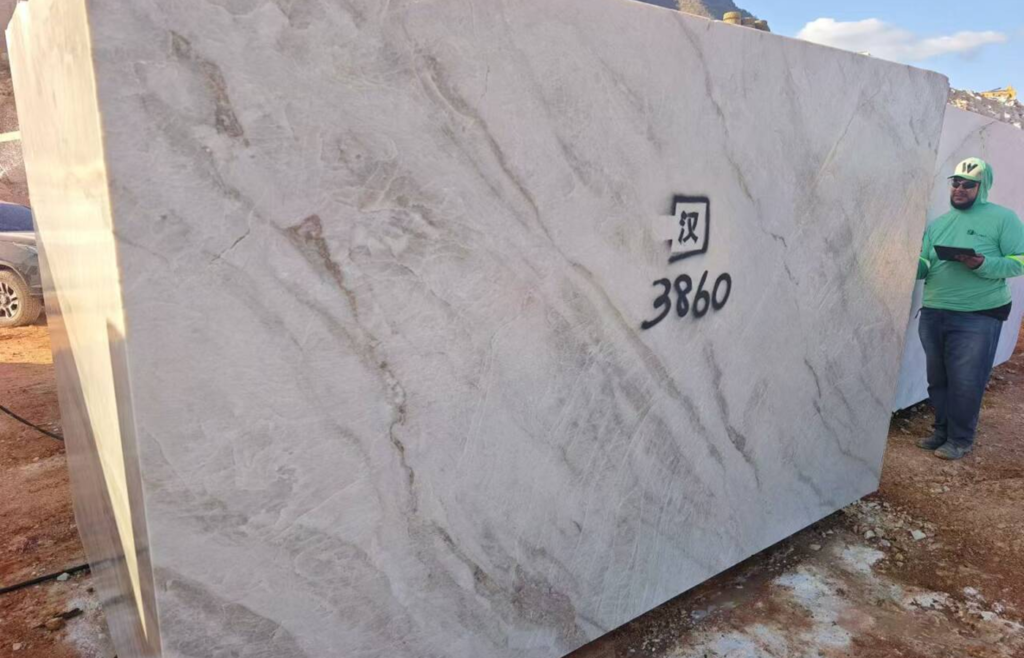
1. Raw Block Cost (Quarry Level)
- Extraction difficulty
- Block size and integrity
- Geological consistency
- Quarry location (primarily Brazil)
👉 High-quality, large, low-fracture blocks = premium pricing baseline
2. Slab Production Cost (Factory Level)
- Cutting yield (block → slabs)
- Resin treatment and reinforcement
- Polishing quality
- Thickness calibration
👉 Poor yield = higher cost per usable slab
3. Fabrication & Customization Cost
- Edge profiling
- Cutouts (sink, faucet, appliances)
- CNC machining
- Bookmatching / vein matching
👉 Complex fabrication can increase cost by 20–50%
4. Logistics & Delivery Cost
- International freight
- Crating & packaging
- Breakage risk
- Last-mile delivery
👉 Logistics volatility is one of the largest cost uncertainties in 2026
1.2 Why Prices Vary So Much?
According to the United States Geological Survey:
Dimension stone pricing varies based on type, quality, and processing level
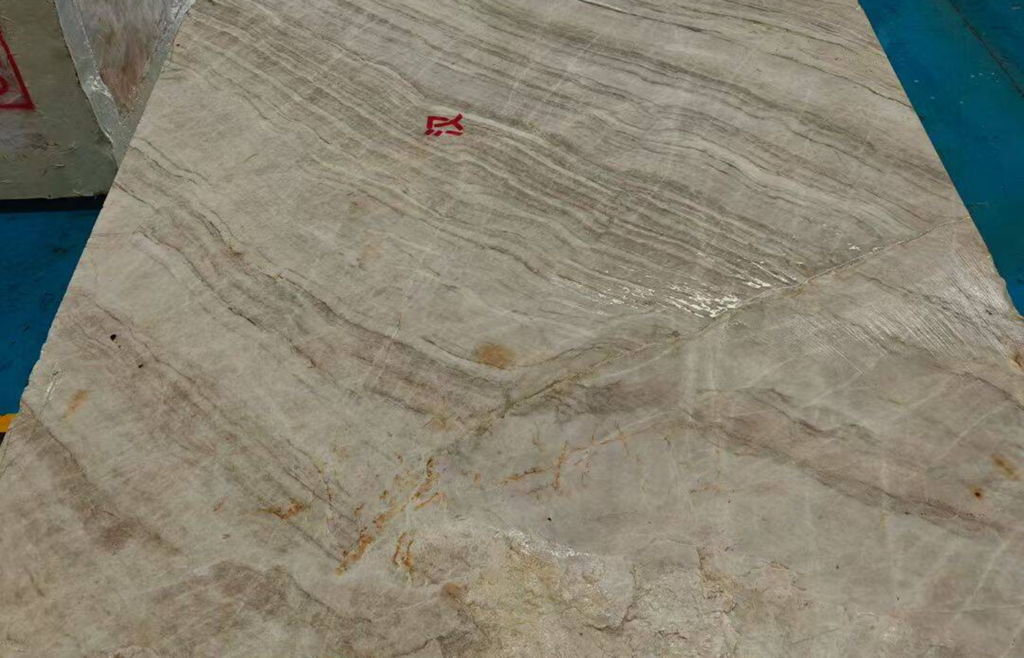
For Taj Mahal Quartzite, variability comes from:
- Color consistency (creamy vs grayish tone)
- Vein uniformity
- Slab size availability
- Defect rate (cracks, pits, fissures)
👉 Procurement Insight:
You are not buying “Taj Mahal Quartzite” — you are buying a specific batch with defined characteristics.
2. Global Supply Chain Structure
2.1 Supply Chain Flow
Typical Taj Mahal Quartzite supply chain:
Quarry (Brazil) → Block Export → Slab Processing (China / India / Brazil) → Distributor / Fabricator → Project Site
Each stage introduces:
- Cost markup
- Quality variation
- Delay risk
2.2 Key Supply Chain Risks
1. Batch Inconsistency
- Different quarry zones
- Changing geological layers
- Mixed shipments
👉 Solution: Reserve slabs from the same lot
2. Logistics Delays
- Port congestion
- Customs clearance
- Container shortages
👉 Especially critical for:
- Hotel projects
- Retail rollouts
- Multi-unit developments
3. Breakage & Damage
- Improper packaging
- Handling errors
- Long-distance transport
👉 Typical industry loss: 2–5% (can be higher)
4. Supplier Capability Gaps
- Lack of documentation
- Inconsistent finishing
- Poor communication
3. Cost Optimization Strategies (2026)
3.1 Strategy 1: Buy by Project, Not by Piece
Instead of:
“Quote me price per square meter”
Use:
- Total slab requirement
- Layout plan
- Application scenario
👉 This reduces:
- Waste
- Re-cutting
- Variation issues
3.2 Strategy 2: Optimize Yield
Key factors:
- Slab size planning
- Cutting layout
- Thickness standardization
👉 Higher yield = lower effective cost
3.3 Strategy 3: Source from Integrated Suppliers
Best suppliers offer:
- Block selection
- Slab production
- Fabrication
- Logistics coordination
👉 This reduces:
- Communication gaps
- Risk layers
- Hidden costs
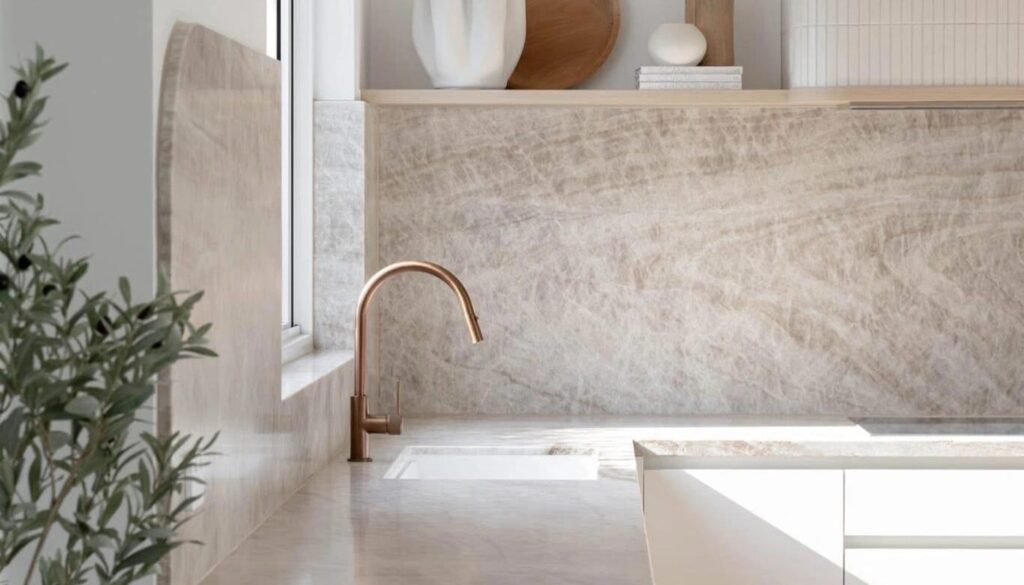
3.4 Strategy 4: Lock Price + Batch Early
In 2026 market conditions:
- Stone prices fluctuate
- Freight costs fluctuate
- Quarry output varies
👉 Early locking ensures:
- Cost predictability
- Visual consistency
4. Risk Control Framework
4.1 Pre-Purchase Checklist
Based on Natural Stone Institute guidelines:
- Slab photos (actual, not sample)
- Batch number/traceability
- Finish specification
- Thickness tolerance
- Test reports (if required)
- Packaging method
4.2 During Production
- Approve slab layout (shop drawings)
- Confirm bookmatch sequence
- Monitor fabrication quality
4.3 Before Shipment
- Final inspection
- Crate labeling
- Packing verification
4.4 Post-Delivery
- On-site inspection
- Damage reporting protocol
- Installation coordination
5. Sustainability & Documentation Cost Impact
5.1 EPD & HPD Integration
Natural Stone Institute promotes:
- Environmental Product Declarations (EPDs)
- Health Product Declarations (HPDs)
These documents cover:
- Quarrying
- Fabrication
- Transportation
- Maintenance
5.2 Cost Implications
Adding sustainability documentation may:
- Increase supplier cost slightly
- Improve project qualification (LEED, ESG)
- Enhance brand positioning
👉 Procurement Insight:
Sustainability is no longer a cost—it is a market access requirement
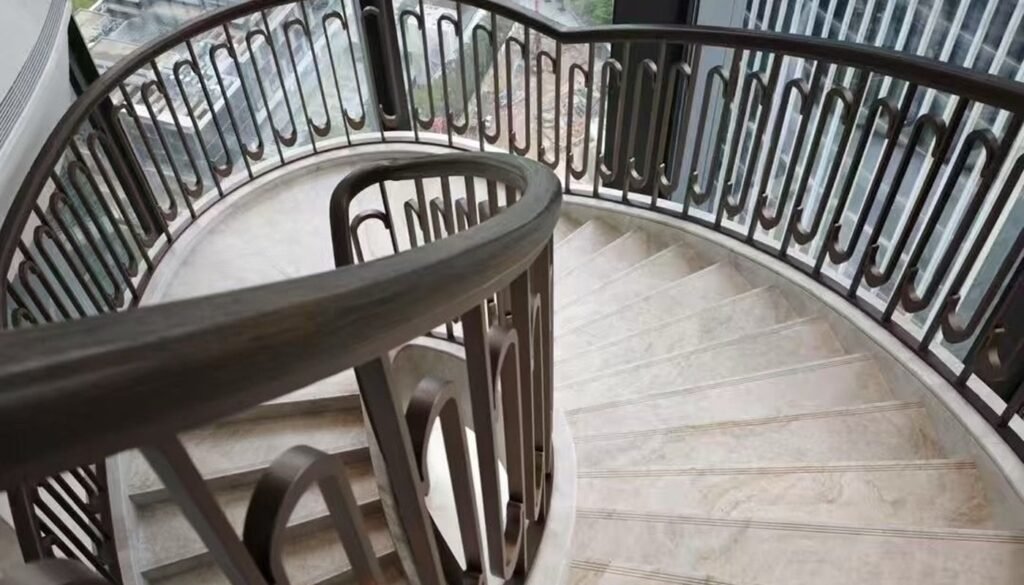
6. Application-Based Cost Differences
6.1 Kitchen Countertops
Higher cost due to:
- Precision cutting
- Sink cutouts
- Edge finishing
6.2 Bathroom & Wet Areas
- Waterproofing requirements
- Surface sealing
- Installation complexity
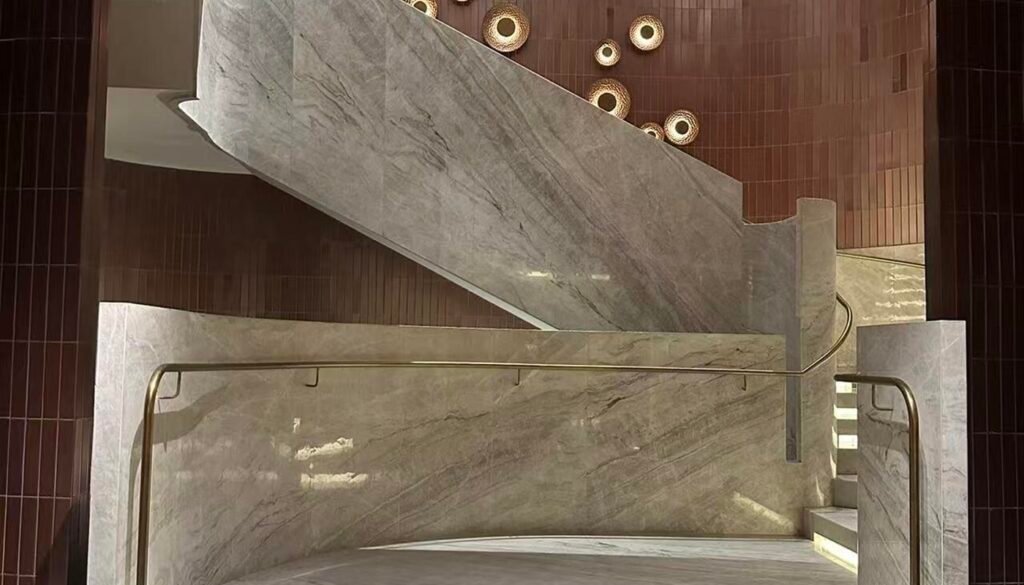
6.3 Wall Cladding
- Lower thickness possible
- Less fabrication
👉 More cost-efficient per m²
6.4 Commercial Projects
- Bulk volume discounts
- Strict timeline requirements
- Higher risk exposure
7. 3-Year Procurement Strategy (2026–2029)
Phase 1: Supplier Consolidation
- Reduce supplier count
- Build strategic partnerships
Phase 2: Standardization
- Define specifications
- Create internal procurement templates
Phase 3: System Integration
- Align design + procurement + installation
- Implement documentation workflows
Phase 4: Lifecycle Optimization
- Include maintenance planning
- Evaluate long-term cost performance
Conclusion
Taj Mahal Quartzite procurement in 2026 is no longer about finding the cheapest slab—it is about building a controlled, predictable, and scalable supply system.
Its value lies in:
- Aesthetic consistency
- Cross-application flexibility
- Lifecycle durability
- High-end project compatibility
Backed by frameworks from the United States Geological Survey and Natural Stone Institute, the future of stone procurement is clear:
The winners are not those who buy cheaper stone—
but those who control cost, risk, and delivery better than others.
FAQ
1. Why is Taj Mahal Quartzite expensive?
It involves high-quality quarry blocks, complex processing, and significant logistics costs.
2. What is the biggest cost risk?
Batch inconsistency and logistics delays.
3. How to reduce procurement cost?
Buy by project, optimize yield, and work with integrated suppliers.
4. Is it suitable for large commercial projects?
Yes, if the supply chain and batch consistency are well controlled.
5. Does sustainability increase cost?
Slightly—but it significantly increases project acceptance and long-term value.
References
- United States Geological Survey — Mineral Commodity Summaries 2026
- United States Geological Survey — Dimension Stone Statistics
- Natural Stone Institute — Dimension Stone Design Manual 2024
- Natural Stone Institute — Sustainability Resources
- Natural Stone Institute — EPD & HPD Documentation