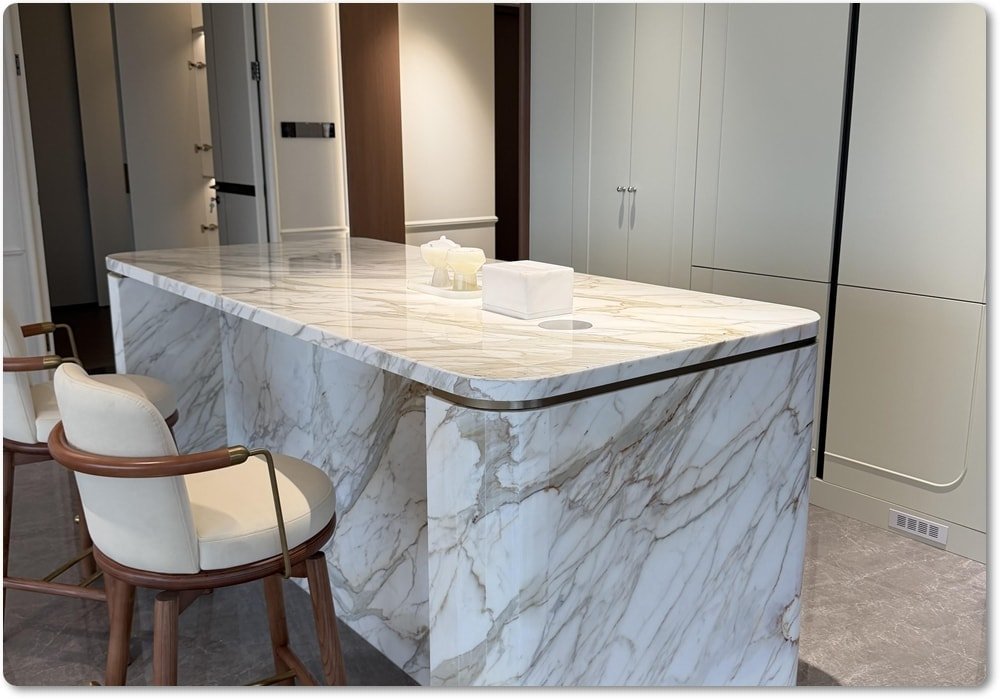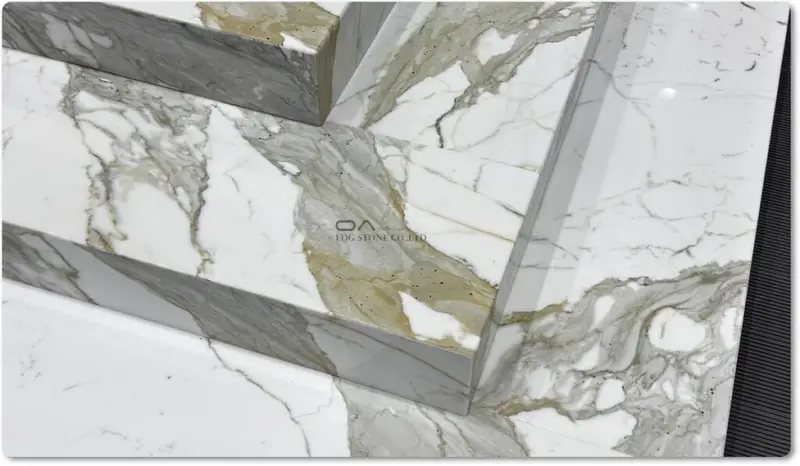
Introduction
In high-end architecture and interior design, materials are no longer just a “functional choice”—they are:
👉 A core carrier of spatial value, brand positioning, and user experience
In recent years, Taj Mahal Quartzite has evolved from a “premium alternative material” into:
✔ A luxury residential standard
✔ A hospitality design favorite
✔ A visual anchor in commercial spaces
This transformation is not accidental. It stems from one critical fact:
👉 It simultaneously satisfies the core demands of designers, developers, and procurement teams
This guide provides a systematic, professional breakdown of Taj Mahal Quartzite’s applications, design logic, and procurement strategies for high-end projects.
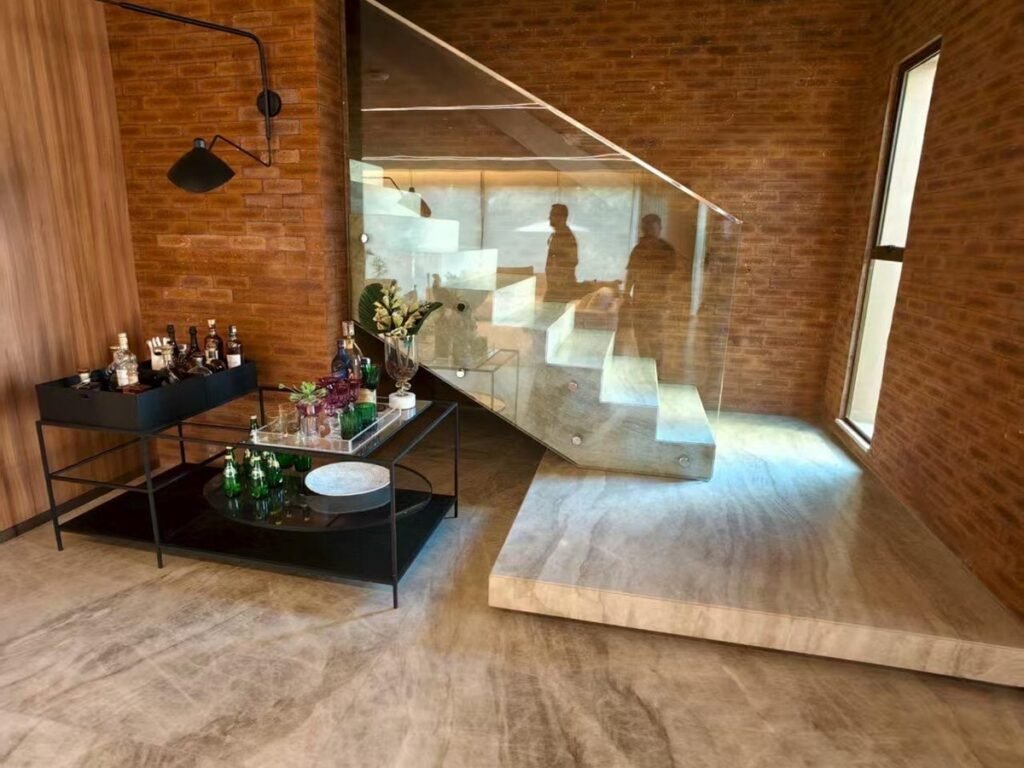
Why High-End Projects Prefer Taj Mahal Quartzite?
Design Trend Shift (Key Logic)
Past Design Trends:
- High contrast (black & white)
- Dramatic veining
- Bold visual statements
Current Trends:
- Soft luxury palettes
- Natural flowing textures
- Understated elegance
👉 Taj Mahal Quartzite perfectly aligns with modern aesthetics:
✔ Warm beige tones
✔ Subtle, fluid veining
✔ Refined, understated luxury
Material Performance + Visual Consistency
High-end projects require:
- Aesthetic excellence
- Structural reliability
- Visual consistency across spaces
Taj Mahal Quartzite delivers:
✔ Marble-like appearance
✔ Superior hardness and durability
✔ Multi-space application capability
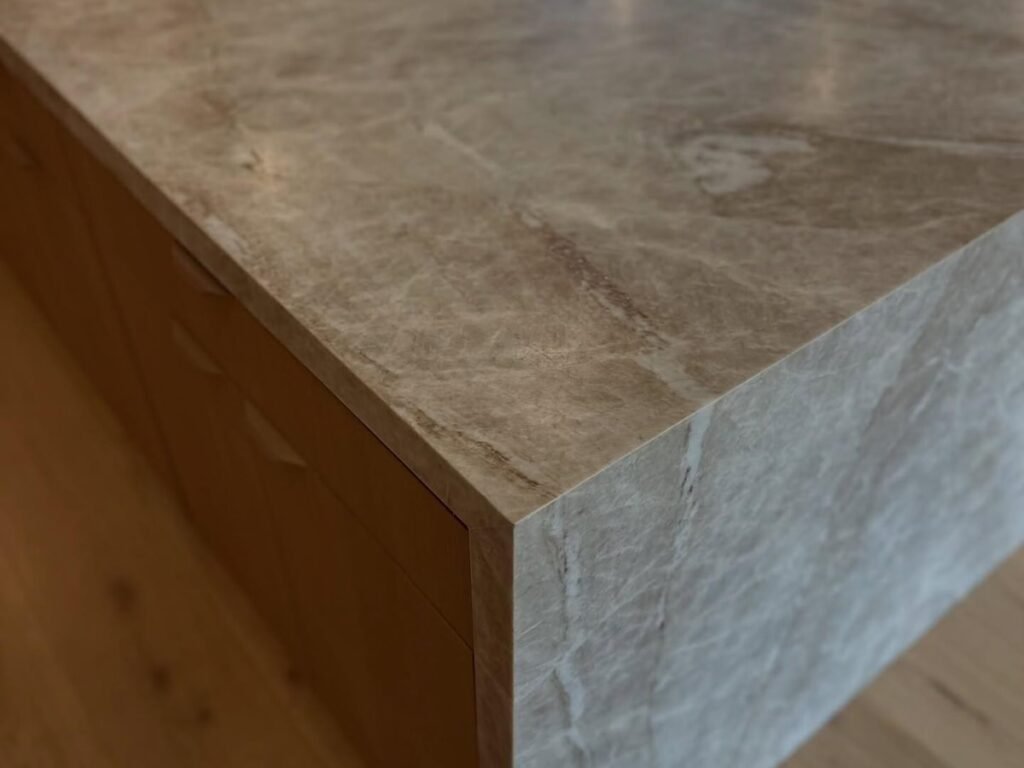
Luxury Residential Applications
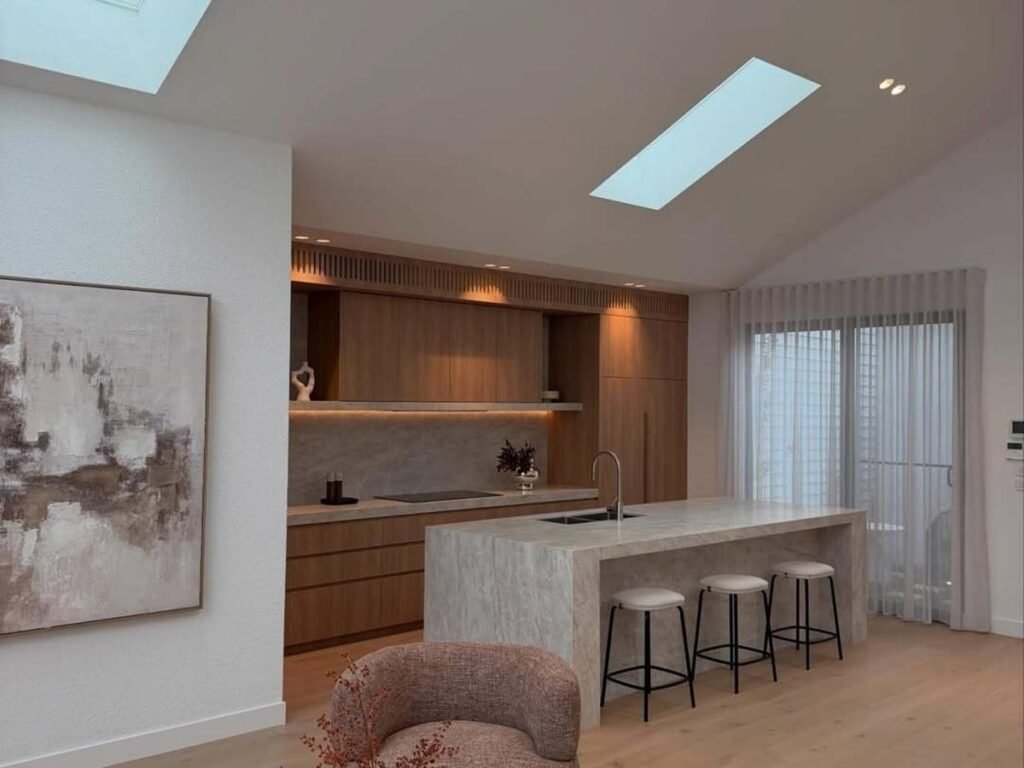
Kitchen (Core Space)
Applications:
- Island countertops
- Full-height backsplash
Design Recommendations:
- 30mm thickness for a premium feel
- Bookmatched slab for feature walls
👉 The kitchen becomes a visual centerpiece + functional hub
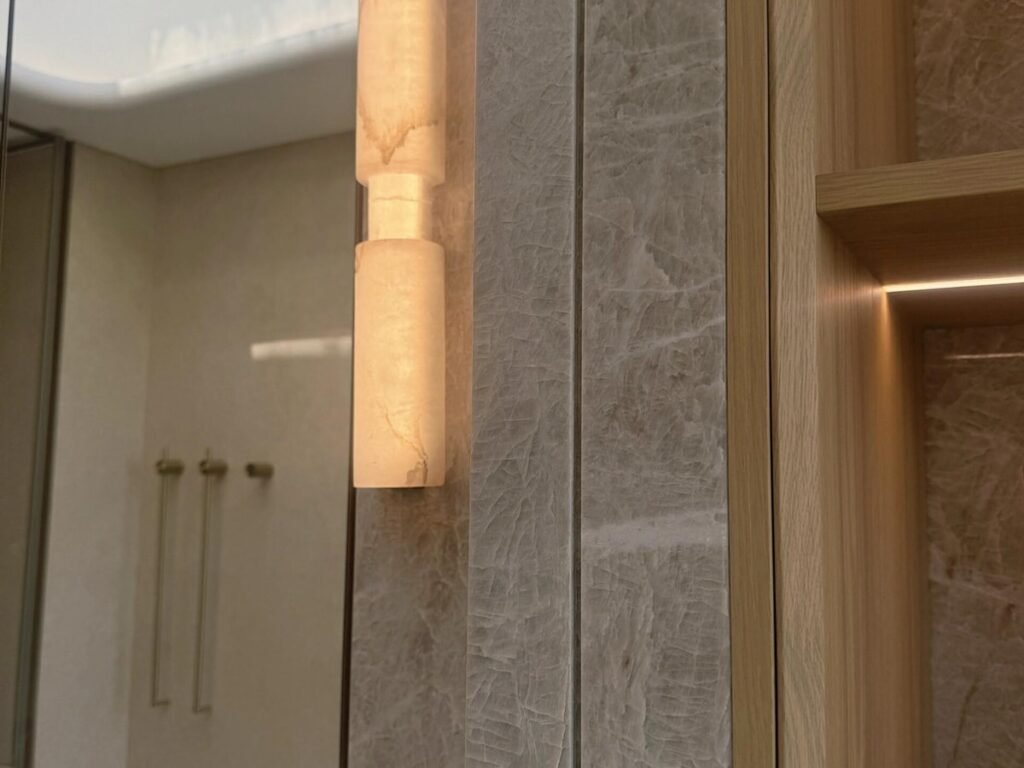
Bathroom Spaces
Applications:
- Vanity tops
- Wall cladding
Advantages:
✔ Moisture resistance
✔ Seamless luxury appearance
Living Room & Feature Walls
Applications:
- Feature walls
- Fireplace surrounds
👉 Key design focus:
✔ Continuous veining
✔ Symmetrical bookmatching
Hospitality Applications (Hotels & Resorts)
Lobby Design
Applications:
- Reception desks
- Background walls
Design Priorities:
- Brand identity expression
- Material consistency
Guest Rooms
Applications:
- Bathroom vanity tops
- Desk surfaces
👉 Key procurement requirements:
✔ Batch consistency
✔ Controlled cost structure
Restaurants & Bars
Applications:
- Bar counters
- Tabletops
Advantages:
✔ High durability
✔ Elevated luxury perception
Retail & Brand Spaces
Flagship Stores
Applications:
- Cash counters
- Display surfaces
👉 Objective:
✔ Enhance perceived brand value
Luxury Retail Environments
Material as Brand Language
Taj Mahal Quartzite offers:
✔ Subtle sophistication
✔ Non-dominant elegance
👉 It supports branding without overpowering products
Design Strategies (Core Value Drivers)
Unified Material Language
Recommendation:
- Use across kitchen + bathroom + wall surfaces
👉 Result:
✔ Stronger spatial identity
✔ Higher perceived property value
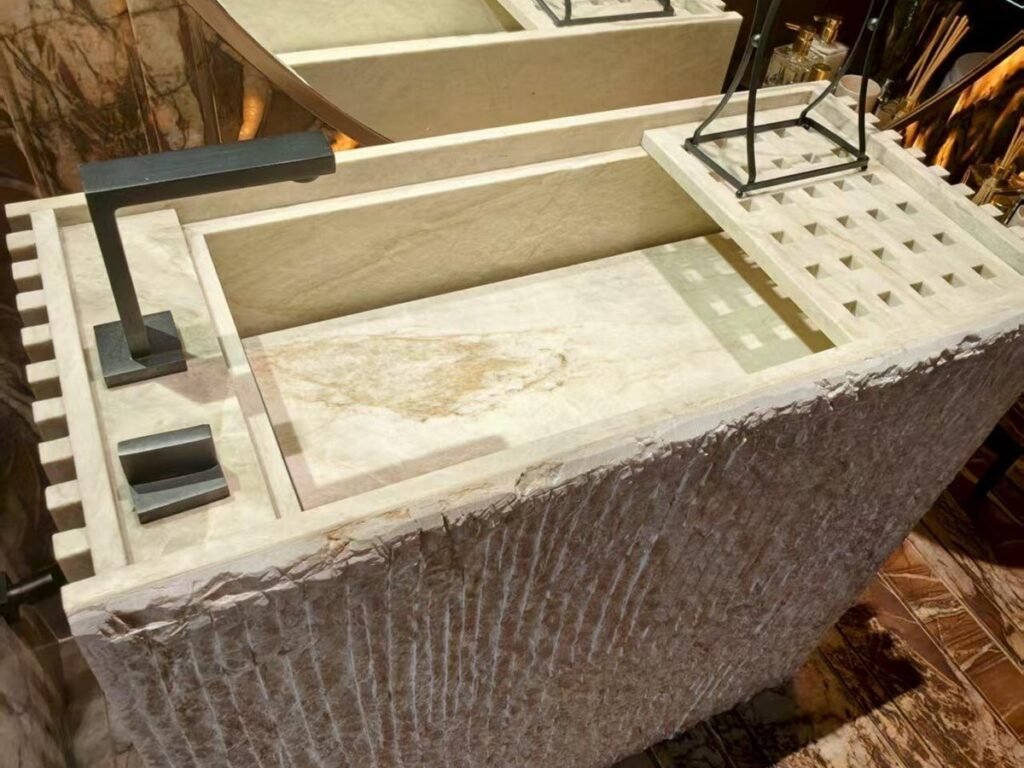
Slab Layout Planning (Critical Step)
Must include:
- Pre-design slab mapping
- Digital layout simulation
👉 This step determines 80% of the final visual outcome
Lighting Strategy
Leverage:
- Polished surface reflections
- Natural daylight
👉 Outcome:
✔ Enhanced depth and layering
Procurement Strategies for High-End Projects
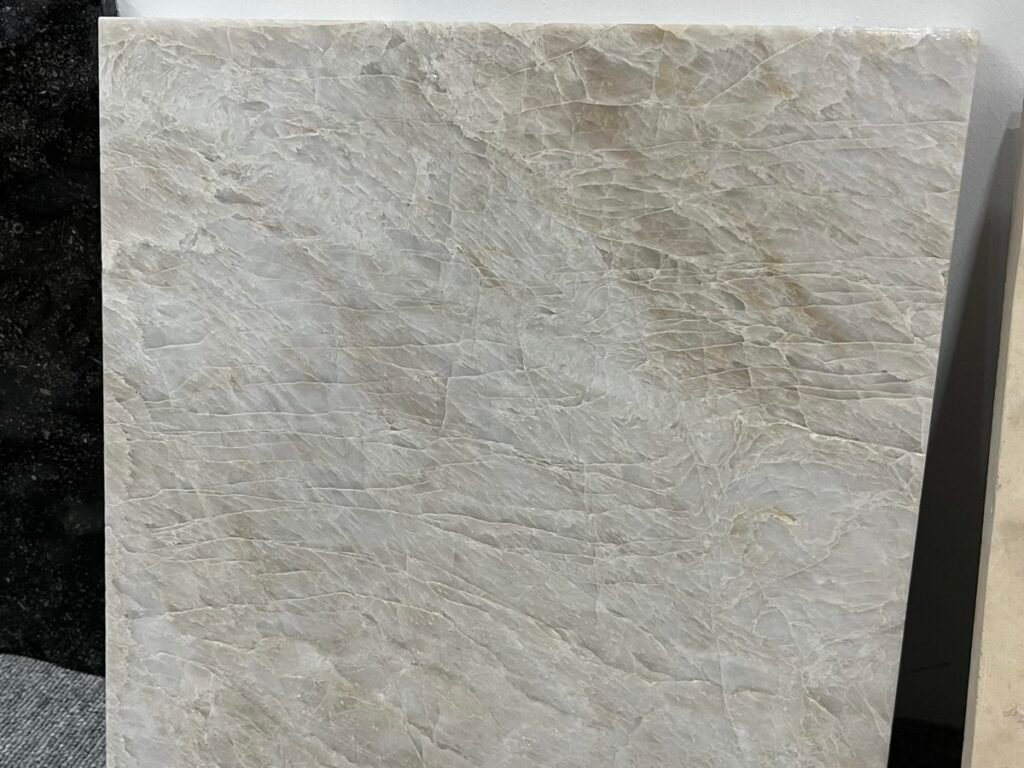
Slab Selection Standards
Must ensure:
✔ Consistent color tone
✔ Smooth, natural veining
Slab Reservation (Mandatory)
👉 Lock slabs in advance to avoid:
- Color inconsistency
- Supply disruption
Batch Control
👉 Critical for:
✔ Visual uniformity across large-scale projects
Waste Allowance
Recommended:
- 10%–20% extra material
👉 Prevents delays and mismatched replacements
Cost Control Without Downgrading Quality
Optimization Strategies
✔ Reduce complex cutting
✔ Standardize dimensions
✔ Optimize slab usage
Mistakes to Avoid
❌ Mixing batches
❌ Reducing thickness
❌ Skipping layout planning
👉 These shortcuts often lead to project failure
Common Failure Cases
Color Variation Issues
Cause:
- Multiple slab batches
Chaotic Veining
Cause:
- No layout planning
Cheap Visual Outcome
Cause:
- Low-quality slabs
Conclusion
The success of Taj Mahal Quartzite in high-end projects is not just about the material itself—it is about:
👉 A fully controllable premium solution
Successful projects share three fundamentals:
✔ Design consistency
✔ Material stability
✔ Standardized execution
When these conditions are met:
👉 It becomes more than stone
👉 It becomes a multiplier of spatial and commercial value
FAQ
1. Is Taj Mahal Quartzite suitable for luxury homes?
Yes, it is widely used in high-end residential projects due to its durability and premium aesthetics.
2. Can it be used throughout the whole house?
Yes, it enables a unified design across kitchens, bathrooms, and walls.
3. Is it popular in hotels?
Yes, especially in lobbies, reception areas, and guest bathrooms.
4. Does it increase property value?
Yes, premium natural stone enhances perceived real estate value.
5. What is the key to success?
Slab selection, layout planning, and strict batch control.