Introduction
In high-end architecture and commercial interiors, materials are no longer just decorative elements—they are strategic tools that define:
👉 Brand identity
👉 User experience
👉 Spatial value
This is especially true in premium sectors such as:
- Luxury Residential Properties
- Hospitality (Hotels & Resorts)
- Retail & Branded Spaces
In these environments, material selection directly impacts:
✔ Perceived luxury level
✔ First impressions
✔ Pricing power and ROI
Among all natural stones, Taj Mahal Quartzite has emerged as one of the most sought-after materials in 2026.
Its success is not accidental—it sits at the intersection of aesthetic elegance, durability, and design adaptability.
This guide provides a complete, actionable framework for architects, designers, developers, and stone buyers, covering:
- Application scenarios
- Design logic
- Procurement strategies
Why Taj Mahal Quartzite Has Become a High-End Standard?
Shift Toward “Quiet Luxury” Design
Global design trends have evolved significantly over the past decade.
We are seeing a clear shift:
- From bold contrasts → to soft tonal harmony
- From dramatic patterns → to natural flow
- From visual noise → to calm sophistication
This movement—often called “quiet luxury”—prioritizes subtlety over showiness.
How Taj Mahal Quartzite Aligns with This Trend?
Taj Mahal Quartzite naturally embodies these principles:
✔ Warm beige tones
✔ Soft, flowing veining
✔ Low contrast visual texture
Unlike heavily patterned marble, it enhances space without overwhelming it.
👉 Result: A timeless, understated luxury aesthetic
Performance That Meets Long-Term Demands
Beyond aesthetics, performance is critical in high-end projects.
Compared to other materials:
- More durable than marble
- More natural than engineered quartz
- More refined visually than granite
This makes it ideal for spaces that require:
✔ Longevity
✔ Low maintenance
✔ Consistent appearance over time
👉 It achieves the perfect balance between beauty and functionality
Luxury Residential Applications
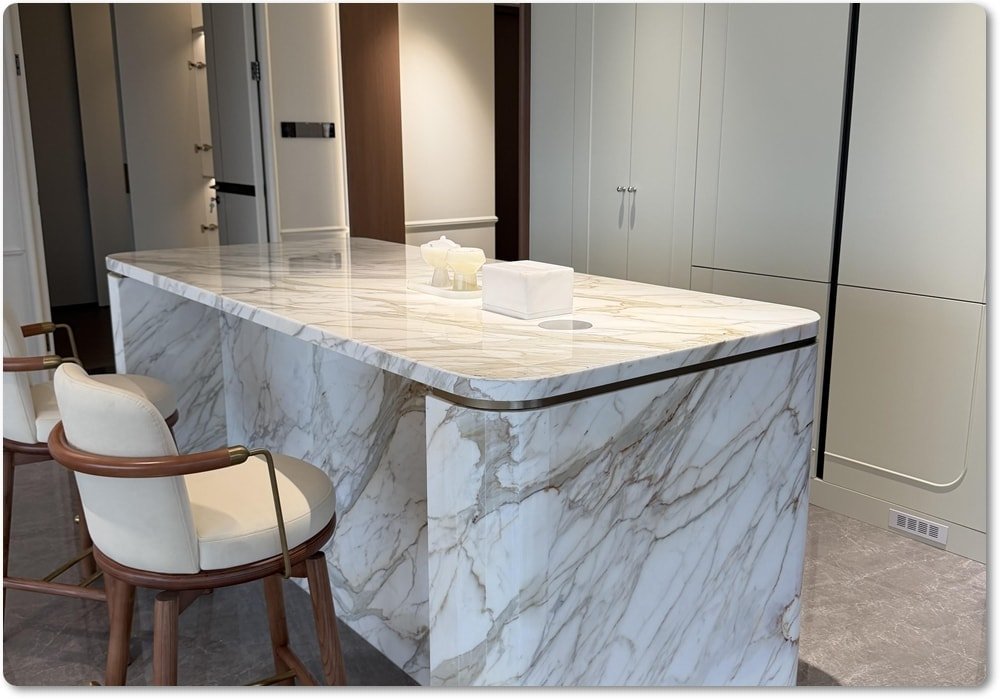
Kitchen Spaces: The Core Value Zone
The kitchen is often the most valuable and most used space in a luxury home.
Typical Applications
- Kitchen islands
- Countertops
- Full-height backsplashes
Design Strategies
- Use 30mm thickness for a premium feel
- Extend slabs for seamless continuity
- Minimize joints for clean aesthetics
👉 This creates a strong visual anchor and increases perceived home value
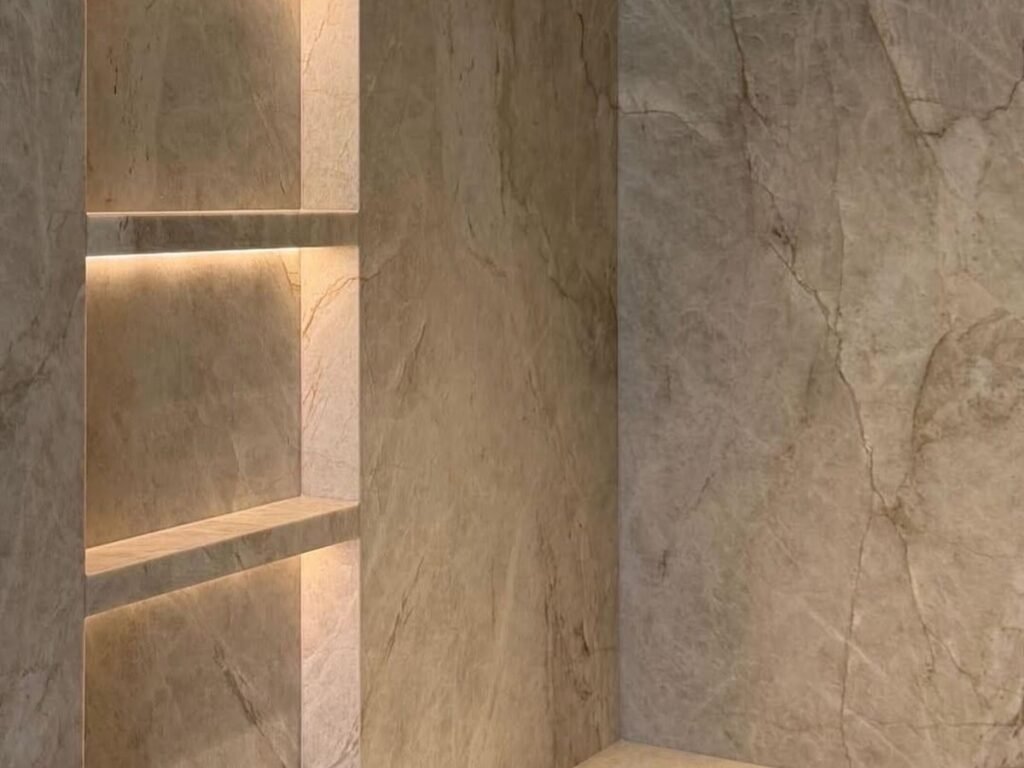
Bathroom Spaces: High-Frequency Use Areas
Bathrooms in luxury homes are expected to deliver both performance and visual appeal.
Applications
- Vanity tops
- Wall cladding
- Shower surrounds
Key Advantages
✔ Excellent moisture resistance
✔ Easy to clean and maintain
✔ Soft, spa-like visual effect
👉 Ideal for creating a hotel-style residential experience
Living Rooms & Feature Walls
In modern luxury homes, stone is increasingly used beyond kitchens and bathrooms.
Applications
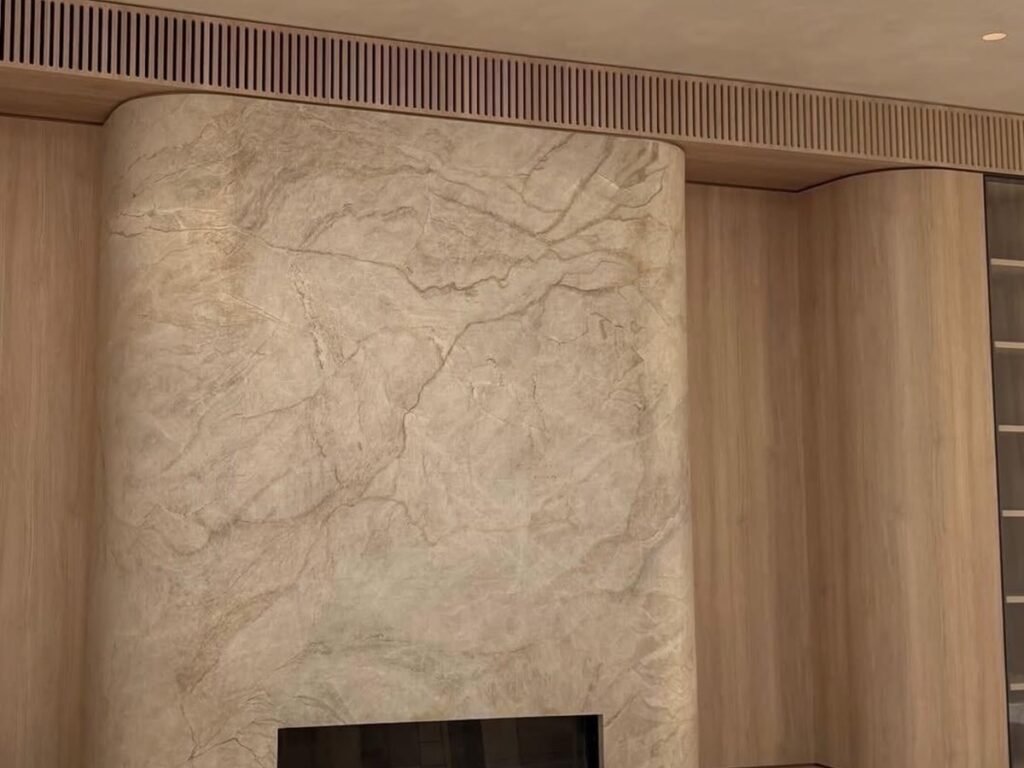
- TV feature walls
- Fireplace surrounds
- Decorative panels
Key Design Element: Bookmatching
Bookmatched slabs create:
👉 Symmetry
👉 Visual drama
👉 Artistic focal points
When executed properly, this transforms stone into a centerpiece feature
Hospitality Applications (Hotels & Resorts)
Lobby Areas: First Impression Matters
The hotel lobby is where brand perception is formed within seconds.
Applications
- Reception desks
- Feature walls
- Flooring accents
Design Objective
✔ Convey luxury instantly
✔ Establish brand identity
✔ Create a memorable arrival experience
👉 Taj Mahal Quartzite delivers elegance without appearing excessive
Guest Rooms: Consistency is Critical
Guest rooms require a balance between durability and visual consistency.
Applications
- Bathroom countertops
- Writing desks
- Accent panels
Key Requirement
👉 Batch consistency across hundreds of rooms
Inconsistent materials can:
- Damage brand perception
- Reduce guest satisfaction
- Increase maintenance complexity
Restaurants & Bars
High-traffic hospitality areas demand durability and easy maintenance.
Applications
- Bar counters
- Tabletops
- Service areas
Advantages
✔ Strong surface durability
✔ Resistance to daily wear
✔ Easy cleaning
👉 Ideal for long-term operational efficiency
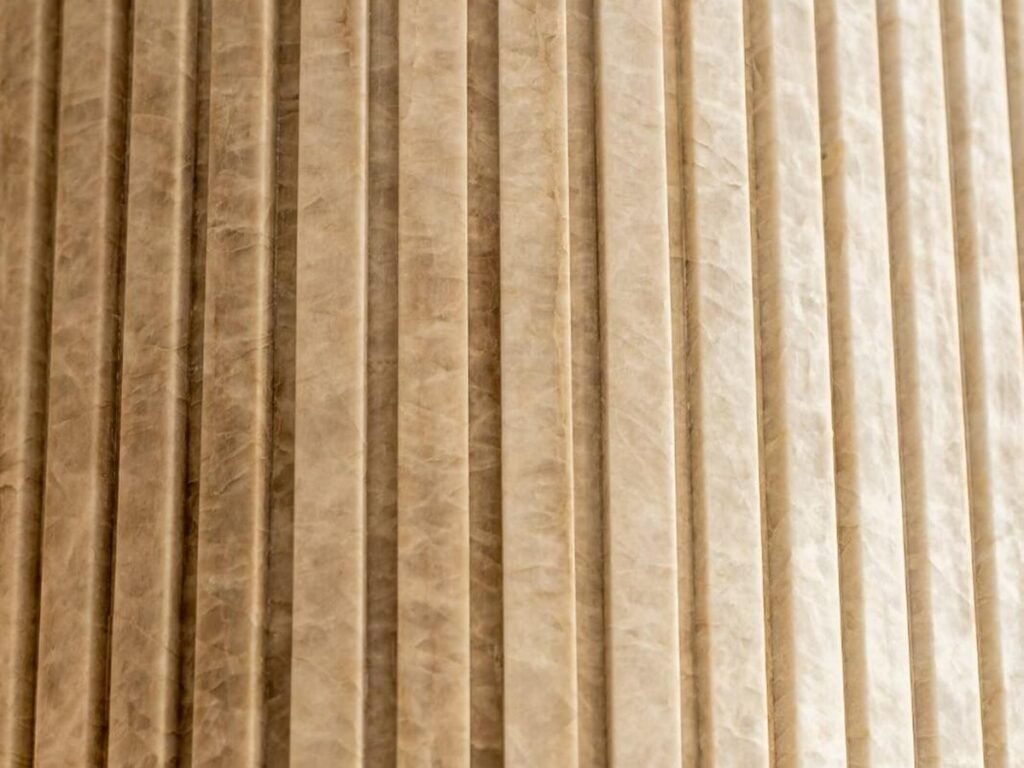
Retail & Brand Spaces
Branded Stores
In retail, materials directly influence consumer perception.
Applications
- Checkout counters
- Display platforms
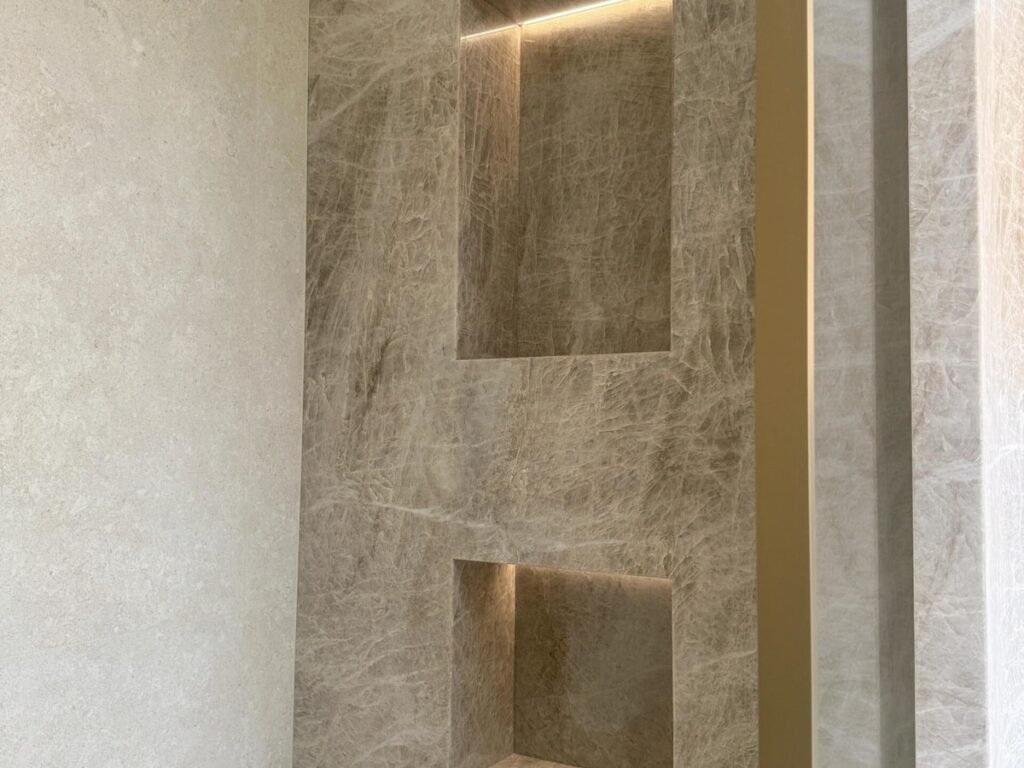
- Feature walls
Objective
👉 Increase perceived brand value
Stone surfaces act as silent brand amplifiers
Luxury & Premium Brands
For luxury brands, the material must complement—not compete with—the product.
Why Taj Mahal Quartzite Works?
✔ Neutral tone supports product visibility
✔ Premium feel enhances brand positioning
✔ Natural texture adds authenticity
👉 It becomes part of the brand storytelling
Design Implementation Strategies (Critical Section)
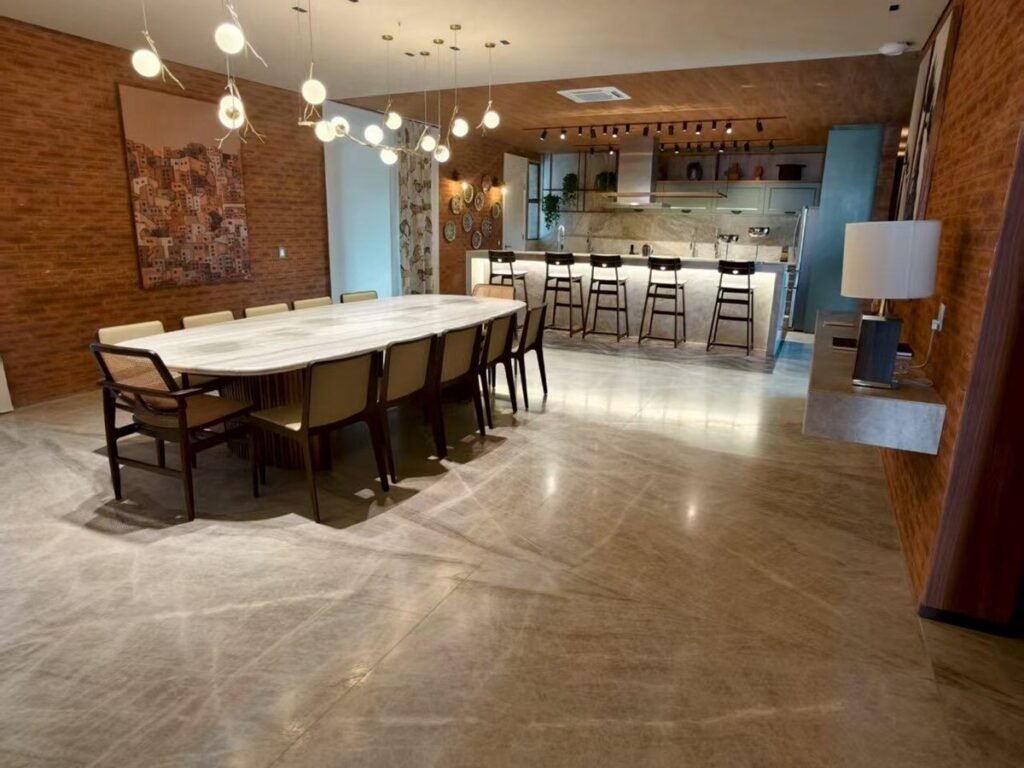
Create a Unified Material System
Consistency across spaces is key in high-end design.
Recommendation
- Use Taj Mahal Quartzite throughout multiple areas
- Maintain color and pattern continuity
👉 Result: Stronger spatial identity and cohesion
Slab Layout Planning (Non-Negotiable)
Poor slab planning is one of the biggest causes of project failure.
Best Practices
- Pre-plan slab usage
- Digitally simulate layouts
- Align veining across surfaces
👉 This step determines 80% of the final visual result
Lighting + Material Interaction
Lighting dramatically affects how the stone appears.
Strategies
- Use natural light to enhance warmth
- Apply indirect lighting for softness
- Highlight veining with directional lights
👉 Enhances depth, texture, and luxury perception
Engineering & Procurement Strategy
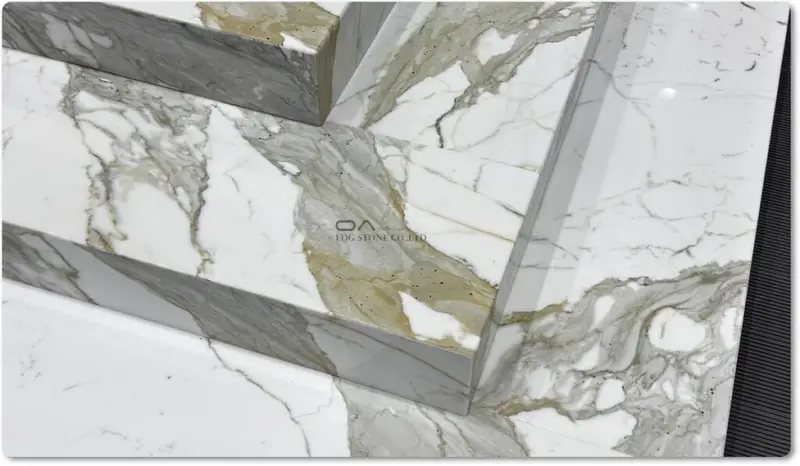
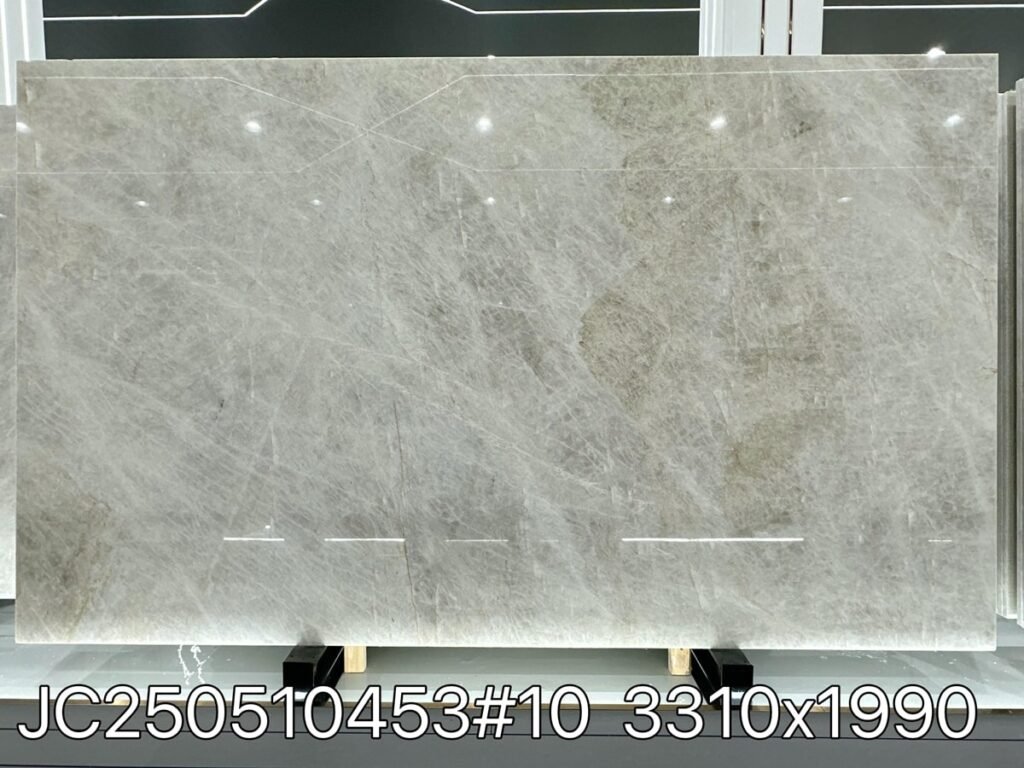
Slab Selection Standards
When selecting slabs, prioritize:
- Consistent base color
- Natural, flowing veining
- Minimal visual defects
Slab Reservation (Mandatory Step)
👉 Always reserve slabs before production
This prevents:
- Color mismatch
- Supply inconsistency
- Project delays
Batch Control
For large projects:
👉 Source from the same quarry batch
This ensures:
✔ Uniform appearance
✔ Reduced installation risk
✔ Better overall finish
Waste Management
Typical material waste:
👉 10%–20%
Factors affecting waste:
- Design complexity
- Slab size
- Cutting patterns
Cost Optimization Strategies
Smart Optimization Methods
- Standardize dimensions
- Reduce complex cuts
- Optimize slab usage
Avoid These Common Cost-Cutting Mistakes
❌ Mixing different batches
❌ Reducing slab thickness below standard
❌ Skipping layout planning
👉 These decisions often lead to higher long-term costs
Common Failure Cases (Real Project Insights)
Severe Color Variation
Cause
- Mixing slabs from different batches
Result
- Inconsistent appearance
- Reduced project quality
Chaotic Veining
Cause
- No slab layout planning
Result
- Disconnected visual flow
- Loss of luxury feel
Cheap Visual Outcome
Cause
- Using low-grade slabs
Result
- Weak design impact
- Reduced property value
Conclusion
The value of Taj Mahal Quartzite in high-end projects goes far beyond the material itself.
It lies in the integration of three key systems:
👉 Design
👉 Material selection
👉 Supply chain control
Successful projects consistently achieve:
✔ Material consistency
✔ Thoughtful design execution
✔ Controlled procurement
When these elements align:
👉 Spaces are elevated
👉 Brand perception improves
👉 Property value increases
Taj Mahal Quartzite is not just a material choice—it is a strategic investment in luxury positioning
FAQ
1. Is Taj Mahal Quartzite suitable for luxury homes?
Yes, it is widely used in high-end residential projects due to its premium appearance and durability.
2. Is it commonly used in hotels?
Yes, especially in lobbies, bathrooms, reception areas, and guest rooms.
3. Can it be used in retail stores?
Yes, it enhances brand image and creates a premium shopping environment.
4. Does it increase property value?
Yes, high-quality natural stone materials significantly improve perceived value.
5. What is the key to a successful project?
Material consistency, proper layout planning, and controlled sourcing.