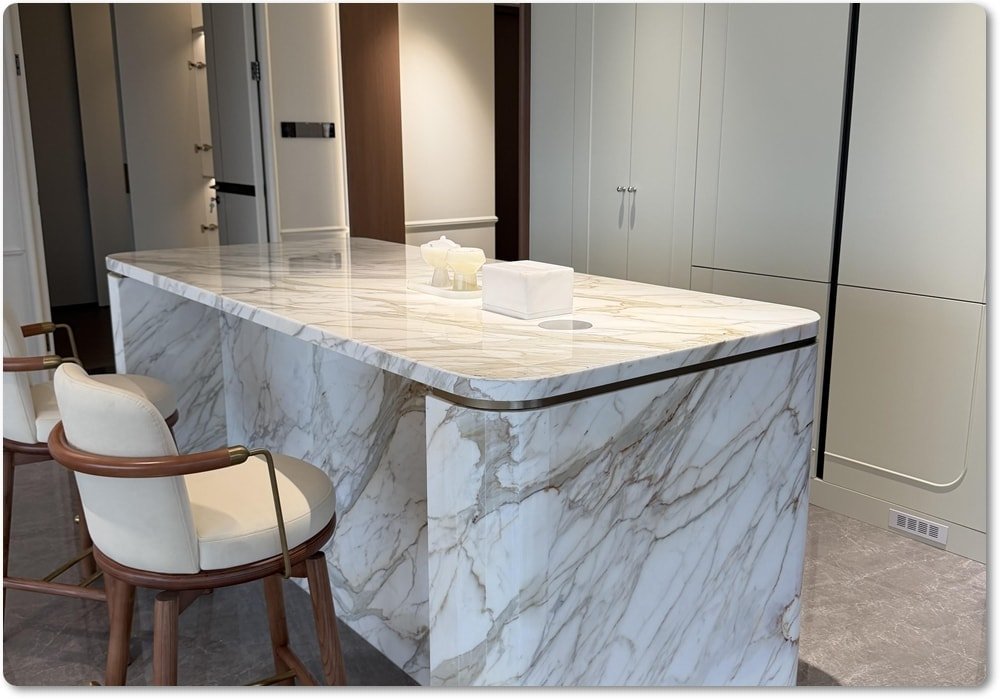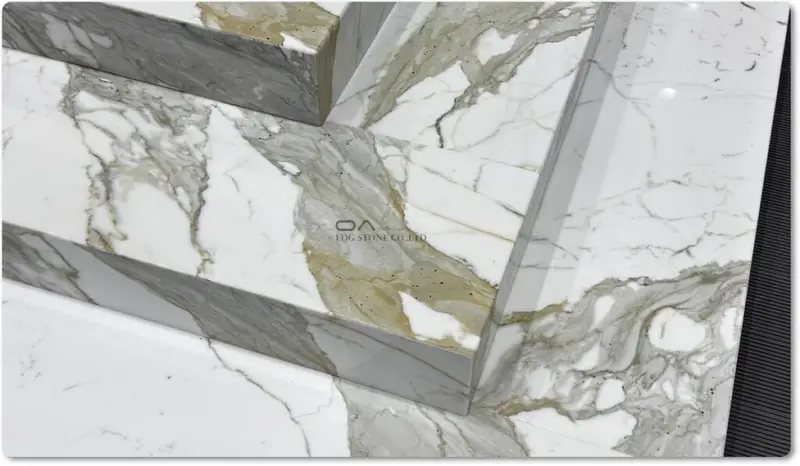
Introduction
In high-end architecture and interior design, materials are no longer just about functionality—they are:
👉 A direct expression of brand identity, spatial value, and user experience
Over the past few years, Taj Mahal Quartzite has evolved from a “premium alternative material” into a design standard for luxury spaces, widely specified in:
- Luxury residences
- Five-star hotels
- Premium retail environments
Its rise is not accidental. It succeeds because it delivers a rare combination:
👉 Aesthetic elegance + structural performance + procurement controllability
This guide provides a complete breakdown of how to successfully apply Taj Mahal Quartzite in high-end projects—from design logic to sourcing strategy.
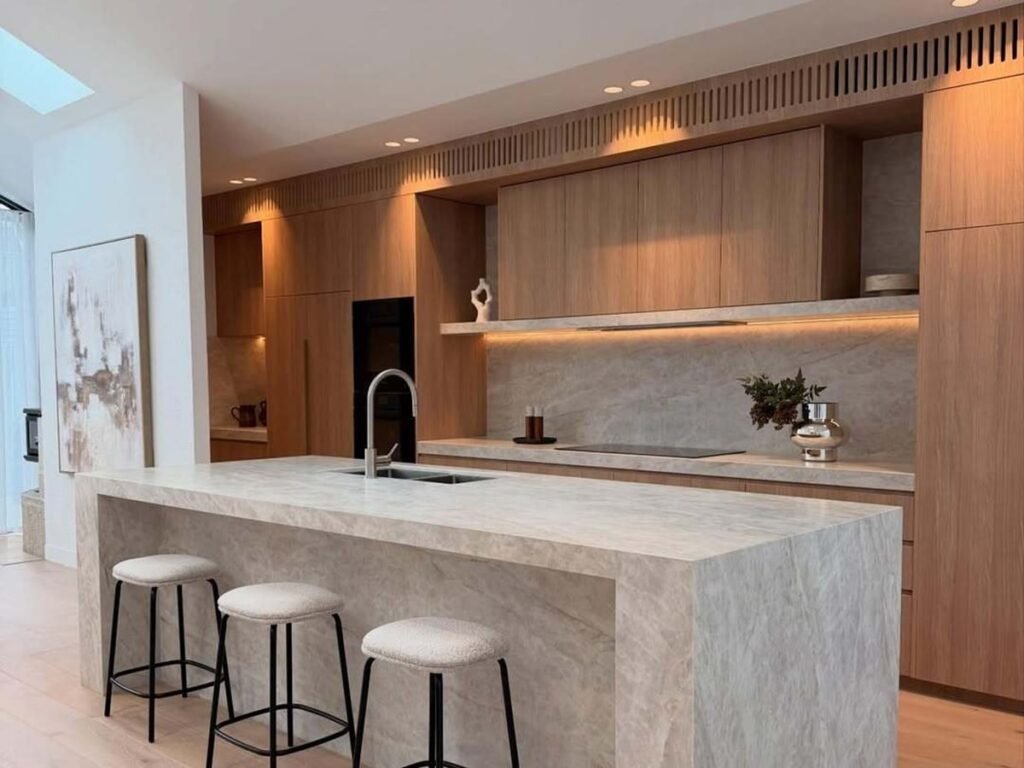
Why High-End Projects Prefer Taj Mahal Quartzite?
Evolving Design Trends (2026 Insight)
The shift in luxury design is clear:
Before:
- High contrast (black vs white)
- Dramatic veining
- Statement-heavy materials
Now:
- Soft luxury palettes
- Natural flowing textures
- Understated elegance
👉 Taj Mahal Quartzite perfectly aligns with this evolution:
- Warm beige tones
- Subtle veining
- Calm, timeless luxury
Performance Meets Visual Consistency
High-end projects demand three things:
- Beauty
- Reliability
- Consistency
Taj Mahal Quartzite delivers:
✔ Marble-like aesthetics
✔ Superior hardness and durability
✔ Multi-space application capability
👉 This makes it ideal for whole-space material unification, a key trend in luxury design.
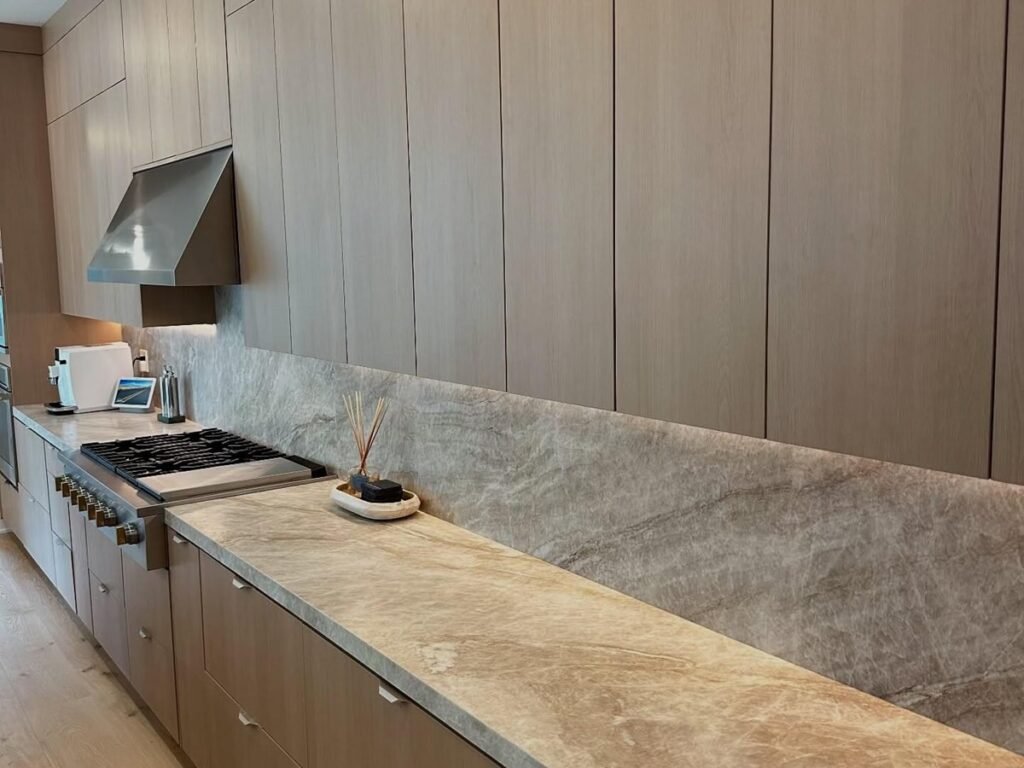
Luxury Residential Applications (High-End Homes)
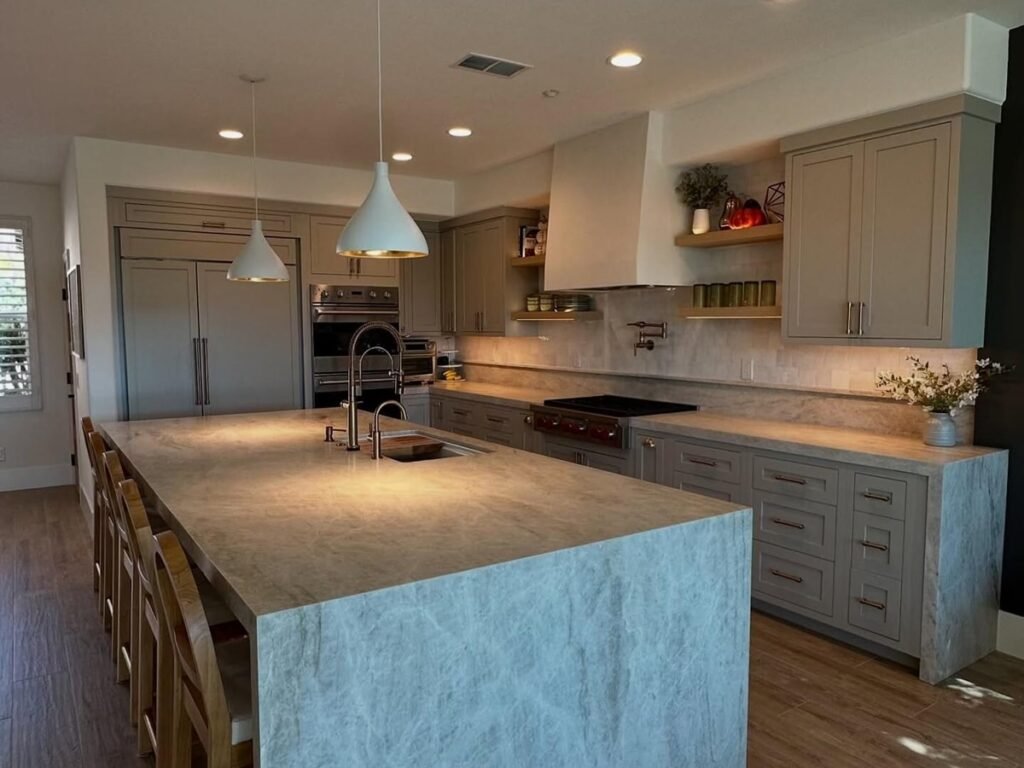
Kitchen (The Value Core)
Applications:
- Kitchen island countertops
- Full-height backsplash
Design Strategy:
- 30mm thickness for a premium feel
- Bookmatched slabs for visual impact
👉 Result: A centerpiece that defines the home’s value perception
Bathroom Spaces
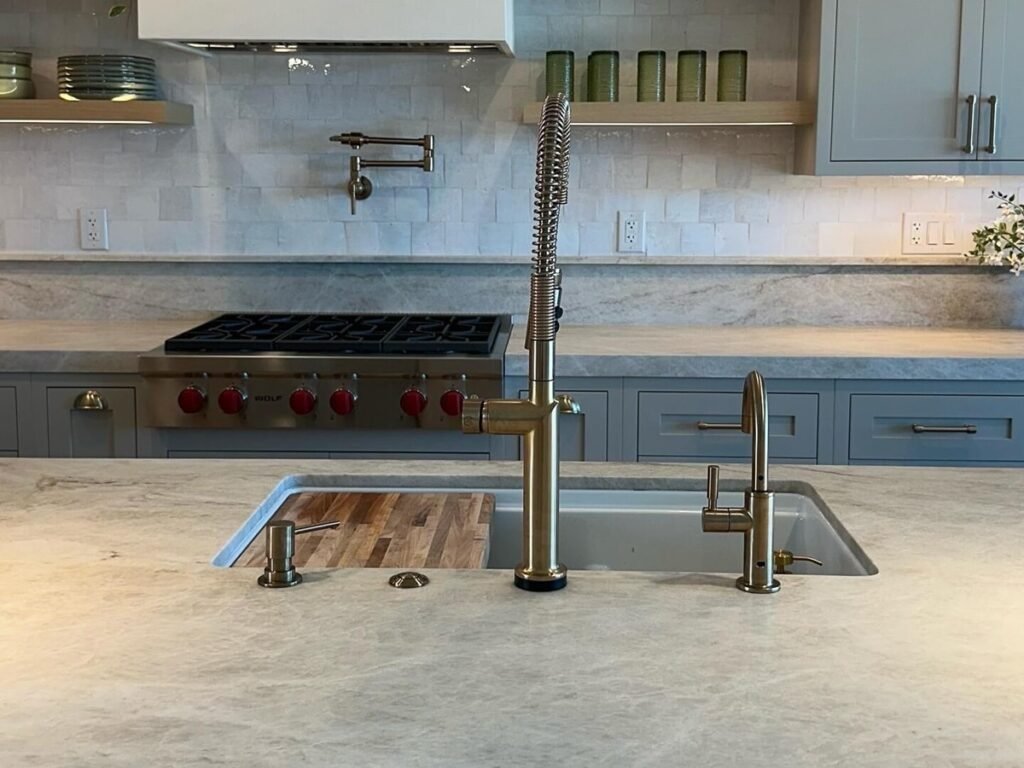
Applications:
- Vanity tops
- Wall cladding
Advantages:
- Excellent moisture resistance
- Spa-like visual effect
👉 Increasingly used in hotel-style residential bathrooms
Living Room & Feature Walls
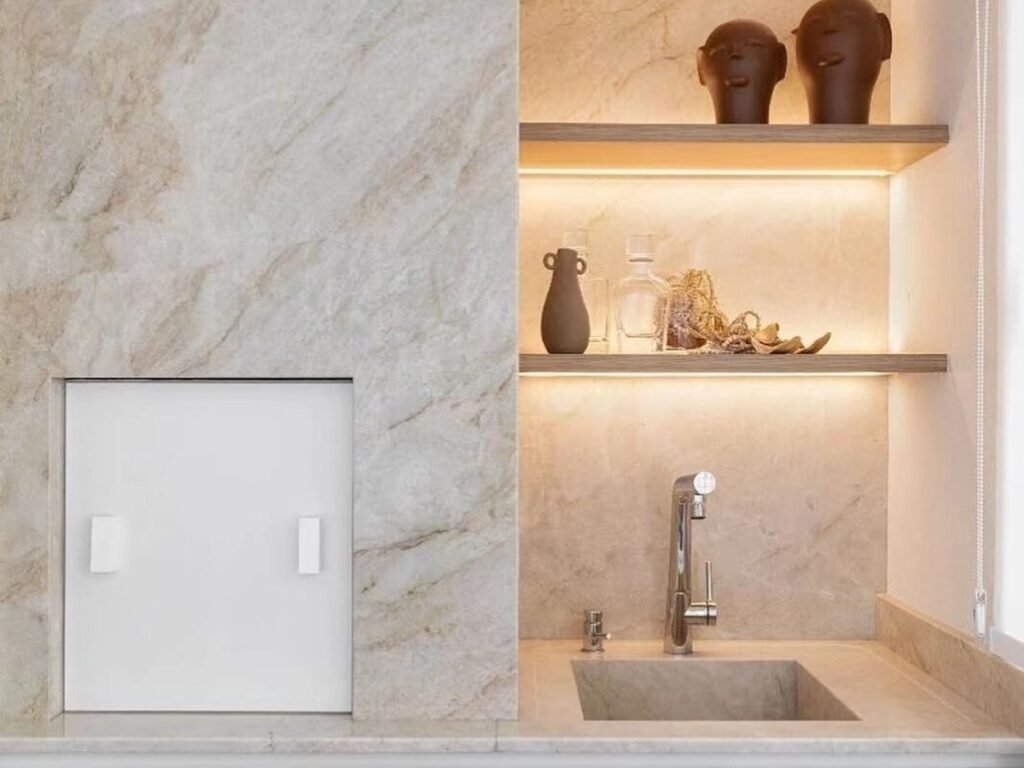
Applications:
- TV walls
- Fireplace surrounds
Key Design Focus:
- Vein continuity
- Symmetrical layouts
👉 Creates a gallery-level visual experience
Hospitality Projects (Hotels & Resorts)
Lobby (Brand First Impression)
Applications:
- Reception desks
- Feature walls
Design Goal:
- Reinforce brand identity
- Create visual coherence
👉 Taj Mahal Quartzite works as a neutral luxury backdrop
Guest Rooms
Applications:
- Bathroom vanities
- Writing desks
Critical Requirement:
✔ Batch consistency
✔ Cost control across scale
👉 Essential for large hotel developments
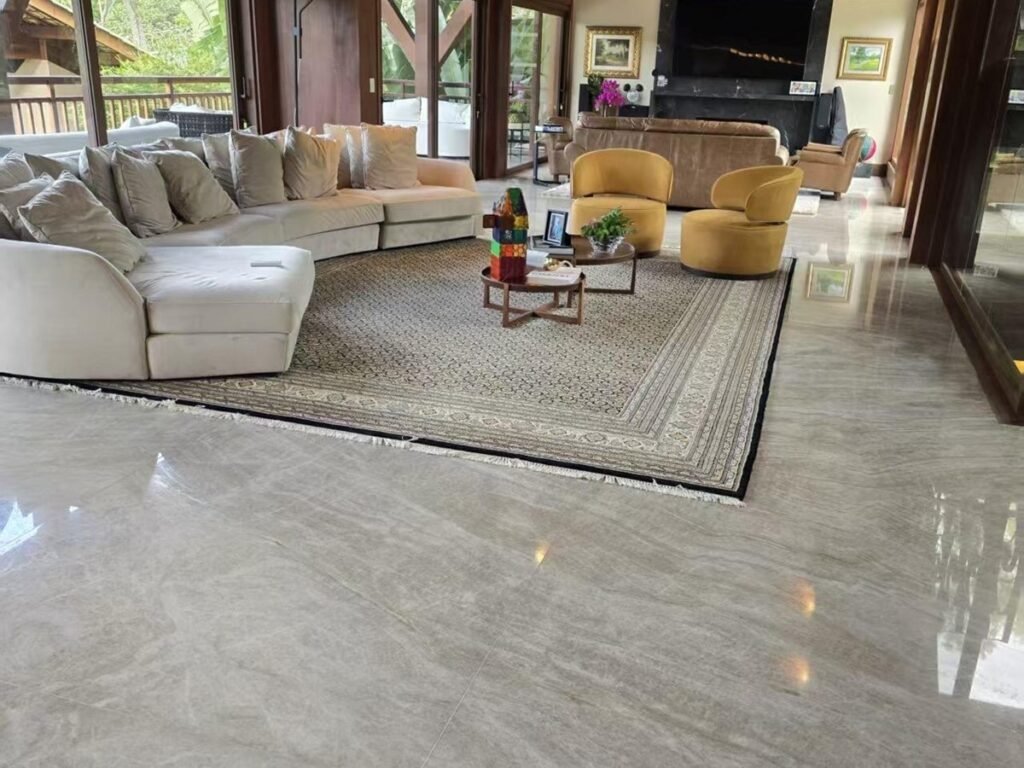
Restaurants & Bars
Applications:
- Bar counters
- Tabletops
Advantages:
- Durable under heavy use
- Premium tactile experience
Retail & Branding Spaces
Flagship Stores
Applications:
- Cash counters
- Display platforms
👉 Objective:
✔ Elevate brand perception
✔ Enhance customer experience
Luxury Brand Environments
In high-end retail:
👉 Materials ARE the brand language
Taj Mahal Quartzite provides:
- Subtle sophistication
- Non-distracting elegance
✔ Supports product-focused storytelling
Core Design Strategies (High-End Execution)
1. Unified Material Language
Best practice:
- Kitchen + bathroom + walls = same material
👉 Creates visual continuity and higher perceived value
2. Slab Layout Planning (Critical)
Must-do:
- Pre-design slab mapping
- Vein alignment simulation
👉 This step alone determines 80% of final visual quality
3. Lighting Strategy
Leverage:
- Polished surface reflection
- Natural daylight
👉 Enhances depth, warmth, and texture visibility
Procurement Strategy for Luxury Projects
Slab Selection Standards
Must ensure:
- Consistent base color
- Smooth vein transitions
Block Reservation (Mandatory)
👉 Prevents supply inconsistency risks
Batch Control
👉 Essential for:
- Hotels
- Multi-unit residences
Waste Allowance
Recommended:
- 10%–20% extra material
👉 Avoids costly reorders and mismatch issues
Cost Optimization Without Downgrading Quality
Smart Optimization
- Reduce complex cutting
- Standardize dimensions
- Optimize slab yield
What NOT to Do
❌ Mix batches
❌ Reduce thickness blindly
❌ Skip layout planning
👉 These decisions often lead to project failure
Common Failure Cases (Real Project Insights)
Color Variation Issues
Cause:
- Mixed batches
Chaotic Vein Patterns
Cause:
- No slab planning
Cheap Visual Outcome
Cause:
- Low-grade slabs
Conclusion
The success of Taj Mahal Quartzite in luxury projects is not just about the material itself.
👉 It is about control, consistency, and execution
When done correctly, it becomes:
- A design anchor
- A branding tool
- A value amplifier
✔ Unified design
✔ Stable sourcing
✔ Standardized execution
👉 Together, these transform stone into a high-end spatial asset
FAQ
1. Is Taj Mahal Quartzite suitable for luxury homes?
Yes, it is widely used in high-end residential projects due to its durability and premium appearance.
2. Can Taj Mahal Quartzite be used throughout the entire house?
Yes, it is ideal for kitchens, bathrooms, and walls, enabling a unified luxury design.
3. Is Taj Mahal Quartzite popular in hotel projects?
Yes, it is commonly used in hotel lobbies, guest bathrooms, and public areas.
4. Does Taj Mahal Quartzite increase property value?
Yes, premium natural stone enhances perceived value and buyer appeal.
5. What is the key to a successful project?
Proper slab selection, layout planning, and strict batch control.