Introduction
In the stone industry, pricing is never just about a slab price.
For Taj Mahal Quartzite, the final cost depends on a full chain of decisions: quarry source, block quality, slab grade, finish, thickness, fabrication, packaging, freight, customs, and project delivery. A buyer who only compares “price per square meter” will often miss the real cost of ownership.
This guide is designed for architects, developers, importers, distributors, fabricators, and project buyers who want a clear procurement framework. It explains how Taj Mahal Quartzite pricing works, where value is created or lost in the supply chain, and how to build a sourcing strategy that balances quality, cost, and reliability.
What Determines Taj Mahal Quartzite Pricing?
Taj Mahal Quartzite is positioned as a premium natural stone, and its pricing reflects more than just material rarity. Several factors shape the final number.
Quarry Source and Material Quality
The first cost driver is the quarry itself. Not all Taj Mahal Quartzite blocks are the same. Buyers need to consider:
- Color consistency
- Vein movement
- Structural integrity
- Block size and yield
- Level of natural variation
Higher-quality blocks with better consistency and lower defect rates usually command stronger prices because they produce more usable slabs and reduce waste during fabrication.
Slab Grade
Slabs are commonly sorted by grade based on visual consistency and structural condition.
Typical differences include:
- Premium grade: cleaner background, elegant veining, fewer visible repairs
- Commercial grade: acceptable variation, more natural movement, broader tolerance
- Lower grade: visible imperfections, uneven tone, more patching or resin repair
For high-end projects, slab grade matters as much as stone type. A lower-grade slab may look acceptable in a warehouse but underperform in a luxury kitchen or hospitality space.
Thickness and Format
Thickness has a direct impact on pricing:
- 20 mm slabs are usually lighter and easier to handle
- 30 mm slabs are often preferred for premium countertops and a heavier visual presence
Larger formats may also affect cost because they require more careful extraction and handling, especially if the quarry block has a limited yield.
Surface Finish
Finish changes both the appearance and the processing cost.
Common options include:
- Polished: highest visual reflectivity, classic luxury appearance
- Honed: softer and more matte, modern and understated
- Leathered: textured, tactile, and less reflective
Some finishes require additional processing time, which adds to production cost.
Fabrication Complexity
A raw slab is only part of the story. The final product may need:
- Sink cutouts
- Cooktop cutouts
- Edge profiles
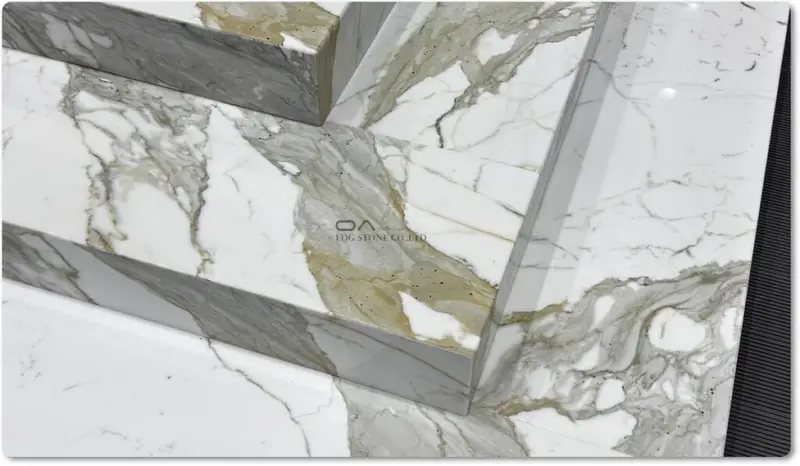
- Mitered edges
- Custom curves
- Bookmatched layout
- Seam matching
The more complex the fabrication, the higher the total project cost.
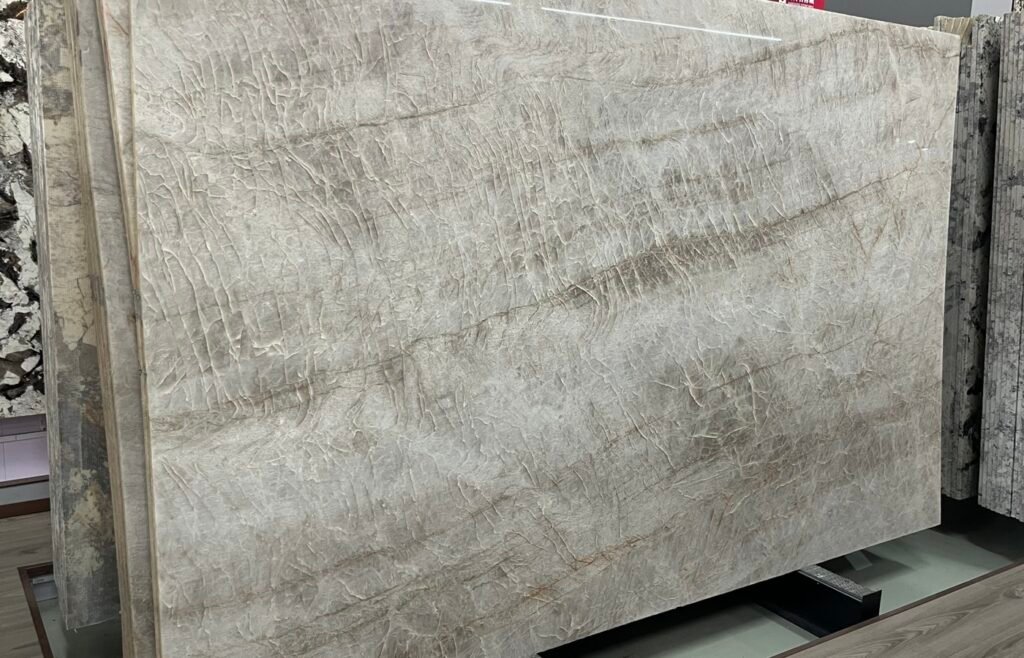
Understanding the Global Supply Chain
Taj Mahal Quartzite moves through a multi-stage supply chain before it reaches the project site.
Quarry
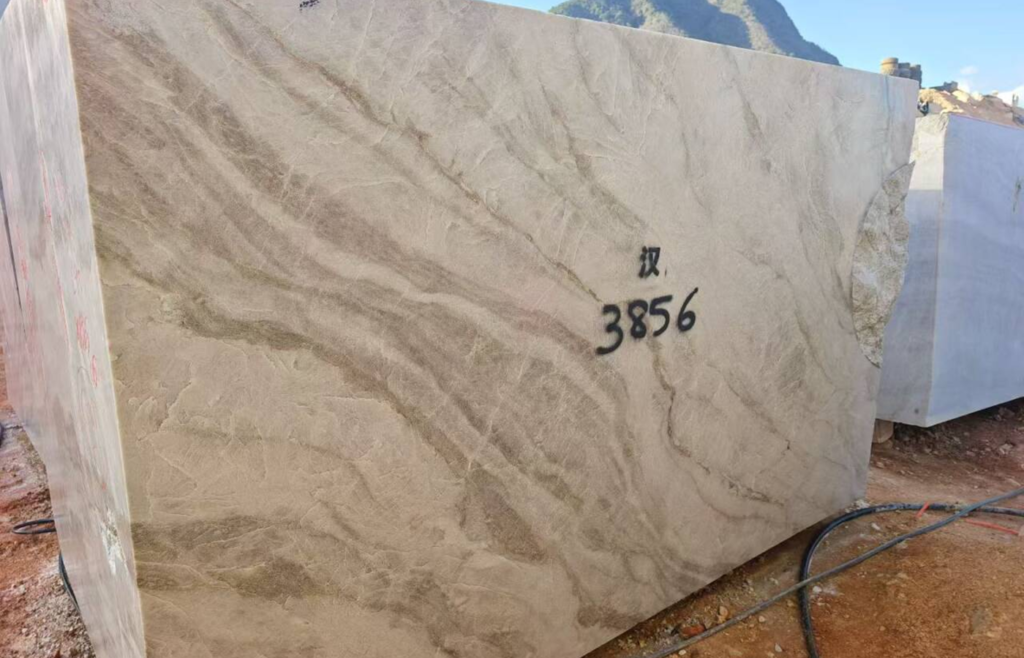
The quarry extracts the raw block. This stage affects:
- Material consistency
- Yield
- Overall availability
- Long-term supply continuity
A stable quarry source is essential for large projects that require repeat orders or matching slabs.
Block Processing
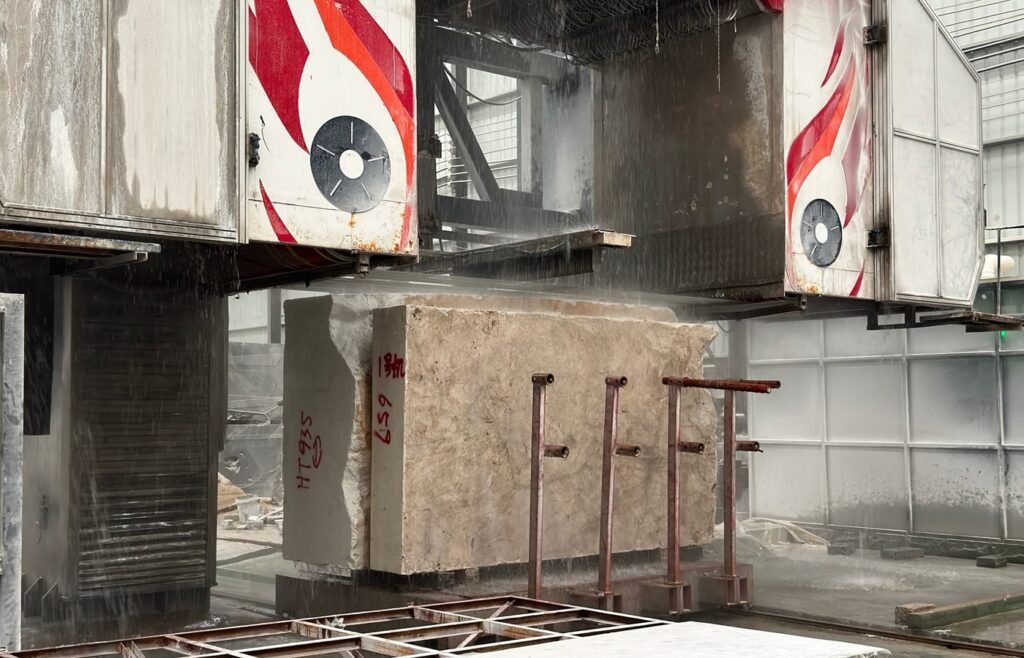
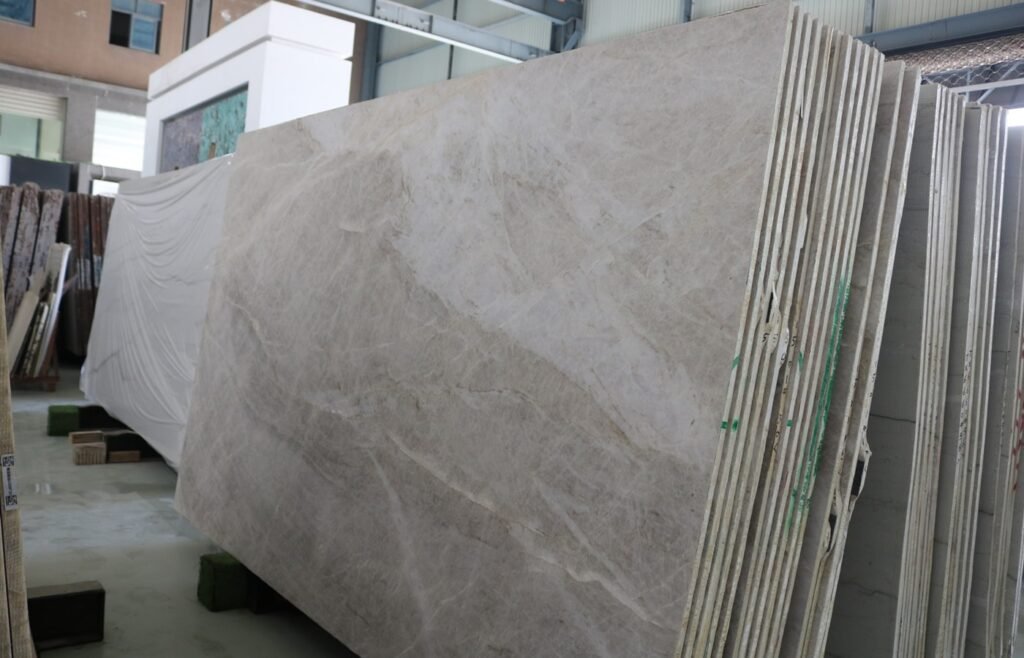
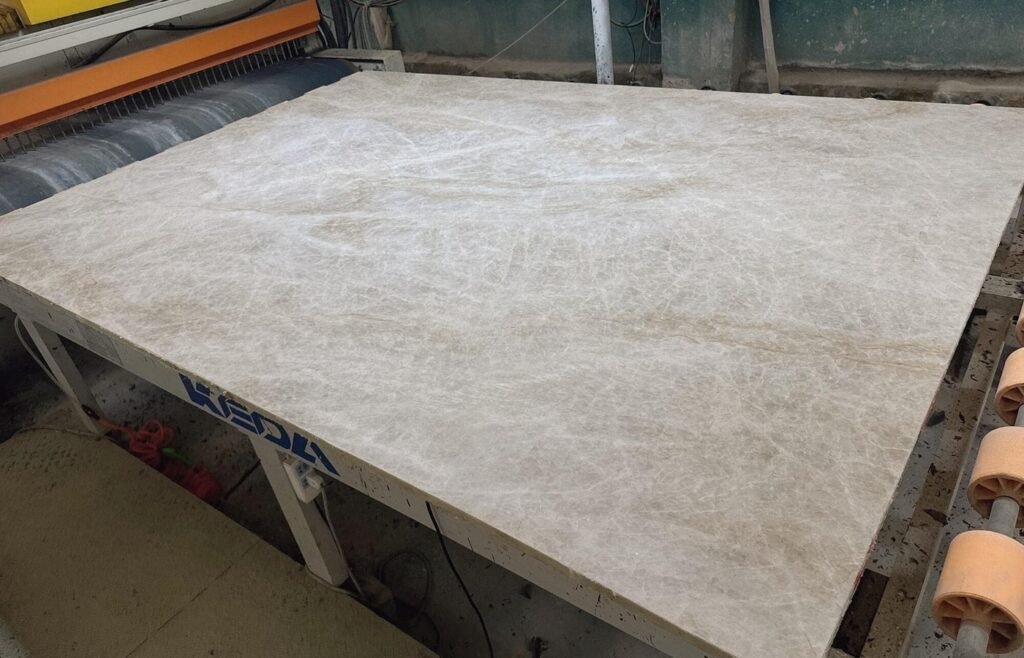
Blocks are cut into slabs using large saws and polishing systems. At this stage, the factory determines:
- Thickness accuracy
- Surface quality
- Resin and mesh reinforcement
- Slab sorting and grading
A strong processing partner is critical because a beautiful block can still become a poor slab if processing quality is poor.
Export Preparation
Before shipment, slabs are usually:
- Inspected
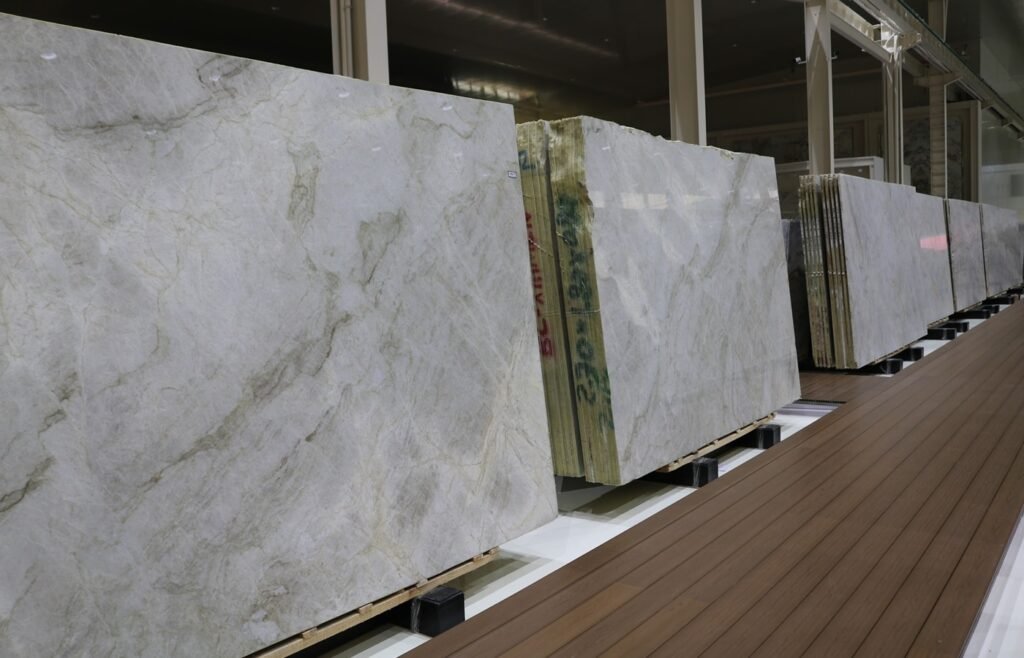
- Packed in wooden crates or A-frames
- Labeled by batch or lot
- Loaded for container shipping
Packaging quality matters more than many buyers expect. Stone is heavy, brittle at the edges, and vulnerable to transport damage if not secured correctly.
Freight and Import
Shipping costs depend on:
- Weight
- Destination
- Container availability
- Port handling
- Customs clearance
- Insurance
For international buyers, freight can change the final delivered price dramatically. A slab that looks competitive at origin may become expensive after shipping and destination handling.
Local Distribution
Some buyers purchase through local distributors rather than sourcing directly from the factory or exporter. This may improve speed and reduce risk, but it usually increases cost.
Factory Direct vs Distributor vs Quarry Direct
Choosing the right sourcing model is one of the most important procurement decisions.
Quarry Direct
This model can offer strong raw material pricing, but it often requires more expertise and project management capability.
Best for:
- Large-volume importers
- Experienced stone buyers
- Long-term strategic sourcing
Trade-offs:
- Less convenience
- More responsibility for quality control
- More coordination required
Factory Direct
This is often the most balanced model for Taj Mahal Quartzite procurement.
Advantages:
- Better pricing than retail channels
- Fabrication support
- Customization options
- Easier project coordination
Best for:
- Architects
- Developers
- Commercial project buyers
- Importers seeking repeat supply
Distributor / Local Stockist
This is the fastest and simplest option.
Advantages:
- Faster delivery
- Lower logistics complexity
- Easier inspection
Trade-offs:
- Higher markup
- Less control over batch consistency
- Limited customization
How to Reduce Cost Without Sacrificing Quality?
A good sourcing strategy does not simply look for the cheapest slab. It looks for the best total value.
Standardize the Design
Custom shapes and unnecessary complexity increase waste and fabrication cost.
To improve value:
- Use standard dimensions where possible
- Reduce unnecessary seams
- Simplify edge details
- Plan cutouts efficiently
Buy by Batch
For projects with multiple pieces, batch consistency is critical.
Always try to:
- Select slabs from the same batch
- Approve slabs before fabrication
- Confirm matching veining and background tone
This reduces the risk of mismatch and rework.
Order Extra Material
Natural stone always carries some waste risk.
A smart project budget should include extra material for:
- Cutting loss
- Breakage
- Future repairs
- Matching replacements
Match the Stone to the Application
Not every space needs the highest possible grade.
For example:
- Premium luxury kitchens may justify top-grade slabs
- Utility counters may not need the same visual level
- Vertical walls may allow slightly broader variation than visible countertops
Matching material grade to application helps control cost intelligently.
Pricing Risks Buyers Often Miss
Color Variation
Natural variation is part of the beauty of Taj Mahal Quartzite, but uncontrolled variation can hurt a project visually.
Structural Defects
Hairline cracks, resin-filled areas, or weak points may not be obvious at first glance. These can create problems during fabrication or installation.
Shipping Damage
Poor packaging can cause corner chips, surface scratches, or even slab breakage.
Project Delays
A delayed container can disrupt installation schedules and create labor and coordination costs on the job site.
Hidden Fabrication Cost
What looks affordable at the slab level may become expensive after CNC cutting, polishing, reinforcement, and installation.
Global Sourcing Strategy for 2026
A strong Taj Mahal Quartzite sourcing strategy should be built around five principles.
1. Source from Stable Suppliers
Look for suppliers with:
- Consistent inventory
- Clear batch control
- Professional export packaging
- Proven commercial project experience
2. Lock the Slabs Early
For important projects, do not wait until fabrication day to approve slabs. Lock the batch early and confirm the final layout before cutting starts.
3. Build a Backup Supply Plan
A backup supplier reduces risk if:
- The first batch is not consistent
- Lead time slips
- Freight schedules change
4. Use Technical Documentation
Request:
- Slab photos and videos
- Thickness details
- Finish description
- Batch numbers
- Packing details
- Project references
5. Think in Lifecycle Cost, Not Just Purchase Price
The cheapest slab is not always the best procurement decision. A slightly higher-priced slab with better consistency, lower waste, and fewer installation problems may produce a better total project outcome.
Best Practice Checklist for Buyers
Before placing a Taj Mahal Quartzite order, confirm the following:
- Exact material name
- Batch number
- Slab dimensions
- Thickness
- Finish
- Edge profile
- Cutout requirements
- Packing method
- Delivery timeline
- Replacement policy
- Payment terms
This simple checklist can prevent many common procurement mistakes.
Who Should Buy Taj Mahal Quartzite?
Taj Mahal Quartzite is especially suitable for buyers who want:
- A premium natural stone look
- Strong visual warmth
- Better durability than marble
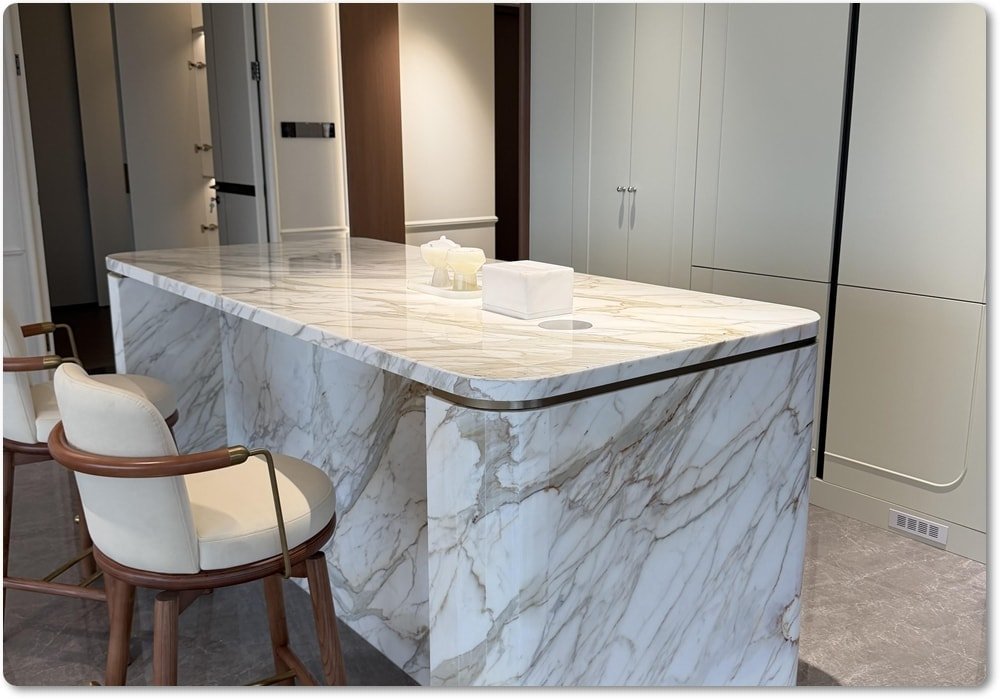
- A material that works across kitchens, bathrooms, lobbies, and commercial counters
It is a particularly strong choice for:
- Luxury residences
- Hospitality projects
- Retail interiors
- High-end kitchen and bathroom applications
- Brand-driven commercial spaces
Conclusion
Taj Mahal Quartzite is not just a beautiful stone. It is a procurement decision that sits at the intersection of design, logistics, fabrication, and risk management.
If you understand the full supply chain, you can buy smarter:
- choose the right supplier,
- lock the right batch,
- reduce waste,
- control cost,
- and deliver a better final project.
For buyers who want both luxury and reliability, Taj Mahal Quartzite remains one of the most strategic materials in the premium natural stone market.
FAQ
Is Taj Mahal Quartzite expensive?
Yes, it is usually positioned as a premium natural stone because of its appearance, quarry value, and fabrication demands.
Why do prices vary so much?
Prices vary based on slab quality, thickness, finish, fabrication, freight, and supplier structure.
Should I buy factory direct?
For most project buyers, factory direct sourcing offers the best balance of cost and customization.
How do I avoid color mismatch?
Select slabs from the same batch and approve them before fabrication.
Is it good for commercial projects?
Yes. It is commonly used in hospitality, retail, and high-end interior applications.