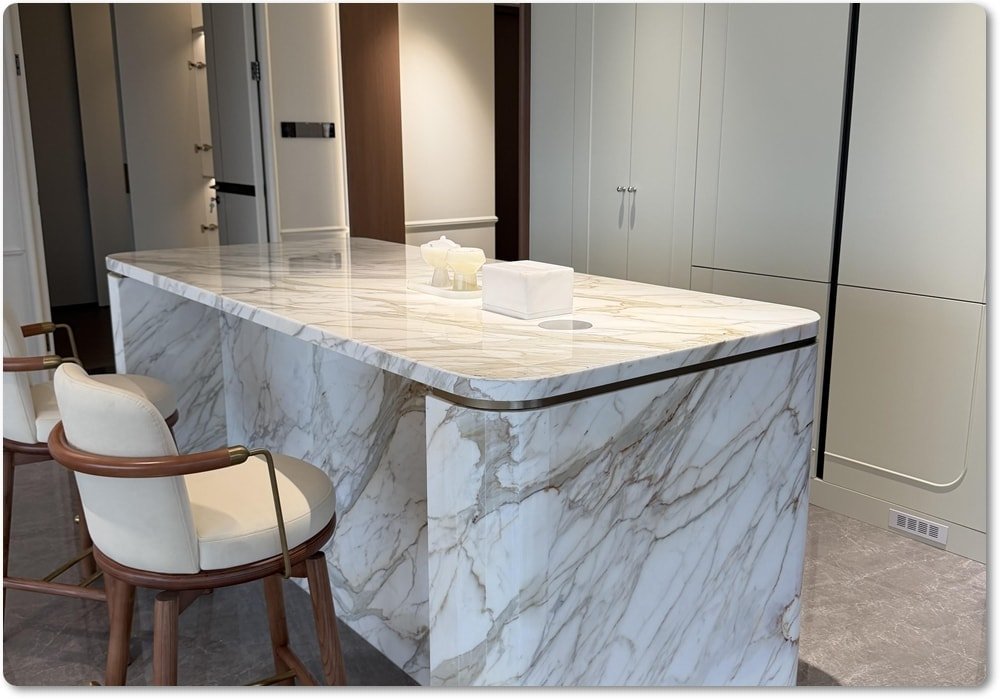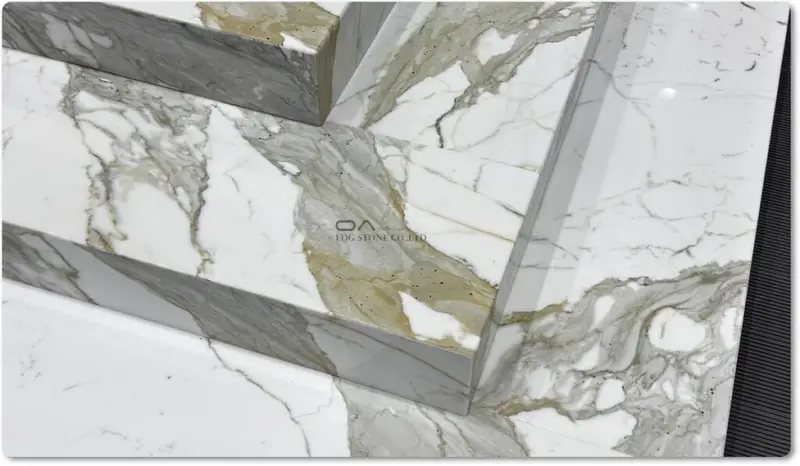
Quick Summary
Ultra Compact Surface vs Quartz: The Complete Decision Context
What is the main difference? Ultra-compact surfaces are generally sintered mineral surfaces manufactured under extremely high pressure and temperature, while quartz surfaces traditionally combine quartz minerals with resin binders and pigments.
Why does the difference matter? Manufacturing technology influences heat resistance, UV stability, outdoor suitability, fabrication requirements, chemical resistance, and long-term project performance.
Which option is better? There is no universal winner. Ultra-compact slabs are generally preferred for demanding architectural applications, while quartz can remain highly competitive for indoor residential countertops where color consistency, familiar fabrication methods, and budget efficiency are priorities.
What should buyers consider in 2026? Buyers should evaluate performance, slab composition, silica exposure risks during fabrication, local regulations, logistics, installation capabilities, project application, thickness, design requirements, warranty expectations, and supplier technical documentation.
When architects, kitchen designers, fabricators, distributors, and homeowners compare ultra-compact slabs vs quartz, the conversation is no longer limited to appearance.
In 2026, surface selection has become a broader decision involving:
- Material technology
- Heat resistance
- Scratch resistance
- UV stability
- Outdoor performance
- Fabrication requirements
- Crystalline silica regulations
- Worker safety
- Environmental expectations
- Supply chain reliability
- Project lifecycle cost
Both materials can create beautiful and durable countertops. However, they are not interchangeable.
The increasing popularity of ultra-compact countertops vs quartz reflects a major change in the global surface industry: buyers are increasingly looking beyond traditional countertop categories and evaluating surfaces based on where and how they will actually be used.
At EDG Stone, we work with natural stone, quartz, porcelain, sintered stone, and other architectural surface materials for international projects. Understanding the differences between these products helps buyers select the right material for residential, commercial, hospitality, and large-scale construction applications.

What Are Ultra Compact Slabs?
Ultra compact slabs are advanced architectural surfaces manufactured using highly compressed mineral materials and high-temperature production processes.
They are often associated with product categories such as:
- Ultra compact surfaces
- Sintered stone
- Compact slabs
- Large-format sintered slabs
- Ultra compact porcelain surfaces
- High-performance architectural slabs
Although terminology may vary between manufacturers and markets, the fundamental concept is similar: mineral-based raw materials are transformed through advanced industrial processes into dense, durable slabs.
How Are Ultra Compact Surfaces Manufactured?
The manufacturing process generally involves several stages.
1. Raw Material Preparation
Manufacturers may use combinations of:
- Natural minerals
- Clay
- Feldspar
- Silica-containing minerals
- Ceramic materials
- Mineral pigments
The exact composition varies by manufacturer and product.
2. Advanced Compression
The materials are subjected to extremely high pressure to create a highly compact structure.
This high-density structure contributes to:
- Low porosity
- High mechanical performance
- Reduced water absorption
- Improved surface durability
3. High-Temperature Sintering
The compacted material is fired at extremely high temperatures.
This process creates a dense mineral structure and distinguishes ultra compact surfaces from resin-based engineered quartz products.
4. Surface Decoration and Finishing
Modern manufacturing technology allows ultra compact slabs to reproduce:
- Natural marble
- Quartzite
- Granite
- Concrete
- Metal
- Wood
- Limestone
- Travertine
Large-format digital printing and advanced surface finishing technologies have significantly expanded design possibilities.
What Is Quartz?
Quartz countertops are engineered surfaces typically manufactured using quartz aggregates combined with binding materials and pigments.
Quartz surfaces became extremely popular because they offered several important advantages over many traditional materials.
These advantages include:
- Consistent colors
- Low maintenance
- Strong stain resistance
- Large design selection
- Reliable indoor countertop performance
How Are Quartz Countertops Manufactured?
Traditional engineered quartz production generally involves:
- Quartz mineral selection
- Crushing and grading
- Mixing minerals with binders and pigments
- Vacuum processing
- Compression
- Curing
- Calibration and polishing
The finished product is dense and durable, making quartz a major material category in the global countertop industry.
However, because manufacturing formulations vary significantly, buyers should never assume that every quartz product has the same composition or performance.
Ultra Compact Slabs vs Quartz: The Core Difference
The most important difference between ultra-compact surface vs quartz is the manufacturing structure.
| Feature | Ultra Compact Slabs | Quartz |
|---|---|---|
| Basic Structure | Sintered mineral surface | Engineered mineral-resin composite |
| Binder System | Usually mineral-based sintering process | Typically resin-based |
| Heat Resistance | Generally excellent | More limited |
| UV Resistance | Generally excellent | Product-dependent |
| Outdoor Use | Often suitable | Often not recommended |
| Stain Resistance | Excellent | Excellent |
| Scratch Resistance | Very high | High |
| Large Format Applications | Excellent | Available but more limited |
| Hot Pan Resistance | Generally stronger | Thermal shock remains a concern |
| Fabrication | Requires specialized equipment | Established fabrication infrastructure |
The table provides a general comparison. Actual performance depends on the specific manufacturer, product formulation, thickness, and technical specifications.
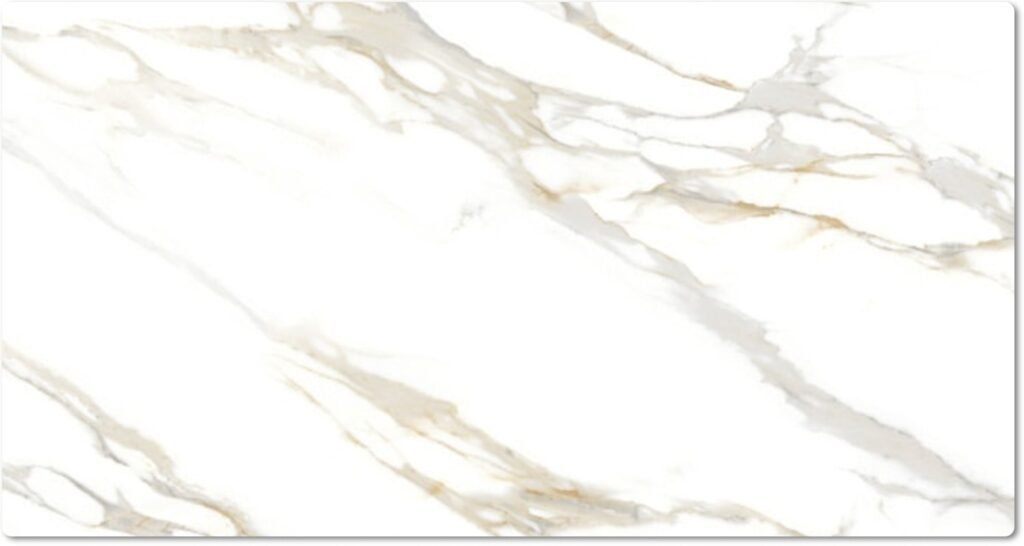
Ultra Compact Countertops vs Quartz: Which Is More Heat Resistant?
The Heat Resistance Advantage of Ultra Compact Surfaces
One of the biggest advantages of ultra-compact slabs is their performance under high temperatures.
Because these materials are produced through high-temperature sintering processes, they are generally better suited to environments involving:
- Hot cookware
- Outdoor sunlight
- High-temperature kitchens
- Fireplace surrounds
- Commercial food preparation environments
Why Does This Matter?
A kitchen countertop is exposed to more than water and food stains.
Modern surfaces may experience:
- Hot pans
- Steam
- Heated appliances
- Rapid temperature changes
Ultra compact surfaces generally provide a stronger performance profile in these situations.
However, manufacturers and installers should still follow recommended installation and use instructions.
Is Quartz Heat Resistant?
Quartz is heat resistant to a degree, but it should not automatically be treated as heatproof.
Traditional quartz contains binders that can be affected by extreme heat or rapid temperature changes.
Placing extremely hot cookware directly onto a quartz countertop may increase the risk of:
- Thermal shock
- Surface discoloration
- Resin damage
- Cracking
For this reason, trivets and heat protection are generally recommended.
The Practical Conclusion
If heat resistance is one of the most important requirements, ultra compact slabs vs quartz countertops often favor ultra compact surfaces.
Ultra Compact vs Quartz: Which Is Better for Outdoor Kitchens?
Ultra Compact Slabs for Outdoor Applications
Outdoor environments create challenges that indoor kitchens do not.
These include:
- UV radiation
- Rain
- Temperature changes
- Humidity
- Frost
- High heat
Ultra compact surfaces are frequently selected for:
- Outdoor kitchens
- BBQ countertops
- Patio tables
- Exterior wall cladding
- Ventilated façades
Their UV stability makes them particularly attractive for exterior applications.
Quartz for Outdoor Applications
Many traditional quartz manufacturers do not recommend standard quartz products for continuous outdoor exposure.
Potential concerns include:
- Color changes
- Resin degradation
- Surface aging
Therefore, if your project involves significant sunlight exposure, ultra-compact surfaces are usually the safer category to investigate.
Scratch Resistance: Ultra Compact Surface vs Quartz
Both materials are highly durable.
However, ultra-compact surfaces generally have a stronger reputation for extreme scratch resistance.
This makes them attractive for high-traffic applications.
Best Applications for High Scratch Resistance
Ultra compact slabs are commonly considered for:
- Commercial countertops
- Hotel furniture
- Restaurant tables
- Retail surfaces
- Reception desks
- High-use kitchen countertops
Quartz also provides excellent daily durability, especially in residential kitchens.
The correct choice depends on expected usage.
Stain Resistance: Which Material Performs Better?
Both quartz and ultra-compact surfaces are generally low-porosity materials.
This gives them strong resistance against common stains.
Examples include:
- Coffee
- Wine
- Cooking oil
- Sauces
- Fruit juice
Quartz Advantages
Quartz has built a strong reputation for easy maintenance.
For many homeowners, the key benefits are:
- Easy cleaning
- No regular sealing
- Consistent appearance
Ultra Compact Surface Advantages
Ultra-compact slabs also provide excellent stain resistance and are often selected where chemical resistance and intensive cleaning are important.
For commercial projects, this can be a significant advantage.
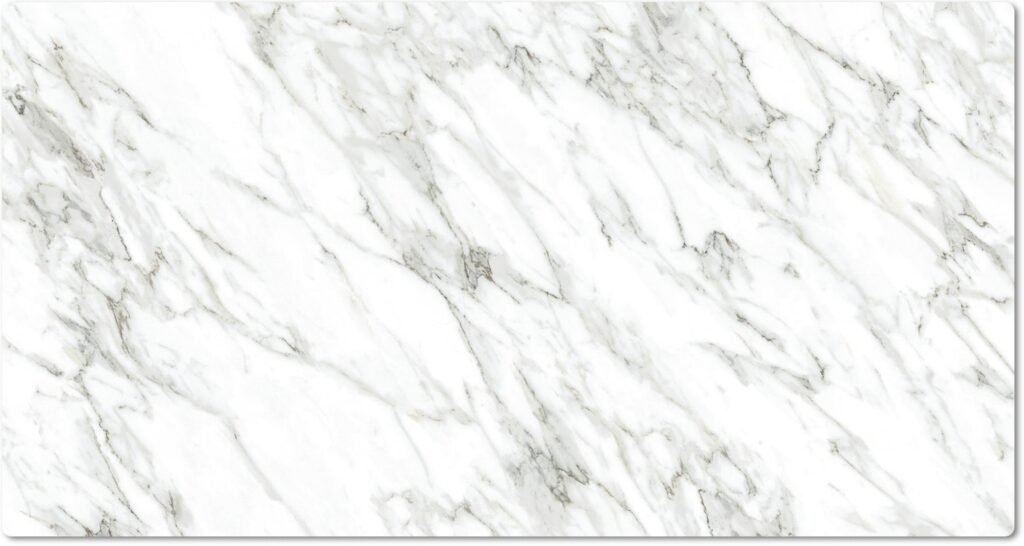
Ultra Compact Slabs vs Quartz: Thickness and Large Format Design
One of the strongest trends in architectural surfaces is the demand for larger slabs.
Large-format materials can reduce visible joints and create a more continuous design.
Ultra-compact slabs are widely used for:
- Kitchen islands
- Large wall panels
- Bathroom walls
- Shower walls
- Furniture surfaces
- Facades
Depending on the manufacturer, large-format slabs may be available in multiple thicknesses.
Popular thickness categories include:
- Thin architectural panels
- 6mm surfaces
- 12mm countertops
- 20mm surfaces
Quartz is also available in large slabs, but ultra-compact surfaces are increasingly popular for applications requiring thin, large-format architectural panels.
Design and Appearance: Ultra Compact Quartz Look vs Realistic Stone Design
Modern surface technology has changed dramatically.
Today, ultra-compact slabs can reproduce:
- Calacatta marble
- Statuario marble
- Arabescato marble
- Taj Mahal quartzite
- Concrete
- Metal
- Travertine
Digital Design Technology
Advanced printing technology allows manufacturers to create:
- Deep veining
- Bookmatched patterns
- Directional veins
- Full-body effects
- Natural stone textures
This creates new possibilities for architects and interior designers.
Why Designers Like Ultra Compact Slabs
A single material can potentially be used across multiple applications.
For example:
- Kitchen countertop
- Backsplash
- Wall panel
- Dining table
- Bathroom vanity
- Outdoor kitchen
This creates stronger visual continuity throughout a project.
Ultra Compact Slabs vs Quartz Cost
Cost is one of the most important purchasing considerations.
However, buyers should avoid asking only:
“Which material is cheaper?”
The better question is:
“Which material provides the best total value for this application?”
Quartz Cost Factors
Quartz pricing depends on:
- Brand
- Slab size
- Thickness
- Color
- Design complexity
- Country of origin
- Distributor structure
Ultra Compact Slab Cost Factors
Ultra compact countertop pricing can depend on:
- Manufacturing technology
- Brand positioning
- Slab size
- Thickness
- Design
- Surface finish
- Fabrication difficulty
- Installation requirements
Fabrication Costs Matter
Ultra-compact slabs can require specialized cutting and handling.
Therefore, the final installed price may be influenced by:
- Specialized tools
- Skilled fabricators
- Transportation
- Installation equipment
A cheaper slab does not always create a cheaper finished project.
The 2026 Regulatory Shift: Why Surface Composition Matters More Than Ever
One of the biggest changes influencing the countertop industry is increased attention to respirable crystalline silica.
This issue affects material manufacturers, distributors, fabricators, contractors, and project owners.
Australia implemented a world-leading prohibition affecting the manufacture, supply, processing, and installation of certain engineered stone benchtops, panels, and slabs from July 1, 2024, with import restrictions following from January 1, 2025. Australian guidance specifically distinguishes certain resin-free sintered stone and porcelain products from the definition of engineered stone used for the prohibition.
This development has influenced global conversations about countertop material selection.
Why Is This Important for Quartz Buyers?
Some engineered stone products can contain very high levels of crystalline silica.
Australian government guidance notes that engineered stone formulations can vary substantially and that some products may contain very high silica concentrations.
The issue is primarily related to respirable dust generated during activities such as:
- Cutting
- Grinding
- Drilling
- Polishing
This means the discussion is not simply about what material is installed in a home.
It is also about how the material is fabricated.
California and the United States: A Changing Regulatory Environment
In the United States, worker exposure to respirable crystalline silica in countertop fabrication remains an active regulatory and occupational safety concern.
In 2026, OSHA and NIOSH issued an updated hazard alert covering worker exposure during the manufacturing, finishing, and installation of natural and engineered stone countertops.
California has also continued discussions around stronger protections for engineered stone fabrication workers, including proposed restrictions related to crystalline silica content.
What Does This Mean for Global Buyers?
International buyers should increasingly ask suppliers for:
- Product composition information
- Technical data sheets
- Safety documentation
- Recommended fabrication procedures
- Market-specific compliance documentation
The future of the stone industry will increasingly depend on transparency.
Ultra Compact Slabs and the Future of the Surface Industry
The growth of ultra compact surfaces is connected to several long-term industry trends.
Trend 1: Multi-Application Materials
Architects increasingly want one material that can work across multiple spaces.
Ultra compact surfaces can potentially be used for:
- Countertops
- Walls
- Floors
- Furniture
- Bathrooms
- Outdoor kitchens
Trend 2: Large-Format Architecture
Large slabs reduce visual joints.
This creates cleaner designs for:
- Luxury residences
- Hotels
- Commercial spaces
Trend 3: Outdoor Living
Outdoor kitchens continue to increase demand for UV-resistant surfaces.
Trend 4: Regulatory Awareness
Material composition and fabrication safety are becoming more important purchasing factors.
Trend 5: Sustainable Construction
Long product life and material durability are increasingly important in lifecycle-based construction decisions.
Ultra Compact Countertops vs Quartz for Kitchens
Both materials can perform well in kitchens.
The best choice depends on the project.
Choose Ultra Compact Countertops If You Need:
- High heat resistance
- Outdoor capability
- UV resistance
- Large-format applications
- Wall-to-countertop continuity
- High scratch resistance
- Modern architectural design
Choose Quartz If You Need:
- A familiar countertop material
- Strong stain resistance
- Extensive color selection
- Consistent appearance
- Established fabrication availability
Ultra-Compact Slabs vs Quartz for Commercial Projects
Commercial projects require different thinking.
A hotel, restaurant, apartment development, or retail project must consider:
- Traffic
- Maintenance
- Installation speed
- Replacement availability
- Supplier capacity
Hospitality Projects
Ultra-compact slabs can work well for:
- Reception desks
- Bathroom walls
- Restaurant tables
- Buffet counters
Apartment Projects
Quartz remains a strong option for:
- Standardized kitchens
- High-volume residential projects
- Cost-controlled developments
The decision often depends on budget and project positioning.
Ultra Compact Slabs Manufacturer vs Quartz Manufacturer: What Should Buyers Ask?
When sourcing from an ultra compact slabs manufacturer, ultra compact surface factory, or quartz countertop manufacturer, do not select suppliers based only on photos.
Ask technical questions.
Important Questions for Ultra Compact Slab Suppliers
What is the slab composition?
Request technical documentation.
What applications are recommended?
Confirm whether the product is approved for:
- Countertops
- Outdoor applications
- Flooring
- Walls
What fabrication equipment is required?
Ultra-compact slabs may require specialized processing equipment.
What sizes and thicknesses are available?
Confirm:
- Maximum slab dimensions
- Thickness options
- Production tolerances
Can the manufacturer provide project support?
For commercial projects, ask about:
- Shop drawings
- Cutting plans
- Packing
- Container loading
Buying Ultra Compact Slabs Wholesale
For distributors and project buyers, wholesale purchasing requires a different strategy.
Step 1: Evaluate Product Range
A strong supplier should provide:
- Marble-look slabs
- Concrete-look slabs
- Solid colors
- Large-format slabs
Step 2: Evaluate Production Stability
Ask:
- Is the product continuously available?
- Can the factory maintain color consistency?
- What is the lead time?
Step 3: Evaluate Export Packaging
Large-format slabs require professional packaging.
Important considerations include:
- Wooden bundles
- Reinforced frames
- Edge protection
- Container loading plans
Step 4: Evaluate Technical Support
A professional supplier should understand:
- Fabrication
- Installation
- Project specifications
EDG Stone: A Multi-Material Surface Sourcing Approach
EDG Stone provides international buyers with a broader surface sourcing strategy.
Rather than treating every project as a one-material solution, buyers can evaluate multiple categories, including:
- Natural marble
- Granite
- Quartzite
- Limestone
- Travertine
- Quartz
- Ultra compact surfaces
- Sintered stone
- Porcelain slabs
This is increasingly important because architects now design projects requiring multiple material performance levels.
A luxury villa may use:
- Natural quartzite for a feature island
- Ultra compact slabs for outdoor countertops
- Marble for feature walls
- Quartz for standardized bathroom vanities
The best solution is often not choosing one material for everything.
The best solution is choosing the right material for each application.
Ultra Compact Slabs vs Quartz: Environmental Considerations
Sustainability should be evaluated carefully.
There is no single environmental measurement that automatically makes one material “green.”
Buyers should evaluate:
- Raw materials
- Manufacturing energy
- Transportation
- Product lifespan
- Replacement frequency
- Recycling opportunities
Durability and Lifecycle Value
A highly durable material may remain in service longer.
This can reduce replacement requirements.
Therefore, lifecycle thinking is increasingly important.
The Decision Framework: How to Choose Between Ultra Compact and Quartz
Instead of asking:
“Which material is better?”
Ask five questions.
1. What Is the Application?
Indoor kitchen?
Outdoor kitchen?
Hotel?
Restaurant?
Bathroom?
Facade?
2. What Environmental Conditions Will the Material Face?
Consider:
- Heat
- UV
- Moisture
- Temperature changes
3. What Is the Fabrication Environment?
Confirm:
- Available machinery
- Fabricator experience
- Dust control systems
4. What Are the Local Regulations?
Regulatory requirements can differ between countries and jurisdictions.
Always verify current local requirements before specifying or importing materials.
5. What Is the Total Project Cost?
Consider:
- Material
- Fabrication
- Transportation
- Installation
- Maintenance
Ultra Compact Surface vs Quartz: Final Verdict
There is no single winner.
However, the comparison can be simplified.
Choose Ultra Compact Slabs When:
You need a high-performance architectural surface for demanding applications.
Best for:
- Outdoor kitchens
- High-heat environments
- UV exposure
- Large-format designs
- Commercial projects
Choose Quartz When:
You need a reliable and established engineered surface primarily for interior applications.
Best for:
- Residential kitchens
- Bathroom vanities
- Standardized projects
- Design-focused interiors
Insight: The 2026 Surface Selection Shift
From “Which Material Is Stronger?” to “Which Material Fits the Entire Project?”
The future of countertop selection is moving away from simple material comparisons. Ultra-compact slabs and quartz should be evaluated through a complete project context that includes performance, design, fabrication, worker safety, regulations, logistics, lifecycle cost, and environmental exposure.
Why Ultra Compact Surfaces Are Growing
Ultra compact surfaces are gaining market attention because they combine large-format design possibilities with strong heat resistance, UV stability, low porosity, and multi-application potential. Their ability to move from indoor kitchens to outdoor spaces and architectural wall applications makes them attractive for integrated design projects.
Why Quartz Still Matters
Quartz remains an important global surface category because of its consistent appearance, strong stain resistance, established supply chains, and widespread fabrication knowledge. The future challenge for the category is increasing transparency around composition, fabrication practices, and regulatory requirements.
The New Purchasing Standard
The most advanced buyers will increasingly select surfaces based on a complete decision model: Application + Performance + Safety + Compliance + Fabrication + Cost + Design + Lifecycle Value.
This approach creates a more accurate answer than simply asking whether ultra-compact slabs or quartz are “better.” The correct answer depends on the project.
Frequently Asked Questions About Ultra Compact Slabs vs Quartz
1. Are ultra compact slabs better than quartz?
Ultra compact slabs are generally better for high heat, UV exposure, and outdoor applications. Quartz may be a better fit for certain indoor projects requiring consistent colors and established fabrication availability.
2. Can ultra compact slabs be used for kitchen countertops?
Yes. Ultra compact slabs are widely used for kitchen countertops, islands, backsplashes, and wall applications.
3. Can ultra compact surfaces be used outdoors?
Many ultra compact surfaces are suitable for outdoor applications because of their strong UV and weather resistance. Buyers should always confirm the manufacturer’s specifications.
4. Is quartz cheaper than ultra compact slabs?
Pricing depends on brand, thickness, design, fabrication, transportation, and installation. The slab price alone does not determine total project cost.
5. What is the biggest difference between ultra compact surfaces and quartz?
The biggest difference is their material structure and manufacturing technology. Ultra compact surfaces are generally created through advanced mineral compression and sintering, while traditional engineered quartz uses quartz aggregates combined with binders.
Semantic Closure: Ultra Compact Slabs vs Quartz in One Complete Perspective
What Is the Core Choice?
Ultra-compact slabs vs quartz is not simply a comparison between two countertop materials. It is a comparison between two different approaches to engineered surface performance.
Why Is the Market Changing?
Architectural projects increasingly require surfaces that can perform across multiple environments, including kitchens, bathrooms, hospitality spaces, outdoor areas, and large-format wall applications. At the same time, global attention to respirable crystalline silica is increasing the importance of material transparency and controlled fabrication practices.
How Should Buyers Make a Decision?
Buyers should begin with the application rather than the material name. Outdoor exposure, heat, UV radiation, fabrication capability, local regulations, design requirements, and lifecycle cost should all influence the final specification.
What Are the Best Options?
Ultra-compact slabs are generally strong candidates for high-performance architectural applications, especially where heat resistance, UV stability, and large-format design are important. Quartz remains highly competitive for many interior countertop applications where design consistency and established fabrication systems are priorities.
What Should Manufacturers, Wholesalers, and Project Buyers Consider in 2026?
The future purchasing model is based on transparency. Professional suppliers should provide technical data, composition information, application guidance, fabrication recommendations, packaging standards, and market-specific compliance documentation.
The Industry Direction
The countertop industry is moving toward smarter material selection. The next generation of successful projects will not depend on choosing the most popular surface. They will depend on choosing the right surface for the right application, with performance, safety, compliance, design, and lifecycle value considered together.
Final Insight: Ultra compact slabs represent the growing demand for multi-functional, high-performance architectural surfaces. Quartz remains an important engineered surface for interior applications. In 2026 and beyond, the strongest purchasing decision is not “ultra compact or quartz?” but “which material creates the best long-term result for this specific project?”