Introduction
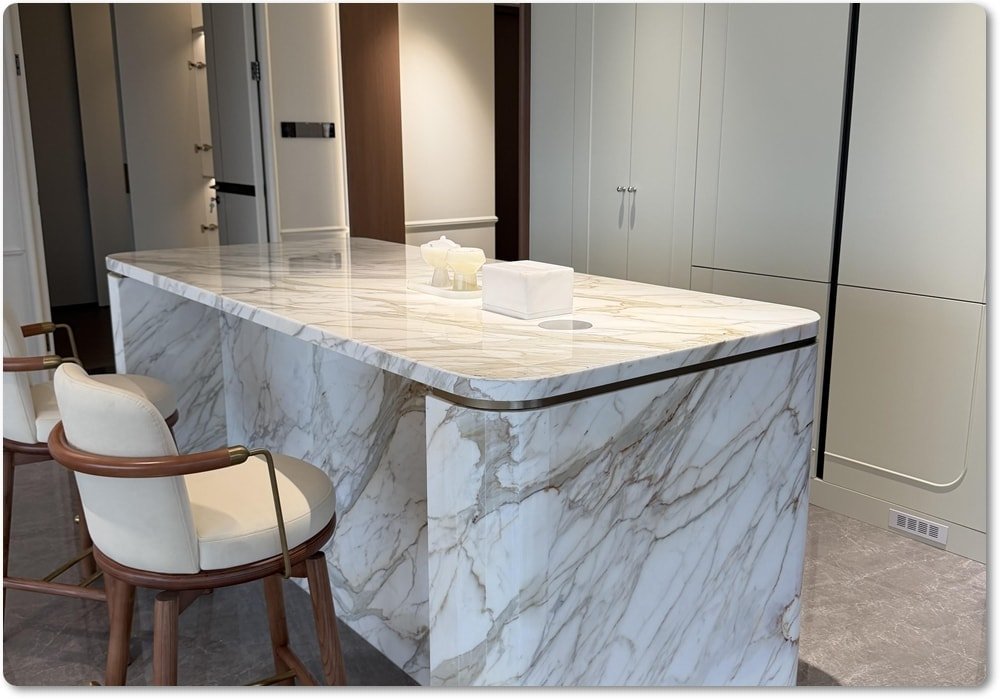
Quartz slabs have become one of the most reliable surfacing solutions for commercial construction because they combine visual consistency, design flexibility, and predictable performance. For hotels, multifamily housing, and large-scale developments, the material must do more than look premium. It must support fast installation, repeatable quality, long-term durability, and efficient procurement across many units or phases.
That is why quartz slabs for countertops, quartz slabs for kitchen applications, and quartz slabs for shower walls are now standard specifications in many commercial projects. Compared with many natural stone options, quartz provides better batch consistency, easier standardization, and stronger control over project timelines. For developers, contractors, architects, and procurement teams, this translates into fewer surprises and better value over the full project lifecycle.
This guide explains how quartz slabs perform in commercial environments, what technical and procurement factors matter most, and how to reduce risk when managing large-scale orders.
Quartz in Hospitality Design
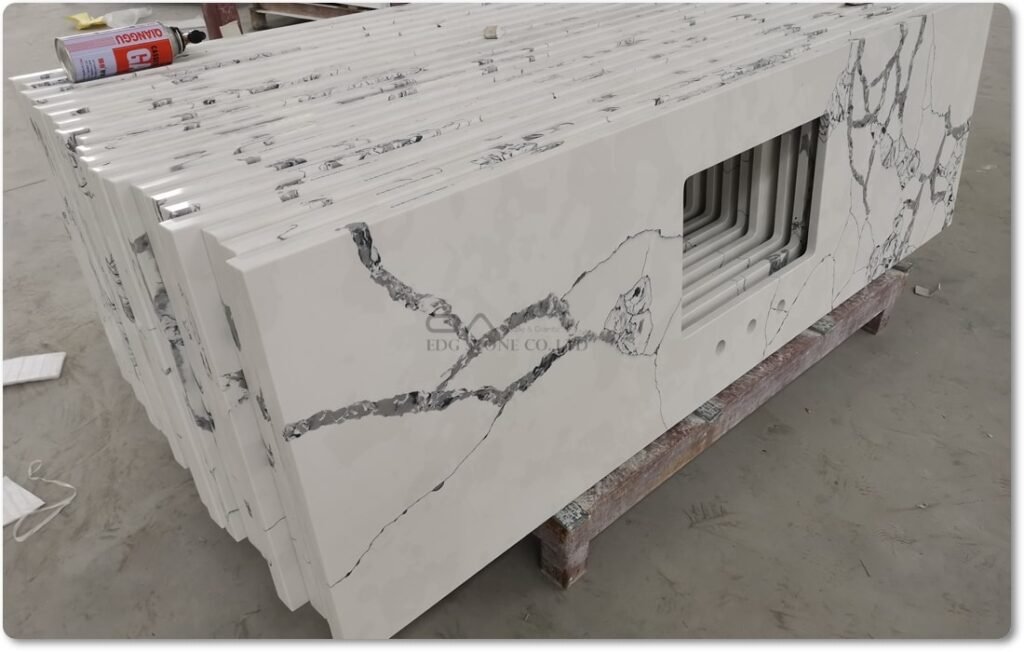
Hotels require materials that deliver both aesthetic impact and operational efficiency. Quartz is especially well-suited for guest room vanities, lobby feature walls, bar tops, reception desks, and back-of-house wash areas.
In hospitality design, quartz slabs are often selected for three reasons. First, they offer a consistent appearance across many rooms, which is essential when a hotel wants a uniform brand image. Second, they are available in a wide range of colors, patterns, and finishes, allowing designers to match modern, classic, or luxury interiors. Third, quartz is nonporous, making it easier to maintain in high-occupancy environments where cleaning speed and hygiene matter.
For hotel projects, quartz slabs for countertops are commonly used in guest bathrooms, suites, restaurant service areas, and amenity spaces. Quartz slabs for shower walls are increasingly popular because they reduce grout lines, improve cleaning efficiency, and create a refined look in premium guest rooms and spa areas.
Multifamily Housing Specifications
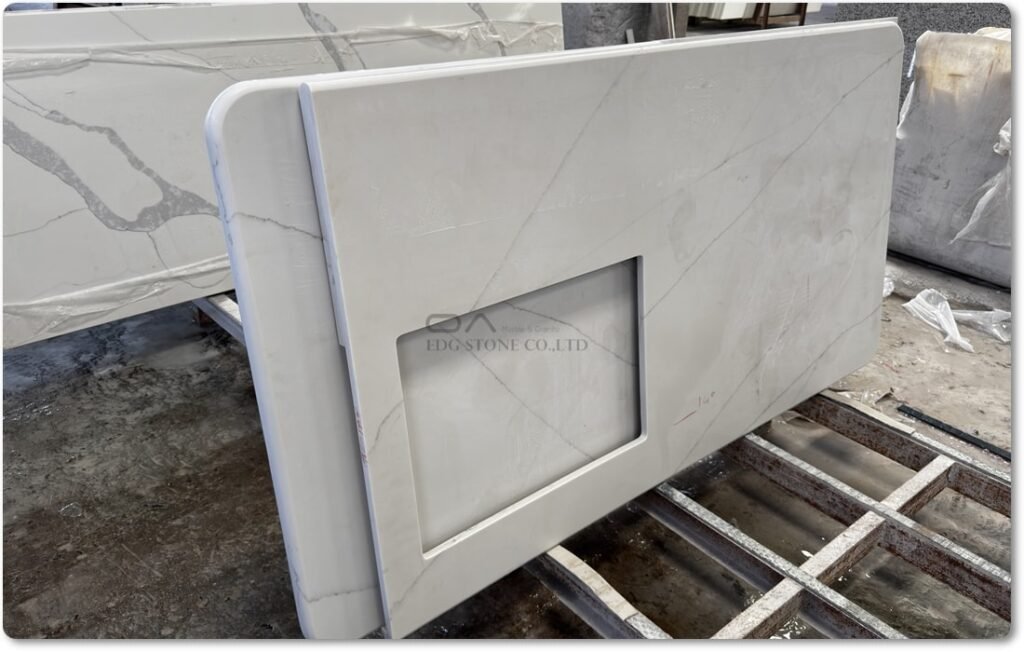
Multifamily housing projects demand materials that can be repeated across dozens, hundreds, or even thousands of units. This makes specification control critical. Quartz is a strong fit because it helps developers maintain a consistent look while also reducing post-installation maintenance concerns.
When specifying quartz slabs for kitchen use in apartments or condominiums, project teams typically prioritize scratch resistance, stain resistance, and color stability. Tenants expect a durable surface that performs well in daily life, while owners need a product that reduces warranty claims and replacement costs.
In multifamily housing, quartz is also popular for bathroom vanities, laundry countertops, and shower wall systems. The material supports a clean, modern aesthetic and can be standardized across floor plans. For large residential developments, procurement teams often choose a limited number of colors to simplify purchasing, reduce inventory complexity, and improve installation efficiency.
Commercial Durability Standards
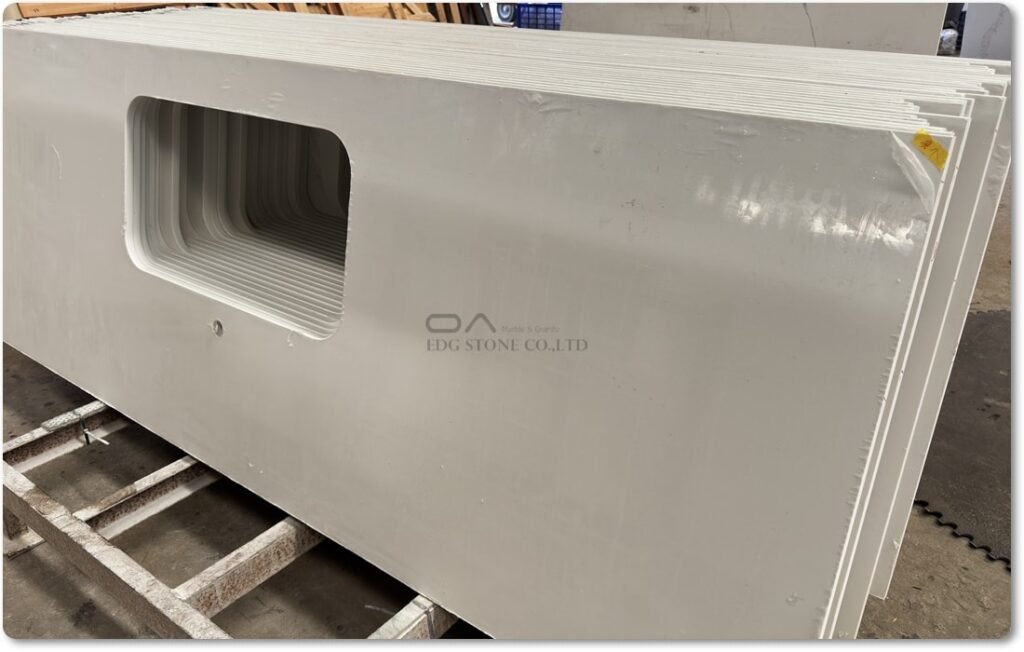
Commercial quartz applications must be evaluated differently from residential ones. A countertop in a model home and a countertop in a 300-room hotel are not exposed to the same level of wear.
For commercial projects, buyers should assess the following performance factors:
Surface hardness and abrasion resistance
Heat exposure tolerance in practical use environments
Stain resistance from cosmetics, food, beverages, and cleaning chemicals
Impact resistance during fabrication, delivery, and installation
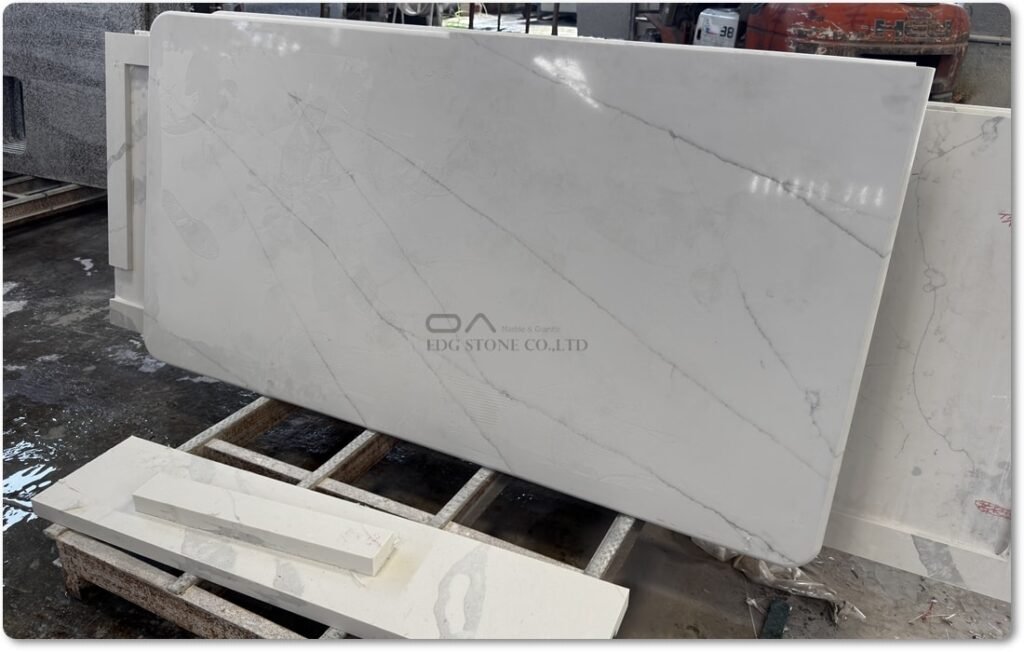
Color consistency across multiple slabs and production batches
Ease of maintenance over the life of the building
Quartz is valued because it performs reliably in these areas when properly sourced and fabricated. However, commercial durability depends not only on the slab itself, but also on resin quality, pigment stability, thickness selection, and fabrication workmanship. A high-end product specification is only effective when the supply chain can support it consistently.
Fire Safety & Compliance
Commercial construction projects often require strict compliance with fire safety and building code standards. While quartz is frequently specified for interior surfaces, procurement teams still need to confirm compliance documents, test reports, and material declarations from the supplier.
For hotels and multifamily developments, the key issues often include flame spread requirements, smoke generation considerations, and general interior finish approvals. In some jurisdictions, quartz may need to be supported by project-specific documentation depending on where and how it is installed.
The best practice is to request compliance documentation early in the bidding or submittal stage. This should include technical data sheets, safety documentation, and any relevant third-party test reports. Doing this early reduces approval delays and helps the contractor maintain the project schedule.
High-Traffic Wear Performance
Commercial properties experience heavy and repeated use. Lobbies, kitchens, shared bathrooms, amenity spaces, and service areas all place continuous stress on finishes. Quartz is a strong choice because it maintains its appearance under routine wear better than many softer surfaces.
In high-traffic applications, the main performance concerns are edge chipping, surface staining, and visible wear around sinks, faucets, and cooking zones. A well-specified quartz product, combined with proper fabrication and installation, can perform very well in these conditions.
For quartz slabs for countertops in public or semi-public spaces, edge profile selection matters. Straight edges may look modern, but softer, eased edges can reduce visible impact damage. For quartz slabs for kitchen areas, the material should be matched with appropriate seam planning, sink reinforcement, and heat-management practices. For quartz slabs for shower walls, installers should pay close attention to waterproofing, substrate preparation, and joint detailing.
Value Engineering (VE) Strategies
Value engineering is a major part of commercial procurement. The goal is not to choose the cheapest surface, but to deliver the right performance at the most efficient total project cost.
Quartz offers multiple VE opportunities. One common strategy is to reduce the number of color selections across the project. This simplifies ordering, minimizes waste, and makes replacements easier later. Another strategy is to standardize slab thickness based on the application. For example, different areas may not require the same visual or structural specification.
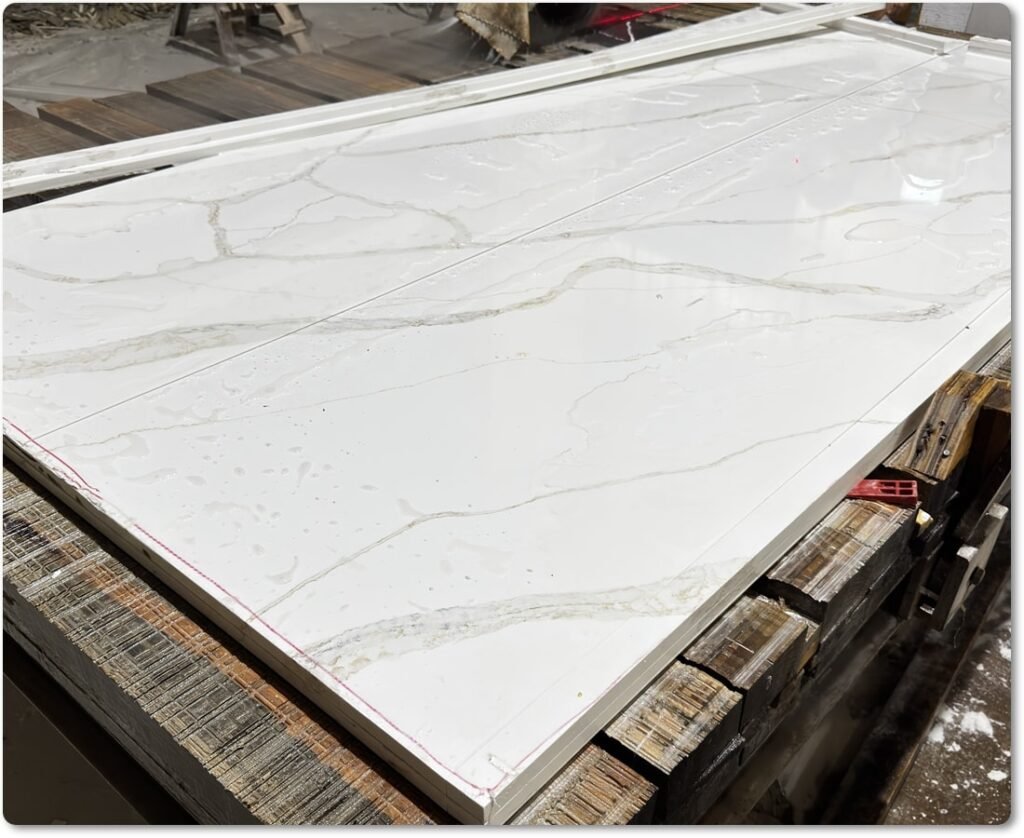
Project teams can also improve value by optimizing slab yield during fabrication. This means coordinating countertop layouts, shower wall panel dimensions, and edge details before production begins. Better yield reduces waste and lowers cost per installed square foot.
A strong VE plan also considers lifecycle cost. Quartz may not always be the lowest upfront option, but its durability, repeatability, and low maintenance can create better long-term value for owners and operators.
Contractor Timeline Coordination
Large-scale developments depend on schedule discipline. Material delays can affect multiple trades, so quartz procurement must be integrated into the construction timeline from the beginning.
The most effective projects define slab selection, sample approval, shop drawings, and lead times early. Once layouts are finalized, the supplier and fabricator need enough time to process production, quality checks, packing, shipping, and delivery coordination. This is especially important for phased projects such as hotel towers or multifamily blocks, where installation may occur in multiple release stages.
Contractors should also coordinate closely with cabinet installers, tile trades, waterproofing teams, and finish carpenters. Quartz countertops, shower walls, and kitchen surfaces often depend on accurate substrate dimensions and finished opening sizes. Any late design change can create fabrication delays or rework costs.
Commercial Warranty Structures
Warranty terms matter in commercial procurement because they define responsibility after delivery and installation. Buyers should understand what is covered, what is excluded, and what documentation is required to make a claim.
A strong commercial warranty structure usually addresses material defects, manufacturing issues, and finish consistency. It should also clarify installation responsibility, maintenance expectations, and acceptable variation thresholds. For project owners, the warranty is most useful when it is supported by clear product traceability, batch records, and written maintenance guidelines.
Before purchase, procurement teams should verify whether the warranty applies to the slab only, to fabrication as well, or to a full supply-and-install package. That distinction can significantly affect risk allocation on large developments.
Global Supply Risk Management
Commercial buyers often source quartz slabs internationally, which introduces supply chain risk. Freight disruption, port congestion, customs clearance, batch variation, and currency fluctuations can all affect project delivery.
To manage this risk, procurement teams should diversify their planning. That means confirming backup colors, setting realistic lead times, and avoiding last-minute design changes. It also helps to order samples from the same production batch or reserved lot whenever possible, especially for large multi-phase projects.
Another practical strategy is to confirm production capacity, packaging standards, and export experience before award. A reliable supplier should be able to demonstrate consistent batch control, export documentation capability, and secure packing methods for overseas transit. For large project work, these factors are just as important as price.
Large Project Coordination & Logistics
The success of a quartz package in a commercial project depends heavily on logistics. Even premium material can fail operationally if delivery is poorly timed or if slabs are damaged in transit.
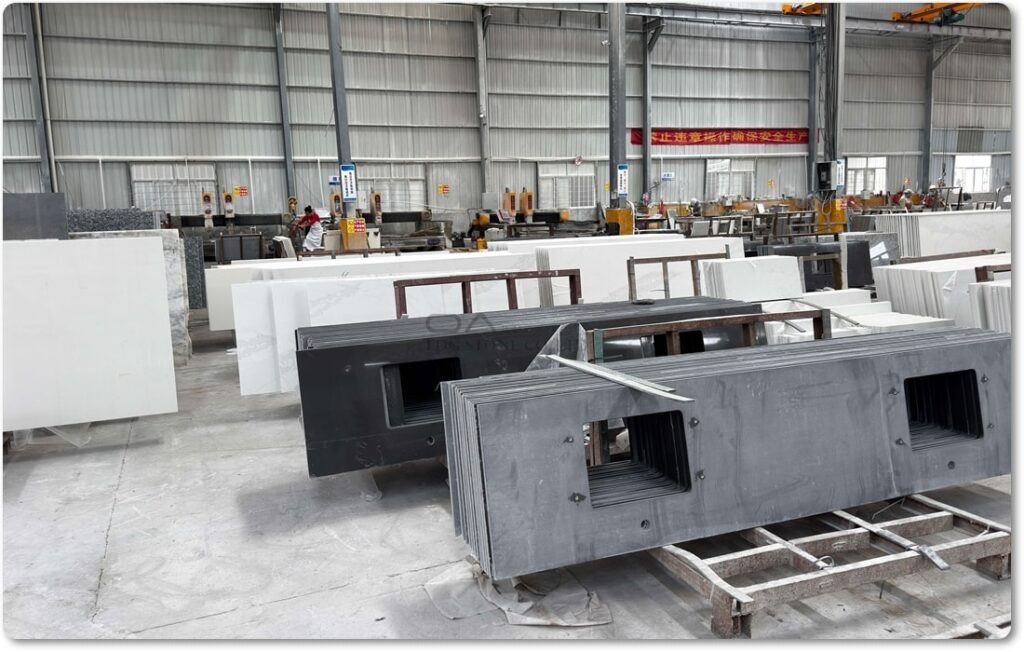
A well-managed logistics plan should cover slab inventory, booking windows, warehouse handling, labeling, and site sequencing. In large developments, it is often better to deliver by floor, tower, or phase rather than all at once. This reduces on-site storage problems and lowers the risk of damage.
Packaging quality is especially important. Quartz slabs should be protected with stable crating, edge reinforcement, clear labeling, and handling instructions. For overseas shipments, teams should also confirm the loading strategy, moisture protection, and inspection before departure.
On the receiving side, contractors should inspect deliveries immediately for visible damage, quantity accuracy, and color consistency. A fast inspection process helps resolve issues before installation begins.
Best Practices for Specifying Quartz Slabs
When sourcing quartz slabs for countertops, kitchens, and shower walls in commercial projects, the specification should be clear and complete. The most effective specifications include the following:
Product type and intended application
Thickness and finish selection
Color name or approved sample reference
Batch consistency requirements
Fabrication standards and edge profiles
Installation and substrate expectations
Maintenance and warranty documentation
Delivery schedule and packaging requirements
The more precise the specification, the easier it is for suppliers and contractors to deliver a consistent result.
Conclusion
Quartz remains one of the strongest material choices for commercial construction because it supports design consistency, operational durability, and procurement efficiency. In hotels, it enhances guest-facing spaces. In multifamily housing, it supports repeatable unit specifications. In large-scale developments, it helps project teams control cost, schedule, and quality across many phases.
For buyers evaluating quartz slabs for countertops, quartz slabs for kitchen projects, or quartz slabs for shower walls, the key is to treat the material as part of a broader commercial system. That means specifying clearly, coordinating early, managing supply risk, and choosing a supplier that can support production, logistics, and documentation at scale.
When handled properly, quartz is not just a surface material. It becomes a dependable component of a successful commercial project.
FAQ
Why are quartz slabs popular in commercial projects?
Quartz slabs are popular because they offer consistent appearance, strong durability, low maintenance, and efficient repeatability across many units or spaces.
Are quartz slabs for kitchen use suitable for multifamily developments?
Yes. Quartz slabs for kitchen applications are widely used in apartments and condominiums because they are durable, easy to maintain, and visually consistent.
Can quartz slabs be used for shower walls in hotels?
Yes. Quartz slabs for shower walls are a strong option for hotels because they reduce grout lines, improve cleaning, and create a premium finish.
What should procurement teams check before placing a large quartz order?
They should confirm technical specifications, compliance documents, color consistency, lead time, packaging quality, warranty terms, and logistics capability.
What is the biggest risk in commercial quartz procurement?
The biggest risks are poor specification control, batch inconsistency, and delivery delays. Strong planning and supplier coordination reduce these issues.