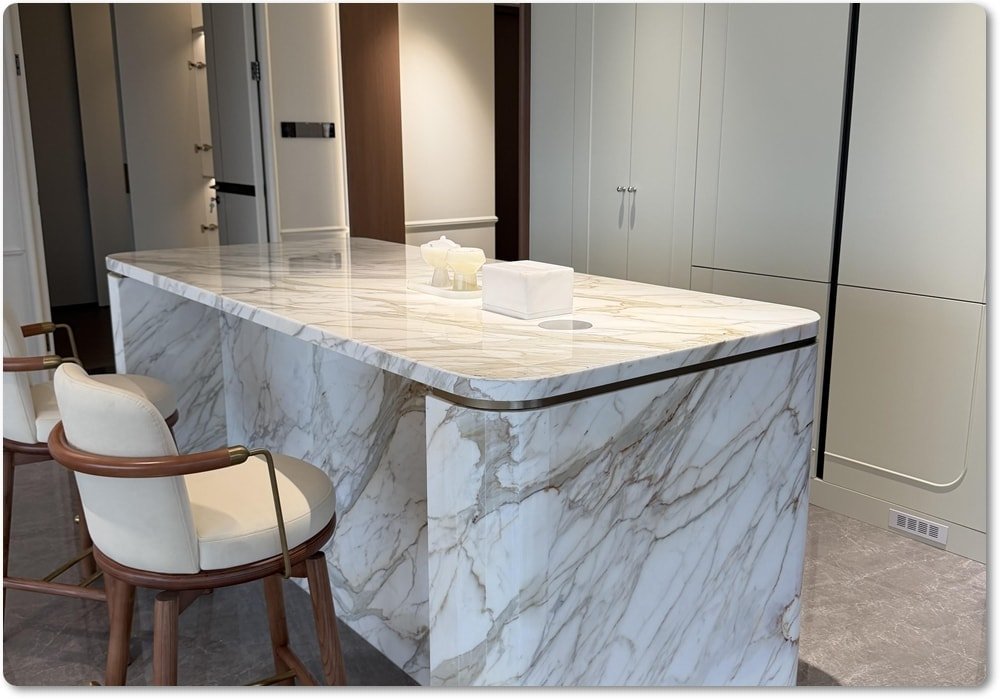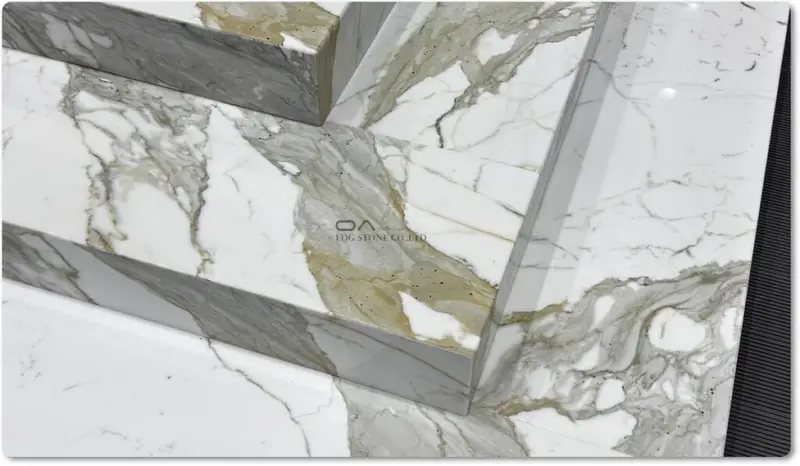
Quartz slabs for shower walls have become a preferred specification in high-end residential bathrooms and luxury hotel projects because they combine a refined visual appearance with practical performance advantages. Compared with small-format tile, quartz slabs create a cleaner surface, fewer grout lines, and a more upscale finish that aligns with modern hospitality design standards. For architects, builders, designers, and homeowners, quartz shower wall systems offer a strong balance of aesthetics, hygiene, durability, and long-term maintenance efficiency.
In premium bathroom environments, the wall surface is not only decorative. It must resist constant moisture exposure, support easy cleaning, maintain color consistency, and perform reliably over years of daily use. That is why many project teams now specify quartz slabs for shower walls when they want a surface that looks luxurious while reducing the operational problems often associated with grout-heavy finishes.
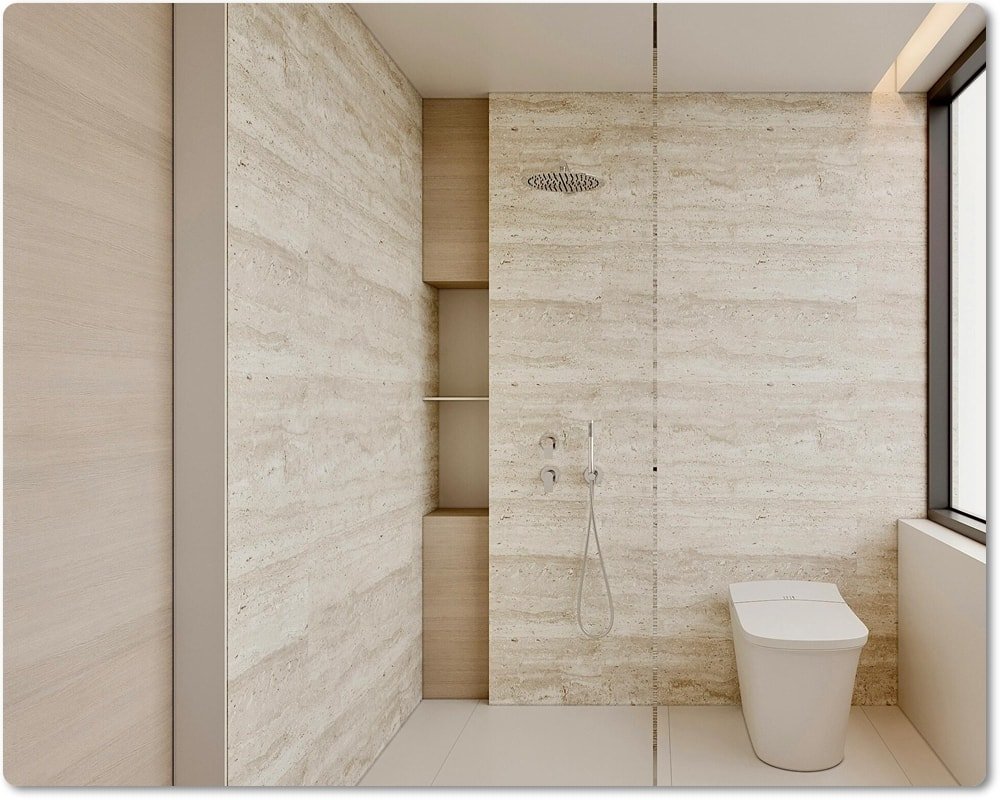
Why Quartz Is Used in Shower Walls?
Quartz has become a popular shower wall material because it delivers a polished stone look with engineered consistency. Unlike many natural stones, engineered quartz is manufactured to maintain uniform appearance, controlled thickness, and predictable fabrication behavior. This matters in shower applications where precision and repeatability are essential.
For shower walls, quartz is valued for several reasons:
It creates a seamless visual field that makes bathrooms look larger and more premium.
It supports monolithic designs that are especially attractive in spa-style spaces.
It can be fabricated into large panels, which helps reduce joints and visual interruptions.
It complements minimalist interiors, hotel suites, and luxury home master bathrooms.
From a design perspective, quartz slabs for shower walls work especially well in contemporary spaces where the goal is to create calm, clean surfaces with very little visual clutter. The material can imitate marble-inspired veining, soft neutrals, or dramatic statement patterns while offering a more controlled look than many natural stones.
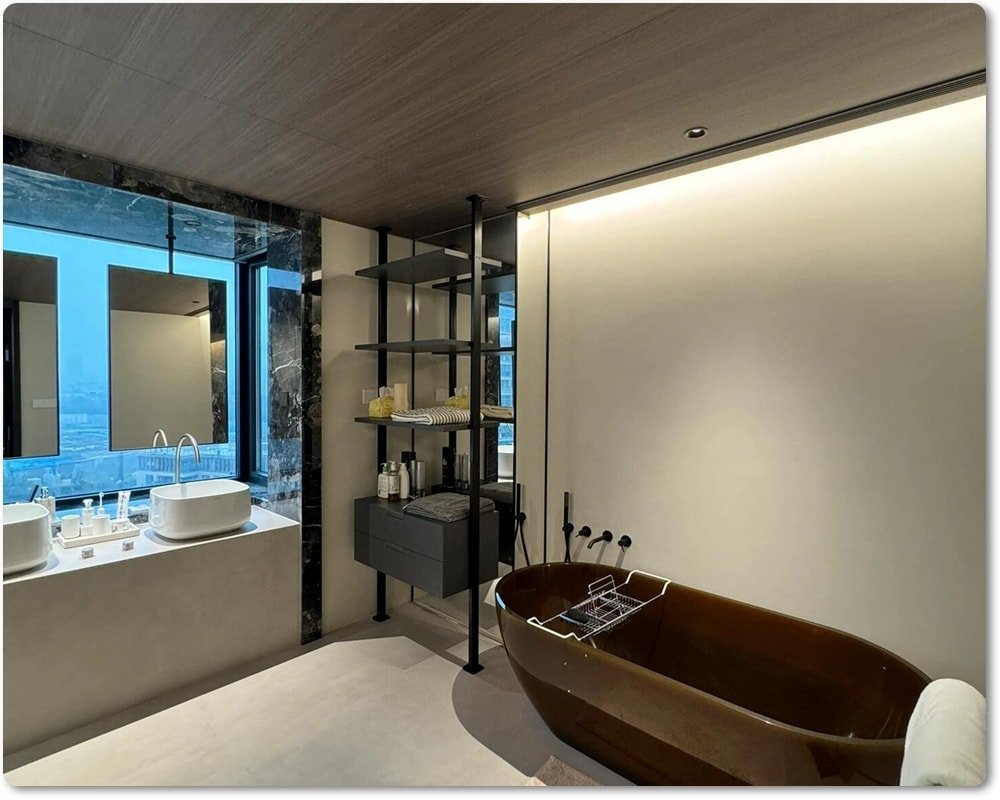
Porosity & Water Absorption Standards
Water exposure is the defining performance issue in shower wall design. A shower wall material must limit water penetration, resist staining, and remain stable under repeated wet-dry cycles. Quartz performs well here because engineered quartz slabs are typically produced with very low porosity compared with porous natural stones.
Low porosity helps in three important ways. First, it reduces the chance of water being absorbed into the slab body. Second, it reduces the risk of staining caused by soaps, shampoos, and cosmetics. Third, it helps preserve the wall’s appearance over time, especially in high-use bathrooms.
That said, quartz shower walls are only as good as the total system behind them. Waterproof performance depends not just on the slab itself, but also on the substrate, backer board, adhesive, seams, corners, and penetrations around valves and fixtures. A high-quality quartz slab still needs proper wall preparation and a complete waterproofing assembly.
For specification purposes, the best practice is to treat quartz slabs for shower walls as part of a full wet-area system rather than as an isolated finish material. The board, membrane, sealant, and installation details matter as much as the slab.
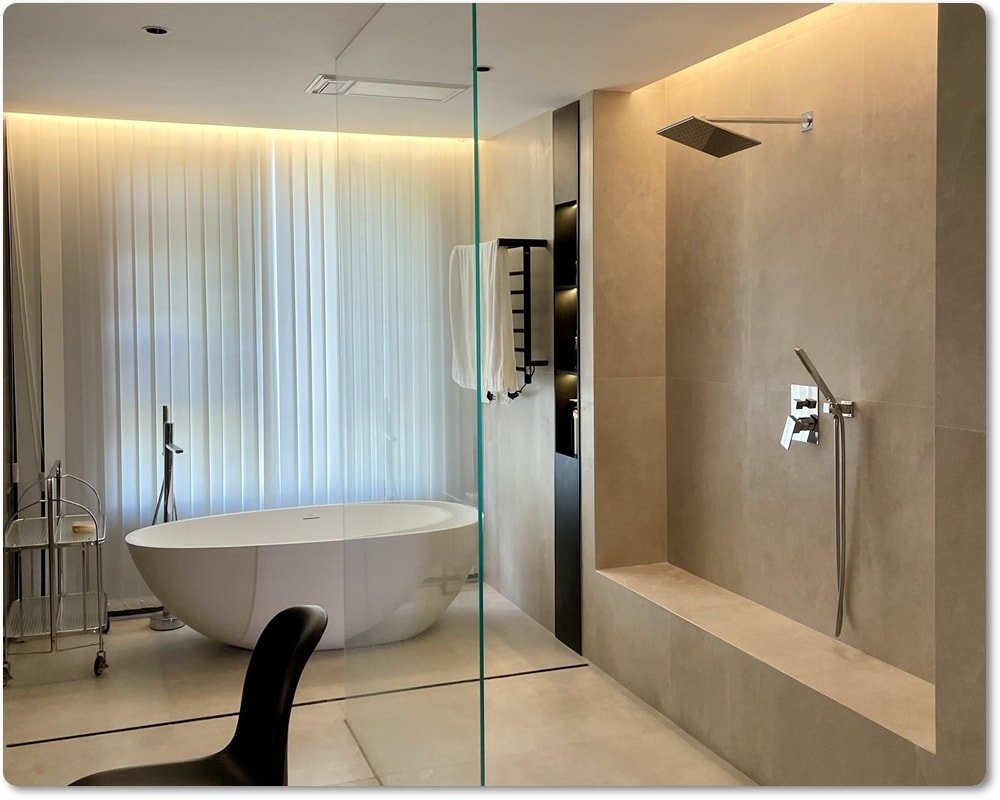
Mold Resistance Analysis
Mold risk in bathrooms is usually driven by moisture retention, poor ventilation, and trapped water in joints or porous materials. Quartz is helpful in this context because it does not have the same open structure found in many natural stones and because it minimizes grout dependence when used in slab format.
Large quartz shower walls can reduce mold risk in several practical ways:
Fewer grout joints mean fewer areas where moisture and residue can accumulate.
A smoother surface is easier to wipe dry after use.
Engineered slabs help keep the wall’s appearance cleaner for longer periods.
Non-absorbent characteristics reduce the chance of deep staining that can support long-term hygiene problems.
Still, quartz is not a substitute for good bathroom ventilation. In poorly ventilated rooms, even the best wall material can experience surface residue, condensation buildup, and sealant degradation. Designers should always combine quartz shower walls with proper exhaust planning, waterproof detailing, and cleaning access.
In hotels and premium residences, this is one reason quartz is often preferred over many mosaic or heavily jointed finishes. Fewer seams generally mean lower cleaning burden and a more controlled hygiene environment.
Large Format Seamless Bathrooms
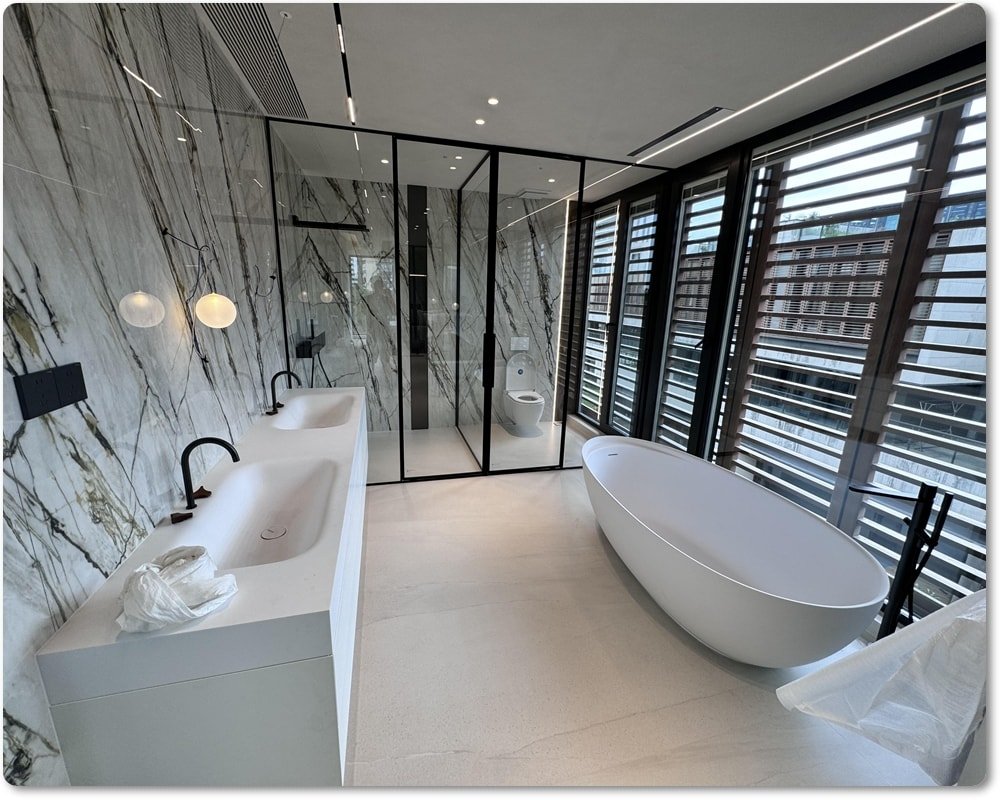
One of the biggest advantages of quartz slabs for shower walls is the visual effect of large-format installation. Bathrooms feel more luxurious when wall surfaces are uninterrupted and calm. This is especially true in spa-inspired master baths and hospitality suites, where seamlessness is part of the overall experience.
Large quartz slabs can visually expand the room by reducing line breaks. They also allow wall patterns to flow more elegantly around the shower enclosure, especially when bookmatched or carefully aligned. For luxury projects, this creates a premium architectural effect that smaller tiles rarely match.
A seamless design is also easier to maintain. Less grout means fewer cleaning interruptions, fewer color inconsistencies, and fewer maintenance complaints over time. For hotel operators and high-end residential owners, this can translate into better appearance retention and lower upkeep complexity.
When planning seamless bathroom walls, project teams should pay close attention to slab size, shower dimensions, fixture layout, and fabrication strategy. The best results usually come from early coordination between the designer, fabricator, and installer.
Thickness Selection for Vertical Installations
Thickness selection is one of the most important technical decisions for quartz shower walls. Vertical applications are different from countertops, because the slab must perform as a wall cladding rather than a load-bearing horizontal surface.
Common considerations include:
A thickness that is appropriate for the wall substrate and support system.
The desired visual effect, including slab depth and edge shadow.
Handling and installation weight, especially for large panels.
The relationship between thickness, panel size, and transport risk.
In many shower wall projects, thinner or medium-thickness slabs are often selected for ease of handling and reduced load, provided the wall system is properly supported. Thicker slabs may be chosen for a more substantial luxury appearance, but they can increase fabrication complexity and installation demands.
The best thickness is not universal. It depends on the project type, panel dimensions, local building practices, and whether the wall is being installed in a residence, hotel suite, steam room, or spa environment. What matters most is that the chosen thickness works with the full wall system and does not create stress at corners, penetrations, or transitions.
Adhesive Systems & Installation Methods
Installation quality determines whether quartz shower walls perform beautifully or fail early. Even the best slab can underperform if the adhesive system, substrate preparation, or seam treatment is poor.
A proper installation usually starts with a stable, flat, moisture-protected substrate. The wall must be prepared to support the slab without movement or voids. Any irregularity in the backing can create stress points that affect the final finish.
Key installation principles include:
Use a suitable waterproof substrate system for wet areas.
Apply the correct adhesive compatible with quartz and bathroom conditions.
Maintain full support behind the slab to reduce flex and hollow spots.
Seal corners, edges, and penetrations with care.
Plan panel joints in advance so that seams are placed logically and aesthetically.
For premium projects, dry-lay coordination is often worthwhile. This allows the fabricator and installer to confirm veining direction, alignment, and seam placement before permanent installation. In luxury bathrooms, small details like seam position and flow continuity can dramatically affect the final result.
The installation method should also account for access around fixtures such as shower valves, niches, grab bars, and built-in shelving. These transitions are common failure points if not carefully detailed.
Steam Room Considerations
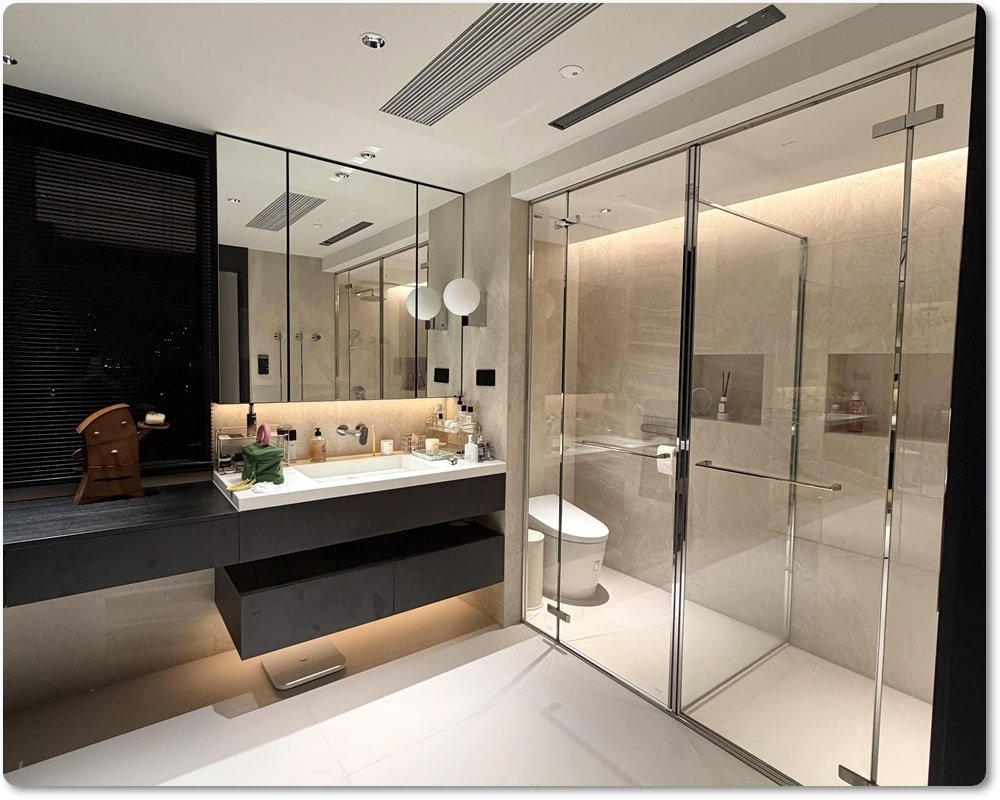
Steam rooms are more demanding than standard showers because they combine heat, moisture, and prolonged condensation. Quartz can be used in some steam room wall applications, but the entire system must be evaluated carefully.
Important steam-room factors include:
Heat and moisture exposure over longer periods.
Expansion and movement control in the wall assembly.
Sealant durability at joints and perimeter edges.
Ventilation and vapor management.
Compatibility of the slab and adhesive system with high-temperature wet conditions.
Because steam rooms place greater stress on construction materials, designers should never assume that a shower-wall specification can be transferred directly into a steam room. The vapor barrier, substrate, adhesive, and sealant system all need to be suitable for the environment. In some cases, the project may require additional engineering review before quartz is approved.
For luxury resorts, spa suites, and wellness-centered residential projects, this distinction matters. A beautiful wall surface is not enough if the surrounding assembly cannot tolerate the operating conditions.
Hotel Bathroom Design Trends
Hotel bathroom design has shifted strongly toward materials that look premium, are easy to maintain, and support a consistent guest experience. Quartz slabs for shower walls fit this direction very well.
Several hospitality trends support quartz adoption:
Neutral stone-inspired palettes that create a calm, upscale atmosphere.
Large panels with fewer seams for a more luxurious visual rhythm.
Easy-clean surfaces that reduce housekeeping time and labor intensity.
Durable finishes that help rooms keep a fresh appearance under heavy use.
In hotel environments, the bathroom is often a major part of the guest impression. A seamless quartz shower wall can make a room feel more expensive, more modern, and more carefully designed. That impression is important for brand positioning, online reviews, and repeat bookings.
Designers working on hospitality projects also appreciate quartz because it offers consistency across multiple rooms. That consistency helps maintain a uniform look from suite to suite, which is difficult to achieve with highly variable natural materials.
For boutique hotels, luxury resorts, and serviced residences, quartz offers a strong combination of style control and practical value.
Maintenance & Cleaning Protocols
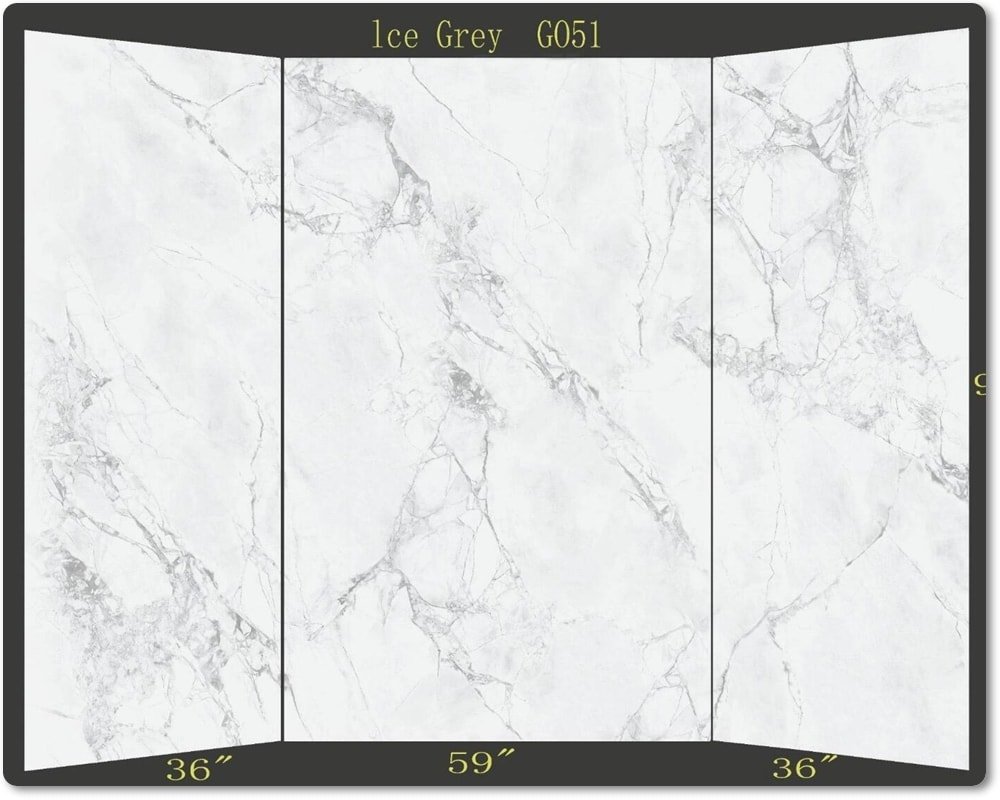
One of the strongest arguments for quartz shower walls is simplified maintenance. A bathroom finish must not only look good on day one; it must continue looking good after repeated exposure to water, cleaning agents, and daily use.
Routine maintenance for quartz shower walls is generally straightforward. A soft cloth or non-abrasive sponge, combined with a mild pH-neutral cleaner, is usually sufficient for everyday cleaning. Regular wiping helps prevent soap film and mineral residue from building up on the surface.
Good maintenance habits include:
Rinse and wipe walls after heavy use when possible.
Avoid abrasive pads or harsh scouring powders.
Using cleaners that are appropriate for engineered stone.
Checking seals and joints periodically for wear.
Keeping ventilation effective to reduce condensation accumulation.
For high-end hospitality and residential applications, maintenance simplicity is one reason quartz is preferred over more porous or grout-heavy alternatives. Lower effort does not just help cleaning teams. It also helps preserve the appearance of the bathroom over time.
Risks of Poor Fabrication
A quartz shower wall system can only perform well if fabrication is precise. Poor fabrication introduces risks that may not be visible immediately but can become costly over time.
Common fabrication risks include inaccurate measurements, misaligned seams, poorly finished cutouts, weak edge detailing, and insufficient attention to drainage or fixture clearances. In wet areas, even small fabrication errors can create major issues.
Potential problems include:
Visible joint mismatch that weakens the luxury appearance.
Improper seam placement that draws attention in critical sightlines.
Weak adhesion around penetrations or corners.
Inconsistent panel dimensions that complicate installation.
Damage during handling due to inadequate support or packaging.
For this reason, quartz shower wall fabrication should be treated as a precision process, not a generic stone-cutting exercise. The final result depends on disciplined shop drawings, verified field dimensions, and experienced installers who understand wet-area conditions.
For builders and procurement teams, selecting the right fabricator is just as important as selecting the right slab.
Design Takeaways for Luxury Residential and Hotel Projects
Quartz slabs for shower walls offer a compelling mix of visual sophistication and practical performance. They are especially effective in projects where the design objective is to create a clean, seamless, upscale wet area that is easy to maintain and visually consistent.
The strongest advantages are clear. Quartz helps reduce seams, supports modern spa-like design, improves cleanability, and provides a polished appearance suitable for premium bathrooms. It is a strong option for luxury homes, hotels, resorts, serviced apartments, and high-end residential renovations.
At the same time, success depends on the total system. Proper substrate preparation, waterproofing, adhesive selection, ventilation, seam planning, and fabrication quality all influence the outcome. Quartz is an excellent material, but it performs best when installed as part of a complete engineered bathroom assembly.
For designers and project buyers, the decision is not simply whether quartz looks good. It is whether quartz can deliver the long-term balance of beauty, hygiene, and operational reliability that modern bathroom projects require. In that respect, quartz slabs for shower walls remain one of the strongest material choices in the premium wet-area market.
Conclusion
Quartz slabs for shower walls are more than a decorative choice. They are a high-performance design solution for spaces that demand luxury, durability, and easy maintenance. With low porosity, reduced seam visibility, strong aesthetic consistency, and excellent compatibility with modern bathroom design, quartz continues to be a leading material for upscale residential and hospitality shower walls.
For projects that prioritize premium appearance and practical everyday use, quartz offers a highly competitive balance of form and function. When paired with proper waterproofing, skilled fabrication, and correct installation methods, it can deliver a shower wall system that looks refined and performs reliably for years.