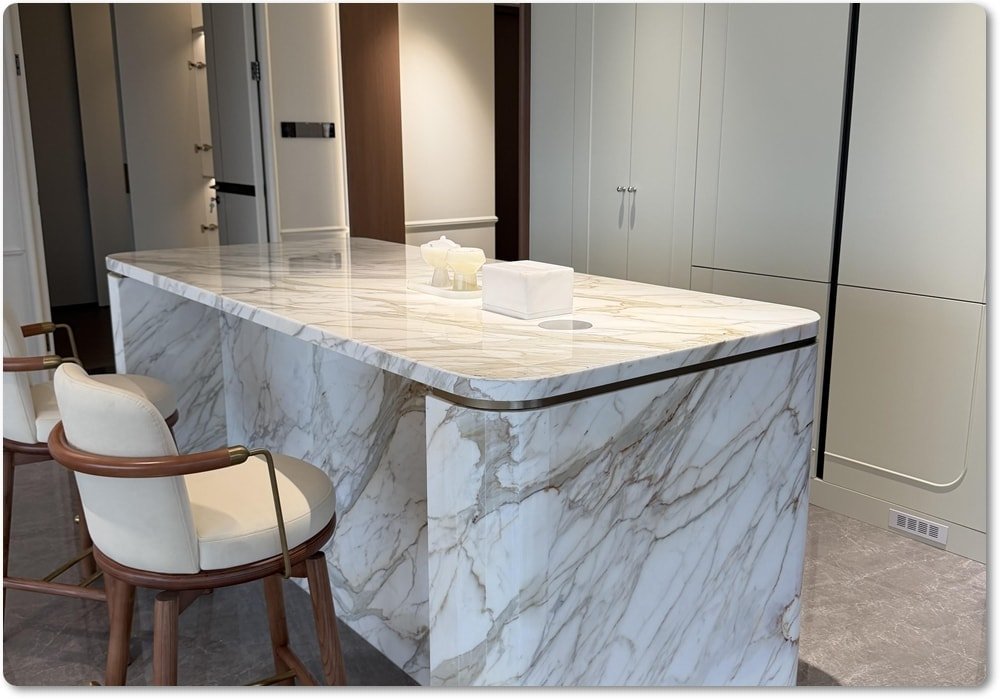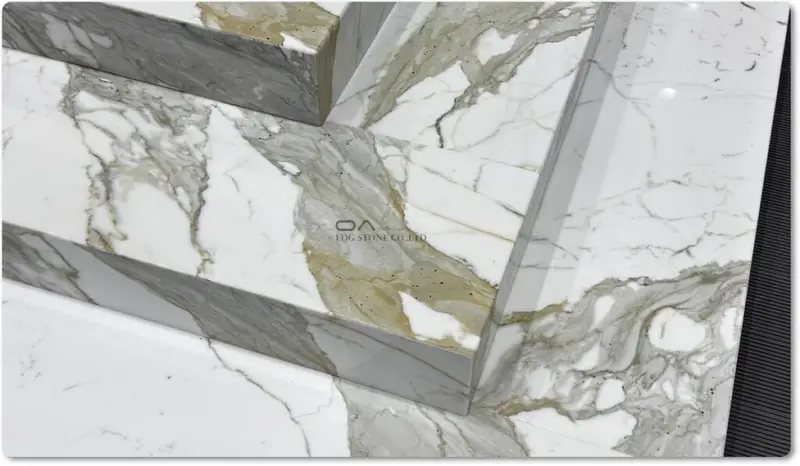
As bathroom design continues to move toward cleaner lines, stronger performance, and lower-maintenance surfaces, nano glass and terrazzo are becoming two of the most discussed engineered materials for vanity tops in 2026. These surfaces are not just attractive. They are also practical choices for projects that demand durability, consistency, and modern visual appeal.
For architects, contractors, designers, and stone suppliers, the shift is clear: homeowners and commercial developers want vanity tops that look refined, perform well under daily use, and align with current sustainability expectations. Nano glass and terrazzo answer that demand in very different but equally compelling ways.
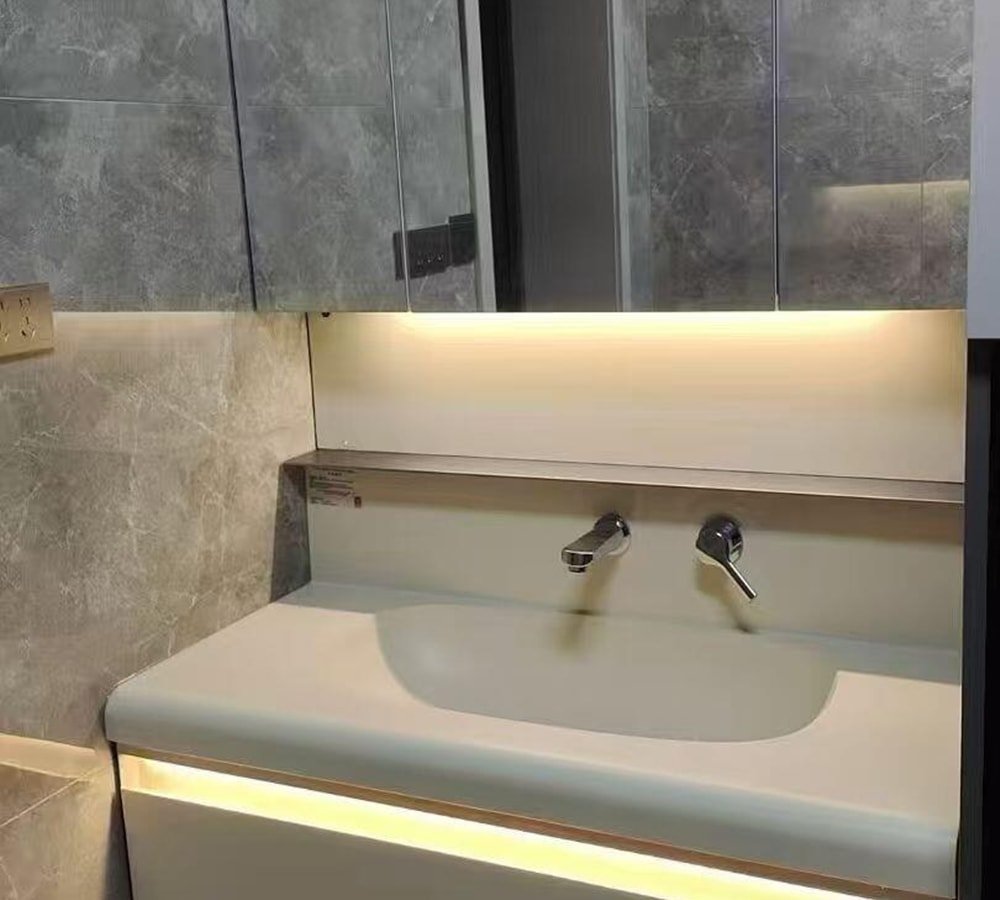
What Is Nano Glass?
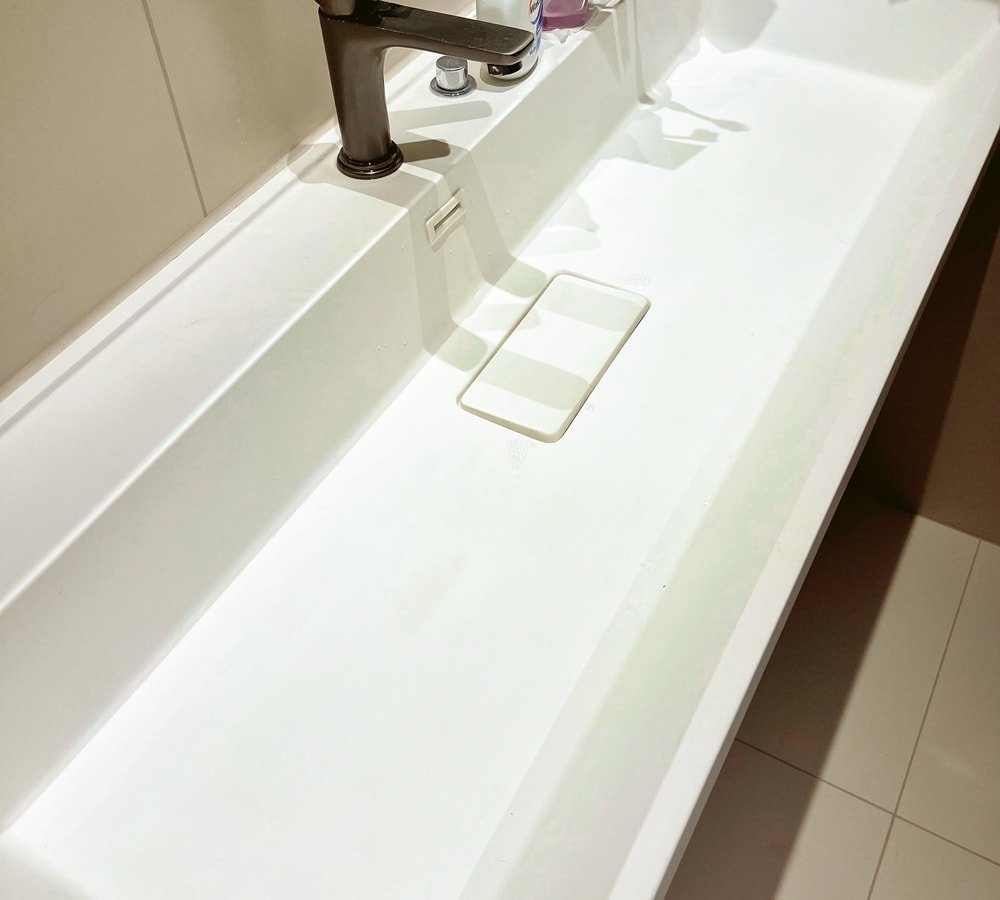
Nano glass is a high-density engineered surface designed for advanced bathroom and countertop applications. It is known for its sleek appearance, low porosity, and strong resistance to staining and moisture.
Unlike traditional porous natural stone, nano glass is manufactured to create a smoother and denser surface. That makes it especially useful for bathroom environments where water, soap, cosmetics, and cleaning agents are used every day.
Key characteristics of nano glass
- Very low porosity
- High stain resistance
- Bright, polished appearance
- Strong resistance to daily wear
- Modern and uniform surface quality
Because of these traits, nano glass bathroom vanity tops are often chosen for contemporary interiors, premium residential bathrooms, hospitality projects, and commercial washrooms where a clean, upscale look is important.
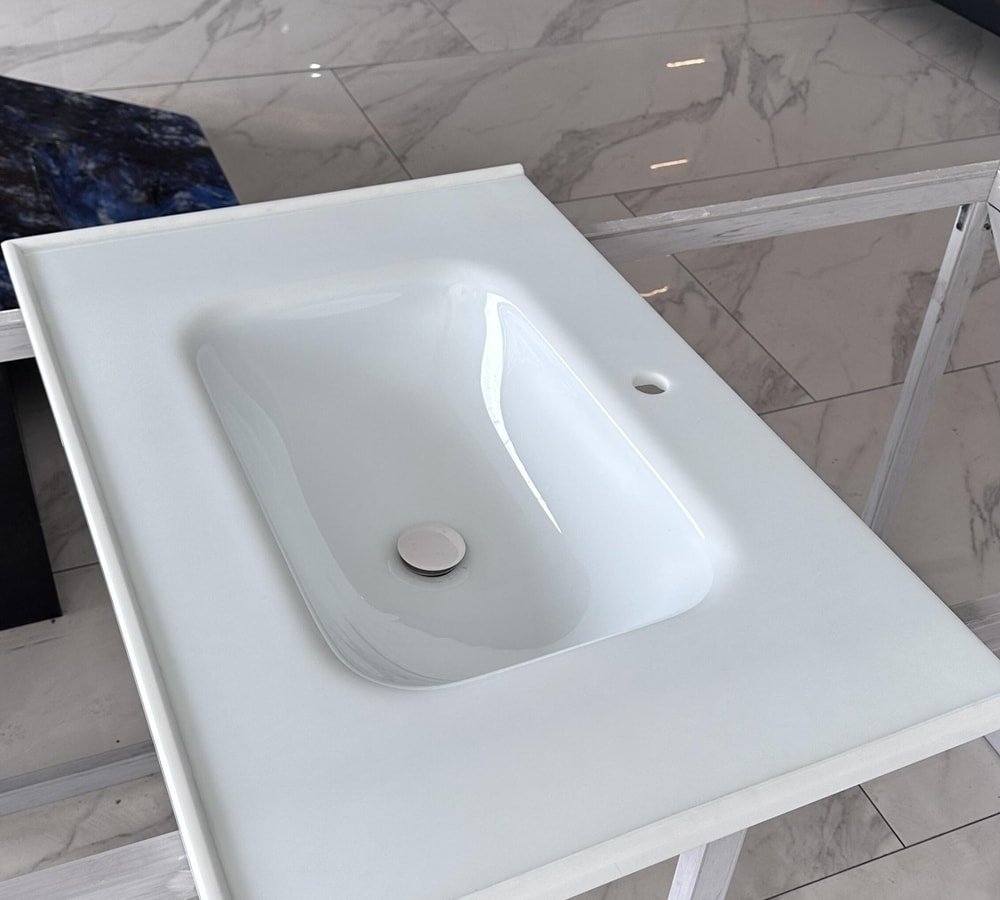
What Is Terrazzo?
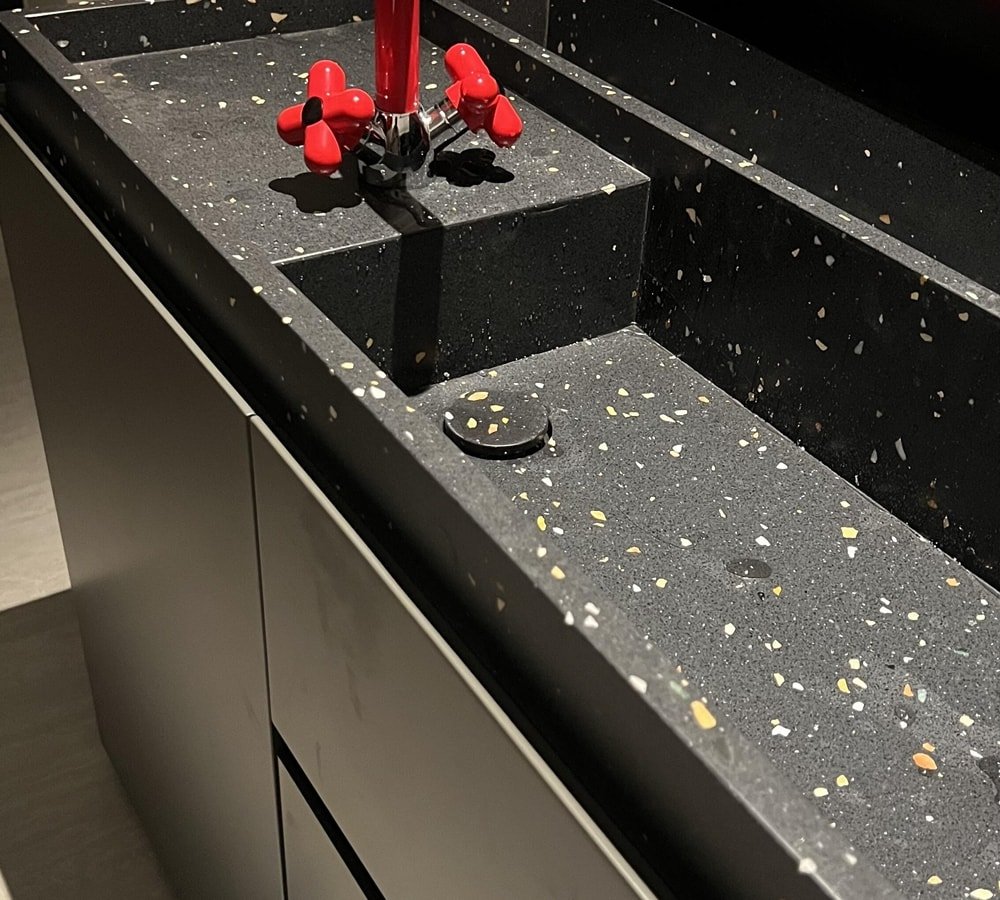
Terrazzo is a composite surface made from stone chips, marble fragments, quartz, glass, or other aggregates bound together with cement or resin. After polishing, it creates a distinctive speckled finish that is both timeless and modern.
Today’s terrazzo vanity tops are far more versatile than the classic terrazzo floors many people remember. They can be custom-colored, shaped for modern vanities, and designed for both residential and commercial use.
Key characteristics of terrazzo
- Made from recycled or reused aggregate materials
- Highly customizable in color and pattern
- Visually distinctive and design-forward
- Suitable for large-scale commercial applications
- Strong sustainability appeal
Terrazzo vanity tops are especially attractive for projects that want a natural, artistic, and environmentally conscious finish.
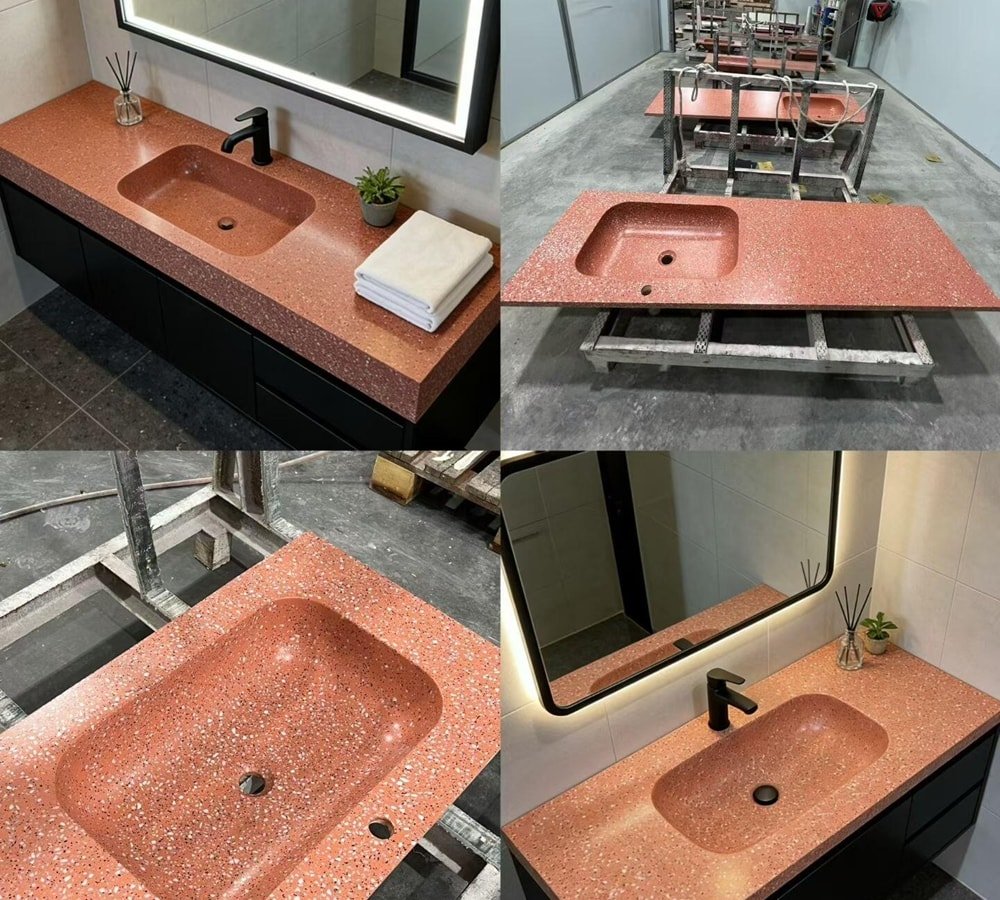
Nano Glass vs. Terrazzo: Performance Comparison
Both materials bring strong benefits to bathroom design, but they serve slightly different priorities.
| Material | Stain Resistance | Wear Resistance | Sustainability | Visual Style |
|---|---|---|---|---|
| Nano Glass | Excellent | Excellent | Good | Smooth, modern, glossy |
| Terrazzo | Very good | Very good | Excellent | Decorative, textured, architectural |
Nano glass is often better when the goal is a sleek, high-performance surface with minimal upkeep. Terrazzo is often better when the project needs a more expressive material with strong environmental value and architectural character.
Why These Materials Matter in 2026?
The bathroom is no longer seen as only a functional space. It has become a design statement, a wellness zone, and in commercial settings, an important part of the customer experience. That shift is pushing demand toward engineered surfaces that balance aesthetics and practicality.
Nano glass and terrazzo fit this trend because they support several priorities at once:
- Cleaner visual design
- Better moisture performance
- Easier maintenance
- More design flexibility
- Stronger alignment with sustainable building goals
For developers and suppliers, these materials also offer consistent production quality, which is especially valuable for multi-unit housing, hotels, retail spaces, and commercial washrooms.
Advantages of Nano Glass Bathroom Vanity Tops
Nano glass is especially strong in projects that prioritize low maintenance and a polished contemporary look.
1. Excellent resistance to everyday staining
Bathrooms are exposed to makeup, toothpaste, soap, shampoo, and cleaning products. Nano glass handles these conditions well because of its dense surface structure.
2. Easy to clean
Its smooth finish makes routine cleaning simple. This is one reason it is attractive for hotels, apartment developments, and luxury residential bathrooms.
3. Modern appearance
Nano glass vanity tops usually have a sleek and refined look that works well with modern cabinetry, wall-mounted vanities, and minimalist interiors.
4. Suitable for high-use environments
In commercial settings, material performance matters as much as appearance. Nano glass is a strong choice for washrooms that see frequent traffic.
5. Consistent product quality
Engineered materials help reduce variation from slab to slab, which is useful for project planning and bulk procurement.
Advantages of Terrazzo Bathroom Vanity Tops
Terrazzo has become popular again because it offers a rare combination of design identity and environmental value.
1. Sustainable material profile
Terrazzo can incorporate recycled content and reused aggregates, making it attractive for green building projects.
2. Distinctive visual character
Every terrazzo vanity top has a unique pattern. This gives the material a handcrafted, architectural quality that stands out in modern bathrooms.
3. Strong design flexibility
Terrazzo can be produced in a wide range of colors, chip sizes, and base tones, making it suitable for both subtle and bold interiors.
4. Ideal for commercial spaces
Because terrazzo feels both premium and durable, it is widely used in hotels, offices, retail spaces, and public facilities.
5. Long-term design value
Terrazzo works well in projects that aim for a timeless appearance rather than a short-term trend.
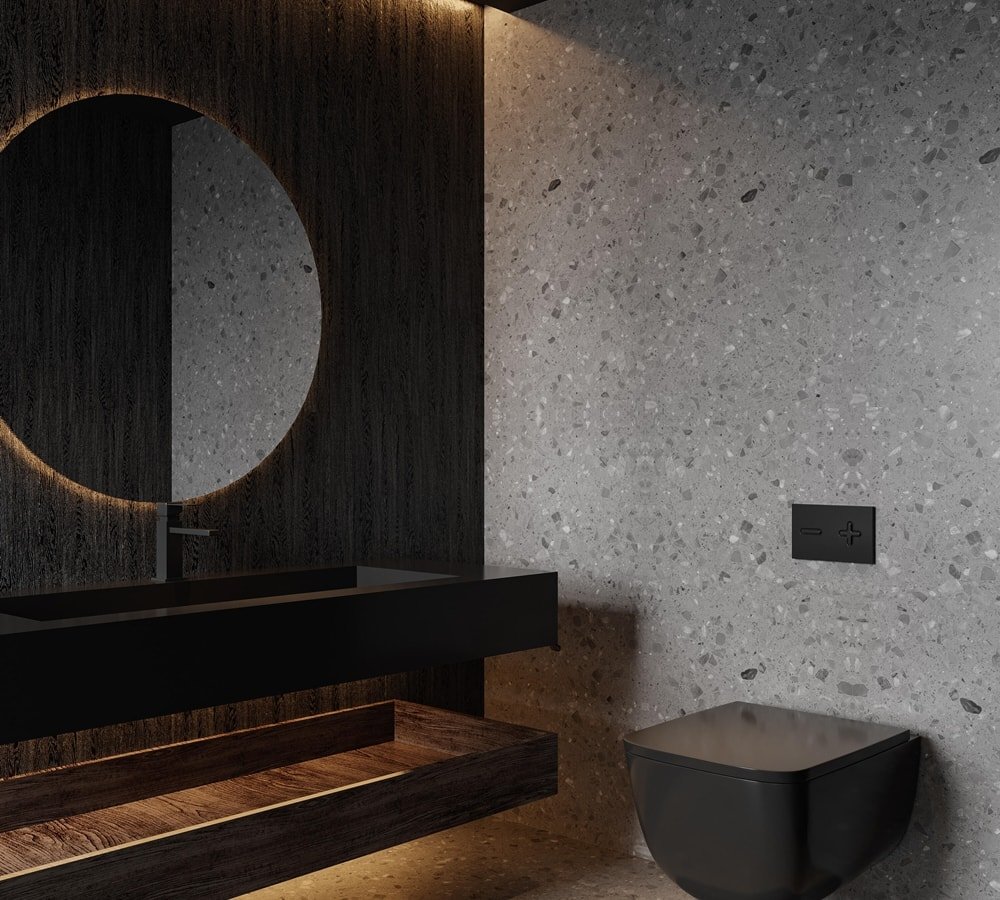
Best Application Scenarios
Commercial Projects
Nano glass and terrazzo are especially effective in commercial bathrooms where appearance, durability, and maintenance efficiency are critical.
Nano glass works well for:
- Hotel guest bathrooms
- Office building washrooms
- Luxury retail spaces
- Apartment amenity areas
Terrazzo works well for:
- Shopping malls
- Restaurants and cafes
- Hospitality lobbies and washrooms
- Public buildings and cultural spaces
Residential Projects
In homes, the choice often depends on the design style and maintenance expectations.
Nano glass is a strong fit for:
- Modern bathrooms
- Minimalist interiors
- High-use family bathrooms
- Compact spaces that need a clean, bright surface
Terrazzo is a strong fit for:
- Design-led homes
- Mediterranean or contemporary bathrooms
- Renovations seeking a unique visual statement
- Eco-conscious projects
Vanity Top Cost Considerations
When buyers compare vanity top cost, they usually look at more than the slab price. They also consider fabrication, installation, cutouts, sink integration, and project quantity.
Several factors influence cost:
- Material thickness
- Slab format and size
- Edge profile
- Sink cutout requirements
- Custom color or finish requests
- Order volume
- Shipping destination
- Factory-to-project logistics
In general, nano glass may appeal to clients looking for a cleaner, premium finish with efficient maintenance, while terrazzo may appeal to projects where aesthetic differentiation and sustainability justify the investment.
What Designers and Buyers Should Consider?
Before choosing between nano glass and terrazzo bathroom vanity tops, it helps to define the project priority.
Choose nano glass when you need:
- A polished, modern look
- Strong stain resistance
- Easy cleaning and upkeep
- A more uniform surface appearance
Choose terrazzo when you need:
- A sustainable material story
- A more decorative design identity
- Strong architectural texture
- A surface that feels custom and expressive
For many projects, the best decision is not about which material is “better” overall. It is about which one fits the bathroom concept, user profile, and long-term maintenance strategy.
EDG Stone Factory Perspective
For a stone supplier, factory, or vanity top manufacturer, nano glass and terrazzo both represent important opportunities in the 2026 market.
They align with the demand for:
- Factory-direct vanity tops
- Custom vanity tops
- Vanity tops wholesale
- Commercial bathroom materials
- Export-ready engineered surfaces
- Consistent production for large projects
That is why more buyers are searching for engineered stone supplier partners who can support both design customization and stable project delivery. For companies like EDG Stone, these materials can strengthen product positioning in both residential and commercial channels.
Case Study: Commercial Complex Project
A mixed-use commercial complex selected terrazzo vanity tops for multiple restroom areas, including lobby washrooms and shared facilities.
Project goals
- Create a unified design across multiple restrooms
- Improve long-term maintenance efficiency
- Use a material that aligns with the project’s sustainability goals
Material used
- Terrazzo vanity tops with custom color selection
Results
- Lower maintenance demands compared with decorative natural stone options
- More consistent visual identity throughout the property
- Strong positive feedback from the design team for the material’s architectural appearance
This type of project shows why terrazzo remains highly relevant in modern commercial design.
2026 Trend Outlook
The 2026 direction for bathroom countertop materials is clear: buyers want surfaces that are durable, attractive, easy to maintain, and suitable for modern lifestyles. Nano glass and terrazzo both meet those needs in different ways.
Nano glass represents the high-performance end of the market. Terrazzo represents the sustainable and design-forward end of the market. Together, they show how engineered materials are reshaping bathroom vanity planning for both residential and commercial projects.
Conclusion
Nano glass and terrazzo bathroom vanity tops are more than design trends. They are practical, scalable, and future-ready materials for modern projects.
Nano glass delivers a sleek, low-maintenance, high-performance solution for contemporary bathrooms.
Terrazzo offers sustainability, visual character, and strong commercial appeal.
For builders, designers, and suppliers, these materials are becoming increasingly important in 2026 because they satisfy the two requirements modern projects demand most: better performance and stronger design value.