Quick Summary
Countertops are high-use surfaces: cooking oils, coffee, red wine, acidic dressings, and hot pans all test a surface every day. For homeowners, designers, and B2B buyers (contractors, factories, wholesalers), the practical costs of upkeep — sealing, stain removal, repairs, downtime — influence purchase decisions as much as looks. Reducing the need for recurrent sealing, specialty cleaners, or professional repairs saves time and money and improves user satisfaction. This guide explains why quartz typically outperforms granite and marble for maintenance and stain resistance, and gives actionable care, buying, and compliance guidance for manufacturers and buyers.
Key definitions: engineered quartz (quartz stone) vs natural stones (granite, marble, quartzite)
What is engineered quartz (quartz stone)?
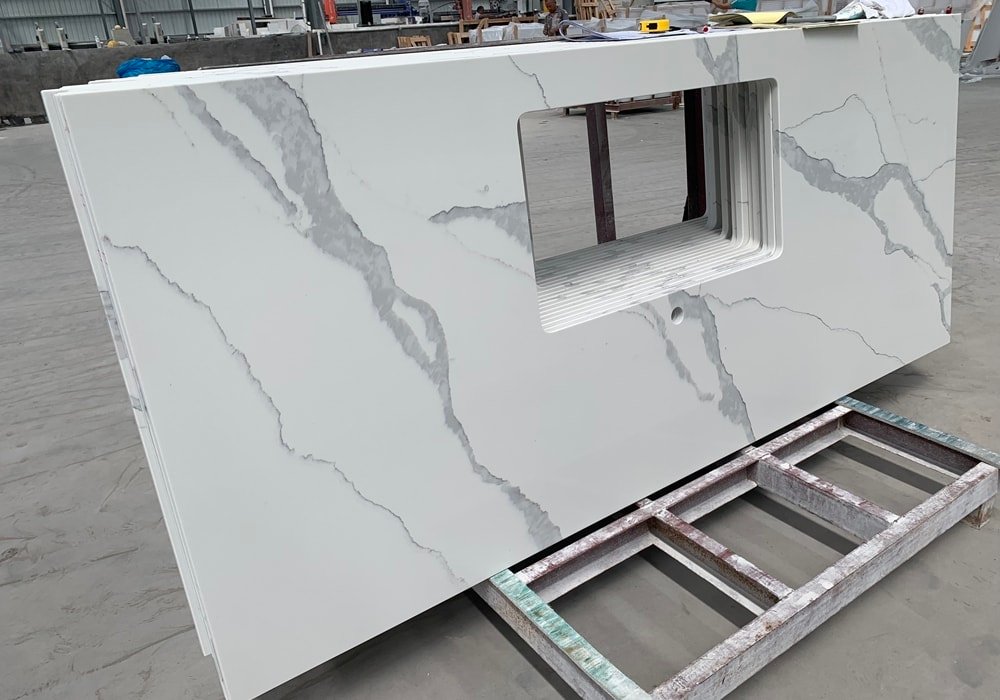
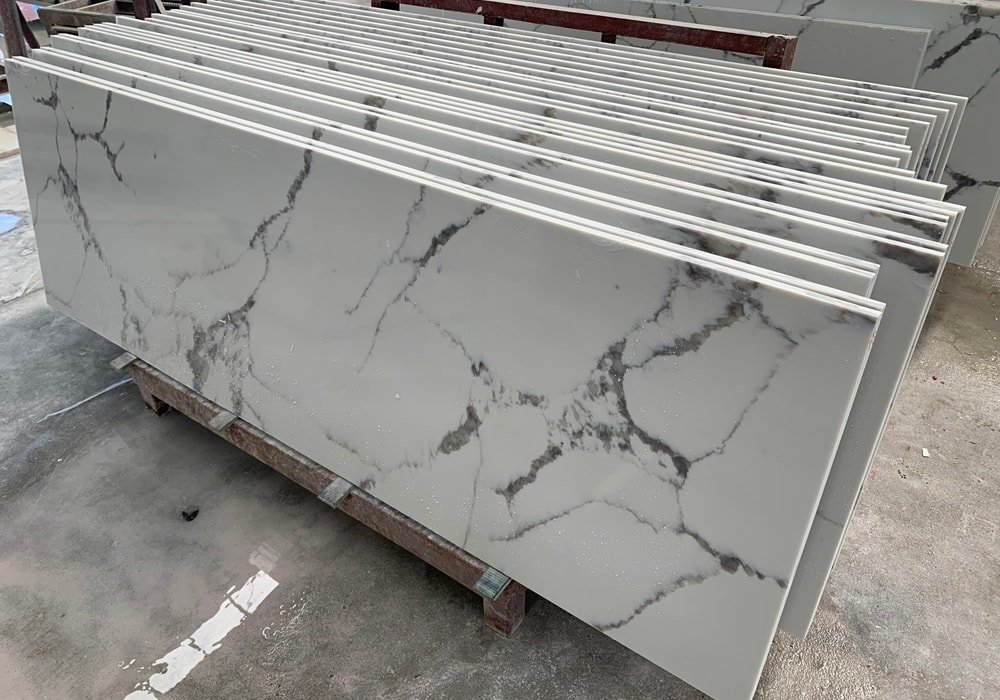
Engineered quartz (often called “quartz stone”) is an engineered surfacing product made from roughly 85–95% natural quartz (silica) combined with polymer resins and pigments. The resin binds crushed quartz into a dense, low-porosity slab, and then the surface is cured and finished in a factory. Because of the resin content and controlled manufacture, these slabs are effectively non-porous and do not require sealing to resist common liquid staining.
What is granite?
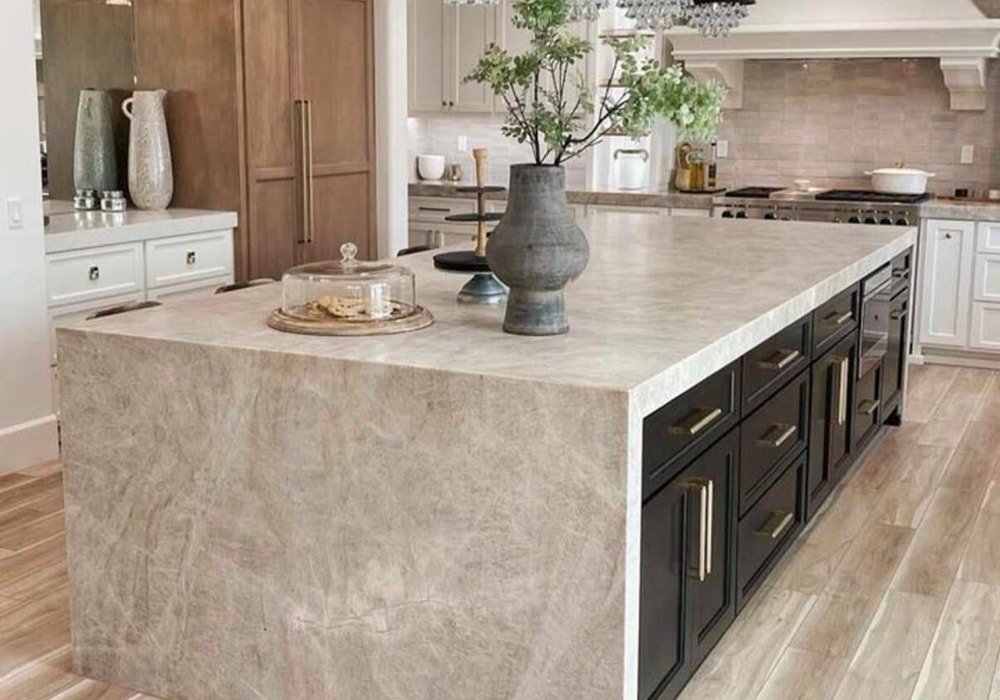
Granite is a natural igneous rock formed underground under high heat and pressure. It is composed of interlocking mineral crystals (quartz, feldspar, mica) and is typically harder than many materials. Granite is naturally porous at a micro level; therefore, most granite countertops benefit from periodic sealing to guard against stains.
What is marble?
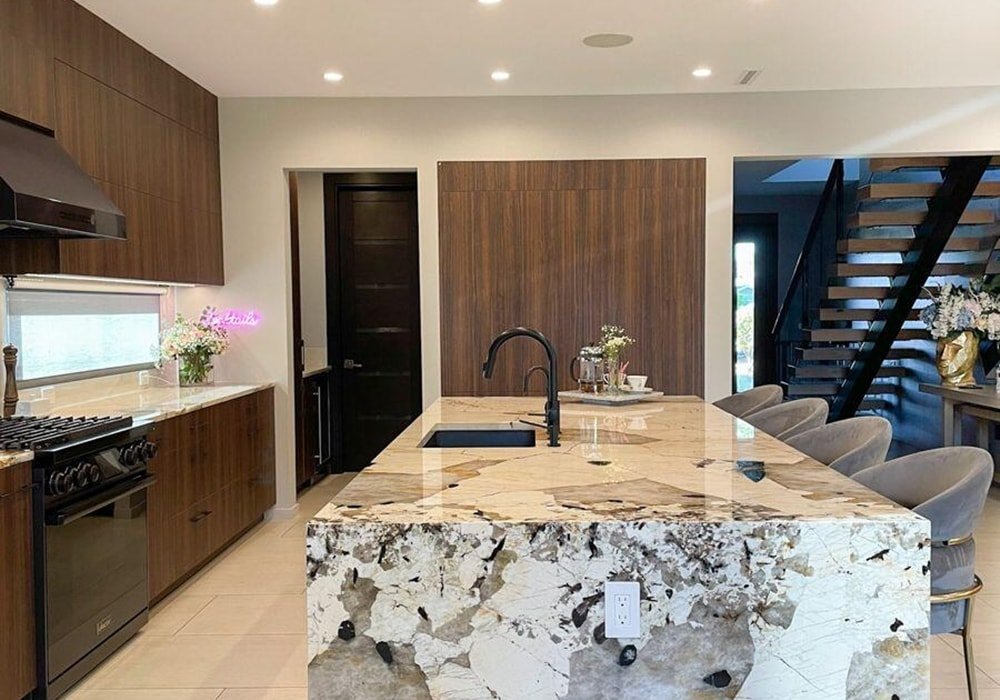
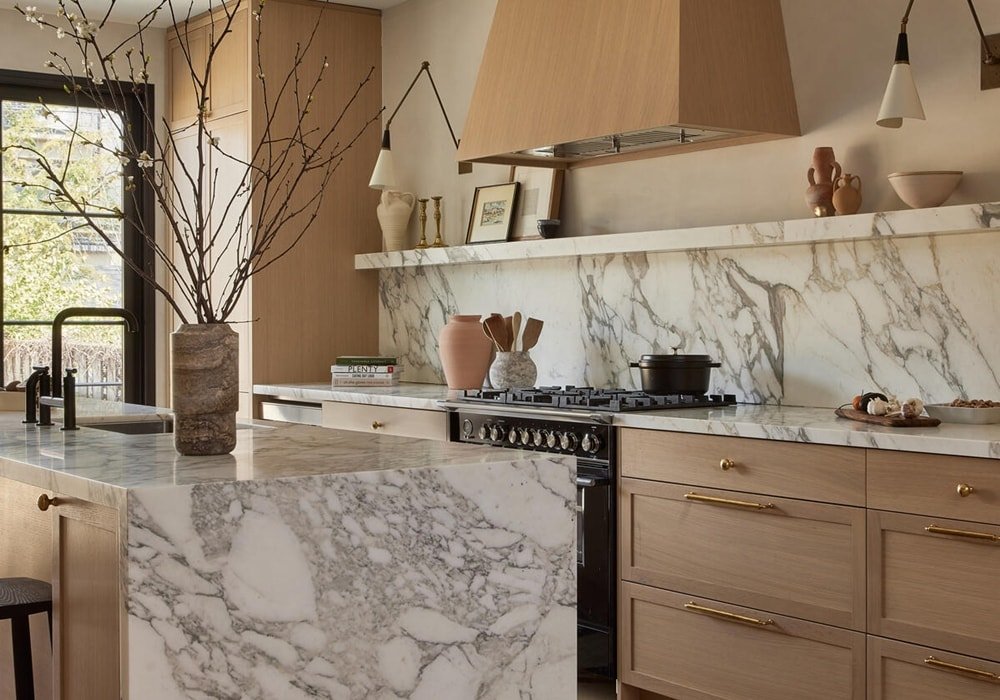
Marble is a metamorphic rock formed from recrystallized carbonate minerals (mostly calcite). It is valued for dramatic veining and a luxurious look, but it is chemically sensitive to acids (lemon, vinegar) and can etch and stain more easily than quartz or polished granite.
Quick comparison (at-a-glance)
Porosity: quartz (non-porous) < granite (low-medium) < marble (medium-high)
Sealing required: quartz (no) · granite (recommended) · marble (recommended)
Typical maintenance: quartz (low) · granite (moderate) · marble (higher)
Heat resistance: granite & marble > quartz (use trivets)
Scratch resistance (Mohs-like): granite ≈ quartz (varies) > marble (softer)
Maintenance baseline: what keeps counters looking new?
Daily cleaning: recommended products & methods
For quartz: mild dish soap + a soft microfiber cloth or warm water. Avoid abrasive scouring pads or harsh chemicals (undiluted bleach or high-strength oven cleaners). Most stains on quartz lift with a few minutes of warm, soapy water and soft wiping.
For granite & marble: pH-neutral stone cleaners or mild dish soap are safest. Avoid acidic cleaners (vinegar, citrus) on marble because they can chemically etch the surface. Granite can tolerate more robust cleaners but still benefits from proper stone-specific products.
Periodic maintenance: sealing and professional care
Granite and marble typically require periodic sealing. A high-quality impregnating sealer fills micro-pores to slow liquid penetration; re-application frequency depends on porosity and use — commonly 1–3 years. Quartz (engineered) is factory-sealed by its non-porous design and doesn’t require sealing.
Do’s and don’ts (practical)
Do: use cutting boards, trivets, and coasters; blot spills quickly.
Don’t: cut directly on the surface (may dull knives), place hot pans directly on quartz (use trivets), or use harsh acid/alkali cleaners on marble.
Head-to-Head: Stain resistance (lab and real-world evidence)
Why porosity matters?
Porosity determines how easily liquids migrate into a material. Natural stone’s microscopic pores can trap pigments and oils if not sealed; engineered quartz’s dense matrix resists penetration because polymer binders close those micro-channels.
Evidence and comparative test summaries
Independent tests and consumer reports repeatedly show quartz scoring top for stain resistance and low maintenance in kitchen scenarios; quartz surfaces do not need routine sealing and resist coffee, wine, and oil better than untreated natural stones. Consumer testing and lab assessments show quartz’s non-porous nature gives it a measurable advantage for everyday household stains.
Stain removal: step-by-step
Fresh spills (coffee, wine, oil): blot immediately; wipe with warm soapy water.
Dried or sticky residue: soak a soft cloth with warm water and mild detergent, lay the cloth on the stain for several minutes, then wipe.
Oil or grease set stains on natural stone: poultice (commercially available or mix baking soda + water into a paste), apply over stain, cover with plastic wrap, wait 24–48 hours, remove and rinse.
Rust stains: often require specialized rust removers and may permanently discolor natural stone if not treated promptly. Quartz typically resists rust staining, but avoid prolonged contact with steel wool or rusty pans.
When does sealing help?
Sealers help reduce penetration on porous natural stones; they are not foolproof, but extend resistance and simplify cleanup. For commercial or heavy-use kitchens, a documented sealer program helps reduce long-term staining incidents.
Head-to-Head: Scratch & heat resistance trade-offs
Scratch resistance
Quartz and granite are both hard surfaces; granite’s natural mineral composition gives strong scratch resistance, while quartz’s high quartz content also resists abrasion. Marble is softer and more susceptible to scratching and etching. However, no countertop is completely scratch-proof — avoid dragging heavy cast iron or knives directly across any surface.
Heat resistance
Granite and marble tolerate higher temperatures than resin-based quartz. While quartz can withstand everyday kitchen heat, direct placement of a hot pan can damage the resin matrix or cause thermal shock and discoloration. Use trivets for quartz, and even for natural stone; it’s best practice.
Finish matters
Surface finish (polished, honed, leathered) affects perceived durability and marks: leathered quartz hides fingerprints and light scratches better; polished stone shows marks more readily.
Health, safety, and regulation shaping industry direction
Worker health and safety around silica dust and regulations are profoundly influencing supply chains and product availability. Engineered quartz slabs contain high percentages of crystalline silica: during cutting, grinding, or quarrying, respirable crystalline silica (RCS) can be released, posing silicosis and lung cancer risks. Public health agencies and regulators globally have taken action to protect workers.
The U.S. OSHA silica standard and enforcement guidance require employers to limit worker exposure to respirable crystalline silica and to use engineering controls and respiratory protection where necessary.
NIOSH and CDC documented outbreaks of silicosis among countertop workers and emphasized engineering controls, wet cutting, local exhaust ventilation, and medical surveillance.
Australia implemented a national ban on engineered stone manufacture, supply, processing, and installation effective from July 1, 2024, and additional importation bans and permit controls have been phased in — a landmark regulatory escalation that affects global trade, sourcing, and manufacturer compliance obligations.
What this means for buyers and suppliers: ask manufacturers about their worker safety programs, source materials from compliant factories, and insist on product declarations that address silica content, workplace controls, and any export/import restrictions. For manufacturers and factory owners, compliance is now a cost and operational factor: safer work practices, investment in dust control, and transparent labeling are required.
Product innovations & alternative surfaces relevant to stain/maintenance
Ultra-compact (sintered) surfaces
Ultra-compact porcelain and sintered stone products are growing in popularity: they offer very low porosity, exceptional heat resistance, and stain immunity, making them strong competitors in high-end, commercial, and outdoor applications.
Phenolic resin countertops & phenolic-backed systems
Phenolic resin cores are sometimes used as backing or substrate for slabs to improve moisture resistance and stability for heavy fabrication. Phenolic-backed countertops can aid in durability, but always check fire/heat and food-safety claims.
Quartz leathered finishes
Leathered quartz surfaces combine texture and hiding of micro-marks while still maintaining quartz’s low porosity. Leathered finishes may need slightly different cleaning techniques (avoid rough pads that can catch texture).
Sustainability & supply chain shifts
Regulatory pressure (worker safety and chemical restrictions) is nudging manufacturers to disclose materials, adopt safer processes, and explore alternative binders and low-emission manufacturing. Expect tighter supplier documentation requirements and a premium for compliant, transparently manufactured slabs.
Data, case studies & real-world examples
Consumer testing snapshot
Independent consumer tests show quartz achieving top marks for stain resistance and overall low maintenance, often outperforming polished granite and marble in everyday household scenarios. These results underpin the “no-seal” advantage frequently cited in buyer guidance.
Residential case study (5-year TCO estimate)
Scenario: moderate family kitchen (daily cooking, coffee, occasional wine) — compare costs over 5 years:
Quartz: no sealing cost, low cleaning supplies, occasional scratch repair — lowest TCO for stain/maintenance.
Granite: sealer application (every 1–3 years), stone cleaner, occasional professional stain removal — moderate TCO.
Marble: frequent protective measures, more frequent professional polishing for etch/stain — highest maintenance TCO.
Numbers depend on local service rates, but the pattern consistently favors quartz for minimal upkeep.
Commercial case study (restaurant)
High-use commercial kitchens often prefer ultra-compact or treated granite for heat resistance, but quartz offers low-maintenance benefits for front-of-house areas (bars, service counters) where aesthetics and stain resistance trump repeated direct heat exposure.
Buying guide for purchasers (manufacturer/factory / wholesale / contractor hooks)
Long-tail purchase intent keywords to embed
buy stain resistant quartz countertops manufacturer
Wholesale quartz countertops factory supplier
phenolic resin countertop for kitchen manufacturer bulk
stain-resistant stone countertops supplier wholesale
Questions to ask any supplier or manufacturer
What is the quartz/resin ratio and curing process?
Do you provide a product data sheet (PDS) and declaration of compliance (RoHS/REACH if applicable)?
What worker safety measures are implemented in your factories (silica controls, PPE, wet cutting, LEV)?
Warranty coverage for staining, delamination, and pigment fade?
Sample & MOQ policy, lead times for wholesale/factory orders?
EDG Stone positioning
“EDG Stone offers factory-finished, low-porosity quartz collections optimized for easy maintenance and long-term stain resistance. Available for factory/wholesale orders with compliance documentation and sample program.”
Installation, care & maintenance checklist (printable)
Pre-install inspection & site prep
Inspect slabs for uniformity and damage.
Ensure substrate is level and can support slab weight.
Plan sink and cooktop cutouts and reinforcement.
Installer care
Use appropriate adhesives and seam treatments per manufacturer.
Maintain consistent silicone and seam gap widths for hygiene.
Avoid direct heat lamps or heavy impact during installation.
Owner care: daily → annual
Daily: warm soapy water, soft cloth.
Weekly: wipe with mild, pH-neutral stone cleaner (for natural stone) or general cleaner for quartz.
Annual: test granite/marble sealing via water bead test (if bead soaks in, reseal).
Troubleshooting quick reference
Coffee/wine spill: blot, clean with soap & water.
Oily stain on natural stone: poultice method.
Heat discoloration on quartz: consult the manufacturer; it may be irreversible.
FAQ — Google hot searches (5 Q&A)
What countertop is stain-proof?
No countertop is completely “stain-proof” forever, but engineered quartz and ultra-compact porcelain are effectively non-porous and highly stain-resistant for everyday household stains, removing the need for routine sealing.How do you remove stains from quartz countertops?
For most stains on quartz, blot and wipe with warm soapy water and a soft cloth. For stubborn residues, use a non-abrasive cleaner and allow a damp cloth to soften the deposit; avoid harsh acids and abrasive pads.What countertops are heat and stain-resistant?
Granite and sintered (ultra-compact) porcelain score very well for heat resistance; quartz and sintered porcelain are top performers for stain resistance. Use trivets on quartz to prevent thermal damage.Do quartz countertops need to be sealed?
No, because engineered quartz is manufactured to be non-porous using resin binders, it does not require sealing. Natural stones like granite and marble typically benefit from a sealer to reduce stain risk.How should stone countertops be maintained daily?
Daily maintenance: wipe spills promptly, use a soft cloth and mild detergent or stone cleaner, use cutting boards and trivets, and schedule periodic inspections for natural stone seal integrity.
Semantic Closure: How / Why / What / Options / Considerations
How: Quartz achieves superior everyday stain resistance through a factory-controlled, resin-bound process that produces a dense, near non-porous slab. This removes the need for routine sealing and simplifies owner maintenance.
Why: For most homeowners and business spaces, time and predictable performance matter more than the marginal advantage in heat tolerance that some natural stones provide. Quartz minimizes downtime, professional cleaning costs, and the chance of irreversible stains.
What to choose: Choose quartz if you want low maintenance and worry-free stain resistance in kitchens and high-use hospitality areas. Choose granite or sintered porcelain where high heat tolerance or a specific natural look is required. Use marble when aesthetics are the primary goal and the owner accepts higher care needs.
Options & considerations: For commercial buyers and factories, prioritize suppliers that publish compliance documentation (silica controls, REACH/chemical disclosures) and offer robust warranty and sample programs. For homeowners, focus on finish type (polished vs leathered) and install practices (seams, adhesives, and substrate support).
Market & regulatory trend: Worker safety, silica regulation, and chemical restrictions are reshaping the supply chain. Compliant manufacturers, transparent PDS documentation, and alternatives like ultra-compact porcelain will become standard purchasing criteria for risk-averse buyers and institutional clients.
References (author — article title — outlet)
U.S. Occupational Safety and Health Administration — “1926.1153 – Respirable crystalline silica” — OSHA
U.S. Occupational Safety and Health Administration — “Respirable Crystalline Silica Focused Inspection Initiative” — OSHA Interpretation Memo
Centers for Disease Control and Prevention / NIOSH — “Outbreak of Silicosis among Engineered Stone Countertop Workers” — NIOSH Science Blog
Safe Work Australia — “Review of the engineered stone prohibition” — Safe Work Australia
Australian Government Department of Employment and Workplace Relations — “Understanding the engineered stone ban” — DEWR
Consumer Reports — “Best Countertop Buying Guide” — Consumer Reports Home & Garden
NIOSH/CDC publication — “Engineering Control of Silica Dust from Stone Countertop Fabrication” — CDC/NIOSH Report
National Center for Biotechnology Information (NCBI) / PubMed Central — “Respirable dust and respirable crystalline silica exposures among stone fabrication workers” — peer-reviewed article