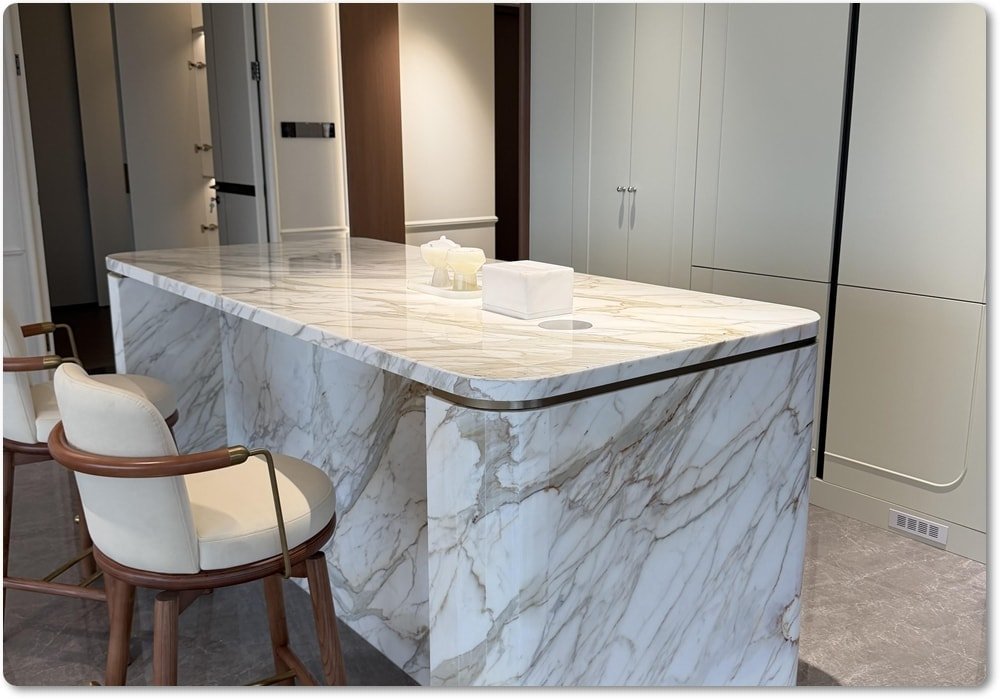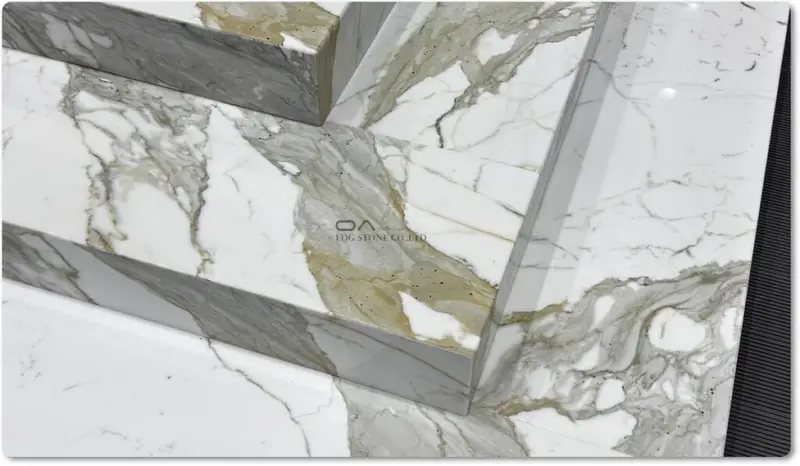
Semantic Closed-Loop Content Block
What Taj Mahal Quartzite Really Solves?
It gives homeowners and designers a soft, upscale, marble-like look with a more practical everyday profile than many people expect from a luxury natural stone.
Why Buyers Still Hesitate?
They do not just ask whether the stone looks good in photos. They ask whether it will stain, whether the finish is too high-maintenance, whether the slab has filler or repairs, and whether the room will feel too dark once it is installed.
How to Buy It the Smart Way?
Check slab photos, finish type, seam planning, repair disclosure, and sealer guidance before you pay. Then make sure the design palette around it—lighting, cabinetry, backsplash, and hardware—supports the stone instead of competing with it.
Option Comparison
Polished usually reads cleaner and is easier to wipe down visually; honed feels softer and more architectural; leathered adds texture and depth, but can ask for more care and a more disciplined maintenance routine.
Consideration for 2026
The countertop industry is under tighter silica scrutiny than it used to be, so the best suppliers are the ones that can talk plainly about wet cutting, dust control, training, and inspection standards.
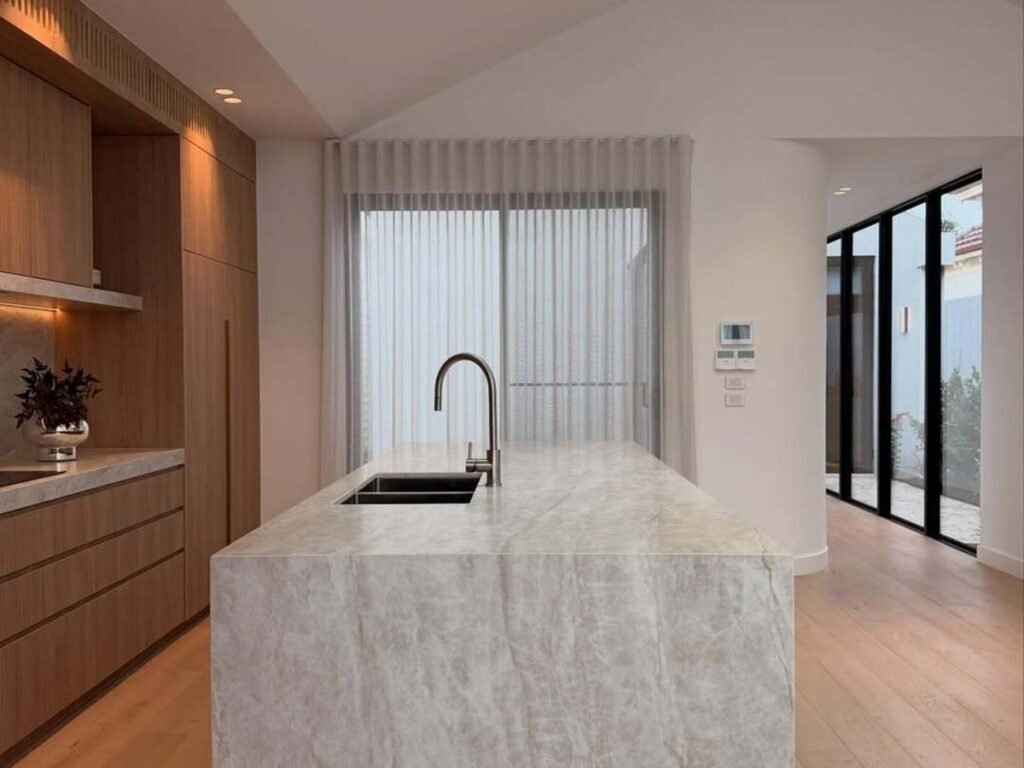
Taj Mahal Quartzite Material Guide for North American Buyers: Pain Points, Solutions, and Wholesale Buying Tips
Taj Mahal quartzite keeps showing up in kitchen remodel conversations because it lands in a very desirable middle ground: it looks warm, refined, and expensive, but it is still a stone people believe they can live with every day. In a recent Reddit kitchen-remodel thread, the post itself centered on a Taj Mahal quartzite countertop paired with dark oak veneer, black hardware, and a long island, and the comments immediately split into two camps: people who loved the luxe look, and people who felt the room needed better lighting, more contrast, or a better balance between the dark materials. That is the real market signal behind Taj Mahal quartzite. People do not only buy the slab. They buy the feeling the whole kitchen creates.
For search intent, that means this topic is bigger than “Is the Taj Mahal quartzite beautiful?” Buyers are searching for practical answers: Taj Mahal quartzite stains and sealing guide, Taj Mahal quartzite honed vs. leathered countertop, Taj Mahal quartzite with dark oak cabinets, Taj Mahal quartzite wholesale slabs, and Taj Mahal quartzite factory-direct supplier. Those are the phrases that capture both design inspiration and purchase intent, which is exactly why a strong page around this topic can rank for a wide band of commercial and informational queries. The best-performing content here should answer the aesthetic, maintenance, and sourcing questions in one place.
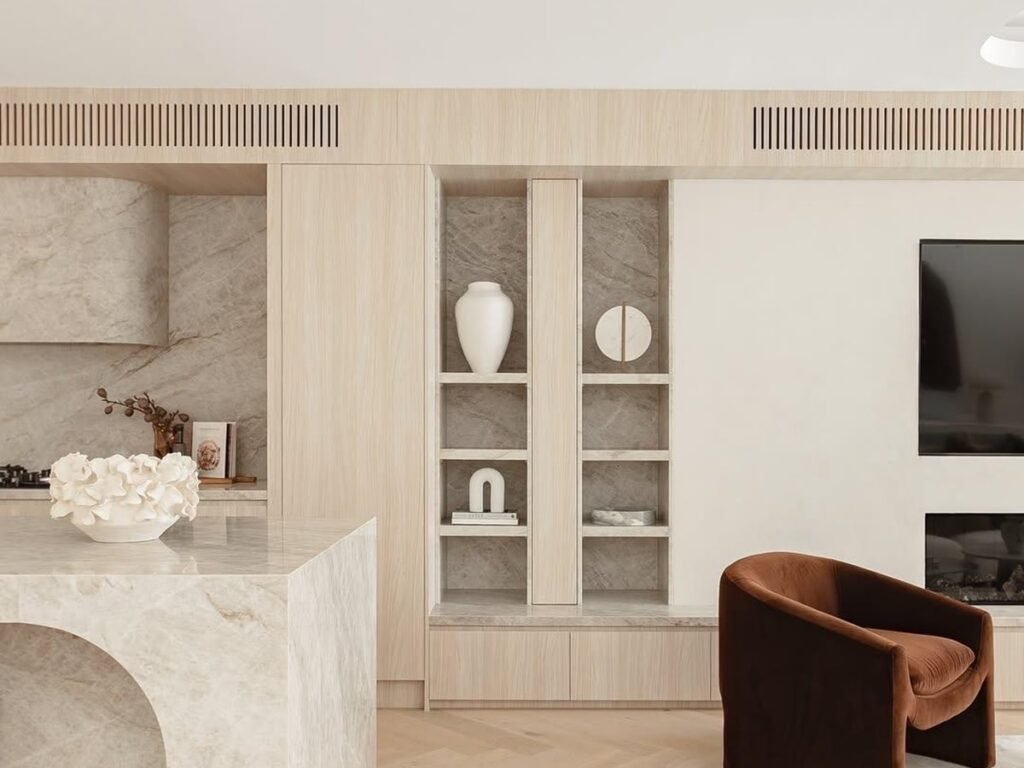
What Reddit Buyers Are Really Reacting To?
Reddit is useful here because the comments are brutally honest. In the thread, several people liked the look and called the material stunning or luxe, while others said the room felt too dark, too brown, or too high-contrast. Some commenters wanted panel-ready refrigeration, different pendants, or a different balance of black accents; others said the black hardware and fixtures helped the composition feel more defined. In other words, the response to Taj Mahal quartzite was never just about the stone itself. It was about whether the whole design felt intentional, modern, and coherent.
That is an important lesson for product content. Many buyers think the stone is the final decision, but in a real North American kitchen, the stone is only one part of the visual system. Taj Mahal quartzite can look incredible beside dark oak veneer because it softens the palette and prevents the room from becoming visually heavy, but if the lighting, hood, fridge, backsplash, or hardware are off, the result can feel flat or builder-grade instead of custom. The Reddit comments pointed to exactly that tension: people loved the material mix, but they also wanted the room to breathe.
The design pain point in plain North American language
The issue is not “does this stone work?” The issue is “does this stone work in my kitchen, with my cabinets, my lighting, and my hardware, without making the room feel too dark?” That is why Taj Mahal quartzite performs so well in high-end remodel content. It solves a real problem for buyers who want warmth, softness, and elegance without going all-in on dramatic veining or cold white surfaces.
The three things buyers are actually judging
1. Visual balance
Will the kitchen feel calm and expensive, or heavy and overdesigned?
2. Everyday livability
Will the countertop still feel good after coffee spills, cooking, and daily cleaning?
3. Purchase confidence
Is this a clean, premium slab from a trustworthy source, or a price-driven slab with too many hidden issues?
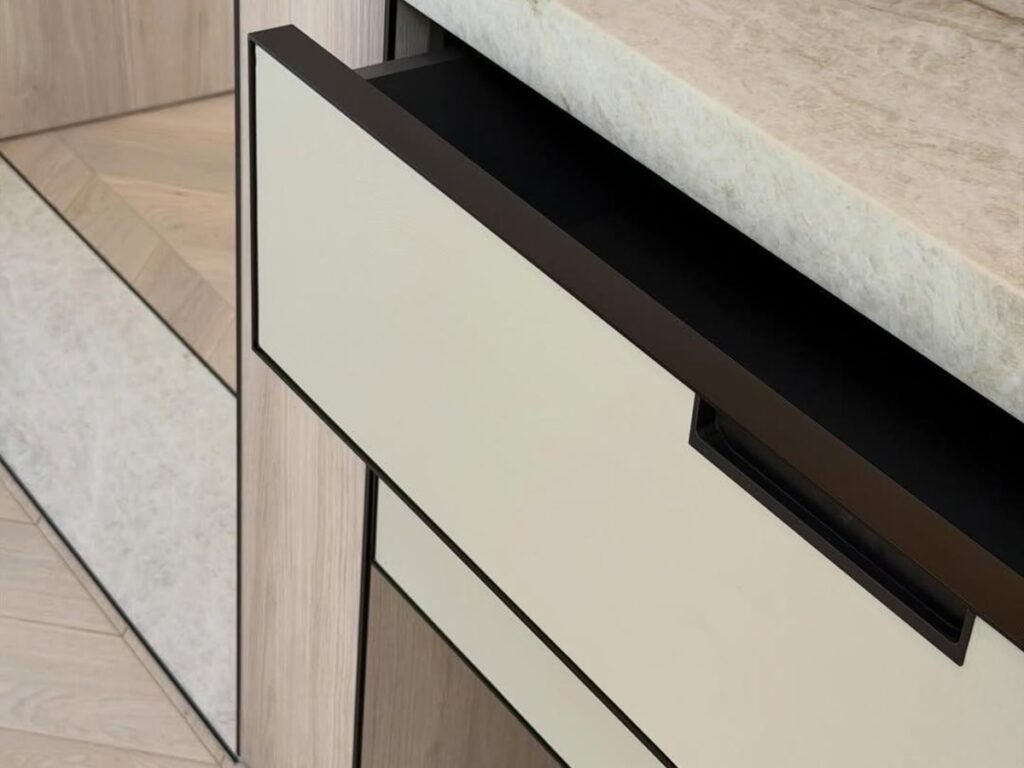
The Real Taj Mahal Quartzite Pain Points Buyers Care About
The most common pain point is stain anxiety. Buyers love the marble-like look, but they still want reassurance that the stone will not turn into a maintenance headache. That concern is justified because natural stone is not a zero-care material. Natural Stone Institute guidance says an impregnating sealer can improve stain resistance, and whether sealing is needed depends on the stone’s density and porosity rather than a single universal rule.
1. “Will it stain if I actually use my kitchen?”
This is the first fear most homeowners have. Taj Mahal quartzite is sold as a premium stone, so buyers expect premium performance, but they still want to know what happens when oil, coffee, wine, lemon juice, or sauce hits the surface. The practical answer is simple: use a penetrating sealer where appropriate, clean spills promptly, and do not treat the stone like laminate or quartz. That is the difference between a countertop that ages gracefully and one that starts causing regret.
2. “Do I have to keep resealing it?”
Yes, maybe, but not on a random calendar schedule. The right interval depends on the slab, the finish, and the way the stone is used. That is why generic advice online can sound contradictory: some kitchens need more frequent resealing, while others stay stable for much longer. The important thing is to test the stone’s behavior and follow the fabricator’s guidance instead of assuming all quartzite behaves the same way.
3. “Is honed or leathered better?”
This is where the finish changes the experience. Polished generally reads cleaner and more reflective, which can make day-to-day maintenance feel easier from a visual standpoint. Honed softens the look, while leathered adds depth and texture, but those finishes can make staining, residue, and uneven wear more noticeable if the kitchen is heavily used. In Reddit comments, one user specifically said Taj looks incredible when it is leathered, while the broader discussion still showed that people worry about how the finish will age in a real home.
4. “Why does one slab look amazing and another look off?”
Because natural stone is naturally inconsistent. Taj Mahal quartzite can vary in tone, veining, warmth, and movement from slab to slab. That is part of the appeal, but it is also a quality-control issue. Buyers should ask for current slab photos, confirm whether the project will use one batch or multiple lots, and review the slabs in person whenever possible before fabrication begins.
5. “What about filler, fissures, and repairs?”
This is a hidden trust issue in the market. A cheaper slab can sometimes come with more visible filler, patching, or repairs, and that can make a luxury kitchen feel less premium the minute the sun hits it. Good suppliers are transparent about this and explain where natural fissures are simply part of the stone and where a repair has been professionally done. Bad suppliers are vague. That difference matters more than people think.
6. “Why does the room sometimes feel too brown or too dark?”
This is the design side of the pain point, and it showed up clearly in the Reddit thread. Some commenters thought the dark wood, black accents, and cabinet layout made the room feel heavy or dated, while others thought the black hardware gave the kitchen the needed definition. The lesson for Taj Mahal quartzite content is that the stone itself may be beautiful, but it needs the right support system: lighting, backsplash, appliance integration, and a cabinet tone that keeps the room from closing in visually.
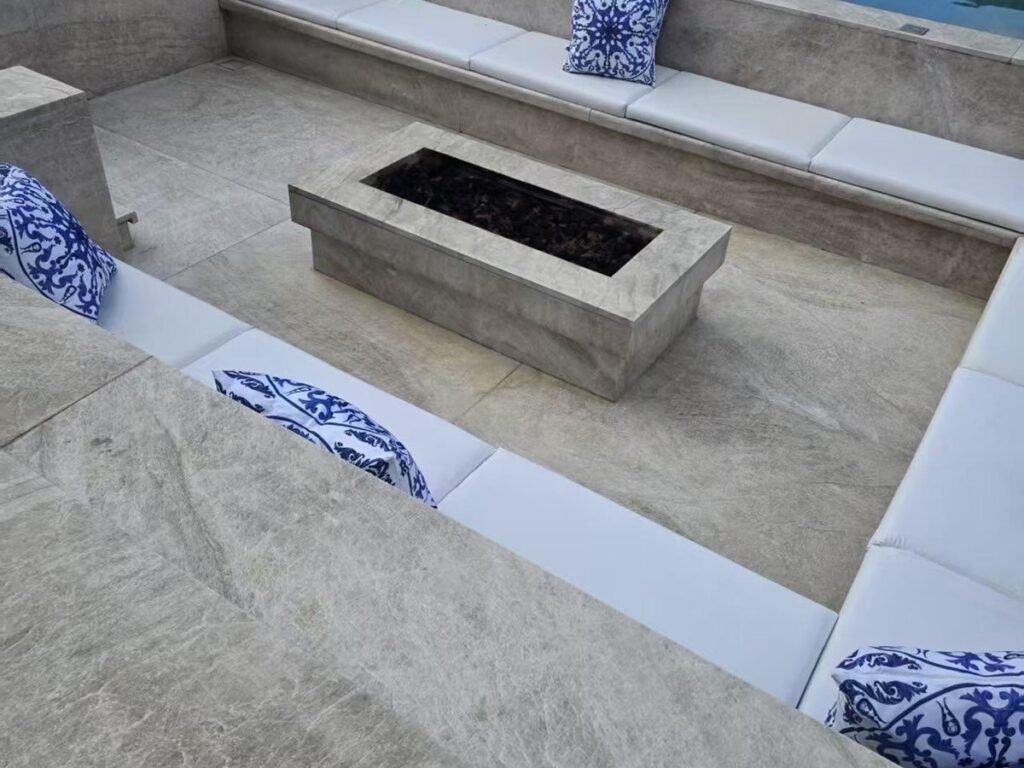
How to Solve the Most Common Problems Without Killing the Design?
If the kitchen is trending dark, the solution is not to panic and switch the stone. Often, the better move is to make the rest of the material stack smarter. A Taj Mahal quartzite island can carry a room beautifully when the lighting is right, when the hood or backsplash has enough visual lift, and when the hardware does not disappear into a black-on-black blur. In the Reddit discussion, one of the recurring critiques was that the pendants, fridge, and hardware choices either helped or hurt the overall composition. That is exactly the kind of detail that turns a “nice kitchen” into a memorable one.
Use finish as a design tool
Polished
Best when you want a cleaner, brighter, more classic luxury feel.
Honed
Best when you want a softer, more architectural look that feels quieter and more organic.
Leathered
Best when you want tactile texture and a more lived-in, high-end stone surface, but it should be specified with realistic care expectations.
Use the right cleaner
A pH-neutral cleaner is the safe baseline for natural stone. Harsh acids, vinegar-heavy mixes, and abrasive cleaners can create more problems than they solve. The maintenance message should be simple enough for a homeowner to remember: wipe spills fast, clean gently, and do not treat quartzite like a disposable surface.
Use slab selection like a design decision
Do not pick Taj Mahal quartzite from a tiny sample alone. Ask for whole-slab photos, edge close-ups, and finish confirmation. If the project includes a long island or a waterfall edge, the vein flow matters as much as the color. This is especially important for buyers looking for a premium, calm, “quiet luxury” result rather than a dramatic stone statement.
Use lighting to protect the material story
If the kitchen relies on dark oak veneer and black accents, good lighting is not optional. It is part of the material strategy. The Reddit responses showed that even when people liked the stone, they still reacted strongly to how the pendants, fridge, and black hardware changed the mood of the room. That is a signal for designers and buyers: Taj Mahal quartzite performs best when the whole room is designed to keep it luminous.
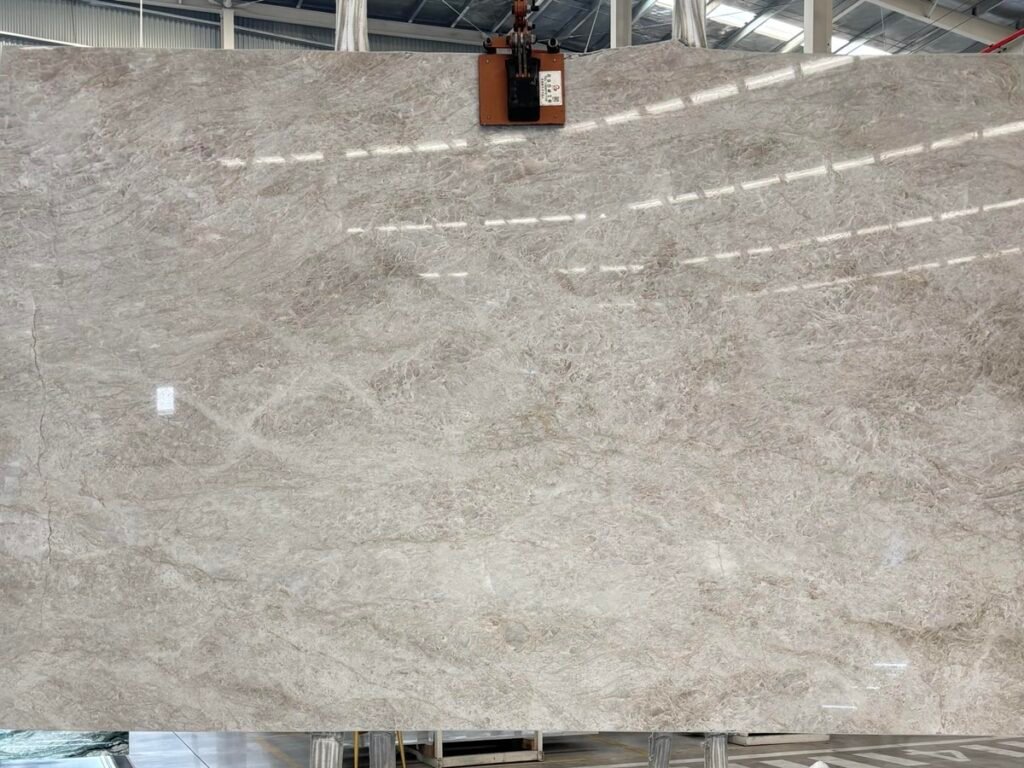
What to Ask a Manufacturer, Factory, or Wholesale Supplier Before You Buy?
For buyers who care about price, consistency, and project execution, the sourcing question matters just as much as the stone choice. A manufacturer, factory, or wholesale supplier should be able to explain where the slab came from, what finish it has, how it was handled, and what the repair policy is. If they cannot speak clearly about those basics, that is a red flag.
Ask these questions
Is this slab polished, honed, or leathered from the factory?
Do not assume the finish can be changed later without consequences.
Are there factory repairs or resin fills?
Transparency is better than surprise.
Can you provide current slab photos?
Old catalog images are not enough for a real purchase decision.
Do you sell wholesale slabs or factory direct?
That matters for builders, distributors, and multi-unit projects.
What is your recommended sealer and maintenance schedule?
A serious supplier should be able to answer this without guessing.
Why should the buyer care about fabrication discipline?
Countertop fabrication is not just a design business. It is a dust-exposure business too. OSHA says respirable crystalline silica can cause silicosis, lung cancer, COPD, and kidney disease, and its countertop guidance specifically addresses manufacturing, finishing, and installation. OSHA also notes that workers involved in these processes are at risk and may be targeted for inspection. For buyers, this matters because a disciplined shop is usually a better shop overall.
What does this mean for Taj Mahal quartzite sourcing?
In practical terms, the safest and most professional suppliers are the ones that talk openly about wet cutting, dust control, ventilation, training, and jobsite protection. California has tightened the conversation further: CDPH says it now tracks engineered-stone silicosis weekly, and as of November 13, 2025, it had confirmed 432 countertop-worker cases, including at least 25 deaths and 48 lung transplants. Even though Taj Mahal quartzite is a natural stone, the broader countertop industry is being judged in a much stricter safety environment now.
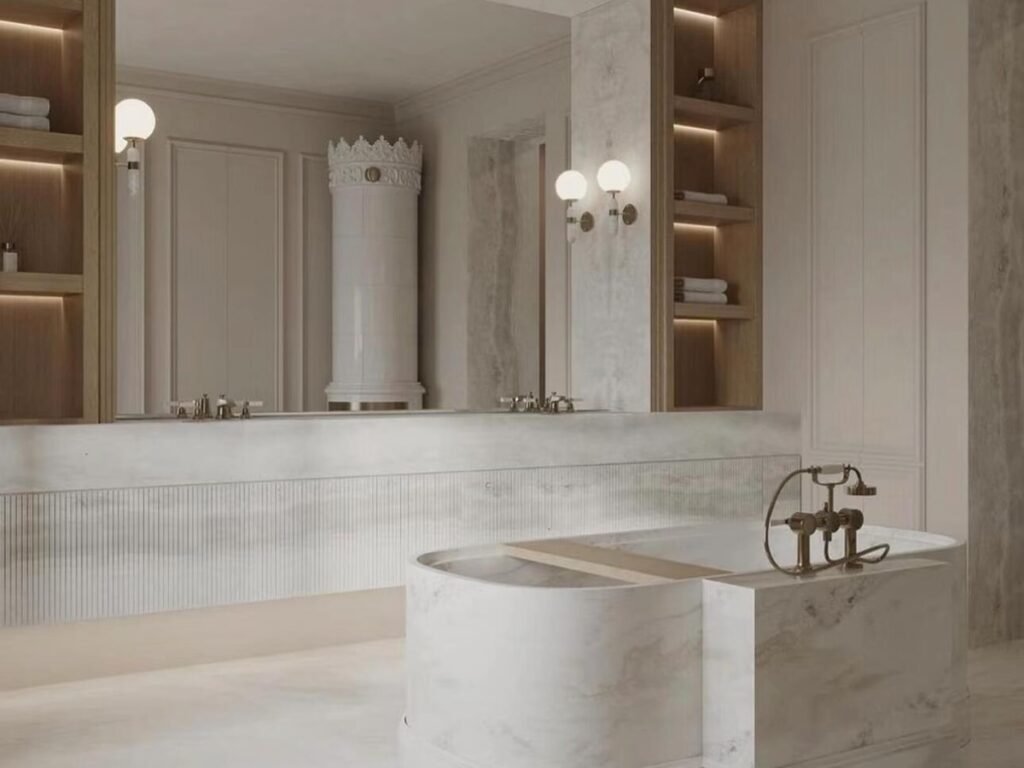
The Search Terms That Fit This Topic Best
These are the phrases most likely to match what North American buyers actually type when they are close to buying:
Taj Mahal quartzite with dark oak cabinets
Taj Mahal quartzite honed vs leathered countertop
Taj Mahal quartzite stains and sealing guide
Taj Mahal quartzite wholesale slabs
Taj Mahal quartzite factory direct supplier
Those phrases work because they capture how buyers search in the real world. They are not just product terms. They combine design intent, maintenance intent, and purchase intent. That is the sweet spot for ranking and conversion.
FAQ
1. Is Taj Mahal quartzite good for kitchen countertops?
Yes. Taj Mahal quartzite is a strong choice for kitchen countertops when the goal is a soft, luxurious, marble-like look with better everyday practicality. The best results come from matching the finish to the lifestyle and making sure the installation is done well.
2. Does Taj Mahal quartzite need to be sealed?
In many cases, yes. Natural Stone Institute guidance says sealing depends on the stone’s porosity, so there is no single answer that fits every slab. A penetrating sealer can improve stain resistance and help the surface stay more forgiving in a busy kitchen.
3. Which is better: polished, honed, or leathered Taj Mahal quartzite?
Polished usually gives the cleanest and brightest read. Honed creates a softer matte appearance, and leathered adds texture and depth. The better choice depends on the look you want and how much maintenance you are comfortable with over time.
4. What is the biggest mistake buyers make with Taj Mahal quartzite?
The biggest mistake is treating the slab as the only decision. In reality, the room’s lighting, cabinet tone, hardware, backsplash, and appliance choices can make the same stone look either stunning or too dark. Buyers also make mistakes when they ignore slab variation, finish type, or repair disclosure.
5. Where can I buy Taj Mahal quartzite wholesale or factory direct?
Look for a supplier that can provide current slab photos, explain the finish, disclose repairs or resin fills, and talk clearly about sealer and maintenance. For builders and distributors, factory direct and wholesale sourcing make the most sense when consistency, lead time, and quality control are part of the deal. A serious supplier should also be able to speak to silica-safe fabrication practices.
Reference
- Professional_Ear9490, “What do you think material wise?”, r/kitchenremodel, Reddit.
- U.S. Department of Labor, Occupational Safety and Health Administration, “Worker Exposure to Silica during Countertop Manufacturing, Finishing and Installation.”
- U.S. Department of Labor, Occupational Safety and Health Administration, “Small Entity Compliance Guide: Respirable Crystalline Silica Standard for Construction.”
- California Department of Public Health, Occupational Health Branch, “Engineered Stone Silicosis Surveillance Dashboard.”
- California Department of Public Health, “Silicosis Becomes a Reportable Disease in California.”
- California Department of Public Health, Occupational Health Branch, “Silica Safety for Countertop Fabrication Employers.”
- Natural Stone Institute, “Caring For Quartzite Countertops.”
- Natural Stone Institute, “On the Surface: Choosing and Caring for Natural Stone Finishes.”
- U.S. Department of Labor, OSHA, “Respirable Crystalline Silica: Construction.”