Quick Summary
Introduction: Why finish matters for Taj Mahal quartzite?
Choosing between a high polish and a honed finish is more than an aesthetic decision — it changes color saturation, perceived depth, daily care, and long-term wear patterns. For Taj Mahal quartzite — a highly sought-after, marble-like stone prized for its warm veining and soft palette — the finish determines whether it reads as luxurious and reflective or contemporary and tactile. This article, informed by EDG Stone’s production perspective, compares Polished Taj Mahal quartzite, Taj Mahal honed quartzite, and the increasingly popular Taj Mahal leathered quartzite to help designers, homeowners, fabricators, and wholesale buyers make a data-backed choice.
What is Taj Mahal Quartzite? — geological & product profile
Origins & visual character
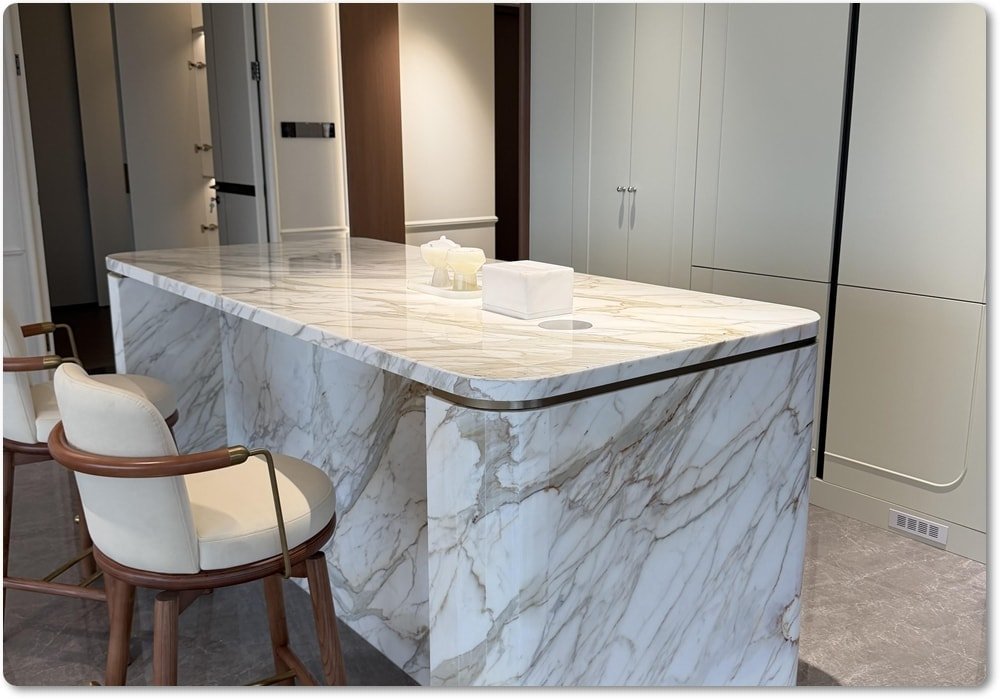
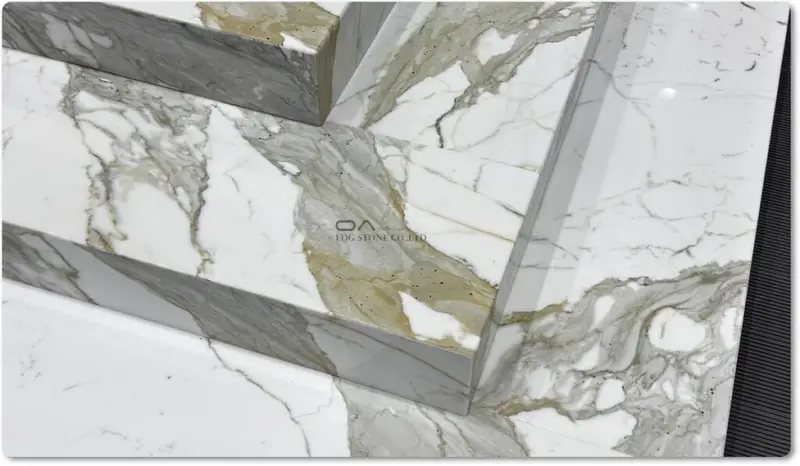
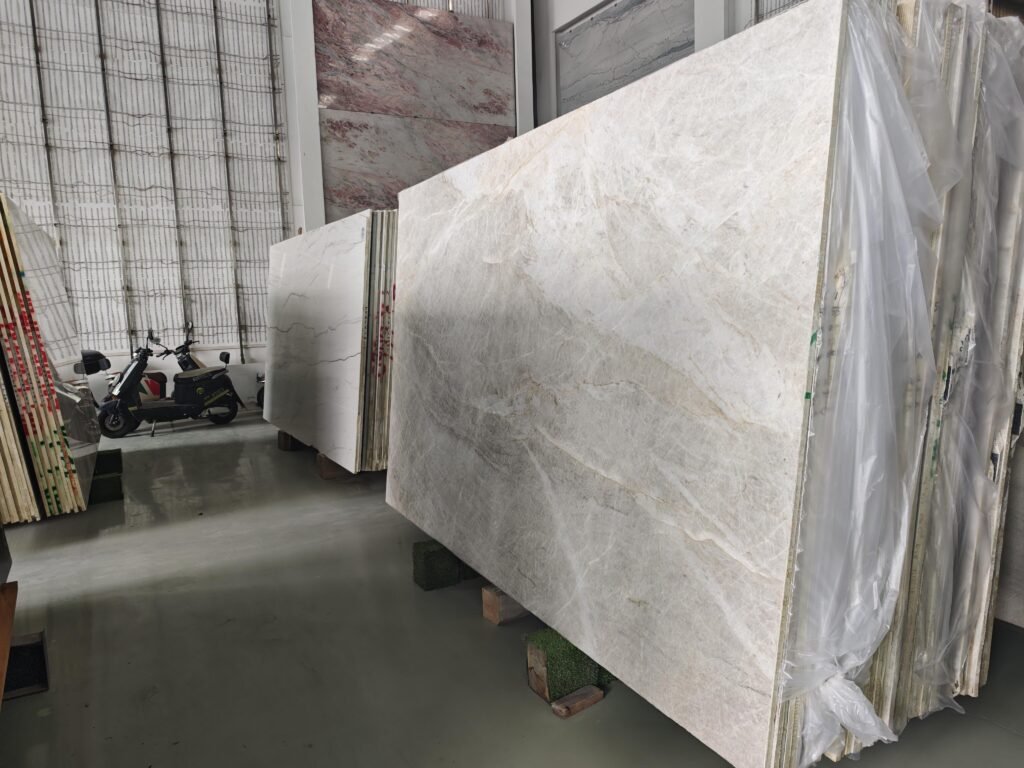
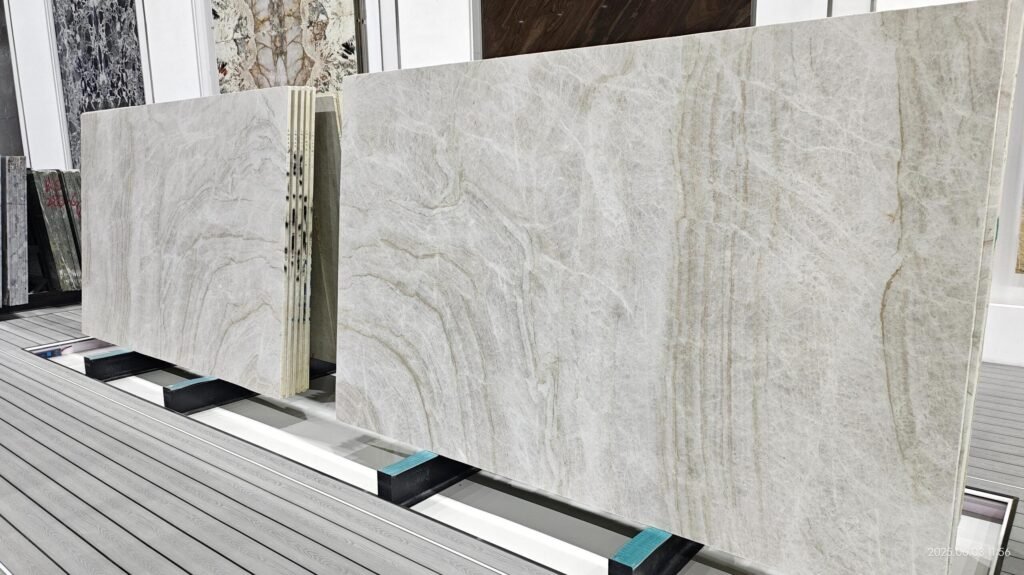
Taj Mahal quartzite is a natural, metamorphosed sandstone with crystalline quartz structure and marble-like white to warm-beige backgrounds with soft grey-to-gold veining. Visually, it mimics high-end marbles while offering quartzite’s superior hardness and scratch resistance. The stone’s patterning and base tone respond dramatically to surface finishing: polishing deepens color and brings contrast forward; honing softens shine and reduces contrast.
Typical slab dimensions & fabrication uses
Standard Taj Mahal slabs are commonly available in 2 cm and 3 cm thicknesses; jumbo slabs (e.g., 120–140″ length) are common from quarries that produce large blocks. Fabrication applications include kitchen countertops, vanity tops, fireplace surrounds, and reception desks. When sourced from a manufacturer such as EDG Stone or factory suppliers, slab yield, matching (bookmatch or vein continuity), and prefinish options (polish/hone/leather) are standard ordering parameters.
EDG Stone / Manufacturer note
EDG Stone, with long-term quarry and production relationships, positions Taj Mahal quartzite as both a premium product and a practical work surface. Manufacturer/factory channels enable bulk purchase options, consistent finish standards, and tailored fabrication specs for buyers seeking wholesale pricing or project-level continuity.
Understanding Surface Finishes: Polished vs Honed
What is Polished (High Gloss)?
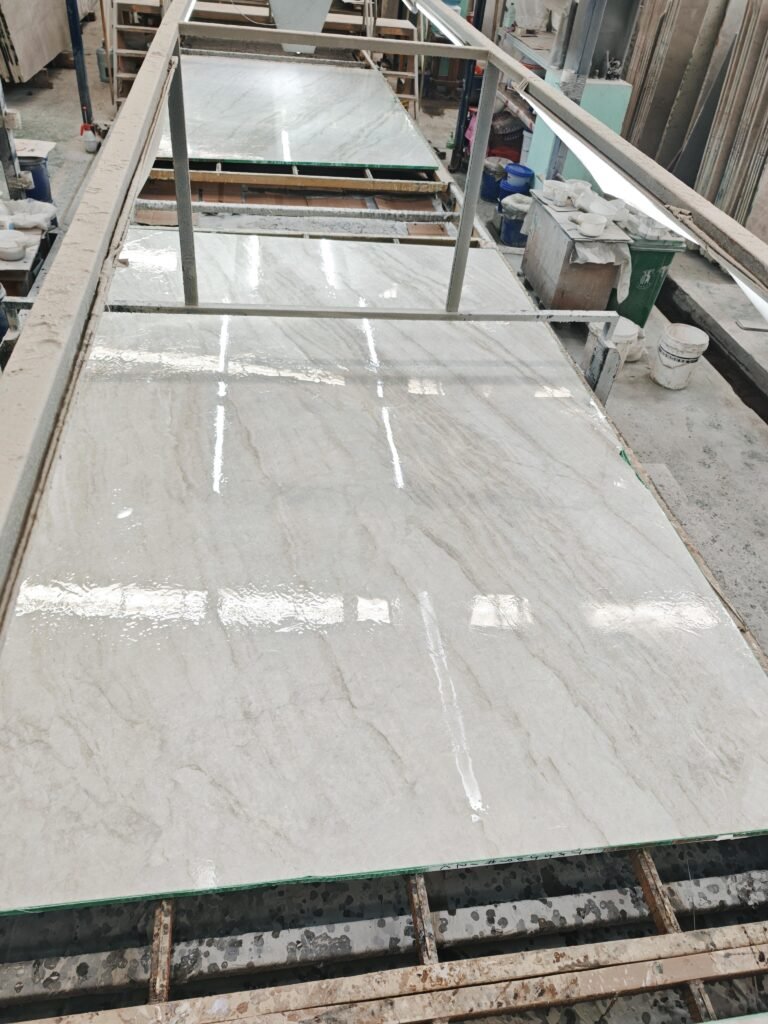
Polished finish is produced by progressively finer abrasives and diamond pads that remove surface micro-roughness and generate high reflectivity. For Taj Mahal quartzite, polishing intensifies color, deepens veins, and creates a mirror-like surface that visually enlarges spaces and highlights natural patterning. Polished surfaces are luminous and show more surface reflections — ideal when a dramatic, luxury look is desired.
What is Honed (Matte)?
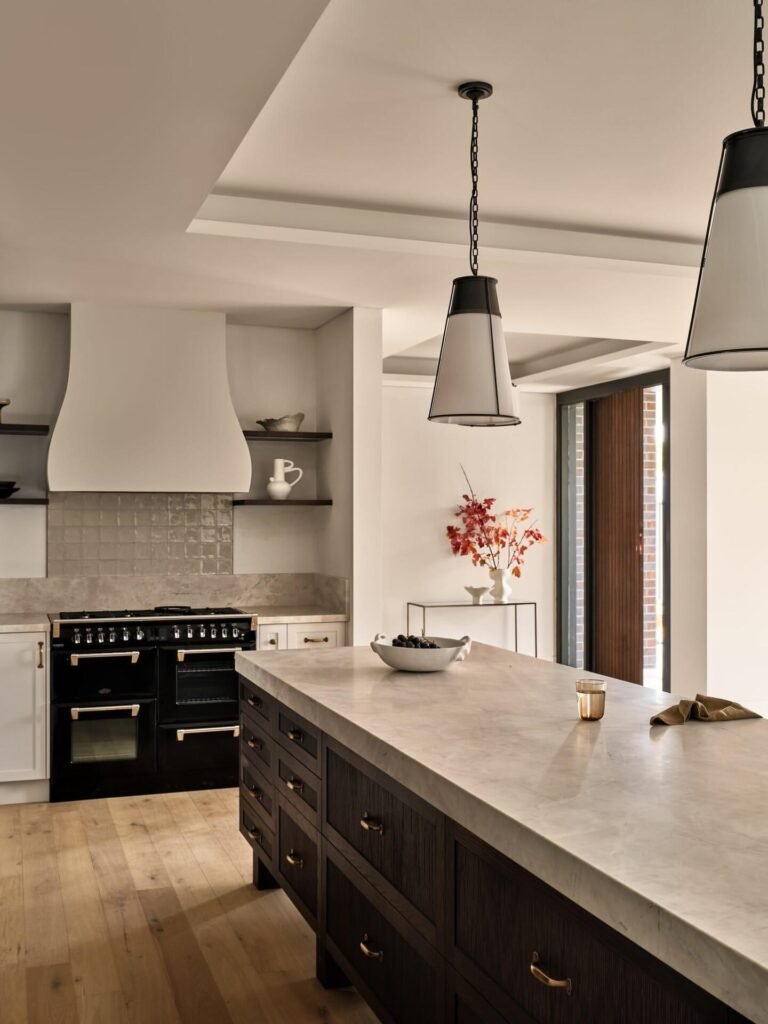
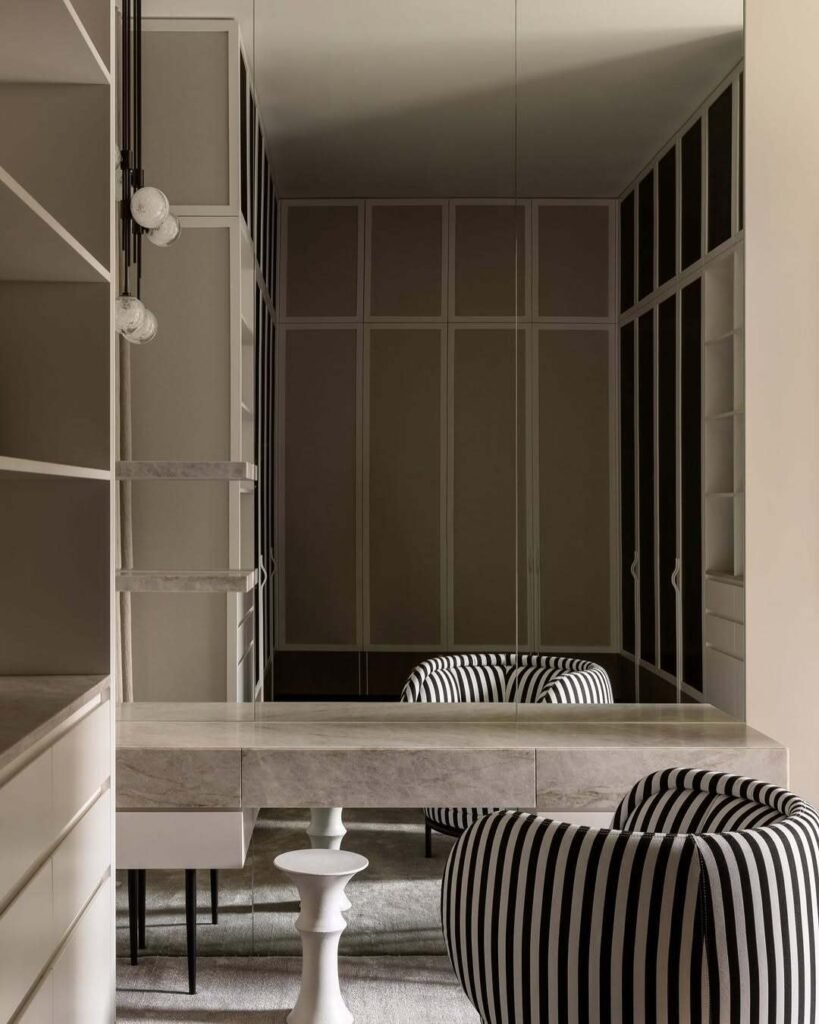
A honed finish is achieved by stopping the polishing process earlier or using abrasives that leave a smooth but non-reflective surface. Honed Taj Mahal quartzite appears softer, with reduced contrast and a velvety surface that hides minor scratches and fingerprints better than polished finishes. It is preferred in contemporary or rustic settings where understated elegance is the aim.
Leathered & Brushed finishes (brief mention)
Leathered finish, sometimes called satin or textured, adds subtle surface texture using brushes or diamond tools, creating a tactile finish that sits between polished and honed. For Taj Mahal leathered quartzite, leathering emphasizes natural grain and adds anti-glare qualities while retaining color depth — a compelling compromise for kitchens where tactile feel and reduced shine matter.
Design Comparison: Visual & Spatial Effects
Polished Taj Mahal quartzite — aesthetics & use-cases
Polished Taj Mahal reads as premium and timeless. It works well for central kitchen islands, formal bathrooms, or upscale commercial installations where light, reflection, and dramatic veining are assets. In bright or well-lit spaces, polished finishes amplify luminosity and make veining pop, enhancing photographic and showroom appeal.
Honed Taj Mahal quartzite — aesthetics & use-cases
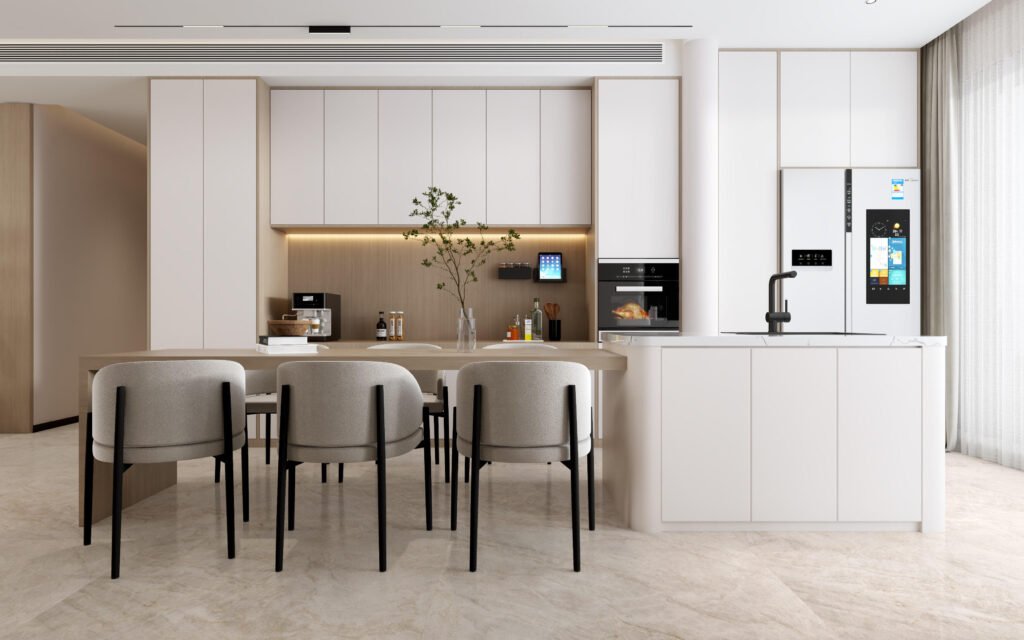
Honed Taj Mahal suits modern kitchens, high-traffic family bathrooms, and hospitality settings where glare is undesirable. Its soft, matte surface creates a contemporary canvas that pairs beautifully with subtle cabinet tones, matte hardware, and tactile materials like wood and brushed metals.
Photographic guidance & staging tips
For polished surfaces: stage with directional lighting to showcase depth and veining; use high-contrast cabinetry to make veins read boldly.
For honed surfaces: choose diffuse lighting and mid-tone cabinetry to highlight texture and warmth.
For leathered surfaces: combine close-up texture shots and room-wide images to communicate tactile feel and real-world usage.
Performance & Durability: What data and field experience show?
Scratch resistance, etch resistance, and staining
Quartzite is among the hardest natural stones (high Mohs hardness), so it resists surface scratching better than marble. Polished surfaces can show etch marks and fingerprints more visibly because light reflects off micro-variations; honed surfaces hide these signs better. Both finishes should be sealed properly for stain resistance — sealers penetrate pores and provide a sacrificial barrier; frequency depends on porosity and use patterns.
Edge wear & fabrication considerations
Polishing accentuates edges and makes profiles appear sharper; chip risk for delicate profiles exists during transport and installation. Honed edges visually hide minor chips and surface wear. Fabricators should confirm recommended edge profiles and reinforce transport packaging for polished Taj Mahal slabs to prevent edge damage.
Quantitative spec block (typical metrics)
Mohs hardness: generally high (quartzite range).
Porosity: low to moderate — sealing recommended for countertops.
Thermal resistance: excellent for normal kitchen use (hot pans still not recommended to be placed directly).
Recommended sealer frequency: 12–24 months for kitchen countertops in typical residential use (may vary by product and sealer type).
(Note: always verify with your supplier and testing lab for exact values for a chosen lot or slab.)
Maintenance & Long-term Care (practical checklist)
Daily cleaning & recommended products
Use a pH-neutral stone cleaner or mild detergent diluted with water. Avoid acidic cleaners (vinegar, lemon), which can dull or etch the surface, especially on polished or honed finishes over time.
Sealing frequency & professional maintenance
Seal upon installation and reapply based on the manufacturer’s guidance — commonly every 12–24 months for residential counters. For honed or leathered surfaces, consider impregnating sealers formulated for textured finishes to preserve feel and stain resistance.
Troubleshooting common problems
Light stains: blot, clean with pH-neutral cleaner and soft cloth.
Deep stains: poultice treatments may work; consult a professional.
Scratches on polished finish: light scratches may be polished out; more serious damage typically requires professional resurfacing.
Cost, Sourcing & Buying Intent (factory/manufacturer/wholesale focus)
Cost drivers: finish, thickness, rarity, slab yield
Polishing often adds incremental processing cost compared with honing due to additional grinding and buffing stages. Leathered finishes can be slightly more expensive because of the additional tooling time. Thickness (30mm vs 20mm), special edge profiles, and slab rarity significantly affect unit cost.
Buying routes: EDG Stone manufacturer vs traders
Buying direct from a manufacturer or factory (e.g., EDG Stone) provides advantages: lower per-unit cost at scale, consistent finish quality, direct sample policy, and factory QA. Traders or brokers may add layers and markups, but offer flexibility for small, mixed orders. Wholesale buyers should request slab photos, batch numbers, and pre-shipment QC reports.
Project Case Studies & Photo Gallery
Residential kitchen: Polished Taj Mahal quartzite
Project brief: luxury renovation with an emphasis on reflective surfaces and bright lighting. Solution: Polished Taj Mahal countertop and waterfall island in 30mm with eased edge. Outcome: Veining and depth become focal points; clients appreciated the glossy, high-end look.
Boutique hotel bath: Honed Taj Mahal quartzite
Project brief: high-traffic guest bathrooms with a desire for understated luxury and low maintenance. Solution: Honed Taj Mahal vanity tops and shower thresholds with sealed finish. Outcome: The matte surface hides watermarks and creates a calm, tactile guest experience.
Retail showroom: Leathered Taj Mahal quartzite
Project brief: display center seeking texture and tactile appeal. Solution: Leathered Taj Mahal tabletops and sample boards. Outcome: Strong tactile engagement; visitors frequently request a leathered finish for island tops.
Decision Guide: When to choose Polished vs Honed (step-by-step)
Quick decision checklist (for designers & buyers)
Desired visual impact: high drama → polished; subdued elegance → honed.
Kitchen traffic level: high → honed or leathered; low → polished acceptable.
Lighting conditions: low natural light → polished adds perceived brightness; bright/ direct → honed reduces glare.
Maintenance willingness: low → honed; high polish requires more visible upkeep.
Budget: compare fabrication and finishing cost differences.
Resale/market expectations: polished remains a classic marketable look in many luxury neighborhoods.
Recommended specs per use-case
Kitchen island (statement): Polished, 30mm, eased or beveled edge.
Family kitchen counter: Honed or leathered, 30mm, eased edge for durability.
Bathroom vanity: Honed for matte aesthetic; polished for formal master baths.
Commercial bar: Leathered or honed to mask wear and prevent glare.
FAQ — Google hot-search friendly
Q1: Is Taj Mahal quartzite outdated for kitchen countertops?
A1: No — Taj Mahal quartzite is not outdated. Its marble-like appearance, combined with quartzite’s durability, keeps it relevant in both classic and modern kitchens. Trends fluctuate between polished and matte surfaces, but Taj Mahal’s neutral palette and subtle veining make it adaptable to new styles.
Q2: Should I choose honed or polished Taj Mahal quartzite for my kitchen?
A2: Choose polished if you want high visual depth and reflective luxury; choose honed if you prefer a matte, low-glare surface that hides scratches and fingerprints. Consider traffic, lighting, and maintenance when deciding.
Q3: How do I clean and maintain polished vs honed Taj Mahal quartzite?
A3: Use pH-neutral cleaners and soft cloths for daily cleaning. Avoid acidic cleaners. Seal both honed and polished surfaces upon installation and renew sealant per manufacturer guidance (commonly every 12–24 months) to maintain stain resistance.
Q4: Can I buy Taj Mahal quartzite slabs directly from the factory (manufacturer/wholesale)?
A4: Yes — many manufacturers and factories offer direct sales, bulk pricing, and sample policies. Buying factory-direct from suppliers like EDG Stone can reduce per-unit cost and improve quality control for large projects.
Q5: What are the cost differences between polished and honed Taj Mahal quartzite?
A5: Polishing often adds modest finishing costs due to extra processing time; leathered finishes can be slightly more expensive because of tooling time. Other cost drivers include slab thickness, rarity, edge profiles, and freight. For wholesale projects, factory pricing per slab typically declines with higher volumes.
Semantic Closure: How / Why / What / Options / Considerations
Why: Finish shifts perception and performance. Polished surfaces amplify color and veining; honed surfaces reduce glare and hide small wear marks. Leathered finishes offer tactile appeal and anti-glare benefits for active kitchens.
What: For Taj Mahal quartzite, the core outcomes are: polished = high depth/shine; honed = subdued elegance; leathered = textured, practical mid-point. All require proper sealing and handling for long-term performance.
Options: Architects can mix finishes on a single project (e.g., honed perimeter counters + polished island) to balance drama and practicality. Buyers can source factory-direct (EDG Stone/manufacturer) to secure consistent lot finishes and slab matching.
Considerations: Verify slab batch consistency, ask for pre-shipment finish photos, confirm sealing recommendations, and assess sustainability documentation for quarry compliance. Prioritize finish samples and mock-ups in actual lighting conditions to confirm aesthetic choices.
References (author/title/publication — no links)
U.S. Geological Survey (USGS) — Quartzite and Its Uses — USGS Publication.
ASTM International — Standard Test Methods for Physical Properties of Dimension Stone — ASTM International.
Stone World — Taj Mahal Quartzite: Characteristics and Applications — Stone World Magazine.
BuildingGreen — Sustainable Stone Choices for Construction — BuildingGreen Editorial.
Architectural Digest — Kitchen Trends: Honed vs Polished Surfaces — Architectural Digest.
International Masonry Institute — Stone Fabrication & Finishing Practices — IMI Technical Guide.
EDG Stone — Product Catalog: Taj Mahal Quartzite — EDG Stone Manufacturer Documentation.