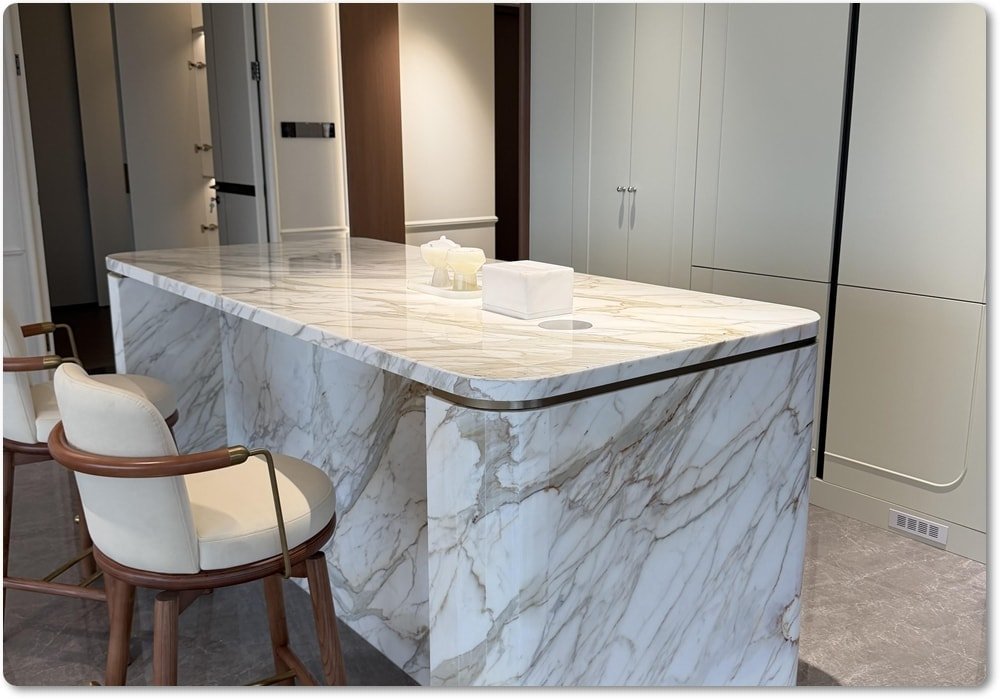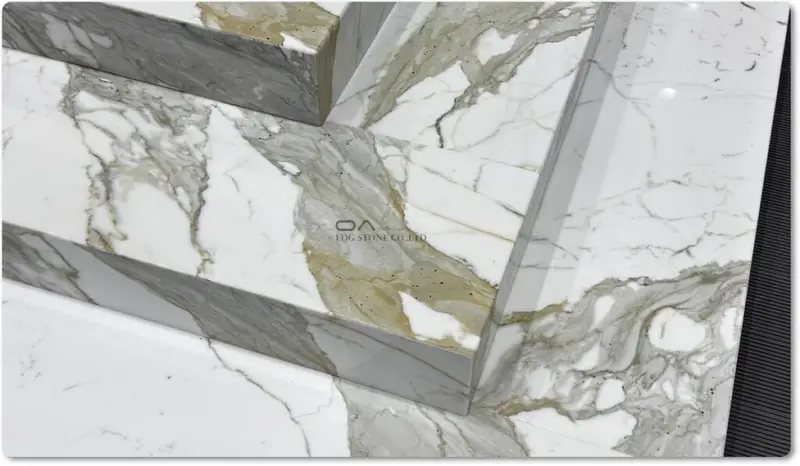
Quick Summary: The Hygiene Verdict
The Core Issue: In humid bathroom environments, high porosity allows for moisture absorption, creating a breeding ground for bacteria and mold. Low porosity is the single most important factor for hygiene.
- Quartz (Engineered Stone): Non-porous by design. Requires no sealing. Offers the highest antibacterial protection naturally. Ideal for high-traffic and commercial bathrooms.
- Granite (Natural Stone): Low porosity when properly polished and sealed. Contains natural density that resists bacteria but requires periodic maintenance.
- The EDG Stone Solution: Whether choosing granite or quartz for bathroom vanity projects, selecting high-density slabs from a reputable manufacturer ensures surfaces meet modern hygiene and easy-to-clean standards.
In the post-pandemic era, the definition of luxury in interior design has shifted. It is no longer just about aesthetics; it is about health, safety, and hygiene. The bathroom, a sanctuary of personal care, is also the area most susceptible to bacterial proliferation and humidity.
For homeowners, contractors, and wholesalers, the choice between granite and quartz often comes down to looks. However, the science of porosity should be the deciding factor. This guide dives deep into why low porosity is non-negotiable for hygiene and compares the two giants of the industry: Quartz bathroom countertops and Granite for bathroom vanity applications.
The Invisible Threat: Understanding Porosity and Bathroom Hygiene
To understand why EDG Stone emphasizes material density, one must first understand the microscopic threat.
What is Stone Porosity?
Porosity refers to the ratio of the volume of pores (empty spaces) to the total volume of the rock. In the context of bathroom countertops, porosity determines how much liquid the surface absorbs.
High Porosity: Sponges up water, cosmetics, and biological matter.
Low Porosity: Repels liquids, keeping them on the surface for easy cleaning.
The Correlation Between High Porosity and Bacterial Growth
A porous surface in a bathroom is a biological hazard. When water from a sink splashes onto a porous vanity, it seeps into the microscopic fissures.
Moisture Retention: The stone stays damp internally, even if dry on top.
Biofilm Formation: Bacteria like E. coli or Staphylococcus thrive in these damp micro-cavities.
Chemical Trapping: Cleaning agents are absorbed, potentially degrading the stone from the inside out.
Therefore, the easy-to-clean advantages of low-porosity stones are not just about convenience; they are about eliminating the habitat where pathogens survive.
Quartz Bathroom Countertops: The Engineered Fortress Against Bacteria
When asking, “Is quartz good for bathroom countertops?” the answer from a hygiene perspective is a resounding yes.
The Non-Porous Engineering Process
Quartz countertops are engineered surfaces, typically composed of 90-93% natural quartz crystals mixed with resins and pigments. The manufacturing process involves vibro-compression under vacuum. This removes air pockets, resulting in a virtually non-porous material.
Water Absorption Rate: Typically less than 0.05%.
Hygiene Benefit: Bacteria cannot penetrate the surface. They sit on top, waiting to be wiped away with mild soap and water.
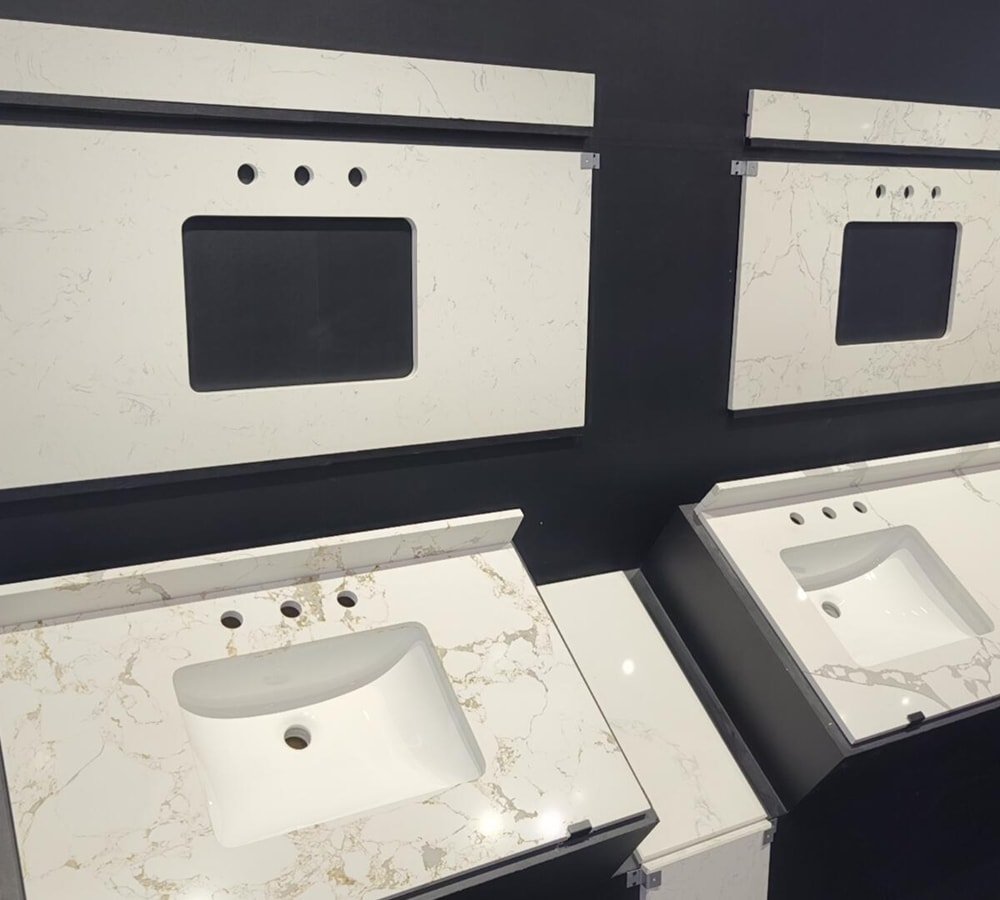
Quartz Bathroom Countertops with Sink Integration
A popular trend for 2025-2026 is the seamless integration of Quartz bathroom countertops with sink setups. Because quartz is man-made, EDG Stone can fabricate slabs that accommodate undermount sinks with precision. This eliminates the “lip” or grout line where dirt usually accumulates, further enhancing the antibacterial profile of the vanity.
Maintenance Reality
For commercial washrooms or busy family bathrooms, quartz is the “install and forget” option. It requires:
No sealing.
No waxing.
No special pH-balanced cleaners (though non-abrasive cleaners are recommended).
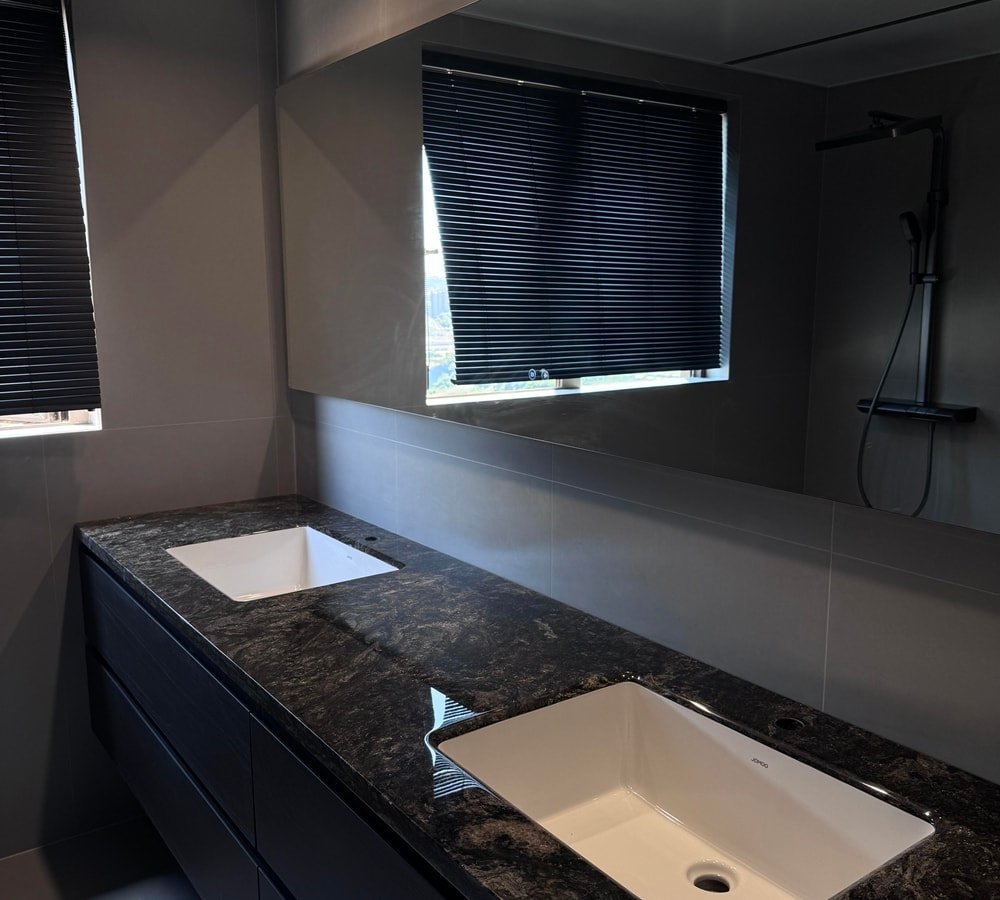
Granite for Bathroom Vanity: Natural Beauty with Modern Protection
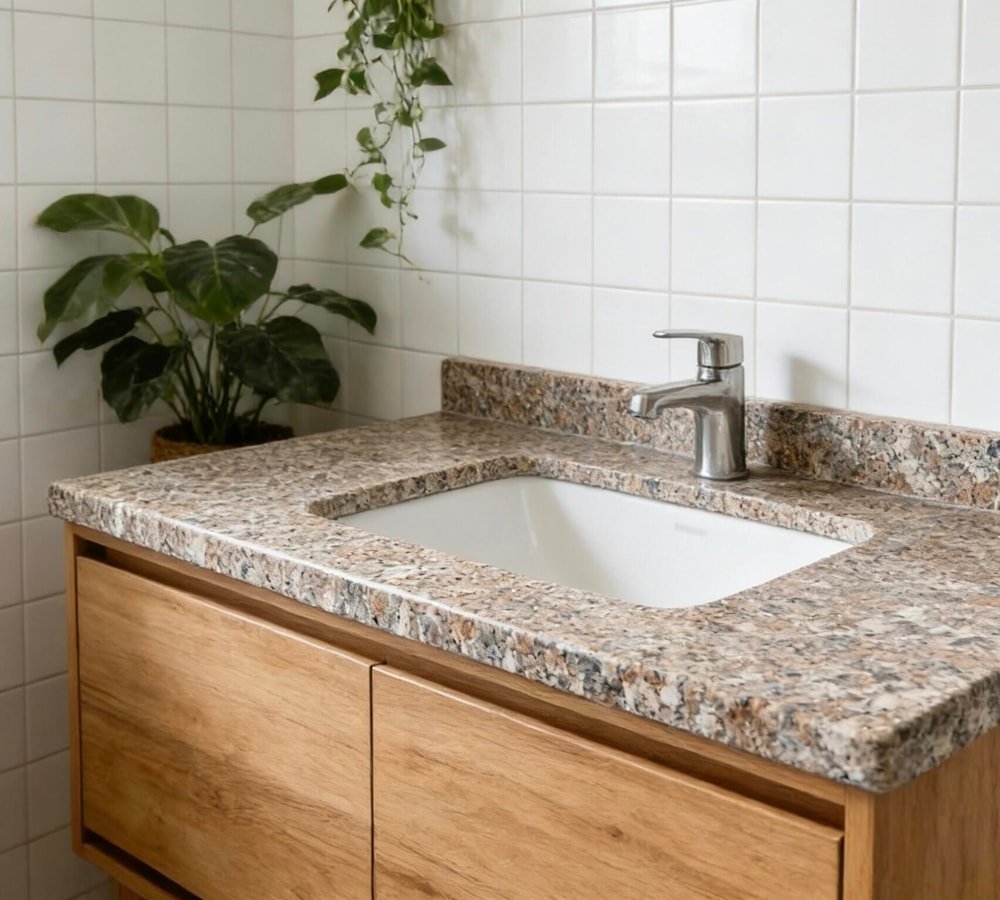
While quartz is engineered for hygiene, natural stone is not obsolete. Granite for bathroom vanity tops remains a top choice for those seeking unique aesthetics, provided it is treated correctly.
The Density of Igneous Rock
Granite is an igneous rock formed by cooling magma. High-quality granite typically has very low porosity compared to marble or limestone. While not “non-porous” like quartz, its density makes it naturally resistant to bacterial deep-seating.
Granite Bathroom Countertops with Sink: Managing the Porosity
The key to making granite an antibacterial powerhouse lies in sealing.
Impregnating Sealers: These penetrate the stone and fill the pores, preventing water and bacteria from entering.
Frequency: Unlike the myth that granite needs constant work, a quality sealant applied to a bathroom vanity (which sees less abrasion than a kitchen) can last 1-2 years.
When properly sealed, granite bathroom countertops with sink installations are incredibly hygienic and offer high heat resistance—perfect for hair styling tools.
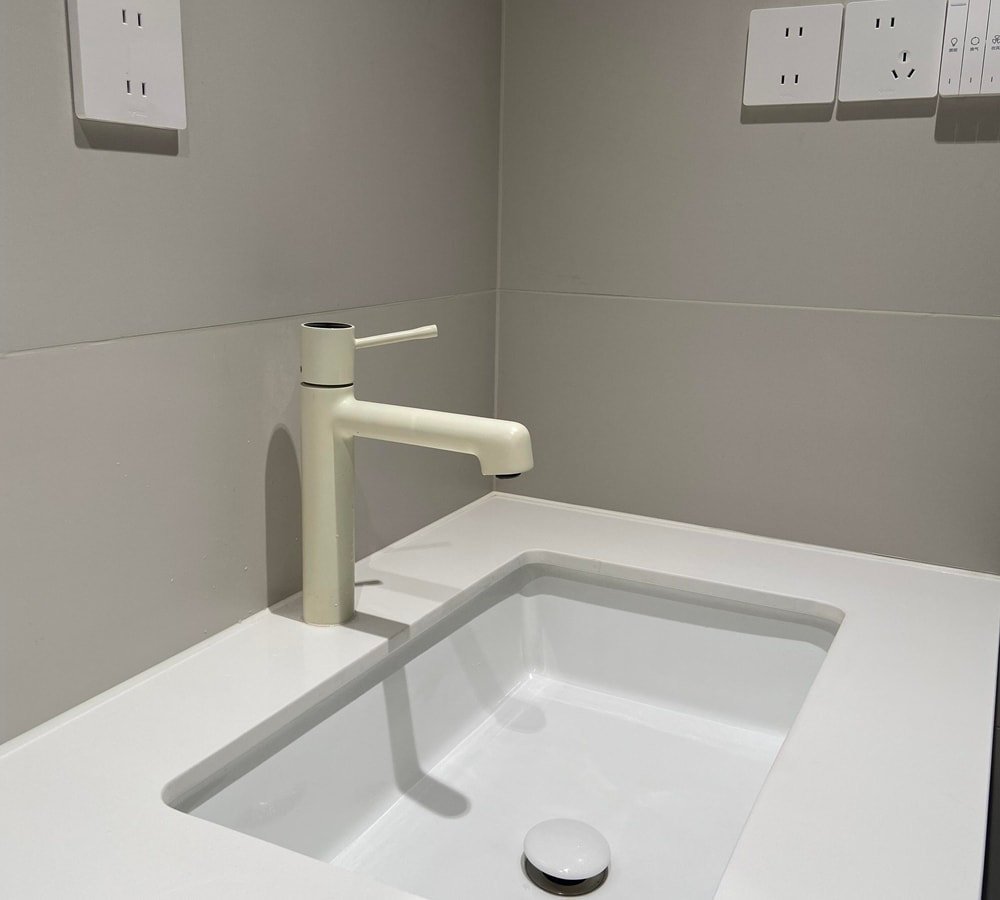
The Great Debate: Granite vs Quartz in Bathroom (Comprehensive Comparison)
Homeowners often ask: “Granite and quartz, which is better?” or wonder if they can use “granite and quartz inthe same kitchen or bathroom.” Here is the data-driven breakdown.
Performance Metrics Table
| Feature | Quartz (Engineered) | Granite (Natural) | Hygiene Winner |
| Porosity | Non-porous (<0.05% absorption) | Low Porosity (Requires Sealing) | Quartz |
| Antibacterial | Excellent (Naturally) | Good (Dependent on Sealant) | Quartz |
| Maintenance | Low (Wipe & Go) | Medium (Periodic Sealing) | Quartz |
| Heat Resistance | Moderate (Resins can scorch) | High (Volcanic origin) | Granite |
| Visuals | Uniform, Modern | Unique, Natural Patterns | Subjective |
| UV Resistance | Low (Can fade in direct sun) | High (Color stable) | Granite |
Quartz vs Granite Price: Analyzing Cost Effectiveness
The Quartz vs granite price debate is nuanced.
Entry Level: Low-tier granite is often cheaper than quartz.
Premium Level: Exotic granite is significantly more expensive than premium quartz.
Long-term Value: When factoring in maintenance costs (sealers, professional cleaning), quartz often presents a better ROI for commercial properties, while granite adds higher resale value to luxury residential homes due to its “natural” appeal.
Granite or Quartz for Bathroom Countertops?
Choose Quartz If: You prioritize absolute hygiene (e.g., kids’ bathrooms), want zero maintenance, or prefer a uniform, modern look.
Choose Granite If: You want a unique piece of art, use hot tools (curling irons) directly on the surface, and don’t mind wiping up spills quickly.
Sourcing and Installation: From Manufacturer to Home
For B2B buyers and developers, the source of the stone is as important as the material itself.
Choosing the Right Manufacturer: Why EDG Stone Matters?
Sourcing from a wholesale antibacterial bathroom vanity tops manufacturer like EDG Stone offers critical advantages:
Quality Control: Factory-direct purchasing ensures you get slabs with high resin quality (for quartz) or proper polishing (for granite), which directly impacts porosity.
Customization: Whether you need custom-cut granite vs quartz vanity tops, factory direct, manufacturers can precisely cut to minimize joints. Joints are the weakest link in hygiene; fewer joints mean fewer places for bacteria to hide.
Installation Best Practices for Hygiene
Seams: Use epoxy glues that are color-matched and antimicrobial.
Backsplashes: Ensure a tight silicone seal between the countertop and the wall/backsplash to prevent water from seeping behind the vanity.
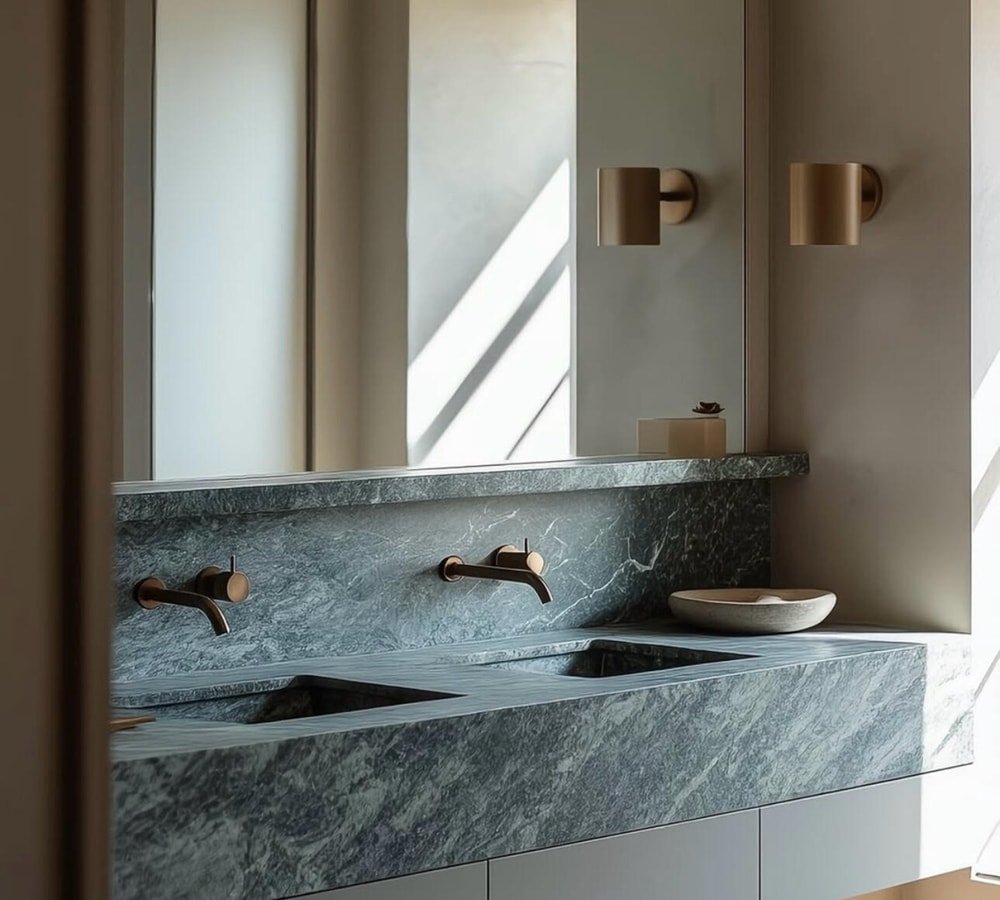
Future Trends & Regulations: The Shift to Sustainable, Low-Silica Surfaces
The industry is rapidly evolving, driven by health regulations and sustainability goals.
New Industry Standards (OSHA & Global Regulations)
Recent years have seen increased scrutiny on high-silica content in engineered stones due to worker safety (silicosis risks during cutting).
The Shift: Leading manufacturers are moving toward Low-Silica Quartz and using recycled mineral blends.
EDG Stone Compliance: We are at the forefront of adopting sustainable manufacturing practices that protect workers and result in safer, eco-friendly products for the end consumer.
The “Hygiene-First” Bathroom Design
Future trends predict a rise in “Health & Wellness” bathrooms. This implies a move toward:
Granite and quartz surfaces with integrated antimicrobial technologies (silver ion infusions in quartz).
Matte finishes, which, contrary to popular belief, can hide water spots better but require high-quality fabrication to remain easy to clean.
RFQ:
1. Is quartz or granite better for a high-moisture bathroom?
Quartz is generally better for high-moisture environments because it is non-porous and does not require sealing. Water sits on the surface and evaporates or is wiped away, whereas granite requires a proper seal to prevent moisture absorption and potential mold growth.
2. Can I use bleach to clean quartz bathroom countertops for hygiene?
No, you should avoid using harsh chemicals like bleach on quartz. While quartz is durable, high-pH chemicals can damage the resin bonds over time, making the surface dull and potentially more susceptible to staining. Mild soap and warm water are sufficient for antibacterial cleaning.
3. How often should I seal granite bathroom vanity tops?
For a bathroom vanity, which sees less wear than a kitchen counter, you should seal granite once every 12 to 18 months. You can test if it needs sealing by pouring a few drops of water on it; if the stone darkens or absorbs the water within a few minutes, it is time to reseal.
4. Why is there a price difference between quartz and granite?
The Quartz vs granite price difference depends on rarity and manufacturing. Granite prices fluctuate based on the quarry’s location and the stone’s rarity (Exotic vs. Commodity). Quartz pricing is more stable but varies based on brand, design complexity (veining technologies), and resin quality.
5. Can I have granite and quartz in the same bathroom design?
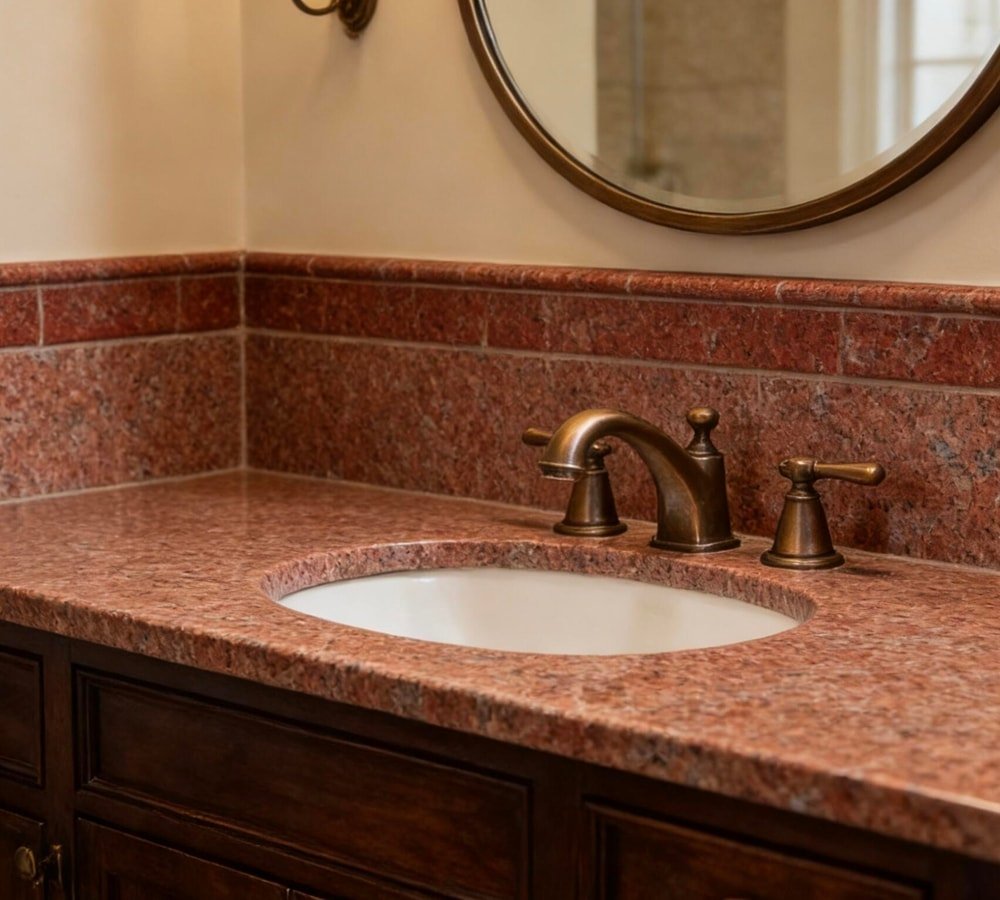
Yes, mixing materials is a growing trend. Designers often use granite and quartz in the same bathroom by utilizing a patterned granite for the vanity top (the focal point) and a solid-color quartz for the shower threshold, niches, or window sills to ensure maximum waterproofing in wet zones.
🔍 Insights: Choosing Low Porosity for Modern Bathrooms
Why This Matters? (Context)
The bathroom vanity is a high-risk zone for bacterial cross-contamination. Selecting a countertop material is a health decision, not just a design choice. Low porosity is the primary metric for ensuring a hygienic environment.
Comparison (Option Analysis)
- Quartz: Best for Maximum Hygiene and Low Maintenance. It is manufactured to be impervious to moisture without human intervention.
- Granite: Best for Heat Resistance and Unique Aesthetics. It offers adequate hygiene only when a rigorous sealing schedule is maintained.
Strategic Advice (Buying & Installation)
For B2B wholesalers and homeowners, sourcing from a manufacturer like EDG Stone ensures access to premium-density slabs. Factory-direct sourcing allows for custom cutting that minimizes seams—the “weak points” in bathroom hygiene.
Future Outlook
Expect stricter regulations on silica content in engineered stone (Quartz). The market is shifting towards sustainable, recycled-content surfaces that maintain low porosity while meeting global safety standards (OSHA/EU).
References
Natural Stone Institute (MIA+BSI): Technical modules on stone porosity and absorption rates.
NSF International: Standards for splash zones and non-porous food equipment materials (Standard 51).
Consumer Reports: Comparative testing on countertop durability and stain resistance.
Centers for Disease Control and Prevention (CDC): Guidelines for environmental infection control in healthcare facilities (surfaces section).
Houzz & NKBA (National Kitchen + Bath Association): 2025/2026 Bathroom Design Trends Reports.
Geological Society of America: Petrological definitions of igneous rock density.
Occupational Safety and Health Administration (OSHA): Silica standards for engineered stone fabrication.
ASTM International: Standard Test Methods for Absorption and Bulk Specific Gravity of Dimension Stone.