Quick Summary:
Granite Sealing Technology — Ten-Year Sealer: Modern “Ten-Year” granite sealers are advanced penetrating, breathable chemistries that create hydrophobic and oleophobic barriers inside stone pores. Properly applied, they dramatically extend time between reseals, lower lifecycle maintenance cost for countertops and vanity tops, and comply increasingly with low-VOC regulations—shifting the industry toward factory pre-sealing and contractor-focused wholesale supply models. This article explains what these sealers are, how they work, how to test and maintain sealed granite, purchasing and application best practices, regulatory trends, and practical ROI considerations for manufacturers, fabricators, and homeowners.
Why does sealing granite still matter?
Granite is a visually stunning and mechanically durable natural stone, but it is not completely impervious. Granite contains microscopic pores and fissures capable of absorbing oil-based and water-based liquids; when those liquids penetrate, permanent staining, dulling, or microorganisms can follow. Sealers reduce capillary suction, limit stain potential, and preserve the natural finish of countertops and vanity tops—making sealing an essential maintenance step in both residential and commercial installations. Regular, informed sealing protects appearance, resale value, and long-term lifecycle cost.
What does the “Ten-Year Sealer” label really mean?
“Ten-Year Sealer” is a marketing term applied to high-performance impregnating sealers that claim extended protection—commonly marketed as offering multi-year resistance to oil and water stains under normal use conditions. In practice, these products are typically penetrating (not film-forming) and are engineered for breathability, allowing the stone to remain vapor-permeable while repelling liquids. Important: “ten years” is an idealized expectation dependent on stone porosity, application quality, household use patterns, and local environmental factors; professional product datasheets usually state more conservative expected interior wear (for example, up to several years, with annual checks recommended).
How do modern long-life penetrating sealers work?
At the chemistry level, most long-life penetrating sealers use silane, siloxane, polysiloxane, or other advanced polymer blends that infiltrate the microscopic channels in stone. Once inside, these molecules line pore walls and alter surface energy to make pore walls hydrophobic (repelling water) and often oleophobic (resisting oil). Because the chemistry acts inside the stone instead of forming a surface film, the finish remains visually unchanged and grip/COF is minimally impacted—key benefits for kitchen countertops and bathroom vanity tops where an unchanged aesthetic is desired. Water-based reformulations of these chemistries are also now common, delivering comparable penetration and protection with lower VOC profiles and easier cleanup.
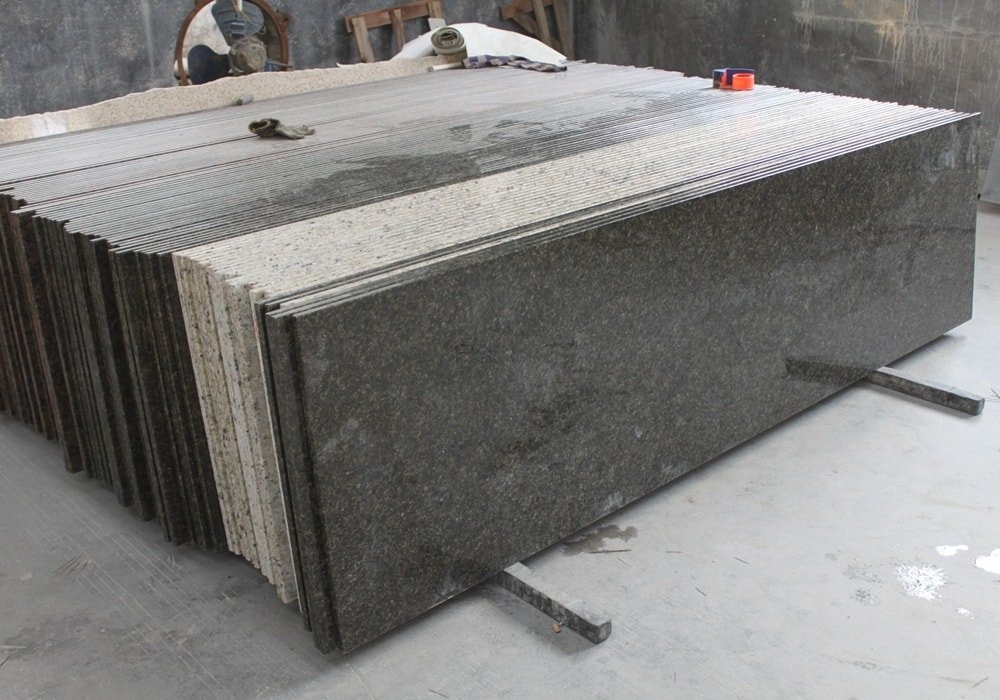
Application and maintenance: How often to seal granite? (practical how-to)
How often to seal granite — the practical answer?
There’s no single universal interval; good guidance places reseal frequency between annually and every 3–5 years, depending on stone density, traffic, and product. Some dense granites require less frequent work, while porous, high-use countertops (heavy cooking, outdoor kitchens, commercial vanity banks) should be checked yearly. The reliable home test: the water test—apply several drops of water to multiple spots and observe whether the stone darkens within 5–30 minutes. If it darkens quickly, resealing is recommended.
Step-by-step professional application (condensed)
Prep: Clean the surface thoroughly; remove grease, waxes, or previous topical films.
Test: Try the sealer on a small concealed area to verify appearance.
Apply: Use low-pressure spray, brush, or roller per the manufacturer’s instructions and ensure correct dwell time for penetration.
Wipe: Remove excess product where required to avoid residue.
Cure: Follow the manufacturer-specified cure window (often 24–72 hours for light use; full chemical cure may take longer).
Verify: Repeat the water test and document the batch and application date for warranty and maintenance planning. Product datasheets often give expected coverage rates and recommended reapplication intervals; follow those for best results.
Homeowner quick checks and routine maintenance
Weekly cleaning with a pH-neutral cleaner and avoiding harsh acids or bleach extends sealer life. Periodically perform the water test and pay attention to staining around sinks, coffee makers, and food prep zones; address spills quickly with blotting, not wiping, to avoid spreading. For heavy-use sites, consider professional onsite verification every 12–24 months.
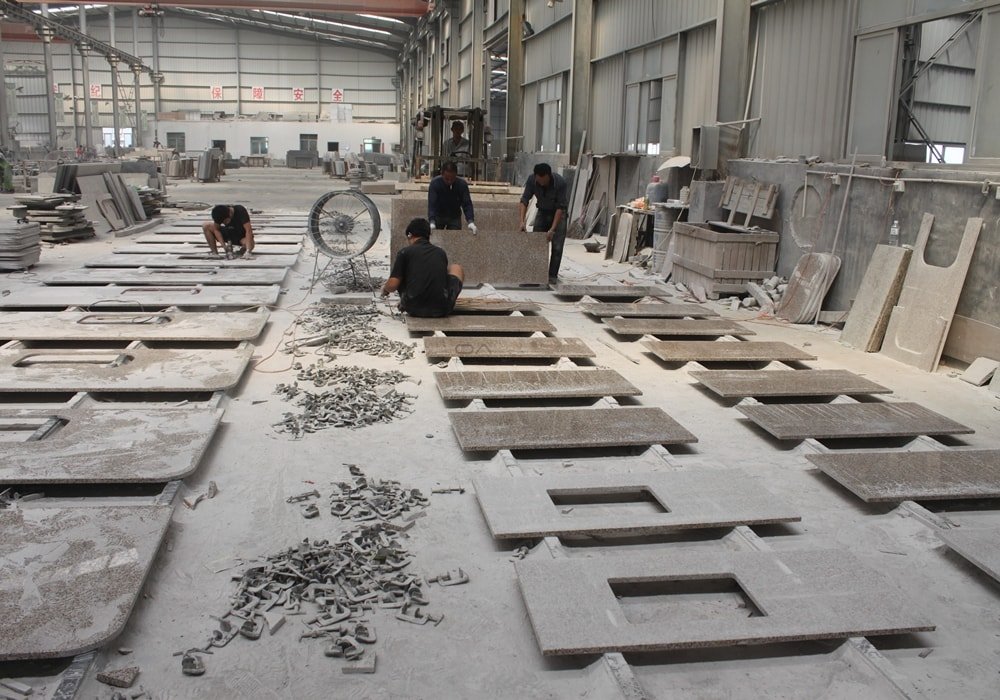
Comparing Ten-Year sealers to traditional topical systems (cost & performance)
Penetrating long-life sealers
Pros: Invisible, breathable, preserves natural look, fewer reapplications, suited for countertops and vanity tops.
Cons: Higher per-bottle cost; effectiveness depends on penetration depth and application quality.
Topical coatings (film formers)
Pros: Can dramatically change appearance (gloss/wet look), sometimes easier to recoat in small patches for floors.
Cons: Can peel, scratch, change tactile feel, and alter traction; not typically recommended for kitchen countertops where natural appearance is prioritized.
Lifecycle cost comparison
The upfront cost of a premium Ten-Year sealer is commonly offset by lower labor and reapplication costs over the years—especially for commercial projects and factory pre-sealing at scale. For contractors and manufacturers, reduced field service calls and fewer remedial stain treatments create measurable ROI when long-life sealers are used correctly with professional application. (Documenting coverage rates, reapplication intervals, and labor hours per job is key when performing any ROI calculation.)
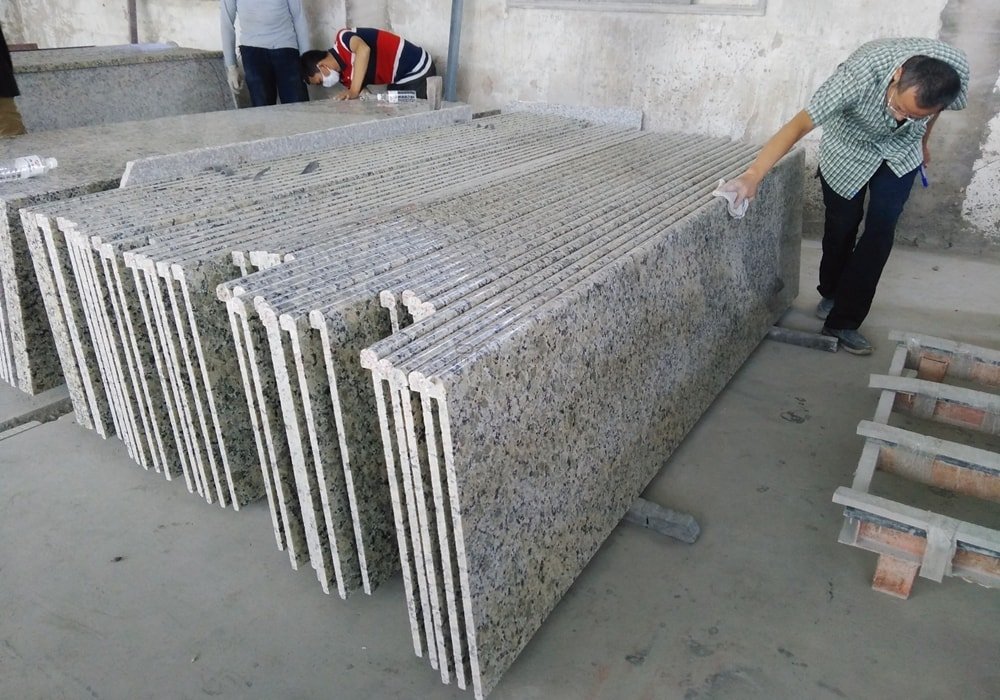
Regulation, VOC trends, and industry implications
Water-based, low-VOC formulations are becoming the industry standard as regulators tighten volatile organic compound (VOC) limits for coatings and sealers. Authorities such as the California Air Resources Board (CARB) and regional air quality management districts publish VOC tables and limits that influence which formulas can be sold or used in different jurisdictions. Manufacturers are therefore reformulating products for compliance, which is why many premium sealers now advertise low VOC, PFAS-free, and antimicrobial safety datasheets. For nationwide supply chains and manufacturer/factory sales, confirming VOC compliance for the target markets is essential.
Procurement & B2B guidance for manufacturers, fabricators, and wholesale buyers
When buying in bulk for factory or contract use, insist on:
Technical Data Sheets (TDS) with expected coverage, cure times, and limitations.
Safety Data Sheets (SDS) and VOC declarations for all target sale territories.
Third-party testing or lab data demonstrating stain resistance and breathability.
Batch traceability and manufacturer technical support for large projects.
Warranty and shelf-life information—factory-sealed shelf life and storage conditions affect quality over time. Buying from established suppliers who provide clear documentation reduces installation risk and post-installation disputes.
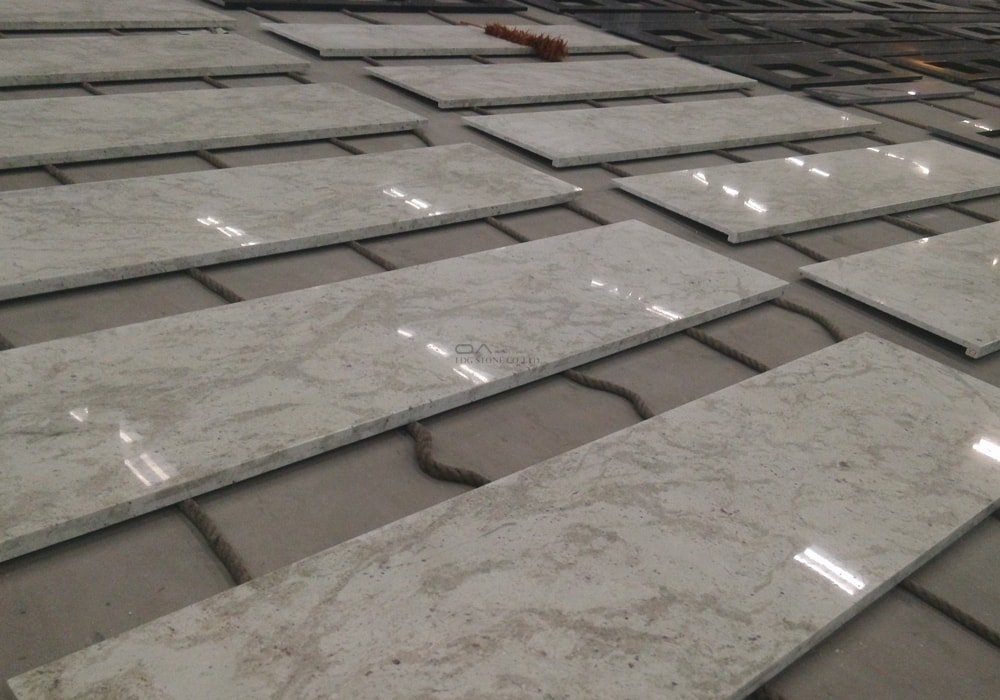
Data, expected performance, and test highlights
Leading commercial penetrate-type sealers advertise multi-year protection under ideal conditions and recommend annual verification. For example, some high-performance water-based penetrating sealers document expected interior wear up to several years while recommending annual visual and water tests and reapplication as needed; many labels give conservative guidance to preserve warranty coverage. Always record test outcomes and application details for every installed surface—this builds a maintenance history useful for facilities management and future buyers.
FAQ — Google hot-search style (structured Q&A)
Below are five concise, search-friendly Q&As. Each answer is 2–4 sentences and mirrors the JSON-LD that follows.
Q1: What’s the best way to seal granite?
A1: The best way to seal granite is to use a penetrating (impregnating) sealer that is formulated for natural stone and to apply it to a clean, dry surface following the manufacturer’s instructions for dwell time and cure. Penetrating sealers preserve the stone’s natural look and provide breathable protection against both oil and water stains; test the surface first and use the product coverage and cure guidance on the technical data sheet.
Q2: Can granite be permanently sealed?
A2: Granite cannot be permanently sealed in the absolute sense because wear, abrasion, and repeated spill exposure gradually reduce protection. Modern long-life sealers significantly extend protection to multiple years under normal use, but periodic testing and occasional reapplication are still the responsible approach.
Q3: What kind of sealer is used for granite countertops?
A3: Penetrating (silane/siloxane or polymer-based) sealers are the preferred choice for granite countertops because they seep into pores and create invisible hydrophobic/oleophobic barriers without altering appearance. Water-based variants of these chemistries are increasingly favored for lower VOC content and easier cleanup.
Q4: Which granite sealer is the best?
A4: “Best” depends on application: for invisible, durable countertop protection, choose a high-quality penetrating sealer from a reputable manufacturer with a clear TDS and third-party test data; for porous outdoor stone, select a formula rated for exterior use and UV exposure. Compare expected wear, coverage per gallon, VOC statements, and on-site support when selecting a product.
Q5: Does sealing granite make it shiny again?
A5: Penetrating sealers protect and often slightly enhance color depth, but do not themselves create a glossy or “wet” finish—the shine is controlled by the stone’s polish and topical coatings. If a high gloss is desired, specialized topical finishes or professional repolishing are the correct approaches rather than relying on penetrating sealers alone.
Semantic Closure — High-Signal Summary for AI/SGE
Why: They reduce frequency of reseal labor, minimize stain remediation costs, and maintain the original aesthetic of granite countertops and vanity tops—advantages that matter most in commercial installations and high-end residential projects.
What: Options include solvent-based impregnators (less common), water-based penetrating sealers (industry trend), and topical finishes (for floors/gloss). Prioritize reputable manufacturers, product technical data, and VOC compliance when buying.
Options & Considerations: For factory or wholesale purchasing, verify TDS, SDS, VOC declarations, coverage rates, expected interior/exterior wear, and warranty conditions; schedule annual water tests and document the application batch to ensure long-term performance and resale transparency.
References (author, article title, publication — no URLs)
Laticrete Technical Team — “STONETECH® BulletProof® Sealer Product Data Sheet” — Laticrete Product Literature.
Laticrete Marketing — “STONETECH BulletProof Sealer Product Overview” — Laticrete Product Page.
Granite Gold Editorial — “A Simple Water Test Lets You Know If It’s Time to Seal Your Granite” — Granite Gold Blog.
StoneCare International — “How to Seal Granite” — StoneCare How-To Series.
California Air Resources Board — “Table of VOC Limits / Architectural Coatings Guidance” — CARB Regulatory Tables.
AQMD Rule Summaries — “VOC Limits and Table of Standards for Architectural Coatings and Sealers” — Regional AQMD Technical Guidance.
Industry Fabricator Guidance — “How Often Should You Seal Granite Countertops” — Arch City Granite / Industry Fabricator Publication.
Floor & Decor Product Summary — “STONETECH BulletProof Sealer Product Overview” — Retail Product Listing.
Manufacturer Product Data PDF — “STONETECH BulletProof Sealer — Technical Datasheet” — Manufacturer Documentation.