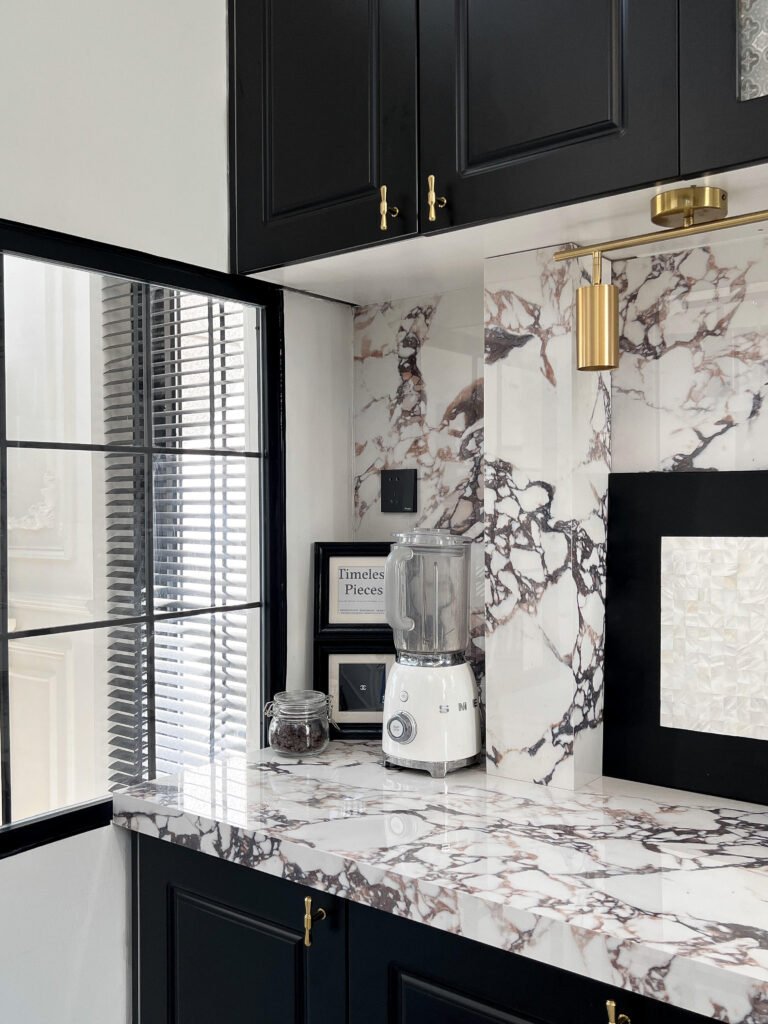
Introduction: What does “absolute zero porosity” mean for modern surfaces?
Porosity is the measure of how much void space a material contains and how easily liquids or gases can penetrate a surface. When manufacturers and material scientists describe sintered stone as having “absolute zero porosity,” they are describing a practical outcome: an engineered surface with water absorption so low that it is effectively non-absorptive in everyday use. That near-zero water absorption prevents staining and prevents liquids from creating reservoirs where microbes or mould might live — a decisive benefit for hygienic applications such as kitchens, food prep spaces, hospitals, and public areas.
Manufacturing science: How sintered stone achieves near-zero porosity?
Sintered stone is produced from a carefully formulated blend of natural minerals — often quartz, feldspar, kaolin, and specially selected pigments and oxides — that are dry-mixed into a powder. The mixed powder is then formed into slabs by extreme compaction (high hydraulic pressure) and subjected to a controlled sintering cycle at high temperature. The sintering process bonds particles at the molecular level without melting, forming an extremely dense, homogeneous body with very low open porosity. The result is a full-body panel with stable physical properties through the thickness rather than just a thin surface layer.
Key production controls that drive low porosity include raw material grading, powder homogeneity, compaction pressure, sintering peak temperature, dwell time, and post-processing densification and finishing. Modern industrial sintered stone lines achieve consistent results at scale, delivering slabs in large formats and a variety of thicknesses for different applications.
Quality metrics used in specification and testing commonly include water absorption (ISO 10545-3 or equivalent), flexural strength, abrasion resistance, and linear thermal expansion. Manufacturers typically publish these metrics in technical datasheets for architects, fabricators, and buyers.

Performance compared: Sintered stone vs quartz vs porcelain
Sintered stone, engineered quartz, and glazed porcelain tile are all popular low-maintenance surfacing materials — but they differ materially in manufacture, structure,e and field performance.
Water absorption and porosity: Sintered stone products commonly declare water absorption at or below 0.1% (many tested products show values well below 0.1%), making them effectively non-absorbent in everyday exposure. Engineered quartz is manufactured as a resin-bonded composite — also with very low absorption — while glazed porcelain similarly shows low water absorption,n though manufacturing formats and backing systems vary. The practical takeawaySintereded stone’s full-body dense nature, plus large, consistent slab formats, produce a near-zero porosity surface and predictable hydrophobic behavior.
Mechanical performance: Sintered stone slabs are highly resistant to abrasion, scratching, and impact relative to quartz and many porcelains, especially in thicker architectural panels. Flexural strength and compressive strength for purpose-made sintered stone slabs are engineered to perform in both horizontal (countertop) and vertical (façade/panel) uses.
Thermal and UV stability: Because sintered stone is a mineral, high-temperature processed material without organic resins, it resists UV-induced fading and has superior thermal resistance to direct heat exposure (e.g., hot pans) compared to resin-based quartz, which can experience thermal damage or discoloration if exposed to extreme heat.
Application fit: Choose sintered stone when you need: very large slabs, high UV and heat stability, hygienic non-porous surfaces, or façade panels that can be integrated into ventilated and tested assemblies. Quartz remains a cost-effective option for many indoor countertops; porcelain is a great choice where ultra-thin,n lightweight cladding is critical.

Absolute stain resistance & hygienic properties: science + lab data
The near-zero porosity of sintered stone means that everyday staining liquids — coffee, red wine, oil, acidic foods, cosmetic products — remain on the surface and can be wiped away without penetrating the body of the material. Laboratory resistance tests and manufacturer stain testing typically demonstrate that common household stains fail to produce permanent discoloration when removed with standard cleaning procedures.
From a hygiene perspective, low porosity minimizes micro-niches where bacteria and fungi can colonize. Non-absorptive surfaces are easier to disinfect because cleaning agents and sanitizers work on the surface rather than needing to penetrate pores to reach contaminants. For food service, healthcare, and high-traffic public interiors, this is a significant advantage that reduces infection vectors and long-term maintenance burdens.
Recommended maintenance: routine cleaning with neutral detergents, prompt removal of acidic or strongly pigmented substances, and avoiding harsh abrasive treatments that could damage polished finishes. Many manufacturers provide specific cleaning and disinfection guidelines that maintain both the hygienic integrity and the surface aesthetic.

Sintered stone for façades & wall panels: codes, safety, and tested assemblies
Sintered stone panels are increasingly specified in ventilated façades and curtain wall systems, but high-rise façade applications require careful compliance with local and national fire safety regulations. Authorities in many jurisdictions now restrict combustible cladding on buildings above defined heights and require either non-combustible material or fully tested assemblies that meet vertical and horizontal flame propagation test standards (for example, NFPA 285 in the U.S., BS 8414 results, and the UK’s Approved Document B considerations).
Reputable sintered stone manufacturers and façade system providers typically provide full-assembly test reports or declarations of performance showing compliance in designated tested systems. These documented test results — conducted by accredited labs under NFPA, BS, or EN test regimes — are essential to satisfy designers, building control authorities, and insurers. The industry has mobilized around full-assembly testing routes to ensure that large-format sintered panels can be used safely with ventilated cladding systems when properly specified and installed.
Design & fabrication: countertops, dining tables, furniture, and cladding best practices
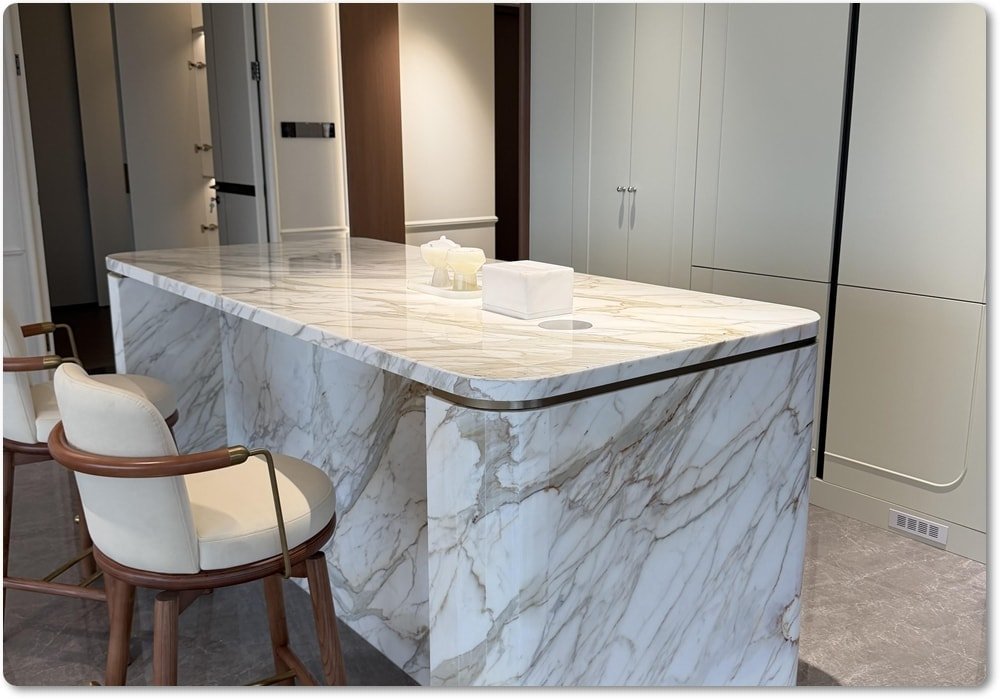
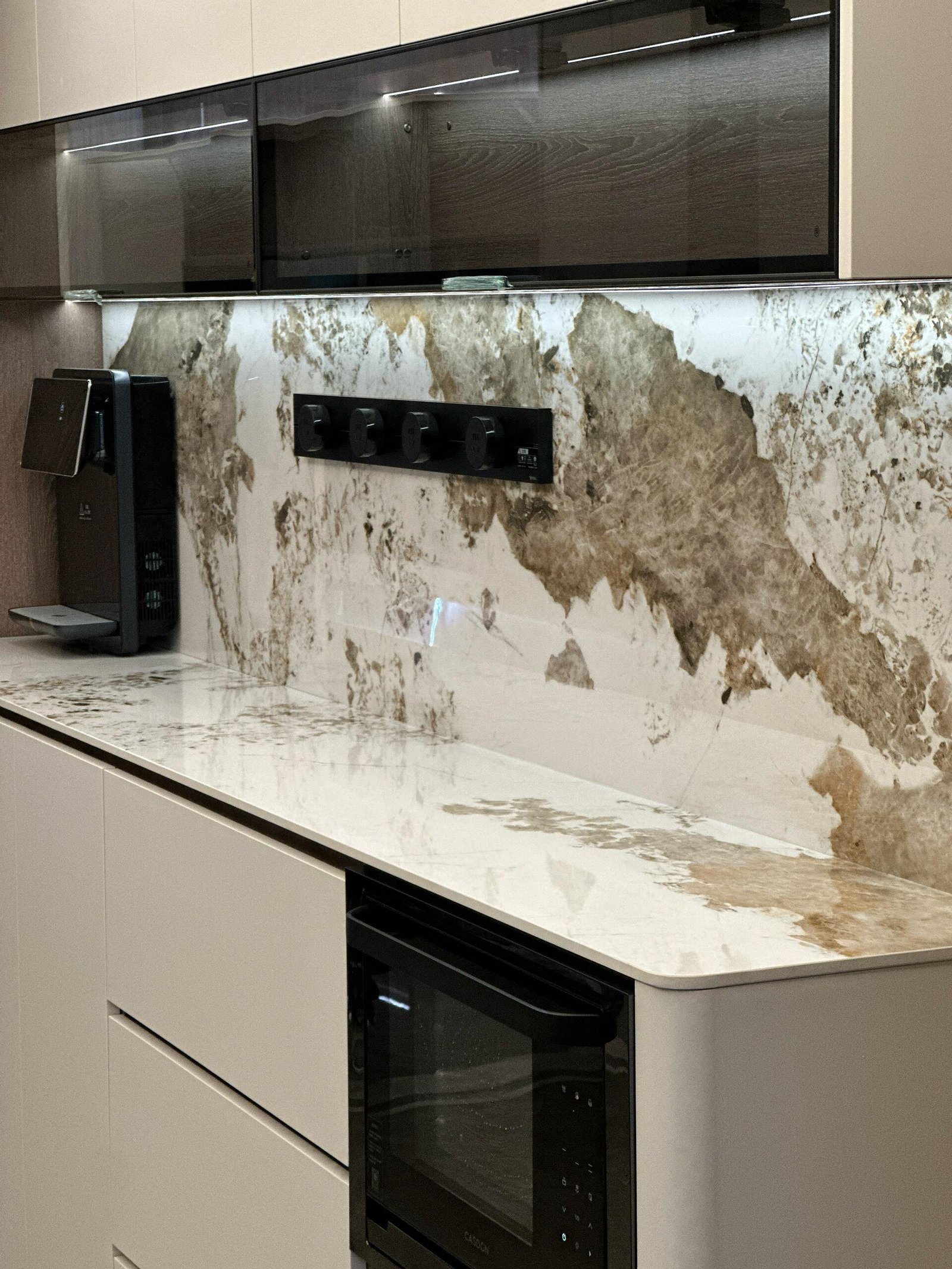
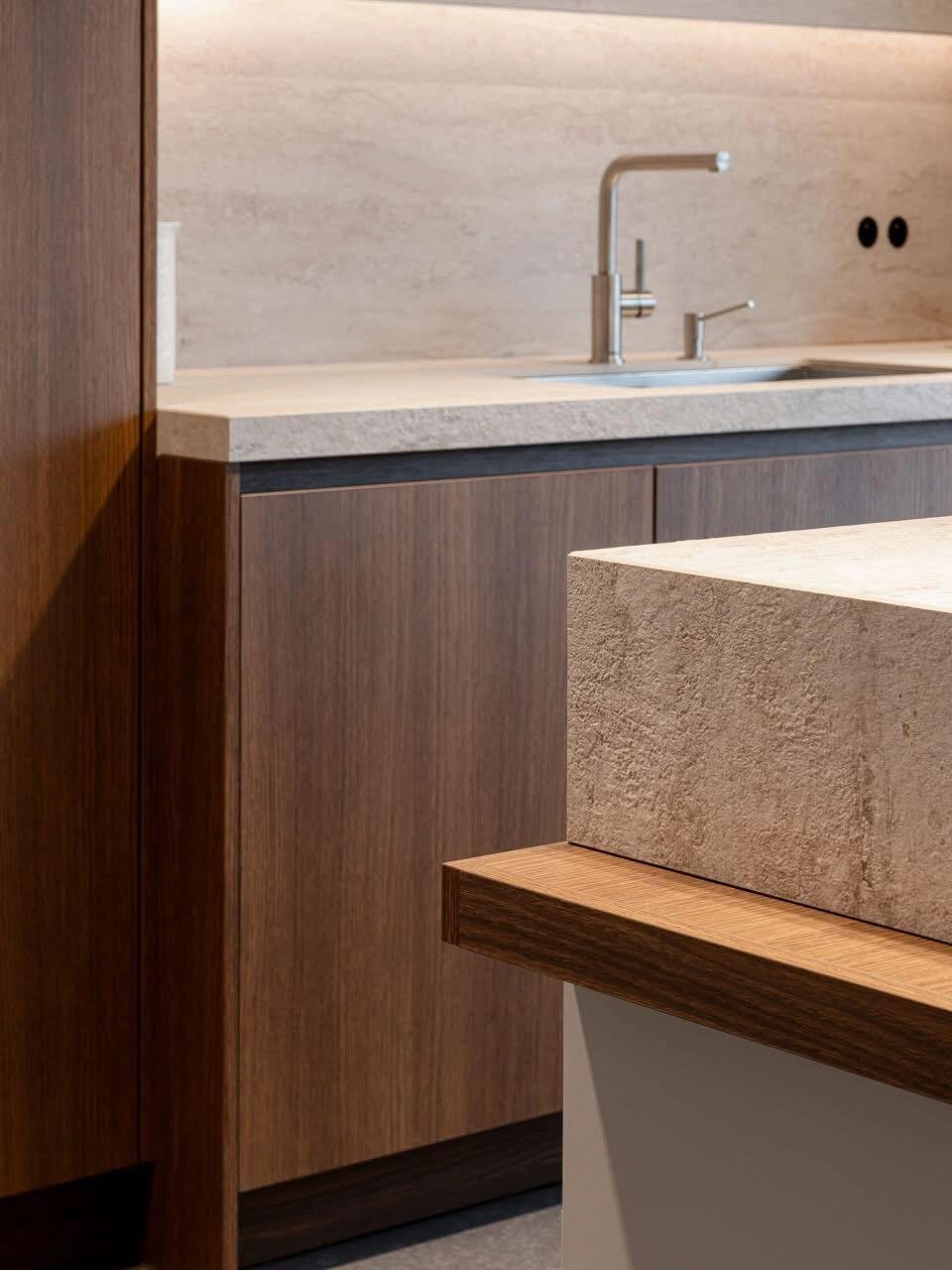
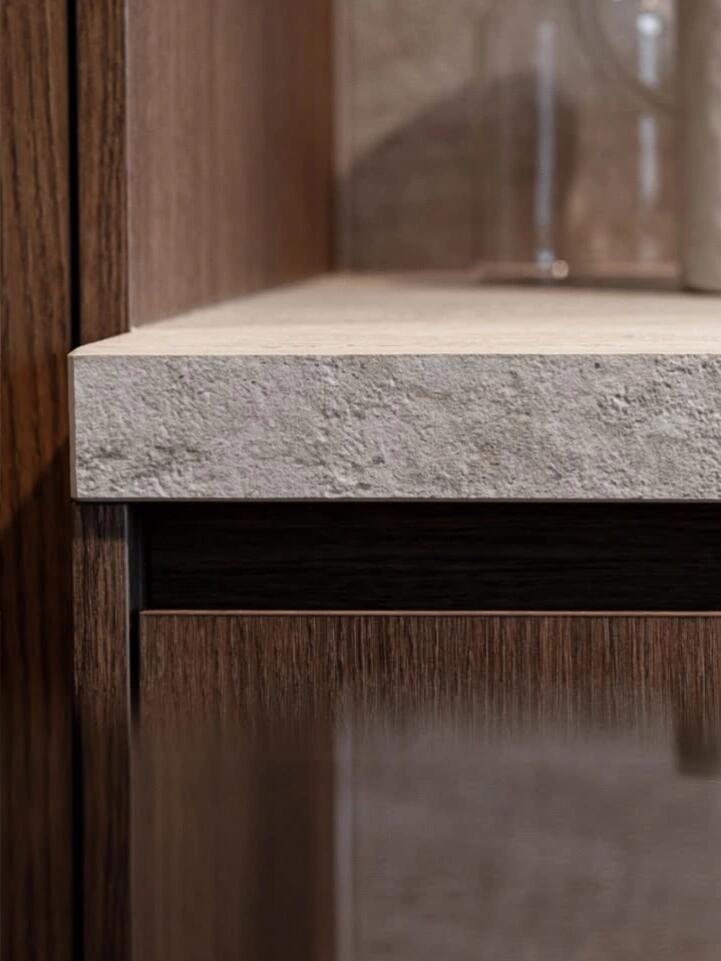
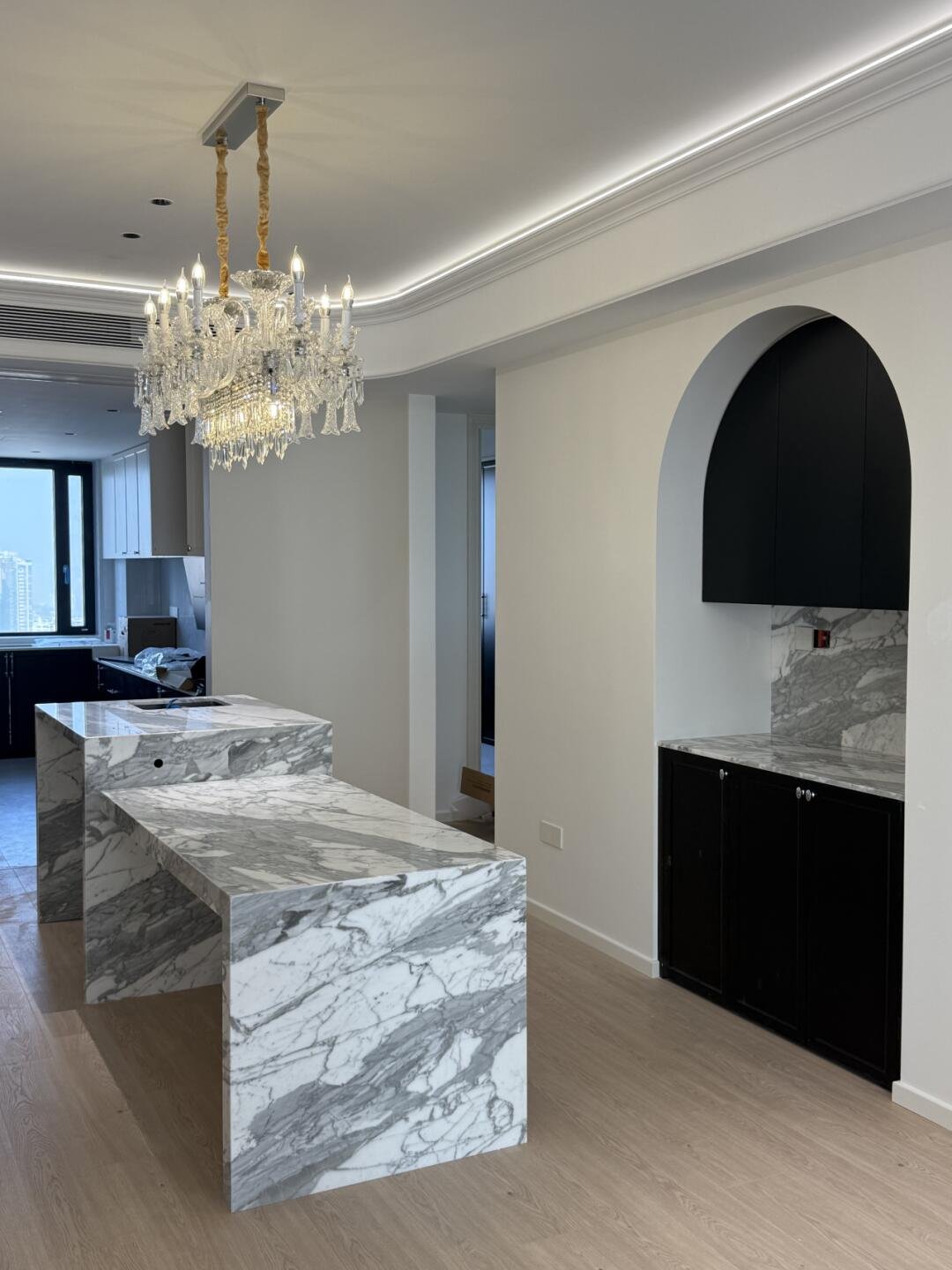
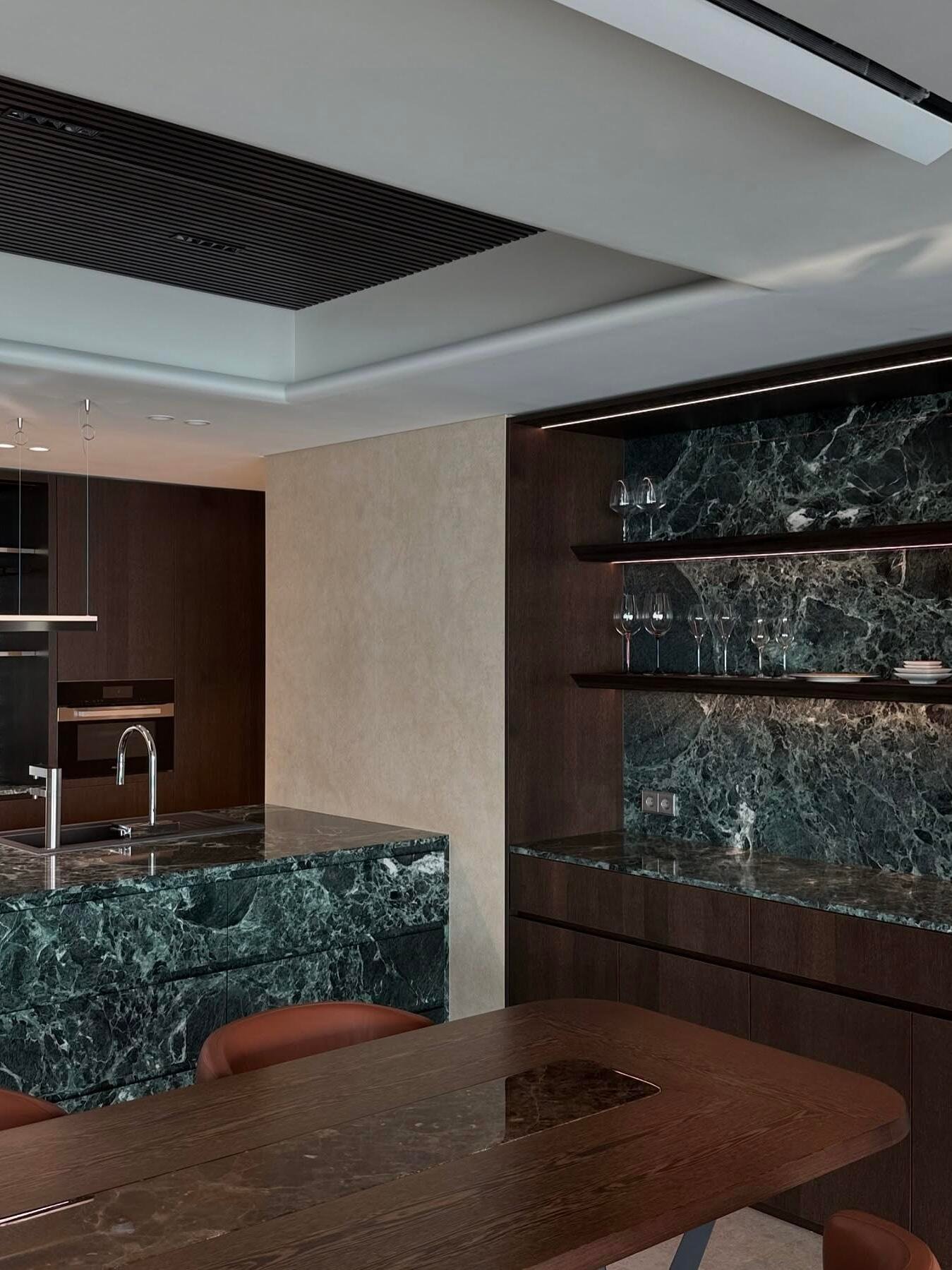
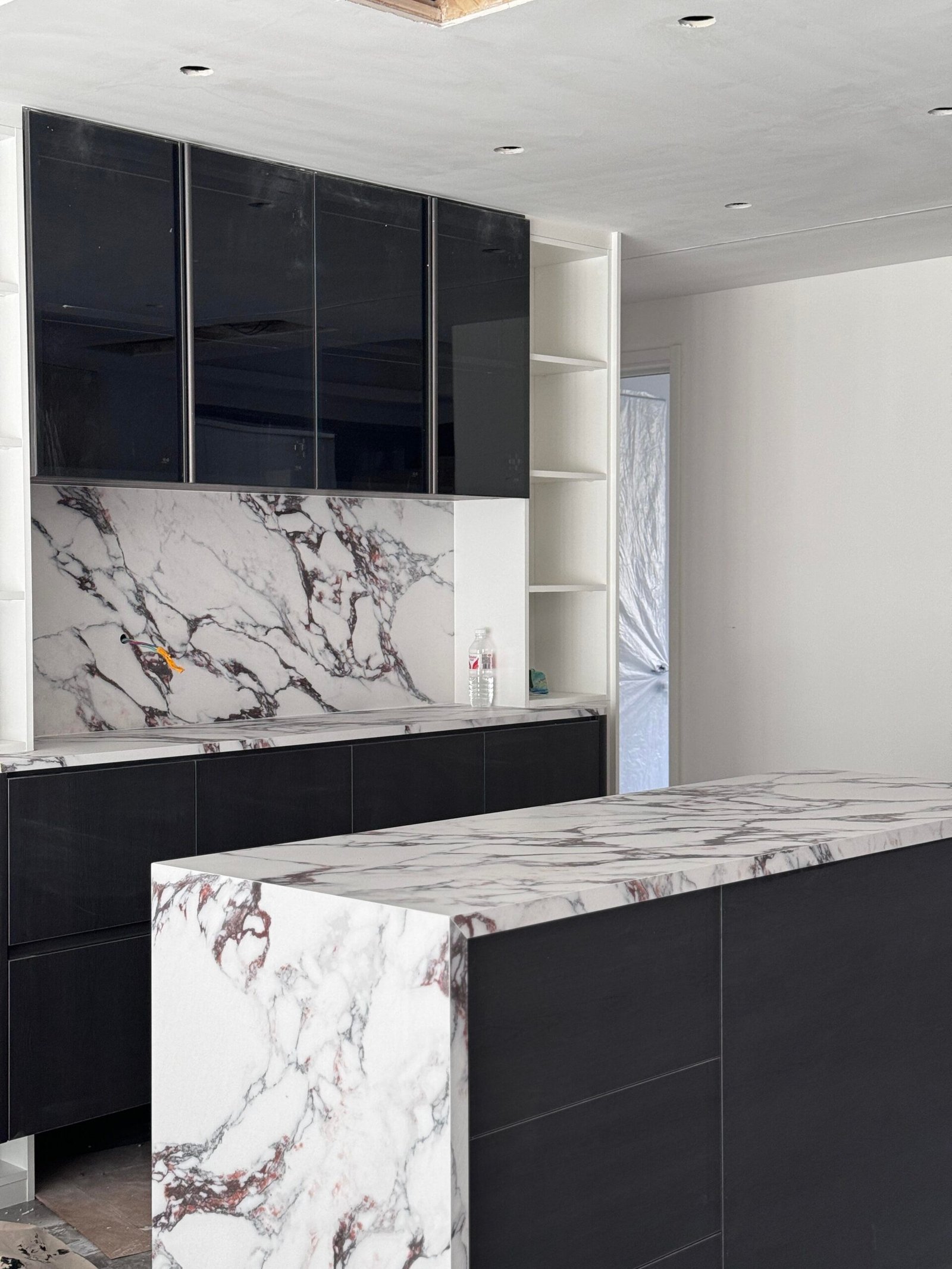
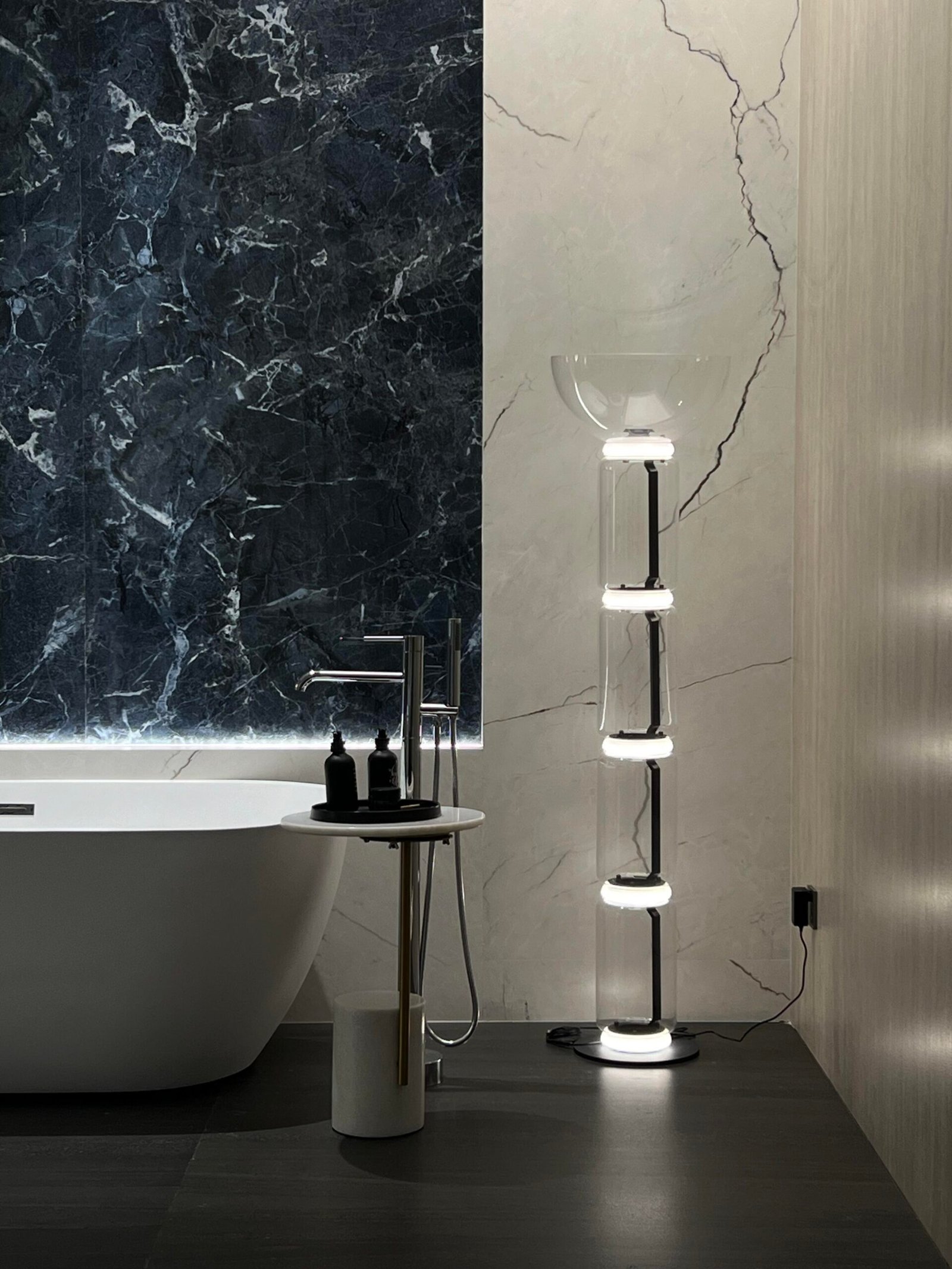
Sintered stone is versatile: slabs can be fabricated into kitchen countertops, waterfall islands, bespoke dining tables, bathroom vanities, wall panels, and external cladding. Fabrication best practices include:
Using certified diamond tooling and water-cooled cutting to avoid microfracture at cut edges.
Specifying reinforced backing or mechanical fixing for large thin panels used vertically.
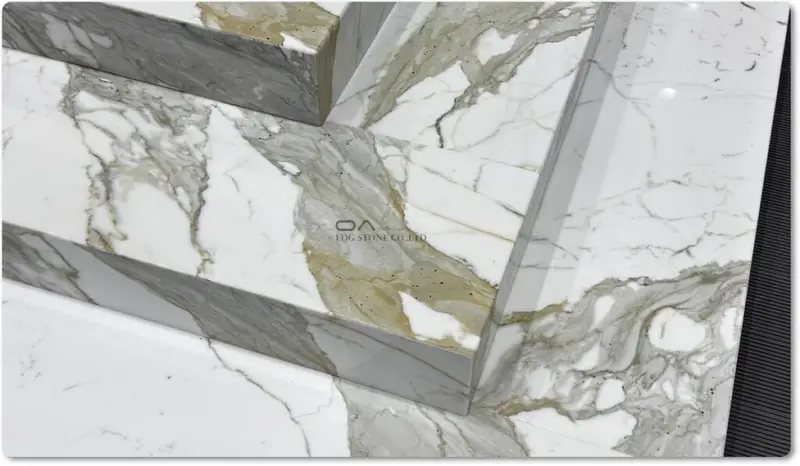
Employing engineered adhesives and edge bonding for structural cutouts (sinks, hobs) and for bookmatched joins.
Planning transport and handling for large slabs — larger formats reduce seams but increase logistical complexity.
For dining tables, the material’s heat, stain, and scratch resistance make it an exceptional choice for long-lasting, low-maintenance furniture. For countertops, careful specification of edge profiles and seam adhesion ensures durability and attractive long-term performance.
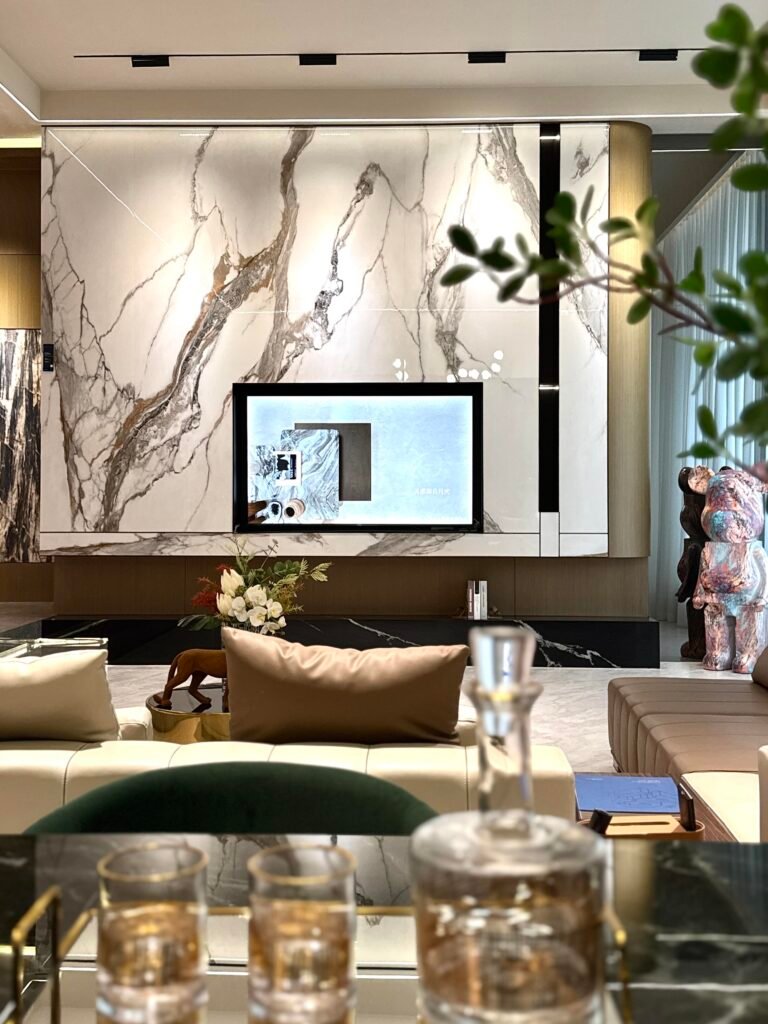
Economics: Price drivers, lifecycle cost, and procurement (manufacturer/factory/wholesale angles)
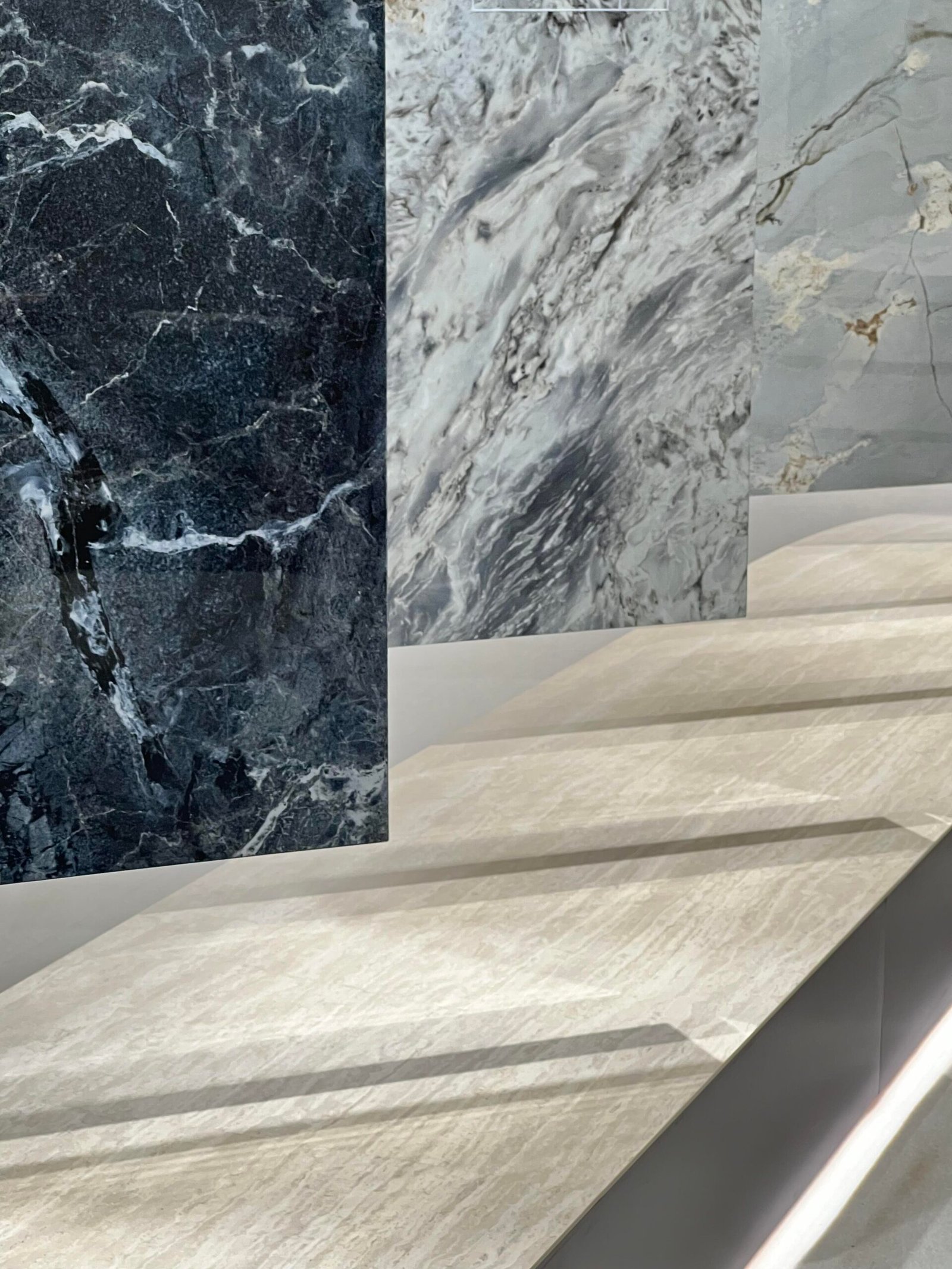
Sintered stone pricing depends on slab size and thickness, finish type, print complexity (marble look vs solid), transport distance, and fabrication complexity. While upfront cost can be higher than entry-level quartz or porcelain tiles, lifecycle cost analysis often favors sintered stone due to low maintenance, long service life, and reduced replacement risk.
Procurement checklist for buyers: require manufacturer technical datasheet, declared water absorption and mechanical properties, fire-safety test reports for façade use (if applicable), warranty details, production origin (manufacturer/factory), and EPD or environmental claims if sustainability is material to the project. Buying from certified manufacturers or verified factory wholesalers reduces counterparty risk and simplifies technical due diligence for large commercial projects.
Sustainability & regulations shaping industry direction
Building safety reforms and environmental reporting are shaping specification choices. In the UK and EU, changes to Approved Document B and CE/UKCA marking and ETA/EAD routes mean architects demand tested, non-combustible or tested façade systems. At the same time, market demand for Environmental Product Declarations (EPDs), recycled content, and transparent production data is rising.
Many manufacturers now publish EPDs, detailed technical data sheets,s and lifecycle assessments to support green building certifications. Sintered stone’s mineral, resin-free chemistry can support claims of longevity and recyclability, but buyers should evaluate the full supply chain — energy consumption in manufacture, transport emissions for large slabs, and end-of-life management — for an honest sustainability assessment.
Pros and cons: honest buyer’s checklist (Sintered stone pros and cons)
Pros:
Near-zero porosity → outstanding stain and water resistance.
High UV and heat stability — suitable for indoor and many outdoor uses.
Large slab formats and full-body consistency for bookmatching and seamless aesthetics.
Strong mechanical properties for cladding and heavy-use surfaces.
Cons:
Higher initial material and fabrication costs compared with some alternatives.
Handling and transport logistics for very large slabs require planning.
Proper façade performance depends on tested full-assembly systems and correct installation.
Mitigation: select certified fabricators, require full-assembly façade test reports where required, and prequalify manufacturers for technical documentation.
Case studies & application gallery (kitchen countertops, dining tables, façades)
Real projects worldwide show sintered stone used as continuous kitchen islands, striking dining tables, hygienic hospital worktops, and ventilated façades in multi-storey buildings. Case studies often highlight: near-zero maintenance after several years in hospitality environments, no fading in exterior applications, and façade systems that met NFPA/BS test protocols when correctly assembled.
Architects and designers choose sintered stone for projects where the visual continuity of a single material is essential — large bookmatched veins across islands and waterfall edges — or where long lifespans and low lifecycle maintenance are prioritized.
FAQ: Top Google hot-search questions (expanded answers)
Q1 — What does “zero porosity” mean for sintered stone, and how is it measured?
A: “Zero porosity” is a practical descriptor meaning the material has vanishingly small open pore volume and water absorption — typically measured by standardized tests such as ISO 10545-3 or manufacturer protocols. In practice, many sintered stone products declare water absorption at or below 0.1%, which translates into liquids remaining on the surface rather than penetrating the slab.
Q2 — Is sintered stone better than quartz for kitchen countertops?
A: Sintered stone offers superior UV and thermal stability (making it more suitable for outdoor kitchens or high-heat exposure) and near-zero porosity that aids stain resistance and hygiene. Quartz is cost-effective, widely available, and simpler to fabricate; both are excellent materials,s but sintered stone is preferred where heat, UV exposure, large format continuity, ty or façade compatibility matter.
Q3 — Can sintered stone be used for building façades — is it compliant with NFPA 285 and UK regulations?
A: Yes — but façade use requires specifying a tested full-assembly system. Several sintered stone systems have completed NFPA 285 and other façade tests when installed in proven assemblies. National regulations (for example, the UK’s Approved Document B) now require non-combustible materials or tested assemblies for certain building heights, so documented test reports are essential.
Q4 — How do I buy sintered stone from a reliable manufacturer/factory/wholesaler,ler and what documents should I request?
A: Buy from established manufacturers or certified wholesalers. Request the technical datasheet (water absorption, strength, finishes), fire-safety test reports (if façade is intended), warranty terms, formal EPD or sustainability statements (if required), and installation/fabrication guides for the fabricator.
Q5 — What is the expected lifespan and maintenance schedule for sintered stone countertops and dining tables?
A: With standard use and proper fabrication, sintered stone installations commonly last decades with minimal maintenance — routine cleaning with neutral cleaners and prompt spill removal. Manufacturer warranties and real project case studies often demonstrate multi-decade service for interior installations.
Semantic Closure: How / Why / What / Options / Considerations
References
UK Government, “Approved Document B: Fire safety” — Statutory guidance on external walls and cladding.
ISO, “ISO 10545-3 — Ceramic tiles — Water absorption, bulk density and apparent porosity” — Testing standard (referenced as common benchmark).
Industry whitepaper, “Sintered Stone vs Quartz: Performance and Applications” — Technical comparison (industry publication).
Manufacturer cleaning & maintenance guides, “Sintered Stone Care and Cleaning” — Best practice guidance from major producers.
Regulatory review, “Building Safety Act & Façade Compliance Implications” — Industry analysis note.
Market study, “Large-Format Sintered Panels: Market Trends and Adoption” — Trade analysis.