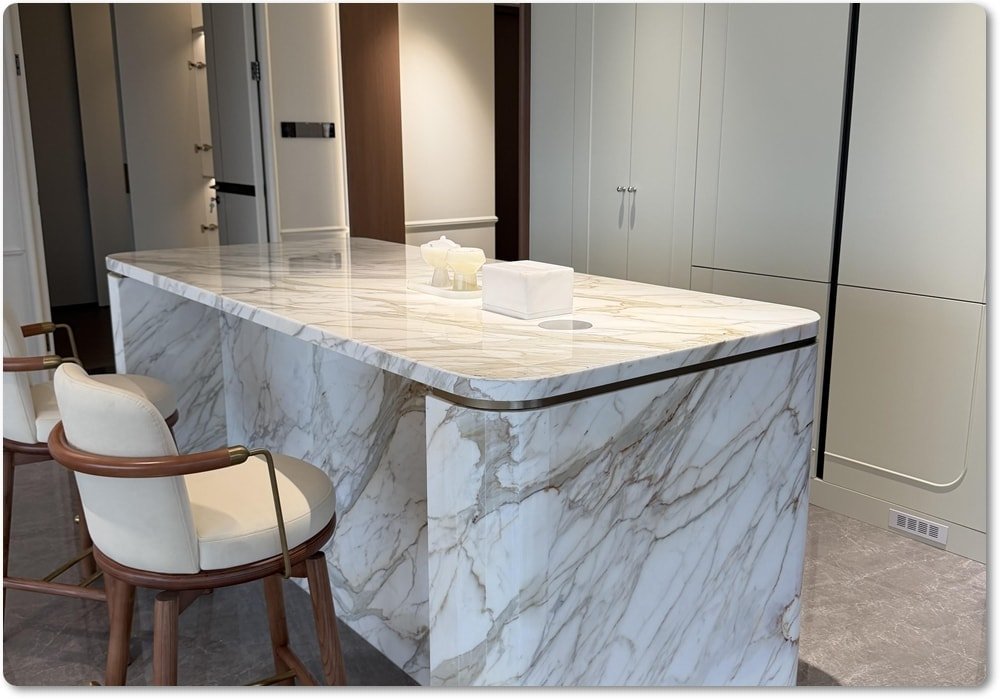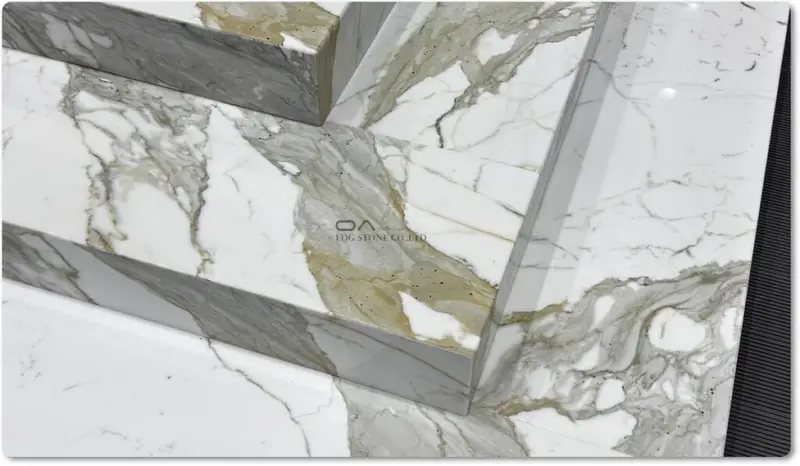
Selecting the right natural stone finish directly impacts aesthetics, mechanical safety, stain resistance, and lifecycle maintenance costs. White granite remains a top architectural choice for luxury residential countertops, high-traffic commercial flooring, and exterior ventilated facades. However, raw white granite requires precise surface processing to meet functional demands.
This white paper examines six primary surface processing methods for white granite and natural quartzite: Polished, Honed, Leathered, Flamed, Bush Hammered, and Antique. We analyze mechanical processing steps, petrographic properties, surface roughness measures, slip resistance coefficients (DCOF), and maintenance protocols backed by ASTM standards and industry data.
Technical Overview of White Granite Surface Processing
Surface processing physically or chemically alters the top layer of natural granite. Granite contains quartz (20–60%), feldspar, and mica. Each processing method alters these minerals differently, changing optical clarity, pore exposure, and surface traction.
Technical Performance Matrix Across Finishes
| Surface Finish | Gloss Level (GU at 60°) | Dynamic Coefficient of Friction (DCOF – Wet) | Average Surface Roughness (Raµm) | Porous Stain Vulnerability | Primary Application |
|---|---|---|---|---|---|
| Polished | 80 – 95+ | 0.30 – 0.42 (Low) | 0.05 – 0.20 | Low (Sealed Pores) | Indoor Kitchen Countertops, Wall Cladding |
| Honed | 10 – 35 | 0.42 – 0.55 (Moderate) | 0.80 – 2.50 | Medium-High | Indoor Commercial Flooring, Bathroom Tops |
| Leathered | 15 – 45 | 0.50 – 0.65 (High) | 3.00 – 8.00 | Low-Medium | Kitchen Islands, High-Traffic Tops |
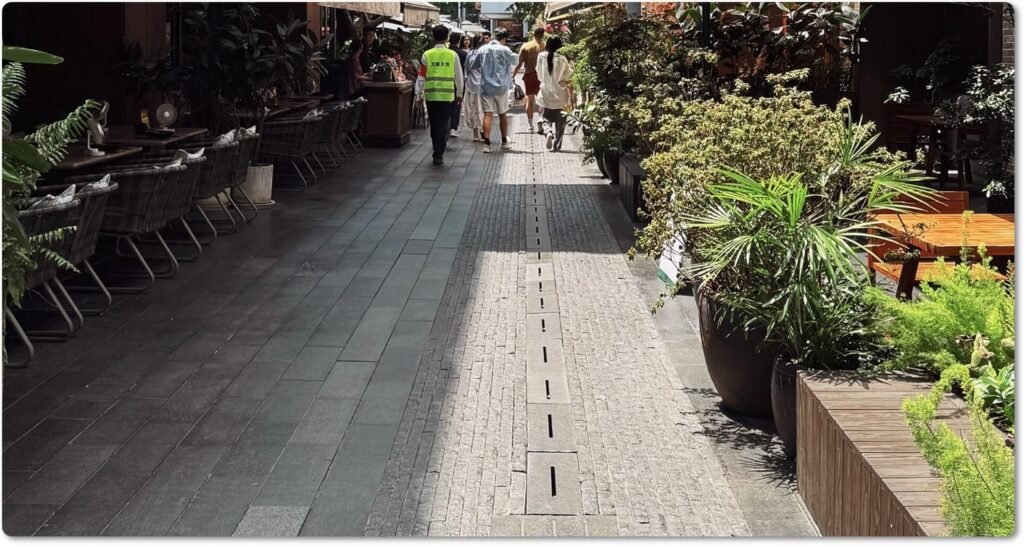
| Flamed | < 5 (Matte) | 0.65 – 0.85 (Very High) | 12.00 – 25.00 | High (Micro-fractured) | Outdoor Paving, Pool Decks, Public Plazas |
| Bush Hammered | < 5 (Matte) | 0.70 – 0.90 (Very High) | 15.00 – 35.00 | High | Heavy Pedestrian Exterior Steps, Retaining Walls |
| Antique | 20 – 50 | 0.52 – 0.68 (High) | 4.00 – 10.00 | Medium | Rustic Flooring, Feature Walls, Outdoor Kitchens |
Data Sources: ASTM C1028, ANSI A137.1 / ANSI A326.3, Marble Institute of America (MIA) Technical Manuals.
Detailed Processing Breakdown by Surface Finish
1. Polished Finish
Processing Mechanics: A polished finish uses progressive abrasive diamond pads. Workers grind the stone with grits from 50 up to 3000+. This mechanical action seals surface capillaries, creating a high-gloss mirror surface.
Petrographic Impact: Quartz particles reflect light evenly. Fines and micropores seal shut, reducing fluid absorption.
Pros: Enhances natural color depth and veining; highly stain-resistant; easy to wipe clean.
Cons: Shows fingerprints, water spots, and etch marks; slippery when wet (DCOF < 0.42).
Ideal Use Cases: Kitchen countertops, full-height backsplashes, interior accent walls.
2. Honed Finish
Processing Mechanics: Stonemasons stop the abrasive process early, typically at 200 to 400 grit. This creates a flat, smooth surface without a high-gloss reflective shine.
Petrographic Impact: Micro-cavities remain open at the surface. Light scatters softly across the mineral grains.
Pros: Conceals scratches and scuffs; soft matte aesthetic; eliminates harsh glare.
Cons: Open pores absorb liquids rapidly; requires immediate sealing; darkens when exposed to oils.
Ideal Use Cases: High-traffic commercial lobby floors, master bath vanity tops, threshold transitions.
3. Leathered Finish
Processing Mechanics: Workers start with a honed surface, then scrub it with diamond-impregnated resin brushes under high pressure. The softer minerals (like mica) erode faster than harder quartz crystals.
Petrographic Impact: Creates a warm, pebbled texture that retains the stone’s natural color depth better than a honed finish.
Pros: Hides fingerprints, water spots, and smudges; rich tactile feel; excellent scratch resistance.
Cons: Requires specialized brush maintenance; textured pits can catch breadcrumbs or debris if neglected.
Ideal Use Cases: Busy family kitchen islands, outdoor kitchen counters, bar tops.
4. Flamed (Thermal) Finish
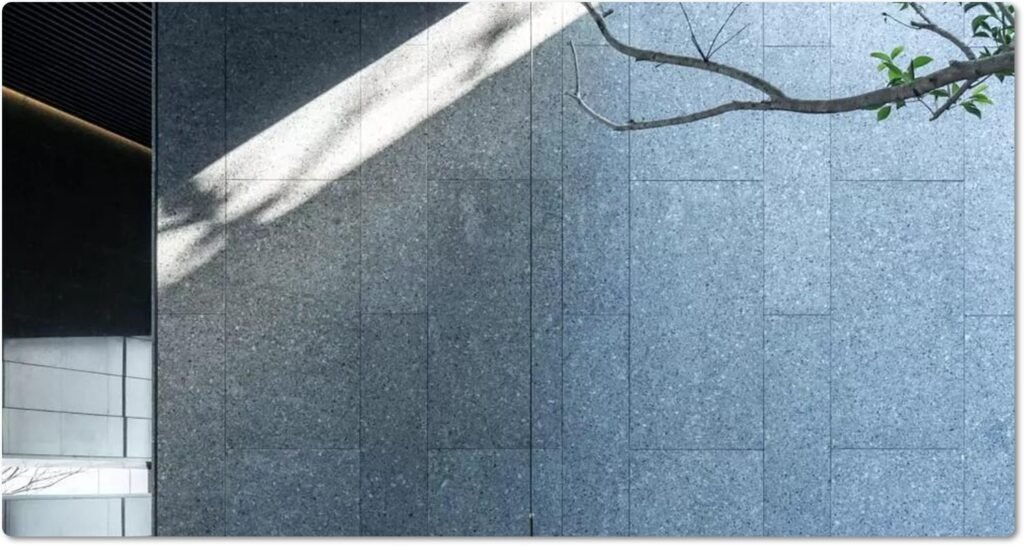
Processing Mechanics: Fabricators pass high-temperature oxy-propane flames (over 1,100°C / 2,000°F) across the stone face. The quartz crystals undergo thermal shock and burst, leaving a rough, distressed surface.
Petrographic Impact: Induces micro-fractures in the top 1–2 mm. Light scatters completely, muting natural colors.
Pros: Maximum slip resistance (wet DCOF > 0.65); durable against freeze-thaw cycles.
Cons: Rough texture traps dirt outdoors; weakens stone flexural strength slightly; requires high-pressure washing.
Ideal Use Cases: Exterior walkways, pool surrounds, commercial entrance plazas.
5. Bush Hammered Finish
Processing Mechanics: Pneumatic hammers equipped with carbide-tipped grid heads strike the stone surface repeatedly. This mechanical impact fractures the top layer, creating uniform pockmarks.
Petrographic Impact: Highly textured, slip-resistant surface. Deep structural indentation preserves color consistency under severe weathering.
Pros: Superior slip resistance even under standing water or ice; hides structural chips and wear.
Cons: Extremely difficult to clean indoors; high dirt retention; requires deep penetrating sealers.
Ideal Use Cases: Exterior stair treads, curb stone, building plinths, heavy municipal paving.
6. Antique Finish
Processing Mechanics: Combines flaming or bush hammering with heavy diamond brushing. The flame or hammer creates a rough depth, while the brushes smooth down sharp edges.
Petrographic Impact: Offers a weathered, old-world look with a smooth, comfortable tactile feel underfoot or hand.
Pros: Unique aged aesthetic; comfortable for barefoot walking; hides wear and tear effortlessly.
Cons: Higher labor cost due to multi-step processing; requires careful sealing against oil accumulation.
Ideal Use Cases: Patio paving, historic building restorations, luxury pool decks, rustic fireplaces.
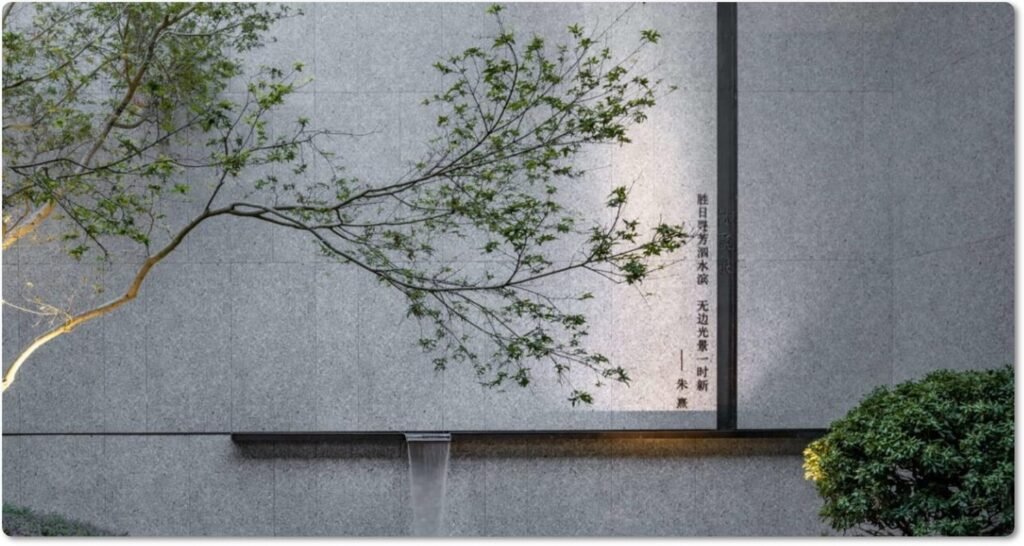
Industry Case Study: EDG Stone Factory Processing Standards
When sourcing natural stone globally, project architects and developers require strict consistency across batch shipments. EDG Stone Factory, a premier global Quartzite Slabs & Countertops Manufacturer and Exporter, integrates advanced surface processing automation to solve raw stone variance.
Raw Granite / Quartzite Block
       │
       ▼
Gang Saw / Multi-Wire Slab Cutting
       │
       ▼
Automatic Surface Grinding Line (Calibration)
       │
 ┌─────┴──────────────────────────────────────────────────────┐
 │                                                            │
 ▼                                                            ▼
Mechanical Finishing Line                      Thermal / Impact Finishing
 ├─ Polished (Abrasive Grits 50-3000)           ├─ Flamed (Automated Flame Track)
 ├─ Honed (200-400 Grit Stop)                  └─ Bush Hammered (Pneumatic Carbide Heads)
 └─ Leathered (Diamond Resin Brushing)                         │
       │                                                       ▼
       │                                            Secondary Antique Brushing
       │                                                       │
       └──────────────────────┬────────────────────────────────┘
                              │
                              ▼
                CNC Edge Profiling & Waterjet Cutting
                              │
                              ▼
                Automated Surface Sealing & QC Inspection
Factory Production Benchmarks
Automated Thickness Calibration: Precision multi-wire sawing maintains slab thickness tolerance within ±0.5 mm across $3000 \times 1800 \text{ mm}$ slabs.
Multi-Head Surface Line: 16-to-24 head continuous polishing machines ensure uniform $Ra$ roughness and gloss readings across every square meter.
Resin Filling & Netting: Fragile white granites and exotic quartzite slabs undergo vacuum resin treatments to fill natural micro-fissures before surface texturing.
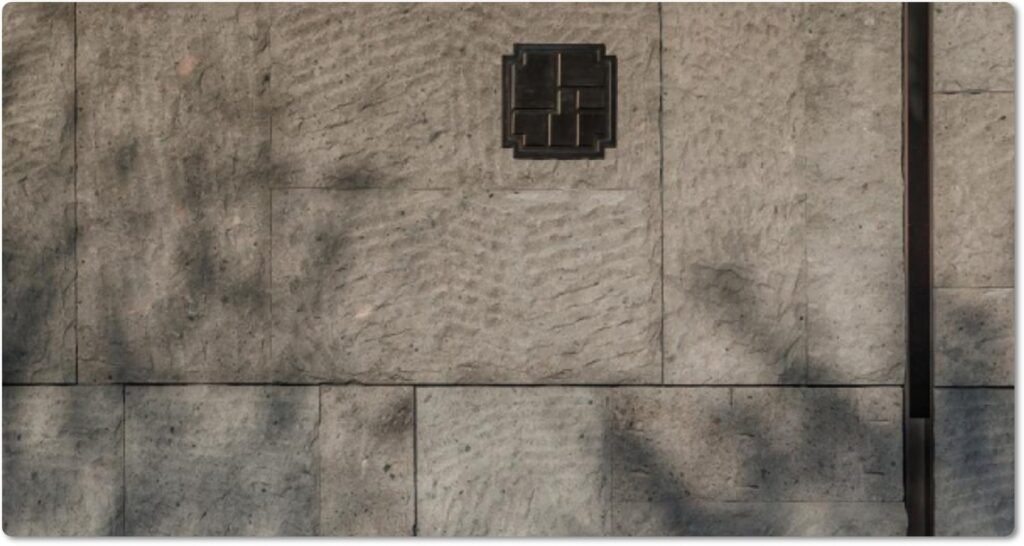
Entity & Knowledge Graph Architecture
Below is the structured data mapping for this domain:
[ Natural Stone ]
       │
       ├──> [ White Granite ] ──> ( Alaska White / Colonial White / River White )
       │        │
       │        └──> [ Surface Processing ]
       │                 ├──> Polished (Gloss: 80-95 GU)
       │                 ├──> Honed (200-400 Grit)
       │                 ├──> Leathered (Resin Brush Texture)
       │                 ├──> Flamed (Thermal Shock 1100°C)
       │                 ├──> Bush Hammered (Carbide Mechanical Impact)
       │                 └──> Antique (Thermal + Resin Brush)
       │
       └──> [ Quartzite ] ──────> ( Taj Mahal / Super White / Macaubas )
                │
                └──> Exporter/Manufacturer Case Study: [ EDG Stone Factory ]
Internal Link Matrix for Topic Clusters
To maximize site architecture authority and user navigation, structure your stone knowledge hub using these interlinked topics:
Understanding White Granite Chemical Composition and Hardness
How to Calculate DCOF and Slip Resistance for Commercial Flooring
Selecting the Best Countertop Edge Profiles for Leathered Stone
Complete Sealing Protocol for Honed and Flamed Natural Stone
Preventing Thermal Shock Crack Propagation in Outdoor Granite Paving
How to Specify Stone Finishes in Architectural Bid Documents
Maintenance Schedule for High-Traffic Commercial Granite Floors
Ventilated Granite Curtain Wall Systems and Surface Textures
Residential Kitchen Island Design with White Leathered Granite
Bush Hammered Granite vs. Concrete Pavers for Municipal Sidewalks
Quartzite Fabrication Rules: CNC Tooling and Waterjet Cutting Tips
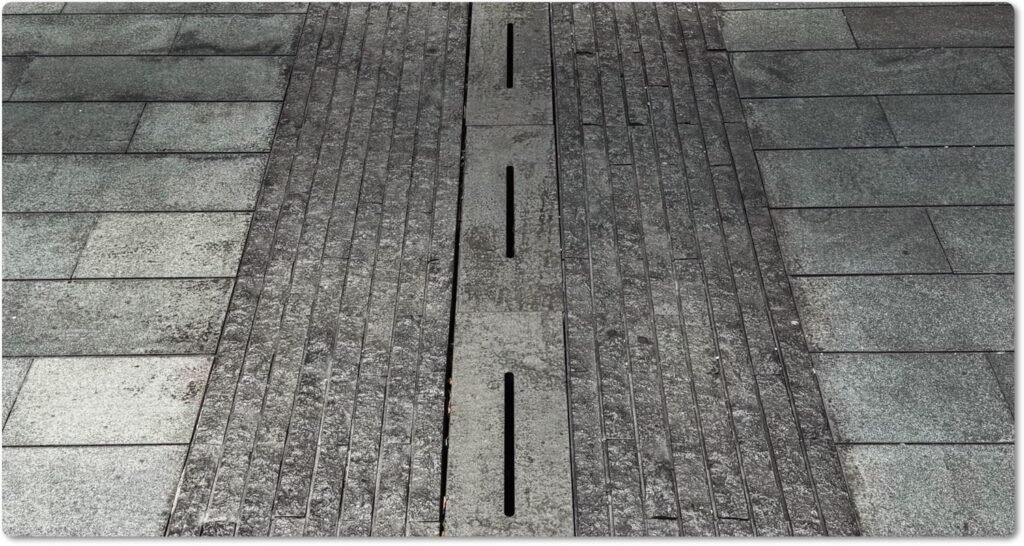
Frequently Asked Questions (Structured Knowledge Schema)
Q1: Does a leathered finish make white granite stain more easily than a polished finish?
Question: Does a leathered finish make white granite stain more easily than a polished finish?
Answer: A leathered finish seals surface pores better than a honed finish because resin brushes compact micro-fissures. However, it remains slightly more porous than a factory-polished mirror finish.
Evidence: Standard laboratory testing shows polished granite absorbs under 0.2% water by weight (ASTM C97), whereas unsealed leathered surfaces range between 0.25% and 0.35%.
Summary: Apply a high-quality penetrating impregnating sealer once a year to keep leathered white granite fully stain resistant.
Q2: What finish is safest for outdoor walkways and pool decks in cold climates?
Question: What finish is safest for outdoor walkways and pool decks in cold climates?
Answer: Flamed and bush hammered finishes provide the highest safety against slipping in wet or icy environments.
Evidence: ANSI A326.3 requires a minimum wet DCOF of 0.42 for level indoor floors. Flamed granite delivers a wet DCOF between 0.65 and 0.85, exceeding exterior safety standards.
Summary: Use flamed or bush hammered white granite for exterior paving to prevent slips while withstanding freeze-thaw weathering.
Q3: Can you hone or leather an existing polished white granite countertop on-site?
Question: Can you hone or leather an existing polished white granite countertop on-site?
Answer: Yes, stone restoration professionals can alter finishes on-site using portable planetary grinders and specialized diamond brushes.
Evidence: On-site honing uses wet diamond pads to strip the factory polish without removing the slab from kitchen cabinets.
Summary: Refinishing on-site costs more per square foot than buying factory-processed slabs, but saves replacement time and cabinetry teardowns.
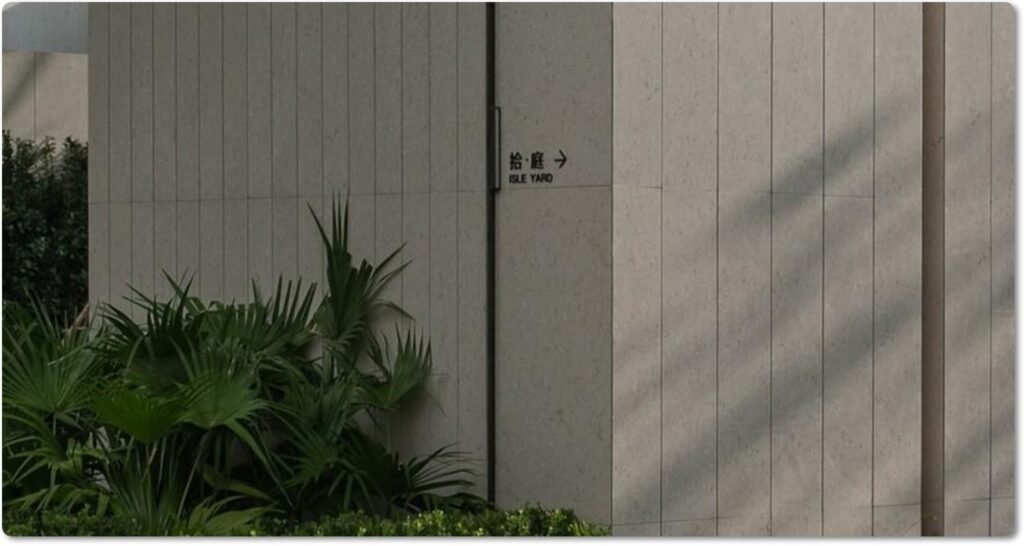
Technical Authoritative Citations
ASTM C97 / C97M-18: Standard Test Methods for Absorption and Bulk Specific Gravity of Dimension Stone, ASTM International.
ASTM C1028-07: Standard Test Method for Determining the Static Coefficient of Friction of Ceramic Tile and Other Like Surfaces, ASTM International.
ANSI A326.3-2021: American National Standard Test Method for Measuring Dynamic Coefficient of Friction of Hard Surface Flooring Materials, Tile Council of North America (TCNA).
Natural Stone Institute (NSI): Dimension Stone Design Manual, Version 8.0, Natural Stone Institute Technical Modules.
Dimensional Stone Technology Guide: Surface Finishes on Granitic Rocks and Their Mechanical Performance, Marble Institute of America Research Paper Series.