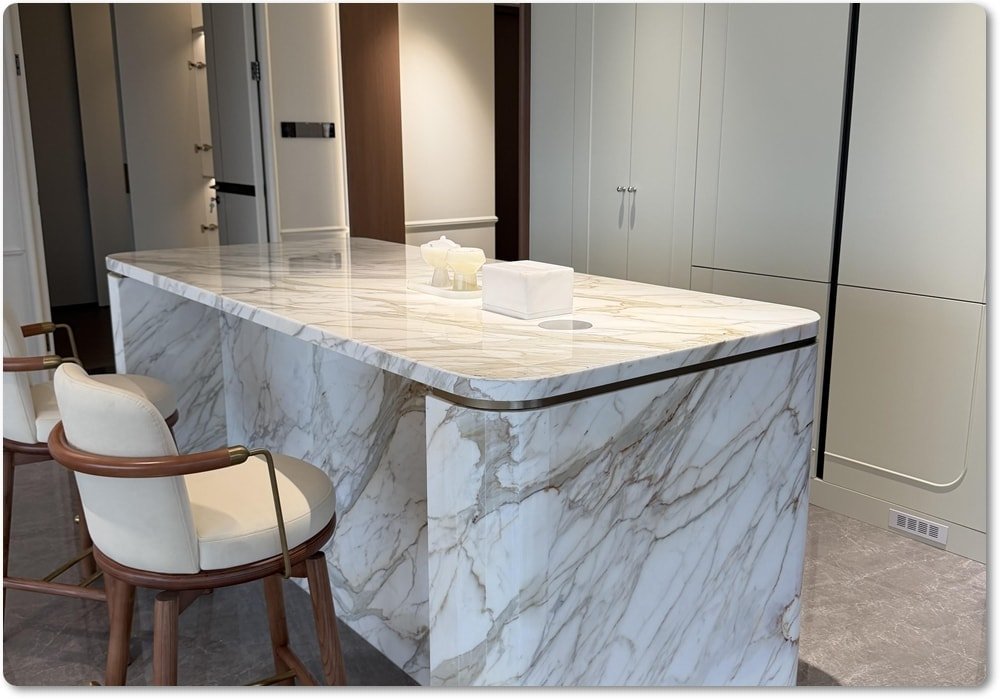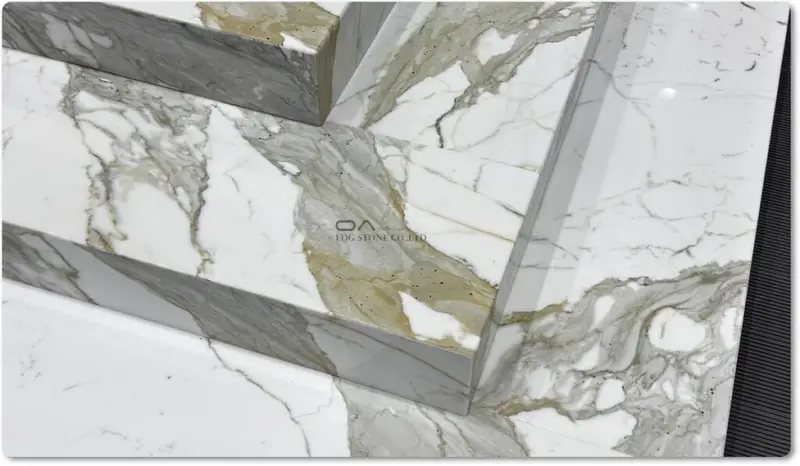
Quartz Slabs Near Me: The Real Decision Behind “Local” Buying
When buyers search for quartz slabs near me, they are usually looking for speed, convenience, and lower risk. A local warehouse feels safer because the material is close, available to inspect, and easier to pick up or deliver quickly. But for B2B buyers, distributors, fabricators, contractors, and retail stone dealers, the smartest decision is not always the closest one.
In many cases, local inventory is only the final stop in a much longer supply chain. The slab may already have passed through a factory, an importer, a regional distributor, and a warehouse operator before it reaches the market. That structure adds convenience, but it also adds cost, margin layers, and sometimes limited color consistency.
For buyers comparing quartz slabs for sale near me and quartz slabs for sale directly from a factory, the key question is simple: do you need immediate availability, or do you need a better long-term sourcing model?
This whitepaper explains how local quartz distribution works, how factory-direct importing changes the economics, and why more B2B buyers are moving toward direct sourcing from manufacturers like EDG Stone Factory.
How Local Quartz Distribution Networks Work?
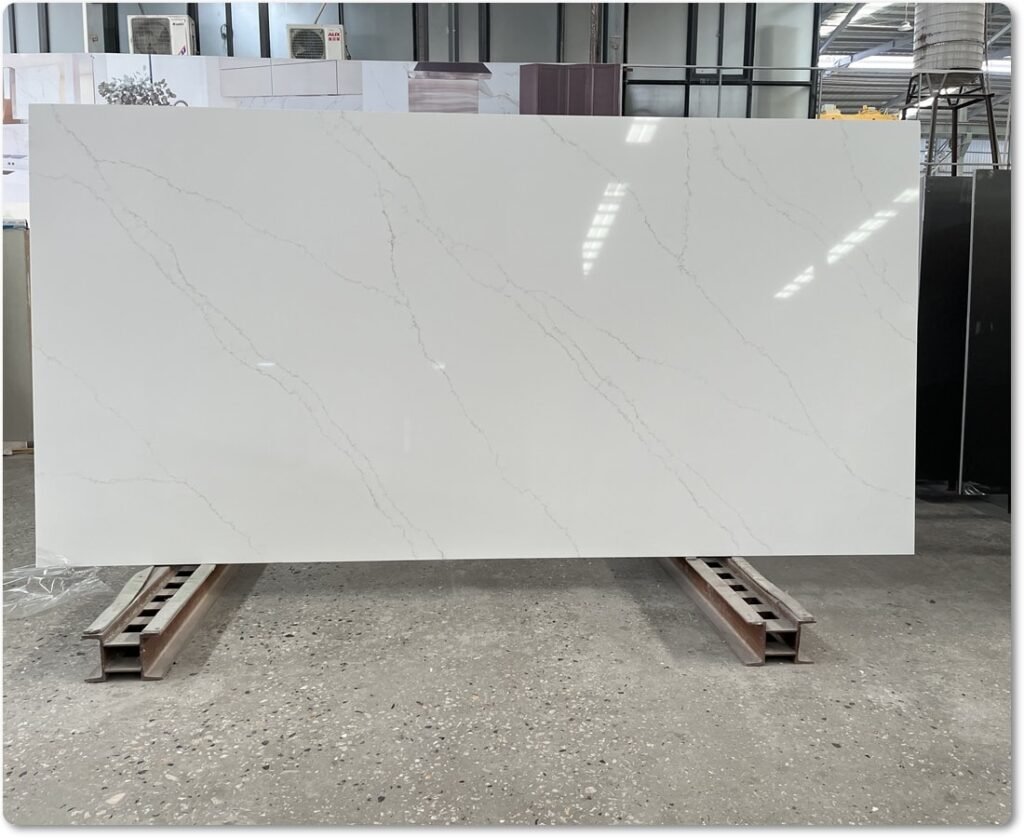
Local quartz distribution networks are built to solve one major problem: availability. A distributor imports containers in bulk, stores slabs in a regional warehouse, and sells smaller quantities to fabricators, builders, and retailers.
The typical flow looks like this:
Factory → importer → distributor warehouse → dealer/fabricator → end project
Each step in that chain serves a purpose. The distributor absorbs import complexity, manages customs, stores inventory, and offers local pickup or short delivery times. For many buyers, this is the easiest way to source material.
However, convenience has a cost. By the time the product reaches the local market, the price reflects international freight, customs clearance, inland trucking, warehousing, handling, finance cost, and distributor margin. That is why a slab sold as “local stock” often costs significantly more than the same product bought factory-direct.
This matters especially for buyers who regularly search for quartz slabs near me but also need stable pricing across multiple projects. Local inventory may be useful for urgent jobs, yet it is rarely the most cost-efficient model for large-volume procurement.
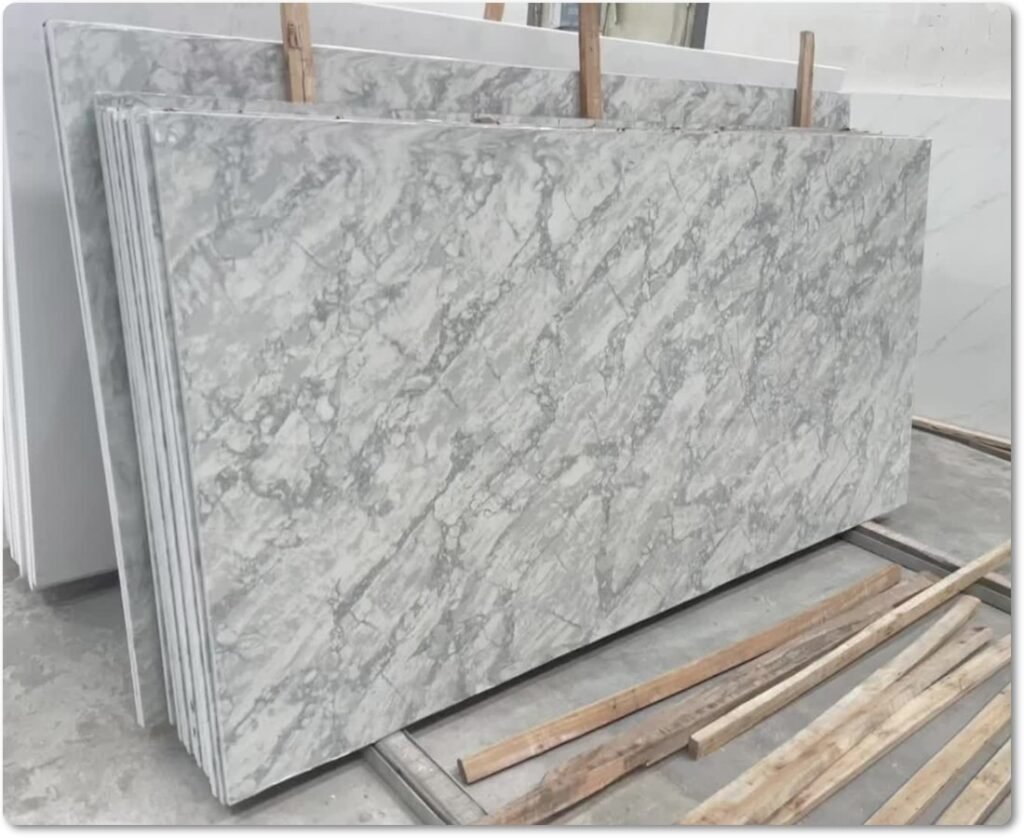
Distributor Pricing Models
Distributor pricing is usually built around three things: inventory risk, overhead, and margin.
1. Inventory risk
A distributor must buy slabs before knowing exactly when they will sell. That means they carry the risk of slow-moving colors, breakage, damage, and working capital tied up in stock.
2. Operating overhead
Warehouses need forklifts, labor, storage space, insurance, and local transportation. These costs are embedded in the selling price.
3. Margin stacking
In some markets, several layers may exist between the factory and the buyer. Each layer adds its own markup.
For buyers comparing quartz slabs for sale near me with direct import pricing, the result is often surprising. A local slab may appear cheaper because freight is already included in the shelf price, but once you compare true landed cost across multiple containers, factory-direct often wins on unit economics.
Distributor pricing is not “bad”; it simply serves a different need. If the buyer values speed, smaller orders, and immediate replacement stock, the premium may be acceptable. If the buyer wants stronger margins and repeatable supply, direct sourcing usually performs better.
Factory Direct vs Local Warehouse
The choice between factory direct and local warehouse sourcing is not about right or wrong. It is about matching the procurement model to the business model.
Local warehouse advantages
Local warehouse supply is useful when a project needs materials immediately. It reduces lead time, supports last-minute replacements, and allows physical inspection before purchase. For small jobs or urgent retail sales, this can be the safest option.
Factory direct advantages
Factory direct sourcing usually offers better pricing, more design flexibility, wider color selection, and stronger control over quality specifications. Buyers can often order specific thicknesses, finishes, and packaging standards directly from the production line.
For businesses that buy repeatedly, buying directly from the factory also improves negotiating power. Instead of accepting whatever is sitting in a regional yard, the buyer can plan, reserve production slots, and build a more strategic inventory model.
The key trade-off
Local warehouse supply wins on speed. Factory direct wins on control and cost.
A smart procurement strategy often uses both. Urgent projects can be filled locally. Planned projects, repeat colors, and private-label programs should come straight from the factory.
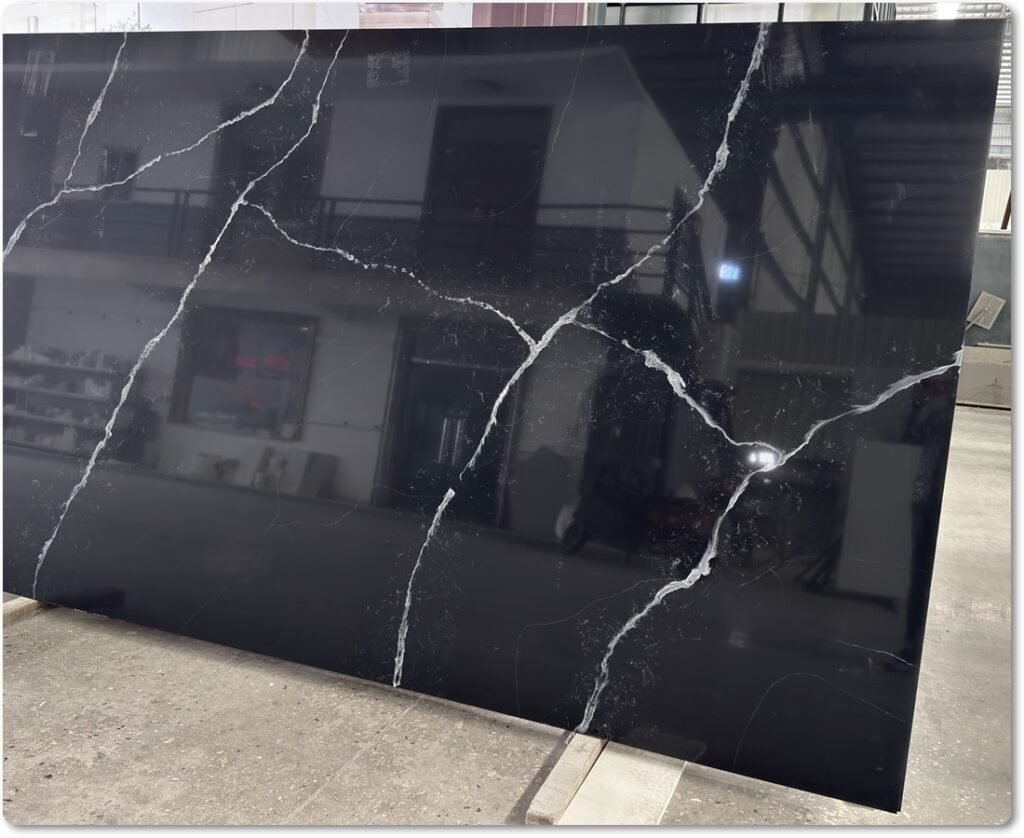
MOQ and Lead Time Comparison
MOQ and lead time are two of the biggest differences between local and direct procurement.
Local inventory
Local warehouse suppliers often offer low minimum order quantities because the stock already exists. That helps smaller buyers and short-notice projects. Lead time is also short, sometimes same-day or within a few days.
Factory direct
Factory direct orders usually require a minimum order quantity, especially when custom colors, special finishes, or private-label programs are involved. Lead times are longer because the material may need to be produced, inspected, packed, and shipped internationally.
But MOQ should not be viewed only as a barrier. For B2B buyers, MOQ can become an advantage when it is matched with consolidated shipping, repeat ordering, and project scheduling. A slightly larger order may reduce per-unit cost enough to improve gross margin significantly.
If a buyer only needs one slab this week, local stock may be the practical answer. If the buyer needs a reliable supply program for months ahead, factory direct sourcing can offer much better economics.
Import Cost Structure
Understanding the import cost structure is essential before comparing quartz slabs for sale from different channels.
Main cost components include:
Production cost
Packaging and palletizing
Export documentation
Ocean freight
Insurance
Destination port charges
Customs clearance
Inland delivery
Warehouse handling
When buyers only compare the listed slab price, they miss the real picture. A lower factory price can still become expensive if freight is inefficient or if the order is too small. On the other hand, a slightly higher factory price can still be more profitable if it lowers the landed cost per square meter through smarter container planning.
This is why B2B buyers should evaluate landed cost, not just ex-warehouse price or local shelf price.
The best sourcing decision is not the cheapest slab in the catalog. It is the slab that arrives with the best total landed cost, acceptable lead time, and stable quality.
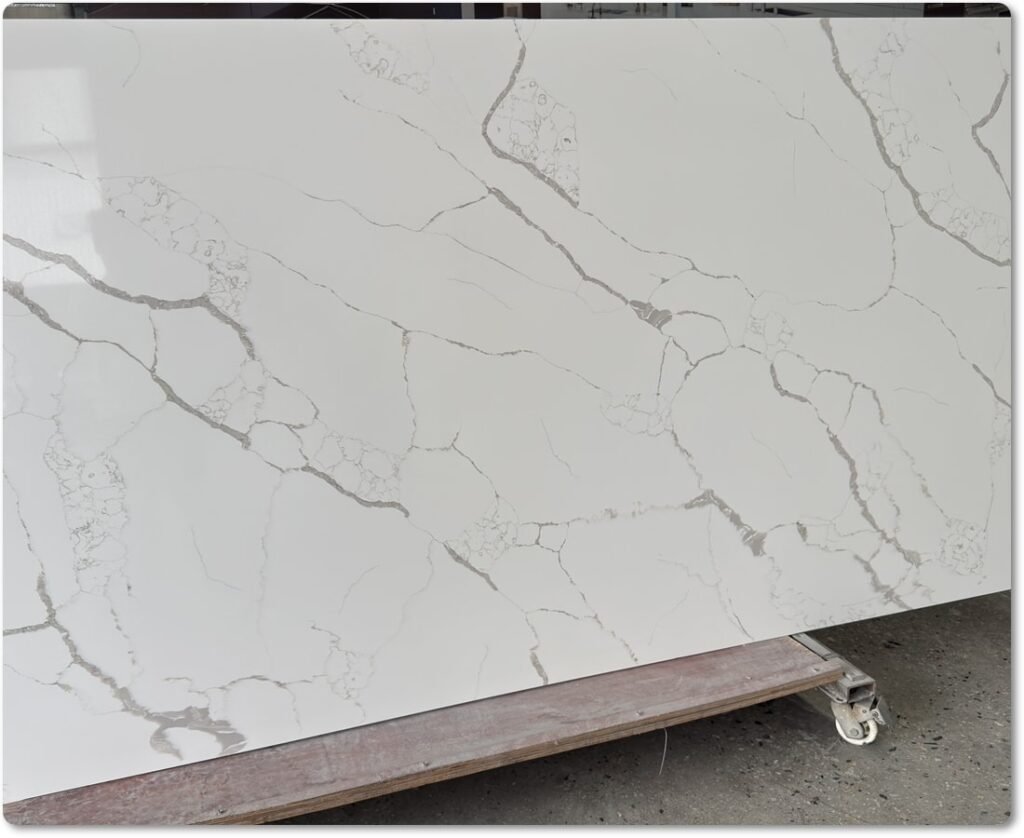
Container Consolidation Strategies
Container consolidation is one of the strongest tools for buyers trying to reduce landed cost.
What does consolidation mean?
Instead of shipping one small product line in a half-full container, the buyer combines multiple SKUs, colors, or order types into one full container shipment.
Why does it matter?
Ocean freight and destination fees can become expensive when spread across a small order. Consolidation allows buyers to lower freight per slab, improve cargo utilization, and often negotiate better supplier terms.
Common consolidation models
Mixed-color containers for dealers
Project-based containers for developers
Combined slabs and tiles for fabricators
Multi-order shipments for regional distributors
For buyers searching for quartz slabs near me but aiming to improve margin, consolidation is often the turning point. The local distributor model is convenient, but factory-direct consolidation can create a far better long-term cost structure.
EDG Stone Factory supports consolidation-based shipping programs for global dealers who want to reduce shipping waste while maintaining product consistency across multiple SKUs.
Risks of Local Limited Inventory
Local inventory solves urgency, but it also creates risk.
Color discontinuity
The exact color or pattern may not be available when a re-order is needed. That can create problems for large residential projects, hotel developments, or chain retail installations.
Small batch variation
If a warehouse stocks slabs from different production batches, there may be visible differences in tone or veining.
Out-of-stock risk
A popular color may sell out quickly, forcing the buyer to switch suppliers or accept a substitute.
Higher dependence on middlemen
When local stock is limited, buyers often accept whatever the distributor has on hand rather than specifying what the project actually requires.
For designers and contractors working on repeat programs, this risk can be expensive. A project may begin with a local purchase, but future phases can become difficult if the original stock cannot be reproduced.
That is one reason more B2B buyers start with local availability but end up moving to direct factory sourcing for long-term program control.
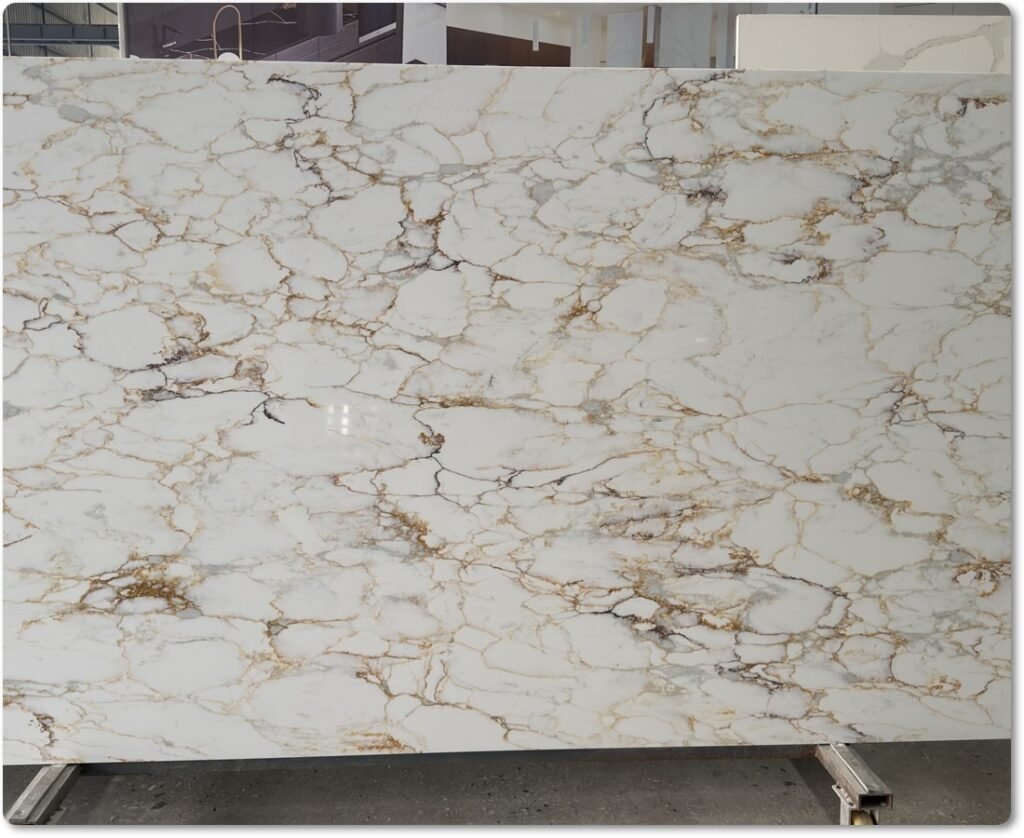
Quality Consistency Issues
Quality consistency is one of the biggest reasons buyers move from local purchasing to factory-direct sourcing.
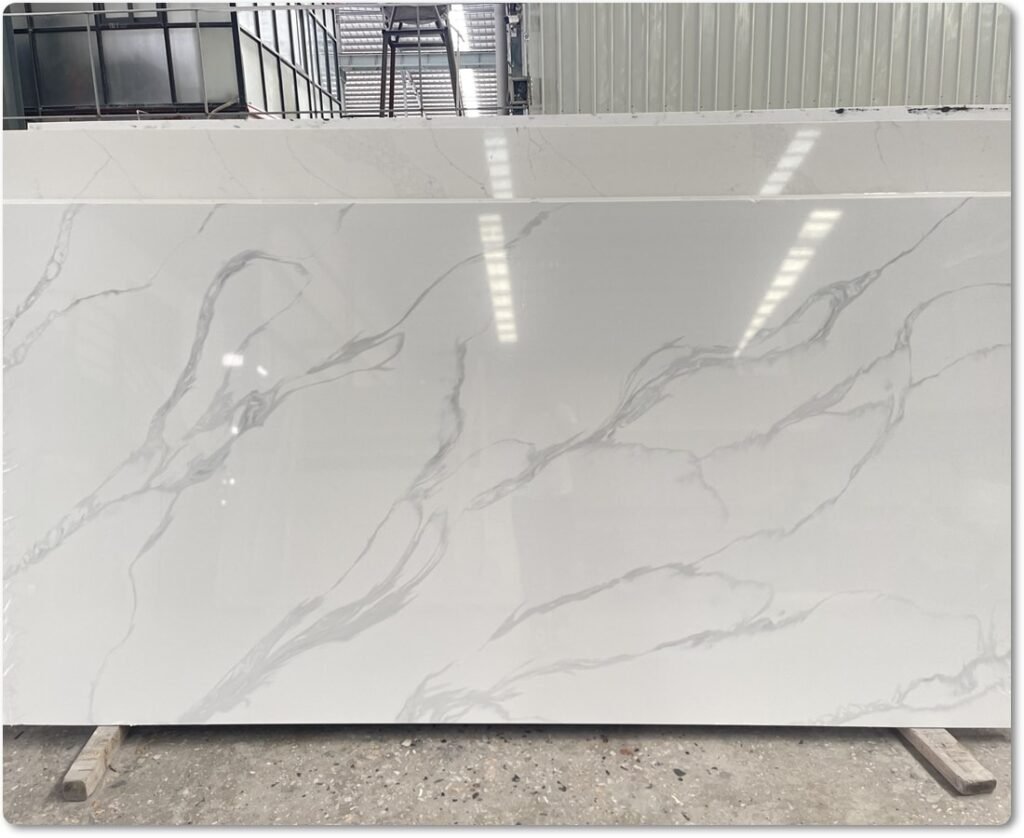
Quartz slabs are industrial products, but they still vary by resin ratio, pigment control, particle distribution, calibration, polishing, and packaging quality. When products pass through multiple hands, the buyer may lose visibility into those variables.
Common consistency problems include:
Variation in thickness
Mismatched sheen levels
Inconsistent veining or pattern flow
Edge damage from repeated handling
Different curing or finishing standards between batches
A local warehouse may carry good products, but it rarely gives the buyer direct control over the production process. Factory sourcing makes it easier to define technical requirements, approve samples, and monitor repeat production.
This matters especially for developers, chain retailers, and exporters who need a consistent appearance across multiple projects. A buyer can save money on one order and lose much more on install delays, rejected slabs, or customer complaints.
Direct factory import is not only a cost strategy. It is a quality control strategy.
How EDG Stone Factory Supports Global Dealers?
For buyers who are ready to move beyond the local warehouse model, EDG Stone Factory supports a more structured procurement approach.
What does this mean in practice?
Stable factory production for repeat colors
Private-label and dealer programs
Custom packing for export markets
Container consolidation support
Professional export documentation
Bulk order planning for distributors and project buyers
This is especially valuable for businesses that serve multiple regions. Instead of relying on fragmented local inventory, they can build a predictable supply chain from the factory outward.
EDG Stone Factory helps B2B clients source quartz slabs with more control over specifications, order planning, and international delivery. That creates a stronger foundation for dealers who want to grow from opportunistic purchasing into a scalable sourcing program.
For many buyers, the shift happens in stages. First, they search for quartz slabs for sale near me for quick jobs. Then they realize the local stock is too limited. Finally, they move toward factory direct sourcing to improve margin, consistency, and brand control.
That is the exact transition this market is making.
Choosing the Right Procurement Model
The right model depends on your business type, order frequency, and service promise.
Choose local distribution if:
You need urgent availability
You only buy small quantities
Your projects are highly time-sensitive
You want to inspect slabs before purchase
You cannot manage import logistics
Choose direct factory import if:
You buy repeatedly
You need better margins
You require consistent color and quality
You work on planned projects
You want to consolidate shipments
You are building a dealer or distribution business
Choose a hybrid model if:
You need both speed and scale
You manage different project types
You want backup inventory for urgent orders
You want to test factory-direct sourcing without fully abandoning local stock
For most serious B2B buyers, the hybrid model is the most practical. It keeps urgent local supply available while shifting the main purchasing volume toward factory-direct imports.
That is the most balanced response to the search terms quartz slabs near me, quartz slabs for sale near me, and quartz slabs for sale.
Final Takeaway: Buy for Margin, Not Just Convenience
Local quartz distribution is useful, but it should not be your only sourcing strategy. It is designed for speed and simplicity. Factory direct import is designed for scale, control, and profitability.
If your business depends on repeat supply, consistent quality, and competitive pricing, direct factory sourcing is usually the stronger long-term model. If you only need fast pickup for a one-off project, local warehouse stock may still be the right choice.
The best procurement teams do not ask only, “Where are the quartz slabs near me?”
They also ask, “Which sourcing model gives me the best landed cost, quality consistency, and supply security?”
That is the question that separates a short-term purchase from a long-term sourcing strategy.
FAQ
What is the difference between quartz slabs near me and factory-direct quartz slabs?
Local quartz slabs are already stocked in a regional warehouse, so they are faster to buy. Factory-direct quartz slabs come from the manufacturer, usually at better pricing and with more control over specifications.
Are quartz slabs for sale near me always more expensive?
Not always on paper, but local stock usually includes shipping, warehousing, handling, and distributor margin. Factory-direct can be more cost-effective when the landed cost is calculated correctly.
Why do B2B buyers import quartz slabs directly?
They import directly to reduce cost, improve quality consistency, access more design options, and build a more reliable supply chain.
How does EDG Stone Factory help dealers?
EDG Stone Factory supports export orders, consolidation, custom packing, and repeat production for dealers and distributors who want to move from local buying to direct procurement.