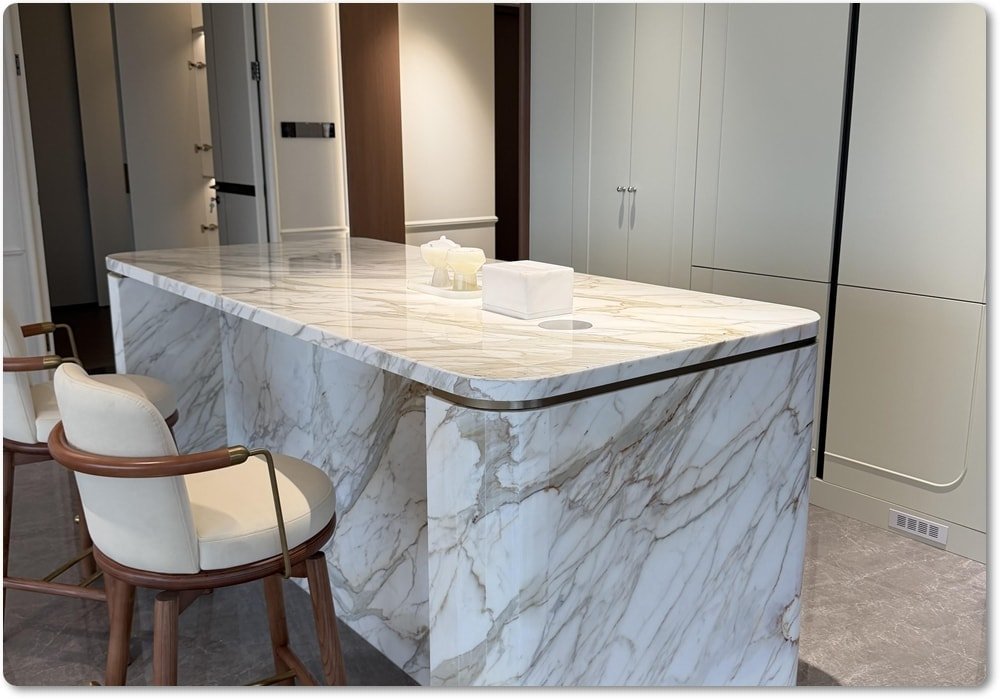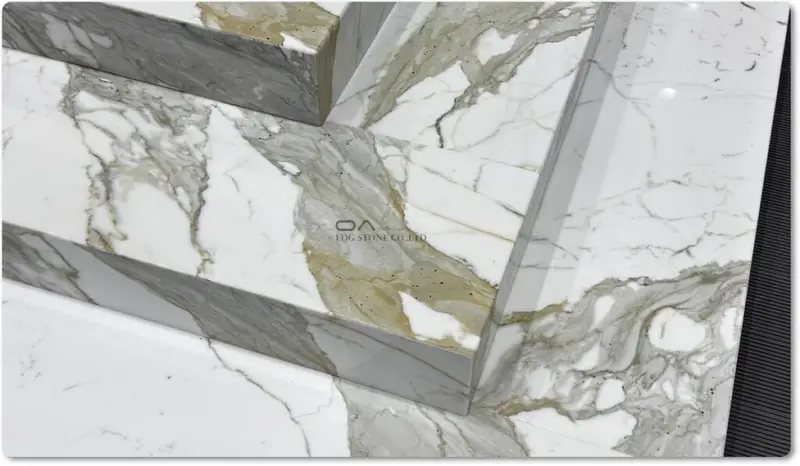
What is white marble veneer?
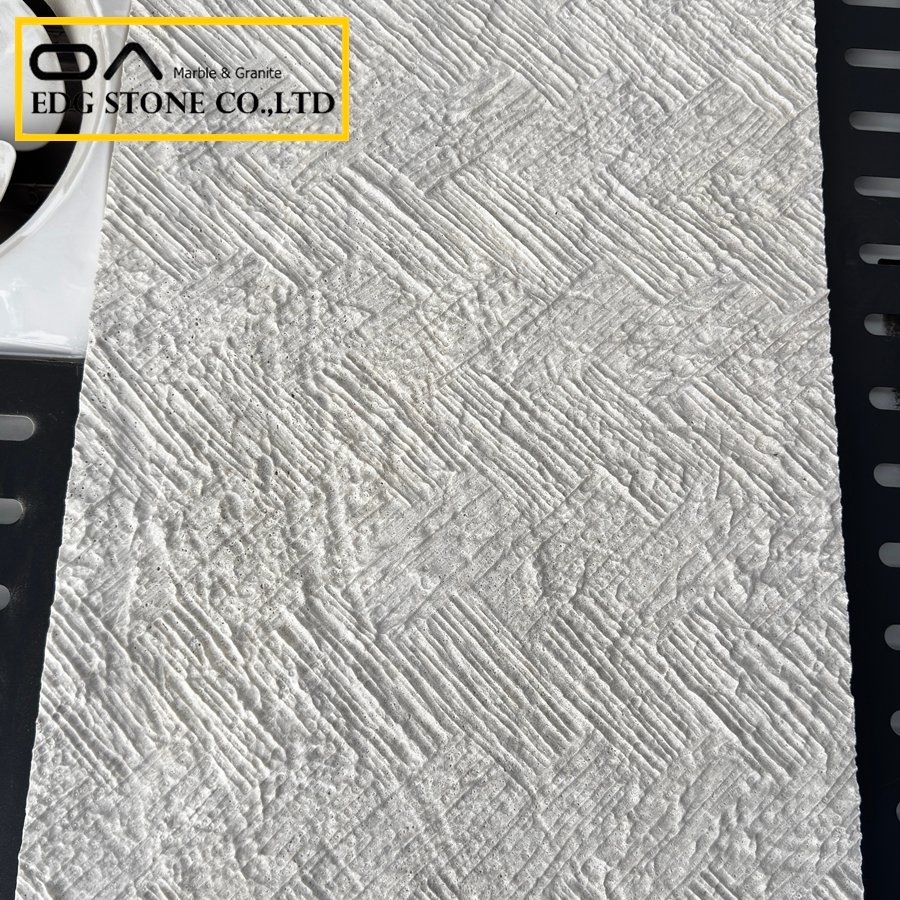
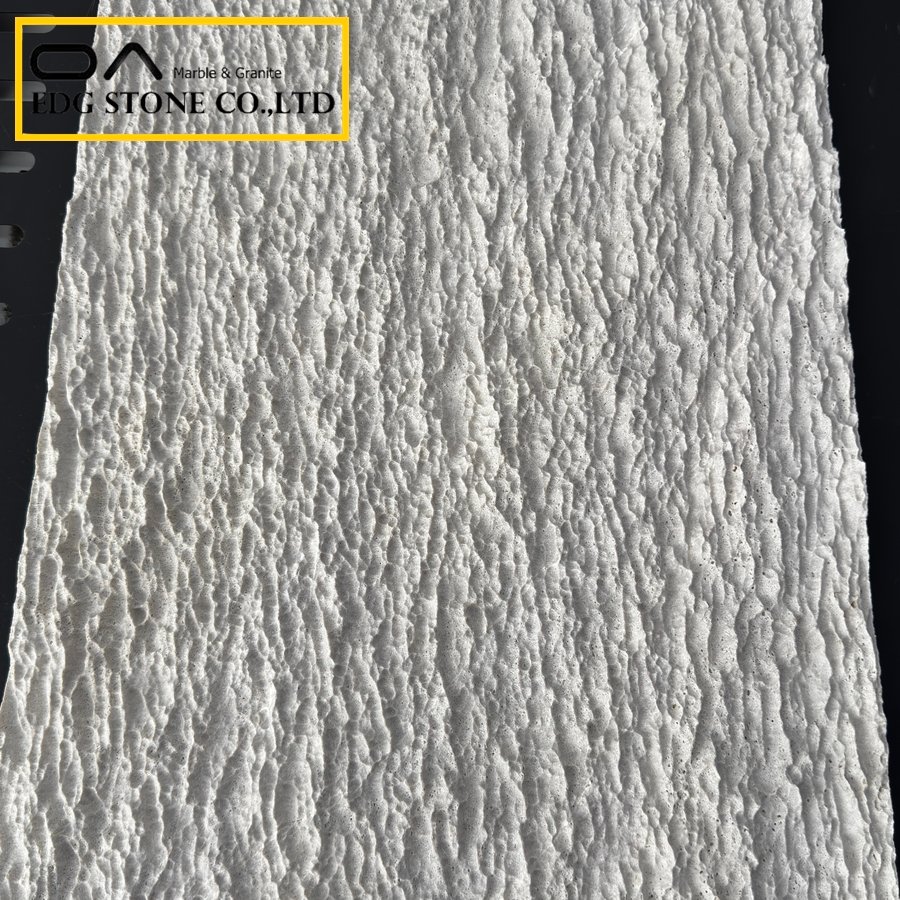
Introduction — why is white marble veneer everywhere now?
Designers, fabricators, and architects increasingly specify white marble veneer because it makes the coveted marble look possible in places where full slabs are too heavy, expensive, or impractical. From hotel lobbies and elevator surrounds to curved reception desks and lightweight kitchen facades, veneer systems let projects achieve continuous marble patterns at a fraction of the weight and installation time. The technology ranges from real thin marble sheets (1–5 mm) to flexible stone that can bend around columns and honeycomb-backed panels for structural rigidity. Each system carries different performance characteristics — especially for benchtops, wet are, and fire-exposed façades — so procurement must be evidence-based and code-aware.
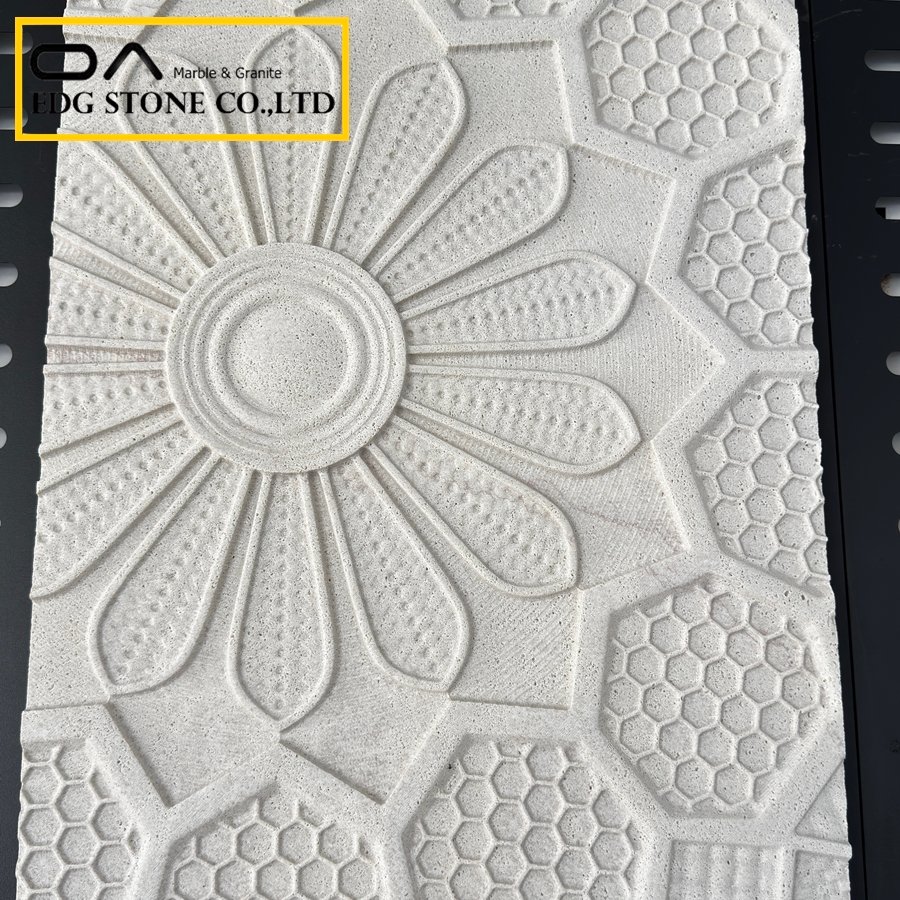
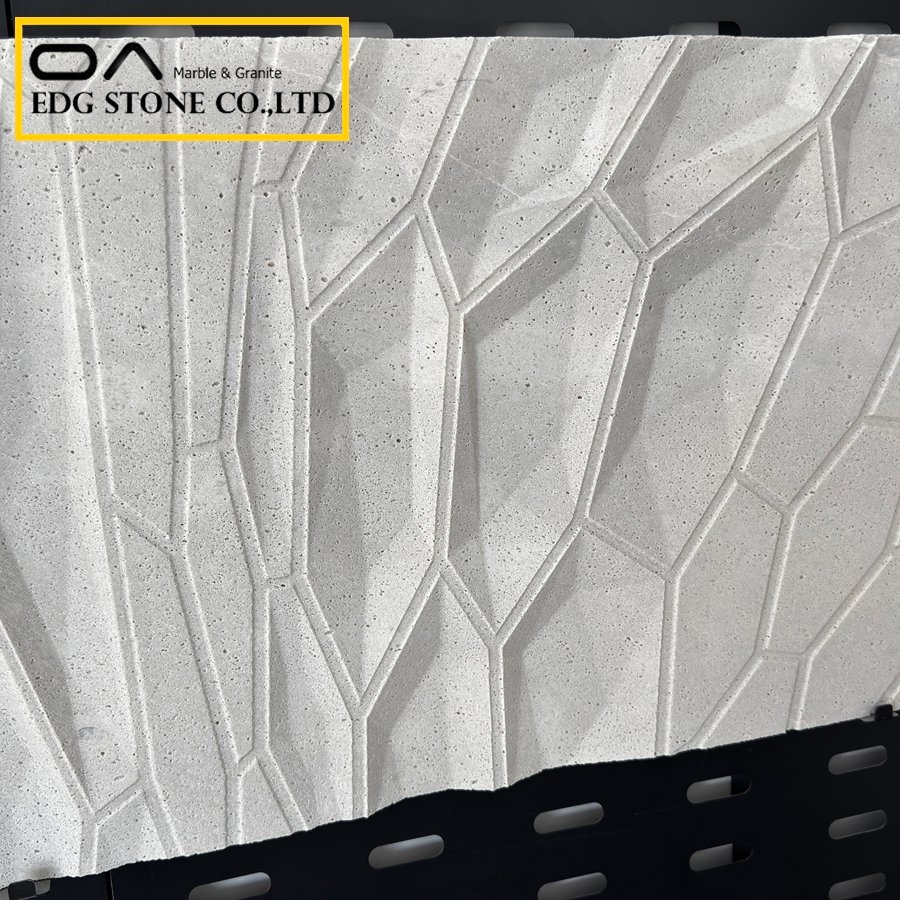
1 — What is marble veneer? (a short taxonomy)
“Marble veneer” can refer to several different products that share one thing in common: a visible marble-like face presented in a thin, lightweight format. Main categories:
Natural thin marble veneer: genuine marble slices, typically 1–5 mm thick, bonded to a backing for handling and installation.
Flexible stone / flexible marble veneer: ultra-thin stone (often 0.5–3 mm) adhered to a flexible backing that allows for bending around curves and columns. These are used when continuous veins or curves are required. Wikipedia+1
Honeycomb-backed thin stone panels: a marble face bonded to aluminum or composite honeycomb core that forms a rigid, lightweight panel suitable for large-format cladding.
Engineered or faux marble sheets: polymer, solid-surface, or printed-sheet options that replicate marble appearance; consistent, lighter, and often cheaper but not natural stone.
Knowing which type you’re buying is essential: “marble veneer” does not automatically mean natural marble.
2 — How is marble veneer made, and what do the numbers mean?
Natural thin veneer production: marble slabs are sawn and peeled into very thin faces (1–5 mm). Those faces are sometimes consolidated (resin-impregnated) and bonded to backing materials — fiberglass, cement board, or honeycomb cores — to improve handling and mechanical performance. Typical veneer thicknesses are quoted as the stone face only; total panel thickness depends on backing (e.g., 6–20 mm total with honeycomb).
Flexible stone: certain marbles and slates naturally split into thin layers; the manufacturer applies a polymer/fabric backing to keep the fragile sheet intact, enabling bending and curved installations. Typical flexible stone faces are 1–3 mm thick with backing adding minimal bulk. Wikipedia+1
Honeycomb panels: the marble face is epoxied to an aluminum or composite honeycomb core and sealed; these panels provide an excellent stiffness-to-weight ratio and can be produced in large formats for minimal visible joints.
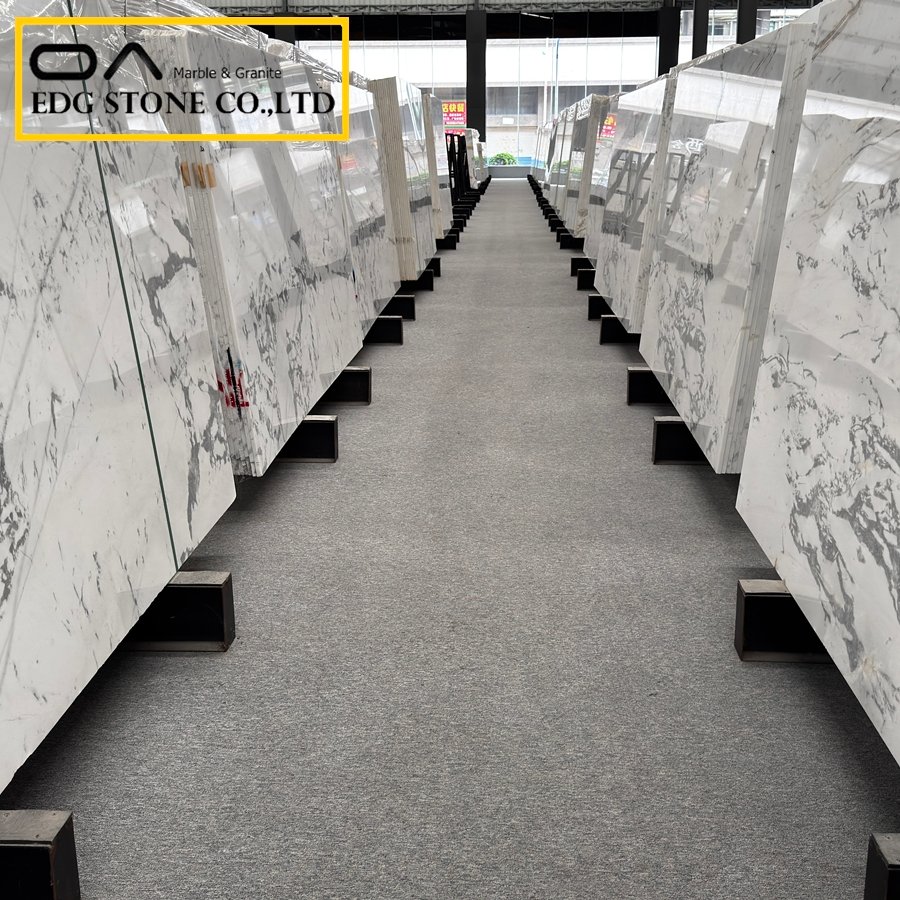
3 — Marble veneer vs full-thickness marble: pros & cons
Advantages of veneer
Weight savings: veneer panels can be 80–90% lighter than equivalent full-thickness stone, enabling application on light substrates and retrofit work.
Cost & logistics: reduced transport and handling costs; easier installation and faster project timelines.
Design flexibility: large, continuous patterns and curved applications become feasible with flexible veneer.
Drawbacks/trade-offs
Fragility: thin stone is more susceptible to cracking or chipping during handling unless properly backed and installed.
Performance differences: full slabs offer better impact resistance and are the safer choice for heavy-use horizontal work without reinforcement. Thin veneers require correct substrates and edge detailing for benchtop applications.
Testing & compliance complexity: Some veneer assemblies (especially those used in façades or tall buildings) must demonstrate assembly-level fire performance; the stone face alone is not enough evidence. abcb.gov.au
4 — Flexible marble veneer & thin-sheet systems: applications and benefits
Flexible marble veneer is ideal for:
Curved surfaces (columns, curved bars, and ceilings).
Lightweight furniture cladding and panels for retrofit.
Interiors where minimizing substrate reinforcement is required.
Thin marble sheets are widely used for vertical cladding and feature walls; honeycomb-backed thin panels are favored for large-format interior walls and for projects where panel repeat and joint control are important. For kitchen benchtops, many designers prefer reinforced honeycomb-backed veneer over simple thin-sheet veneers because the backing provides impact resistance and mechanical support.
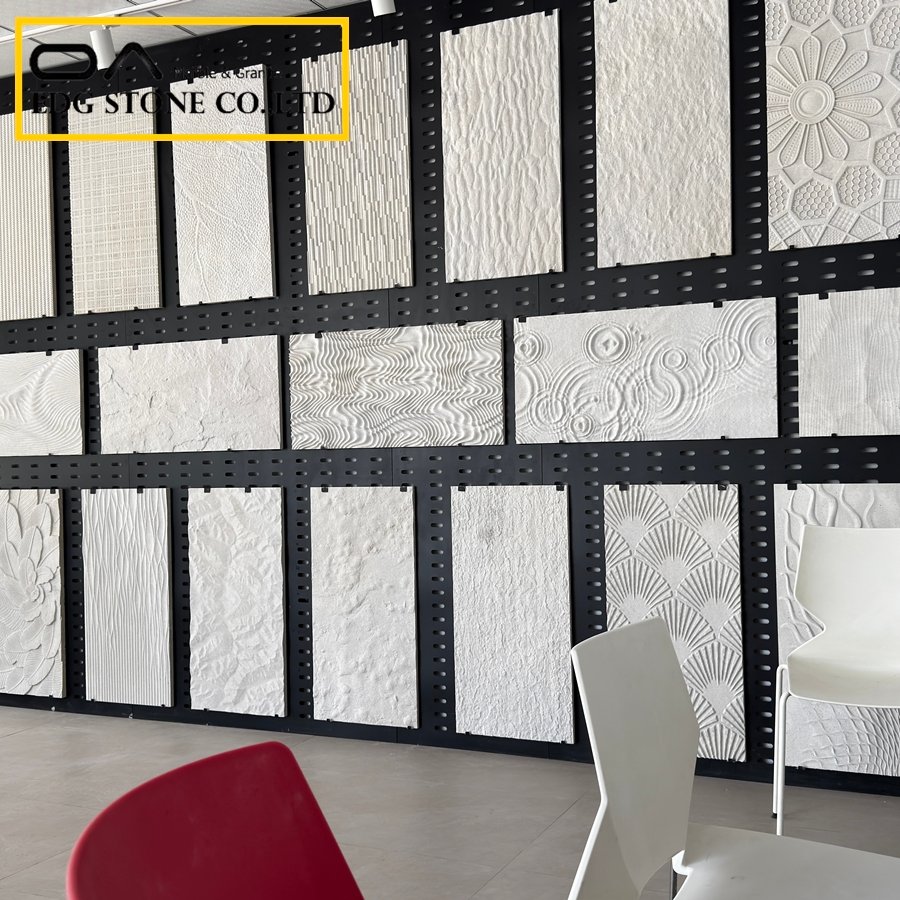
5 — Backings, adhesives, and installation essentials
Backing choices greatly influence performance:
Aluminum honeycomb — best stiffness-to-weight; widely used for large panels and façade applications. Ask for mechanical connection details and fixings.
Fiberglass (GFRP) — flexible, moisture-resistant, used for curves and wet areas when specified.
Cement board / rigid substrate — used where fire resistance and robustness are priorities.
Adhesives & edge detailing: epoxy or structural adhesives are often recommended for bonding veneer to cores or substrates; edge sealing and mechanical fixings reduce water ingress and panel delamination. Follow the manufacturer’s installation guide and, for critical projects, use certified installers.
6 — Durability & maintenance — Is marble veneer durable?
General rule: Veneer durability depends on the system:
Vertical use (feature walls, ceilings): thin marble veneer with proper backing performs very well and has longevity similar to conventional cladding when installed correctly.
Horizontal use (benchtops/tabletops): thin marble can be used, but design for reinforcement — honeycomb-backed panels over a rigid substrate or full slabs remain more robust for heavy use. Sealing is essential for natural marble veneers to reduce staining.
Care: regular sealing (where recommended), avoiding sharp impacts, and following manufacturer cleaning guidance to maintain the finish and reduce maintenance costs. Engineered faux-marble veneers often outperform natural veneers for scratch and stain resistance, but lack the natural depth marble provides.
7 — Fire performance and building code considerations (what tests to request)
When veneer is used on façades, in multi-story buildings, or in egress areas, assembly-level fire testing is essential. Relevant tests and standards include:
National Construction Code (NCC) guidance (Australia) on external wall fire performance and advisory notes — requires appropriate evidence for cladding choices.
BS 8414 — UK test for fire performance of external cladding systems (assembly-level). Use when projects reference UK/NZS practice.
NFPA 285 — U.S. standard for evaluating fire propagation of exterior wall assemblies with combustible components; often required by US code jurisdictions and referenced by manufacturers for export markets.
ASTM E84 / Steiner Tunnel Test — surface burning characteristics (flame spread & smoke development) are often used for interior finish classification.
What to ask your supplier: assembly-level test reports (BS 8414, NFPA 285 or equivalent) for the complete panel system as installed (stone face + backing + insulation + fixings), ASTM E84 or equivalent for interior surfacing, and manufacturer installation guides showing tested assembly details. Never accept a material-only certificate in place of an assembly test for high-risk façade use.
8 — Procurement checklist & manufacturer / factory / wholesale signals
When buying white marble veneer (sample checklist):
Confirm natural vs engineered: request petrographic or product specification.
Request sample panels (min 300 × 300 mm) and a small mock-up.
Ask for assembly-level fire tests if used on façades or in multi-story buildings.
Obtain the installation manual, warranty terms, and recommended adhesives.
Verify factory capabilities: ISO/QC certifications, references, and the ability to produce honeycomb panels or flexible sheets to custom sizes. Factory/facility photos and third-party QC reports are strong procurement signals.
Wholesale & manufacturer search signals: use long-tail supplier queries (examples below), request lead times and shipping packs, and confirm the supplier will support mock-ups and inspection.
9 — Long-tail purchase-intent keywords (3–5 examples)
Use these on product pages, PPC, and in procurement outreach to capture buyers ready to purchase:
“white marble veneer manufacturer wholesale factory”
“flexible marble veneer sheets supplier [city/country]”
“thin marble honeycomb panels fire tested for cladding”
“Buy natural thin marble veneer panels wholesal.e”
“marble veneer countertop installer near me”
10 — FAQs (Google hot-search style)
1. What is marble veneer made of?
Marble veneer is either a thin slice of genuine marble (1–5 mm) bonded to a backing (fiberglass, aluminum honeycomb, or cement board) or an engineered sheet that mimics marble. Backing type determines structural performance.
2. Is marble veneer real marble?
It can be. Some veneers use real marble faces; others are engineered or printed panels that only look like marble. Always confirm with the supplier whether the face is natural stone and ask for petrographic or product documentation.
3. Can marble veneer be used for kitchen benchtops?
Yes — but only when the system is designed for horizontal use (e.g., honeycomb-backed panels over a rigid substrate and proper edge reinforcement). For heavy-use benchtops, full-thickness stone may still be preferable.
4. How durable is flexible marble veneer?
Flexible veneer is durable for vertical and curved interior applications; for horizontal benchtops, it needs reinforcement. Flexibility comes from the backing, not the stone face, so follow the manufacturer’s minimum bend radius and substrate recommendations. Wikipedia+1
5. What tests should I request for cladding applications?
Request assembly-level fire tests such as BS 8414 or NFPA 285 (where applicable) and surface-burning tests like ASTM E84 for interior finishes. These tests must reflect the actual assembly (stone + backing + fixings), not only the stone face.
Semantic Closure — How / Why / What / Options / Considerations
How: Choose the veneer type by matching the application to system performance — flexible veneer for curves, honeycomb-backed panels for large-format walls, and full-thickness stone or reinforced veneer for heavy horizontal loads. Always request assembly-level test reports and a manufacturer’s installation guide.
Why: Veneer delivers marble aesthetics at lower weight and cost, enabling design moves (continuous veins, curves, large panels) impossible or impractical with full slabs — but that design freedom must be balanced with structural, fire, and durability requirements.
What: Options include natural thin marble faces (1–5 mm), flexible stone sheets (0.5–3 mm + backing), honeycomb-backed panels (6–20 mm total), and engineered faux-marble sheets. Each has trade-offs between authenticity, durability, and price.
Options (detailed):
- Budget/Interior Feature: printed or engineered marble-look sheets
- Design/Curves: flexible stone veneer
- Large-format & structural aesthetics: honeycomb-backed thin marble panels
- Heavy-use horizontal surfaces: reinforce veneer or use full slabs
Considerations: Confirm fire & code compliance for façades, verify installation competency, obtain sample mock-ups, and keep product documentation (test reports, SDS, installation manual) with the project records.
Focus Keyword, 50 SEO tags
Focus keyword: white marble veneer
50 SEO tags (buyer intent, long-tail, product & geo-ready):
white marble veneer,marble veneer sheets,marble veneer vs marble,is marble veneer durable,is marble veneer real marble,marble veneer countertop,flexible marble veneer,thin marble veneer panels,marble veneer wall panels,what is white marble veneer top,what is marble veneer,what is marble veneer top,what is white marble called,what is white marble made of,veneer marble,white faux marble,what is white marble used for,marble veneer manufacturers,marble veneer factory wholesale,buy marble veneer sheets,flexible stone veneer supplier,honeycomb marble panels,thin marble countertop veneer,marble veneer installation guide,marble veneer fire rating,carrara thin marble veneer,calacatta veneer sheets,marble veneer backsplash,marble veneer furniture cladding,marble veneer samples,marble veneer supplier near me,lightweight marble cladding,natural thin marble sheets,flexible marble veneer wholesale,marble veneer price per sqm,marble veneer for curved walls,marble veneer benchtop system,marble veneer vs engineered sheet,marble veneer care maintenance,marble veneer peel test,marble veneer bonding adhesive,marble veneer export manufacturer,uv marble sheet vs real marble,marble veneer bonding to plywood,marble veneer ceiling panels,marble veneer honeycomb panel fire tested,thin stone veneer installers,marble veneer for hospitality projects,marble veneer sustainability,buy white marble veneer factory direct.