Quick Summary:
What is White Marble Stone?
White marble is a metamorphosed carbonate rock (mostly **calcium carbonate, CaCO₃**) produced when clean limestone or dolomite recrystallizes under heat and pressure. Valued for its luminous white ground and natural veining, white marble is used in sculpture, high-end countertops, architectural cladding, and decorative objects. It is porous and chemically reactive (sensitive to acids), so correct sealing and pH-neutral cleaning are essential for long life. This article explains the origin, composition, uses, identification tests, cleaning, spiritual meaning, market context, and regulatory trends that influence the stone industry today.

1. What is white marble — composition & formation?
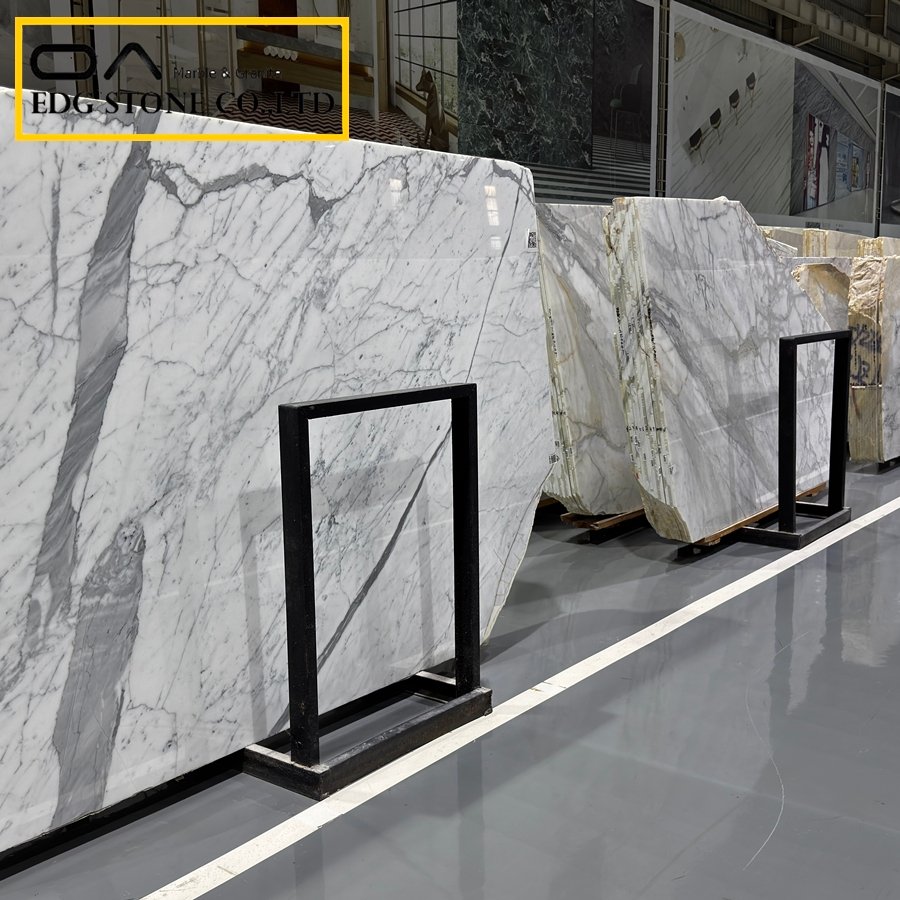
White marble is a metamorphic rock formed when limestone or dolomite—both sedimentary carbonate rocks—are subjected to high temperatures and pressures within the Earth’s crust. During metamorphism, the original carbonate minerals recrystallize into larger interlocking crystals of calcite (CaCO₃) or dolomite (CaMg(CO₃)₂). Pure white marble is usually produced from exceptionally clean limestone with few impurities.
Key scientific points:
Primary mineral: calcite (CaCO₃) — gives marble its ability to polish to a bright sheen.
Hardness: typically ~3 on the Mohs scale (softer than granite).
Texture: crystalline and generally not foliated, with veins caused by trapped impurities. Wikipedia
2. Why white marble has veins & color variations
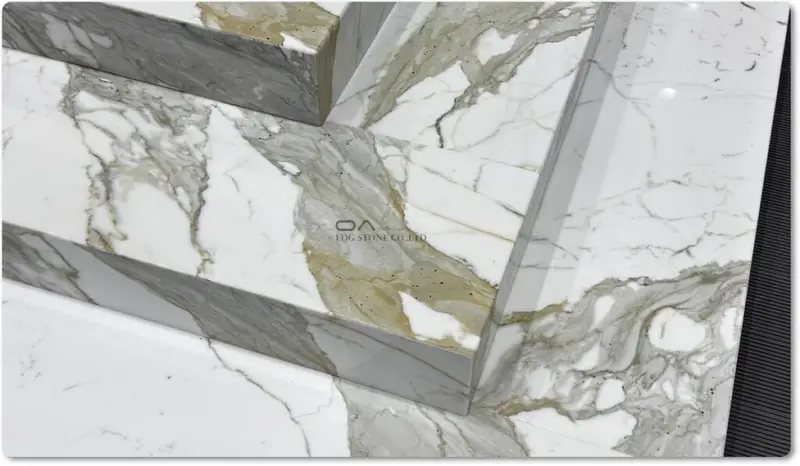
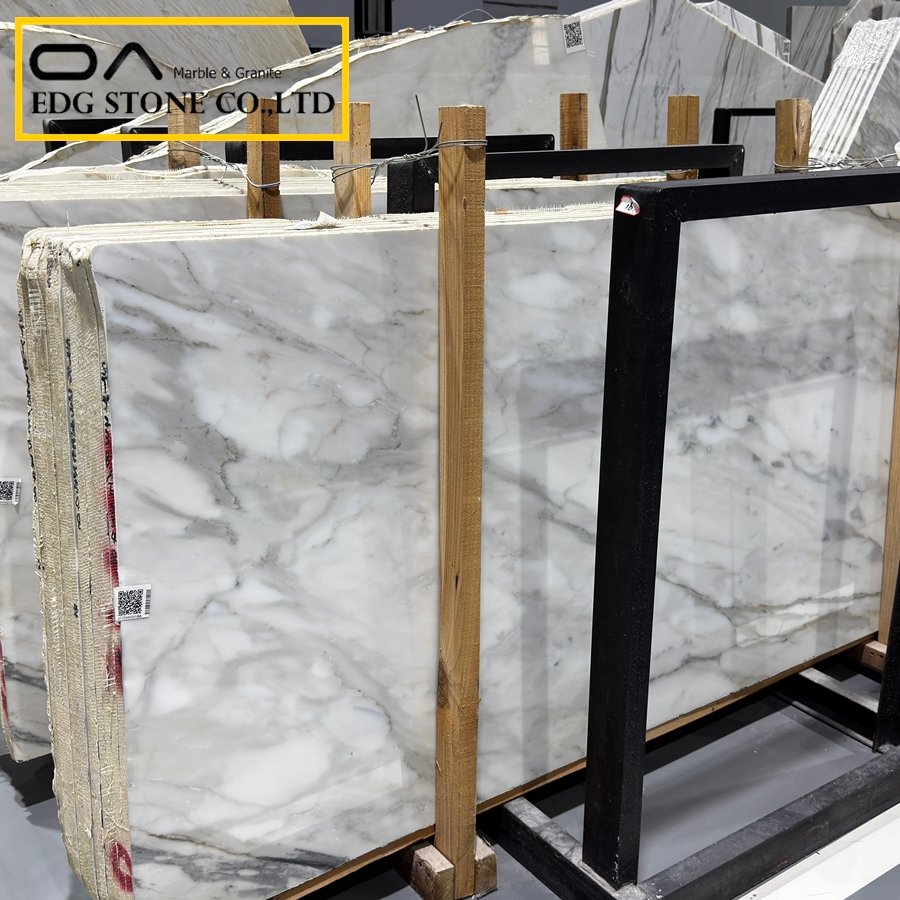
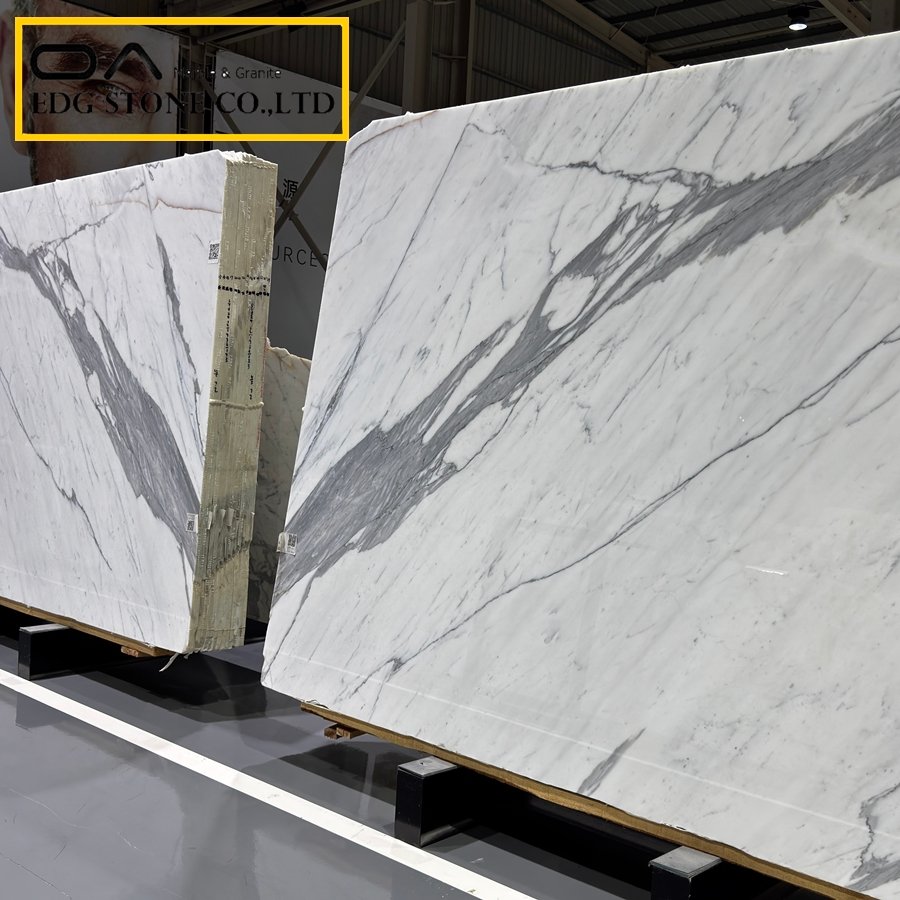
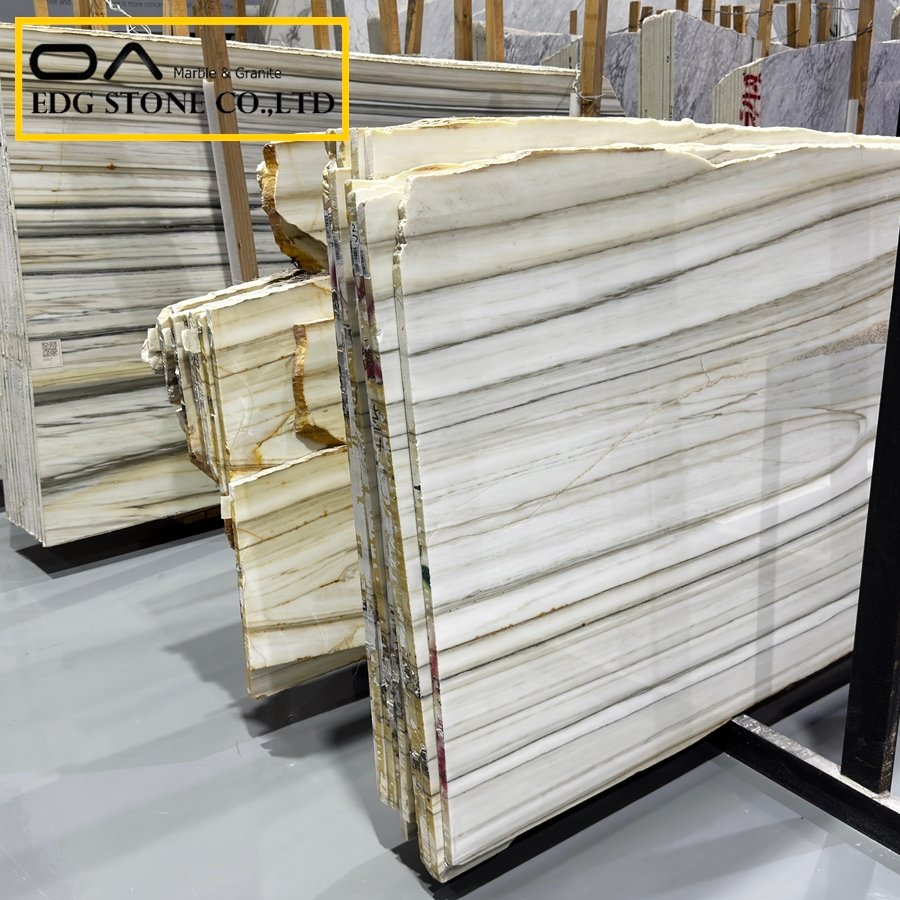
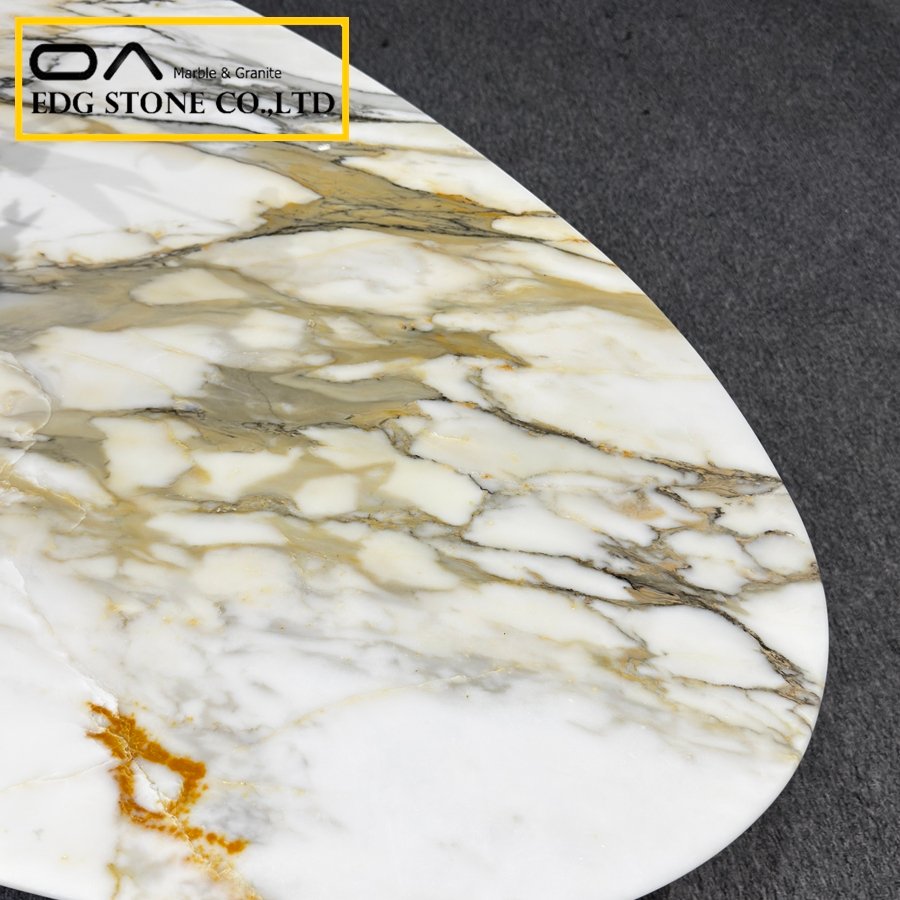
Marble’s signature veins come from trace impurities (iron oxides, clay, graphite, serpentine, chert, or other minerals) that were present in the original limestone or introduced during metamorphism. When the parent limestone recrystallizes, those impurities become streaks, clouds, or linear veins that designers prize for aesthetic variety. The purer the carbonate protolith, the more uniformly white the marble will be.
3. What is white marble used for (practical applications)?
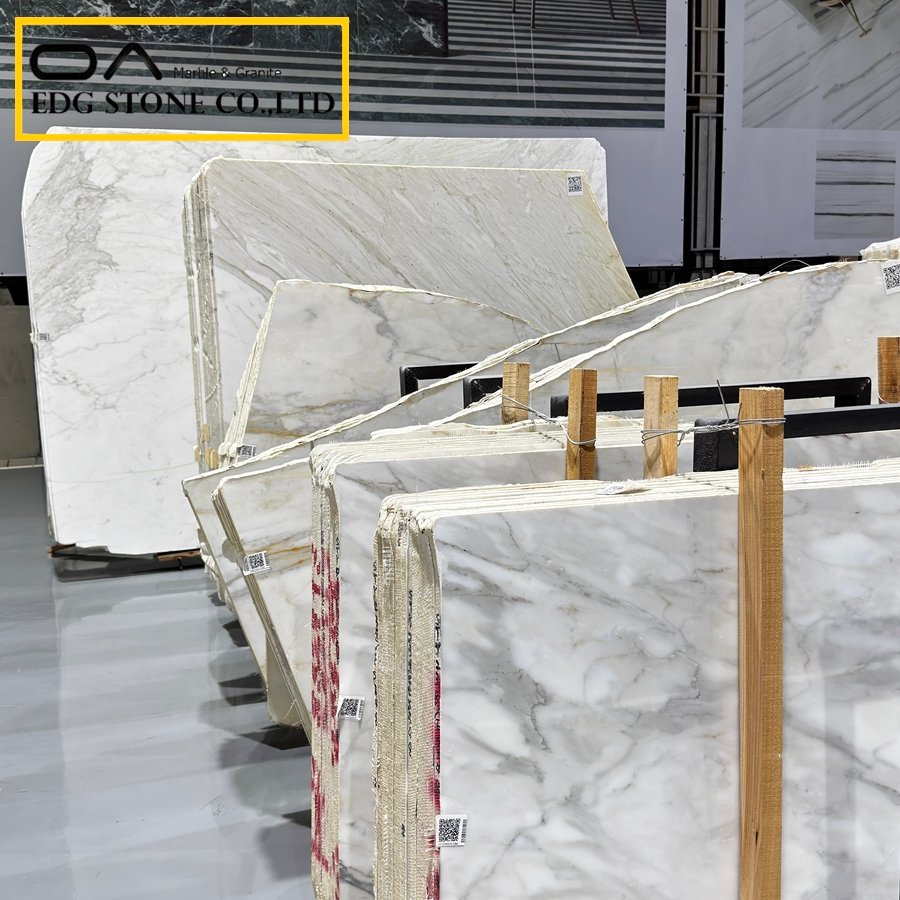
White marble’s classic uses include:
Sculpture & monuments — prized since antiquity for workability and translucence.
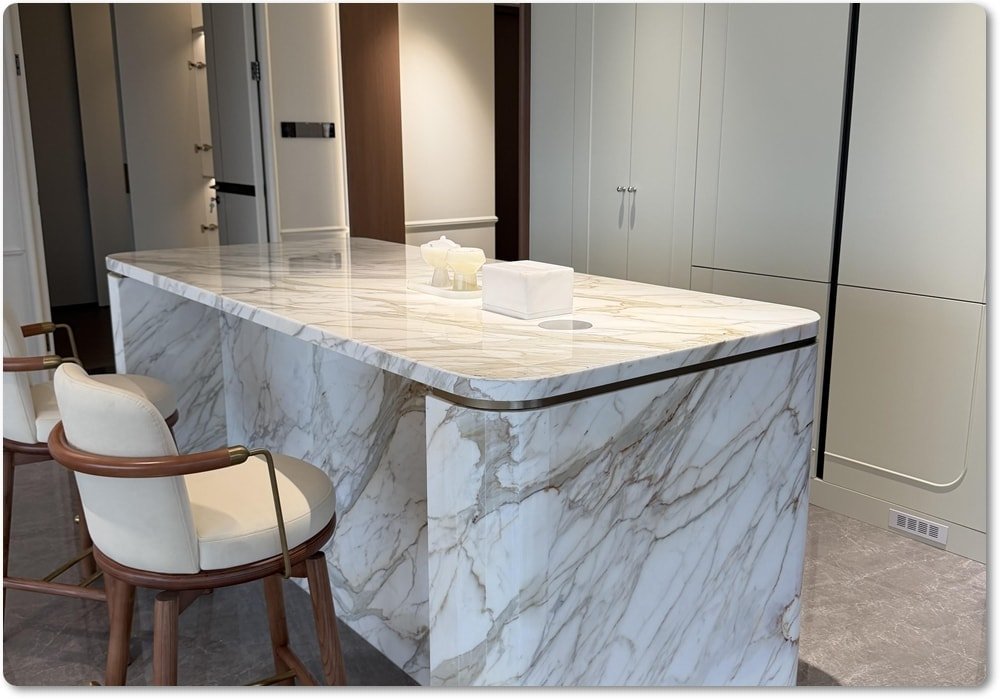
Countertops & vanities — elegant kitchens and bathrooms (note: porous and acid-sensitive).
Flooring, wall cladding, columns, stair treads — common in elite residential and commercial builds.
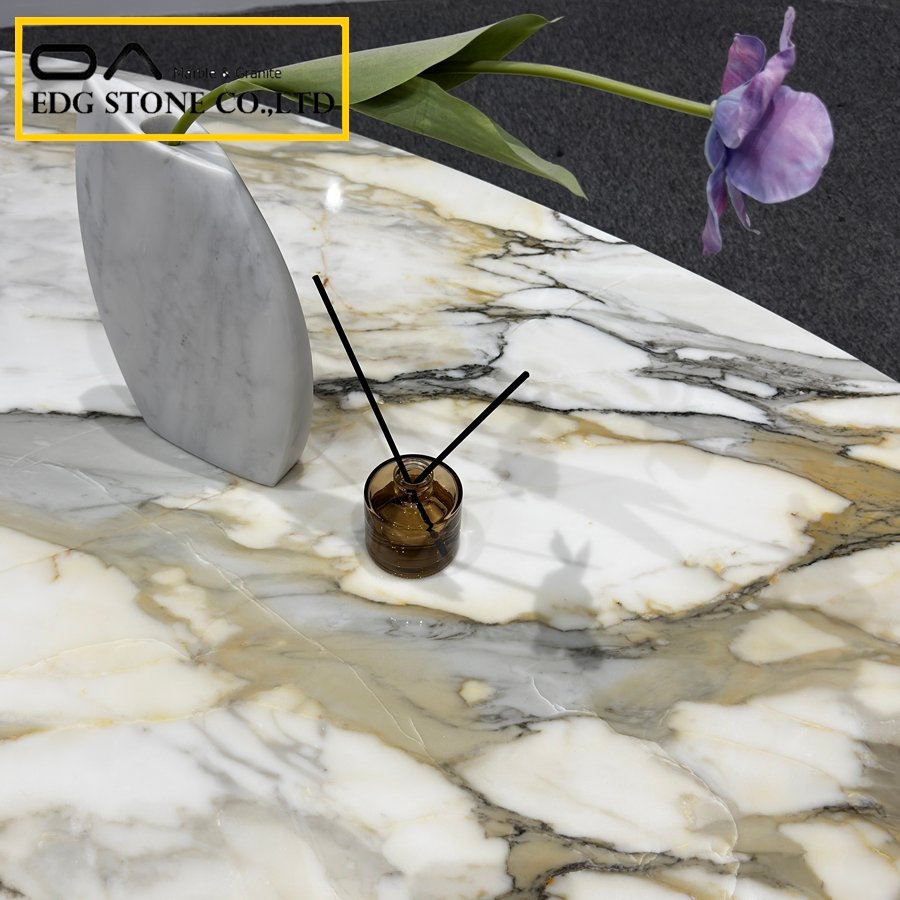
Architectural features & furniture — tabletops, decorative panels, bespoke millwork.
Long-tail commerce keywords for product pages (examples to use across the site):
white marble slab wholesale manufacturer
Buy white marble countertops factory direct
Carrara white marble slab supplier
4. Spiritual meaning of white marble stone & bracelet symbolism
In many cultural and metaphysical traditions, white marble is associated with purity, permanence, serenity, and clarity. Practitioners of crystal work and lithotherapy often claim that white marble supports calmness, self-control, and meditation. When used as jewelry (e.g., Connemara marble bracelets or white marble bead bracelets), the stone is frequently presented as a reminder of stability, inner strength, or cultural heritage (for region-specific marbles like Connemara). These spiritual meanings are symbolic rather than scientific and vary by tradition and vendor.
5. How to tell if a stone is marble — quick ID tests?
If you need to determine whether a slab or piece is true marble, use several checks (no single method is 100% conclusive, but combined they reliably indicate marble):
Visual pattern: marble tends to have veins and swirls (not the granular speckling of granite).
Cool to the touch: natural stone often feels cooler than plastic or laminate.
Scratch/hardness test: with caution—marble is softer (Mohs ~3) and can scratch more easily than granite.
Acid test (chemical): put a tiny drop of household vinegar or diluted lemon juice on an inconspicuous spot—marble (carbonate) will fizz/bubble (effervescence) due to reaction with acid; granites and many silicate stones usually will not react. Use this test conservatively (it can etch).
Professional lab or geologist: for absolute certainty, send a small sample for mineralogical analysis.
Safety note: Avoid doing acid tests on finished/fashionable surfaces where etching or staining would harm the look; use on an offcut or ask a professional.
6. How to clean & maintain white marble (best practices)?
Because marble is calcium carbonate (acid-sensitive) and somewhat porous, cleaning and protection are essential for preservation. Follow these best practices:
Daily cleaning: mild pH-neutral stone soap or diluted dish detergent + warm water; rinse and dry thoroughly to avoid residue.
Avoid acids & abrasives: never use vinegar, lemon juice, bleach, or abrasive powders — they etch and dull the polish.
Sealing: apply a good-quality penetrating stone sealer per manufacturer guidance; re-seal periodically (frequency depends on use and porosity).
Stain management: blot spills quickly. For organic stains, peroxide-based poultices are commonly recommended; oil stains may need solvent-based cleaning by a professional (follow stone-care references).
Restoration: for deep etches or wear, professional honing/polishing will restore the surface.
Practical pro tip: keep coasters, cutting boards, and trivets on marble countertops to reduce the risk of stains and etching.
7. Difference between marble and other stones (granite, quartz, quartzite, engineered)
Marble vs Granite: Marble is metamorphic and mostly calcite (softer, acid-sensitive, veined); granite is igneous, harder, more scratch- and heat-resistant, and usually speckled.
Marble vs Quartzite: natural quartzite is a metamorphosed sandstone (often harder than marble) and has a different mineralogy (more quartz), making it more scratch-resistant and less acid-sensitive.
Marble vs Engineered Quartz: Engineered quartz is man-made (ground natural quartz + polymer resin) and is non-reactive to acids; it’s more uniform and lower maintenance, but lacks the unique natural veining of true marble.
When writing product pages, include comparative anchor text like “marble vs quartz countertops: pros & cons” to help capture buyer intent.
8. Market snapshot & regulations shaping the industry direction
Market size & production
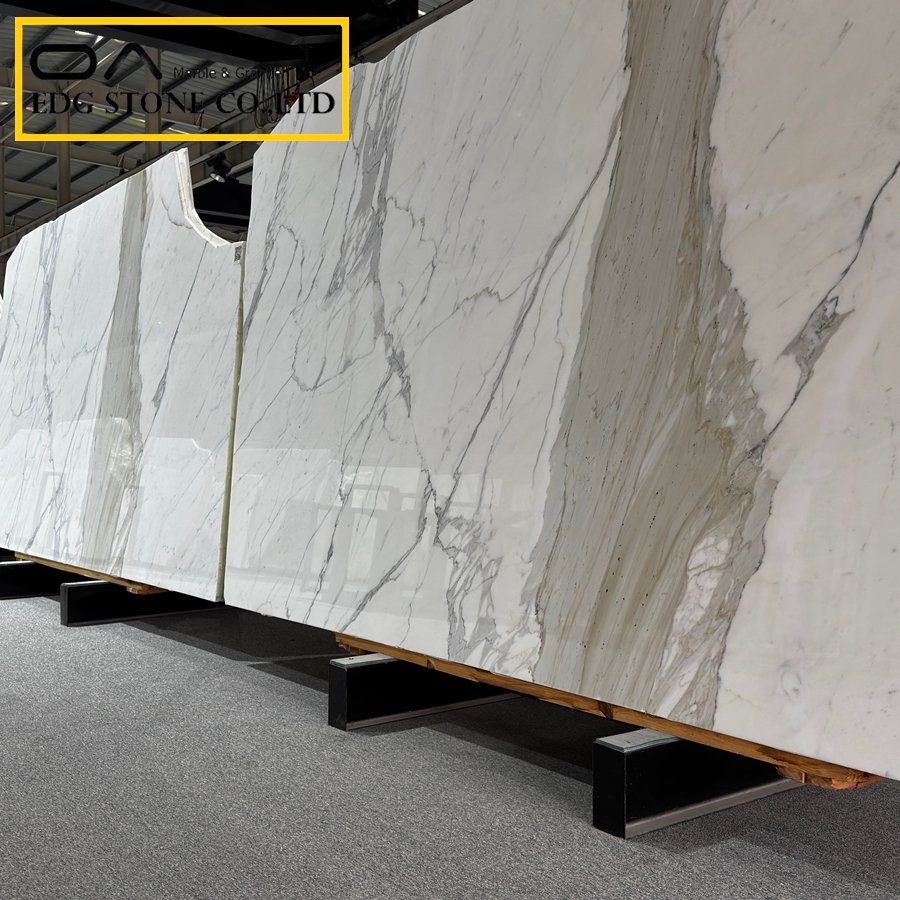
The global marble market remains large and growing — industry reports estimate global market values in the tens of billions USD with moderate CAGR through the late 2020s. Major producing/exporting countries include China, Italy, Turkey, India, and Spain. Italy is frequently positioned as the premium/quality leader for varieties such as Carrara and Calacatta.
Key regulation & worker safety trends affecting the stone industry
Although marble itself is calcium-based, the broader stone extraction and fabrication industry must confront respirable crystalline silica exposure (especially when cutting engineered stone and silica-rich natural stones). Regulatory agencies (OSHA in the U.S., MSHA for mining, and EU occupational bodies) have tightened exposure limits and monitoring requirements to protect worker health — driving adoption of wet-cutting, local exhaust ventilation, dust suppression, and medical monitoring in facilities and quarries.
Environmental & sustainability trends
Governments and clients increasingly demand sustainable quarrying (EIA compliance, water management, biodiversity protection, reduced emissions, and waste recycling). Brands that adopt ISO 14001-style environmental management, transparent chain-of-custody, and lower carbon logistics are more competitive—especially for premium hospitality and institutional specs.
Implication for manufacturers & suppliers: prepare to document worker safety protocols (silica controls), present sustainability credentials, and offer traceable origin data to meet evolving procurement and ESG requirements.
Semantic closure: What designers, buyers need to know?
10. FAQ — Google hot-search style (5 items)
Below are five high-value FAQs formatted for readers and for inclusion in structured data (the exact FAQ text appears verbatim in the JSON-LD below).
Q1: What is the white stone that looks like marble?
A1: Many stones can appear similar to white marble — clean limestones, some quartzites, and engineered quartz with marble patterns. A small acid test (on scrap) and visual inspection help differentiate true calcitic marble.
Q2: What is the white marble called?
A2: Well-known white marbles include Carrara, Statuario, Calacatta (Calacatta Gold, Calacatta Borghini), and Thassos. Regional names vary widely.
Q3: What is white marble used for?
A3: White marble is used for sculpture, countertops, vanities, flooring, wall cladding, architectural features, and decorative furniture pieces.
Q4: How to clean marble stone?
A4: Clean with pH-neutral stone soap or mild dish detergent and warm water; avoid acids and abrasives. Rinse and dry, reseal as recommended, and consult a professional for deep stains or etching.
Q5: How to tell if a stone is marble?
A5: Look for veining, test hardness (softer than granite), and — with caution — try a small acid test (effervescence). For final confirmation, request lab testing or a geological assessment.
11. Sources & data references (select, high-impact)
Marble — general definition, composition (calcite/dolomite), and formation. Wikipedia
Chemical composition of marble (calcium carbonate as the main component).
Marble formation (metamorphism from limestone).
Marble care & cleaning (stone care guides & industry advice).
Acid test method for identifying marble/limestone.
Market size and major producing countries (2024–2025 reports).
Worker safety (OSHA respirable crystalline silica guidance & rules).
Sustainability & quarry best practices industry guidance.
12. Focus Keywords & Tags
Focus Keyword (primary):
What is white marble stone
3–5 long-tail keyword suggestions (high commercial intent):
white marble slab wholesale manufacturer
Buy white marble countertops factory direct
Carrara white marble slab supplier
white marble stone bracelet meaning (for content targeting jewelry/retail)
how to clean marble stone professional guide
50 SEO tags (comma-separated):
white marble, white marble stone, what is white marble, marble composition, calcium carbonate marble, carrara marble, calacatta, how to tell if stone is marble, how to clean marble, marble bracelet meaning, white marble slab wholesale, marble manufacturer, marble factory, buy white marble slab, marble countertops, marble care guide, marble vs granite, marble vs quartzite, marble uses, marble for sale, marble supplier, marble exporter, natural stone, marble flooring, marble cladding, marble vanity tops, marble sculpture, marble polishing, marble sealing, marble stains, marble restoration, marble market 2025, sustainable quarrying, OSHA silica stone industry, respirable crystalline silica, marble maintenance, stone industry regulations, marble identification, marble origins, Carrara supplier, Italian marble, marble design trends, marble jewelry, Connemara marble bracelet, marble spiritual meaning, marble metaphysical, honed marble, polished marble, marble porosity, marble etching, marble slab photos, marble wholesale China.