Zero Silica Stone Benchtops | Non-Silica Stone Products Sydney
Introduction — why “zero silica” matters now
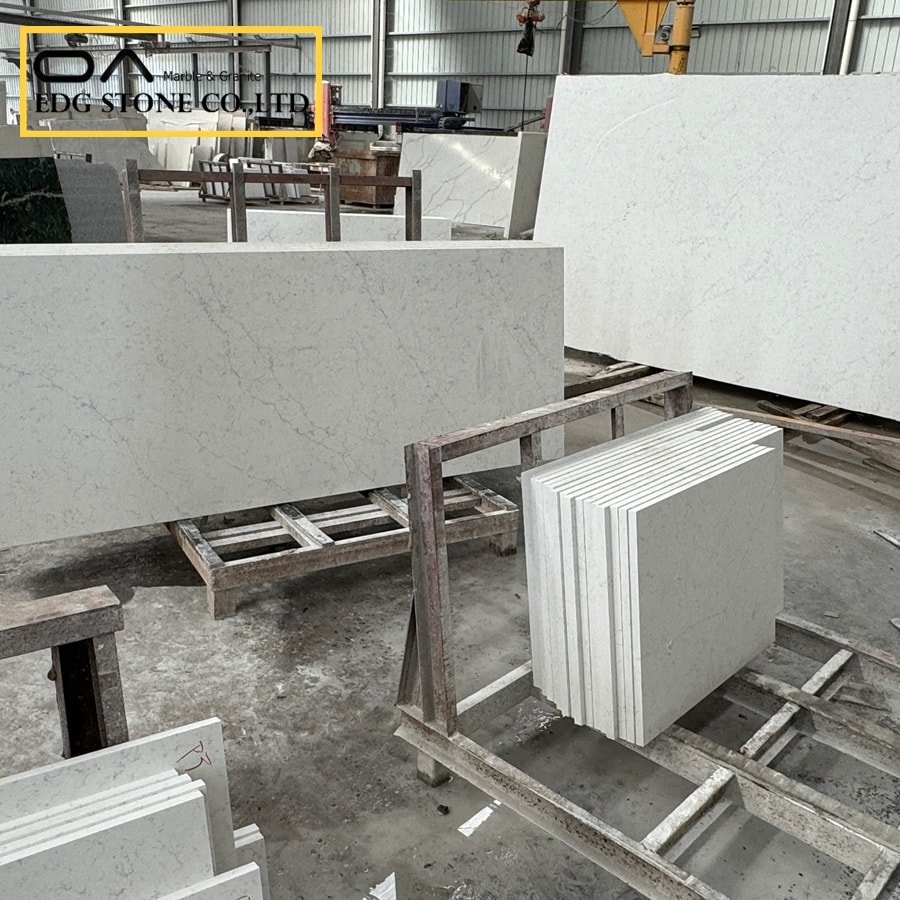
Respirable crystalline silica (RCS) is linked to silicosis, lung disease, and other serious health impacts when workers are exposed to dust generated by cutting, grinding, or polishing silica-bearing materials. Australia moved decisively in 2024 to reduce that risk: a national prohibition was introduced on the manufacture, supply, and installation of engineered stone products (effective 1 July 2024), plus strengthened WHS regulation measuring and managing silica exposure from 1 September 2024. These regulatory steps mean the construction, fabrication, and stone supply markets must offer compliant alternatives — and customers are actively searching for “silica-free engineered stone” and “zero silica benchtops.”
1) What is crystalline silica, and why does it matter?
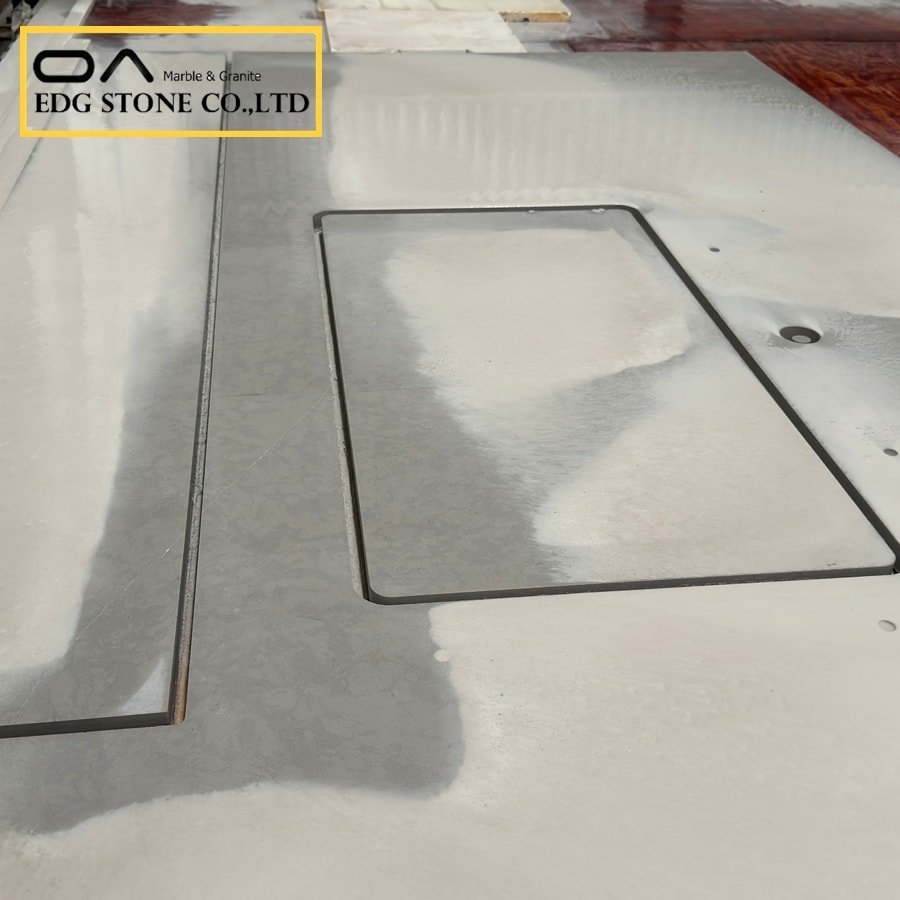
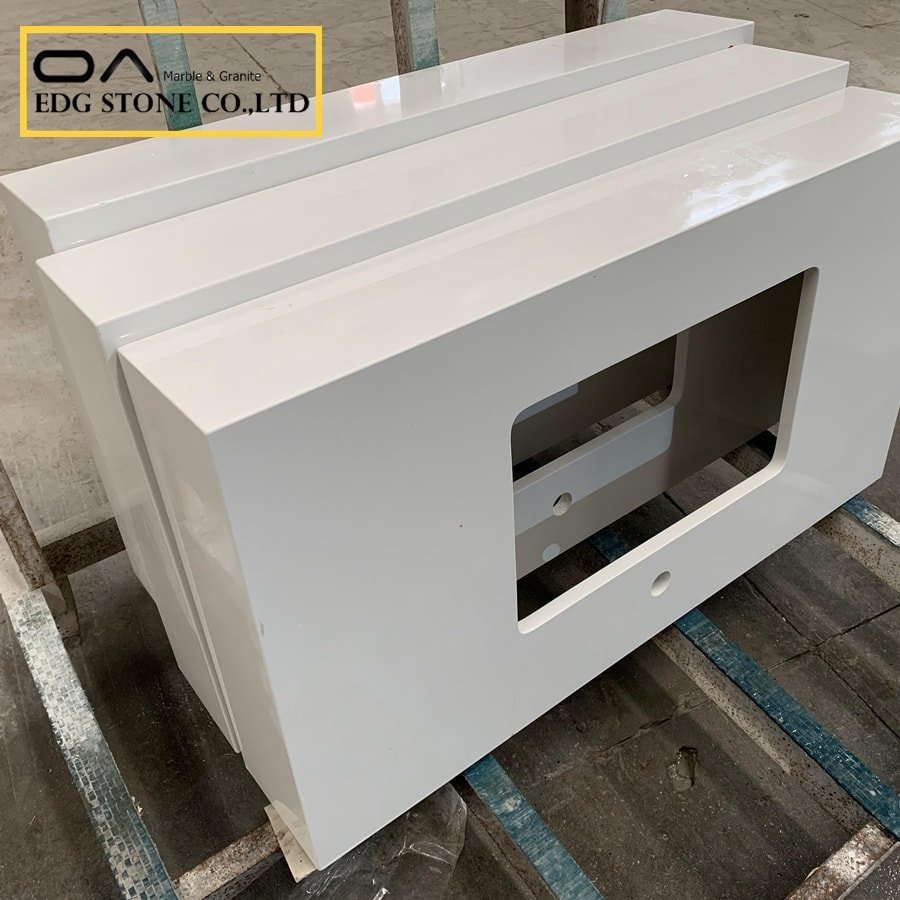
Crystalline silica is a natural mineral (silicon dioxide) widely present in sand, stone, and engineered quartz. When cut, ground, or polished, it creates respirable crystalline silica dust that can reach deep into the lungs and cause silicosis, lung cancer, and other respiratory diseases. The hazard becomes acute during fabrication (onsite cutting or grinding) unless controls (wet cutting, enclosure, extraction) are strictly applied. Because engineered quartz historically contains a high percentage of quartz (silica) bound with resin, machining it can generate high silica exposures, which drove reform across Australia and many other jurisdictions. safeworkaustralia.gov.au
2) Australia’s regulatory shift — timeline & what it means for buyers
1 July 2024: Australia introduced a prohibition on the use, supply, and manufacture of engineered stone benchtops, slabs, and panels to protect workers from RCS exposure. This ban excludes certain low-silica finished items (sinks, jewelry) and does not automatically apply to sintered/porcelain products with silica traces below regulatory thresholds. Check local transitional arrangements for contracts executed before the cut-off. dewr.gov.au+1
1 September 2024 onward: the model Work Health & Safety Regulation amendments require stronger regulation of all materials containing ≥1% crystalline silica, plus risk assessments and silica control plans. Safe Work Australia published guidance and codes to help PCBUs comply. These changes force fabricators and suppliers to offer materials and working systems that reduce or remove silica risk. safeworkaustralia.gov.au+1
Implication for consumers and businesses: procurement must now focus on compliant, silica-free alternatives (and verify supplier claims with published test data/material Safety Data Sheets).
3) What does “silica-free” mean? (materials & chemistry)
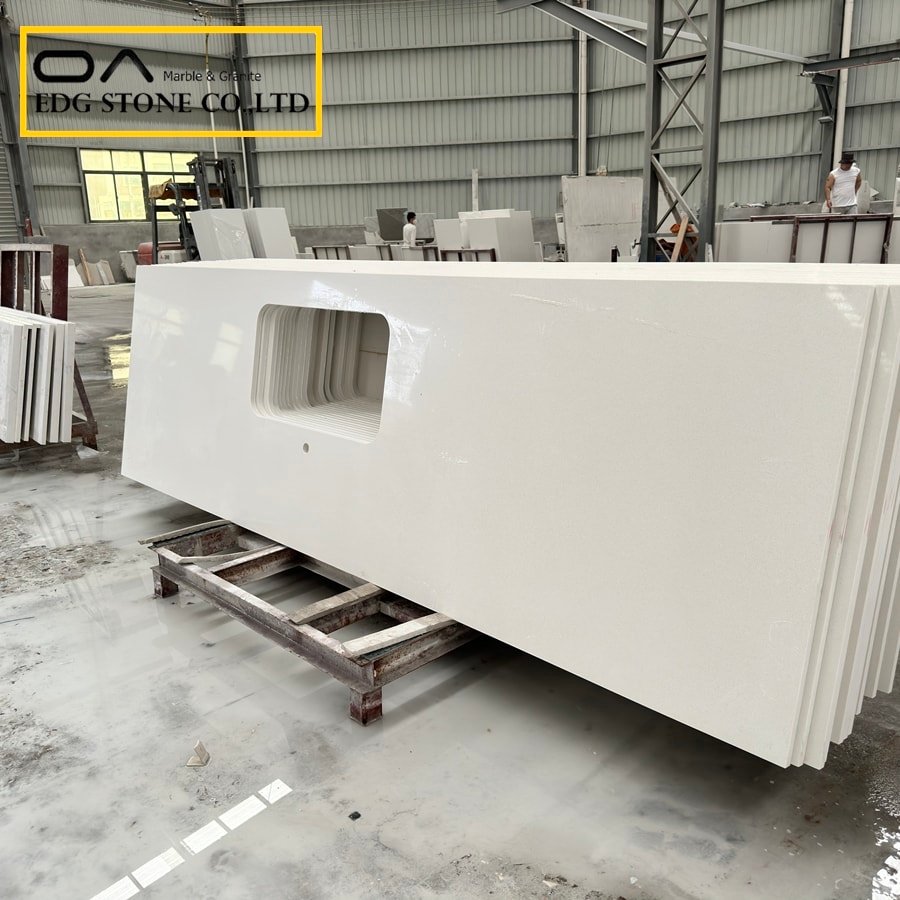
“Silica-free” or “crystalline silica-free” typically means the finished product contains negligible or non-detectable respirable crystalline silica (often <1% by weight or absent). Manufacturers achieve this by:
Replacing quartz filler with recycled glass, polymer binders, and mineral additives (glass-rich composites). Example: recycled glass solid surfaces positioned as crystalline silica-free.
Using sintered porcelain / sintered stone technologies (some sintered slabs have trace silica below regulated thresholds and are excluded from the engineered stone ban — always verify lab data). aca.org.au
Proprietary “zero-silica” engineered surfaces using polymer matrices and non-silica fillers (vendors market these as ‘Alpha Zero’, ‘Zero Surfaces’, etc.).
Natural stones (granite, marble, quartzite) vary: many still contain silica minerals — natural stone is not automatically silica-free. Buyers must check the composition and fabrication exposure controls. (Important: “natural stone” ≠ silica-free; some natural stones can contain high crystalline silica.)
Always ask for independent laboratory results (XRD or equivalent) that specify respirable crystalline silica content and the test method/lab accreditation.
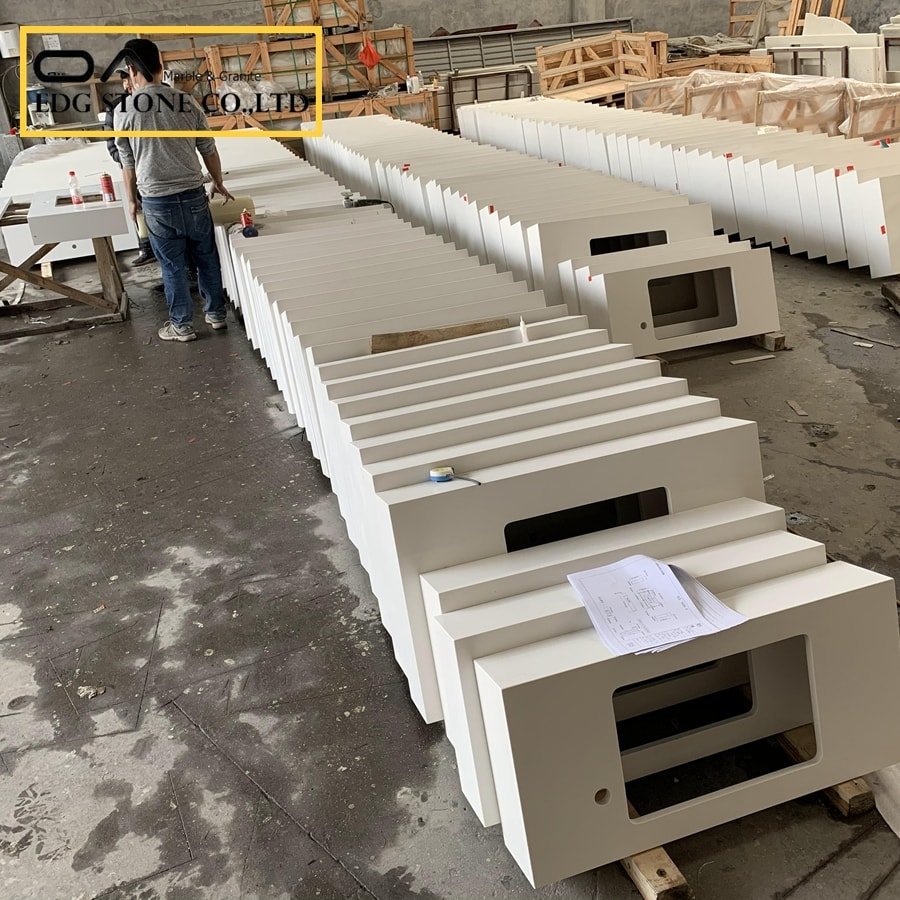
4) Popular zero-silica benchtop materials — pros, cons & price guide
A. Recycled glass composite (glass-rich, polymer binder)
What: High recycled glass content (often 60–90%) bound with resins or polymer matrices. Marketed as “crystalline silica-free.” Example manufacturers/products in Australia list “Quantum Zero” / Stone-Tech lines.
Pros: Truly low/no crystalline silica risk (if independently tested), bold translucency/reflective finishes, strong sustainability story (recycled content).
Cons: Can scratch or chip differently than quartz; heat sensitivity varies; repairability depends on binder; limited ultra-thin profiles in some lines.
Price guide (Australia): mid to premium — expect similar installed pricing to premium solid surfaces; rough range AUD 600–1,400/m² installed, depending on finish and fabrication complexity.
B. Sintered porcelain / sintered stone (e.g., Neolith, Dekton-like technologies)
What: High-pressure sintered slabs with minerals; silica content depends on formula (some are below regulatory thresholds). Porcelain sintered surfaces are often exempt from the engineered stone ban if silica trace <1%. aca.org.au
Pros: Extremely heat and scratch-resistant; large-format slabs; low porosity.
Cons: Heavier, may require special tooling to fabricate; cost tends to be premium; verify silica content lab reports.
Price guide: premium — installed AUD 800–1,800/m² depending on slab size and edgework.
C. Solid surface (acrylic/polyester) and engineered polymer surfaces (e.g., Corian® alternatives)
What: Non-silica polymer surfaces with mineral fillers not containing crystalline silica.
Pros: Seamless joins, easy repair, food safe.
Cons: Lower heat resistance than porcelain; can scratch; limited premium stone visual replication (though modern patterns have improved).
Price guide: low to mid — AUD 450–1,000/m² installed.
D. Proprietary “zero silica” engineered mixes
What: Manufacturers re-formulated engineered stone to remove quartz fillers and replace them with alternative minerals/glass. Examples of vendors marketing “zero silica” lines in Australia.
Pros & Cons: Claim to combine stone aesthetic with compliance; performance varies by formula; independent test data crucial.
Price guide: mid to premium — similar to premium quartz before the ban.
E. Natural stone (granite, marble, quartzite)
What: Natural stones can contain crystalline silica (silicate minerals) and, therefore, are not automatically safe. When used, fabrication controls are needed.
Pros: Authentic stone look, established supply chain.
Cons: Potential silica exposure during cutting/polishing; cost varies widely.
5) Reviews & real-world performance (what owners & fabricators report)
Aesthetic parity: Recycled glass blends and modern zero-silica mixes get high design marks — glass content creates depth and sparkle similar to some quartz designs.
Fabrication: Vendors increasingly move cutting off-site to controlled factory settings or use pre-finished panels / CNC pre-cutting to reduce onsite work. Verify whether your supplier offers factory cut to eliminate on-site silica risk.
Durability: Sintered porcelain and high-quality proprietary zero silica engineered mixes show excellent scratch/heat resistance; recycled glass composites vary by resin type — ask for warranty and test data.
Practical tip: Request the product’s independent test report (XRD or similar) that shows crystalline silica content, plus an SDS and warranty. If the lab result shows <1% crystalline silica or “not detected,” that supports vendor claims.
6) How to buy — manufacturer/factory / wholesale search signals & long-tail keywords?
Buyer intent: what to ask & search for
“zero silica benchtop manufacturer Sydney”
“silica-free engineered stone factory Australia wholesale”
“crystalline silica free benchtops manufacturer wholesale Melbourne”
“zero silica stone slab supplier factory direct NSW”
“silica-free recycled glass benchtop factory price Australia”
3–5 Recommended long-tail purchase-intent keywords (use in product pages & PPC):
“zero silica benchtop manufacturer Australia factory”
“silica-free benchtops wholesale Sydney supplier”
“crystalline silica-free stone slab manufacturer wholesale”
“silica-free engineered stone price manufacturer direct”
“zero silica stone supplier factory Melbourne installation”
When contacting suppliers, request: ISO/AS lab test results, SDS, fabrication & installation method (factory cut vs on-site), lead time, warranty, and whether they offer pre-finished edge profiles to avoid on-site cutting.
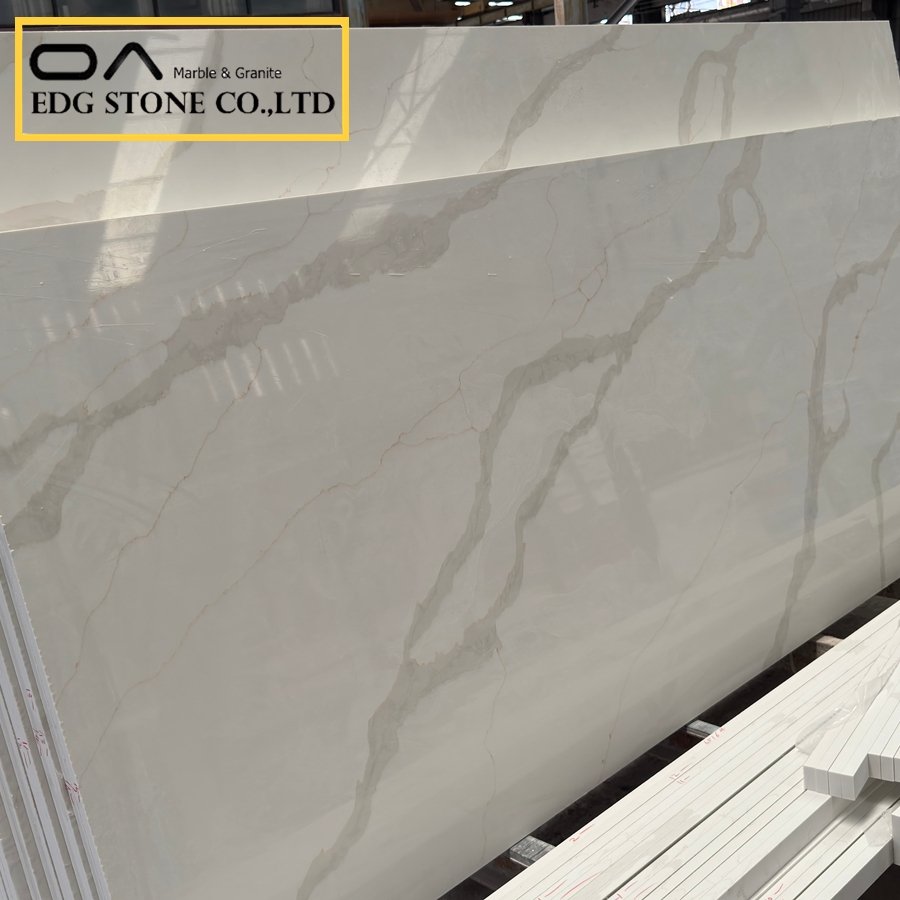
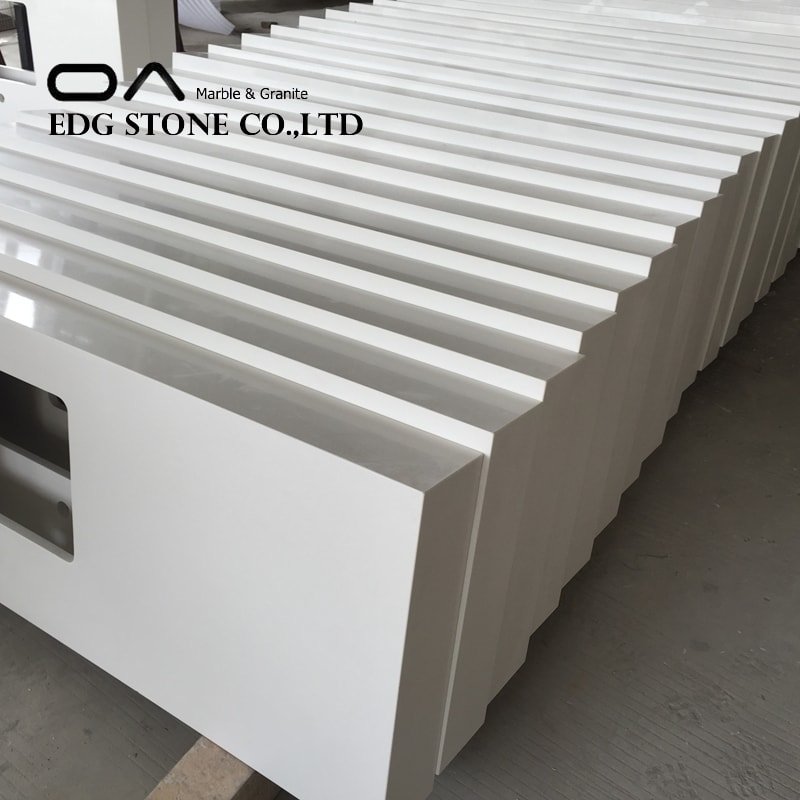
7) Installation, care & maintenance — safety + longevity tips
Prefer factory-cut and finished benchtops or have fabrication happen in controlled, enclosed factories with dust extraction — this protects workers and may be required by local WHS rules. safeworkaustralia.gov.au
Use heat mats/trivets on glass-polymer surfaces; follow manufacturer care guides.
For sintered porcelain, use correct support and anchoring (heavy slabs) and appropriate adhesives for low-porosity surfaces.
Confirm the installer follows local WHS requirements for transporting and installing heavy slabs; keep records of product test reports for compliance and resale value.
Semantic Closure — What you need to know (How / Why / What / Options / Considerations)
How: Choose silica-free surfaces by verifying independent lab test results (XRD), selecting factory-finished panels where possible, and preferring suppliers who publish SDS and compliance documents.
Why: Australia’s engineered stone prohibition (from 1 July 2024) and stronger silica regulations (from Sept 2024) prioritize worker safety — silica-free products remove a major occupational hazard while meeting design needs.
What: Acceptable options include recycled glass composites, sintered porcelain (if silica <1% by weight per product test), solid surfaces, and proprietary “zero silica” engineered mixes. Natural stone can be used, but may still require exposure controls if silica content is present.
Options (detailed):
- Budget-conscious: solid surface or entry recycled glass lines (lower price, easier repair)
- Design/Performance: sintered porcelain or high-end zero-silica engineered mixes (premium cost, excellent durability)
- Sustainability: high recycled glass content products (closed-loop material story)
Considerations: Verify lab data, ensure factory-cutting or risk controls, compare warranties, and include silica-safety claims in procurement contracts. Always ask for documentation and independent testing to avoid greenwashing claims.
9) Buying checklist (practical)
Request independent crystalline silica test results (XRD) with lab accreditation.
Ask for SDS, product warranty, and installation instructions.
Confirm whether the product requires special fabrication or installation tools.
Prefer suppliers who offer factory cutting & finishing, packaging, and on-site handling instructions.
Compare total installed price (supply + fabrication + installation + edgework + cutouts).
Keep documentation for building compliance and resale.
10) Pricing snapshot & comparison table (Australia, indicative)
Solid surface (installed): ~AUD 450–1,000/m²
Recycled glass / zero-silica engineered (installed): ~AUD 600–1,400/m²
Sintered porcelain (installed): ~AUD 800–1,800/m²
Natural premium stone (marble/granite): wide range AUD 600–2,500+/m²
(Prices indicative — request quotes. Actual installed cost varies with edgework, sinks, cutouts, freig,h,t, and fabrication method.)
11) Market & compliance note for Australian B2B buyers
Because the engineered-stone prohibition and silica regulation changes are national and enforced by local WHS regulators, fabricators, distribut,ors and importers must ensure compliant supply chains. Import controls were assigned for later import bans — buyers and procurement teams should verify product origin, customs classification, and whether supply chains comply with the prohibition and import rules.
12) Practical examples & vendors (Australia)
Several Australian suppliers and brands now market crystalline silica-free surfaces and “zero” lines — examples include factory lines marketed as Quantum Zero and various ‘Zero Surfaces’ / Alpha Zero offerings. These demonstrate the market shift toward compliant, design-forward alternatives. Always corroborate vendor claims with independent data.
FAQs — Google hot-search style (5 items)
1. Are “silica-free” benchtops really zero risk?
No material is risk-free in every circumstance. “Silica-free” or “crystalline silica-free” means the finished product does not contain measurable respirable crystalline silica — this greatly reduces silicosis risk during fabrication. However, you still need safe fabrication, correct adhesives, and safe installation. Always check independent lab results and SDS for the specific product.
2. How much do silica-free benchtops cost compared to quartz?
Silica-free options range from similar to slightly above traditional engineered quartz pre-ban prices, depending on material (recycled glass vs sintered porcelain). Expect approximate installed ranges: AUD 450–1,800/m² depending on product and complexity.
3. Are natural stones silica-free?
Not automatically. Many natural stones contain silica minerals. If you select natural stone, verify mineral composition and ensure fabrication follows silica control measures to protect workers.
4. What documents should I ask a supplier for to prove a surface is silica-free?
Request independent lab results (e.g., XRD) showing crystalline silica content, the SDS, the product technical data sheet, and any compliance statements. Verify lab accreditation.
5. Can I still import engineered stone into Australia?
Australia introduced domestic prohibitions on engineered stone use and manufacture from 1 July 2024, and imports were subject to additional controls and later prohibitions announced. Check current customs/import guidance and the Department’s notices before importing.
Focus Keyword
Focus Keyword: zero silica stone benchtops
50 SEO tags (mix of buyer intent, long-tail & topic tags):
zero silica stone benchtops,silica free engineered stone reviews,silica free engineered stone Australia,silica free stone benchtops Australia,silica free engineered stone price,what is silica free stone,crystalline silica free benchtop reviews,silica free benchtops price,silica free benchtops Melbourne,zero silica engineered stone reviews Australia,what stone contains silica,is there silica in natural stone,what is silica stone,silica stone price,difference between silica and free silica,silica engineered stone,silica free engineered stone,engineered stone silica content,does natural stone have silica,silica free benchtops Sydney manufacturer,silica free supplier factory Australia,recycled glass benchtops Australia,sintered porcelain benchtops silica,zero silica quartz alternative,crystalline silica regulations Australia,engineered stone ban 2024 Australia,silica free kitchen benchtop supplier,zero silica countertop reviews,silica free kitchen benchtops Sydney,silica free benchtops wholesale,zero silica stone manufacturer factory,silica free benchtop warranty,silica safe fabrication factory cut,silica free surfaces price Australia,silica free stone installation guide,silica free benchtop maintenance,silica free stone FAQ,best silica free benchtop brands Australia,zero silica slabs supplier,silica free engineered stone manufacturer,silica free benchtops commercial projects,silica free stone for healthcare,sustainable recycled glass benchtops,how to check silica content benchtop,XRD silica test benchtop,silica risk control plan Australia,silica free stone for chefs kitchens,silica free benchtops vs quartz,porcelain benchtops silica content,buy silica free benchtop Sydney.