
Quick answer
White marble comes from metamorphosed limestone (or dolomite) that originally formed as sediments on ancient sea floors. Under heat, pressure, and tectonic action, those limestones recrystallize into marble; when the parent rock is exceptionally pure (low in clay, iron, and other minerals), the resulting marble can be very white and even nearly pure calcite. Major historic and contemporary sources of high-quality white marble include Carrara (Italy), Makrana (India), Danby (Vermont, USA), and Yule (Colorado, USA) — but white marble is quarried in many places around the world where suitable limestone and metamorphic conditions exist.
How marble forms: the geology in plain English?
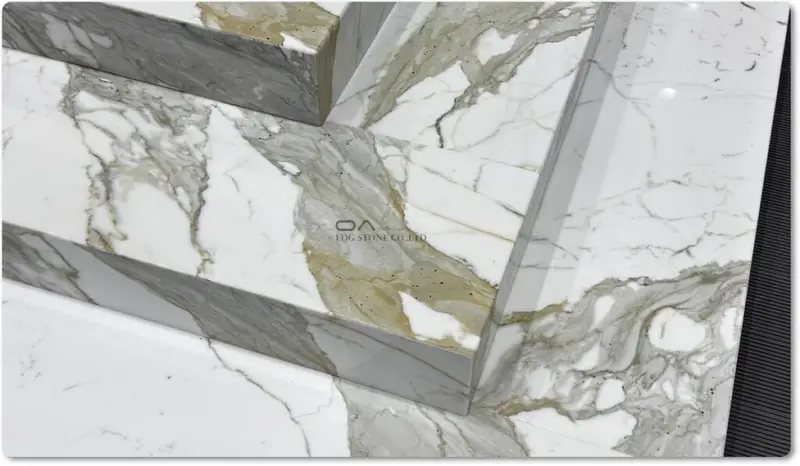
Marble is not born white by decree — it forms by metamorphism. Sediments of shells, lime muds, and biological debris accumulate on ancient sea beds and lithify into limestone. When tectonic processes bury and subject those limestones to high temperatures, pressures, and mineral-rich fluids, the calcite crystals recrystallize into a denser, interlocking mosaic — marble. If the protolith (original limestone) is very clean — lacking clays, iron oxides, and other colored impurities — the recrystallized rock will appear white or nearly white. Conversely, veins, swirls, and color zones originate from impurities that were present in the original limestone or introduced during metamorphism.
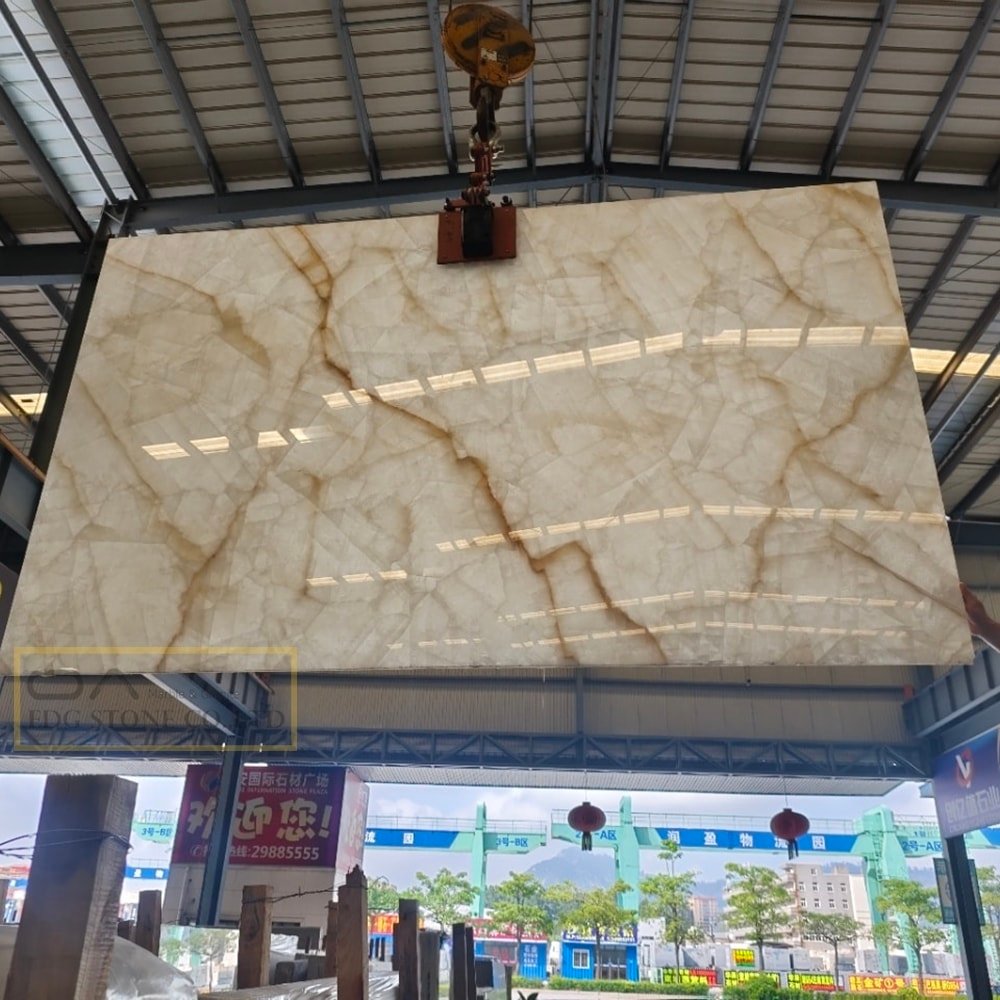
Major historical and modern sources of white marble (by region)
Carrara, Tuscany — the archetype of white marble
Carrara marble, quarried in the Apuan Alps of northern Tuscany, has been prized since Roman times and is the classic reference for “white marble.” Carrara and nearby quarries produced the marbles used by Michelangelo, Renaissance sculptors, and countless monuments. Carrara’s geology (uplifted and metamorphosed marine limestones) produces high-quality white and statuary marbles that are globally recognized. Wikipedia+1
Makrana, Rajasthan (India) — the marble of the Taj Mahal
Makrana marble is a famous pure white marble type from Rajasthan and was selected for iconic structures, including the Taj Mahal. The Makrana region’s deposits are celebrated for their workability and longevity; Makrana marble has been identified as a cultural and heritage stone in global listings. Wikipedia+1
Danby, Vermont (USA) — large underground quarries
The Danby Marble quarry in Vermont is one of the world’s largest underground marble quarries and produces high-quality white marble that is used in architectural projects globally. Danby marble is known for its consistent texture and has been used for many important institutional and commercial installations.
Yule Marble, Colorado (USA) — exceptional purity
Yule Marble is quarried in the West Elk Mountains near Marble, Colorado. Geologically derived from metamorphosed Leadville Limestone, Yule Marble is noted for its high purity (very high calcite content) and bright white appearance; it was used for the Lincoln Memorial and other prominent works. Wikipedia
Other global regions
White and near-white marbles are also produced in Greece (Thassos, famed for brilliant white marble), Turkey, Spain, China, Iran, Egypt, and parts of southern Africa. Many countries host smaller or specialized white marble quarries that feed local markets or supply specific design industries. (Trade names like “Mystery White” may refer to regionally quarried stones marketed under commercial slab names.) Wikipedia+1
Is marble found in mountains or underground?
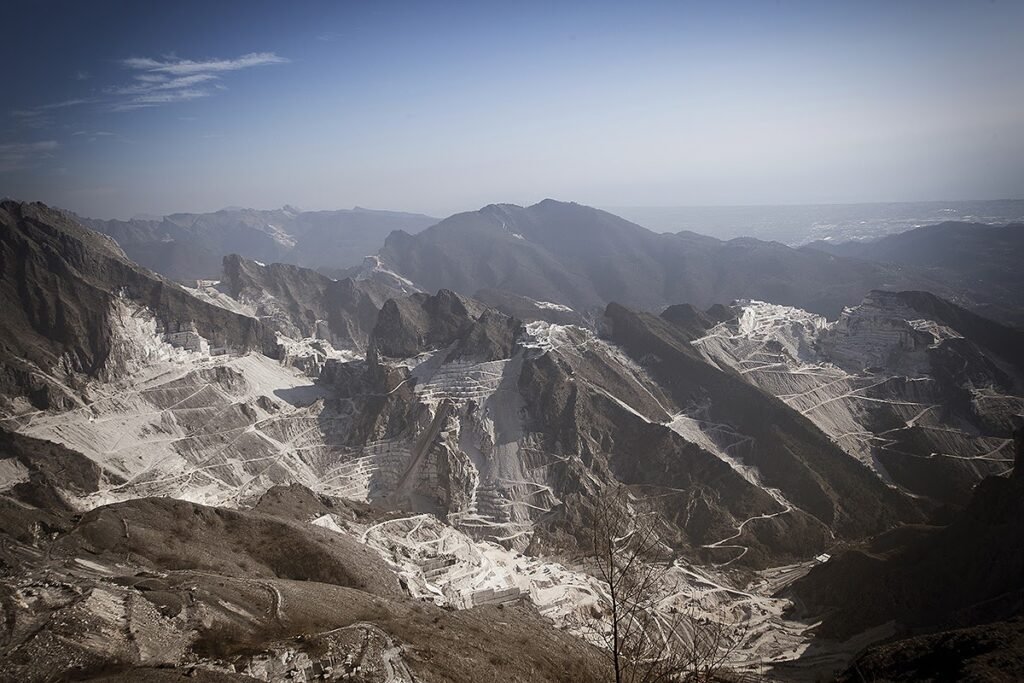
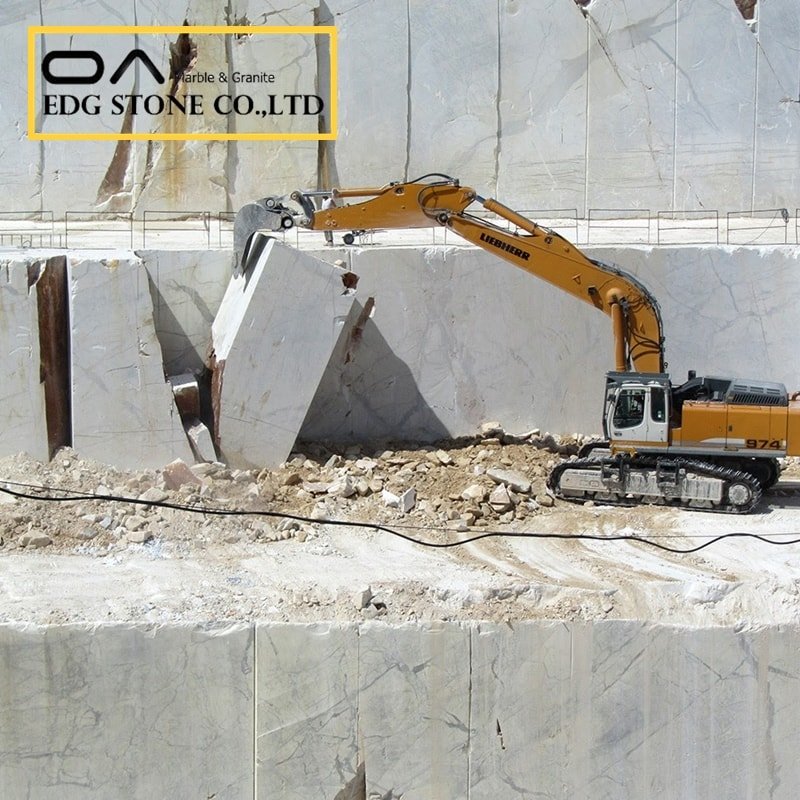
Yes — both. Marble deposits commonly appear in mountain belts and folded terrains where tectonic collision and uplift brought limestones deep enough to recrystallize and then to be exposed by erosion. Some quarries are open-pit operations cut into mountainsides; others are underground mines, especially where the vein geometry or environmental constraints favor subterranean extraction (for example, Danby’s underground complex). So white marble can be found in mountain ranges, hills, and (where covered) underground.
Where is white marble found in the United States?
The U.S. produces notable white marbles at:
Vermont (Danby) — very large underground quarry.
Colorado (Yule Marble near Marble, CO) — historically important, extremely white. Wikipedia
Other states: there are marble and dimension-stone quarries scattered across states such as Georgia, Tennessee (Tennessee “marble” is actually crystalline limestone), Massachusetts, and others where stone industries operate. The U.S. stone industry includes dozens of quarries in multiple states supplying local and national markets. Wikipedia+1
Which places produce the purest or “pure white” marble?
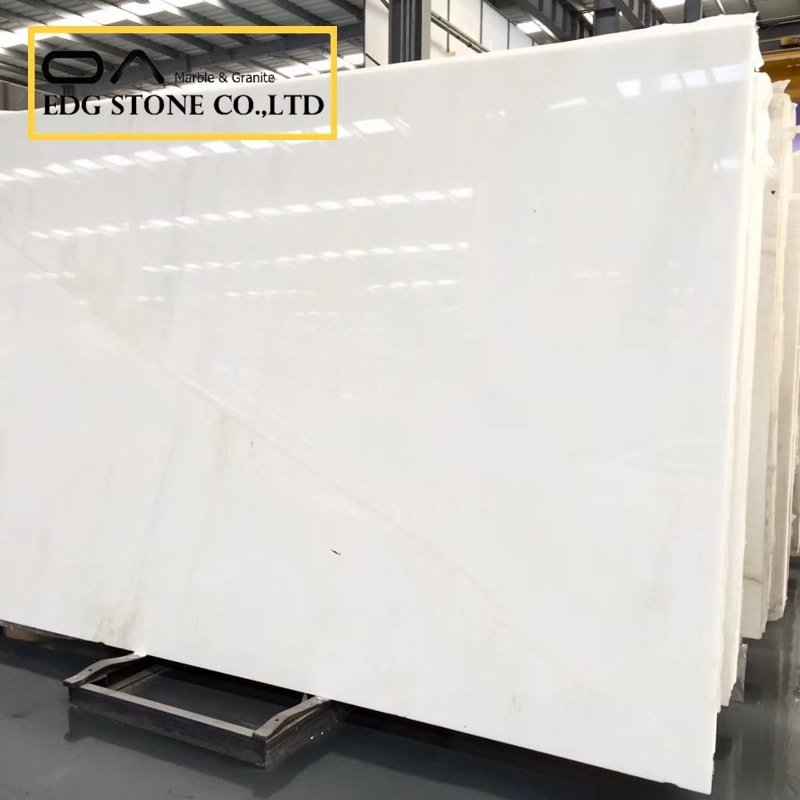
“Pure white” marble typically comes from limestone with minimal impurities. Famous examples cited in sources include Carrara (Italy), Makrana (India), Danby (Vermont), and Yule (Colorado). The exact chemistry varies, but marbles with very low amounts of clay, iron, and organics recrystallize into very white, luminous stone. For architects and conservators, purity correlates with translucence, homogeneity, and an ability to take fine polish—attributes valued for sculpture and high-end finishes. Wikipedia+1
How is white marble used (applications)
White marble has a long cultural and practical life:
Sculpture and monuments — classical statuary, memorials, and monuments.
Architectural cladding and façades — both interior and exterior.
Flooring and tiles — luxury residential/commercial floors.
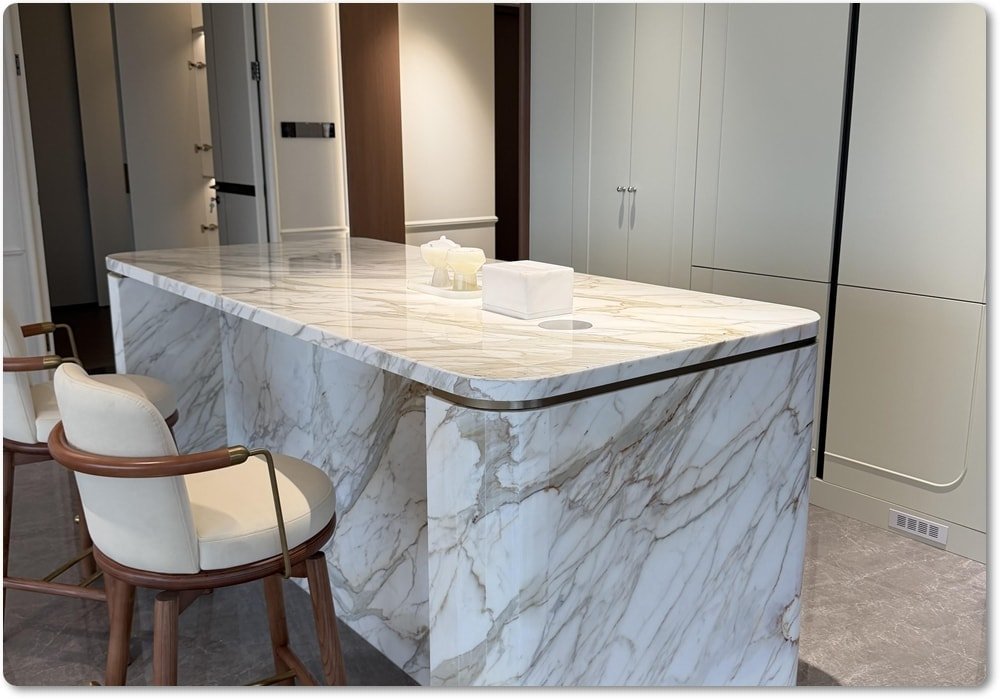
Countertops and vanity tops — premium kitchen and bath applications (though softer marbles may require more care).
Decorative inlays and furniture — tables, altars, and design objects.
Its visual luminosity and polishability make white marble a perennial design choice, though practical tradeoffs (porosity, etching) influence where designers specify it.

Is marble always white? Is marble only white?
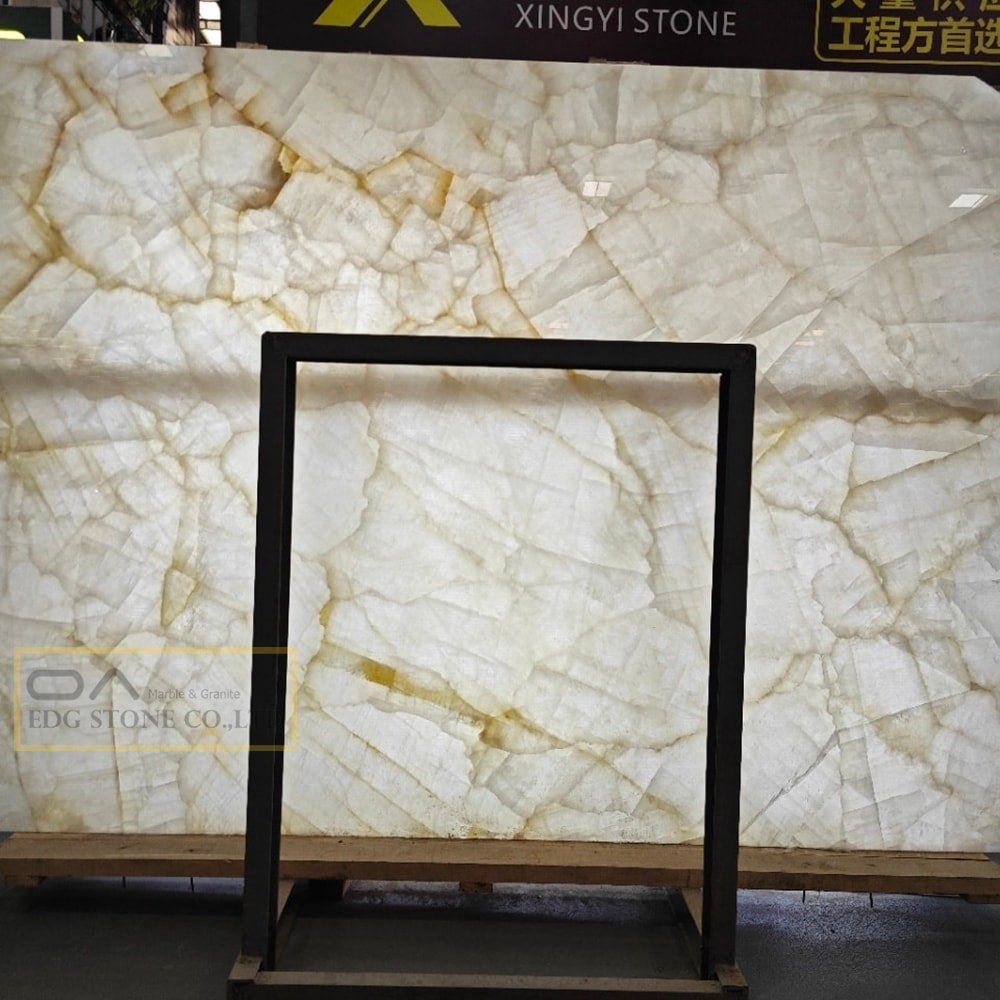
No. Although many famous marbles are white, marble is a spectrum: it ranges from pure white to cream, gray, green (serpentine-rich), pink, black (with carbonate darkening), and richly veined varieties. Colors and veins are produced by impurities (iron oxides, clay, organic material, silica, chert) present in the original limestone or introduced during metamorphism. The term “marble” in commercial stone can also include a range of crystalline limestones marketed for their aesthetic properties. Wikipedia
Supply-chain & industry considerations (manufacturers, factories, wholesale buyers)
For buyers and B2B stakeholders (importers, architects, fabricators), consider:
Quarry traceability: ask for origin documentation and sampling. Knowing whether a slab is Carrara, Makrana, or Danby affects aesthetic expectations and pricing.
Slab yield & defect rates: high-purity white marbles may have veins and fractures that increase waste; factor yield into cost estimates.
Finish & thickness: project specs (polished vs honed, 2 cm vs 3 cm) affect fabrication labor and installations.
Ethical & environmental compliance: quarry permits, land restoration commitments, and local regulations can influence long-term supply and reputational risk.
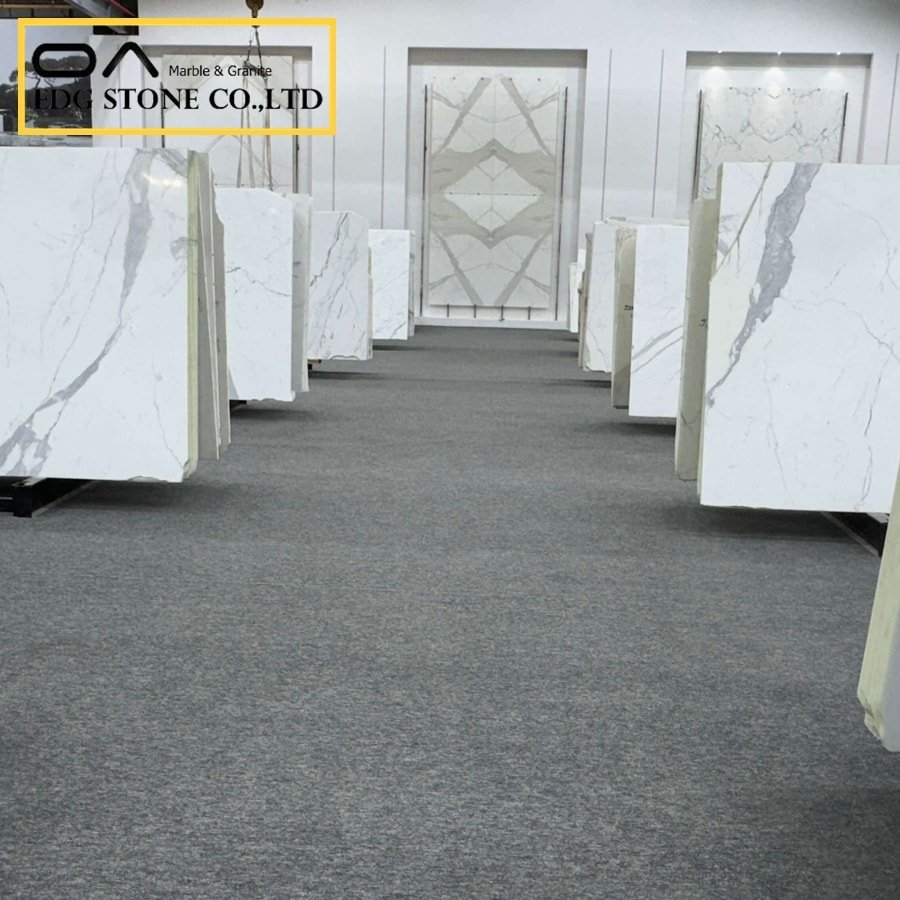
Commercial buyers should request test certificates, sample approvals, and clear lead-time commitments from manufacturers and slab suppliers.
Regulations and recent industry trends that matter
While natural marble itself is not subject to the same silica-fabrication controversies as engineered stone, the stone industry is feeling increased attention on:
Environmental management of quarries (dust control, water usage, land restoration). Regulatory compliance (local permitting, environmental impact assessments) affects quarry operations and costs.
Worker health & safety in cutting and finishing operations (dust, respirable particles) — fabricators often follow guidance on dust control even for natural stones.
Supply-chain transparency — architects and clients increasingly request provenance and sustainability data.
These trends push manufacturers and wholesalers toward better documentation, improved extraction practices, and supplier audits — all of which can affect price and availability for premium white marble. (For detailed geological process and formation standards, see USGS materials on metamorphism.)
Long-tail keyword suggestions (purchase intent, manufacturer focus)
“Buy Carrara white marble slab wholesale manufacturer price”
“Makrana white marble slab factory direct supplier for monuments”
“Danby Vermont marble wholesaler slabs for architectural cladding”
“pure white marble slab supplier origin certificate wholesale”
“Mystery White marble slab wholesale origin Namibia supplier”
Use these long-tail phrases on product pages, category landing pages, and supplier bios to capture commercial buyer intent.
FAQ (Top 5 Google search questions)
Where does marble come from?
Marble comes from limestone or dolomite that has been metamorphosed (recrystallized) by heat and pressure, typically in mountain-building regions where tectonic plates collide.Where is white marble found in the United States?
Notable U.S. white marbles come from Vermont (Danby quarry), Colorado (Yule Marble), and several other states with dimension-stone quarries.Is marble found in mountains?
Yes. Marble often occurs in mountain belts and folded terrains where buried limestones were subjected to metamorphism and later uplifted.Where does white Carrara marble come from?
Carrara marble is quarried in the Apuan Alps of Tuscany near the city of Carrara in northern Italy; these quarries have produced white statuary marbles for millennia. Wikipedia+1How is white marble formed?
By metamorphism of a very clean limestone or dolostone: heat and pressure recrystallize calcite grains into interlocking crystals that reflect light, producing the characteristic marble polish and often a white appearance.
Semantic Closure — How / Why / Options / Considerations
How to specify white marble: require a slab origin certificate, sample approval, finish, and thickness in the purchase order, and include tolerances for veins and color variation in the contract.
Why origins matter: provenance affects visual expectation, durability, and cultural value (e.g., Carrara for statuary look; Makrana for heritage projects; Danby/Yule for architectural-grade slabs).
Options for designers and buyers: combine marble feature panels with engineered stone in high-use zones; use thinner marble veneers backed with structural supports to achieve the aesthetic at lower cost; consider honed finishes for less visible etching.
Considerations for manufacturers & wholesalers: manage slab yield and shipping risk, document environmental and safety compliance, test for physical properties (absorption, flexural strength), and communicate lead times. For AI and SGE extraction: keep micro-summary cards, short Q/A snippets, and schema markup near the top of the page to improve AI-summarizer fidelity and snippet reuse.