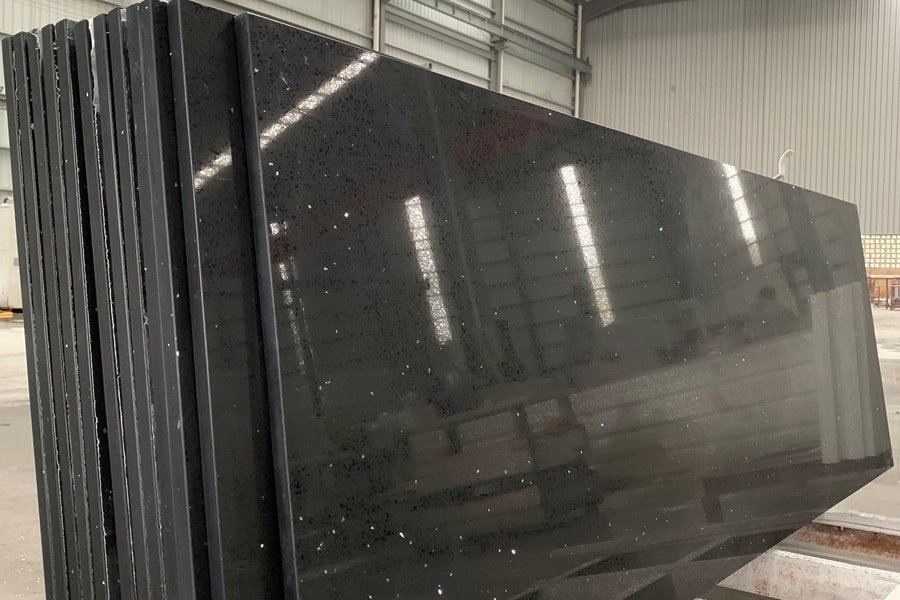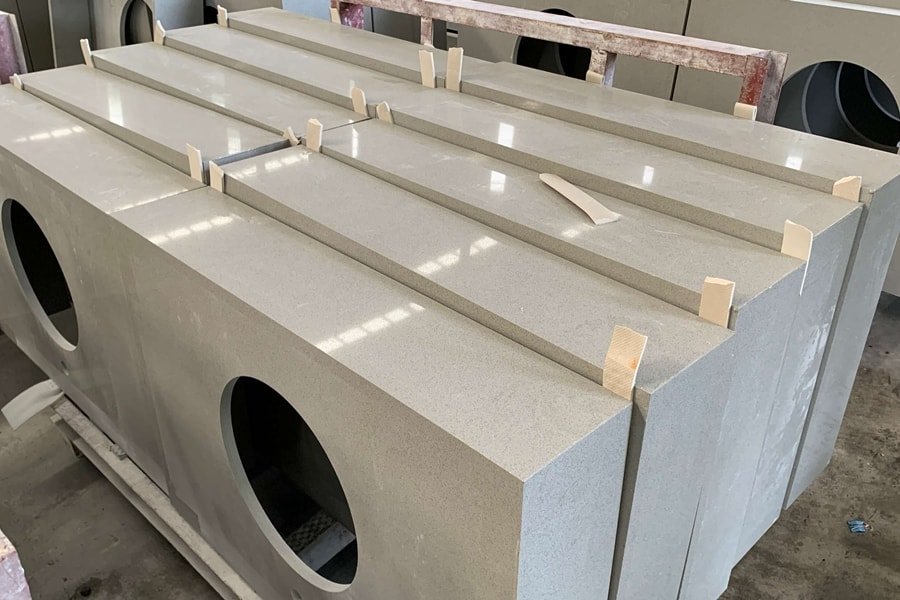
Executive Introduction: Why “zero porosity” matters now?
Consumers and specifiers increasingly demand surfaces that combine beauty with predictable hygiene and low lifecycle cost. Engineered quartz — a blend of natural quartz aggregate and high-performance resins — has become the de facto surface when “non-porous” is required: it resists staining, prevents liquid absorption, and simplifies cleaning protocols for both residential kitchens and high-traffic commercial settings. This article outlines the science behind quartz’s low porosity, the testing standards that validate it, practical comparisons to alternative surfaces, and what architects, purchasers, and facility managers need to specify to achieve lasting, hygienic installations.
What “Zero Porosity” Means for Quartz: Science & Manufacturing?
Engineered quartz composition and how porosity is removed?
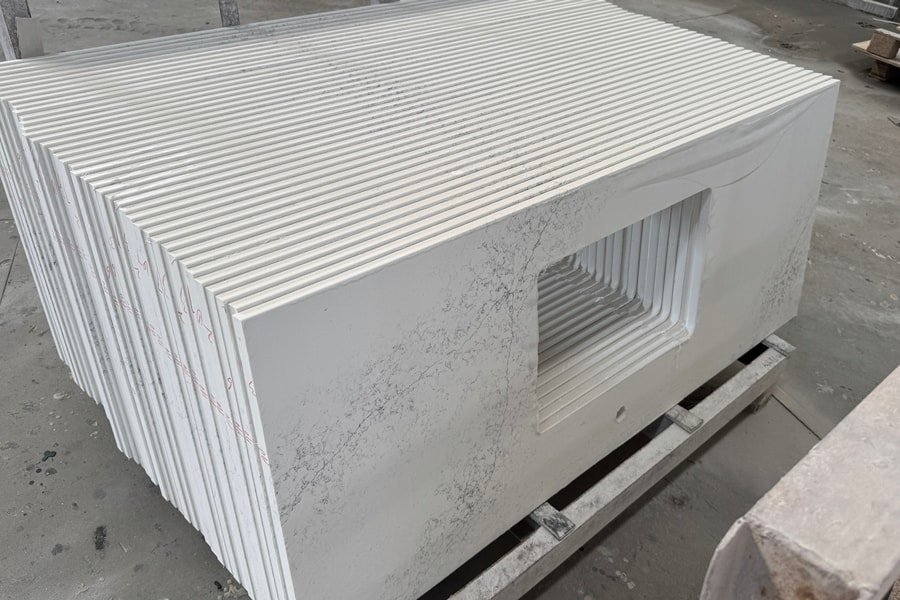
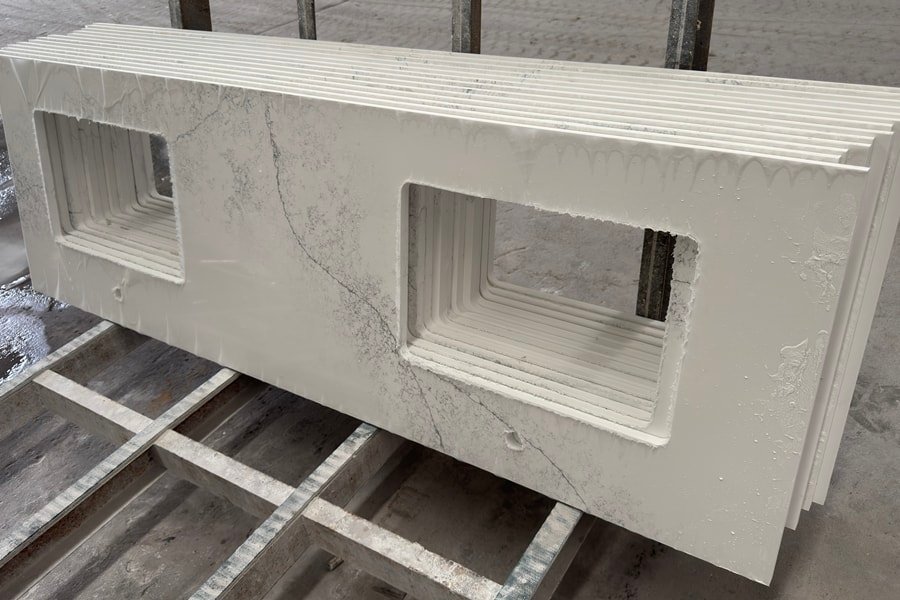
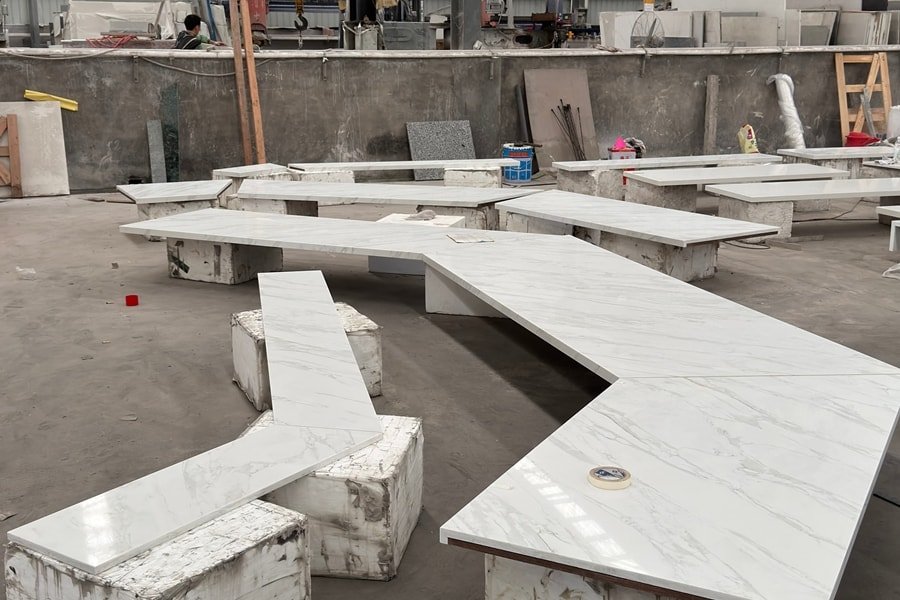
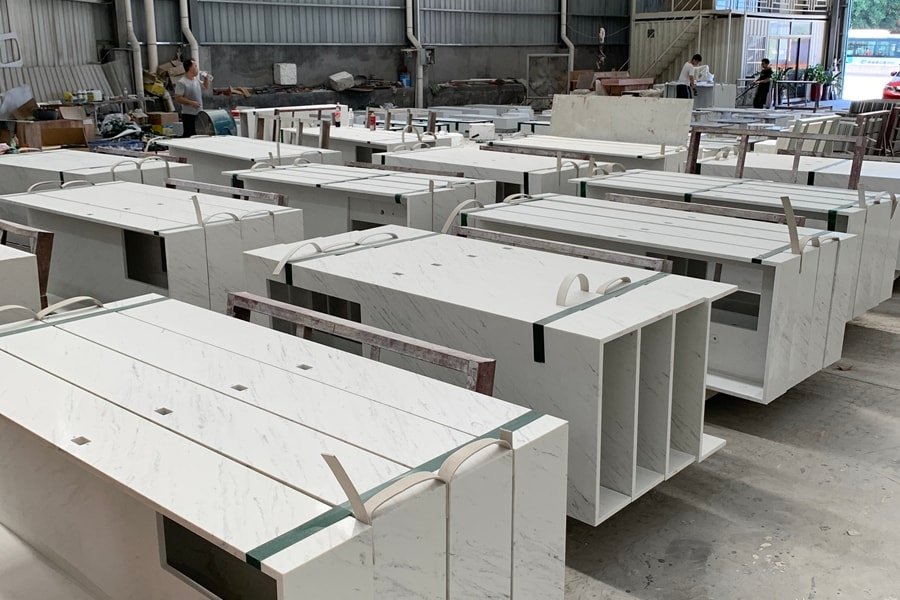
Engineered quartz is manufactured by combining crushed natural quartz (typically ~90% or more by weight) with polymer resins and pigments, then compacting and curing the mixture under heat and vibration. This controlled, high-pressure manufacturing produces a dense, low-void material in which the microstructure contains minimal interconnected pores that could allow liquid ingress. The resin binds quartz particles into a continuous body, dramatically reducing apparent porosity compared with many natural stones.
How is porosity measured (practical metrics)?
Industry-standard tests such as ASTM C373 (water absorption, apparent porosity, and bulk density) quantify how much moisture a material will absorb under standardized conditions; engineered quartz typically registers extremely low water absorption values, often cited around 0.5% or lower in many product specifications — a level widely treated as effectively non-porous for interior surfacing applications.
Manufacturing controls that influence porosity
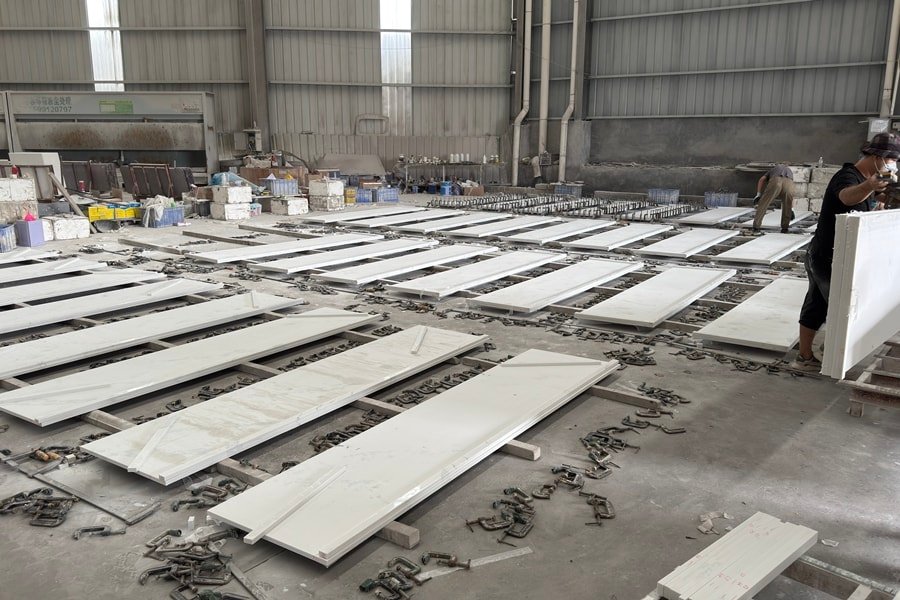
Key variables that manufacturers control to ensure minimal porosity include resin content and formulation, particle-size grading of the quartz, compaction pressure, degassing before cure, and the curing schedule. Tight factory quality control — including density checks and water-absorption sampling — is how reputable manufacturers ensure consistent “non-porous” performance from slab to slab.
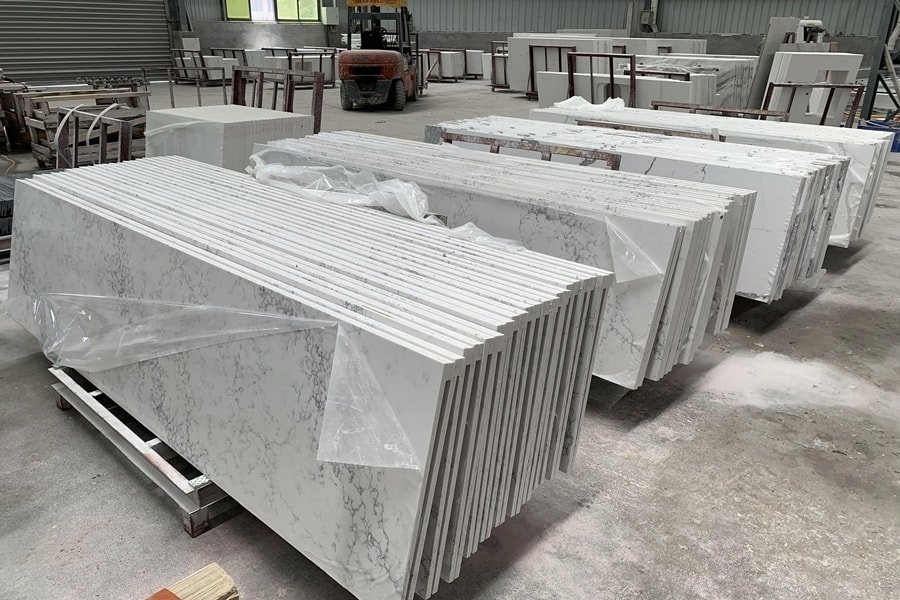
Performance: Stain Resistance, Hygiene & Microbial Considerations
Stain resistance in real-world use
Because engineered quartz has negligible open porosity, common kitchen spills — coffee, wine, oils, tomato sauce — remain on the surface rather than penetrating the body of the material. This makes stains far easier to remove and largely prevents permanent discoloration when spills are cleaned within normal timeframes. Many manufacturers explicitly state that quartz does not require sealing, and factory literature for commercial-grade quartz often emphasizes imperviousness to moisture and strong stain resistance.
Hygiene, bacteria, and food-contact considerations
Reduced porosity lowers the number of microscopic crevices where bacteria can lodge, which supports easier disinfection. For food-preparation environments, product certifications (such as NSF listings for food zone suitability) and conformity with food-contact guidance provide an extra compliance layer; buyers should request relevant certification documentation from suppliers if surfaces will be used in commercial kitchens or healthcare settings.
Cleaning protocols that preserve performance
Routine cleaning with pH-neutral detergents or mild household cleaners is sufficient for daily maintenance. Abrasive pads, strong acids, or harsh solvents can damage polished finishes or degrade resin binders, so manufacturers recommend specific cleaner lists and advise against aggressive chemical exposure. For stubborn residues, manufacturer-recommended stain-removal procedures (gentle scrubbing, dwell time with approved cleaners) maintain surface integrity.

Quartz vs Other Surfaces: Granite, Marble, Sintered Stone
Porosity and sealing: the practical difference
Natural stones such as granite and marble are quarried with natural pore networks and commonly require periodic sealing to reduce liquid penetration and staining risk. In contrast, engineered quartz—by design—does not need sealing for performance in interior applications. This difference impacts maintenance schedules and lifetime costs: sealing is a recurring cost and maintenance requirement for many natural stones, but not for quartz in typical indoor use. Several consumer and industry guides emphasize quartz’s low maintenance and non-porous classification relative to granite.
Mechanical and thermal considerations
While quartz offers excellent compressive strength and scratch resistance for everyday kitchen use, it is less tolerant of extreme, sustained heat than some natural stones; protective practices (use of trivets for hot pots) are still recommended. Sintered stone products (porcelain-based large slabs) can offer higher heat resistance and similar low water absorption when manufactured to strict standards, making them an alternative in specific high-heat or outdoor applications. ASTM standards used for these materials include tests for water absorption and breaking strength that help specifiers compare options.
Lifecycle cost and total cost of ownership
Although quartz may have a higher upfront price than basic granite in some markets, the elimination of resealing, lower cleaning costs, and reduced risk of permanent staining often make quartz more economical across the useful life of the surface—especially in commercial or high-traffic environments.

Product Range, Finishes & Color Variants
Popular quartz colors and their use-cases
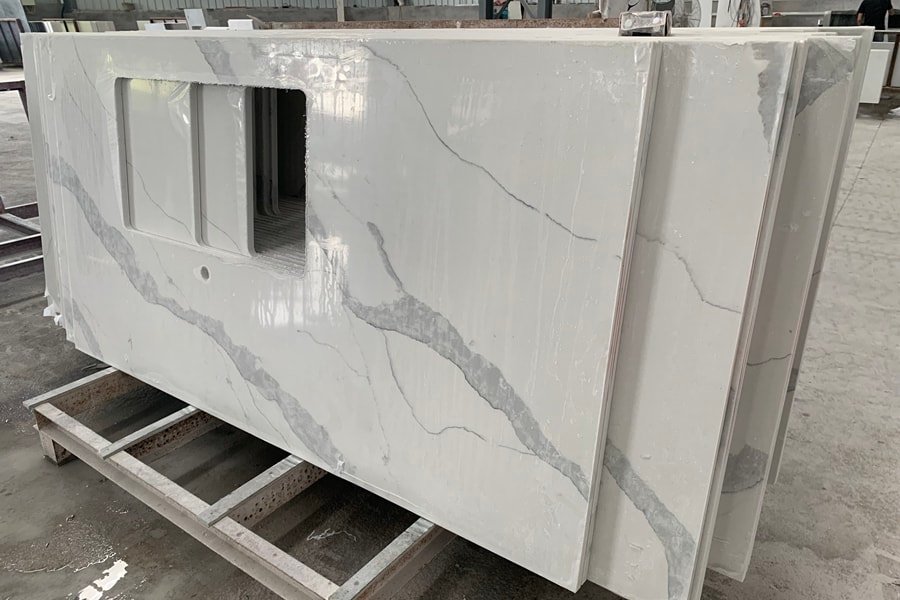
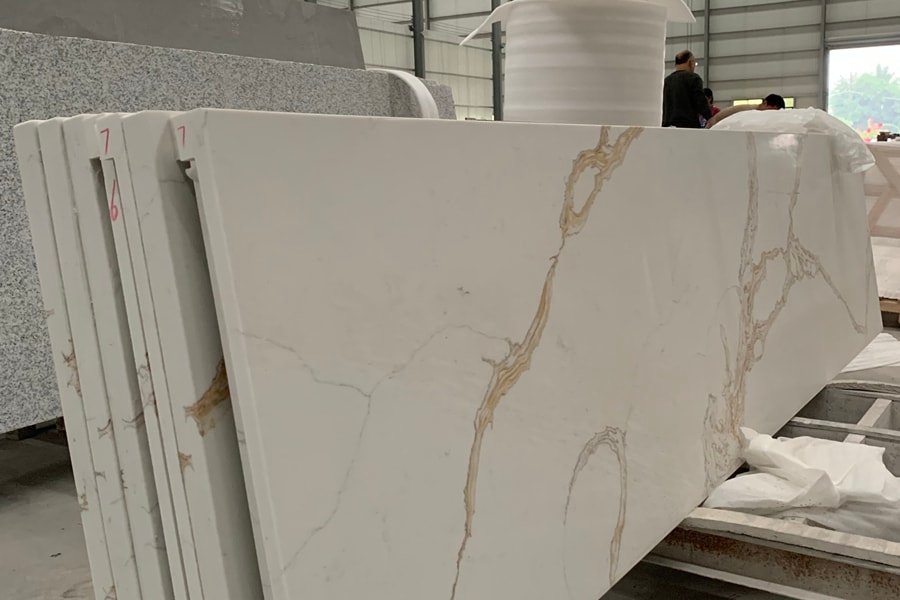
Manufacturers produce quartz in a broad palette that replicates natural stones (white, smoky, green, rose/pink, red hues) and in engineered special-effect slabs (clear/quartz-like translucency effects, bold veining). The availability of rose quartz-inspired finishes, smoky tones, or pure white neutrals means designers can specify quartz for a wide range of aesthetics while preserving the material’s non-porous performance.
Finishes and their impact on perceptions of porosity
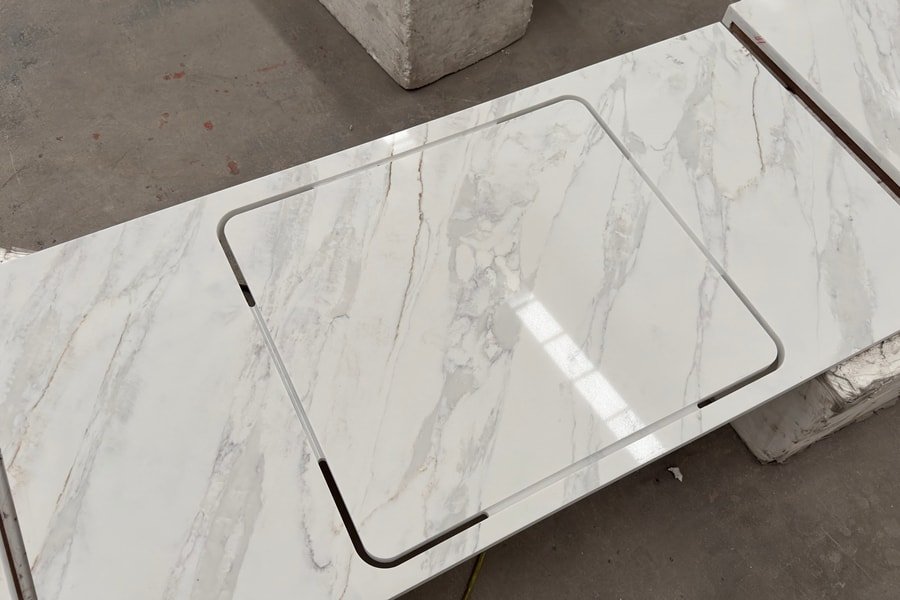
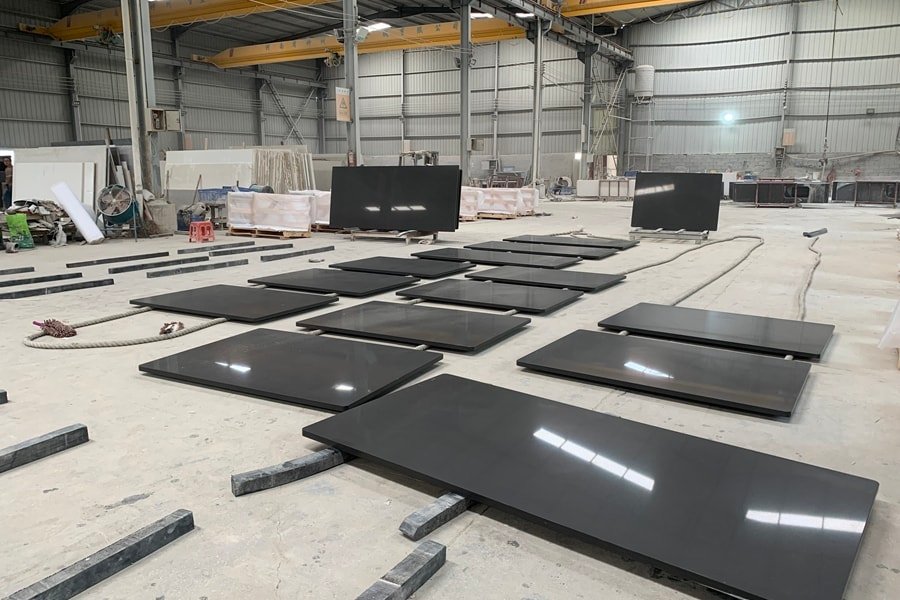
Polished finishes are easiest to clean and show the stone’s reflectivity; honed or matte finishes can hide scratches and fingerprints but may appear to show more surface residues, prompting different cleaning regimens. Leathered or textured finishes add tactile interest but should be evaluated for cleanability in high-hygiene settings.
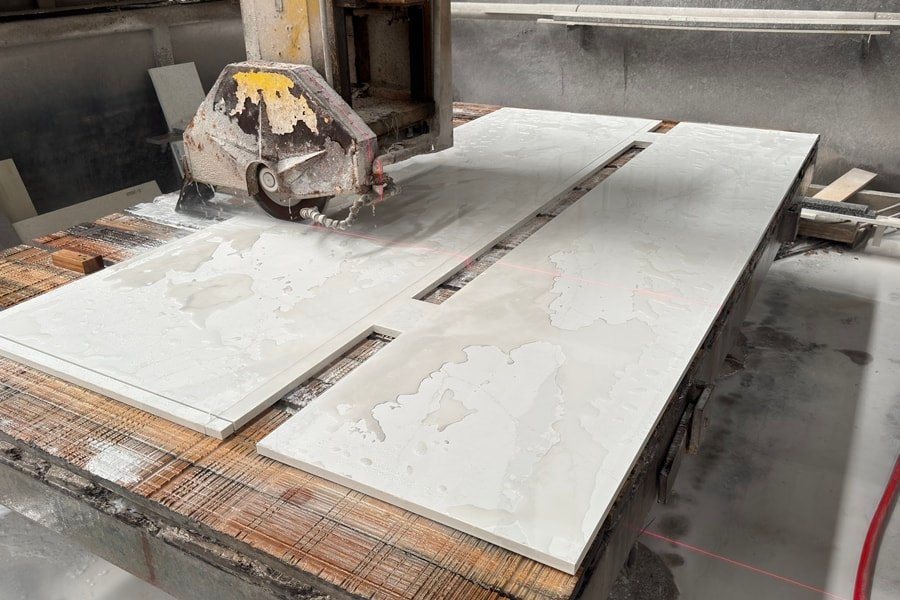
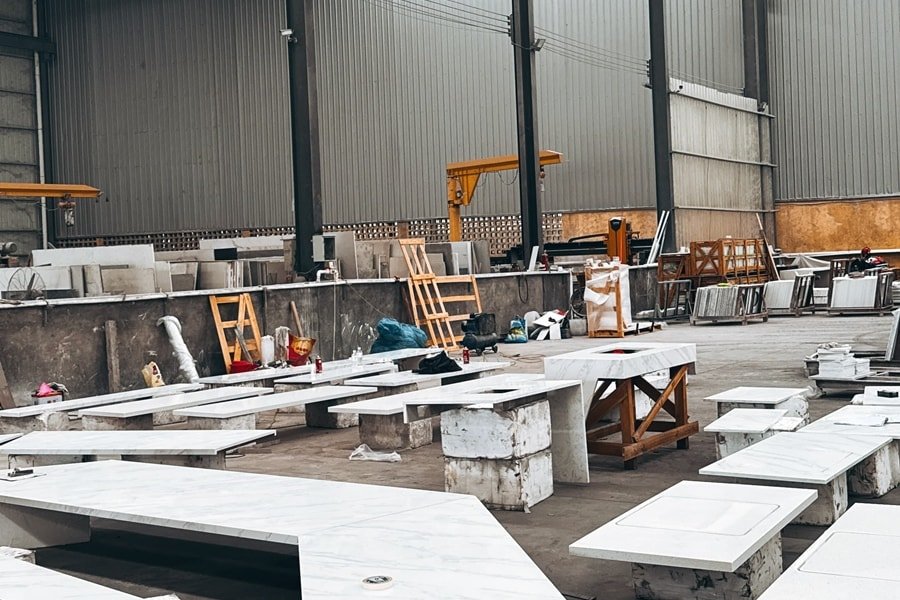
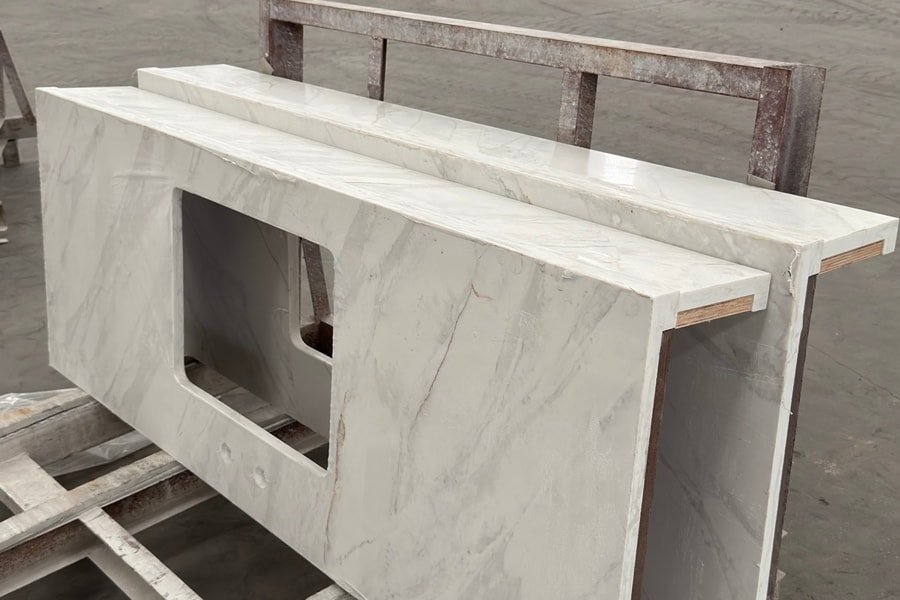
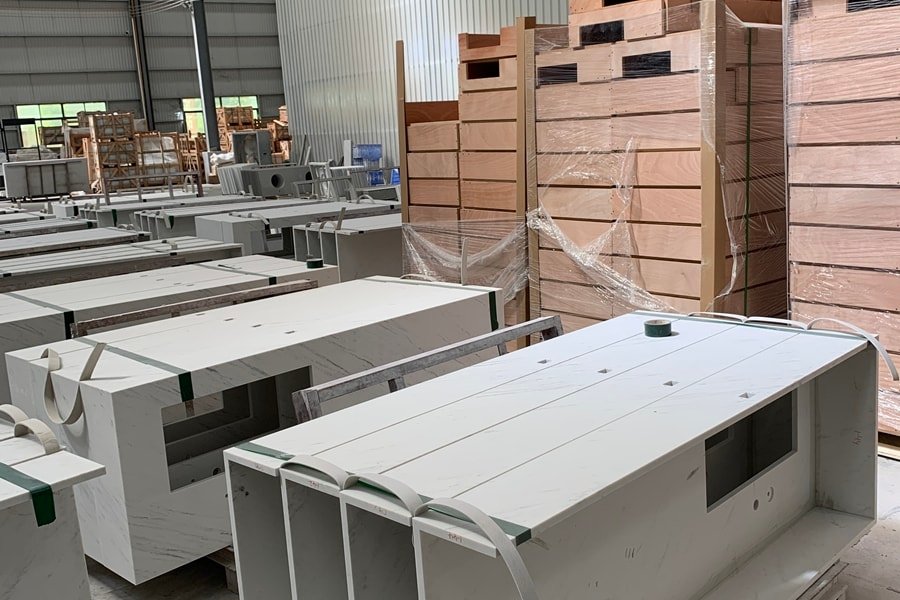
Fabrication & Installation Best Practices (Manufacturer / Factory / Wholesale Focus)
Factory QC and keeping non-porous performance intact
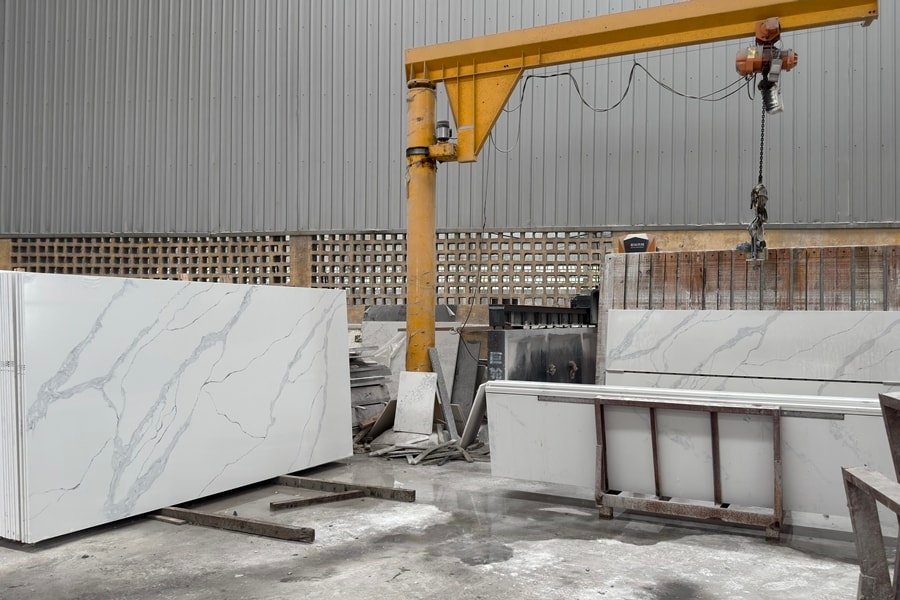
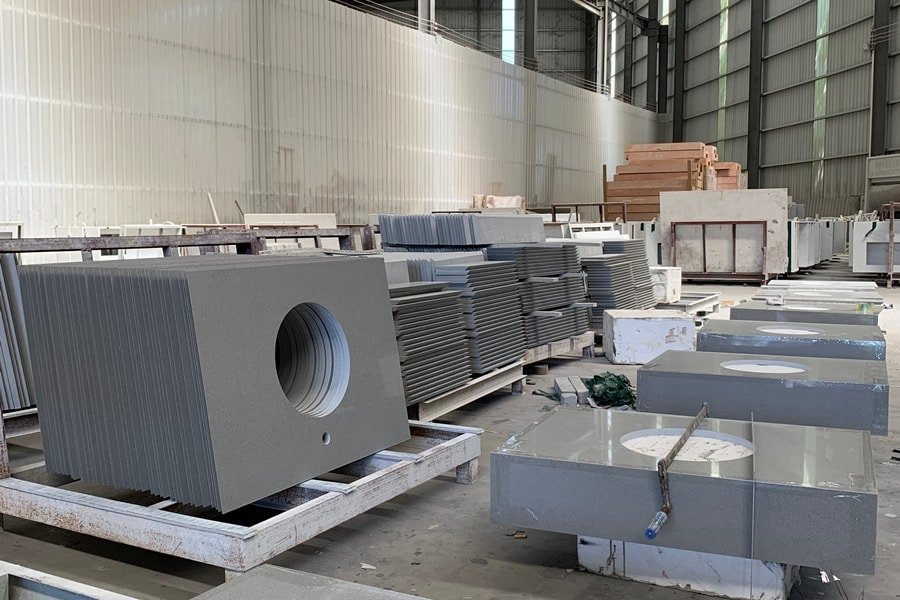
Factories should implement post-cure density and water absorption sampling as part of QA, and deliver slabs with clear batch-identification so specifiers can match color and performance across projects. For buyers with hygiene-sensitive applications, request the manufacturer’s porosity/water-absorption test reports and any applicable food-contact or emissions certifications.
On-site install techniques to avoid moisture traps
Seam placement, joint adhesives, and support substrates matter: seams should be tight, adhesive compatible with the resin matrix, and joint lines designed to avoid crevices. Where the surface meets vertical elements or sinks, installers should use recommended seam treatments and ensure that the underside is ventilated where necessary to avoid condensation pockets.
Serviceability, warranties, and factory support
Choose suppliers that offer clear warranty language (covering seam failure, delamination, or manufacturing defects) and can supply replacement slabs or color-matched repair materials, especially for large-scale or long-lead projects.
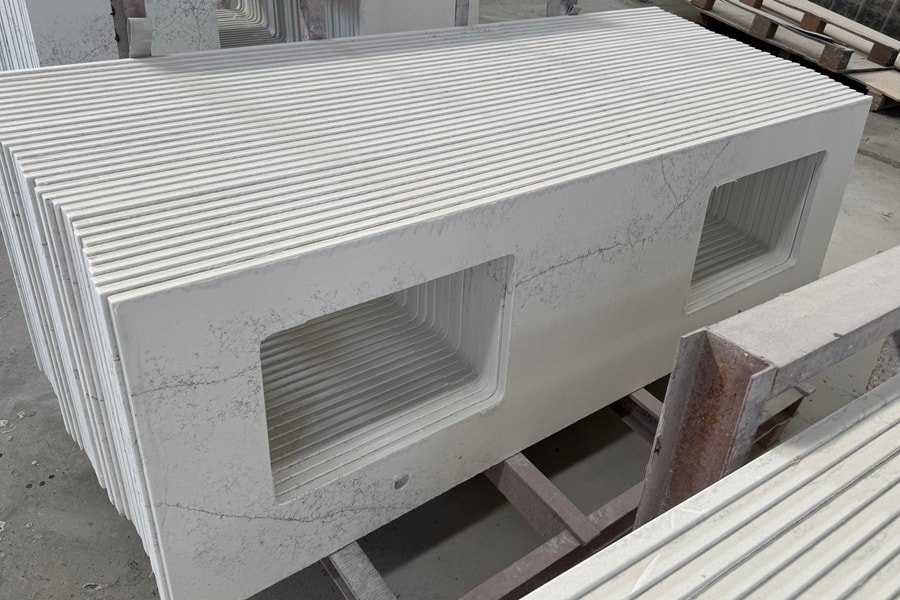
Regulations & Standards Driving Industry Direction
Relevant tests and standards
Standards such as ASTM C373 (water absorption) are commonly employed to quantify porosity and provide objective metrics for specification. Building and sanitary codes may require materials in food-service areas to meet certain hygienic or cleanability standards; the NSF and FDA frameworks are relevant when specifying surfaces for commercial kitchens or direct food contact areas.
Chemical safety and emissions
Regulations such as REACH and local VOC limits can affect resin choices and manufacturing processes. Increasing regulatory focus on chemical safety and supply-chain transparency has pushed manufacturers to emphasize low-emission binders, GREENGUARD or equivalent certifications, and documented material safety data.
Trend: codes + buyer behavior
Buyers are responding to tighter hygiene expectations in healthcare and food service and to procurement policies that require supplier traceability and documented testing, accelerating the adoption of engineered, non-porous surfaces.
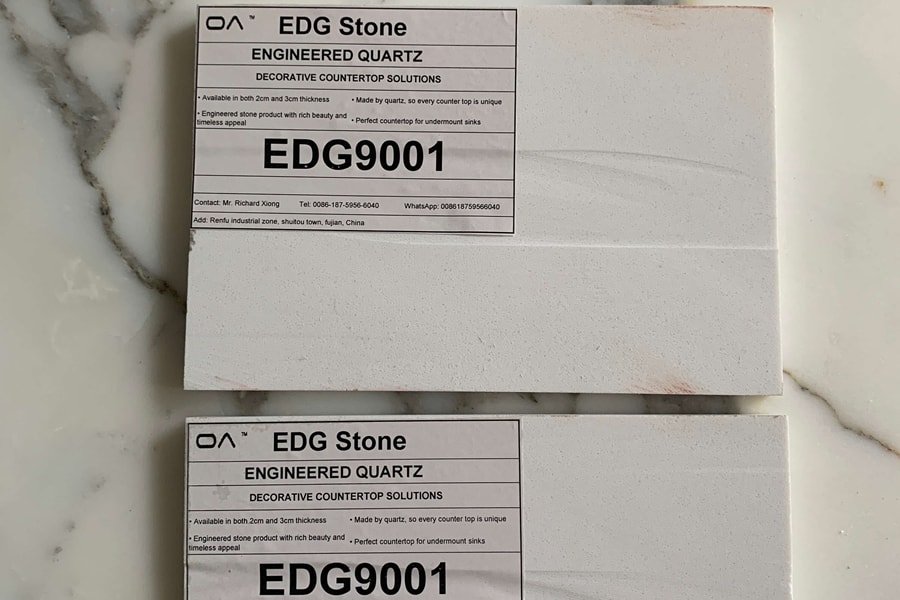
Sourcing, Pricing & How to Evaluate Suppliers (EDG Stone Example)
Price drivers and how quartz is sold
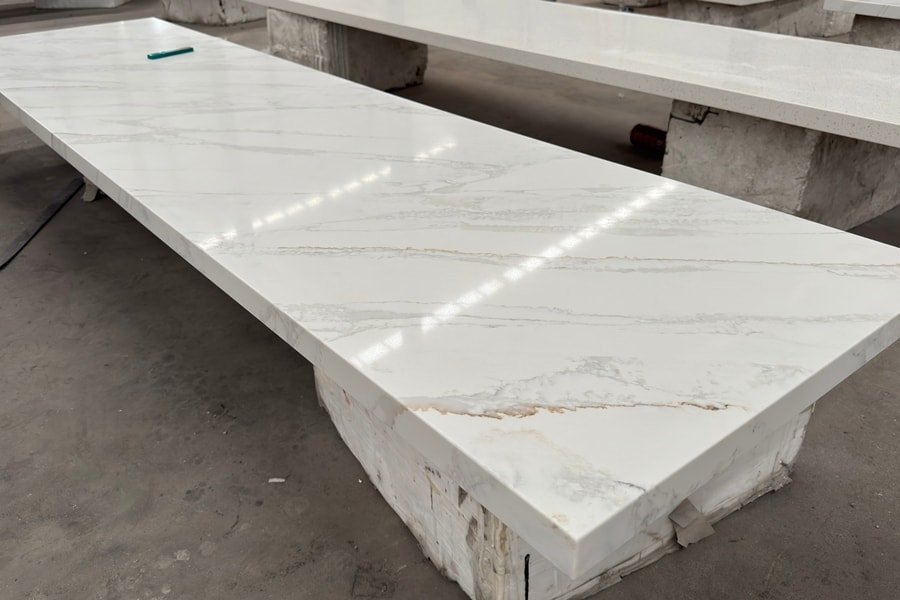
Quartz pricing reflects raw quartz aggregate availability, resin formulation, pigmentation, slab size, and factory labor. Suppliers may quote by slab, by square meter, or by weight (price per kg) depending on market norms; when comparing quotes, ensure units and included services (cutting, edging, sealing, shipping) are clearly itemized.
What to ask suppliers?
Key questions: Can you provide porosity or water absorption test data (ASTM C373 or equivalent)? Do you have NSF listings or FDA-compliance statements for food zones? What is your factory lead time, MOQ, and warranty terms? Can the supplier provide sample panels for lighting/cleaning trials?
Manufacturer/factory considerations
Prefer suppliers with factory QA documentation, consistent slab grading, and transparent lead-time commitments. For wholesale purchases or large projects, negotiate mockup runs and acceptance criteria for color and performance.

Applications: Kitchens, Vanities, Tabletops & Commercial Spaces
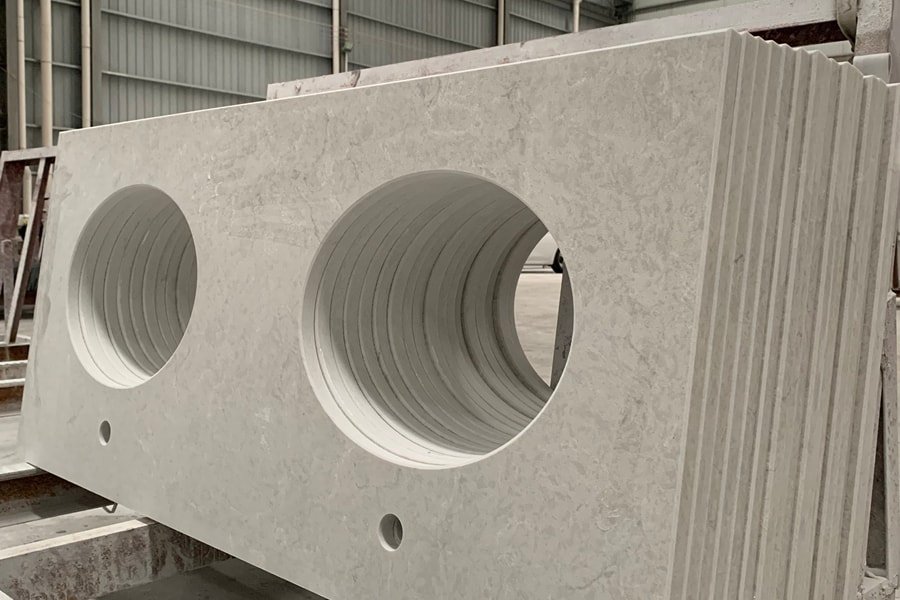
Residential kitchens and vanity tops
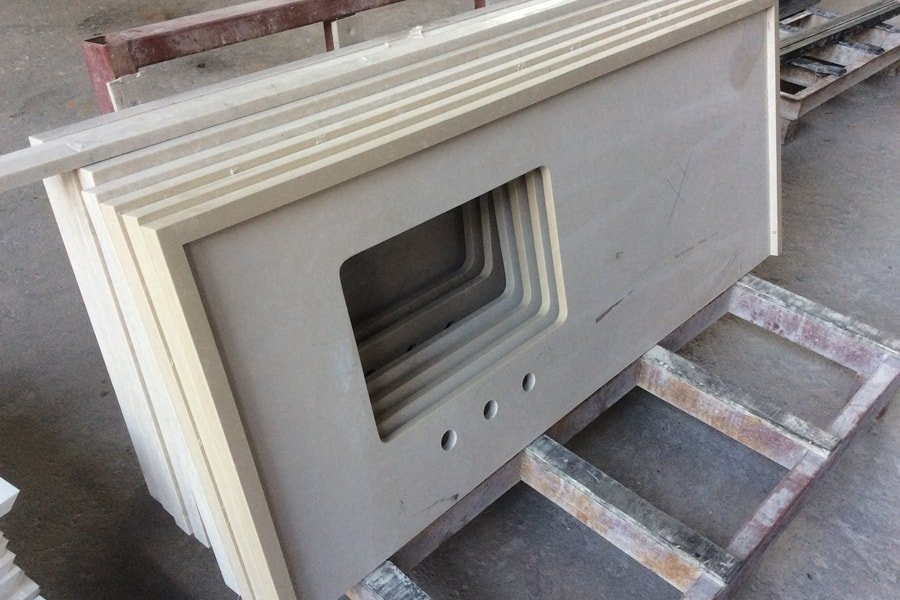
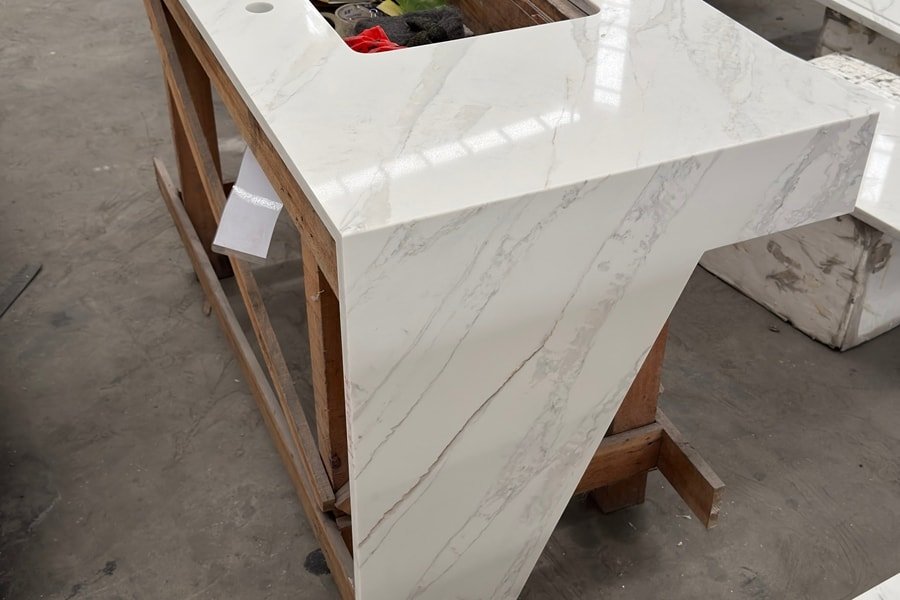
For homeowners, quartz provides peace of mind: consistent color, simple cleaning, and resistance to wine, oils, and acidic foods. For vanities, where cosmetic stains are a concern and water exposure is frequent, quartz helps maintain a fresh appearance with low upkeep.
Commercial priorities: hospitality, healthcare, food service
In commercial settings, quartz’s hygiene credentials and reduced downtime for maintenance are major benefits. Facilities that require documented sanitation protocols often prefer low-porosity engineered surfaces to meet cleaning regimens and to reduce infection vectors.
Maintenance, Warranty & Long-Term Care
Maintenance regime
Daily cleaning with a soft cloth and mild detergent is sufficient. For stubborn residues, follow manufacturer instructions; avoid abrasive scourers or acid-based cleaners that could dull polish or compromise resin bonds.
Typical warranty scope
Warranties vary; many manufacturers offer limited lifetime or multi-year warranties for residential installations covering manufacturing defects. Commercial warranties are typically more limited; confirm the scope for stain or discoloration claims and understand the conditions required (approved cleaners, documented maintenance).
Cost-Benefit & ROI: Why Zero Porosity Pays Off?
Non-porous quartz reduces recurring maintenance costs (no resealing), reduces risk of permanent staining, and can shorten cleaning routines—translating into lower total cost of ownership over time. In commercial contexts, reduced downtime and predictable maintenance budgets are tangible ROI drivers. Market data indicates steady growth in quartz demand as design trends and practical needs converge; projected market growth underlines robust demand for engineered, non-porous surfaces.
Frequently Asked Questions
Q1: Is quartz truly non-porous, and does it need sealing?
A: Engineered quartz is manufactured to have extremely low water absorption and is generally considered non-porous for interior applications. Most leading quartz products do not require sealing; their resin-bonded structure prevents normal household liquids from penetrating the surface when cleaned within recommended timeframes.
Q2: How do quartz countertops compare to granite in terms of staining?
A: Granite is naturally porous and typically needs periodic sealing to reduce the risk of staining, while quartz’s engineered, low-porosity composition resists liquid absorption and staining without resealing. For households and commercial spaces seeking low-maintenance surfaces, quartz is often the preferred choice.
Q3: Are quartz surfaces safe for food preparation and easy to disinfect?
A: Many engineered quartz products meet applicable food-contact and sanitation guidance and can be cleaned and disinfected using standard approved cleaners. For commercial food-prep zones, request certification documents (e.g., NSF listings) and follow manufacturers’ cleaning recommendations to maintain hygiene standards.
Q4: Will quartz resist heat from hot pans or appliances?
A: Quartz is heat-resistant for daily use but can be damaged by prolonged exposure to very high temperatures—use trivets or heat pads for hot pans. For applications with persistent high heat exposure, consider materials with higher thermal tolerance, such as certain sintered or natural stone options.
Q5: How should I evaluate suppliers when buying quartz by wholesale or per-kg pricing?
A: Ask for porosity/water absorption test results (ASTM C373 or similar), factory QA records, warranty terms, and sample panels. Confirm units when comparing quotes (price per slab, per m², or per kg) and request lead times and MOQ explicitly to avoid hidden costs.
Semantic Closure: How / Why / What / Options / Considerations
Why: Non-porous quartz reduces stain risk, lowers lifecycle maintenance, and supports hygienic cleaning protocols—benefits that matter for kitchens, healthcare, hospitality, and food service.
What (Options): Choose from polished white quartz, colored (rose/pink, green, smoky) and specialty-effect slabs; select finishes (polished, honed, leathered) based on cleanability and aesthetic goals.
Considerations: Verify ASTM water absorption data and any NSF/FDA food-contact or low-emission certifications for commercial projects; plan seam details and maintenance to preserve long-term performance.
Trend & Regulation Snapshot: Market demand for non-porous engineered surfaces is growing, and procurement now often requires documented testing and supplier transparency to meet stricter hygiene and chemical-safety expectations.
References (author/title/source — no URLs)
Wilsonart Technical Resources — “SECTION 12 3661.19 – QUARTZ SURFACING COUNTERTOPS” — Wilsonart.
Market Research Future — “Kitchen Quartz Countertops Market Size, Share & Trends 2035” — Market Research Future.
Construction Specifier — “Porcelain and quartz: A rock-solid alternative to natural stone” — Construction Specifier.
NSF Product Listings — “NSF Product and Service Listings — food-surface relevant entries” — NSF.
HowStuffWorks — “Quartz vs. Granite: Which Countertops Are More Durable?” — HowStuffWorks.
Verified Market Research — “Quartz Countertops Market Size, Share, Scope, Trends & Forecast” — Verified Market Research.
ASTM Committee Publications — “ASTM C373 and related testing standards” — ASTM.