
Quick Summary:
Quick Summary: Direct sourcing from quarries cuts middlemen, gives real traceability from block to slab, and lets manufacturers control mechanical testing, slab grading, and logistics—delivering better quality, lower landed cost, and more predictable lead times for bulk buyers and projects.
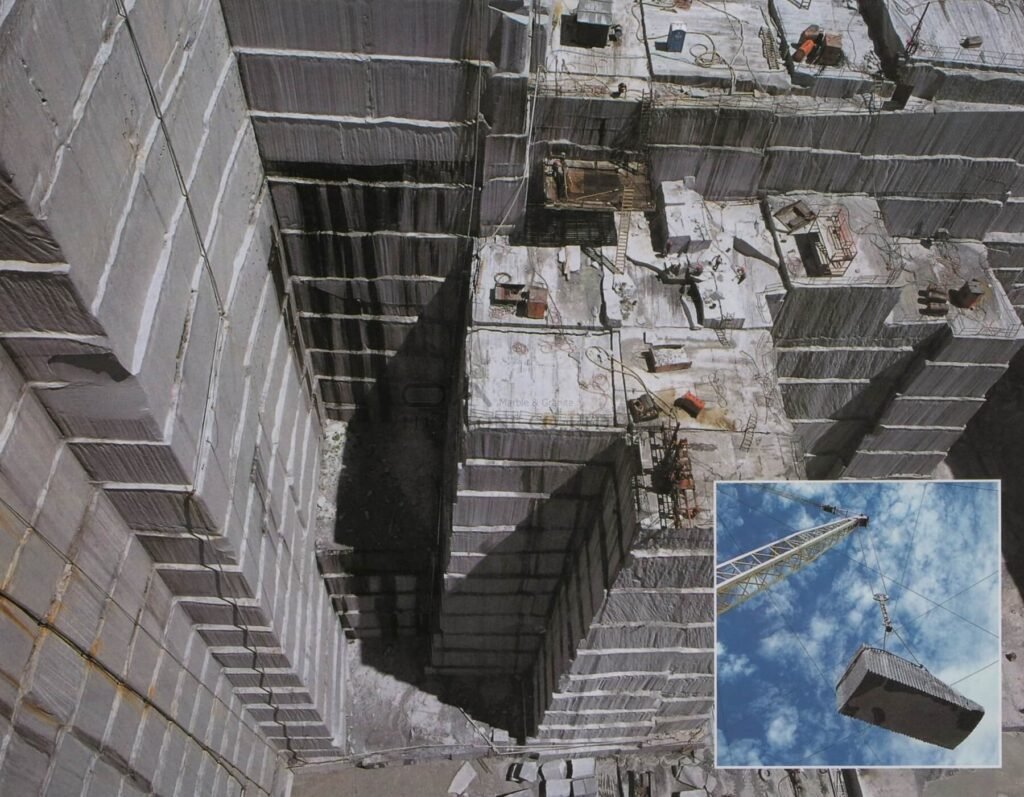
Introduction — Why direct mine sourcing matters?
— — —
In a market where design trends change fast, and procurement teams demand consistent supply, direct sourcing from quarries is more than a cost tactic — it’s a quality assurance strategy. By owning or partnering directly with mines and primary processing, a stone manufacturer can control raw-material selection, testing protocols, environmental compliance, and shipping architecture. That control translates into three commercial advantages: reliable slab-to-slab consistency, lower intermediary-driven markups (which improve price competitiveness), and verifiable product profiles for architects, specifiers, and large-volume buyers. The remainder of this article explains how direct sourcing works, which technical controls matter, and why buyers — from wholesalers and contractors to designers and factories — should prefer quarry-direct channels for granite countertops, vanity tops, and large-format slab projects.
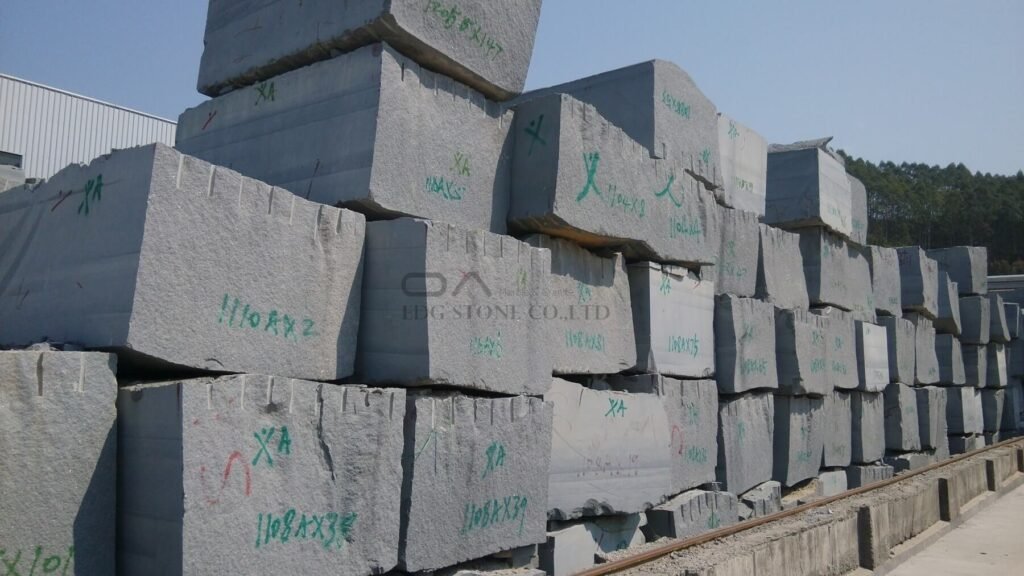
What “Direct Sourcing from Mines” Really Means?
— — —
Direct sourcing means purchasing raw blocks or slabs from a quarry under an arrangement that reduces or eliminates intermediary traders. Models vary: exclusive quarry leases, long-term offtake agreements, joint-venture quarries, or preferred supplier relationships where the quarry allocates production specifically for a partner. The key feature is visibility — you can identify the block, track its cutting, and connect the final slab to a single extraction lot. Removing intermediary layers shortens the supply chain, reduces markup layers, and creates opportunities for tighter QC, bespoke lot allocation for projects, and price stability during volatile freight or currency cycles.
Supply-Chain Architecture — How are our direct channels structured?
— — —
A resilient direct-sourcing architecture has a few predictable elements:
Quarry partnerships and contracts. Long-term contracts or exclusive leases secure extraction volume and allow coordinated mine planning, which improves slab continuity for large projects.
On-site primary processing. Simple cutting and polishing near the quarry (primary sawing and slab finishing) reduces slab breakage and handling compared with shipping raw blocks to a distant mill.
QC checkpoints. Standardized inspections at extraction, post-sawing, and pre-shipment ensure the same acceptance criteria are applied across every lot.
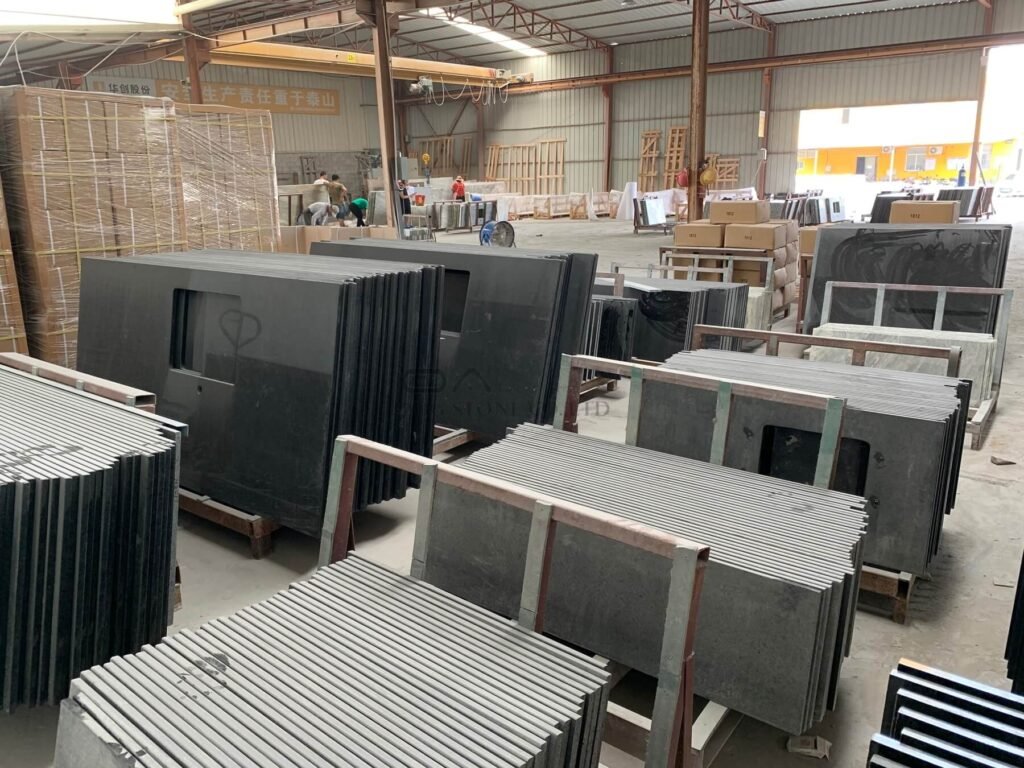
Consolidation hubs. Regional warehouses near ports consolidate slabs, balance container loads, and reduce freight per square meter by maximizing container utilization.
This configuration reduces touchpoints where quality can degrade and where additional margins can accumulate, enabling more competitive pricing for wholesale buyers and factories.
Ensuring Stone Quality — Technical controls & inspection regimes
— — —
Direct control over technical testing and grading is the central quality advantage of quarry-direct sourcing. Best-practice controls include:
Pre-extraction geological sampling. Core samples and geological mapping identify color banding, mineral inclusions, fissures, and continuity—allowing early rejection of problematic blocks.
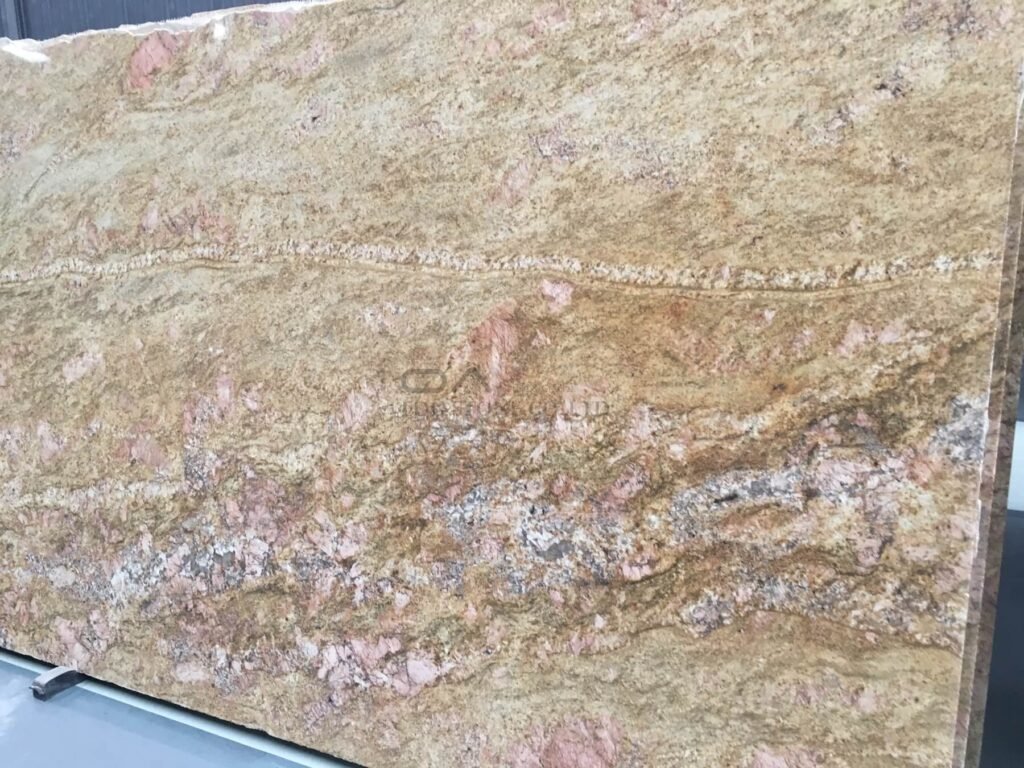
In-quarry slab grading and digital imaging. High-resolution imaging and calibrated color profiles let buyers compare slabs visually and digitally before purchase; each slab can be assigned a visual grade and pattern map.
Mechanical and durability testing. Standardized tests for water absorption, bulk specific gravity, compressive strength, and flexural modulus (commonly used ASTM methods) quantify how the stone will perform in applications like countertops and flooring. These tests are widely recognized as industry benchmarks.
Traceability systems. Assigning batch IDs or QR tags that persist from extraction through cutting and shipping enables “block-to-slab” traceability and a transparent chain-of-custody. This approach is increasingly common in natural-stone supply chains and helps buyers verify origin and test-history at receipt.
Together, these controls reduce surprise variability at installation and lower the risk of project delays due to slab substitution or rejects.
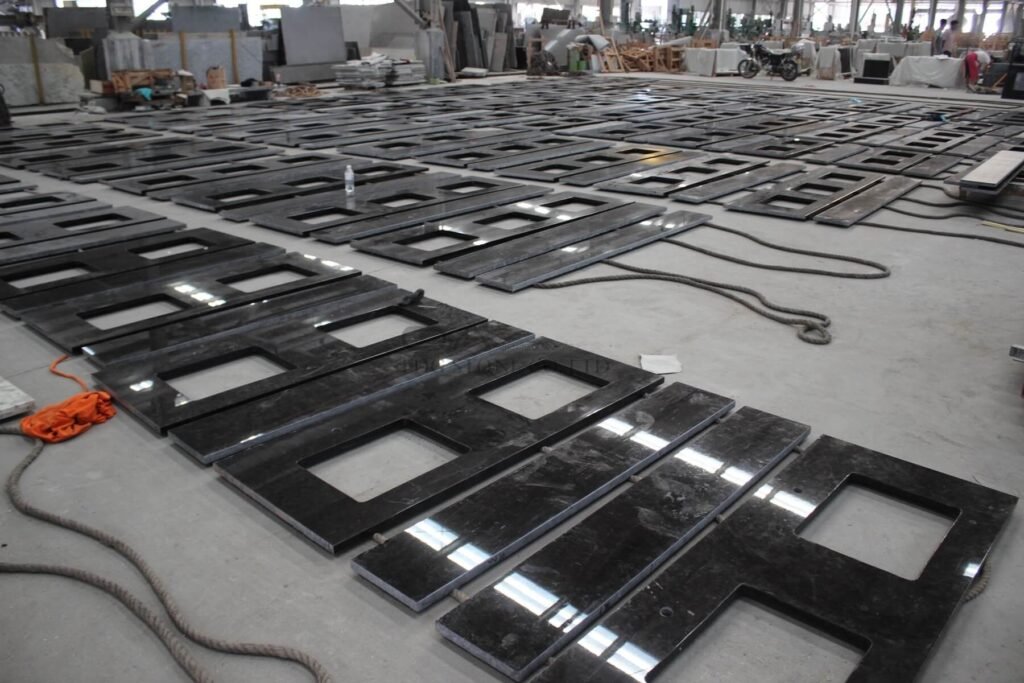
Price Competitiveness — How direct sourcing reduces cost and stabilizes price?
— — —
Direct sourcing lowers landed cost in three principal ways:
Margin capture. Intermediaries (brokers, multiple traders, and wholesalers) each add markup. Buying near the source reclaims those margins and passes savings to bulk buyers or permits competitive factory pricing.
Economies of scale in logistics. Coordinated containerization and consolidation of slabs lowers freight per m². When a supplier controls extraction and consolidation, it can optimize container fill and scheduling to minimize per-unit freight and demurrage.
Contract instruments that stabilize price. Long-term offtake agreements, forward purchase terms, and diversified quarry portfolios are used to reduce exposure to single-site disruptions, currency swings, or freight surges.
Illustrative industry practice shows direct-quarry procurement can reduce total landed cost by a meaningful percentage (figures vary by region and market conditions), while keeping gross margin for the manufacturer healthy enough to reinvest in on-site testing and rehabilitation programs.
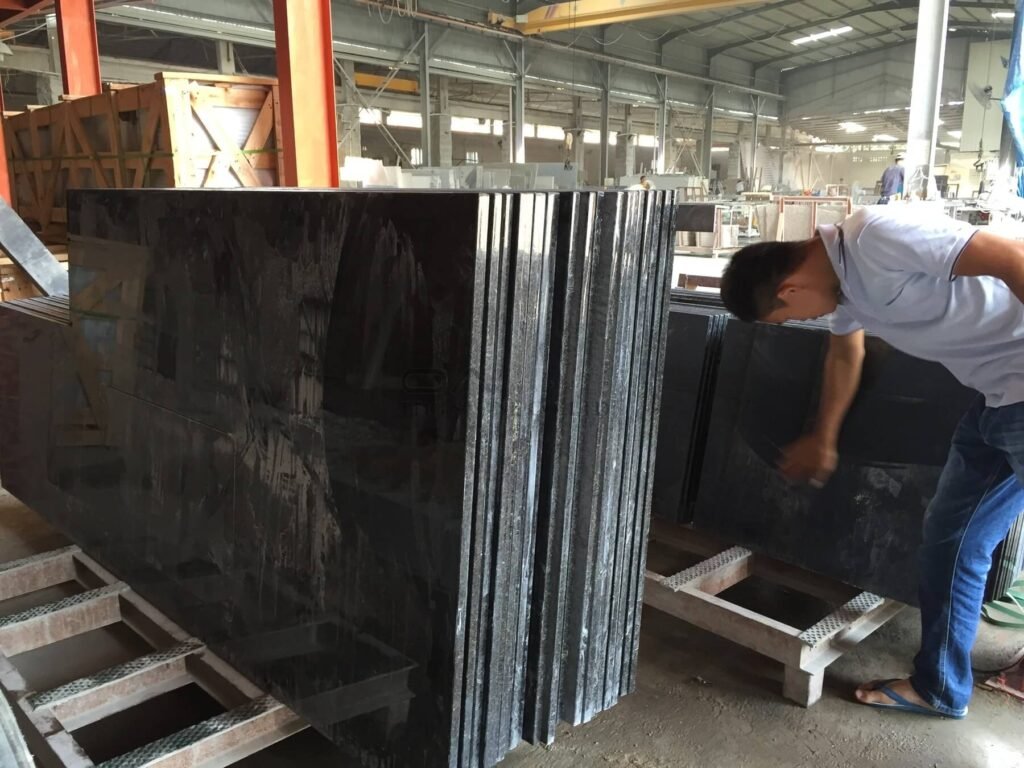
Compliance, Sustainability & Regulatory Considerations
— — —
Direct quarry relationships also enable the supplier to monitor and enforce environmental and social safeguards more effectively than fragmented sourcing channels:
Environmental management and rehabilitation. International quarry-rehabilitation guidance recommends planning for progressive rehabilitation, biodiversity considerations, and measurable KPIs as part of the extraction lifecycle. Suppliers that source directly can require quarry partners to follow these plans and provide documentation.
EHS standards for mining operations. Industry-level Environmental, Health, and Safety (EHS) guidelines outline baseline controls for operations, mitigation measures, and stakeholder engagement; direct-sourcing partners can be contractually required to meet these standards, lowering compliance risk for downstream buyers.
Traceability and governance. Emerging expectations from regulators and procurement teams demand transparent chain-of-custody information; direct sourcing paired with traceability systems aligns suppliers with these expectations and helps meet corporate due diligence requirements. Recent OECD and industry work highlights traceability as an essential control for responsible sourcing.
When a manufacturer requires audited documentation (environmental plans, rehabilitation reports, labor policies) from quarry partners, they reduce long-term financial and reputational risk associated with noncompliant suppliers.
Logistics, Warehousing & Lead-Time Management
— — —
A direct-quarry model reduces handling steps and improves lead-time predictability:
Minimized handling. Slabs cut near the quarry reduce intermodal transfers and the associated risk of chips and breakage.
Consolidation strategies. Regional consolidation hubs optimize container packing, reducing wasted space and damage. Consolidation also allows mixing colors and lots to balance orders for smaller buyers while maintaining bulk pricing for factories.
Safety stock vs JIT. Direct sourcing gives manufacturers flexibility to hold safety stock of high-demand slabs at regional warehouses, enabling just-in-time fulfillment for installers while retaining the cost advantages of bulk shipping.
Efficient logistics translates to fewer schedule surprises for installers and architects and lowers the total landed cost for project procurement.
Quality Case Studies & Data Highlights
— — —
Example A — Cost and quality comparison (illustrative): A hypothetical medium-volume project comparing broker-sourced vs quarry-direct granite finds that quarry-direct can reduce unit cost by 12–20% after accounting for freight and handling, while reducing slab rejection rates by half due to consistent grading and pre-shipment inspection. (Numbers are illustrative; project and region will affect results.)
Example B — Traceability success story: A manufacturer implemented QR-based slab traceability across three quarries. Over 12 months, returns related to color mismatch were reduced by 47% because buyers pre-approved digital slab images tied to each QR-tagged slab, enabling precise selection before shipping.
Key metrics to track: reject rate, average slab yield (usable square meters per block), return incidence, lead-time variance between order and delivery, and percent of stock with traceability tags. Tracking these KPIs enables continuous improvement in both quality and cost management.
Product & Market Applications — Where direct-sourced granite excels?
— — —
Direct-sourced granite is ideal where continuity and predictable supply are critical:
Residential countertops & vanity tops. Customers and designers often require a visual match across multiple slabs; direct sourcing provides the continuity and slab selection tools to achieve that match.
Commercial flooring and large-format installations. Large projects (hotels, showrooms) benefit from continuous run slabs and controlled cutting schedules, avoiding mid-project color changes.
Wholesale and OEM channels. Contractors, factories, and retailers who buy in volume receive better pricing and faster replenishment when supplied from direct channels.
Market demand for natural stone remains robust; manufacturers that combine direct sourcing with tested quality control win both custom high-end projects and broad wholesale orders.
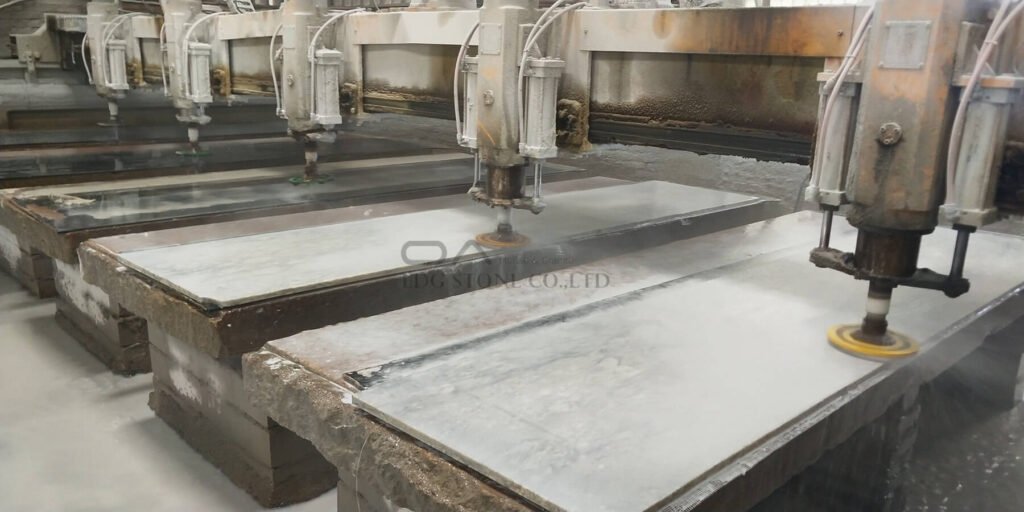
FAQ — Google hot-search style (5 questions)
— — —
Q1: What is “direct sourcing” from a quarry, and how is it different from buying through a broker?
A1: Direct sourcing means procuring blocks or slabs directly from the quarry under a contract or partnership, rather than sourcing through one or more intermediaries. Direct sourcing gives the buyer access to block-level selection, pre-shipment testing, and traceability records, whereas brokered buying typically offers less visibility into extraction origin and fewer pre-shipment inspections.
Q2: How does buying directly from mines improve slab quality and consistency?
A2: When manufacturers control quarry selection and primary processing, they implement standardized grading, imaging, and mechanical testing at the source. This reduces variability between slabs, lowers defect and return rates, and lets buyers pre-approve exact slabs or bookmatched runs before shipment.
Q3: Will direct quarry sourcing always be cheaper?
A3: Direct sourcing generally reduces intermediary markups and enables shipping economies of scale, which lowers the total landed cost—especially for bulk buyers and factories. Actual savings depend on order size, freight rates, regional fees, and the presence of value-added services such as polishing or cutting near the quarry.
Q4: How can buyers verify the social and environmental compliance of a quarry supplier?
A4: Ask for documented environmental management plans, rehabilitation commitments, audited labor policies, and evidence of adherence to recognized EHS guidelines. Traceability systems (batch IDs, QR codes) and third-party audit reports provide additional assurance of compliance.
Q5: What tests should be listed on a granite slab spec sheet?
A5: Typical test data includes water absorption and bulk specific gravity (ASTM C97), compressive strength (ASTM C170), and flexural strength or modulus of rupture (ASTM C99/C880 where applicable). Including test results on the spec sheet facilitates application decisions for countertops, flooring, and exterior use.
Semantic Closure: How / Why / What / Options / Considerations
Why: Direct control reduces slab-to-slab variance, minimizes unexpected rejects at installation, and captures logistics economies that reduce the buyer’s landed cost.
What: The product is a fully documented granite slab (or run of slabs) with a spec sheet showing ASTM-equivalent test metrics, visible slab imagery, and a traceability code linking to the extraction lot.
Options: Buyers can request lot-exclusive shipments, pre-approved digital slab selection, or blended container shipments for mixed-color orders; wholesale and factory pricing tiers are available depending on volume and delivery terms.
Considerations: Ask for rehabilitation and EHS documentation, slab-level test data, and a clear returns/acceptance policy. For large projects, require bookmatched run documentation and staggered shipments to ensure visual consistency across site phases.
Conclusion & Call to Action
— — —
Direct sourcing from quarries delivers measurable advantages: improved slab consistency, verifiable test data, lower landed cost for bulk buyers, and stronger control over environmental and social compliance. For developers, architects, and factories seeking predictable supply for countertops, vanity tops, or large-format flooring, quarry-direct procurement provides the transparency and price stability necessary for modern procurement. Contact our commercial team to request a sample kit, slab test reports, and factory/wholesale pricing tailored to your project.
References (author, title, source — no links)
Global Cement and Concrete Association — “Guidelines for Quarry Rehabilitation and Biodiversity.” GCCA.
Grand View Research — “Countertops Market Size and Share | Industry Report.” Market Research.
ASTM International — “Standards and Test Methods for Dimension Stone.” ASTM International (standards overview).
IFC (International Finance Corporation) — “Environmental, Health, and Safety Guidelines for Mining.” IFC Technical Paper.
OECD — “The Role of Traceability in Critical Mineral Supply Chains.” Policy Report.
Rapaport Magazine — “The Top Diamond-Tracking Programs and How They Work.” Traceability Practices.
Freedonia Group — “U.S. Countertops Market — Industry Research.” Market Report.