Introduction
In high-end architecture and interior design, Taj Mahal Quartzite is widely recognized as one of the most balanced natural stones available today.
It offers:
- The elegant appearance of marble
- The durability is close to granite
However, in real-world procurement:
👉 Over 90% of project issues originate during the slab selection stage — not installation.
Variations in:
- Color tone
- Vein pattern
- Structural integrity
can lead to:
- Mismatch between design and outcome
- Cost overruns (rework, replacement)
- Reduced client satisfaction
This guide provides a systematic, engineering-driven approach to selecting Taj Mahal Quartzite for consistent, high-end project execution.
Why Slab Selection Is Critical for Taj Mahal Quartzite?
Natural Stone Variability
Unlike engineered materials, natural quartzite has:
- Geological variation between quarry layers
- Batch inconsistency
- Unique slab-to-slab differences
👉 Wrong selection = irreversible outcome
High-End Projects Demand Consistency
Typical applications include:
- Hotel lobbies
- Luxury villas
- Commercial wall cladding
These projects require:
- Uniform color tone
- Continuous veining
- Premium visual flow
👉 All must be controlled before fabrication
Color Selection
Common Color Ranges
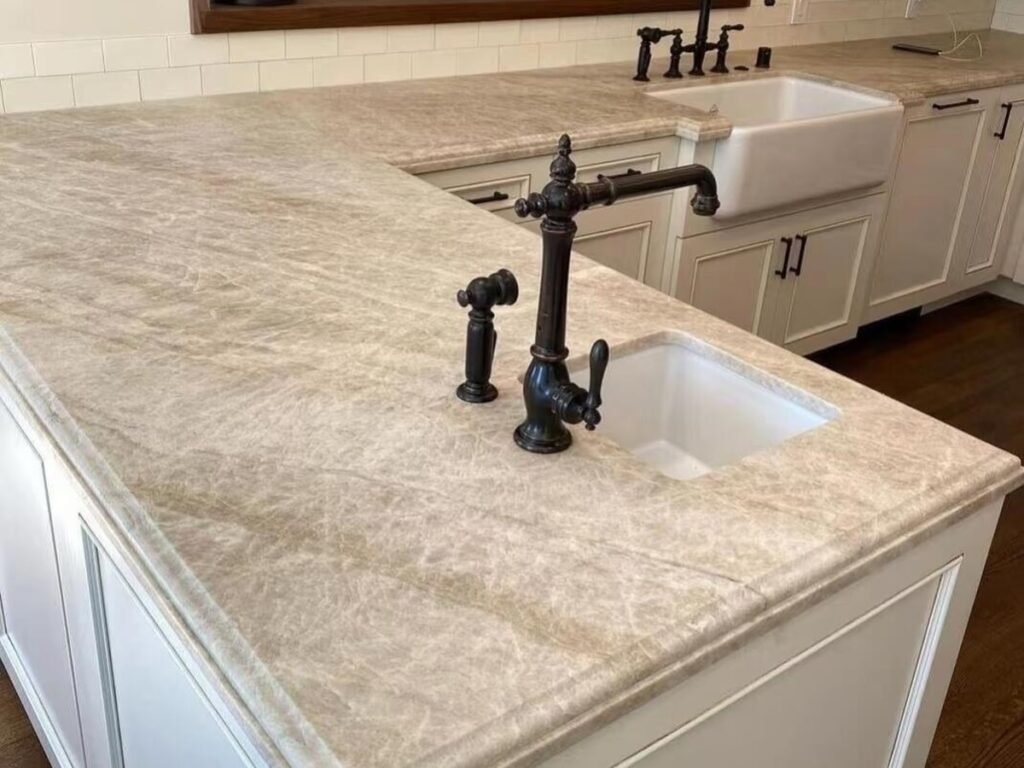
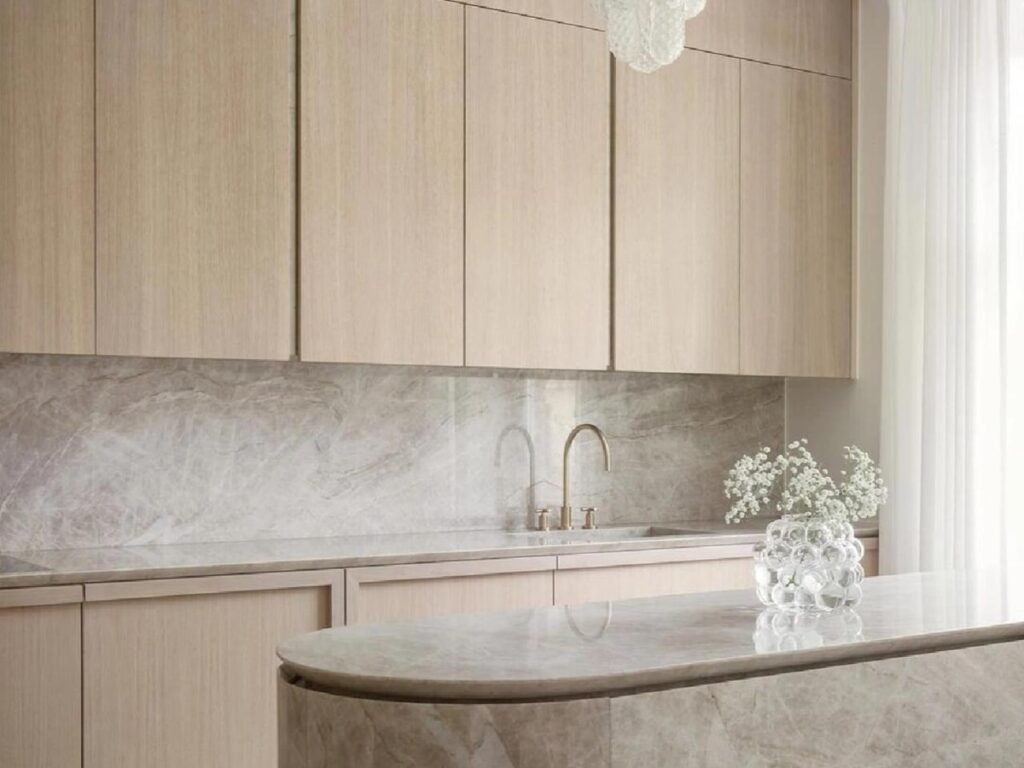
Taj Mahal Quartzite typically falls into:
- Warm Beige
- Ivory White
- Light Gold
How to Evaluate Color Quality?
Key criteria:
- Consistency of base tone
- Absence of unwanted grey or yellow shifts
- No large color blotches
👉 Premium Standard:
✔ Smooth transitions
✔ Balanced warmth
✔ No abrupt contrasts
Batch Control (CRITICAL)
You must ensure:
- Same batch procurement
- Same quarry source
- No mixing across shipments
👉 Golden rule for projects:
Never mix batches
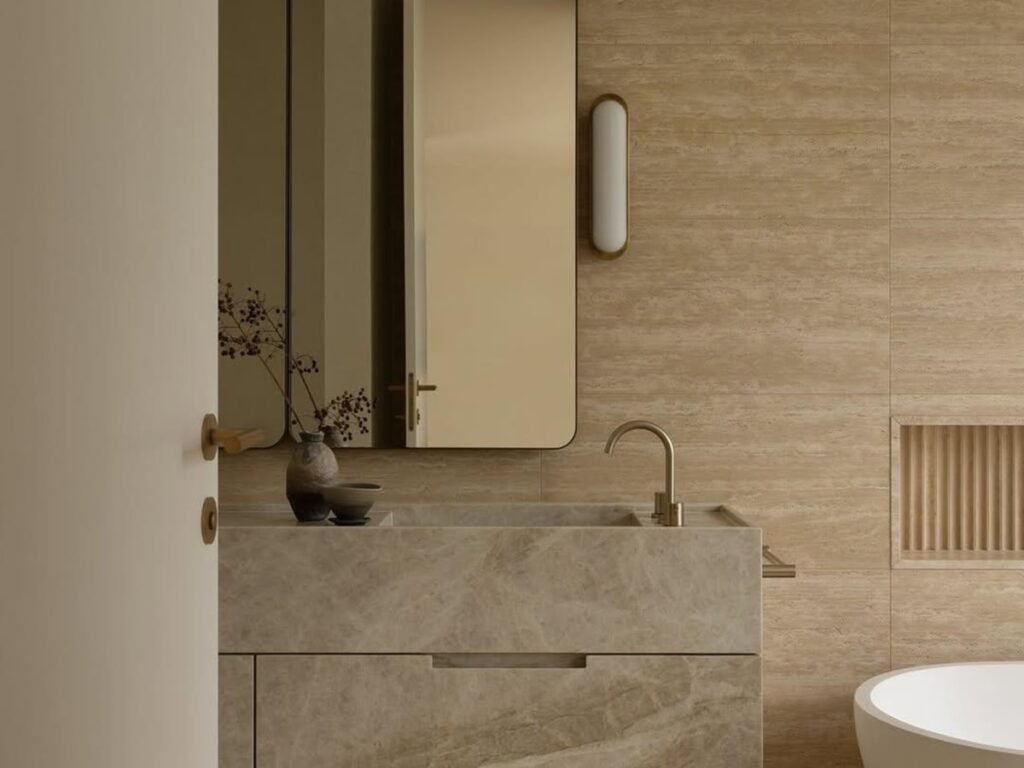
Vein Pattern Selection
Common Vein Types
- Linear (clean, modern)
- Flowing (organic, luxurious)
- Cloudy (soft, subtle)
How to Identify High-Quality Veining?
Premium slabs:
- Natural and continuous flow
- No broken or chaotic lines
- Balanced distribution
Low-quality slabs:
- Disconnected veins
- Overcrowded patterns
- Visual inconsistency
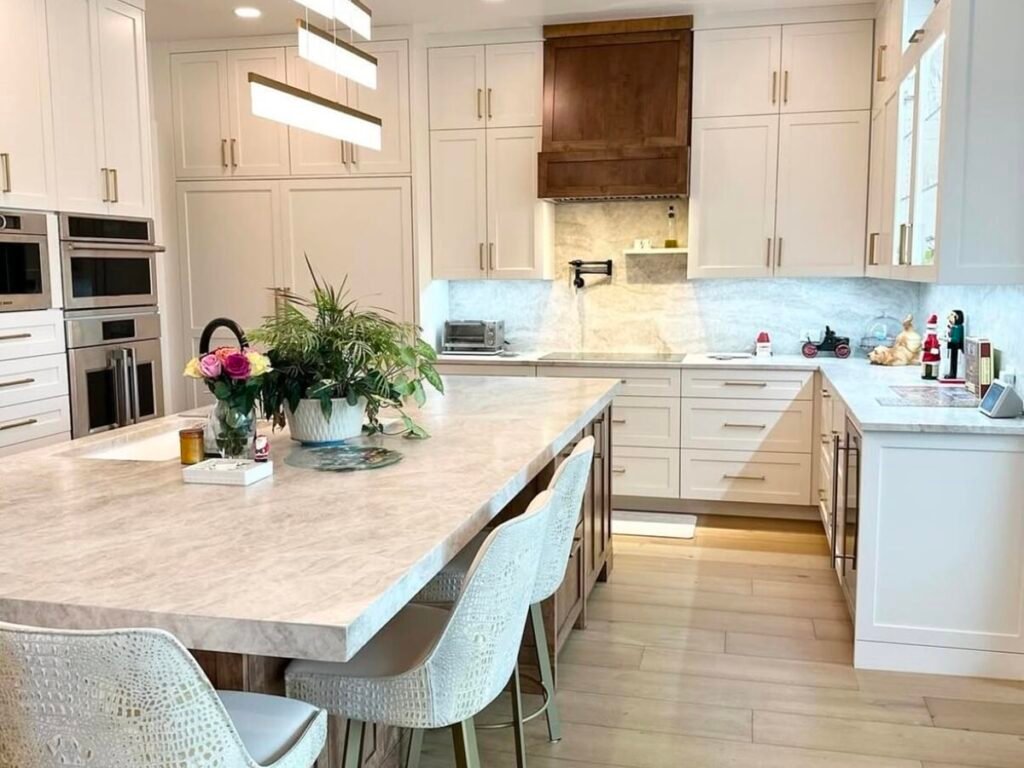
Bookmatching (Symmetry Design)
Best for:
- Feature walls
- Lobby backdrops
- Statement interiors
👉 Requirements:
- Slab pairing during selection
- Pre-layout planning before cutting
Surface Finish Options
Polished Finish
- High gloss
- Strong reflection
- Luxury appearance
👉 Most popular for premium projects
Honed Finish
- Matte surface
- Soft, modern aesthetic
Leathered Finish
- Textured surface
- Anti-slip
- Fingerprint resistant
👉 Ideal for commercial environments
Structural Quality Inspection (MOST IMPORTANT)
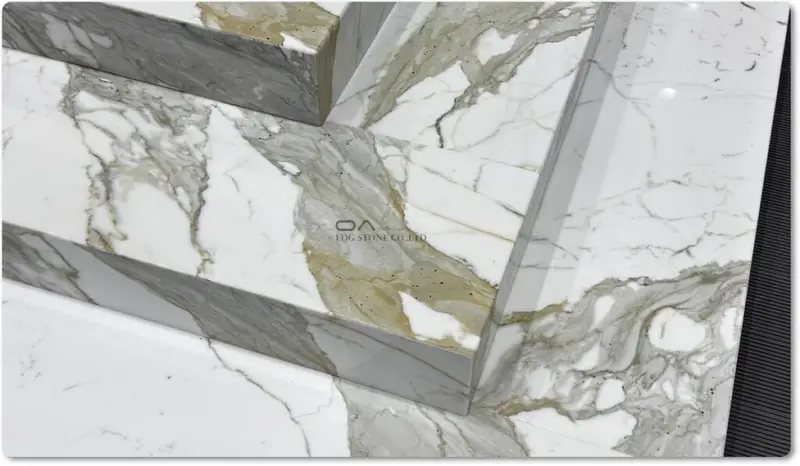
Cracks vs Fissures
Inspection checklist:
- Does it go through the slab?
- Does it affect strength?
👉 Rule:
✔ Natural micro-fissures: acceptable
✖ Structural cracks: NOT acceptable
Resin Filling
Common in quartzite processing.
Check:
- Even distribution
- Minimal visual impact
Thickness & Flatness
Verify:
- Thickness tolerance (±1mm)
- No warping or bending
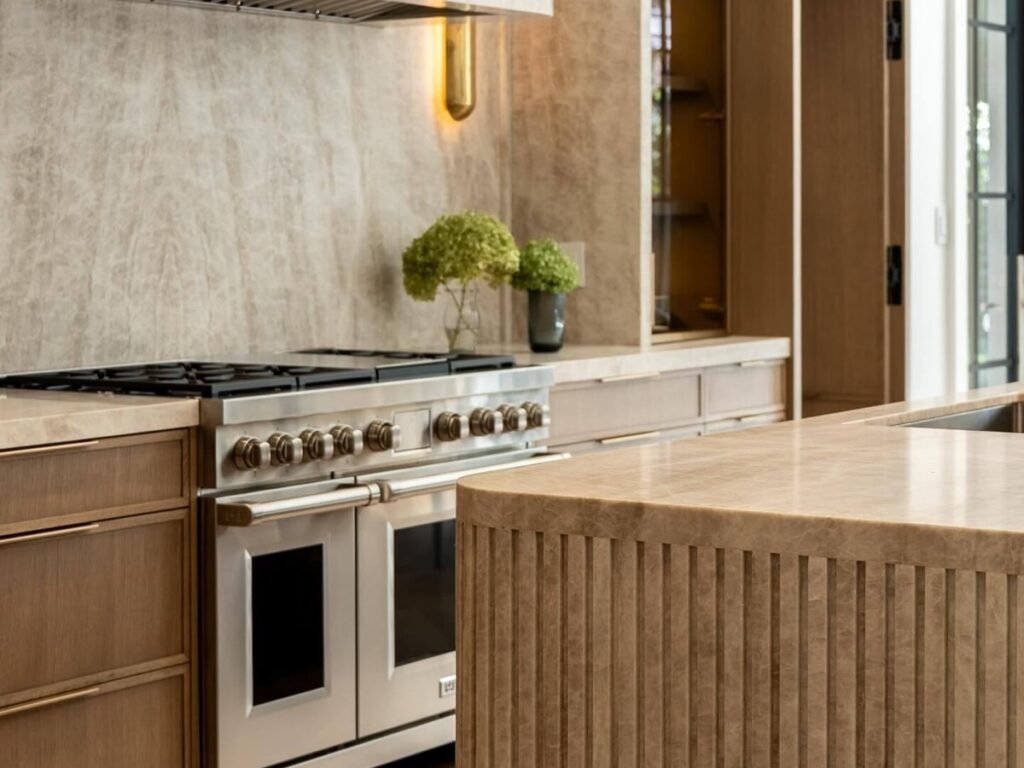
Performance Evaluation (Engineering Perspective)
Wear Resistance
Suitable for:
- Kitchen countertops
- High-traffic commercial areas
Stain Resistance
- Better than marble
- Requires periodic sealing
Heat Resistance
- Withstands high temperatures
- Low risk of deformation

Standard Slab Selection Workflow
Step 1: Define Requirements
- Application
- Dimensions
- Quantity
Step 2: Remote Slab Inspection
- HD videos
- Slab numbering system
Step 3: Slab Reservation (Locking)
👉 Prevent substitution
Step 4: Layout Planning
👉 Determines final visual outcome
Step 5: Production Confirmation
Common Purchasing Mistakes
Mistake 1: Choosing Based on Price Only
Low prices often indicate:
- Excessive resin filling
- Lower-grade blocks
Mistake 2: Ignoring Layout Design
👉 Result:
- Chaotic veining
- Poor aesthetics
Mistake 3: Mixing Batches
👉 Result:
- Visible color mismatch
Actionable Procurement Tips
- Always inspect slabs (video or in person)
- Lock batch and slab numbers
- Plan layout before fabrication
- Allow 5–10% material waste
Conclusion
Choosing Taj Mahal Quartzite is not simply about selecting a beautiful slab.
👉 It is about building a controlled material system for your project.
Successful execution depends on:
✔ Correct color selection
✔ Controlled veining
✔ Structural inspection
✔ Strategic layout planning
Only then can you achieve true high-end project consistency.
FAQ
1. How to choose the Taj Mahal Quartzite color?
Select slabs with a consistent tone and avoid mixing batches.
2. What is the best finish?
Polished finish is the most popular for luxury applications.
3. Are cracks acceptable?
Minor fissures are acceptable; structural cracks are not.
4. Why is batch selection important?
Different batches may have significant color variation.
5. Should I inspect slabs before buying?
Yes, always inspect slabs before confirming the order.