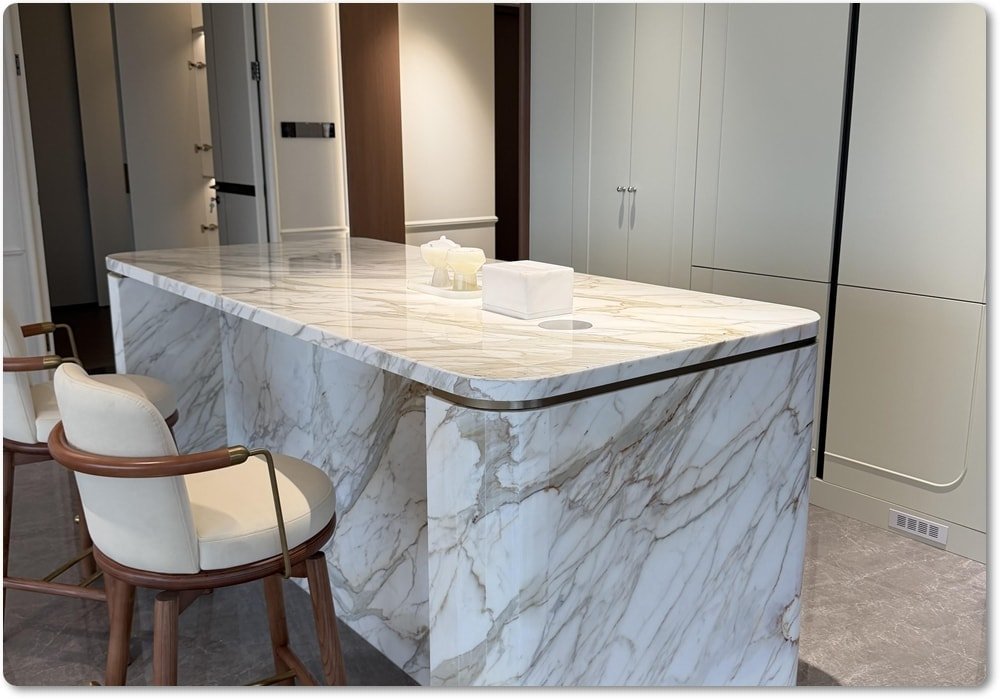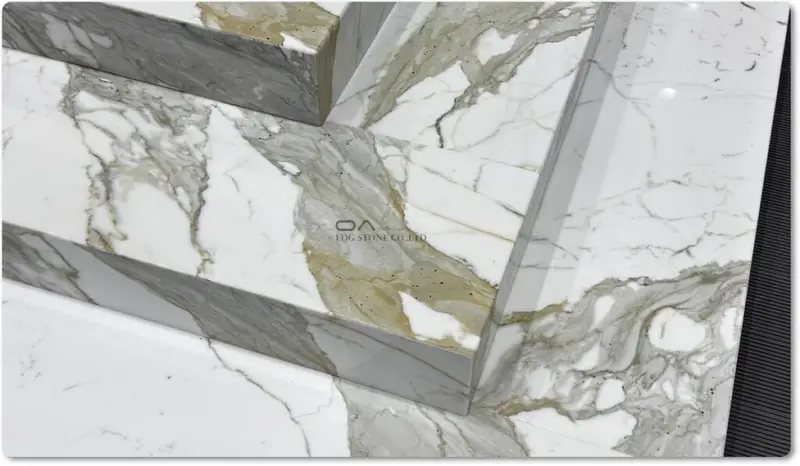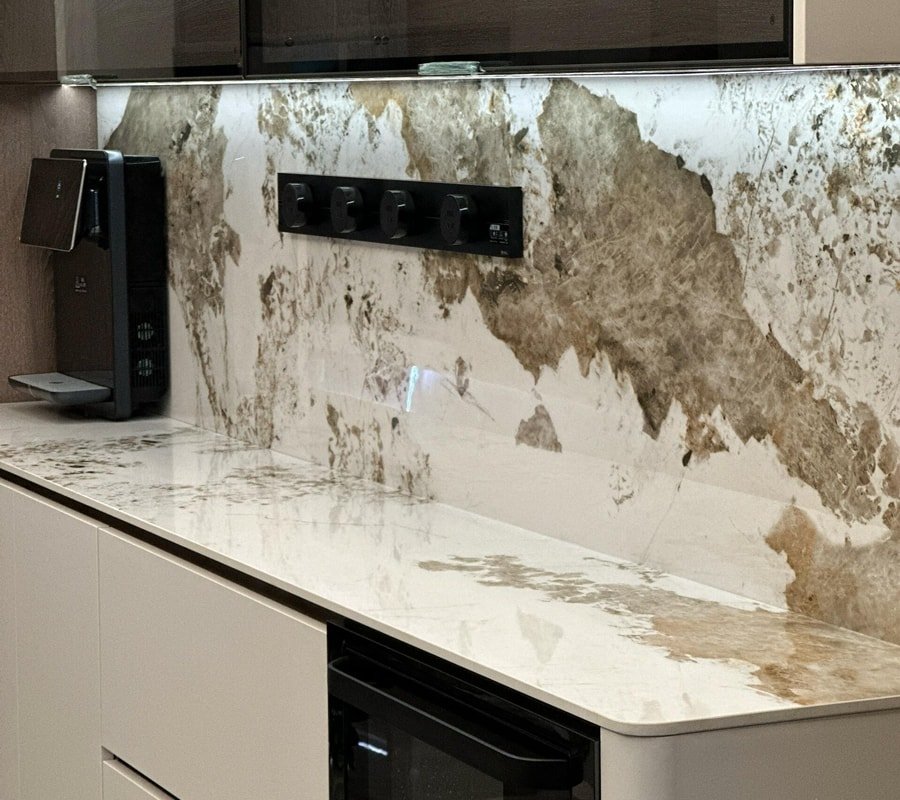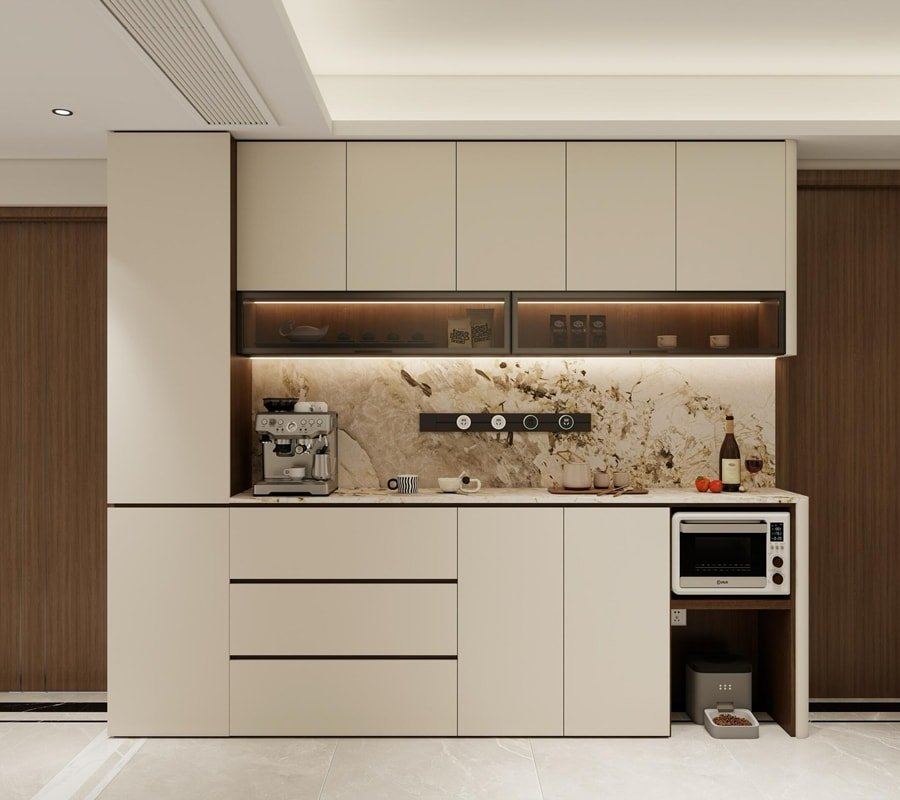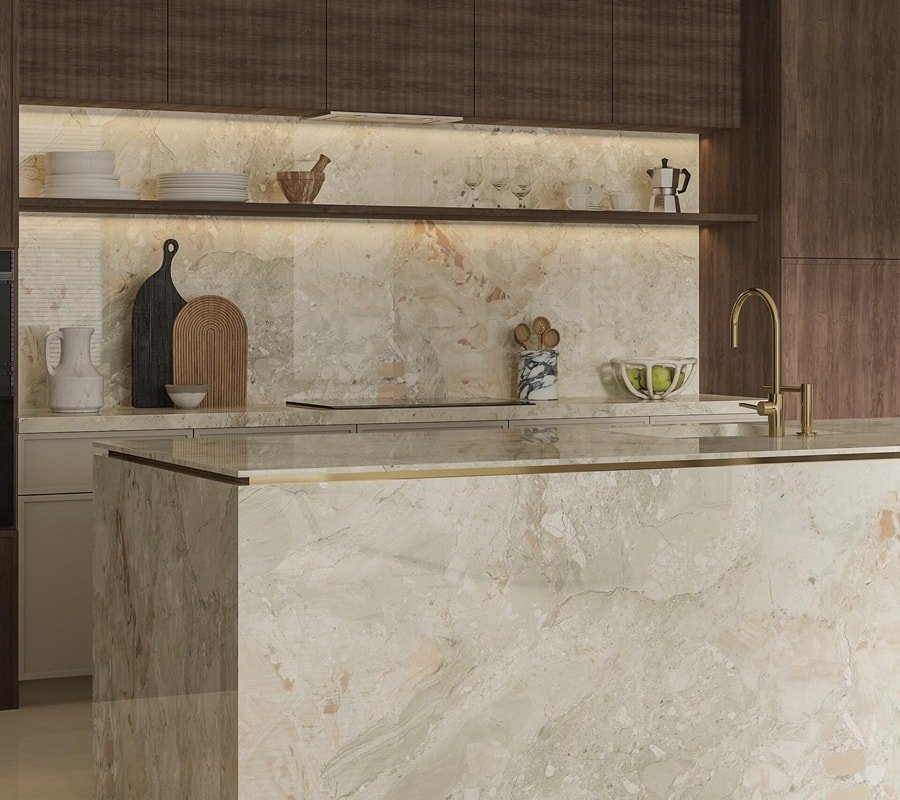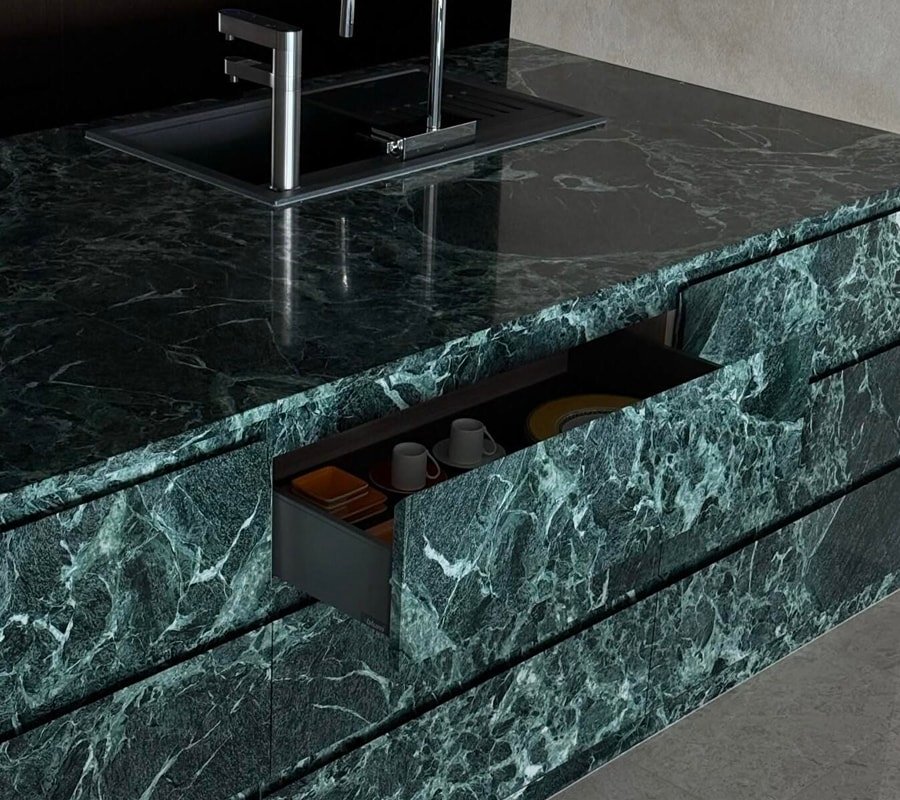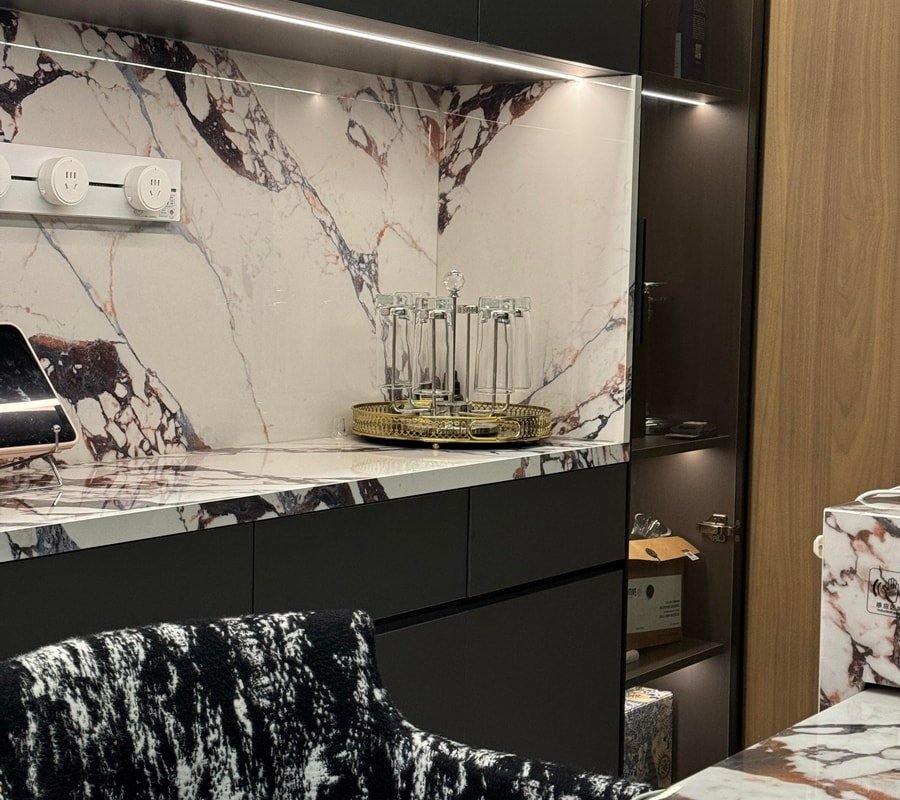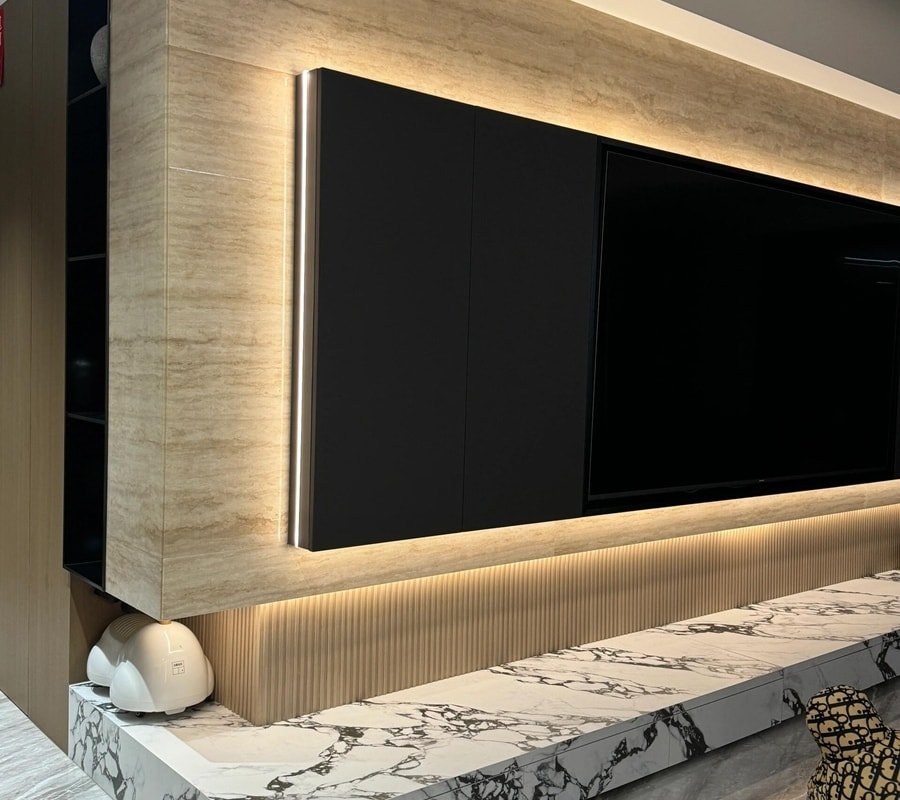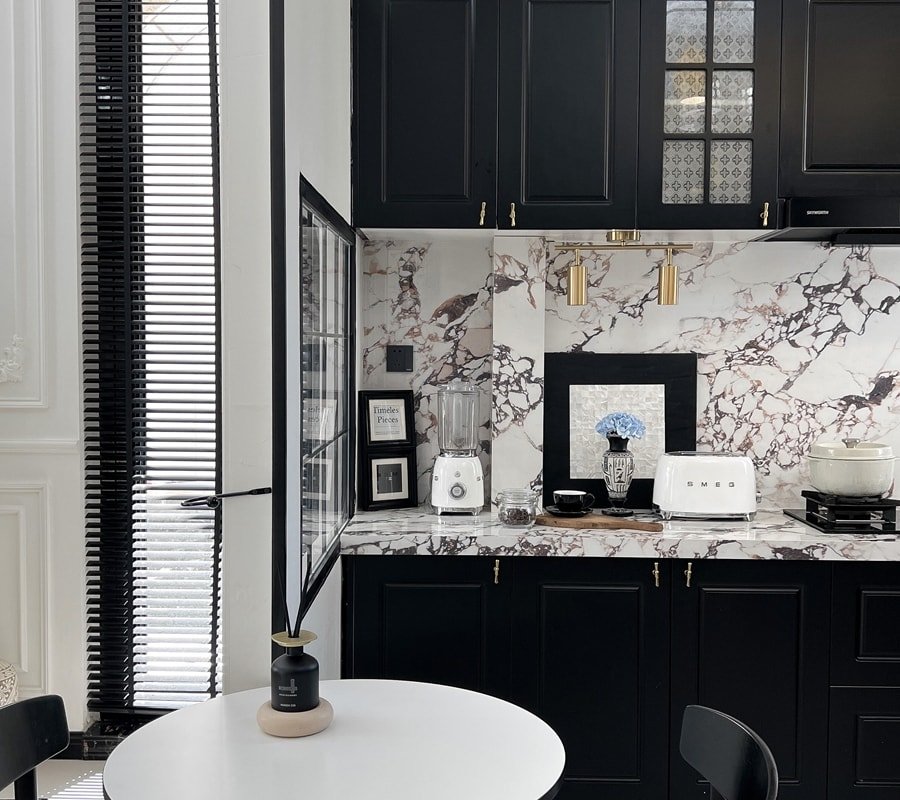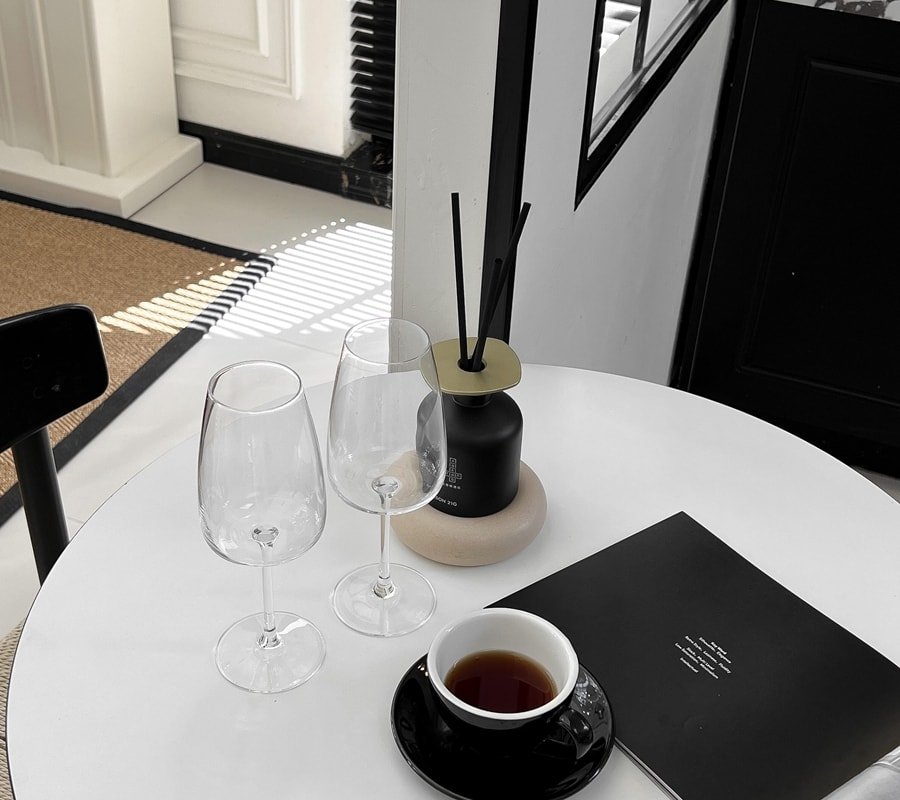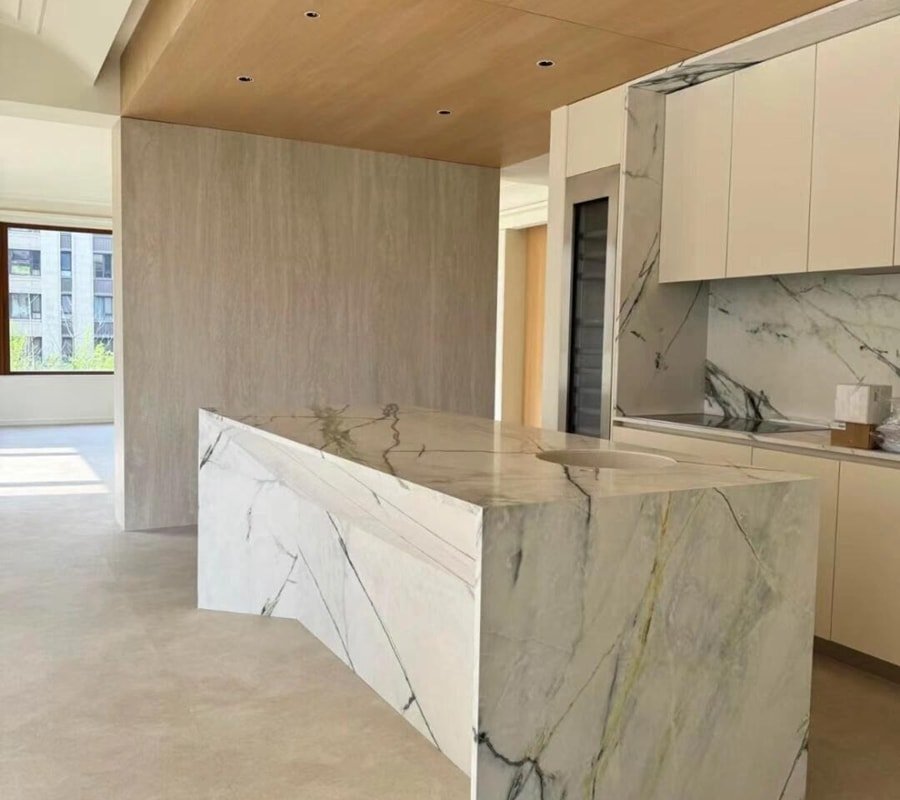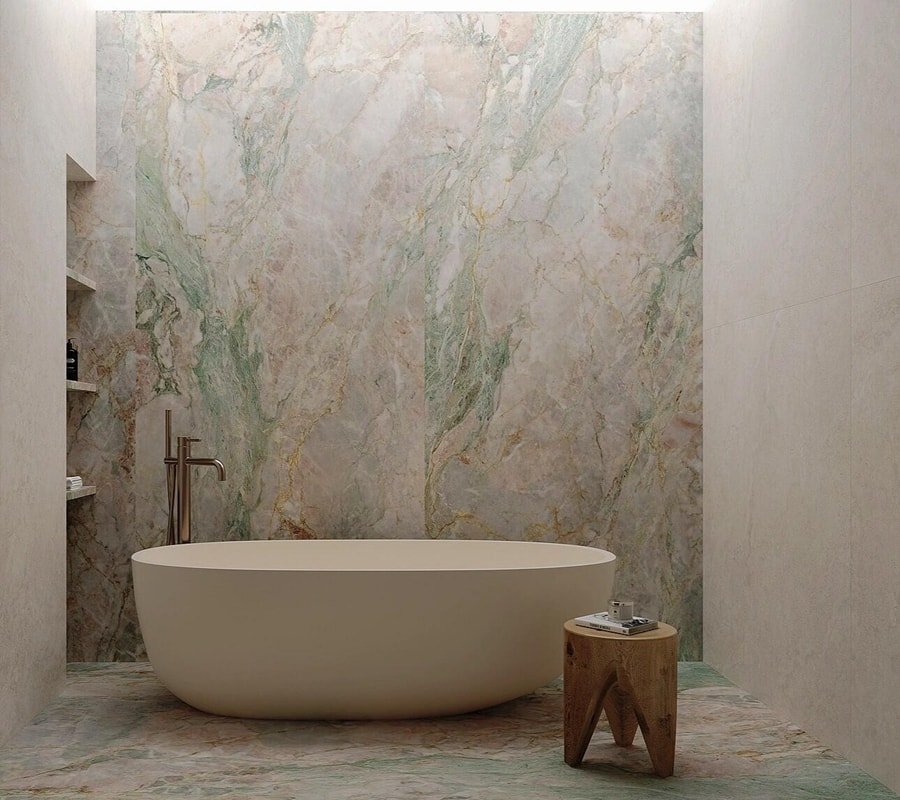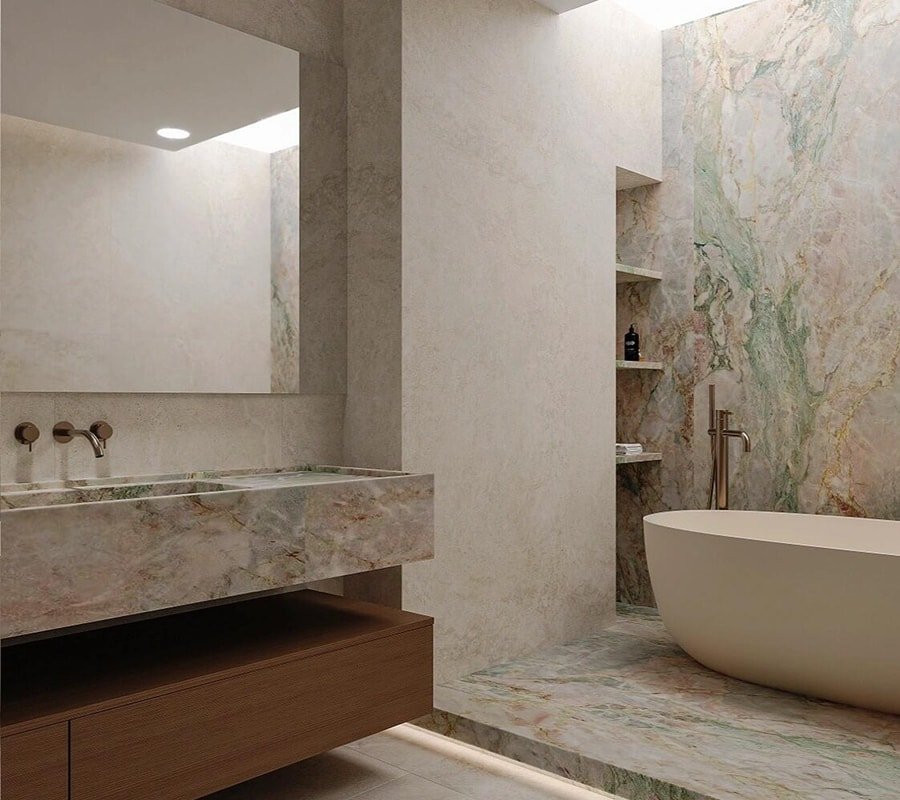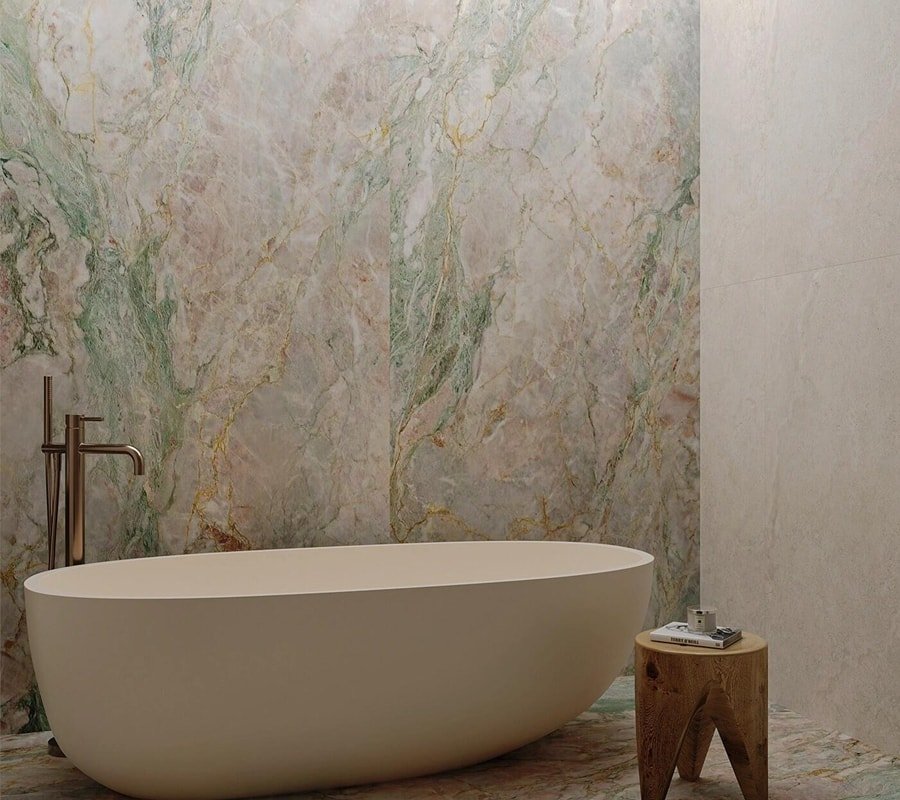

Introduction: Why the “Seamless Grand Wall” Defines Modern Architecture?
Seamlessness has become a defining aesthetic of contemporary architecture and interior design. Designers increasingly seek surfaces that feel monolithic, uninterrupted, and visually expansive. Extra-large format sintered stone slabs answer this demand by dramatically reducing the number of visible joints on walls and floors, allowing spaces to read as single, sculpted volumes rather than assemblies of smaller pieces.
The concept of the “Seamless Grand Wall” goes beyond visual appeal. It represents a shift toward materials that combine scale, performance, safety, and longevity. From luxury residences and hotel lobbies to flagship retail stores and public buildings, large-format sintered stone is being chosen not only for how it looks on day one, but for how it performs over decades of use.
What Is Extra-Large Format Sintered Stone?
Defining “Extra-Large Format”
Extra-large format sintered stone slabs typically refer to panels exceeding traditional tile dimensions, often reaching sizes such as 3200 × 1600 mm, 3600 × 1600 mm, or even larger in customized production runs. These dimensions enable floor-to-ceiling wall cladding and expansive floor installations with very few seams.
How Sintered Stone Is Made?
Sintered stone is produced by replicating and accelerating natural geological processes. Carefully selected minerals—such as quartz, feldspar, and clays—are finely milled, compacted under extreme pressure, and then sintered at very high temperatures. This process fuses the particles into a dense, homogeneous slab with consistent properties throughout its thickness.
Why Size Matters Technically?
Large slabs are not simply scaled-up tiles. Manufacturing extra-large sintered stone requires precise control of flatness, density, and internal stress. When done correctly, these slabs offer uniform strength across their surface, allowing designers to work at an architectural scale without compromising performance.
Seamless Walls and Floors: Design Possibilities at Scale
Visual Continuity and Minimal Joints
The most immediate benefit of extra-large format slabs is the reduction of grout lines. Fewer joints mean cleaner visual lines, easier maintenance, and a stronger sense of continuity. In large rooms, this continuity enhances perceived space and creates a calm, luxurious atmosphere.
Floor-to-Wall Transitions
Large-format sintered stone makes it possible to wrap the same material from floor to wall, and even onto ceilings or staircases. This continuous application is especially popular in luxury bathrooms, spas, and modern living spaces, where designers want surfaces to flow seamlessly.
Bookmatching and Artistic Expression
With large slabs, bookmatching becomes a powerful design tool. Veins can be mirrored across walls or floors, creating dramatic, symmetrical patterns reminiscent of natural marble blocks—without the limitations of quarry size.
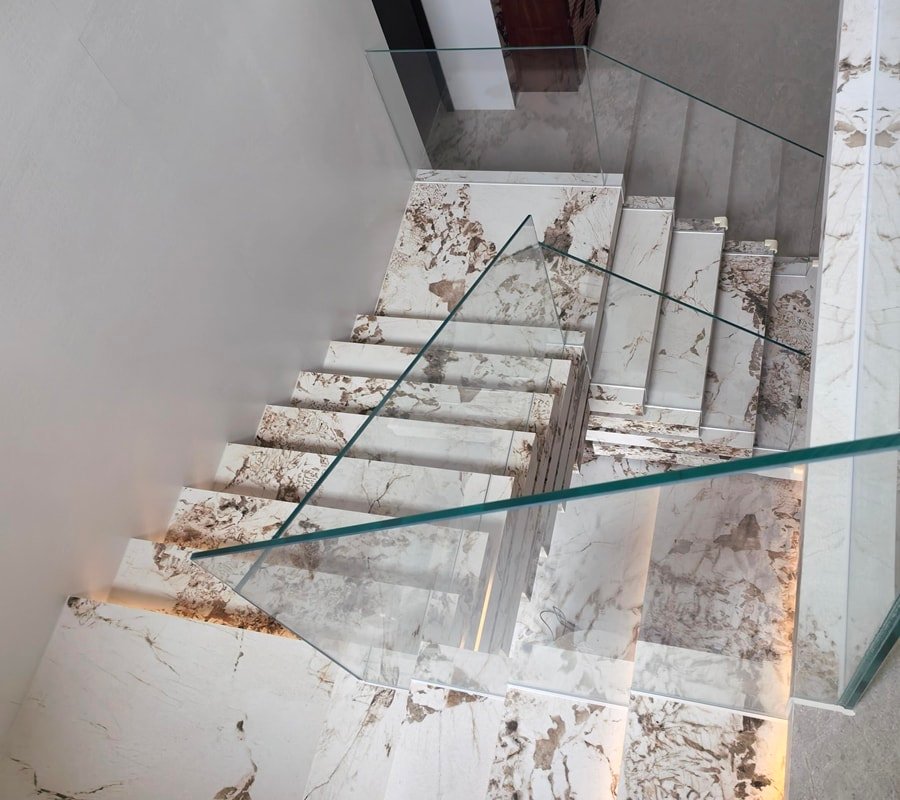
Applications: From Interiors to Architectural Façades
Large Format Stone Floors
In high-traffic areas such as hotel lobbies, airports, and shopping centers, large-format stone floors offer durability combined with an upscale aesthetic. The reduced number of joints also means fewer weak points and easier cleaning over time.
Seamless Wall Panels and Feature Walls
Extra-large sintered stone panels are widely used for feature walls in residential and commercial interiors. Their dimensional stability and low porosity make them suitable for both dry and wet areas.
Large Format Stone Veneer for Façades
In architecture, sintered stone panels are increasingly specified as large-format stone veneer in ventilated façade systems. Their consistent quality and non-combustible nature align well with modern safety and performance requirements when used in tested assemblies.
Furniture and Custom Elements
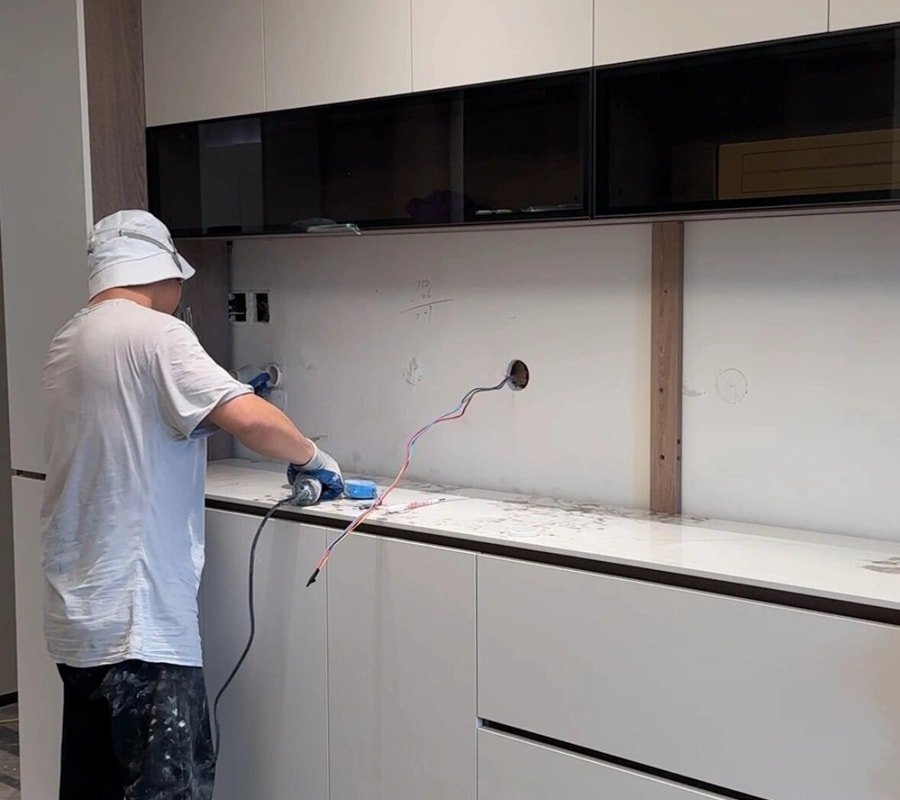
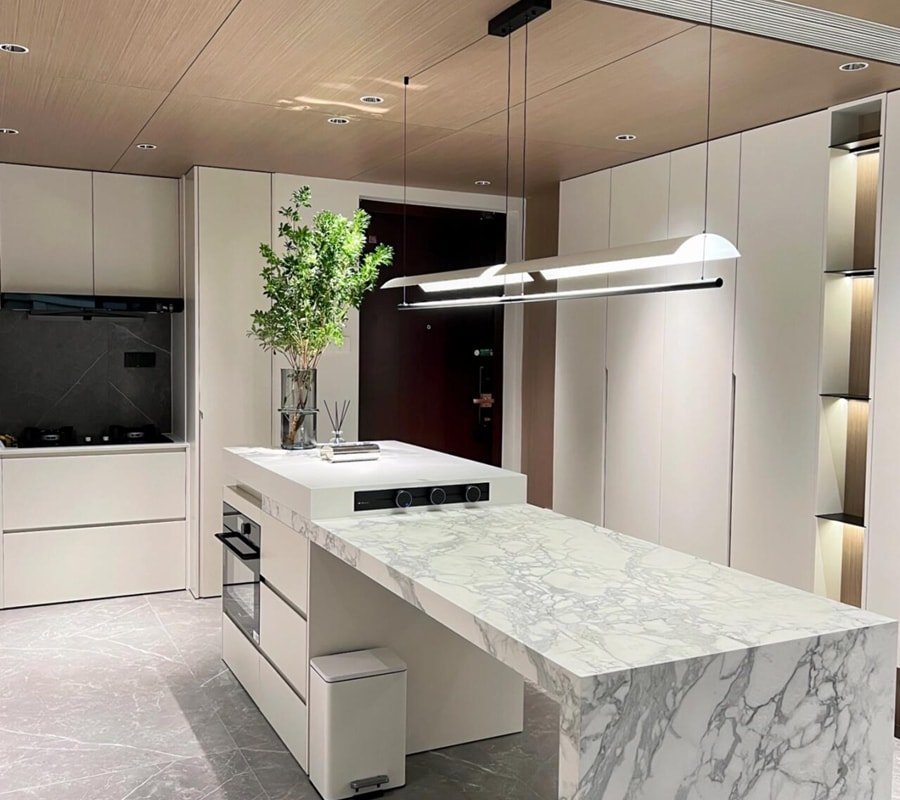
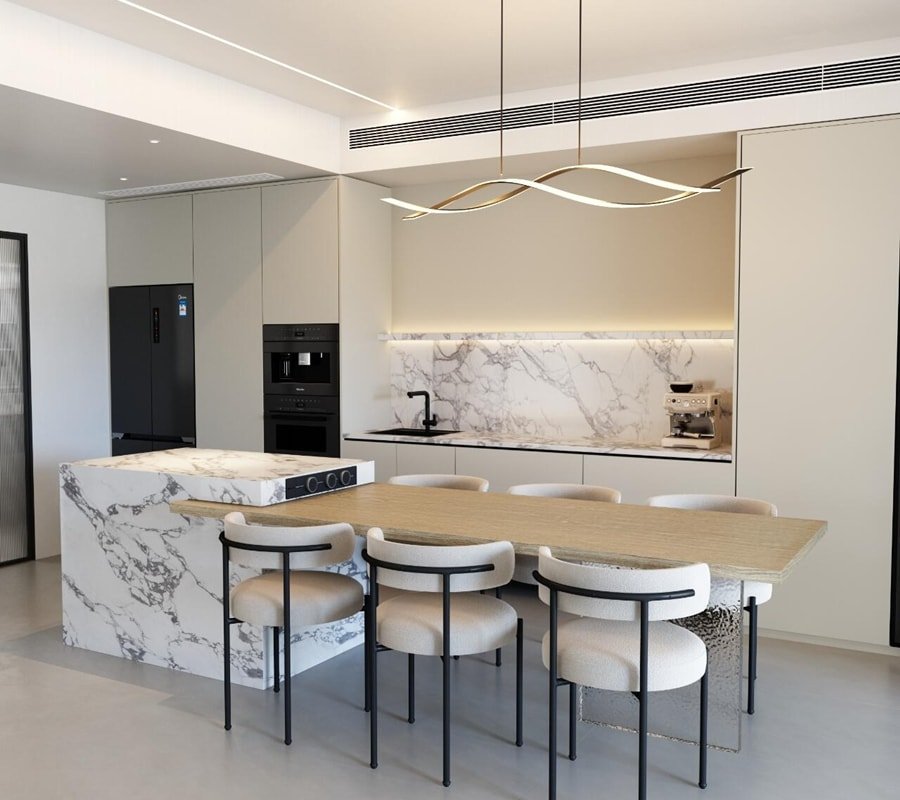
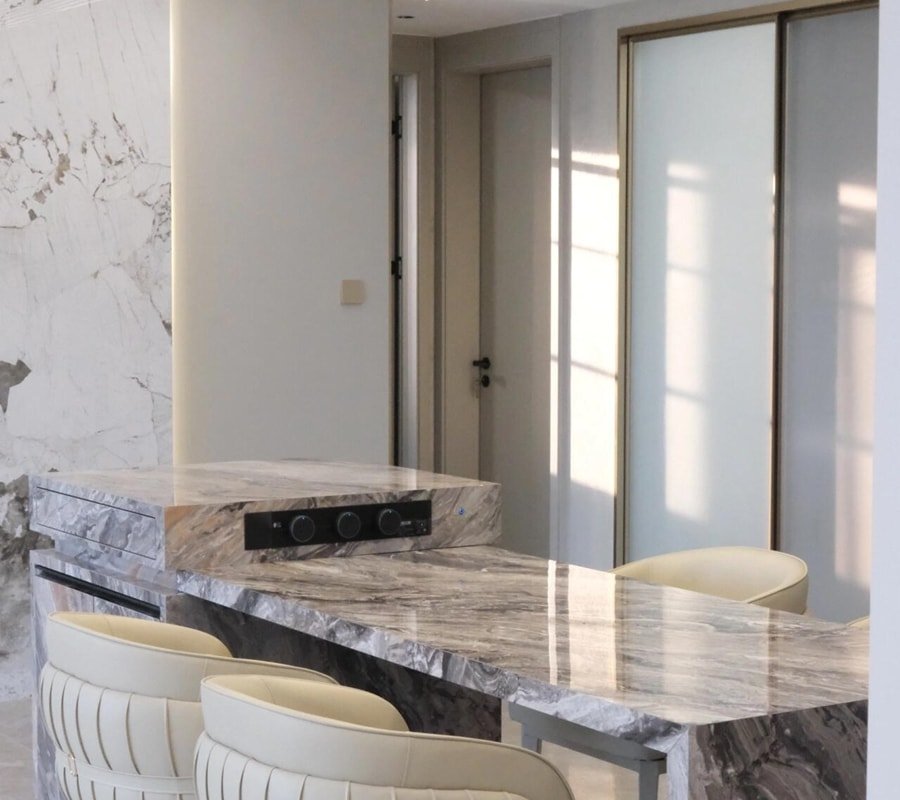
From oversized dining tables to integrated countertops and wall-mounted shelving, extra-large slabs allow furniture and architectural elements to be cut from the same material, reinforcing a cohesive design language.

Performance Advantages of Extra-Large Sintered Stone Slabs
Near-Zero Porosity and Hygiene
One of the defining technical properties of sintered stone is its near-zero porosity. Liquids remain on the surface rather than penetrating the material, which translates into excellent stain resistance and hygienic performance—especially important for kitchens, bathrooms, and public spaces.
Mechanical Strength and Wear Resistance
Sintered stone is engineered for high flexural strength and abrasion resistance. This makes large slabs suitable for demanding applications such as floors and wall panels exposed to heavy use.
UV and Thermal Stability
Because sintered stone contains no organic resins, it remains color-stable under UV exposure and resists damage from heat. This makes it suitable for sunlit interiors, atriums, and certain exterior applications.
Fabrication and Installation Best Practices
Handling and Logistics
Extra-large slabs require specialized handling equipment, including A-frames, suction lifters, and reinforced transport systems. Proper planning during logistics reduces the risk of damage and ensures site safety.
Cutting and Finishing
Precision cutting using CNC machinery and water-cooled diamond tools is essential. Edge finishing and reinforcement around cutouts (such as for sinks or fixtures) are critical to long-term performance.
Installation and Substrate Preparation
A perfectly flat and stable substrate is essential for large-format installations. Depending on the application, slabs may be installed using advanced adhesives, mechanical fixing systems, or hybrid methods.

Regulations, Safety, and Industry Direction
Fire Safety and Building Codes
In many regions, recent building safety reforms have placed stricter controls on façade materials. Large-format sintered stone panels are increasingly favored because they can be specified within non-combustible or tested façade assemblies that meet regulatory requirements.
Sustainability and Environmental Transparency
Architects and developers are also demanding clearer environmental data. Many manufacturers now provide environmental declarations and lifecycle assessments, positioning sintered stone as a long-term, durable material with reduced replacement needs.
Market Trends
The global trend toward large, open spaces and minimalist design continues to drive demand for extra-large surfaces. As production technology advances, slab sizes continue to increase while maintaining tight tolerances and consistent quality.
Luxury Sintered Stone Price and Value Analysis
What Influences Price?
Luxury sintered stone pricing depends on slab size, thickness, surface finish, pattern complexity, and fabrication requirements. Extra-large formats command a premium due to manufacturing precision and logistics.
Lifecycle Cost Perspective
While the initial investment may be higher than traditional materials, the long service life, low maintenance, and durability of sintered stone often result in favorable lifecycle costs.
Comparing Sintered Stone vs Quartz and Porcelain
Compared with quartz, sintered stone offers better heat and UV resistance. Compared with extra-large format porcelain slabs, sintered stone typically provides greater structural consistency and broader application flexibility at the architectural scale.
Procurement Guide: Buying Extra-Large Sintered Stone Slabs
Manufacturer, Factory, and Wholesale Channels
For large projects, sourcing directly from experienced manufacturers or factory-authorized wholesalers ensures access to technical documentation, consistent quality, and reliable supply.
What Documents to Request?
Buyers should request technical datasheets, installation guidelines, quality control procedures, and warranty terms. For façade applications, documented test reports for the complete system are essential.
Sintered Stone Slabs for Sale: Avoiding Common Pitfalls
Selecting suppliers based solely on price can increase risk. Proper due diligence ensures that extra-large slabs meet performance expectations and project timelines.
Pros and Cons of Extra-Large Format Sintered Stone
Key Advantages
Seamless visual effect with minimal joints
High durability and low maintenance
Hygienic, stain-resistant surface
Suitable for both interior and exterior architectural applications
Considerations and Limitations
Higher upfront cost
Requires skilled fabrication and installation
More complex logistics for transport and handling
FAQ: Top Google Hot-Search Questions
Q1: What are extra-large format sintered stone slabs?
Extra-large format sintered stone slabs are oversized panels manufactured at architectural scale, often exceeding 3 meters in length. They are designed to reduce seams and create continuous walls and floors with a monolithic appearance.
Q2: How do you create seamless walls and floors with sintered stone?
Seamlessness is achieved by using large slabs, careful layout planning, precise cutting, and color-matched joint treatments. Professional installation ensures that joints are minimized and visually unobtrusive.
Q3: Are extra-large sintered stone slabs suitable for exterior façades?
Yes, when specified within approved and tested façade systems. Large-format sintered stone panels are widely used in ventilated façade applications that meet modern safety and performance requirements.
Q4: How does sintered stone compare with quartz or porcelain in large formats?
Sintered stone generally offers superior heat and UV resistance compared to quartz and greater structural consistency at large sizes compared to porcelain. This makes it well-suited for seamless architectural applications.
Q5: How do I maintain large-format sintered stone walls and floors?
Maintenance is simple: regular cleaning with neutral cleaners and prompt removal of spills. The near-zero porosity of sintered stone prevents staining and reduces long-term maintenance effort.
Semantic Closure: How, Why, What, Options, and Considerations
References
ISO — Ceramic Tiles: Water Absorption and Porosity Testing Standard — International Organization for Standardization.
UK Government — Approved Document B: Fire Safety — Ministry of Housing, Communities & Local Government.
Building Research Establishment (BRE) — Cladding Systems and Fire Performance — Research Publication.
World Architecture Community — Large Format Materials in Contemporary Design — Industry Article.