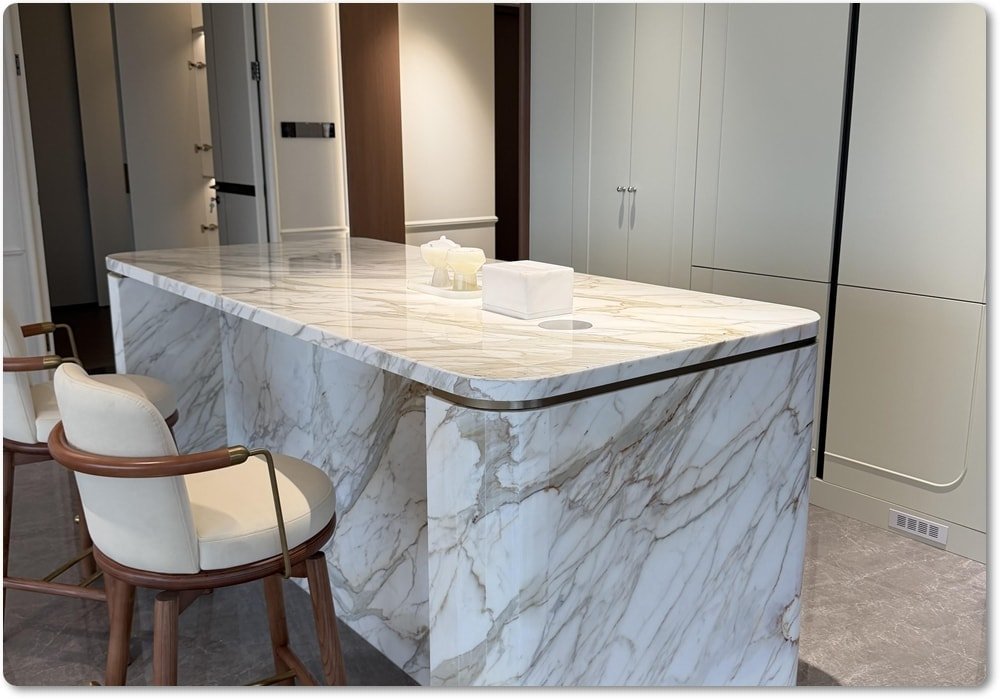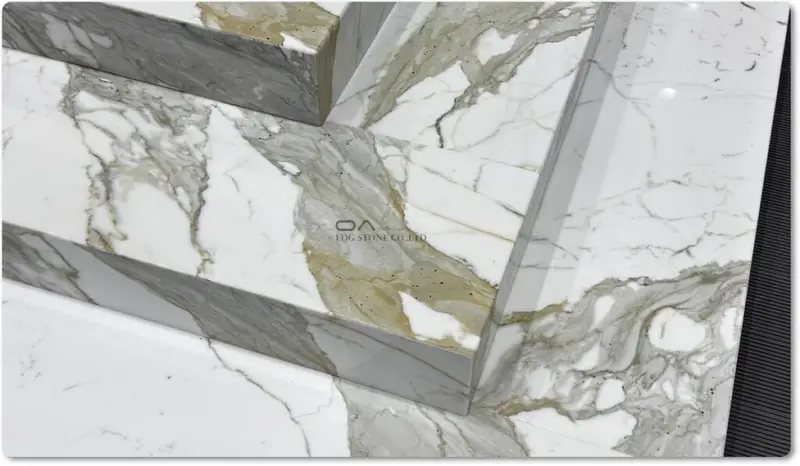
Can sintered stone be used for flooring?
Semantic Closed-Loop Brief: How / Why / What / Options / Considerations
Why: Designers use sintered stone for flooring because it combines stone-like aesthetics with low porosity, stain resistance, high abrasion resistance, and UV stability — delivering durable, low-maintenance floors indoors and out.
What: Suitable applications include indoor living spaces, commercial lobbies, outdoor terraces, stairs, and pool surrounds — provided correct thickness, surface finish, and substrate are used.
Options: 4–8 mm thin panels for overlays and cladding; 8–12 mm for most floor tile installations; 12–20 mm for heavy-duty floors or structural elements. Choose finish (polished, silk, textured) based on slip resistance needs.
Considerations: Plan joint widths and movement joints, follow substrate curing times, control slip rating for wet areas, and implement silica exposure controls when cutting or grinding on site. Regulatory trends (e.g., engineered stone restrictions) increase the emphasis on safe fabrication and prefabrication.
1. What is sintered stone?
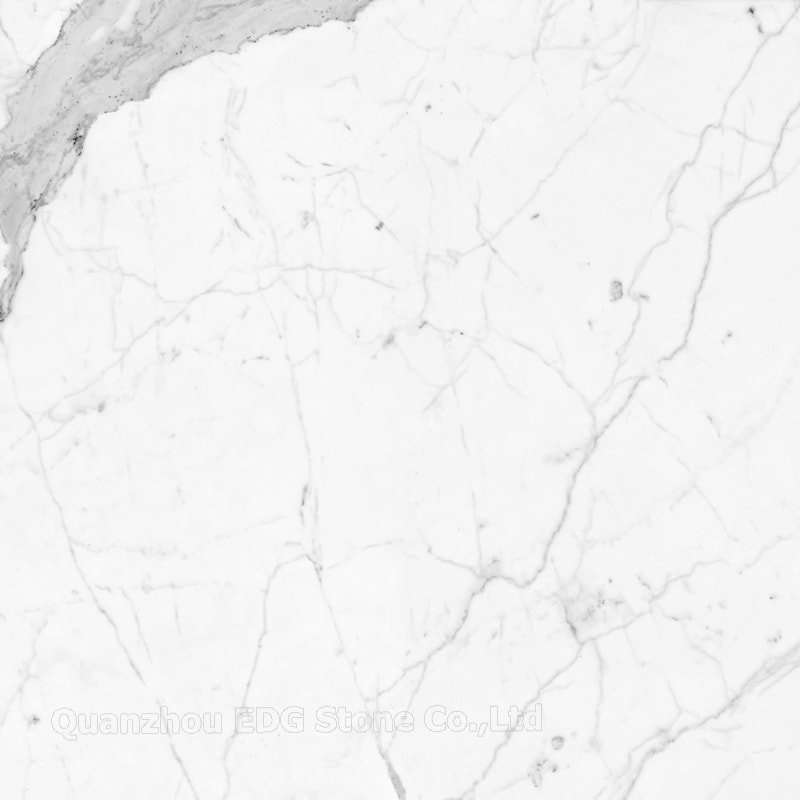
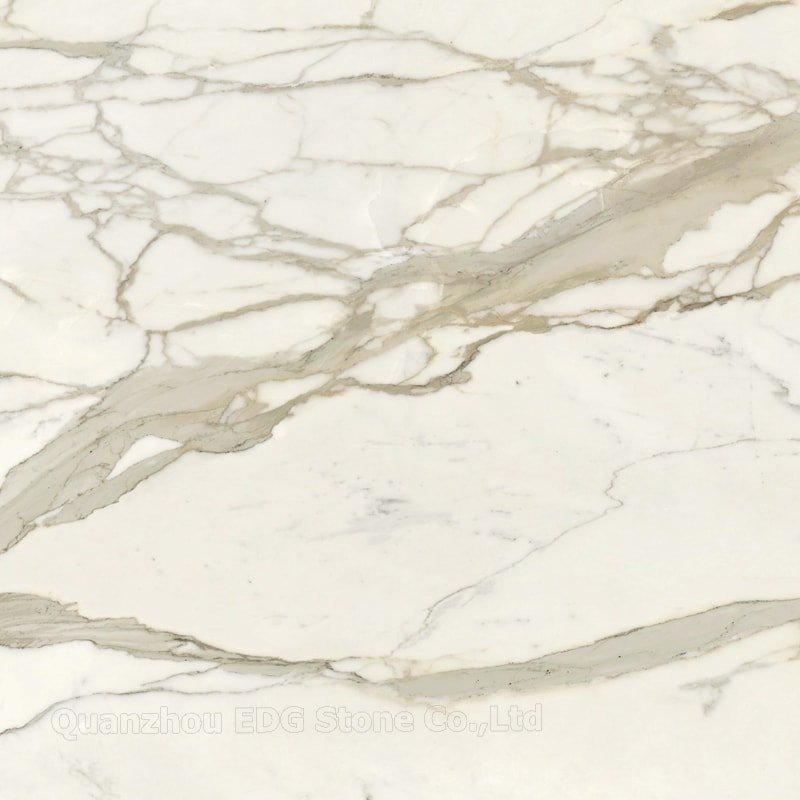
Sintered stone (also called ultracompact surfaces) is produced by compacting mineral powders (stone, glass, oxides) and exposing them to intense pressure and temperature so particles fuse into a dense, non-porous slab. Because it contains no resin binder, its technical behavior is closer to porcelain/ceramic and natural stone than to engineered quartz. Manufacturers like Neolith, Dekton, and Lapitec market large-format slabs and tile formats intended for floors, façades, and countertops.
2. Why consider sintered stone for flooring?
Key performance benefits that make sintered stone attractive for floors:
Low porosity & stain resistance — liquids do not penetrate, simplifying cleaning and reducing long-term staining risk.
High abrasion & scratch resistance — good for commercial traffic and hospitality environments.
UV stability & colorfastness — suitable for exterior terraces and pool surrounds without fading.
Large format and thin options — large tiles reduce grout lines for a seamless look and enable thin overlays on existing substrates.
Heat & chemical resistance — resists common household chemicals and high surface temperatures.
These properties often make sintered stone a single-material solution for exterior-to-interior continuity — the same finish used for the terrace can be specified inside for visual continuity.
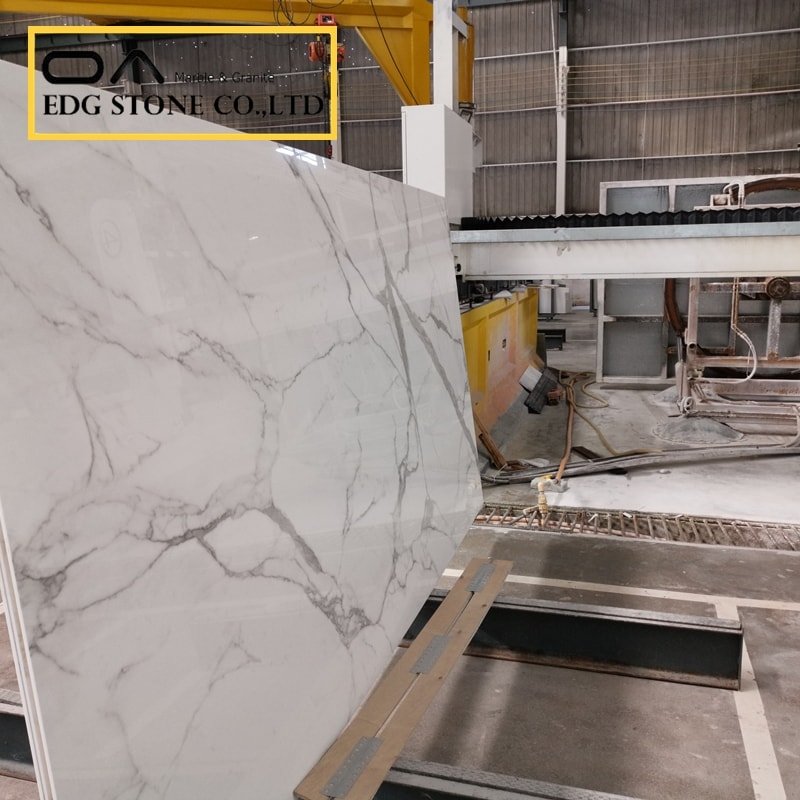
3. Technical considerations for floor use
Thickness & application
4–6 mm: best for furniture overlays, wall cladding, and light-duty vertical applications. Not generally recommended for primary floor installations unless supported by structural backing.
8–12 mm: common for floor tiles — balances weight, mechanical resistance, and ease of handling.
12–20 mm: used for heavy-duty floors or where extra impact resistance or custom fabrication is required.
Surface finishes & slip
Polished/silk finishes are visually striking but require careful slip-rating decisions for wet zones. Choose textured or anti-slip finishes for bathrooms, pool decks, and commercial areas. Manufacturer technical guides specify recommended finishes for each application.
Jointing & substrate
Follow manufacturer guidance for grout joint widths (e.g., Dekton recommends minimum grout joints for indoor/outdoor installations). Use uncoupling membranes, proper screeds, or structural support to prevent substrate movement from cracking tiles.
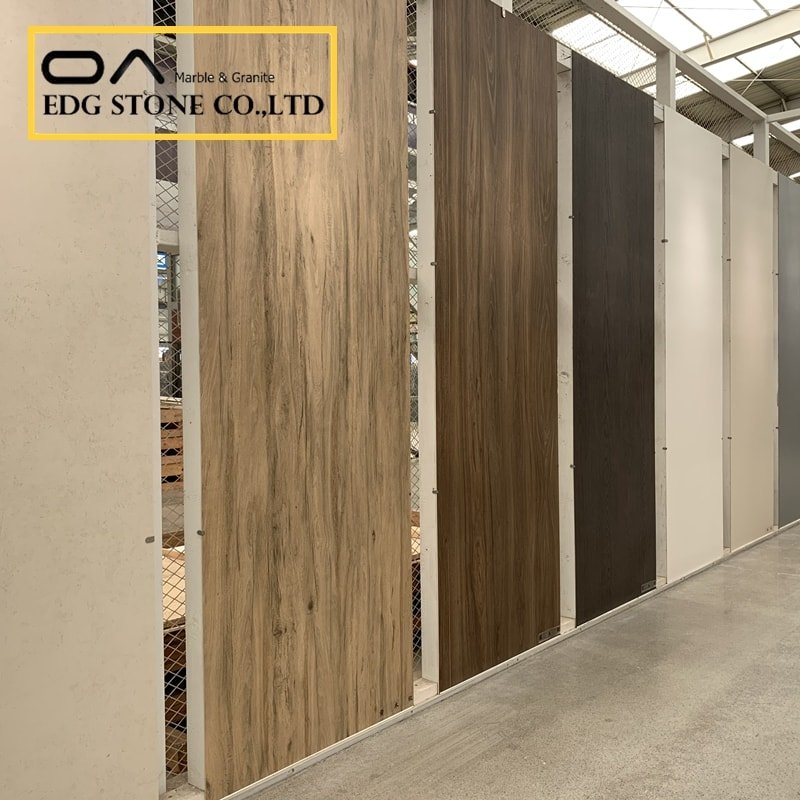
4. Cutting, installation, and seams (tools & best practice)
Cutting & shaping: Fabricators use diamond wet saws, CNC routers, and waterjet cutting for precision shapes and penetrations. Wet cutting is standard to minimize dust and prevent thermal microcracking.
Adhesives & bedding: Use tile adhesives and adhesives recommended in the manufacturer’s installation manuals (see Dekton flooring manual and product technical guides). Allow concrete screeds to cure as specified and inspect flatness tolerances before installation.
Seams & movement joints: Plan for movement joints at regular intervals and at perimeter changes. Larger formats look seamless but require engineered joint planning to handle thermal expansion and substrate movement.
5. Pros and cons for flooring applications
Pros
Long lifespan and low maintenance — ideal for hotels, malls, airports, and modern residences.
Consistent color and pattern; some collections offer through-body color for seamless edges. Usable indoors and outdoors; high UV and heat resistance.
Cons
Higher material and installation costs compared to standard porcelain or entry-level porcelain tile in some markets.
Requires skilled installers and manufacturer-approved adhesives; mistakes on substrate or joint planning can lead to failures.
Cutting and on-site fabrication release crystalline silica dust — strict controls are required (see Regulations).
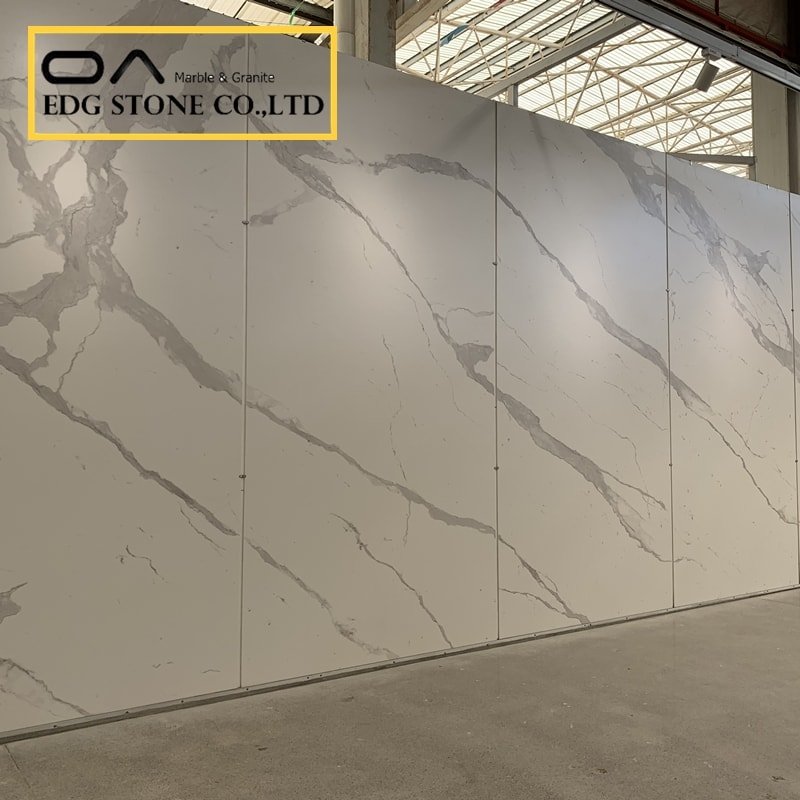
6. Price and value: cost ranges and what affects price
Sintered stone pricing varies widely by brand, color, slab size, and thickness. Reported retail costs for high-end brands (countertop-focused) are commonly referenced in ranges that convert to flooring-level prices (examples below are indicative and vary by market, shipping, and fabrication):
Dekton/Luxury brands: some retail reports estimate $60–$120 per sq ft for countertop-grade Dekton, which implies comparable premium pricing for matching tile/large-format floor tiles when factoring in installation and engineered supports. Prices for slab/tile purchases can also be quoted per m² or per slab.
Mid-range sintered collections: smaller brands and certain collections offer more competitive per-tile pricing; wholesale/manufacturer pricing is substantially lower for bulk orders. Always request factory or dealer quotes for accurate landed costs.
Value drivers
Tile size (larger formats = fewer joints, higher fabrication complexity), finish (textured vs polished), required thickness, and location (shipping/heavy handling) drive price. Labor for careful substrate prep and adhesive systems also raises total installed cost.
7. Regulations, worker safety & industry trends (data & guidance)
Silica risk and regulatory response: Cutting, grinding, or polishing sintered stone generates respirable crystalline silica (RCS) — a known cause of silicosis, lung cancer, and other diseases. OSHA’s RCS standard sets a PEL of 50 µg/m³ (8-hour TWA) and requires exposure controls, monitoring, and medical surveillance.
Enforcement & initiatives: OSHA launched focused inspection and enforcement initiatives for engineered stone fabrication in recent years and has issued compliance memoranda to improve oversight.
Regional policy shifts: Australia implemented a national ban on the use, supply, and manufacture of engineered stone effective July 1, 2024, and has expanded import controls — driving a marketplace shift toward safer materials, prefabrication, and automated offsite processing to reduce on-site cutting. Other jurisdictions are monitoring outcomes and strengthening guidance.
Industry direction: Expect tighter scrutiny of countertop and tile fabrication shops, greater adoption of wet cutting and dust extraction, more off-site prefabrication (to limit on-site dust), and increased documentation requirements from designers and clients showing silica control plans or fabricator certification. These trends affect lead times and project scopes for sintered stone flooring.
8. Design guidance and common use-cases
Residential: open plan living rooms, kitchens (where a continuous floor and countertop aesthetic is desired), bathrooms (textured finishes), and stair treads using matching risers and treads.
Commercial: hotel lobbies, restaurants, retail spaces, and airports where durability, large-format visuals, and stain resistance matter.
Exterior: terraces, pool surroundings, and façades — subject to slip rating selection and substrate engineering. Because sintered stone is UV-stable and low-absorption, it’s often chosen for seamless indoor-outdoor transitions.
Installation note: Always require manufacturer installation manuals and use certified installers for warranty compliance. Certain warranties may require specific adhesives, joint configurations, and maintenance routines.
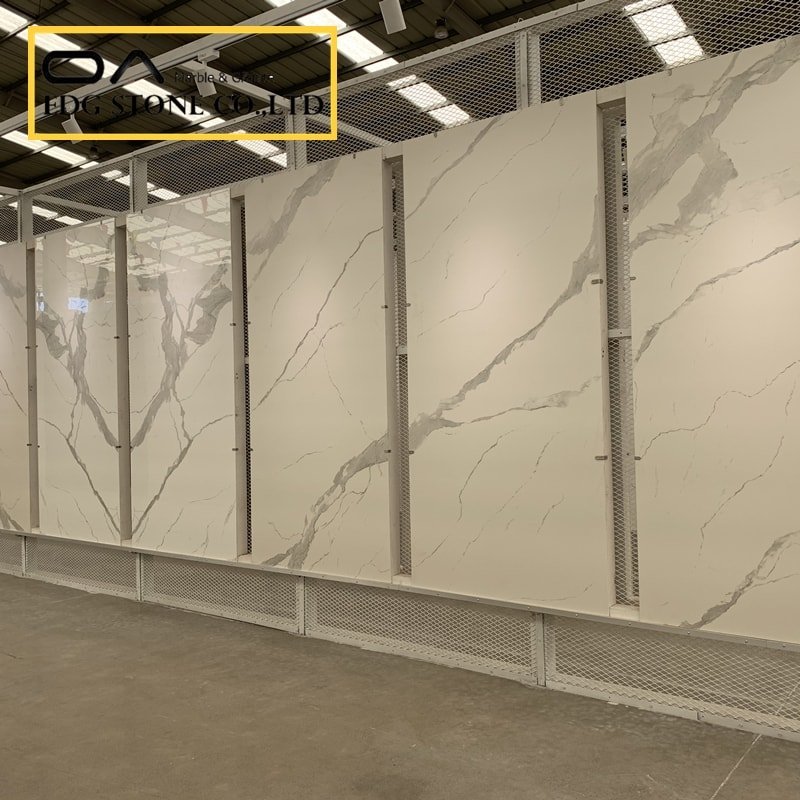
9. Long-tail commercial keywords (purchase intent)
sintered stone flooring manufacturer near me
Buy Dekton floor tiles wholesale factory
large format sintered slab floor supplier OEM
sintered stone flooring installation service commercial
Neolith floor tiles price per m2 bulk order
10. SEO assets
Focus keyword: sintered stone flooring
3–5 long-tail keywords (for PPC / product pages):
Buy sintered stone floor tiles wholesale factory
sintered stone floor installer near me commercial
curved sintered stone stair treads supplier
50 SEO tags (comma separated):
sintered stone flooring, sintered stone, Dekton flooring, Neolith flooring, Lapitec floors, sintered slab, sintered tile, ultracompact surface floor, sintered stone vs quartz, sintered vs porcelain, sintered floor price, sintered stone manufacturer, sintered slab wholesale, buy sintered stone, sintered stone installation, sintered stone cutting, sintered floor warranty, sintered floor tiles, large format tiles, outdoor sintered flooring, pool deck sintered stone, anti slip sintered tile, sintered stone edge profile, sintered stone finish, silk finish floor, polished sintered floor, textured sintered floor, sintered stone supplier, OEM sintered slab, sintered factory, manufacturer sintered stone, sintered tile adhesive, grout joint sintered, sintered stone durability, does sintered stain, sintered stone maintenance, sintered stone cleaning, sintered stone specifications, stone flooring specification, is sintered heavy, can sintered be cut, sintered stone price per m2, sintered stone commercial, sintered stone residential, sintered stone balcony, sintered stone staircase, sustainable sintered stone, sintered stone UV stable, sintered stone slip rating, sintered stone fabrication, sintered stone silica safety.
11. FAQ — Google hot searches (5 items)
Q1: Can sintered stone be used as flooring?
A1: Yes. Sintered stone is used for indoor and outdoor flooring when installed to the manufacturer’s specifications — common in residential living areas, commercial lobbies, and exterior terraces. Choose thickness, finish, and substrate per the technical guides.
Q2: Does sintered stone need to be sealed?
A2: No — sintered stone is effectively non-porous and generally does not require sealing. Routine cleaning with pH-neutral cleaners is usually sufficient; consult the manufacturer for recommended maintenance products.
Q3: Is sintered stone better than quartz for flooring?
A3: Sintered stone and quartz are different: sintered stone is resin-free, more UV and heat-resistant, and available in larger formats; engineered quartz contains polymer binders and is generally used for countertops rather than large exterior floor tiles. Choose by application and environment.
Q4: How much does sintered stone flooring cost?
A4: Costs vary widely by brand, slab/tile size, thickness, and installation complexity. Premium brands can command countertop-level prices (example ranges reported around $60–$120/ft² for countertop-grade slabs), so request onsite quotes that include substrate work and installation.
Q5: Are there safety or regulatory issues when cutting sintered stone for floors?
A5: Yes. Cutting/grinding produces respirable crystalline silica; employers must follow exposure controls and monitoring rules (OSHA PEL, policy initiatives), and regional bans on engineered stone influence local practice. Use wet cutting, LEV, and certified fabricators.
Semantic Closed-Loop Insight: How / Why / What / Options / Considerations
How — Sintered stone flooring is installed by selecting the correct slab/tile thickness, preparing a stable substrate (cured screed or uncoupling membrane), using manufacturer-approved adhesives and planned grout/movement joints; wet cutting and off-site prefabrication limit onsite dust.
Why — it provides low-maintenance, UV-stable, stain-resistant surfaces that can deliver large-format seamless aesthetics indoors and outdoors, improving longevity and reducing life-cycle cleaning costs in high-use spaces.
What — In practice, choose finishes and thicknesses based on slip rating, traffic loads, and structural constraints; large projects should require fabricator certification and silica-control plans from vendors.
Options (detailed):
Thin panel overlay (4–6 mm) on furniture/overlays — minimal weight but needs full backing.
Standard tile (8–12 mm) for most interior floors — balanced durability and handling.
Heavy-duty slab (12–20 mm) for commercial heavy traffic or bespoke stone applications.
Considerations (detailed): warranty conditions, slip rating for wet areas, prefabrication to reduce silica exposure, cost versus life-cycle savings, and choice of installer. Regulatory movements (e.g., engineered stone bans and OSHA enforcement) push teams toward documented silica control plans and certified installers, changing procurement and scheduling practices.