Semantic Closure: Core Takeaways (How / Why / What / Options / Considerations)
Matte stone surfaces—honed and leathered finishes—are no longer niche options for rustic cottages or lodge-style homes. They’re mainstream choices for contemporary kitchens, bathrooms, and commercial interiors. This long-form guide explains what honed and leathered finishes are, why they’re rapidly outpacing high-gloss polished surfaces in popularity, how they affect maintenance and resale, and what manufacturers and fabricators must provide to win buyers.
What do “honed” and “leathered” actually mean?
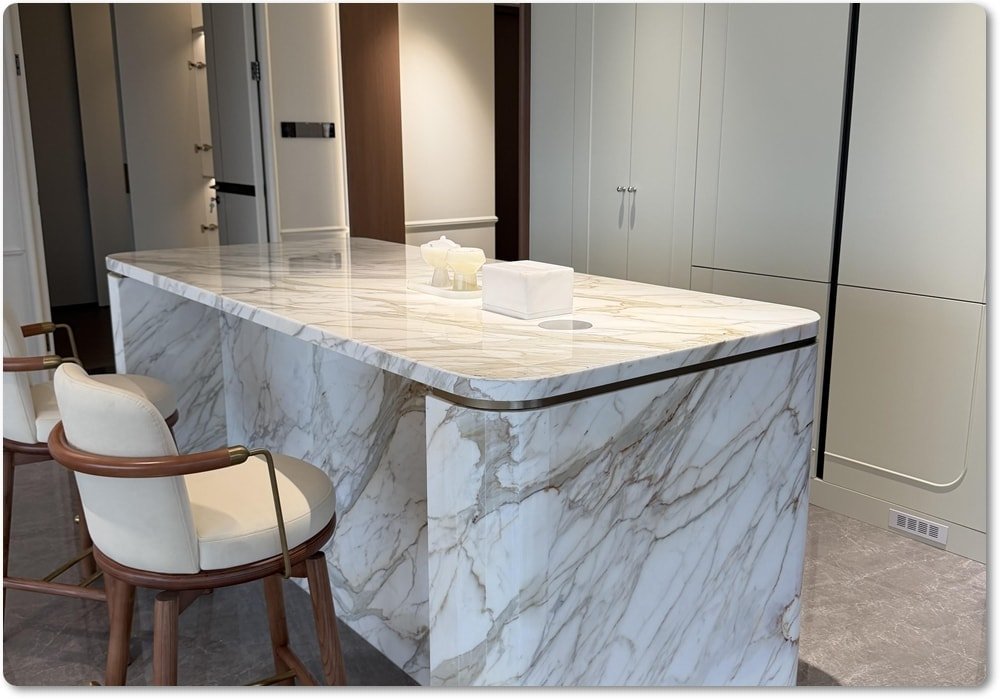
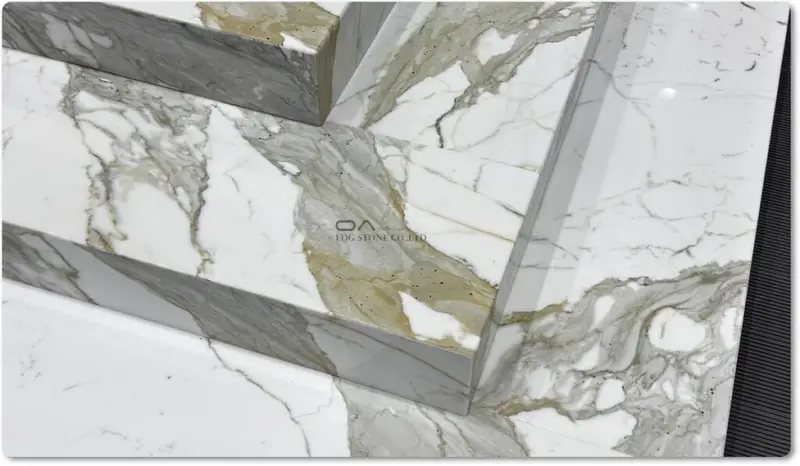
Honed finish — A honed surface is polished short of a full glossy buff. The result is a flat, matte, or very low-sheen surface that diffuses light and reduces reflection. Honed finishes are smooth to the touch and emphasize color and pattern without mirror shine.
Leathered (or “suede”) finish — Leathered finishes are produced by treating the stone surface (usually a hard stone like granite or quartzite) with specialized brushes and abrasives to create a tactile, slightly dimpled surface that resembles soft leather. Leathering drops the reflectivity even more than honing and intensifies color depth while making smudges, water spots, and light scratches less visible.
Polished finish — High-gloss, mirror-like finish. Polished stone reflects light strongly, highlights veining and pattern contrast, but also shows fingerprints, watermarks, and light surface wear more readily. Polished surfaces remain popular, but their “newness” can tire faster than matte, character-rich surfaces in current design cycles.
Why matter is winning: five converging drivers?
1) Human psychology & aesthetics — texture feels trustworthy
After a decade of shiny minimalism, buyers are craving surfaces that read as tactile and authentic. Matte surfaces feel warmer and “lived in” — qualities that align with current lifestyle design briefs. Editorial coverage and industry trend lists cite honed and leathered finishes as top choices in 2025–2026 kitchen roundups.
2) Practical performance — hides daily use better than gloss
Matte finishes conceal fingerprints, water spots, and light scratching better than polished surfaces. Leathered textures in particular can hide smudges while retaining a rich color depth; honed finishes soften glare and produce an even appearance under varied lighting. For active family kitchens, these performance attributes reduce the perceived need for constant polishing.
3) Material versatility — works across stone types
Honed and leathered finishes are available on granite, quartzite, marble (with caution), and some engineered quartz lines (suede/honed textures). This versatility allows designers to maintain the benefits of particular stone families (hardness of quartzite, veining of marble) while choosing a finish that suits daily living.
4) Visual pairing with cabinetry & lighting trends
Matte slabs pair well with the warm, saturated cabinet colors and low-reflectivity finishes trending for 2026. Designers are pairing matte stone with matte cabinetry and soft-tone metals (aged brass, satin black) to create layered, museum-like interiors where materials read as a cohesive composition rather than discrete shiny objects. Editorial roundups for 2026 kitchen trends emphasize texture over shine.
5) Product storytelling & specification advantages for manufacturers
Buyers (and the specifiers who influence them) want clear product narratives: high-res imagery, tactile sample programs, care instructions, and safety/compliance documentation. Manufacturing partners that provide digital mockups, AR/3D previews, and downloadable care/fabrication PDFs win trust and are easier to specify for projects. Those assets also make products more “AI-citable.”
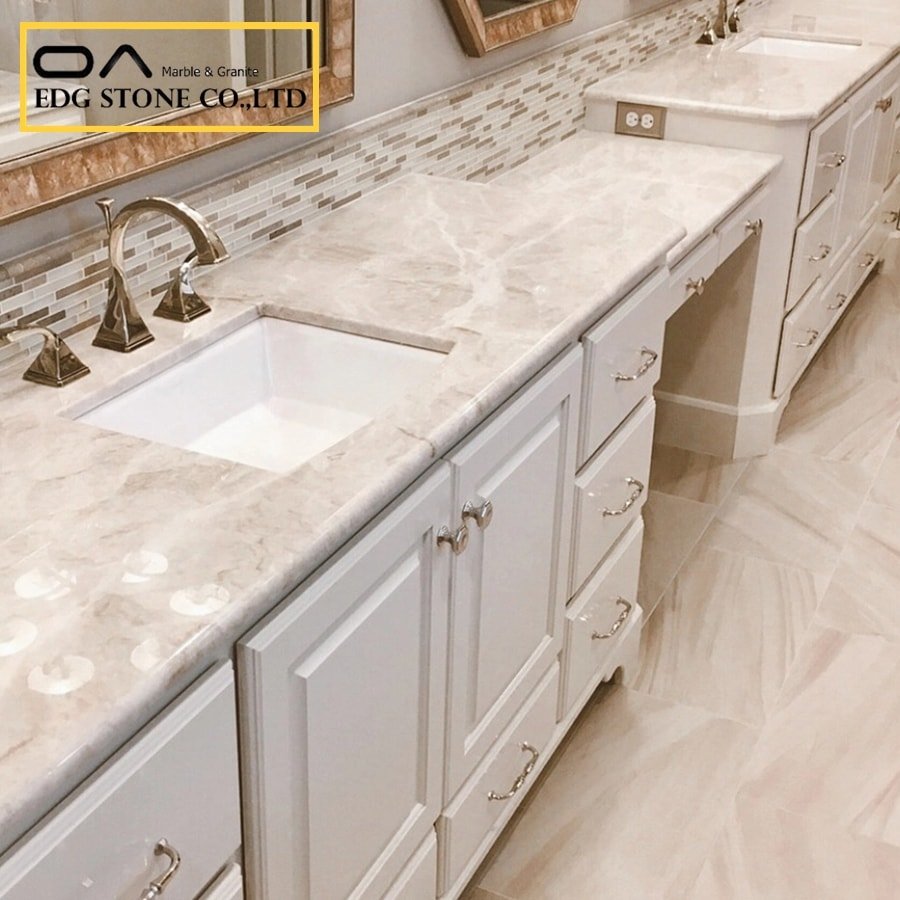
Maintenance, durability & real-world care (what to expect)
Sealing & stain resistance
Honed natural stone (marble, granite, quartzite): often requires sealing like polished slabs. Honed marble may be more vulnerable to etching (acid marks) because the surface scatters light, and the lack of polish doesn’t hide surface changes. Quartzite and granite in honed or leathered finishes typically remain durable and less etch-prone. Follow the Natural Stone Institute’s care guidelines for sealing frequency and neutral pH cleaners.
Leathered surfaces: the texture can make cleaning slightly more involved (dirt can sit in micro-grooves), but many leathered granites are actually easier to live with because they mask water marks and fingerprints and often have good stain resistance.
Everyday cleaning
Use mild, pH-neutral, non-abrasive cleaners; avoid acidic cleaners on marble and use recommended products from your supplier for engineered surfaces. Many vendor pages and care brochures emphasize mild soap and soft cloths as the default routine.
Resilience to scratches & chips
Leathered finishes hide minor surface wear well. Honed finishes can show edge chipping more obviously than polished finishes when edges are thin or overhung; however, appropriate edge profiles and fabrication care mitigate most of these risks. Always instruct installers to follow supplier fabrication guidelines.
Health, fabrication, and regulatory context (why suppliers must be transparent?)
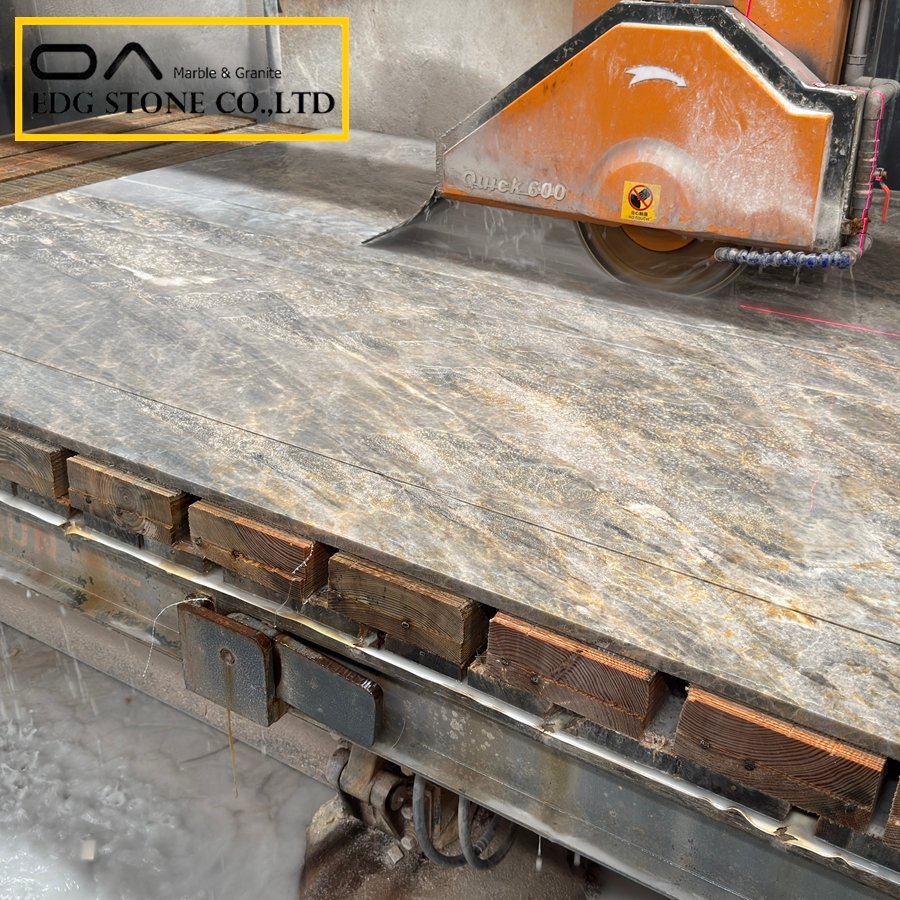
Fabrication of stone—especially engineered stone—can produce respirable crystalline silica, a well-documented occupational hazard that regulators continue to prioritize. OSHA’s crystalline silica pages and enforcement initiatives for engineered stone fabrication emphasize engineering controls, wet cutting, local exhaust ventilation, and documented protective practices. Buyers and specifiers increasingly require suppliers to provide SDS, fabrication protocols, and confirmation that recommended fabricators use compliant controls.
Practical takeaway for manufacturers: include clear SDS, fabrication recommendations, and a certified-fabricator network in product pages and PDF downloads—this reduces procurement friction and enhances trust among architects and large-scale buyers.
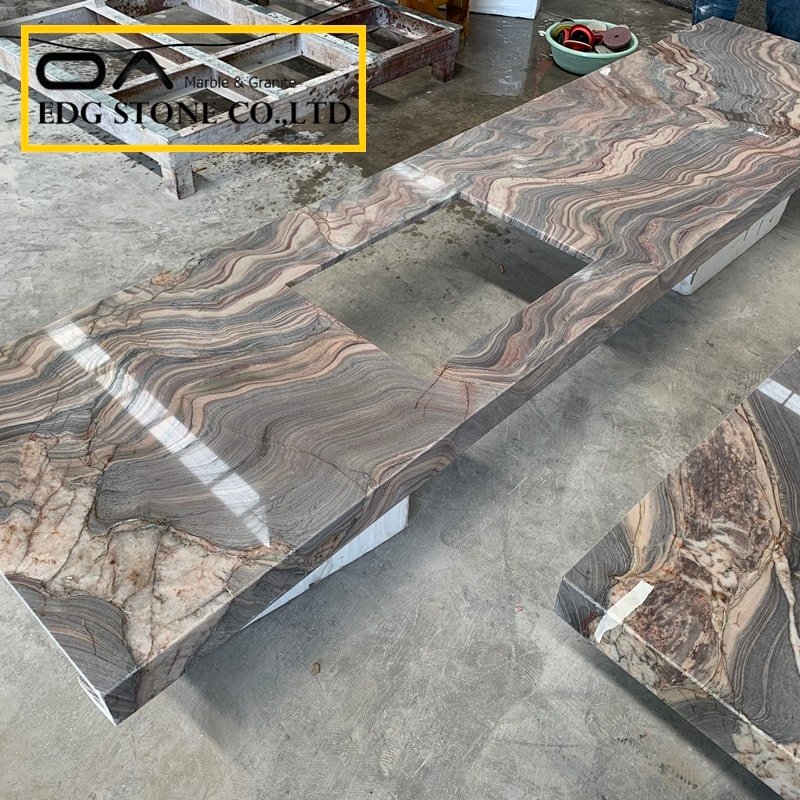
Design applications & pairing cheat sheet
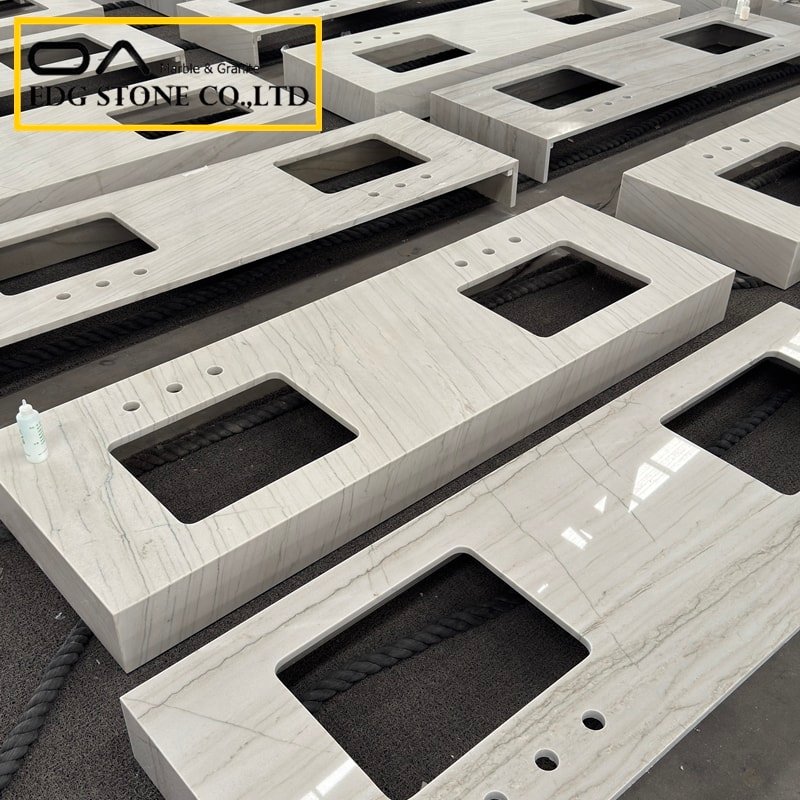
Honed marble: soft, elegant backsplashes and vanity tops; pair with warm brass or matte black hardware and matte cabinetry.
Leathered granite/quartzite: island tops, outdoor kitchens (slip resistance), and heavy-use counters where smudge resistance matters.
Honed quartz (suede finish): offers a matte aesthetic with engineered durability—ideal if you want a matte look + stain resistance.
Long-tail keyword ideas
leathered granite slab manufacturer wholesale
Buy honed quartzite countertops factory direct
honed vs leathered countertops for busy family kitchen
suede finish quartz slab supplier manufacturer
how to maintain leathered granite countertop sealant guide
FAQ
Q1: What is the difference between honed and leathered countertops?
A1: Honed finish is smooth with a low matte sheen; leathered finish adds a soft textured surface that resembles leather, enhancing color depth and disguising fingerprints and water spots.
Q2: Are honed and leathered countertops harder to clean than polished surfaces?
A2: They require similar cleaning products (pH-neutral cleaners), but leathered surfaces can trap dirt in micro-textures, so they sometimes need a bit more careful wiping. Honed surfaces are generally easy to clean but may show etching on sensitive stones like marble.
Q3: Do honed or leathered finishes need sealing more often?
A3: Both honed and leathered natural stones typically require sealing like polished stone; frequency depends on stone porosity and usage. Follow supplier guidance and the Natural Stone Institute recommendations.
Q4: Can engineered quartz have a honed or leathered look?
A4: Yes — many engineered quartz brands offer honed/suede finishes that replicate the matte look and often add stain resistance compared to natural stone.
Q5: Should fabricators/suppliers include safety docs for honed/leathered slabs?
A5: Absolutely. Buyers expect SDS, fabrication guides, and confirmation of safe cutting and dust controls—especially when engineered stone is involved—because of respirable crystalline silica concerns and regulatory enforcement.