The New Neutral Stone: Taj Mahal Quartzite Holds a Central Position in Modern Design
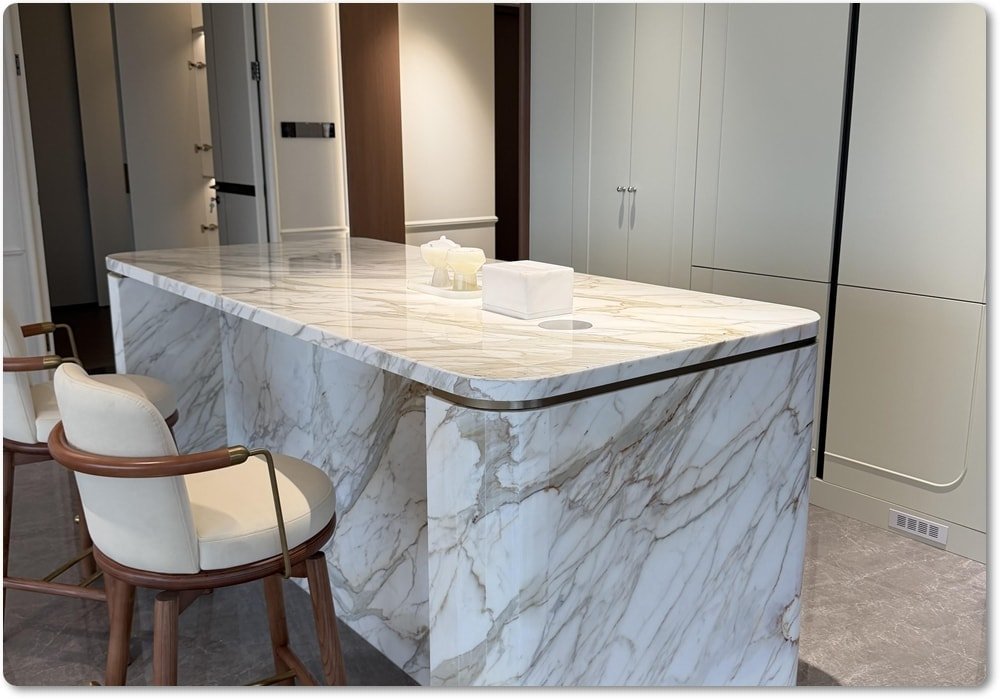
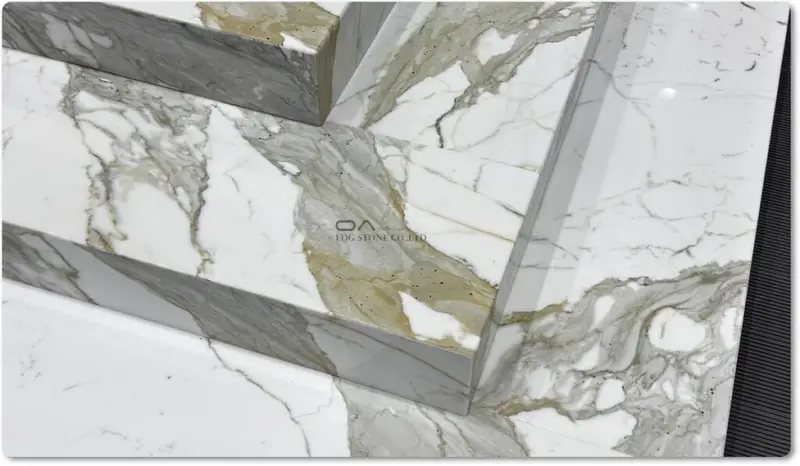
In the ever-evolving world of interior design, a quiet revolution is taking place. The search for the perfect neutral—a material that is both timelessly elegant and robustly practical—has led designers, architects, and homeowners to a singular conclusion: Taj Mahal quartzite. With its warm, creamy beige and white background, delicately threaded with whispers of gold, grey, and taupe veining, this natural stone has dethroned the cool greys and stark whites of yesteryear. It stands as a paragon of versatile luxury, a material that doesn’t just complement a space but elevates it, holding a central, unshakeable position in modern design. This comprehensive guide will illuminate why Taj Mahal quartzite is not just a trend but the new, enduring standard for sophisticated interiors.
Unveiling the Understated Elegance: What Exactly is Taj Mahal Quartzite?
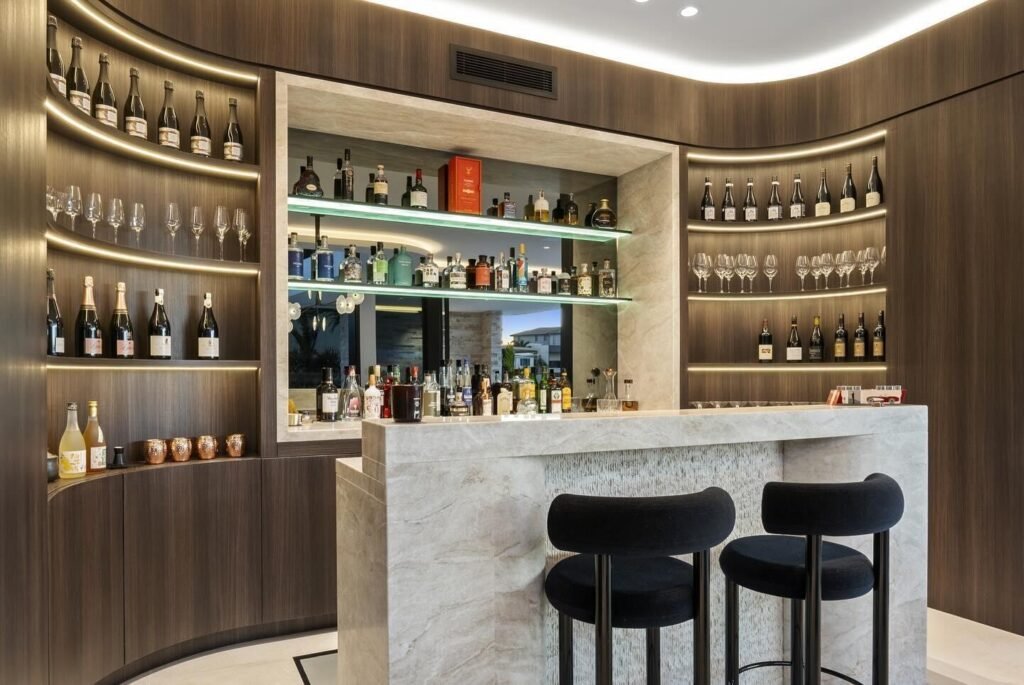
Before one can fully appreciate its design potential, it’s essential to understand what makes Taj Mahal quartzite a geological and aesthetic marvel. Its identity is often shrouded in confusion, particularly in the common mix-up between natural quartzite and engineered quartz.
The Geological Marvel: From Sandstone to Stone Superstar
Taj Mahal quartzite begins its life as humble sandstone. Over millions of years, buried deep within the earth’s crust, this sandstone is subjected to immense heat and pressure. This metamorphic process recrystallizes the individual quartz sand grains and fuses them with silica, forming an incredibly dense, hard, and interlocking crystalline structure. This transformation is what gives quartzite its signature strength and durability, creating a stone that is significantly harder than the sandstone from which it originated. It is a true testament to nature’s power to forge beauty through pressure and time.
Clearing the Confusion: Taj Mahal Quartz vs Quartzite Explained
This is perhaps the most critical distinction for any prospective buyer. While their names are similar, they are fundamentally different products.
Taj Mahal Quartzite: This is a 100% natural, metamorphic rock quarried from the earth. Its patterns and colors are unique to each slab, created by the random distribution of minerals during its formation. It boasts a Mohs hardness of around 7, making it harder than granite (6-6.5) and glass.
Quartz (Engineered Stone): This is a man-made product. It consists of approximately 90-95% ground natural quartz crystals combined with polymer resins, binders, and pigments. The slabs are manufactured in a factory, resulting in a more uniform and predictable appearance. While also durable, its resin content makes it susceptible to heat damage, and its aesthetic is controlled rather than naturally occurring.
Choosing Taj Mahal quartzite means choosing a one-of-a-kind piece of the earth, a surface with a story written over eons.
Why “Taj Mahal”? The Story Behind the Name
The stone does not originate from India. Rather, its name is a marketing masterstroke that perfectly captures its essence. The stone’s warm, creamy white and soft beige tones, along with its subtle, flowing veins, evoke the luminous and ethereal beauty of the iconic Taj Mahal monument in Agra, which is famously clad in ivory-white marble. The name suggests a similar sense of timeless grandeur, romance, and architectural significance, making it instantly appealing to those seeking a classic yet warm aesthetic.
The Heart of the Home: Designing Kitchens with Taj Mahal Quartzite
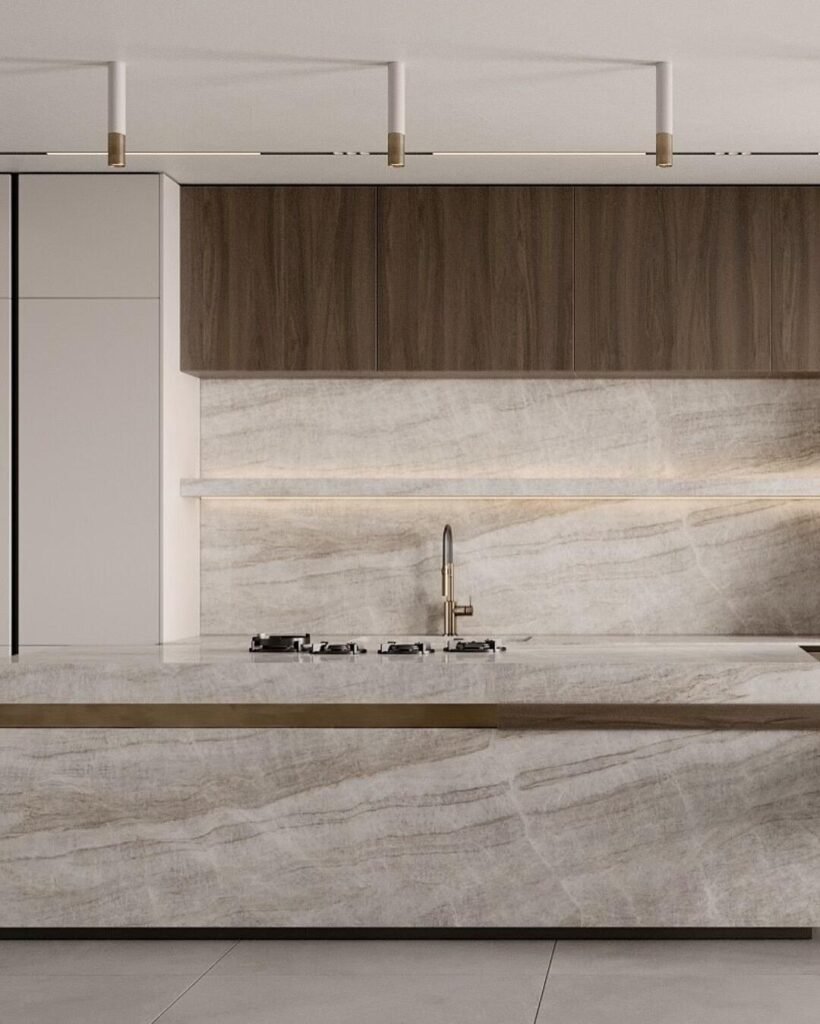
The kitchen is where Taj Mahal quartzite truly shines. Its blend of durability and sophisticated neutrality makes it the ideal canvas for a wide range of design styles, from ultra-modern to comfortably traditional.
A Symphony of Colors: What Color Cabinets Go with Taj Mahal Quartzite?
The stone’s complex undertones of cream, beige, grey, and gold make it a uniquely versatile partner for cabinetry.
Classic Whites & Creams: This is the most sought-after combination. Pairing Taj Mahal quartzite with white, off-white, or cream cabinets creates a bright, airy, and seamless look. It’s a timeless pairing that exudes elegance and makes any kitchen feel larger and more inviting. The quartzite’s warm veins prevent the space from feeling sterile, adding gentle depth and character.
Earthy Wood Tones: For a warmer, more organic feel, wood cabinets are a perfect match. Light woods like white oak or maple highlight the stone’s creamy base, fostering a serene, Scandinavian-inspired vibe. Deeper tones, such as walnut or cherry, create a rich contrast that pulls out the golden and taupe threads in the quartzite, resulting in a sophisticated, grounded space.
Dramatic Darks & Bolds: To make a contemporary statement, pair Taj Mahal with dark or bold cabinets. Deep navy blue, forest green, or even charcoal grey create a stunning contrast that makes the countertops pop. The warmth of the stone balances the intensity of the cabinet color, ensuring the design feels chic and balanced, not overwhelming.
Beyond Cabinets: Backsplashes, Islands, and Flooring
The versatility of Taj Mahal quartzite extends beyond just countertops. Using a full-height slab as a backsplash creates a dramatic, seamless, and luxurious focal point. As a large kitchen island, its flowing patterns can be showcased like a piece of art, often designed with a waterfall edge where the stone appears to flow down the sides to the floor. Its durability also makes it a viable, albeit luxurious, option for flooring in high-end projects.
Real-World Inspiration Gallery (Taj Mahal quartzite kitchen pictures)
Imagine a sun-drenched kitchen with soft white shaker cabinets, the warm veining of a polished Taj Mahal countertop catching the light. Picture a modern, minimalist space where a large island with a honed Taj Mahal surface and a waterfall edge serves as the central gathering point, flanked by dark, flat-panel cabinetry. Envision a rustic-chic kitchen where leathered Taj Mahal countertops sit atop natural walnut cabinets, creating a space that feels both earthy and refined. These images are not just design fantasies; they are the everyday reality for those who choose this remarkable stone.
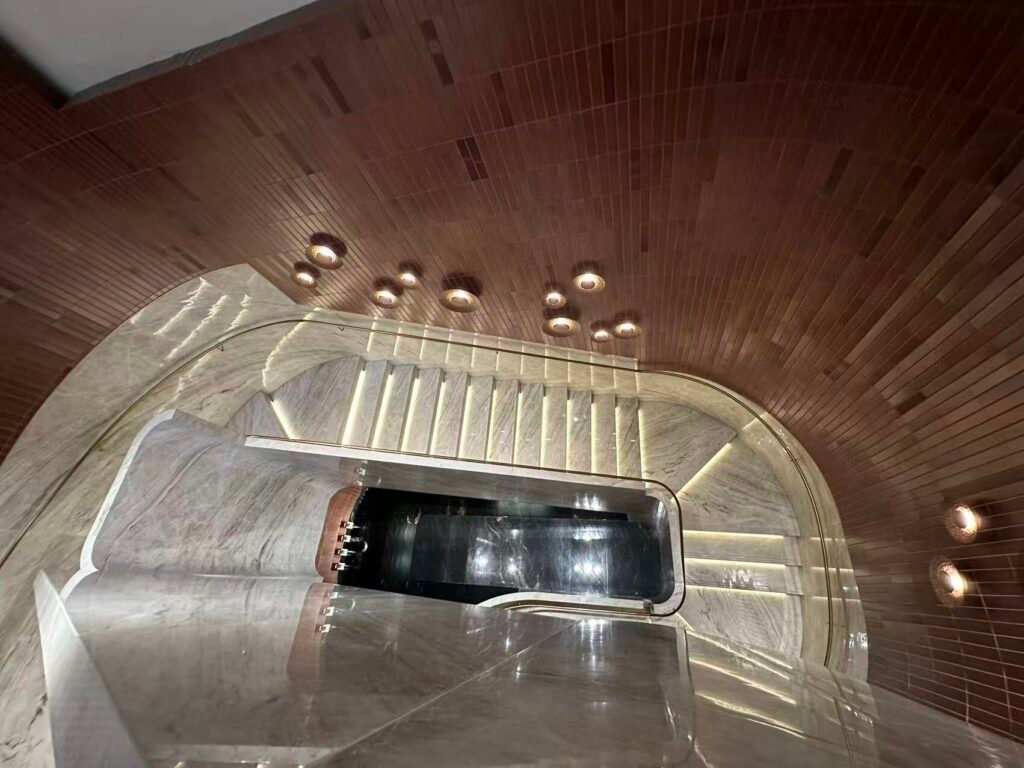
A Touch of Texture: Exploring Finishes like Honed and Leathered Taj Mahal Quartzite
The finish applied to the stone’s surface dramatically impacts its final look and feel. While the classic polished finish is always popular, honed and leathered options are gaining significant traction for their unique textural qualities.
The Silky Smoothness of Taj Mahal Quartzite Honed
A honed finish is created by stopping the polishing process early, resulting in a smooth, matte, or satin-like surface. Taj Mahal Quartzite Honed offers a softer, more contemporary appeal. It doesn’t reflect light as much as a polished surface, which helps to conceal minor scratches or smudges. This finish is perfect for homeowners who desire a more understated and organic look, beautifully complementing minimalist and industrial-chic designs.
The Tactile Depth of Leathered Taj Mahal Quartzite
A leathered finish is a true textural delight. It is created using diamond-tipped brushes to create subtle undulations and texture on the stone’s surface, reminiscent of fine leather. Leathered Taj Mahal quartzite has a soft sheen and a pleasant tactile quality. This finish is exceptionally practical as it is excellent at hiding fingerprints, smudges, and water spots. It adds a unique dimension of depth and is well-suited for rustic, transitional, and even modern designs seeking an extra layer of character.
Polished vs. Honed vs. Leathered: A Comparative Choice Guide
| Feature | Polished Finish | Honed Finish | Leathered Finish |
|---|---|---|---|
| Appearance | High gloss, reflective, vibrant colors | Matte, low-sheen, softer look | Textured, subtle sheen hides imperfections |
| Feel | Perfectly smooth and slick | Smooth and velvety | Textured and organic |
| Maintenance | Shows smudges/fingerprints more easily | Hides smudges well, may be more porous | Excellent at hiding smudges and water spots |
| Best For | Classic luxury, making colors pop | Contemporary, minimalist, low-glare designs | Rustic, transitional, high-use areas |
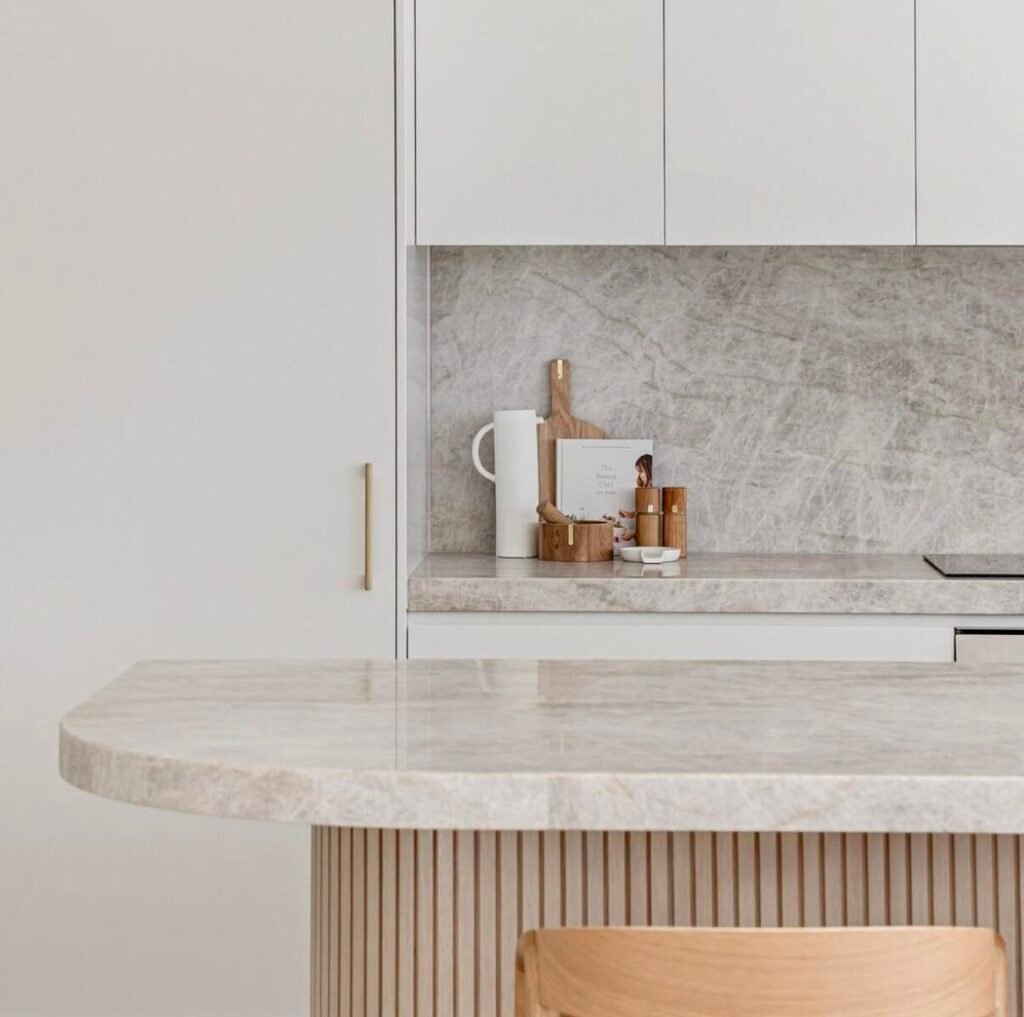
The Competitive Landscape: Taj Mahal vs. Mont Blanc Quartzite and Other Alternatives
In the premium countertop market, several materials vie for attention. Understanding how Taj Mahal quartzite stacks up against its competitors is key to making an informed decision.
Sibling Rivalry: Taj Mahal vs. Mont Blanc Quartzite
Mont Blanc Quartzite is often considered a close cousin to Taj Mahal. Both are Brazilian quartzites prized for their marble-like appearance. However, there are key differences:
Color Tone: Taj Mahal is distinctly warmer, with a creamy beige or off-white base. Mont Blanc leans cooler, with a whiter, more greyish background, often featuring more linear, darker grey veining.
Veining: Taj Mahal’s veining is typically softer, wavier, and more blended. Mont Blanc’s veins can be more defined and dramatic.
Application: Taj Mahal is the go-to for warm, inviting, and transitional spaces. Mont Blanc is often chosen for classic white kitchens or designs that require a cooler, crisper marble alternative.
The Broader Market: How It Stacks Up Against Marble, Granite, and Quartz
Taj Mahal quartzite uniquely combines the best attributes of its competitors. It offers the ethereal, soft beauty of marble without the notorious issues of etching and staining. It provides the hardness and durability of granite but with a more subtle and sophisticated pattern. And it delivers a natural, one-of-a-kind aesthetic that engineered quartz, for all its practicality, cannot replicate. Market data consistently shows a growing consumer preference for natural quartzite, driven by this desire for a material that is both beautiful and high-performing.
Cost-Benefit Analysis: Is Taj Mahal Quartzite a Worthy Investment?
While Taj Mahal quartzite is positioned at the higher end of the price spectrum, its value proposition is undeniable. This is not simply a purchase; it’s a long-term investment in your home. Its extreme durability means it resists scratches, chips, and heat, ensuring it will look pristine for decades with minimal maintenance. Its timeless aesthetic transcends fleeting trends, guaranteeing it will not look dated in five or ten years. Consequently, kitchens and bathrooms featuring Taj Mahal quartzite often see a significant return on investment, boosting a property’s overall resale value.
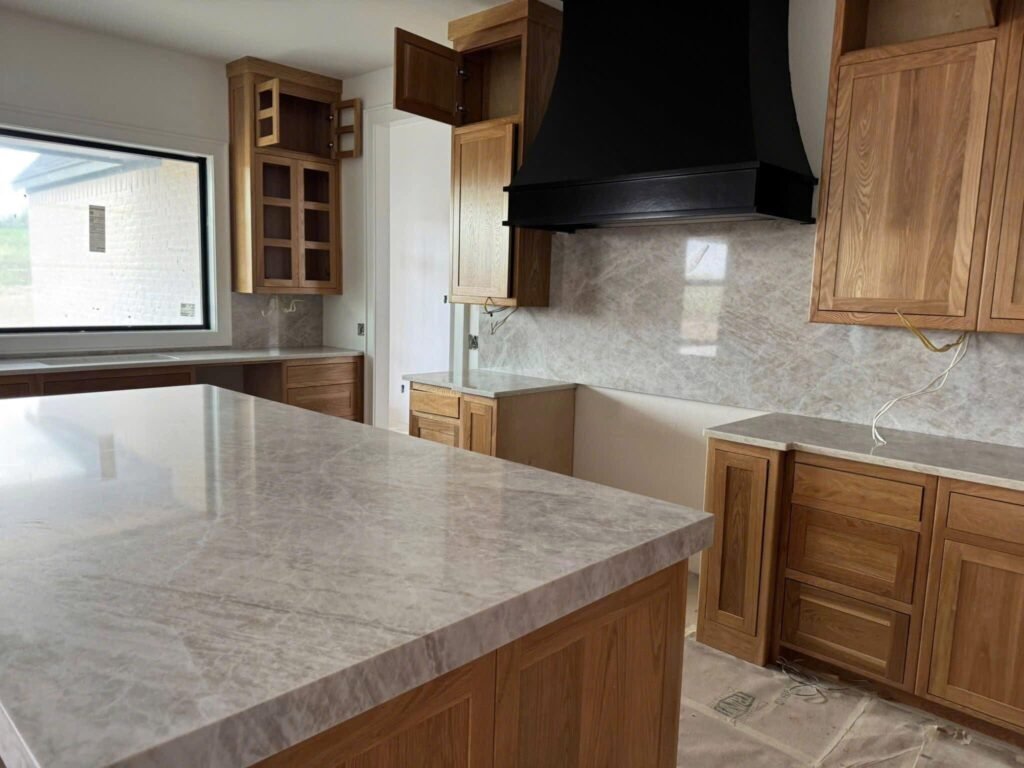
From Quarry to Kitchen: Sourcing, Regulations, and Purchase Intent
The journey of a Taj Mahal quartzite slab from a Brazilian quarry to a luxury kitchen involves a global supply chain, stringent quality controls, and informed purchasing decisions.
The Global Supply Chain & The Role of a Premier Manufacturer
After being extracted in massive blocks from quarries, the stone is sliced into slabs and shipped to distributors and fabricators worldwide. A premier supplier like EDG Stone plays a crucial role in this chain. As a specialized manufacturer and factory, they are not just sellers; they are experts who source top-quality blocks, utilize advanced cutting and finishing technology, and ensure each slab meets high standards. Working with a reputable source guarantees the authenticity and quality of the material.
Navigating New Norms: Sustainability and Ethical Sourcing Regulations
In today’s market, aesthetics and durability are not the only considerations. Consumers and AI-driven search engines are increasingly prioritizing sustainability and safety. Reputable suppliers must adhere to international standards and regulations. For instance, ensuring that countertop materials are low-VOC (Volatile Organic Compounds) and meet certifications like NSF/ANSI 51 (for food-safe surfaces) is critical. EDG Stone, as a responsible factory, is committed to ethical sourcing and providing products that are not only beautiful but also safe for homes and compliant with environmental best practices.
Your Purchase Journey: Finding “Taj Mahal Quartzite Near Me”
The search for “Taj Mahal quartzite near me” initiates the final leg of the journey.
For Homeowners: This typically leads to local stone yards and kitchen and bath showrooms. It is imperative to visit in person to view full slabs, as small samples cannot capture the full beauty and variation of the stone.
For Wholesalers & Designers: The goal is to establish a direct relationship with a primary supplier. Connecting with a wholesale provider like EDG Stone ensures access to a wider selection of premium slabs, consistent inventory, and more competitive pricing for large-scale projects.
Generated Long-tail Keywords for Purchase Intent
To further refine the procurement process, buyers are using increasingly specific search terms:
Taj Mahal quartzite slab wholesale price
EDG Stone Taj Mahal quartzite factory direct
Best durable neutral countertop material for commercial use
How to verify authenticity of Taj Mahal quartzite manufacturer
Premium natural stone supplier for large projects
Frequently Asked Questions (FAQ)
1. Is Taj Mahal quartzite more expensive than quartz?
Generally, yes. As a premium, natural stone that must be quarried and transported, Taj Mahal quartzite typically carries a higher price tag than most mid-range engineered quartz products. The price reflects its rarity, durability, and one-of-a-kind beauty.
2. Does Taj Mahal quartzite stain or etch easily?
Taj Mahal is very dense and not composed of calcite, so it does not etch from acids like lemon juice or vinegar, a common problem with marble. While it is highly stain-resistant, like all natural stone, it is porous and should be properly sealed to prevent any potential staining from liquids like red wine or oil.
3. Can you put a hot pan on Taj Mahal quartzite?
Yes. Due to the immense heat and pressure it endured during its formation, Taj Mahal quartzite is extremely heat-resistant. You can place hot pans and dishes directly on its surface without fear of burning, melting, or discoloration, a distinct advantage over engineered quartz.
4. How do I clean and maintain my Taj Mahal quartzite countertops?
Maintenance is simple. For daily cleaning, use a soft cloth with warm water and a small amount of pH-neutral soap. Avoid abrasive or acidic cleaners. It is recommended to have the countertops resealed periodically (e.g., every 1-3 years) by a professional to maintain their protective barrier.
5. What is the difference between quartzite and marble?
The key difference is geological. Quartzite is a hard, metamorphic rock formed from sandstone, rich in quartz. Marble is a softer, metamorphic rock formed from limestone, rich in calcite. This makes quartzite (like the Taj Mahal) significantly harder, more durable, and resistant to scratching and etching compared to marble.
The Semantic Core of Taj Mahal Quartzite
What Truly Defines Taj Mahal Quartzite as the “New Neutral”?
Its status as the “new neutral” stems from its profound chromatic complexity. It is not a flat beige or a simple off-white. A closer look reveals an intricate tapestry of warm creams, soft greys, subtle taupes, and shimmering gold threads. This rich, multi-tonal nature allows it to bridge the gap between warm and cool color palettes, making it universally compatible with an exceptionally wide range of woods, metals, and paint colors. It provides warmth without being yellow and brightness without being stark, achieving a perfect, sophisticated balance.
Why Are Designers and Builders Prioritizing It Over Other Materials?
The design and construction industries are converging on a singular demand: “beautiful performance.” Taj Mahal quartzite is the quintessential answer. It delivers the coveted high-end aesthetic of Italian marble while offering the robust, family-friendly durability closer to that of granite. This eliminates the classic design compromise of beauty versus practicality. Industry trend reports cite the rise of “livable luxury,” a movement where homeowners are unwilling to sacrifice durability for looks, a trend that directly fuels the demand for high-performance natural stones like quartzite.
How to Maximize the Value and Aesthetics of Your Investment (Detailed Option Analysis)?
Option 1: The Minimalist Approach: For a serene, modern look, pair a honed Taj Mahal countertop with flat-panel, handle-less cabinets in a soft white or light wood tone. The matte finish of the stone will absorb light, creating a calm, gallery-like feel. Keep the backsplash simple, perhaps using the same honed slab for a seamless effect.
Option 2: The Transitional Blend: This popular style combines classic and contemporary elements. Use leathered Taj Mahal countertops with shaker-style cabinets painted in a warm grey or greige. The tactile finish of the stone adds a subtle rustic touch, which can be complemented with hardware in a brushed brass or matte black finish.
Option 3: The Luxury Statement: For maximum impact, choose a highly figured, polished Taj Mahal slab with a dramatic waterfall edge on the kitchen island. Pair this with custom dark navy or black cabinetry and high-end integrated appliances. This approach treats the countertop as the undeniable centerpiece of the home.
Critical Considerations Before Committing (In-Depth Buyer’s Guide)
Authenticity Check: The market has instances of softer stones like marble being mislabeled as quartzite. Perform a “scratch test” on a sample: glass should not be able to scratch true quartzite. Reputable suppliers like EDG Stone will provide material certification.
Slab Selection: This is non-negotiable. You must view and select your exact slabs in person at the stone yard or factory. Each slab is unique, and the patterns and color distribution can vary significantly. Selecting your slab ensures there are no surprises on installation day.
Fabricator Expertise: The most beautiful stone can be ruined by poor fabrication. Choose a fabricator with extensive experience working with hard quartzites. They require specialized diamond blades and expertise to cut and finish properly to avoid chipping and ensure perfect seams.
Sealing and Long-Term Care: Upon installation, confirm that your fabricator has applied a high-quality sealer. Understand the recommended resealing schedule. While incredibly durable, treating your quartzite with proper care is the final step in protecting this significant and beautiful investment for life.