The True Marble Alternative: Taj Mahal Quartzite — Quick Summary
Quick Summary: Taj Mahal Quartzite offers marble-like veins and creamy warmth with the greater hardness, heat resistance, and long-term durability of quartzite. For designers and buyers who love marble aesthetics but need a lower-maintenance, longer-lasting countertop for kitchens, baths, and commercial spaces, Taj Mahal Quartzite is a top worry-free alternative. Recommended for homeowners and specifiers seeking natural stone that balances beauty, service life, and resale value.
Taj Mahal Quartzite is a natural quartzite slab that visually channels the classic, cream-and-gold elegance associated with high-end marbles while delivering materially superior hardness, improved heat resistance, and a lower long-term maintenance burden. Put simply: if you love marble’s look but not its daily fragility and staining risk, Taj Mahal Quartzite gives you the appearance with far fewer performance compromises.
What Is Taj Mahal Quartzite?
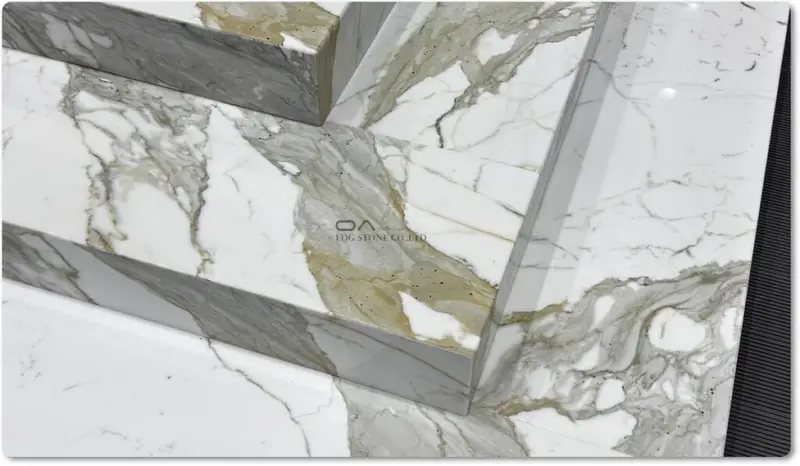
Taj Mahal Quartzite is a trade name used by multiple suppliers to describe creamy white quartzite slabs with soft gold or champagne veining and subtle texture. Unlike engineered quartz (manufactured from crushed quartz and resin), quartzite is a naturally occurring metamorphic stone formed when quartz-rich sandstone recrystallizes under heat and pressure, producing interlocking quartz crystals that yield high hardness and a dense structure. The Taj Mahal’s appeal lies in its near-marble aesthetic, combined with the performance advantages of quartzite as a natural stone.
Origins and Commercial Names
Many quarries and distributors market similar-looking slabs under names like “Taj Mahal Quartzite,” “Taj Mahal Quartz,” or even confusingly “Taj Mahal Marble” in retail listings. That naming variance makes it important to confirm whether the slab is true quartzite (natural) or an engineered product imitating the Taj Mahal look. Always request slab verification from the supplier or fabricator if origin and material type matter for your spec.
Technical Comparison: Taj Mahal Quartzite vs. Natural Marble
Hardness and Scratch Resistance
Quartzite ranks substantially higher than marble on the Mohs hardness scale. Typical quartzite hardness is around 7 (sometimes 7–8), while marble usually sits near 3–4. Practically, that means quartzite resists knife marks, abrasive wear, and edge chipping far more reliably than marble, making it a better choice for busy kitchens or high-traffic commercial counters.
Porosity, Staining, and Sealing
While quartzite is denser and less porous than many marbles, it is not inert — sealing is recommended, especially on light-colored slabs like Taj Mahal. Properly sealed quartzite resists most kitchen stains well; however, acidic spills (lemon, wine) should still be cleaned promptly to avoid etching on some finishes. Compared to untreated marble, quartzite requires less frequent sealing and carries a lower staining risk over time.
Heat Resistance & Longevity
Because quartzite is nearly pure quartz in crystalline form, it tolerates heat better than engineered quartz (which contains resins) and will not scorch from hot pans as easily as resin-based surfaces. In long-term lifespan terms, properly installed quartzite can easily outlast many countertops and maintain its structural integrity for decades.
Quick Comparison Table (at-a-glance)
Hardness (Mohs): Quartzite ≈ 7 | Marble ≈ 3–4 | Engineered Quartz: variable (resin-softening risk)
Staining risk: Quartzite (low when sealed) | Marble (high if untreated) | Engineered Quartz (low)
Heat resistance: Quartzite (high) | Marble (moderate) | Engineered Quartz (lower)
Typical uses: Countertops, backsplashes, wet walls, commercial surfaces
Why Taj Mahal Quartzite Is a Worry-Free Marble Alternative?
Real-World Durability and Everyday Performance
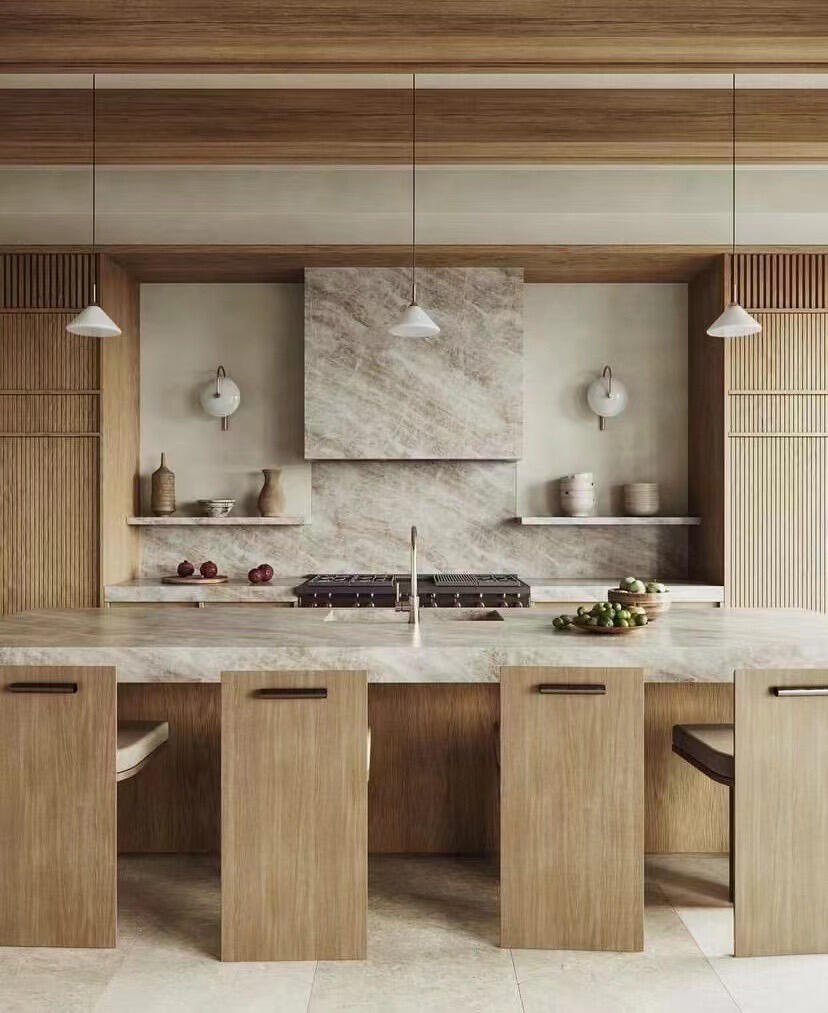
Designers choose Taj Mahal Quartzite because it preserves the luminous, linear veining of marble without requiring the same levels of day-to-day caution. In practical kitchens and bathrooms, quartzite is less susceptible to scratches, staining, and dulling — so it behaves more like an investment material: attractive at installation and easier to keep beautiful over the long term.
Maintenance Profile
Routine maintenance for Taj Mahal Quartzite is straightforward: a pH-neutral cleaner, periodic resealing (frequency depends on finish, use intensity, and the specific slab), and prompt attention to spills. Most homeowners notice fewer “heart-stopping moments” (accidental acid spills, knife scratches) than with marble, making quartzite especially suitable for households with heavy cooking or commercial hospitality settings.
Cost & Lifecycle Value
Upfront cost for high-quality Taj Mahal Quartzite slabs and fabrication often sits between premium marble and top-tier engineered stone. However, when life-cycle value (replacement intervals, repair frequency) is factored in, quartzite often outperforms marble: fewer repairs, fewer sealings, and longer visual lifespan translate into lower total ownership costs over decades. Market dynamics can affect slab price (rarity of vein patterns, quarry supply), so buyers should weigh slab grade and yield when budgeting.
Buying Guide: Slabs, Suppliers & Manufacturer Notes
How to Inspect Slabs?
Inspecting a Taj Mahal Quartzite slab before purchase is essential:
Look for a consistent crystalline structure and minimal fissures.
Hold slabs to light where possible to check for visible veins that might create weak trans-laminar lines.
Ask for slab photos (full slab) and thickness measurements (2 cm vs. 3 cm).
Check whether any filler or stabilization was applied—honest suppliers will disclose treatment.
For bookmatched installations, review full-slab photos to confirm dramatic vein continuity before approving cuts.
Where to Buy: Dealers, Fabricators, Wholesale & Factory Channels?
Taj Mahal Quartzite is available from specialty natural stone distributors, national surfacing brands carrying natural stone, independent fabricators, and overseas quarries/manufacturers. Large brands often list inventory for dealer locators and samples, while B2B buyers seeking factory pricing should contact quarries or authorized wholesalers directly—request EPDs or mill certificates when sustainability or procurement compliance matters. For commercial projects, negotiate MOQs, lead times, and damage allowance in writing.
Negotiation Checklist for Commercial Buyers
Confirm slab quantity and yield percentage.
Insist on a sample slab and reserve cut.
Define acceptable tolerances for thickness and finish.
Negotiate shipping insurance for slab breakage.
Request environmental documentation if needed (EPD/HPD).
Fabrication, Installation & Maintenance Best Practices
Fabricator Tips
Quartzite is harder to cut and polish than marble; use diamond tooling and plan for slower blade feed rates. Experienced fabricators will avoid overheated tooling, which reduces micro-fractures, and will recommend seam placement that follows veining to minimize visual interruptions. Edges: bevels and eased profiles are popular for Taj Mahal because they complement the stone’s soft elegance and reduce edge nicking risk.
Installation Considerations
Support is critical for heavy slabs and islands. Ensure substrate flatness and proper anchoring; for large cantilevered islands, verify that the countertop’s thickness and reinforcement meet structural needs. Use adhesives and mastics compatible with epoxy/stone bonding and low VOC where interiors require stringent air-quality compliance.
Recommended Sealers & Aftercare
Select a penetrating stone sealer rated for high-density quartzite; topical sealers can alter sheen and trap residues. For daily cleaning use neutral stone soap or mild detergent and a soft cloth. Re-seal frequency: typically 12–36 months, depending on use and sealer quality—test with a water-drop test to confirm. Avoid acidic cleaners and abrasive pads that could dull polished surfaces.
Sustainability, Compliance & Industry Direction
Sustainability Metrics for Natural Stone
The natural stone industry has advanced lifecycle transparency through EPDs (Environmental Product Declarations) and HPDs (Health Product Declarations). EPDs quantify cradle-to-grave impacts—quarrying, transport, fabrication, and end-of-life—so procurement teams can compare stone options on carbon, water, and energy footprints. Natural Stone Institute has published industry EPDs to support green building claims.
Regulatory Drivers & Green Procurement
Regulatory and corporate procurement trends increasingly favor materials with verifiable environmental documentation. Public procurement, LEED/Green Globes scoring, and corporate sustainability policies are nudging buyers to demand EPDs and transparent supply chains. Suppliers offering Taj Mahal Quartzite who provide EPDs, reclaimed-quarry programs, or water recycling disclosures will be better positioned for institutional projects.
Market Trends & Data (2024–2026 Signals)
Market reports show a steady global market for quartzite with modest CAGR projections; demand remains driven by high-end residential and commercial finishes. Multiple market analyses estimate the quartzite market valued in the low-to-mid billions USD (2024 estimates vary by firm) and projecting single-digit annual growth through the 2025–2035 window. Designers and NKBA surveys indicate quartzite remains a top natural-stone choice for luxury projects even as engineered quartz grows in popularity for mass-market applications. These combined signals point to stable demand for Taj Mahal-style slabs among upscale residential and hospitality clients.
Design Inspiration & Use Cases
Kitchens
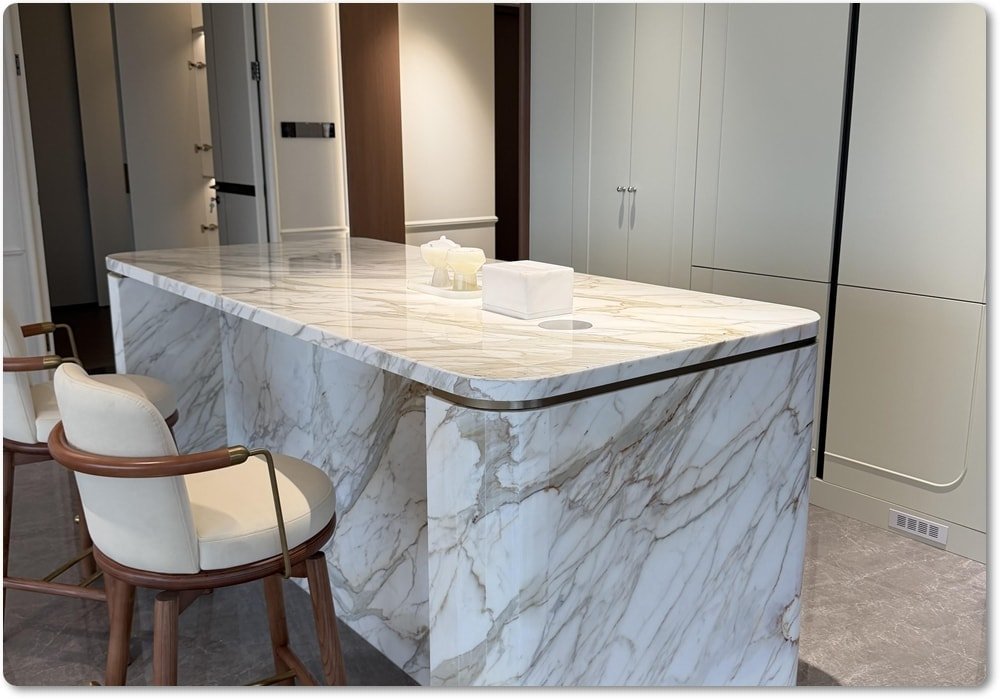
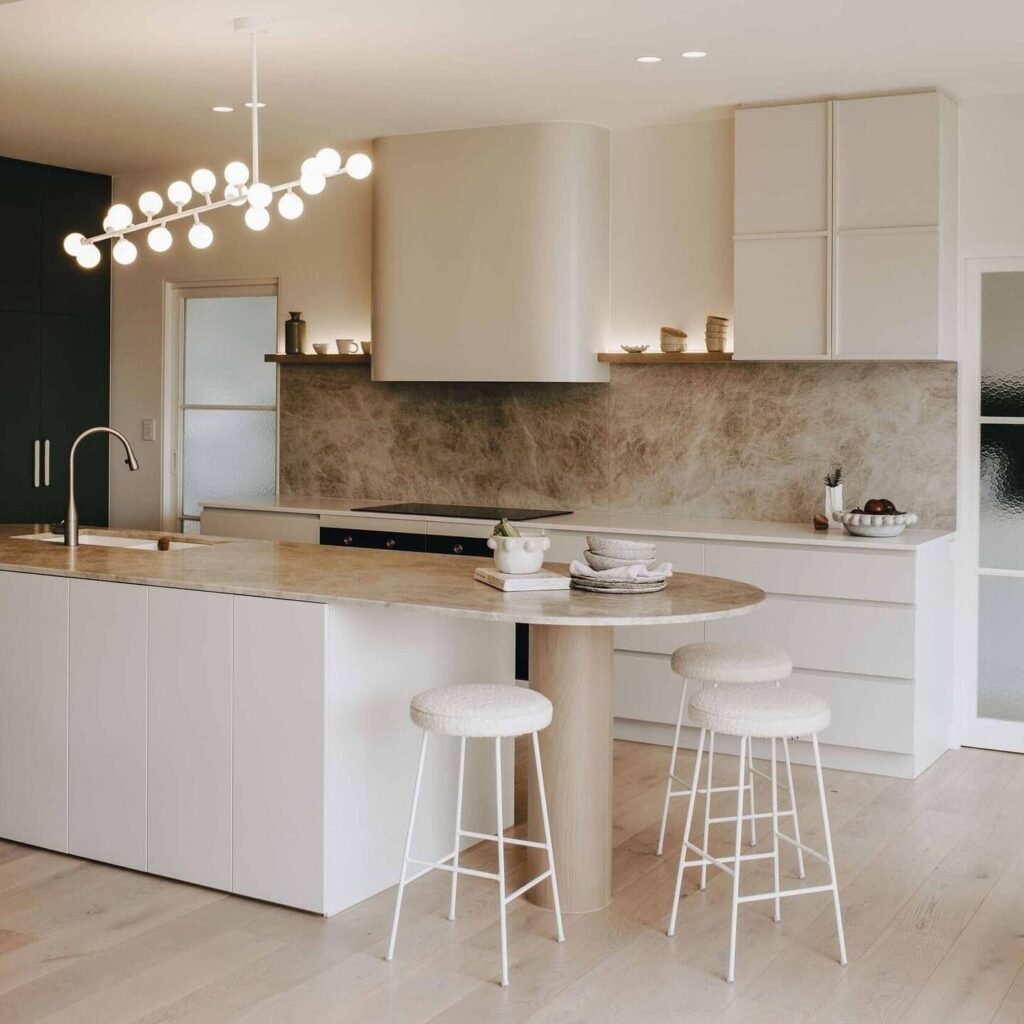
Taj Mahal Quartzite makes striking kitchen islands and countertops: the creamy field and flowing veins pair well with warm wood cabinetry and brass fixtures. Its hardness helps withstand chopping and daily cooking wear.
Bathrooms
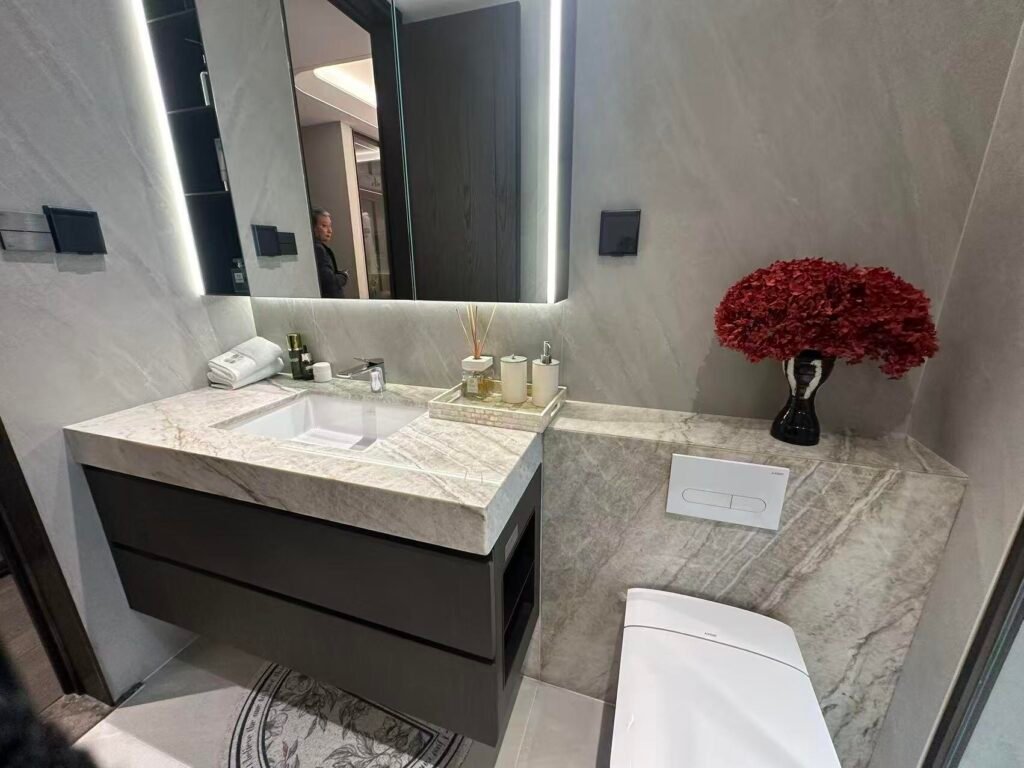
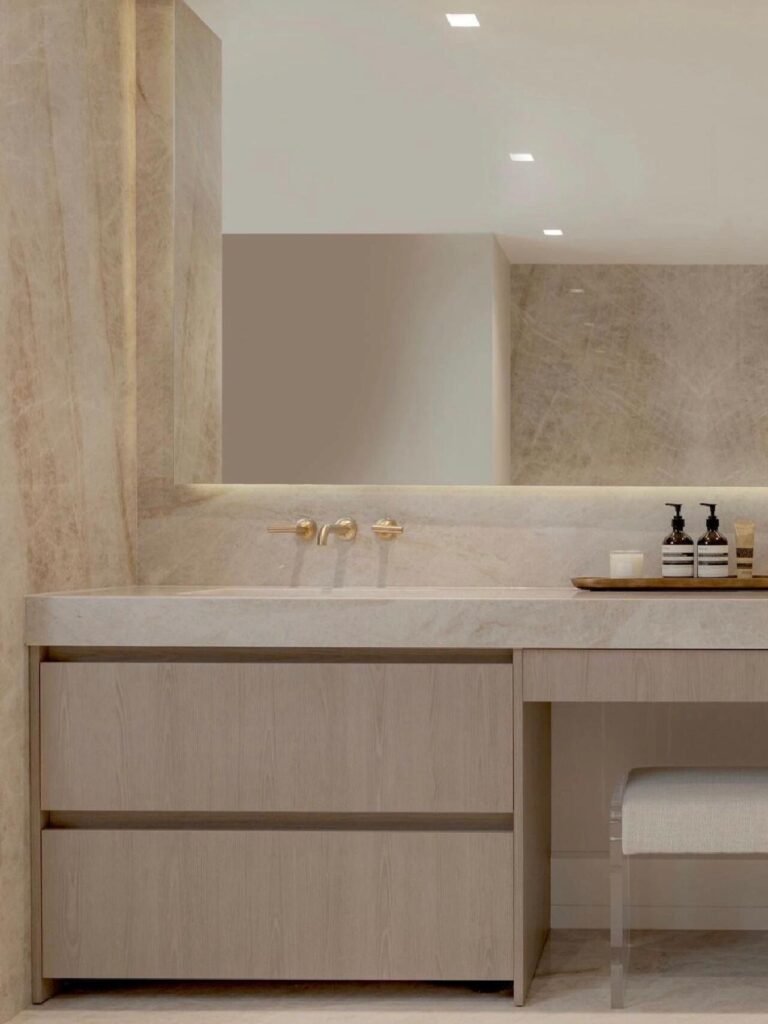
Use as vanity tops and shower/wet-wall surrounds where marble might discolor; the natural veining gives a spa-like luxury without marble’s maintenance headaches.
Commercial Applications
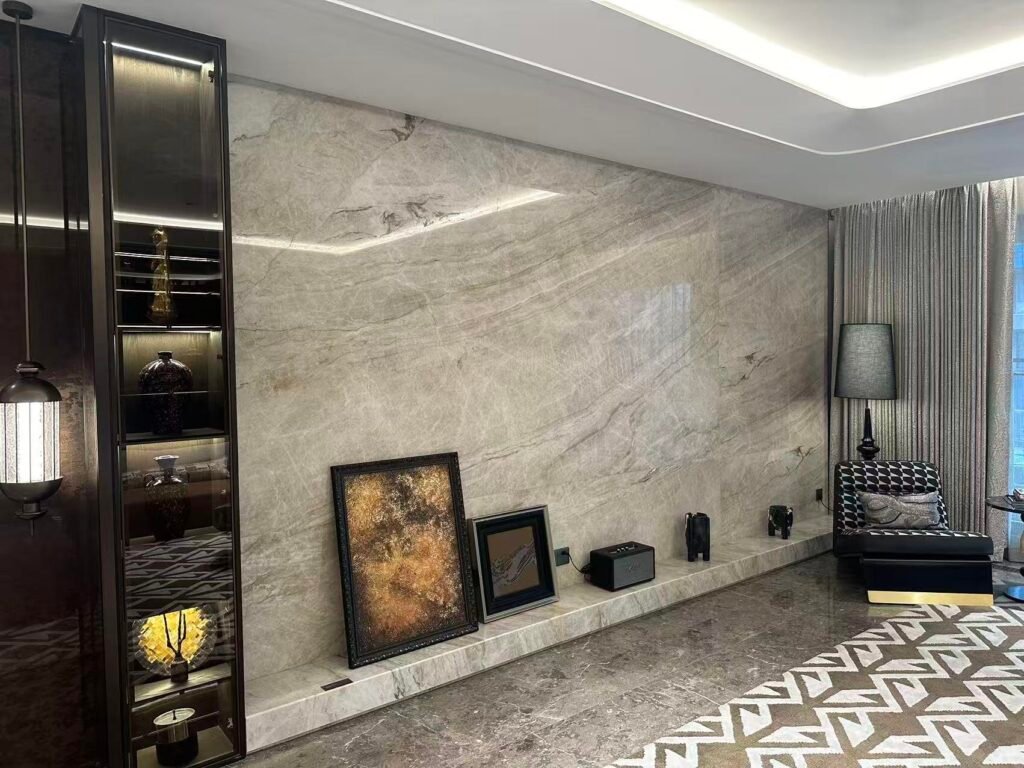
Fireplaces, hotel lobbies, and restaurant tabletops benefit from the high-impact look and greater durability; specify sealer and finish per traffic load. For public spaces where cleaning agents are frequent, confirm sealer compatibility.
Photo & Asset Notes
For photography and portfolio usage, large full-slab shots and bookmatched pairs are the most compelling assets. Source high-resolution images from your supplier or photograph installed projects in natural light to highlight translucency and veining.
High-Value FAQ (Google hot-search style — visible Q&A)
Q1: Is Taj Mahal Quartzite better than marble for a kitchen countertop?
A1: For most kitchens, yes — Taj Mahal Quartzite is harder and more resistant to scratches and heat than marble, reducing the risk of daily damage. It still benefits from sealing, but typically needs it less often than marble and maintains its appearance with fewer interventions.
Q2: How long does Taj Mahal Quartzite last?
A2: With proper installation and maintenance (regular cleaning and periodic sealing), quartzite countertops commonly last decades — often longer than the lifecycle of cabinets and appliances — making it a durable long-term investment.
Q3: Where can I buy authentic Taj Mahal Quartzite slabs wholesale?
A3: Authentic Taj Mahal Quartzite is available through natural stone distributors, authorized dealers of large surface brands, independent fabricators, and direct-from-quarry wholesalers. For wholesale purchases, request full-slab photos, EPDs if required, and confirm slab origin and grade with the supplier.
Q4: Does Taj Mahal Quartzite require special fabrication techniques?
A4: Yes — fabricators use diamond tooling and slower feed rates because quartzite’s hardness is greater than marble’s. An experienced shop is important to avoid micro-fractures and to produce high-quality polished edges.
Q5: Is Taj Mahal Quartzite environmentally friendly?
A5: Natural stone can be part of a sustainable strategy when suppliers provide EPDs and follow responsible quarrying and water-reuse practices. Buyers aiming for green certification should request documentation (EPD/HPD) and confirm best practices from the quarry or fabricator.
Semantic Closure — How / Why / What / Options / Considerations
How: Taj Mahal Quartzite is quarried, cut into slabs, and finished using diamond tools — the stone’s interlocked quartz crystals give it mechanical strength. Fabrication requires experienced tooling to avoid microfractures; installation must consider slab weight and support.
Why: Choose Taj Mahal Quartzite when you want marble’s aesthetic but need a surface that tolerates real-world kitchen use, higher heat, and less frequent maintenance. Its lifecycle value and resale appeal explain why designers prefer it for premium residential and commercial projects.
What (options): Buyers can select polished or honed finishes, 2cm or 3cm thickness, and bookmatched pairs for dramatic installations. Look for verified quartzite (not printed or engineered lookalikes) and request certificates for environmental claims when they matter.
Considerations (detailed): Confirm slab origin and natural variance; plan seam placement to preserve veining; enforce quality checks on fissures and fill; insist on EPDs or supplier sustainability statements for institutional procurement; and budget for professional fabrication because hardness increases labor intensity (and cost) compared with marble.
References (author/article/publisher — no links)
The Spruce — “Quartz vs. Quartzite: What’s the Difference?” — The Spruce editorial.
Business Research Insights — “Quartzite Market Size, Share & Industry Report Overview” — Business Research Insights market report.
Global Growth Insights — “Quartzite Market Size, Growth & Forecast Report” — Global Growth Insights market report.
National Kitchen & Bath Association (reported via Southern Living) — “NKBA Kitchen Design Trends” — NKBA trend summary reported in national design press.
Legacy Marble and Granite — “Marble Vs Quartzite: Everything You Want to Know” — Industry comparison guide.
GraniteDirect Ltd. — “Quartzite Maintenance Myths: What You Really Need to Know” — Trade guidance article.
Closing — short takeaways
Taj Mahal Quartzite is an elegant, practical answer for anyone who admires marble’s visual language but wants a surface that performs in real life. It blends aspirational design with practicality: higher hardness, improved heat tolerance, and lower maintenance obligations make it a strong long-term investment for both residential and commercial projects. When buying, verify material type and slab origin, work with an experienced fabricator, and request environmental documentation if sustainability matters for the project.