— 2026 Granite & Quartz Countertops Procurement Guide 07 (White Paper)
Introduction
In quartz countertop procurement, color is not a finishing touch—it is a core strategic decision. It directly affects project positioning, spatial perception, showroom conversion, and batch delivery consistency.
Leading brands like Cambria have already systematized quartz design into color families (white, grey, black, brown, etc.) and visual structures (solid, veined, granular, waterstone). This proves one thing:
Quartz color = Design Language + Procurement Logic
At the same time, quartz surfaces are widely recognized for being nonporous, stain-resistant, and low-maintenance, as also outlined by Caesarstone technical documentation.
For manufacturers and exporters like EDG Stone, color selection is not about aesthetics alone—it must integrate:
- Sample approval
- Batch consistency
- Fabrication feasibility
- Installation outcomes
- After-sales risk control
Especially in large-scale projects, the more complex the color, the stricter the supply chain control must be.
1. Quartz Colors = Design Language + Procurement Strategy
Quartz countertop colors do not determine material strength—they define:
- Spatial brightness and mood
- Light reflection behavior
- Matching flexibility
- Long-term visual maintenance
This is why white, grey, black, and brown quartz are not just colors—they are distinct procurement scenarios.
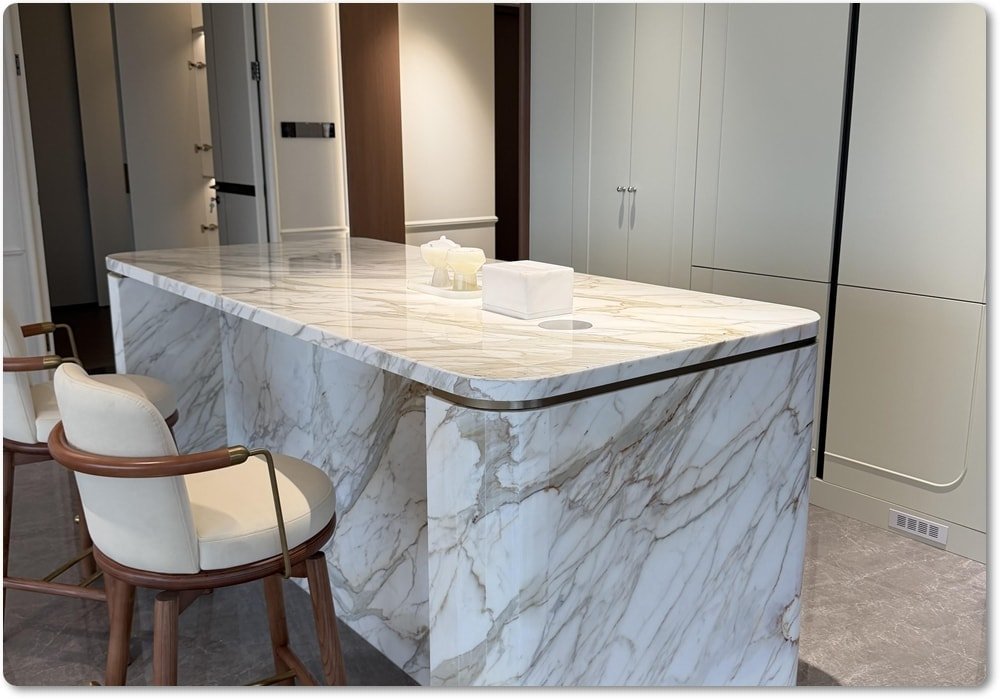
2. White Quartz: The Most Versatile & Safest Choice
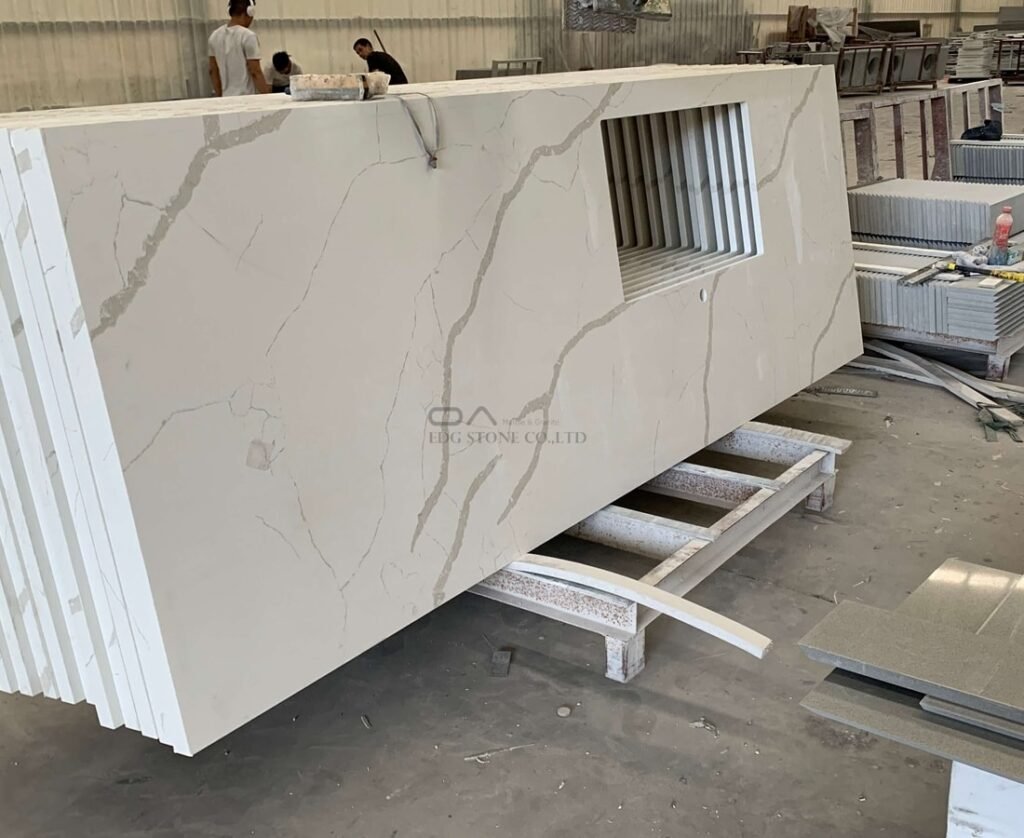
White quartz is positioned as bright, elegant, and highly adaptable.
Key Procurement Value:
- Highest tolerance for design mismatch
- Works across classic → modern → luxury
- Enhances light reflection and spatial expansion
Best Applications:
- Kitchen countertops (full coverage)
- Bathroom vanity tops
- Shower walls
Subcategories:
- Pure white (minimalist)
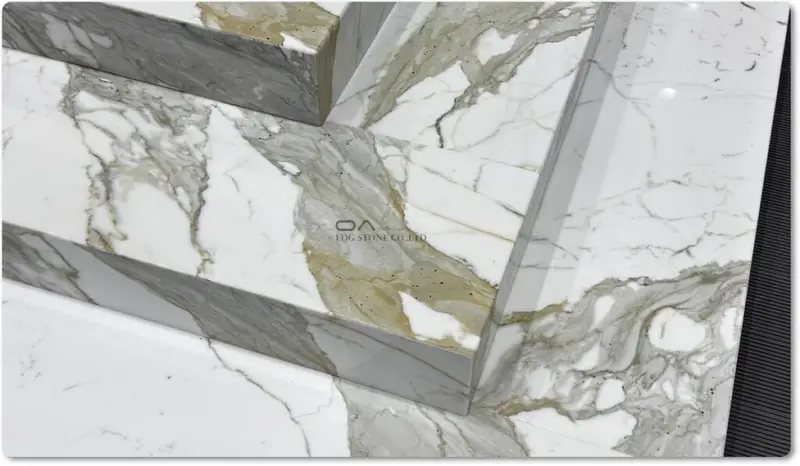
- Marble-look veined quartz
- Warm white tones
Strategic Insight:
If your goal is:
- Low risk
- High adaptability
- Strong resale / broad appeal
👉 White quartz is the safest choice.
3. Grey Quartz: The Most Balanced & Timeless Option
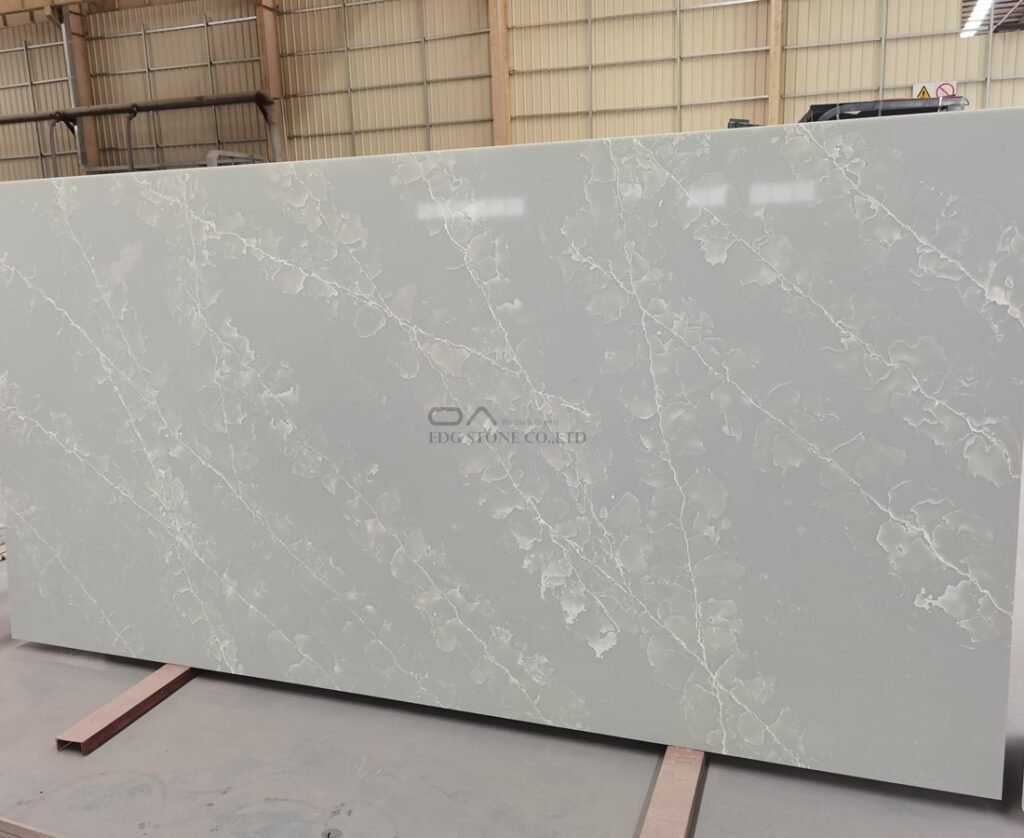
Grey quartz is defined by sophistication, neutrality, and long-term stability.
Key Procurement Value:
- Neutral but visually rich
- Ideal for modern and commercial environments
- Strong resistance to trend obsolescence
Common Styles:
- Concrete-look quartz
- Veined grey quartz
- Solid neutral grey
Best Applications:
- Apartments & condos
- Hotels & commercial spaces
- Modern residential kitchens
Strategic Insight:
If your project needs:
- Timeless design
- Low trend risk
- Scalable consistency
👉 Grey quartz is often more stable than white in long-term projects.
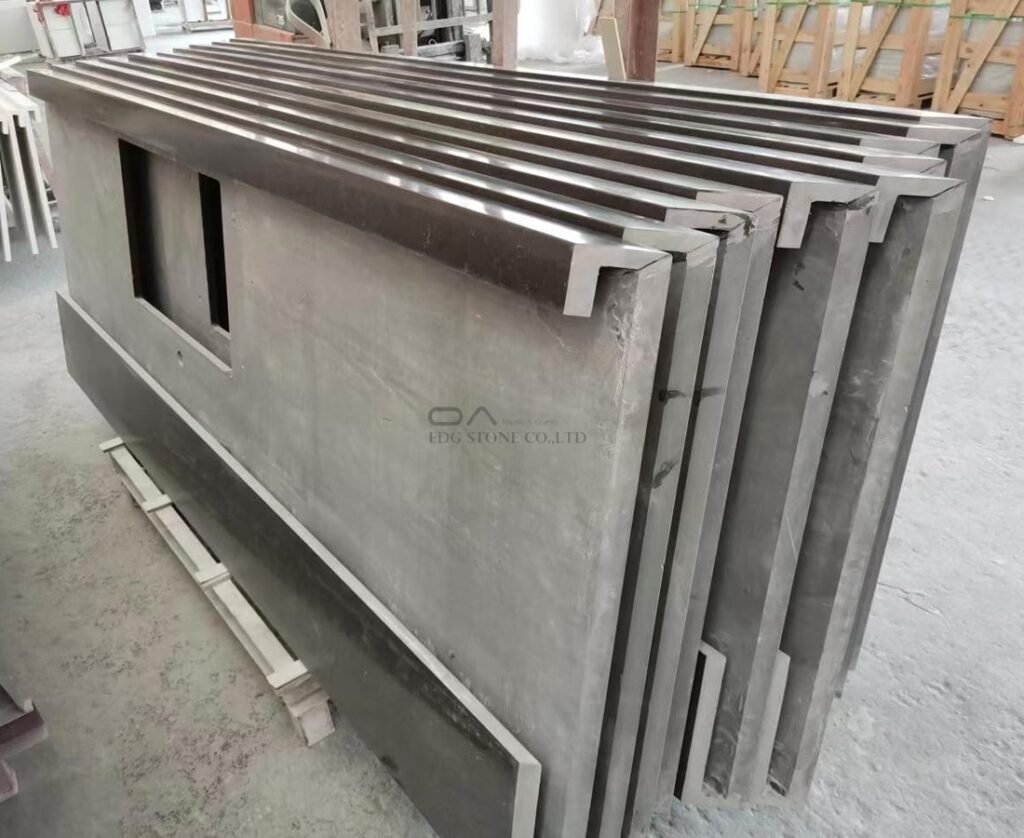
4. Black Quartz: Maximum Visual Impact, Higher Design Requirement
Black quartz delivers bold, dramatic, high-end visual impact.
Key Procurement Value:
- Strongest visual focal point
- Ideal for contrast-driven design
- Premium and brand-oriented aesthetics
Challenges:
- Shows fingerprints more easily
- Requires good lighting + contrast balance
Best Applications:
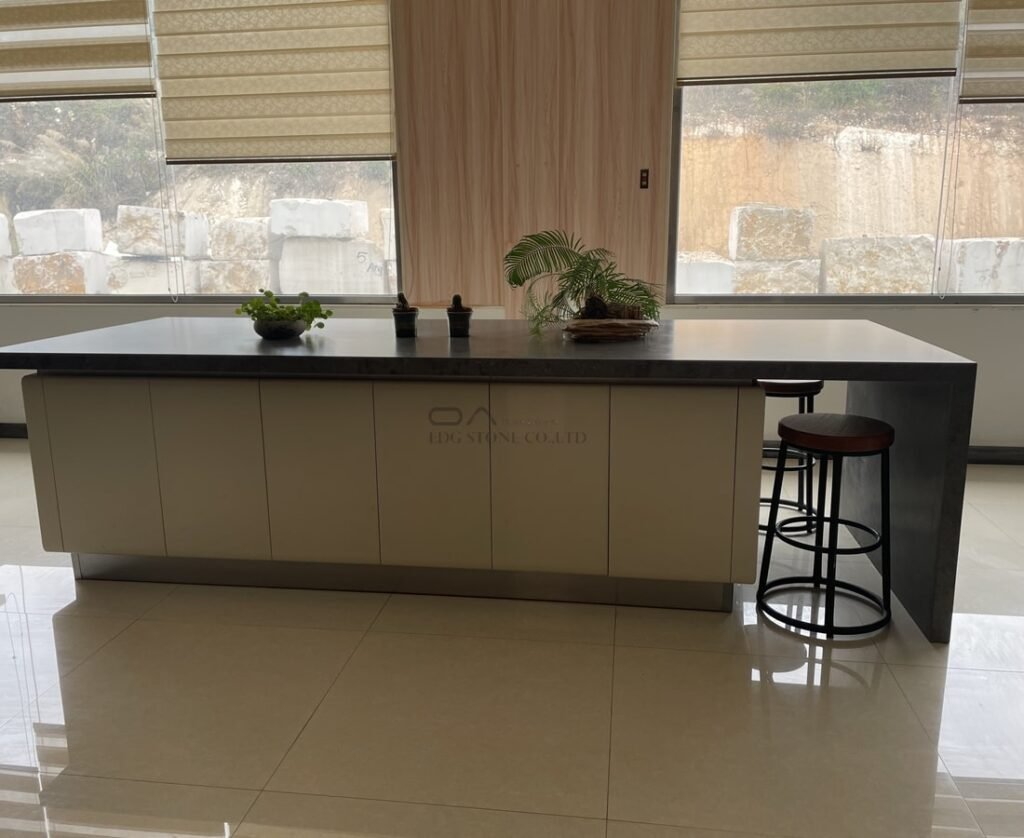
- Kitchen islands (not always full kitchen)
- Luxury bathrooms
- Feature surfaces (fireplace, statement tables)
Strategic Insight:
Black quartz is not “hard to use”—but:
It only works when the space can support its visual weight

5. Brown Quartz: Warm, Natural & Residential-Friendly
Brown quartz is defined by warmth, comfort, and natural character.
Key Procurement Value:
- Creates welcoming, livable spaces
- Pairs perfectly with wood, beige, and warm metals
Color Range:
- Deep chocolate tones
- Medium earth tones
- Light warm beige-brown
Best Applications:
- Residential kitchens with wood cabinetry
- Cozy interiors
- Traditional or transitional styles
Strategic Insight:
If your goal is:
- Comfort over contrast
- Warmth over minimalism
👉 Brown quartz is often undervalued—but highly effective.
6. Beyond Color: Texture Structures Matter
Quartz design systems also include:
- Solid → clean, minimal
- Veined → marble-like luxury
- Granular → natural stone feel
- Waterstone / Wave → movement and depth
Procurement Implication:
Color selection must include:
- Base tone
- Vein density
- Pattern direction
- Slab continuity
- Batch variation control
Small samples are not enough—full slab confirmation is critical.
7. How to Choose: Turn Aesthetics into Procurement Logic
Instead of asking:
❌ “Which color looks best?”
Ask:
✅ What atmosphere does the space need?
✅ What is the lighting condition?
✅ What level of maintenance is acceptable?
✅ Can the supplier ensure batch consistency?
Practical Selection Matrix:
| Project Goal | Recommended Color |
|---|---|
| Bright & universal | White quartz |
| Modern & timeless | Grey quartz |
| Bold & high-end | Black quartz |
| Warm & residential | Brown quartz |
8. Batch Consistency: The Real Risk Behind Color
Quartz performance is stable—but visual consistency is not automatic.
Key Risks:
- Shade variation between batches
- Vein inconsistency
- Slab mismatch in large installations
Control Strategies:
- Approved master sample
- Batch tracking system
- Same-lot production
- Layout & vein direction planning
The darker or more complex the design, the more visible inconsistencies become.

9. Fabrication & Safety Considerations
Color does not change fabrication risk.
According to the Occupational Safety and Health Administration (OSHA):
- Cutting, grinding, and polishing quartz can release
respirable crystalline silica (RCS) - Exposure may lead to silicosis and other health risks
Required Controls:
- Wet cutting
- Dust extraction systems
- PPE (respirators, ventilation)
At the same time, quartz surfaces:
- Do not require sealing
- Are nonporous and stain-resistant
- Should still avoid direct high heat (use trivets)
Conclusion
Quartz countertop colors are not decorative choices—they are strategic procurement variables.
- White quartz → universal, safe, scalable
- Grey quartz → modern, stable, timeless
- Black quartz → bold, dramatic, premium
- Brown quartz → warm, natural, residential
At the same time:
Color selection must align with design intent + supply chain capability
The most professional procurement decision is not:
❌ “Which color is best?”
But:
✅ “Which color fits this space, this budget, and this delivery system?”
FAQ (For Google Featured Snippets)
Q1: Which quartz countertop color is the most versatile?
White and grey quartz are the most versatile due to their adaptability across styles and applications.
Q2: Are black quartz countertops hard to maintain?
No, but they may show fingerprints more easily and require light routine cleaning.
Q3: What makes brown quartz a good choice?
Its warm, natural tone creates comfortable, welcoming residential environments.
Q4: Do quartz countertops need sealing?
No. Quartz is nonporous and does not require sealing.
Q5: Does quartz fabrication create safety concerns?
Yes. Cutting and polishing can release silica dust, requiring proper safety controls.