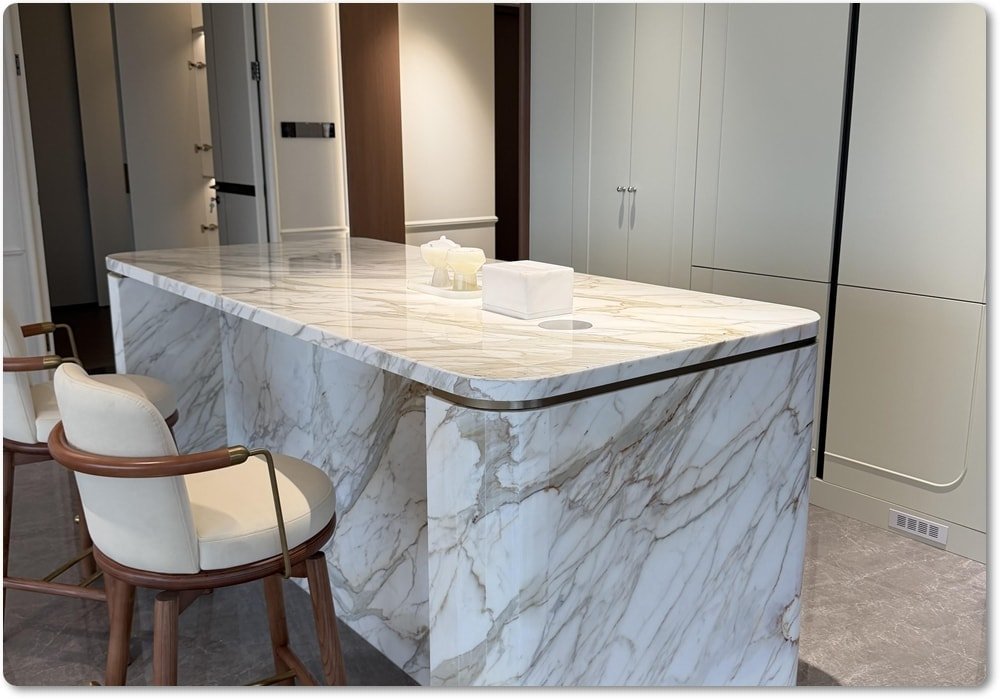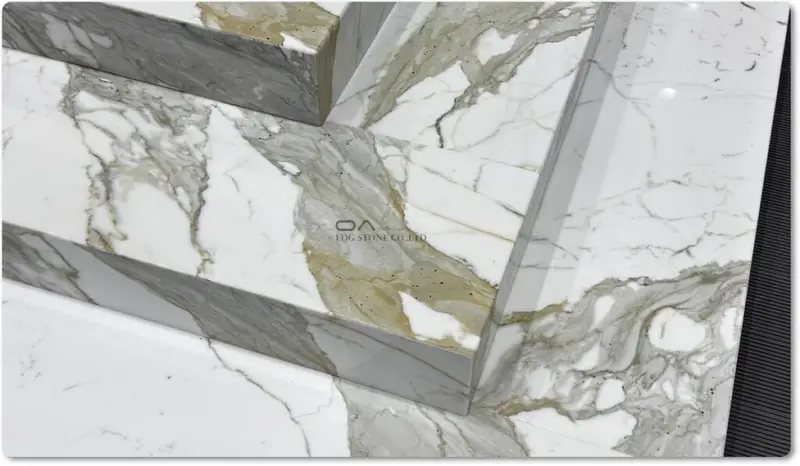
Introduction: Why Surface Finish Matters in Bathroom Stone Design?
In modern bathroom design, natural stone surfaces are not only chosen for durability and aesthetics but also for their functional performance in wet environments. While many homeowners focus on selecting the right material—granite, quartzite, marble, or soapstone—the surface finish often plays an equally important role in determining the long-term usability of the stone.
The debate between honed vs. polished stone has become increasingly relevant as architects and designers seek materials that balance beauty with practicality. A polished surface delivers a glossy and reflective appearance, while a honed finish provides a smooth matte texture that diffuses light and reduces glare.
In bathrooms, where water exposure, humidity, and lighting conditions vary throughout the day, the choice between honed vs. polished marble, granite, or quartzite can significantly influence the space’s visual comfort and maintenance requirements.
Manufacturers such as EDG Stone have observed growing global demand for honed stone surfaces in bathrooms. This trend is driven by both interior design aesthetics and practical advantages, including reduced visibility of water spots and improved slip resistance.
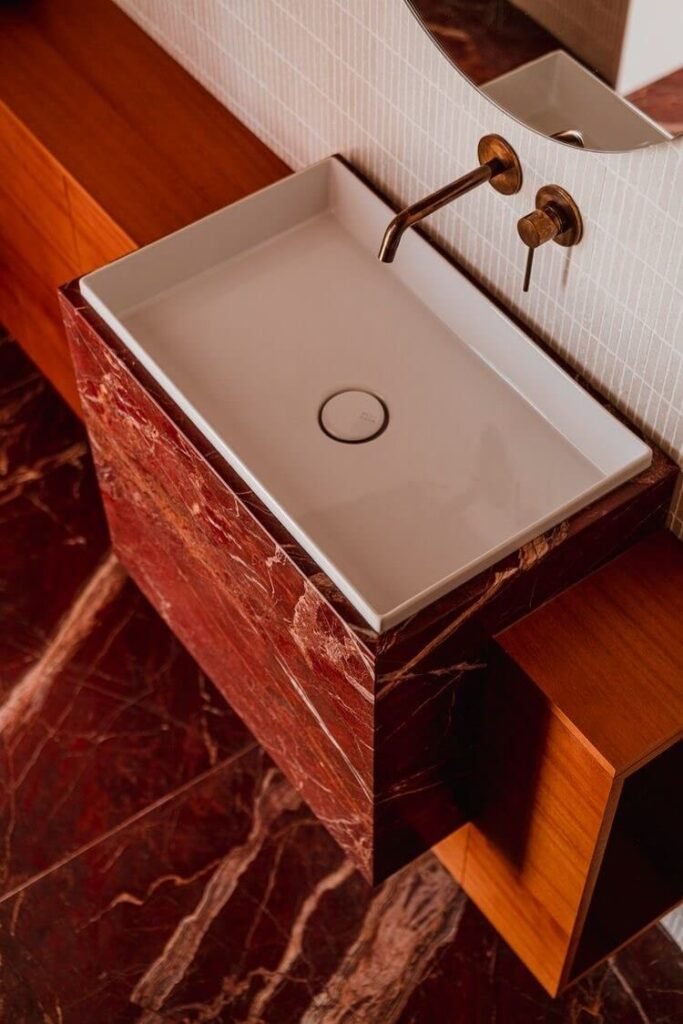
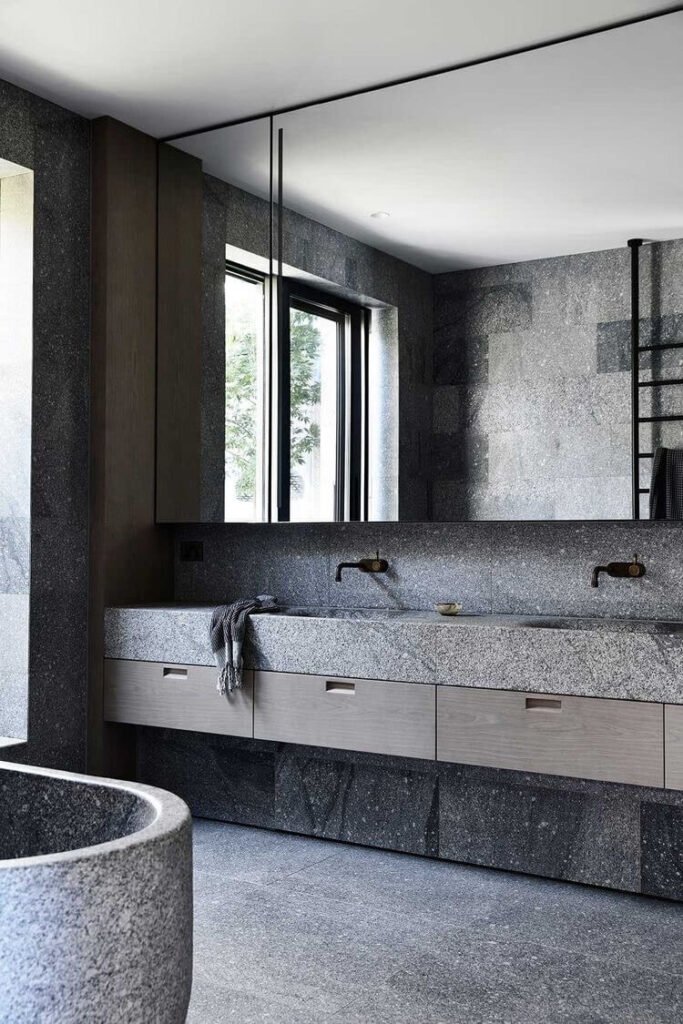
Understanding Natural Stone Surface Finishes
What Is a Honed Finish?
A honed finish is created by grinding the stone surface until it becomes smooth but not reflective. Unlike polished surfaces, honed stone has a matte or satin appearance.
This finishing technique removes surface irregularities while maintaining a natural texture. The result is a stone surface that feels smooth to the touch but reflects minimal light.
Honed finishes are widely used in:
Bathroom floors
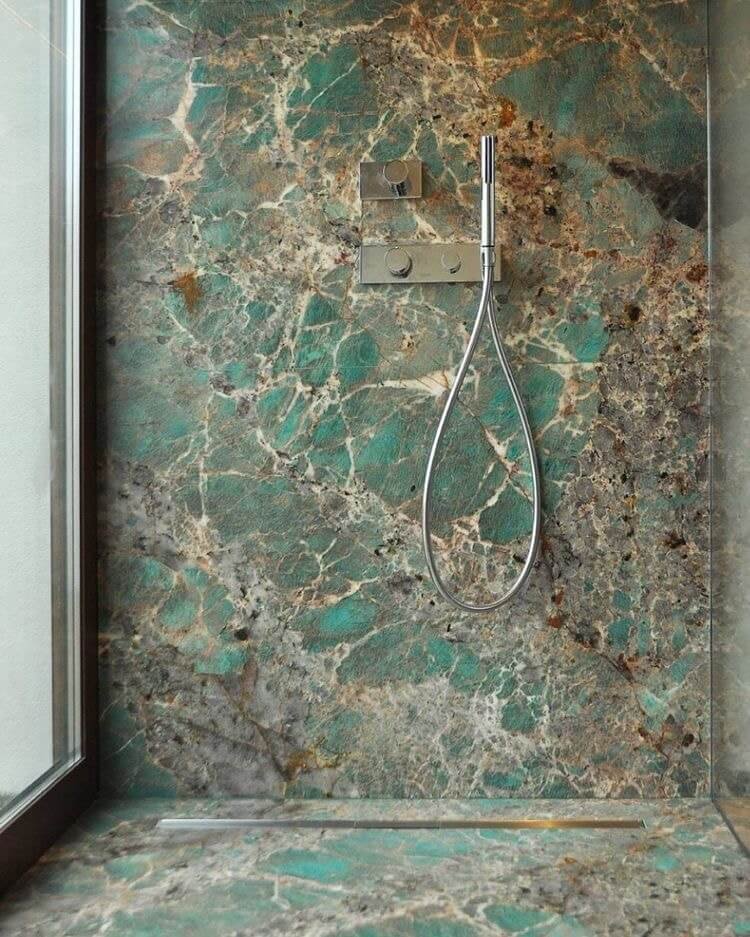
Shower walls
Vanity countertops
Stone wall cladding
The process involves abrasive pads that gradually refine the stone surface without achieving the mirror-like shine associated with polishing.
What Is a Polished Finish?
A polished finish is achieved by continuing the abrasive process until the stone surface becomes highly reflective. This finish enhances the color and natural veining of the stone.
Polished surfaces are commonly used in:
Kitchen countertops
Decorative wall panels
Luxury hotel lobbies
However, in bathrooms, polished surfaces can sometimes create glare under strong lighting and may show water stains more clearly.
What Is a Leathered Finish?
A leathered finish is created by brushing the stone surface with specialized diamond-tipped tools after the honing process. This technique produces a lightly textured surface.
Leathered finishes are especially popular with:
Quartzite
Granite
The surface retains some natural texture while reducing reflectivity.
Honed vs Polished vs Leathered: Quick Comparison
| Finish | Appearance | Light Reflection | Maintenance | Slip Resistance |
|---|---|---|---|---|
| Honed | Matte | Low | Easy | High |
| Polished | Glossy | High | Moderate | Lower |
| Leathered | Textured matte | Medium | Moderate | Good |
Why Honed Finishes Work Better in Bathrooms?
Soft Lighting and Reduced Glare
Bathrooms often contain a combination of natural light, LED lighting, and mirror reflections. Highly polished surfaces can reflect these light sources intensely, sometimes creating visual discomfort.
Honed stone surfaces scatter light rather than reflecting it directly. This creates a soft lighting effect that enhances the atmosphere of the bathroom while preventing harsh reflections.
Interior designers often choose honed finishes for spa-style bathrooms because the matte surface produces a calm and natural environment.
Water Spot and Soap Residue Reduction
Water stains and soap residue are common problems in bathrooms. On polished stone, these marks become highly visible because the reflective surface highlights mineral deposits.
Honed finishes reduce this visibility because the matte surface diffuses light. As a result:
Water spots become less noticeable
Soap residue blends into the surface texture
Maintenance appears easier
This characteristic makes honed marble and honed granite ideal for shower areas.
Slip Resistance in Wet Areas
Safety is a critical factor when selecting flooring materials for bathrooms. Wet floors can become slippery, especially when polished stone is used.
Honed finishes provide better traction because the surface texture is slightly more porous and less reflective.
Many architects recommend honed stone for:
Bathroom floors
Shower floors
Poolside installations
Modern Bathroom Aesthetics
Contemporary design trends increasingly favor matte textures over glossy surfaces. Honed stone aligns perfectly with this aesthetic.
Bathrooms featuring honed marble or honed quartzite create a sophisticated yet understated visual effect. The natural veining of the stone remains visible without overwhelming reflections.

Honed vs Polished Marble in Bathroom Applications
Bathroom Floors
When comparing honed vs polished marble bathroom floors, honed marble is often considered safer and more practical.
Advantages include:
Reduced slipperiness
Lower glare from lighting
More consistent visual appearance
Shower Walls
For honed vs polished marble in bathroom showers, honed finishes help conceal water droplets and soap marks. The matte texture creates a soft and luxurious look.
Vanity Tops
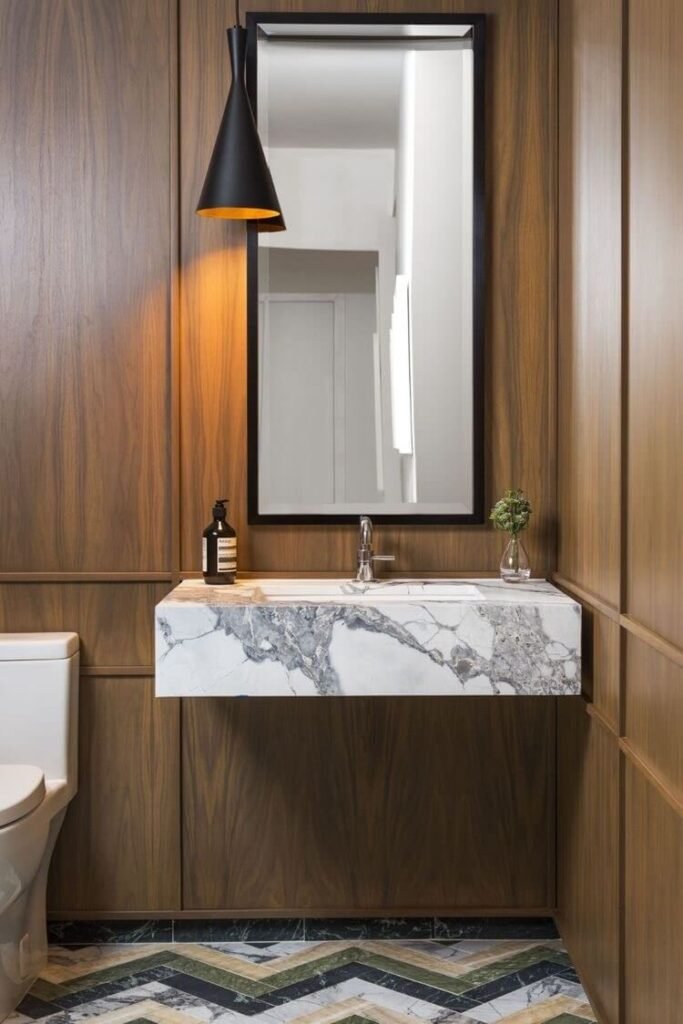
Both honed and polished marble can work well for vanity tops. However, honed surfaces create a subtle elegance that complements modern bathroom cabinetry.
Leathered vs Honed vs Polished Quartzite and Granite
Honed vs Leathered Quartzite
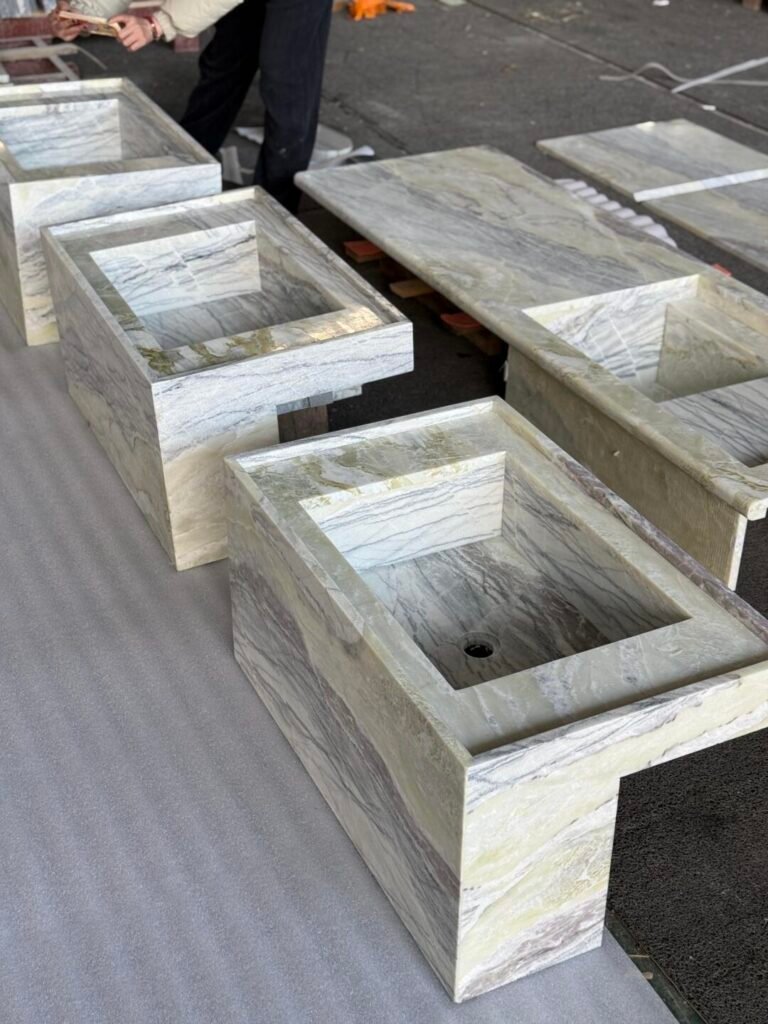
Quartzite is one of the most durable natural stones used in bathrooms. When comparing honed vs leathered quartzite, the difference lies primarily in texture.
Honed quartzite offers a smooth matte surface, while leathered quartzite provides a slightly textured feel.
Leathered vs Polished Granite
Granite is naturally resistant to water and stains. Leathered granite offers a balance between texture and durability, while polished granite highlights color depth.
Polished vs Honed vs Leathered Granite
Each finish serves different purposes:
Polished granite emphasizes shine and pattern
Honed granite creates a calm matte surface
Leathered granite provides tactile texture
Leathered Granite Problems
Although leathered finishes are popular, some users report challenges such as uneven texture or difficulty cleaning deep grooves.
Honed finishes avoid these problems by maintaining a smoother surface.
Honed Granite vs Soapstone for Bathrooms
Soapstone naturally has a matte finish similar to honed granite. However, soapstone is softer than granite.
Honed granite offers:
Higher durability
Better scratch resistance
Greater color variety
Soapstone remains popular for its dark, elegant appearance and natural water resistance.
Bathroom Design Case Studies with Honed Stone
Modern bathroom designs increasingly incorporate honed finishes.
Examples include:
Honed marble flooring in luxury hotels
Honed quartzite shower walls in spa bathrooms
Honed granite vanity tops in residential homes
These applications highlight how honed stone combines practicality with design elegance.
Industry Trends: Matte Stone Finishes in Modern Bathrooms
Interior design reports indicate a growing preference for matte materials. This trend extends beyond stone to include matte ceramics, brushed metals, and textured glass.
Stone manufacturers are responding by expanding their honed and leathered stone product lines.
Factories such as EDG Stone produce honed slabs specifically designed for bathroom environments where moisture resistance and low reflectivity are essential.
Buyer Guide: Choosing the Right Stone Finish
When selecting stone finishes for bathrooms, buyers should consider:
Lighting Conditions
Bathrooms with strong lighting benefit from honed surfaces that reduce glare.
Maintenance Preferences
Honed surfaces hide water marks better than polished ones.
Safety Requirements
Slip resistance is essential for floors and showers.
Stone Material
Granite, quartzite, marble, and soapstone all behave differently when honed.
FAQ: Google Popular Questions
What is the difference between honed and polished stone?
Honed stone has a matte, non-reflective surface created by grinding the stone with abrasives until it becomes smooth but not shiny. Polished stone undergoes further processing to create a glossy and reflective finish. The primary difference lies in light reflection, appearance, and how visible stains or scratches appear.
Is honed marble better than polished marble in bathrooms?
Honed marble is often preferred in bathrooms because it provides better slip resistance and reduces glare from lighting. The matte surface also hides water spots and soap residue more effectively than polished marble. This makes honed marble a practical choice for bathroom floors and shower walls.
Does honed granite show water stains?
Honed granite generally shows fewer visible water stains compared to polished granite. The matte surface diffuses light, making mineral deposits from water less noticeable. However, proper sealing is still recommended to protect the stone from long-term staining.
What is the difference between leathered and honed finishes?
A honed finish is smooth and matte, while a leathered finish has a slightly textured surface created by specialized brushing tools. Leathered finishes retain more natural texture, whereas honed finishes provide a more uniform appearance.
Is honed marble slippery in showers?
Honed marble is less slippery than polished marble because the matte surface offers better traction. For shower floors, smaller tiles with honed finishes are often used to maximize slip resistance and safety.
Semantic Insight Block
How Honed Finishes Improve Bathroom Performance?
Honed stone finishes enhance bathroom usability by diffusing light and reducing glare. The matte surface minimizes water stain visibility while improving slip resistance in wet environments.
Why Designers Prefer Honed Stone?
Architects increasingly prefer honed stone because it creates a natural, calming aesthetic. The finish works well with modern interior trends that emphasize matte textures and organic materials.
What Stones Work Best With Honed Finishes?
Granite, marble, quartzite, and soapstone all perform well when honed. Each material offers different advantages in durability, color variation, and resistance to moisture.
Options for Homeowners and Builders
Buyers can choose honed finishes for:
Bathroom floors
Shower walls
Vanity countertops
Stone wall cladding
These applications balance elegance with long-term durability.
Considerations When Choosing a Stone Supplier?
When sourcing honed stone materials, buyers should evaluate:
Stone quality and consistency
Factory finishing capabilities
Surface treatment technologies
Global supply chain reliability
Professional manufacturers such as EDG Stone provide honed stone surfaces tailored for modern architectural applications.