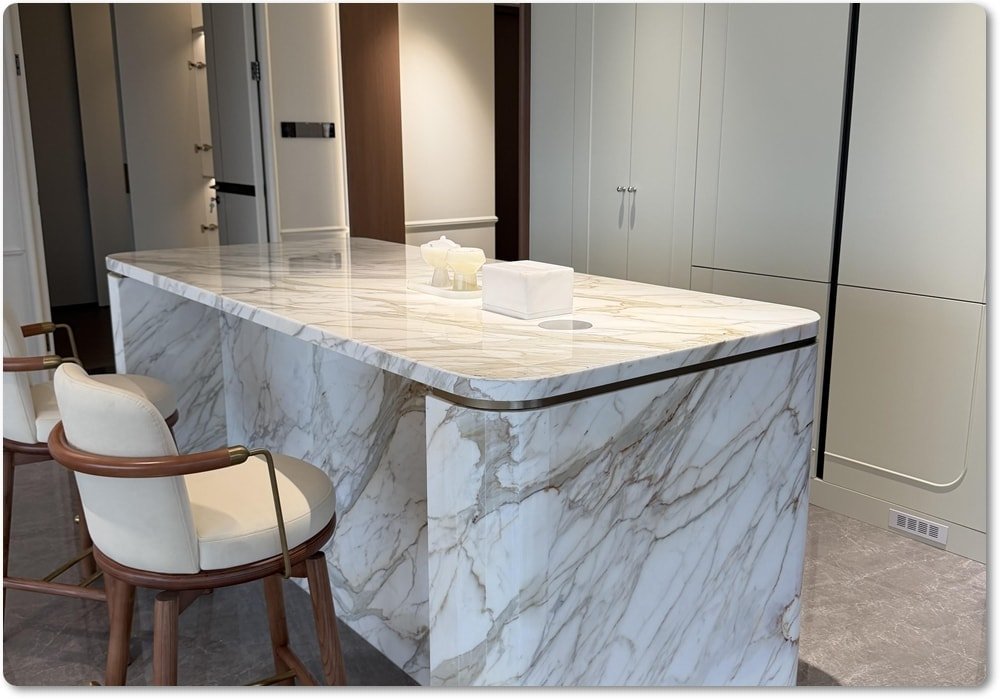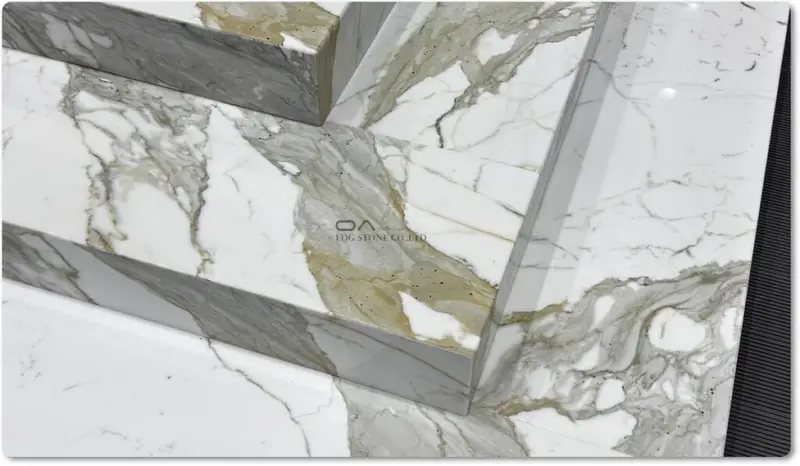
1. Introduction — why chemical resistance matters for countertops?
Countertops live at the collision point of aesthetics and daily chemistry. From kitchen acids (citrus juices, vinegar) to bathroom cosmetics (acetone-based nail polish remover), shaving creams, bleach, and concentrated cleaners, countertop materials encounter a wide array of potentially aggressive substances. Chemical resistance determines whether a surface will stain, etch, discolor, or undergo more serious surface degradation over time.
Beyond appearance, chemical stability ties into sanitation: food-service and healthcare settings require surfaces that can be cleaned with strong disinfectants without degrading. Designers, specifiers, and procurement teams (including manufacturer/factory/wholesale buyers like those searching “EDG Stone acoustic manufacturer” or “quartzite slab factory wholesale”) must therefore evaluate not just hardness or scratch resistance but also a material’s measured reaction to common household and commercial chemicals.
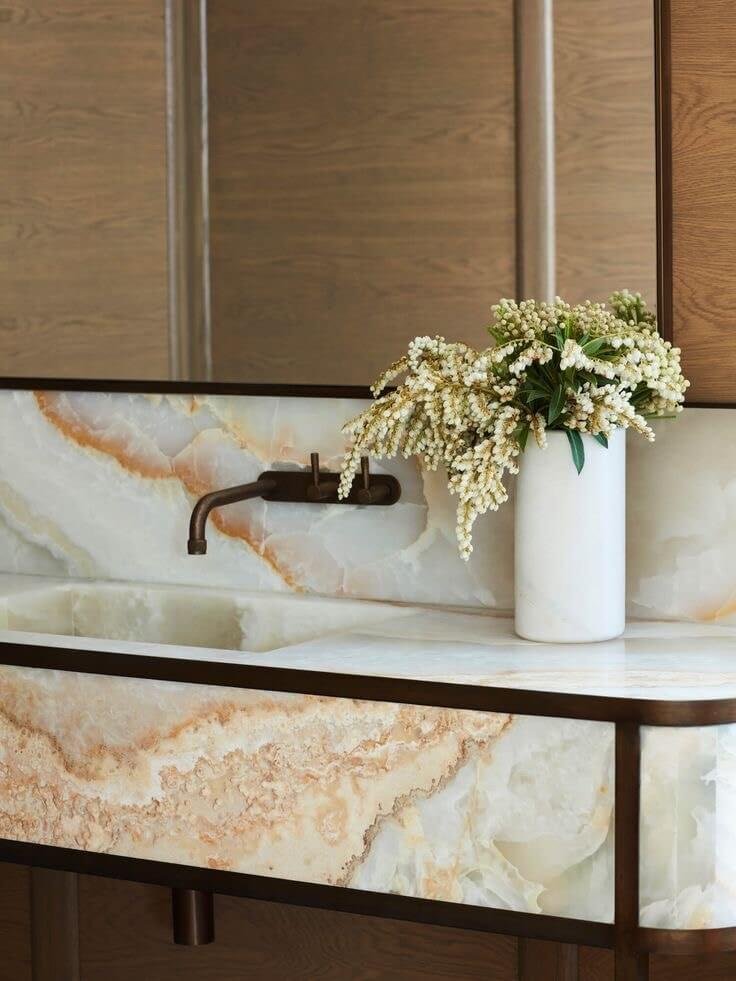
2. What is chemical resistance for countertop surfaces? — definitions and chemistry
Definition and scope
Chemical resistance is the ability of a material to resist changes when exposed to chemicals such as acids, alkalis, solvents, oils, and oxidizers. For countertop surfaces, relevant outcomes include:
Staining (permanent color change from dyes or reactive species)
Etching (surface pitting or dulling caused by acid or alkaline attack)
Discoloration (oxidation or reaction with organic compounds)
Loss of binder or glaze (for engineered or sintered products if binder chemistry is vulnerable)
Underlying chemical mechanisms
Carbonate attack: Materials rich in calcium carbonate (marble, some limestones) dissolve in acids, leading to etching.
Silicate resilience: Quartz, quartzite, and sintered silicate composites resist many acids and solvents due to robust silica bonds.
Organic solvent interaction: Resins or polymer binders in some engineered stones may swell or leach with aggressive solvents (acetone, strong ketones).
Porosity-driven staining: High-porosity stones absorb colored chemicals, making stains harder to remove.
Understanding mineralogy (e.g., quartz content vs calcite content) is therefore vital when predicting chemical vulnerability.
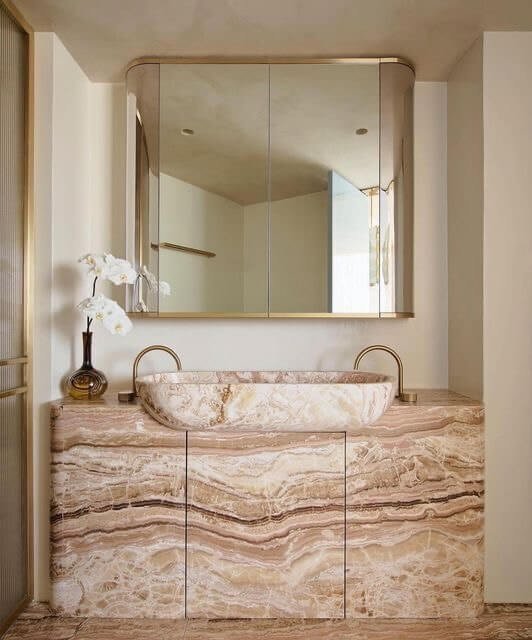
3. Hardness vs chemical resistance — Mohs scale, diorite, quartzite, quartz, soapstone
Mohs hardness explained
The Mohs hardness scale ranks minerals by scratch resistance from 1 (talc) to 10 (diamond). Hardness tells you how resistant a surface is to abrasion and scratching, but it does not fully predict chemical behavior. For instance, polished marble can be hard enough for countertops (Mohs ≈ 3 for calcite) yet chemically vulnerable to acids.
Typical hardness values (practical reference)
Quartz: Mohs ≈ 7 — high scratch resistance; found in quartzite and engineered quartz.
Quartzite: often ~7 — natural metamorphic rock rich in quartz crystals; generally hard and abrasion-resistant.
Granite: variable — typically 6–7 depending on mineral content.
Diorite: generally hard; similar to granite in many metrics.
Soapstone (steatite): Mohs ≈ 1–2.5 — soft to the touch, easy to scratch, but primarily composed of talc and magnesium silicates, which give it excellent resistance to acids and heat.
Sintered stone: engineered high-density silicate matrix — very high scratch and chemical resistance due to compact, vitrified microstructure.
Why is hardness not the whole story?
Hard stones that are silicate-dominant resist many chemical agents, but if they have secondary minerals (calcite veins, feldspar), they may stain or etch locally.
Softer stones like soapstone can be surprisingly chemically tolerant because of their chemical mineralogy; they absorb oils, patina and can be rejuvenated through maintenance.
Engineered quartz relies on both quartz content and polymer binder chemistry — binders can be vulnerable to strong solvents.
4. Chemical resistance testing methods used by manufacturers and labs
Common lab test approaches
Manufacturers and independent labs use standardized methods to assess chemical resistance. These tests aim to simulate accidental spills and long-term exposure with accelerated conditions:
Acid/alkali exposure tests: small drops of acids (citric, hydrochloric, acetic) and alkalis are placed on specimen surfaces for fixed durations to observe etching or color change.
Stain resistance tests: application of common staining agents (coffee, wine, oil, ink) followed by cleaning protocols; the degree of residual staining is rated.
Solvent exposure tests: application of solvents such as acetone, nail polish remover (ethyl acetate or acetone), and strong cleaners to evaluate binder degradation in engineered surfaces.
Abrasion + chemical cycling: repeated cycles of chemical exposure and abrasive cleaning to simulate real maintenance.
Standards and frameworks
Several test standards and best practices are used across the industry (tile and sintered materials, natural stone institutes, and food-service bodies). Test protocols vary by material group; a buyer should request the specific test method and results from a supplier or factory.

5. Material-by-material assessment
Engineered quartz (commonly called “quartz countertops”)
Composition: ~90–95% natural quartz crystals bound in a polymer/resin matrix with pigments and additives.
Chemical behavior: Excellent resistance to staining from most everyday household beverages and soaps; however, the organic binder can be attacked by strong solvents (acetone, methylene chloride), and prolonged exposure to high-pH cleaners (strong alkaline) can affect surface sheen. Many premium engineered quartz products are marketed as low-porosity and stain-resistant.
Quartzite
Composition: Metamorphosed sandstone dominated by interlocking quartz crystals.
Chemical behavior: High hardness and excellent abrasion resistance; silica composition generally resists acids and solvents, but natural veining with other minerals can show differential staining. Sealing is often recommended to protect against oil-borne and dye stains, although the need is less critical than for marbles.
Granite
Composition: Igneous rock with quartz, feldspar, and mica.
Chemical behavior: Generally durable and resistant to many household chemicals. Porosity varies between types; some granites are more porous and benefit from sealing. Acid exposure rarely dissolves quartz but can alter feldspars and secondary minerals.
Marble and travertine
Composition: Predominantly calcium carbonate (calcite or dolomite).
Chemical behavior: Vulnerable to acids—immediate etching and dulling when exposed to citrus, vinegar, or many bathroom products. Stain susceptibility depends on porosity; sealing can reduce staining but not prevent acid etching.
Soapstone
Composition: Talc and magnesium silicates; usually high in talc or serpentine.
Chemical behavior: Remarkably resistant to acids and many household chemicals; does not etch like marble. Softness means surface scratches are common but can be sanded out and oiled to restore appearance.
Sintered stone (e.g., compact sintered slabs)
Composition: High-pressure, high-temperature sintering of natural minerals (mainly silica and alumina-based).
Chemical behavior: Among the highest in chemical resistance—vitrified structure gives strong resistance to acids, solvents, staining, UV, and heat. Often used when chemical and thermal performance are priorities.
6. Case focus: Taj Mahal quartzite — composition and stain/chemical behavior
Taj Mahal quartzite is a decorative quartzite variant prized for warm, creamy tones. Like many quartzites, it is high in quartz content and demonstrates:
Excellent abrasion and scratch resistance.
Strong resistance to most household chemicals and solvents due to silica dominance.
Potential staining or color variation at vein junctions if accessory minerals (iron oxides, carbonates) are present; sealing is a recommended precaution for food-prep surfaces to reduce oilborne staining.
In practice, Taj Mahal quartzite performs well in kitchens and bathrooms when proper sealing, routine cleaning, and avoidance of concentrated acid exposure are practiced.
7. Sanitation, hygiene rules, and regulatory drivers affecting countertop material choice
Food-service, healthcare, and commercial facilities increasingly demand documented cleanability and chemical resilience from surfaces:
Sanitation certification: Some buyers expect surfaces or fabrication processes to meet recognized food-contact or equipment standards for cleanability. This is especially relevant in commercial kitchens and healthcare.
Disinfectant compatibility: Frequent use of bleach, quaternary ammonium compounds, or other disinfectants can degrade some binders and coatings over time. Sintered stone and natural silicate surfaces typically retain integrity under typical disinfectant exposure, while engineered quartz’s resin content requires checking the manufacturer’s guidance.
Procurement and liability: Facility managers prefer suppliers who can provide test reports showing resistance to common disinfectants and cleaning regimens; wholesale and factory suppliers who include such data in their EDG Stone-style product dossiers make procurement easier.

8. Buyer’s guide: how to specify chemical resistance (EDG Stone manufacturer/factory / wholesale language)
When requesting quotes or evaluating suppliers, use the following checklist in your RFQ or specification to ensure measurable outcomes:
Mandatory supplier deliverables
Test reports: Ask for lab test results showing chemical resistance to a defined reagent list and exposure times, and stain resistance tests using typical household and cosmetic agents.
Surface data: Provide porosity (absorption by weight), hardness (Mohs or equivalent), and surface treatment details (polishing, honing, sealing, impregnator type).
Maintenance compatibility: Confirm manufacturer-recommended cleaning agents and any incompatible chemicals (e.g., “do not use methylene chloride or concentrated acids”).
Factory QA: Documented fabrication tolerances and finishing process controls from the factory (especially important when buying wholesale or from a slab factory).
Warranty & mockup: On large buys (factory/wholesale orders), require a mockup sample and a limited warranty covering discoloration from standard household chemicals under specified conditions.
Useful search and procurement keywords
“EDG Stone chemical resistance test reports manufacturer.”
“Buy sintered stone countertops wholesale.”
“quartzite slab factory chemical resistance data”
“soapstone countertops manufacturer, factory, supplier”
9. Practical maintenance & mitigation: sealing, cleaning agents, emergency response
Daily cleaning routines
Use mild, pH-neutral detergents for daily cleaning. Avoid abrasive powders that can dull polished finishes and avoid prolonged contact with concentrated solvents or high-strength acids.
Sealing and periodic maintenance
Sealing reduces staining from oils and dyes for porous stones (some granites, many quartzites). Sealing does not prevent etching for calcareous stones: marble will still etch from acid even when sealed. Reapply impregnating sealers according to manufacturer guidance based on traffic and exposure.
Spill response
For most materials, immediate blotting of spills followed by gentle cleaning minimizes risk. For aggressive agents (nail polish remover, drain cleaners), rinse quickly with water and neutralizing agent if safe; test incompletely on an inconspicuous area if possible.
When to call the supplier or fabricator
If a surface shows unexpected discoloration or chemical damage within the warranty period, document the event (agent, exposure time, photos) and contact the manufacturer or factory (EDG Stone or your slab supplier) for remediation or warranty evaluation.
10. FAQ — Google hot-search style questions (visible answers)
Q1: What is the chemical resistance of common kitchen countertop stones?
A1: Chemical resistance varies by mineralogy. Silica-rich materials (quartzite, sintered stone) resist most acids and solvents and show excellent stain resistance. Marble and other carbonate stones are vulnerable to acids and can be etched. Engineered quartz is highly stain-resistant but can be affected by aggressive solvents that attack resin binders.
Q2: Are quartz countertops stain-resistant and chemically stable?
A2: Engineered quartz is designed to be non-porous and stain-resistant in everyday use. It resists coffee, wine, and most household cleaners; however, prolonged exposure to strong solvents (acetone, paint strippers) or high-alkaline industrial cleaners may damage the resin binder or alter gloss.
Q3: How does soapstone compare chemically to marble and granite?
A3: Soapstone is soft but has excellent chemical resistance—particularly to acids and heat—because of its magnesium silicate composition. While soapstone scratches more easily, those marks can be sanded out and the surface oiled; marble, by contrast, may chemically etch and cannot be restored to its original polish easily after acid exposure.
Q4: Do I need to seal quartzite or granite countertops?
A4: Many quartzite and granite slabs are low-porosity and may not require sealing, but some varieties benefit from an impregnating sealer to protect against oil and dye stains. Sealing does not protect against acid etching; choose sealers that do not change the surface appearance and follow supplier recommendations.
Q5: How should purchasers ask manufacturers for chemical resistance proof?
A5: Request laboratory chemical resistance test reports, stain-resistance results using a standardized agent list, data on porosity and Mohs hardness, recommended cleaning protocols, and mockup verification. For large wholesale/factory purchases, include warranty and maintenance terms in the RFQ.
Semantic closure — How / Why / What / Options / Considerations
How: Choose materials whose chemistry resists your expected exposure profile—silica-dominant surfaces (quartzite, sintered stone) or polymer-reinforced engineered quartz for general household use—then verify via vendor test reports and mockups. Seal porous items where necessary for oil/dye protection and adopt manufacturer-recommended cleaners to preserve the finish.
Why: Chemical resilience protects appearance, reduces lifecycle maintenance cost, and meets sanitation needs in food-service and healthcare environments. Regulated environments increasingly demand documented cleanability.
What to specify: Ask suppliers for chemical resistance test results (agent list and exposure time), porosity/absorption data, Mohs hardness, cleaning compatibility guidance, factory QA documentation, and sample mockups—especially on wholesale orders.
Options: For the highest chemical resistance, choose sintered stone or vitrified silicate slabs; for high heat + acid tolerance, choose soapstone in bathrooms; for high scratch resistance, choose quartzite or high-grade granite; for uniform aesthetics and factory-backed cleanability, select premium engineered quartz with supplier chemical test data.
Considerations: Hardness doesn’t equal chemical immunity; binder chemistry matters in engineered products; sealing helps staining but not acid etching on carbonates; on large projects, include clear warranty and field verification clauses from the manufacturer or factory.
12. References (author, title, source — no links; ≤10)
International Organization for Standardization — ISO 10545-13: Determination of chemical resistance (ceramic tiles).
Industry Technical Manual — Sintered Stone Technical & Installation Manual — Manufacturer technical publication.
ASTM International — Collection of stone test methods (including chemical/stain resistance procedures).
NSF International — NSF/ANSI standards for materials and food equipment — Sanitation and cleanability guidance.
International Gem Society — Guide to Mohs Hardness Scale — Gemology reference.
Industry Whitepaper — Chemical Resistance and Surface Maintenance of Engineered Stone — Manufacturer research brief.
Academic Article — Mineralogical influences on stone stainability and chemical durability — Peer-reviewed materials science journal.
Facility Hygiene Standards — Food handling surface materials guidance — Government/health agency sanitation advisory.
Industry testing laboratory summary — Best practices for accelerated stain and chemical testing of countertop materials — Lab technical report.