
What Data-Driven Procurement Means in Stone Countertops?
Data-driven procurement is not just “viewing stock online.” It refers to a system where buyers gain live access to countertop inventory data, price changes, quarry production capacity, freight conditions, sustainability documentation, and risk indicators.
Traditional vs. Data-Driven Procurement
| Traditional sourcing | Data-driven sourcing |
|---|---|
| Email/phone inquiries | API dashboards & live inventory |
| Manual price updates | Real-time pricing & FX cost modeling |
| Uncertain lead times | Predictive ETA forecasting |
| Overbuying stock “just in case.” | Smart reorder points + safety stock logic |
| Paper COA/COC | Digital traceability & compliance flags |
Why does stone differ from other materials?
Every stone slab is unique. Variations in pattern, quarry cycle, polishing capacity, container spacing, and weather conditions at the port can affect supply. This makes real-time visibility a competitive advantage for fabricators and distributors.
Business Problems Solved by Real-Time Inventory & Trend Analysis
Buyers typically face similar challenges: surprise stockouts, schedule slippage, and over-reliance on last-minute logistics spending. Real-time data eliminates ambiguity.
1. Stockout Prevention & Order Accuracy
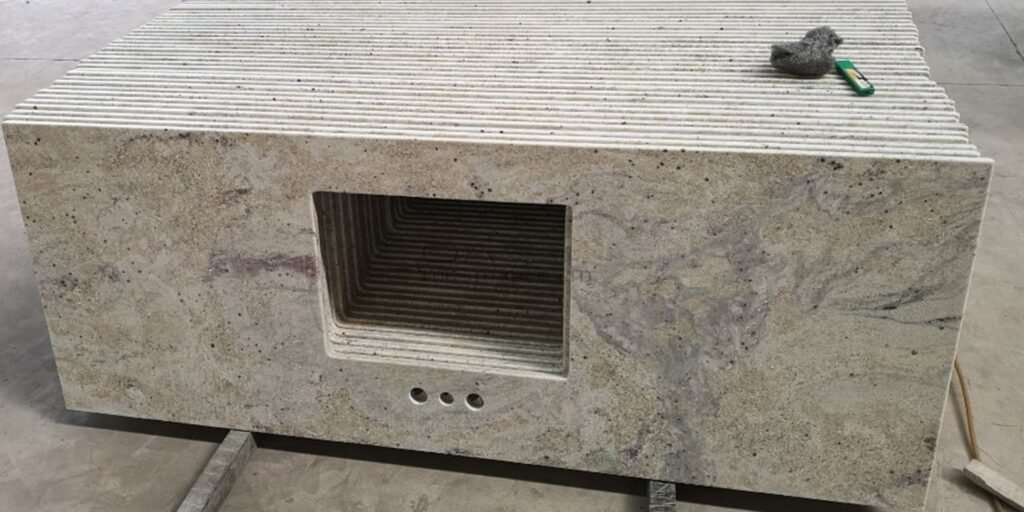
Live SKU data shows slab lot, thickness, finish, location, and remnant availability. Teams can allocate materials early and secure supplies across multiple sites. This prevents project stoppage during fabrication — one of the costliest risks.
2. Reduced Logistics & Holding Cost
Dynamic data allows ordering exactly when needed, not months in advance. Less warehouse holding means improved cash flow and faster turnover — critical for wholesalers selling granite, marble, or quartz.
3. Smarter Cost Decisions During Market Fluctuation
Fuel surcharges, shipping insurance, and port congestion fees all fluctuate monthly. Trend analysis helps determine the best timing for large quantity purchases, especially in large exports to North America, Europe, and Australia.
4. Regulatory Compliance & Safety Risk Control
The stone industry is increasingly affected by environmental and worker-safety policies. Buyers need suppliers who track:
Silica regulation changes
Quarry environmental certifications
Import documentation & customs norms
VOC emission compliance for resins in engineered quartz
A real-time data-capable supplier flags issues before they delay shipments.
How EDG Stone & Similar Advanced Suppliers Deliver Data Value?
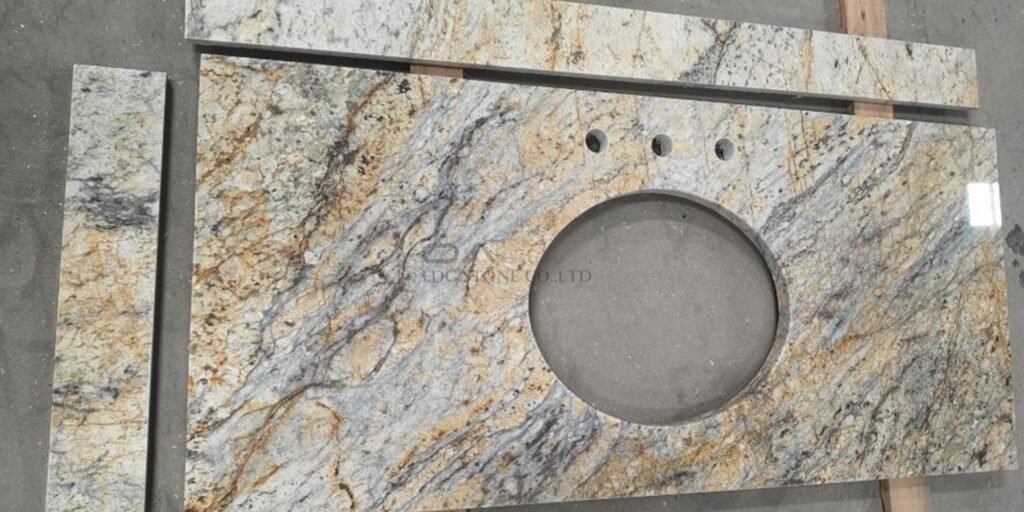
Modern stone manufacturers such as EDG Stone provide dashboards and procurement tools that replace spreadsheets and manual tracking.
Supplier Capabilities to Prioritize
Live inventory display (SKU, lot, slab size, thickness, surface finish)
API/ERP integration for automatic stock synchronization
Production line visibility — in cutting / polishing / ready to ship
Digital COA/COC certification downloads
Sustainability label & quarry origin traceability
Automated alerts when material demand surges
Example of real procurement workflow
Procurement searches Calacatta quartz slabs 2cm polished
System returns 152 slabs available + ETA 7 days for new batch
Buyer reserves 45 slabs using digital hold
Freight calculator suggests the best route + cost optimization
Compliance file auto-generated for import documentation
This replaces 8–10 email chains with one dashboard session.
Which Market Data Matters Most?
Stone price movement often correlates with quarry output, construction cycle, energy cost, exchange rates, and port clearance time. Buyers who watch these signals negotiate better.
Primary Data Streams
Quarry production volume — seasonal changes affect marble, granite extraction
Freight/Container pricing trends — volatile since 2020
Regional project permits — forecast future demand
Fabrication consumption speed — 20mm quartz sells differently than 30mm granite
Architecture trend change — matte, leather, waterfall edge demand cycles
Predictive suppliers report historical and future trend forecasting, reducing uncertainty.
Data Sources & Integration
Where does real-time information originate?
Core Systems
WMS (warehouse management) for physical stock
ERP production tracking
IoT tagging for slab movement
Logistics tracking systems (vessel, trucking, customs clearance)
Certifications database for sustainability
Third-Party + Public Data Inputs
Global shipping and commodity index
Government regulation bulletins
Construction reporting agencies
Real estate market statistics
Real-time means updated at least daily, ideally hourly.

Predictive Procurement Workflow
Reactive procurement waits until material is needed. Predictive sourcing uses data to anticipate.
Data-enhanced cycle
Forecast consumption rate by project timeline
Auto-trigger reorder rule at threshold
Run cost comparison between suppliers
Choose the best shipping method based on the container forecast
Generate digital PO + compliance packages
Proactive buyers win more bids because they deliver reliably under tight deadlines.
Compliance & Sustainability Requirements
Sustainable sourcing is no longer optional in many markets. EU and U.S. increasingly require provenance documentation for natural stone and resin-based quartz.
Example compliance elements tracked digitally
Quarry rehabilitation policy proof
Worker protection records
Silica monitoring data
Transport carbon emissions estimate
Reclamation documentation
Having compliance-ready data accelerates customs clearance, preventing delay charges.
Risk Management Using Data
Live visibility mitigates financial and delivery risk.
Data alerts warn when market prices rise, letting buyers purchase early
Multi-supplier strategy ensures continuity in crisis (weather, port strike)
Inventory buffers for commercial jobs prevent downtime claims
Cost modeling reduces overspend in urgent procurement
Data = resilience.
Implementation Roadmap for Buyers
Procurement digitalization can begin gradually:
| Stage | Capability | Timeframe |
|---|---|---|
| Basic | Online inventory access | Month 1 |
| Intermediate | Forecasting + automated reorder | Month 3–6 |
| Advanced | API integration, AI prediction | Month 6–12 |
KPIs to measure success
Lead time reduction (days)
Inventory turnover rate
Change order reduction
Procurement cycle cost per square foot
Vendor Scorecard for Supplier Evaluation
Use this when selecting a stone manufacturer:
| Score Criteria | Weight |
|---|---|
| Real-time inventory access | 25% |
| Compliance documentation accuracy | 20% |
| Logistics performance / OTIF | 20% |
| Material quality consistency | 20% |
| Forecasting & trend reporting | 15% |
A data-ready supplier like EDG Stone scores high.
Case Studies & Snapshots
Case A — Multifamily Project
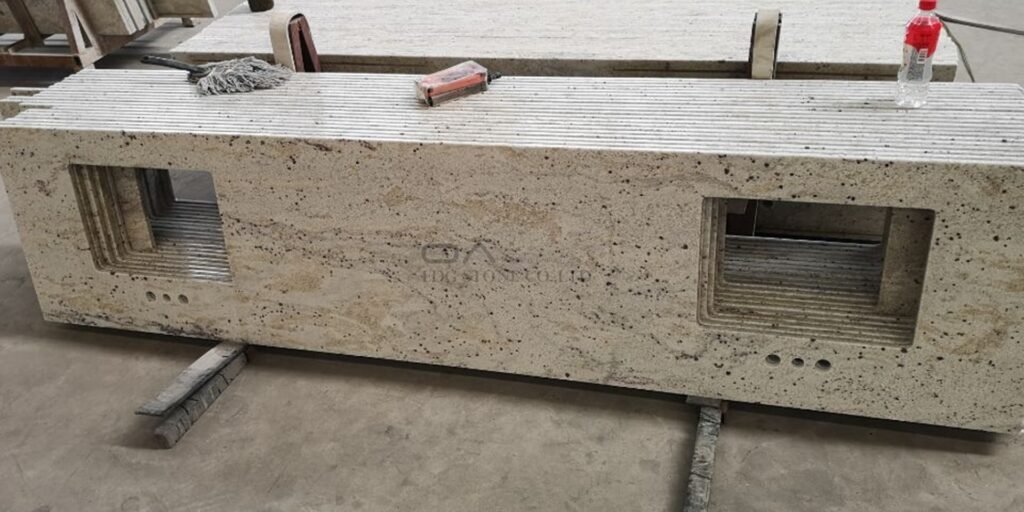
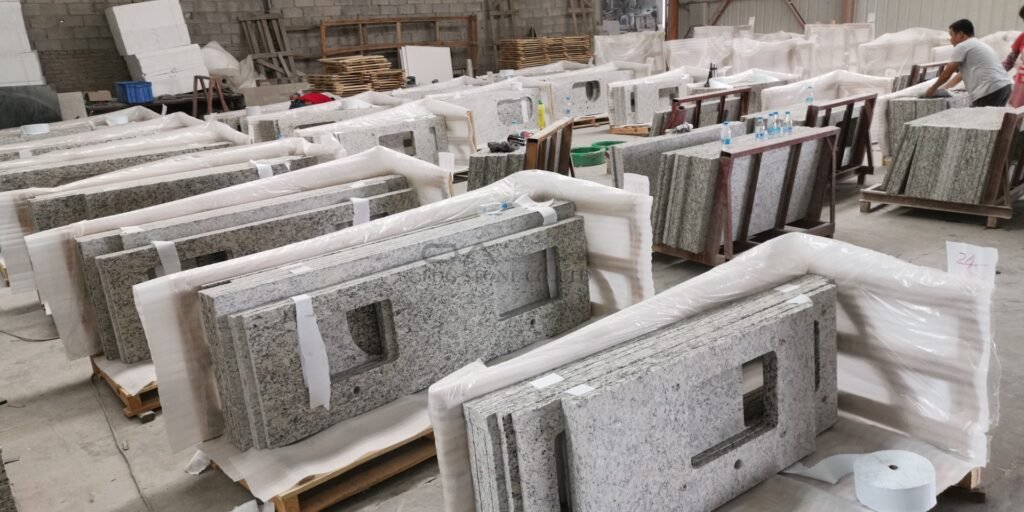
A developer sourcing quartz bathroom vanity tops required multiple deliveries. Using live stock visibility, allocation was done in advance, cutting change order risk by over 30% and avoiding a projected 12-day delay.
Case B — Commercial Fit-Out
A contractor tracked freight indices and purchased stone two months earlier at a lower price. Savings reached 11% vs. spot market buying, equal to several thousand dollars per container.
Recommended Long-Tail Keywords
EDG Stone quartzite slabs manufacturer direct factory pricing
Buy stone countertops wholesale manufacturer real-time inventory
Stone procurement API live inventory supply chain data
Dallas stone countertops supplier with instant stock availability
Commercial stone countertop factory fast lead-time
Conclusion
Procurement has evolved. In a world of dynamic freight, regulation shifts, and volatile demand cycles, data-driven sourcing is no longer optional — it is a competitive advantage. Suppliers that provide transparent inventories, compliance documents, and predictive analytics enable faster decisions, better margins, and more resilient project delivery.
Working with partners like EDG Stone who embrace live data means shorter purchasing cycles, reduced risk, stronger cash flow, and confident project commitments.
FAQ
Q1. What is real-time inventory in stone countertops and why is it important?
Real-time inventory allows buyers to view exact slab quantity, size, finish, and availability instantly instead of waiting for manual confirmation. This improves procurement speed, avoids stockouts, and ensures projects never stall due to material shortage.
Q2. How does market trend analysis lower total purchasing cost?
Trend signals forecast freight shifts, quarry output, resin price, and regional demand. Buyers who act early purchase before price peaks, improving ROI. Trend forecasting also prevents overordering and excess warehouse stock.
Q3. Can suppliers legally share quarry and source data?
Yes, when documentation is properly handled. Most regulations encourage traceability for sustainability verification. Compliance-ready suppliers share quarry origin, COA certificates, and documentation for customs without risk.
Q4. How do I request real-time dashboard or API access from a supplier?
Most modern suppliers offer login portals or ERP integration. Buyers simply request access, verify credentials, and connect via API/CSV. Implementation typically takes days, not months.
Q5. How fast can suppliers with real-time inventory respond to urgent orders?
Orders can be reserved instantly, often shipping within 24-72 hours if stock is local. For offshore inventory, visibility reduces risk by enabling proactive container planning and route optimization.