Introduction
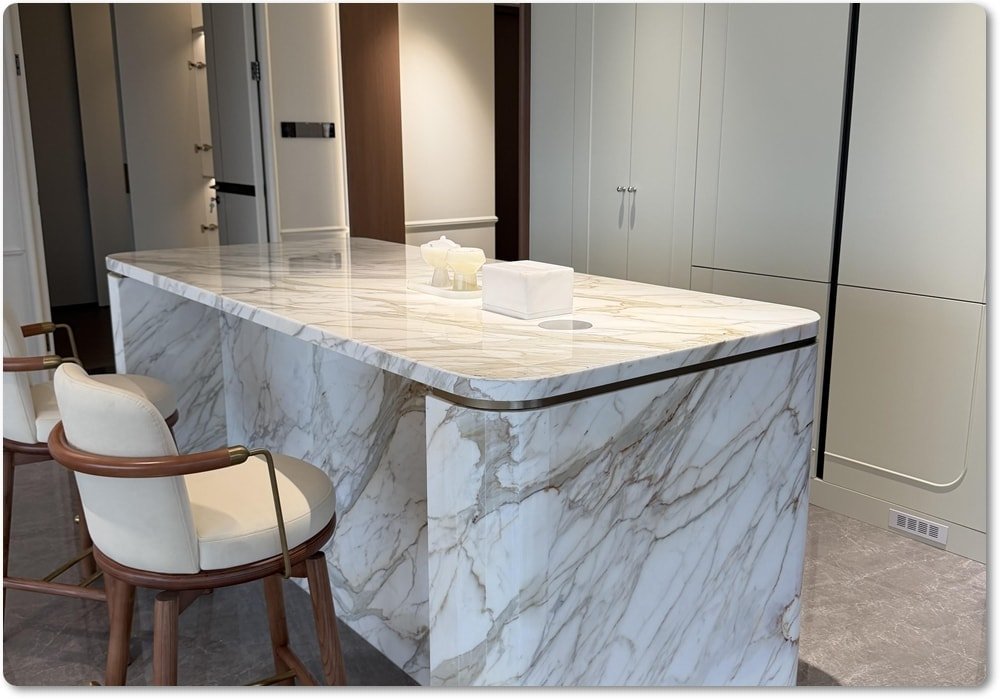
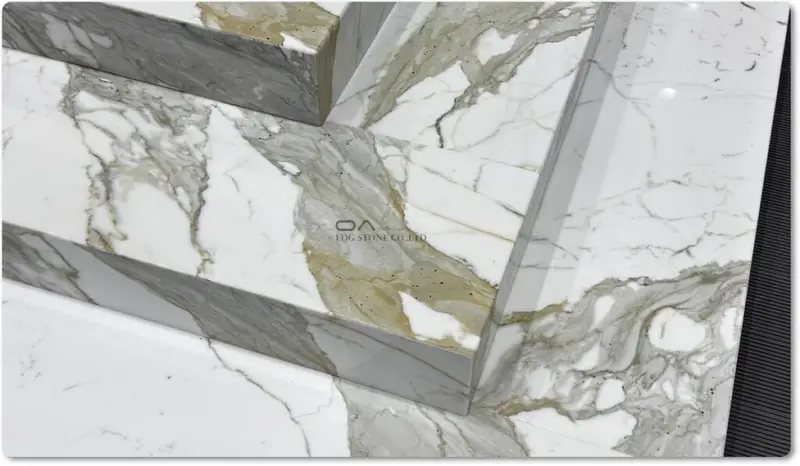
In the natural stone procurement system, slabs are the origin of all fabrication and applications. Whether for kitchen countertops, commercial reception desks, wall cladding, or staircases, the final quality is fundamentally determined by the slab’s intrinsic characteristics, consistency, and structural integrity.
For premium materials such as Taj Mahal Quartzite, slab procurement is not merely about selecting a stone — it is a systematic engineering process involving:
- Color consistency control
- Batch management
- Fabrication yield optimization
- Layout planning
- Cost efficiency
This guide provides a project-driven, procurement-focused framework to help buyers systematically source Taj Mahal Quartzite slabs while minimizing risk and maximizing value.
What is a Stone Slab?
Slab Definition
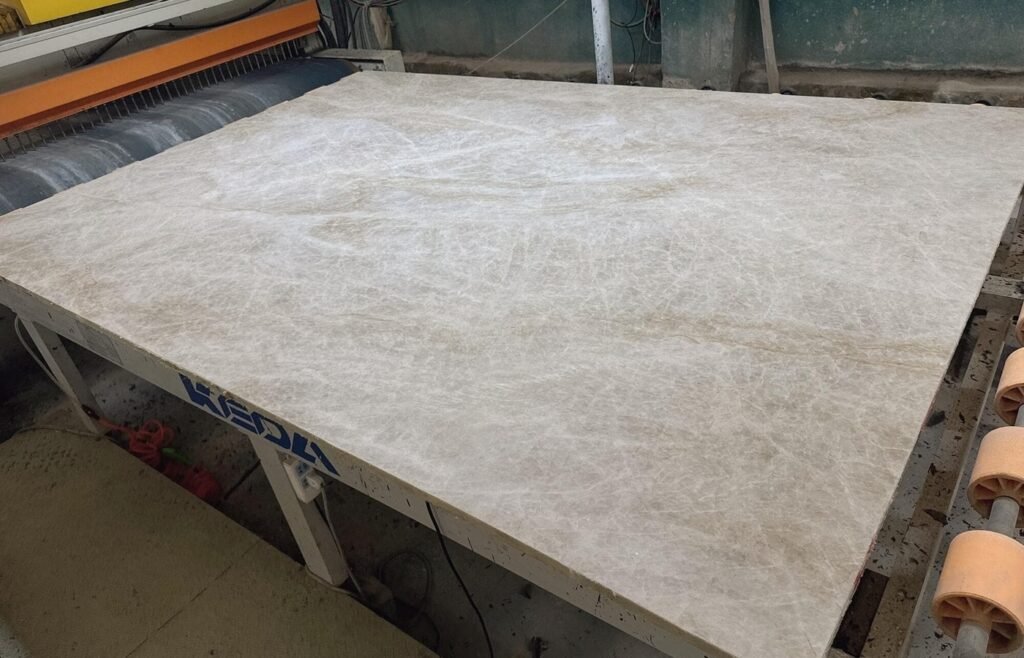
A slab is a large-format natural stone panel cut from quarry blocks and processed through cutting and surface finishing. Typical characteristics include:
- Dimensions: 2400–3200 mm × 1200–2000 mm
- Thickness: 20mm / 30mm (industry standard)
- Surface finishes: Polished, honed, leathered
Slab vs Cut-to-Size
| Category | Slab | Cut-to-Size |
|---|---|---|
| Form | Raw full slab | Pre-cut pieces |
| Flexibility | High | Limited |
| Cost | Higher upfront | Stable after processing |
| Application | Custom projects | Standardized projects |
Procurement Logic:
👉 High-end projects → prioritize slabs
👉 Standardized projects → consider cut-to-size

Key Parameters of Taj Mahal Quartzite Slabs
Slab Size & Coverage Efficiency
Common slab sizes:
- 2800 × 1600 mm
- 3000 × 1800 mm
Critical Metric: Yield Rate
Yield is affected by:
- Natural cracks
- Edge defects
- Layout planning
👉 Effective usable area is typically 75%–90%
Thickness Selection (20mm vs 30mm)
| Thickness | Advantages | Applications |
|---|---|---|
| 20mm | Cost-efficient, lighter | Wall cladding, vertical surfaces |
| 30mm | Stronger, premium feel | Kitchen countertops, islands |
👉 Commercial and high-end residential projects typically prefer 30mm
👉 Vertical applications can use 20mm
Surface Finishes
Main finish options:
- Polished → High reflectivity, luxury appeal
- Honed → Soft matte, modern aesthetics
- Leathered → Anti-slip, fingerprint-resistant
👉 The most common finish for Taj Mahal Quartzite: Polished
How to Evaluate Slab Quality (Core Procurement Criteria)?
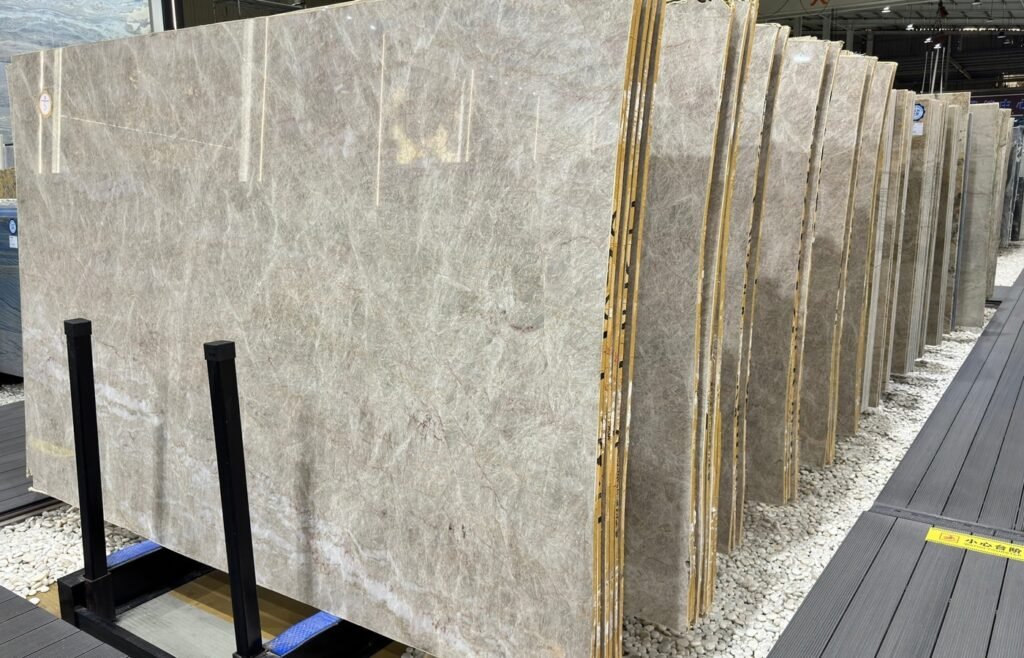
Color Consistency (Top Priority)
Natural stone inherently varies in color.
To control variation:
- Procure from the same batch
- Ensure the same quarry source
- Avoid mixing batches
👉 Large projects must implement full-batch reservation
Vein Pattern & Matching
Key evaluation factors:
- Flow continuity of veining
- Bookmatching feasibility
- Presence of visual disruptions
👉 High-end projects require pre-layout planning
Structural Integrity
Inspection checklist:
- Visible cracks
- Micro fissures
- Resin filling quality
👉 High-quality slabs should have:
- Minimal cracks
- Even transparent resin treatment
- No structural weaknesses
Mesh Backing & Reinforcement
Used to enhance slab stability:
- The mesh backing ≠ is of low quality
- However, check:
👉 Uniformity of mesh
👉 Resin penetration control
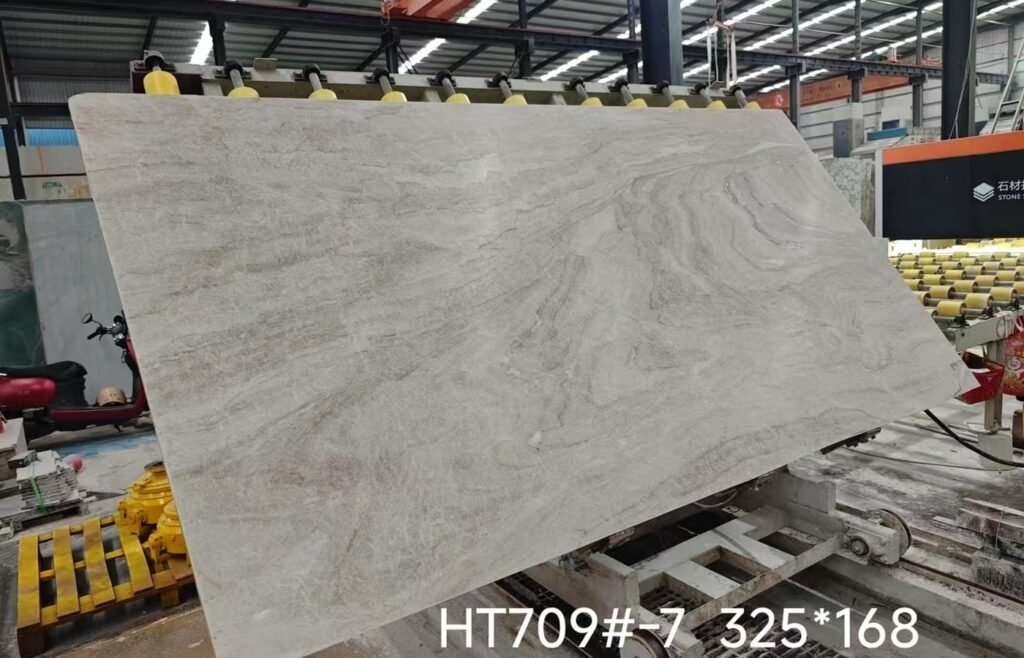
Slab Selection Workflow (Project-Level Standard)
Step 1: Define Project Requirements
- Application (kitchen, wall, commercial)
- Dimensions
- Quantity
Step 2: Slab Selection (Video or On-Site)
Methods:
- High-resolution video inspection
- Slab numbering and marking
- Inventory reservation
👉 Prevents “random shipment risk.”
Step 3: Layout Planning
Critical considerations:
- Cutting positions
- Joint placement
- Vein direction
👉 Directly impacts final visual outcome
Step 4: Mockup Approval
Used for:
- Client approval
- Design validation
Step 5: Order Lock & Production
Must confirm:
- Batch number
- Quantity
- Fabrication drawings
Common Risks in Slab Procurement
Risk 1: Batch Inconsistency
Result:
- Visible color variation
- Project failure
👉 Solution: One-time full procurement
Risk 2: Ignoring Material Loss
Common mistake:
- Estimating by net area only
👉 Correct approach:
- Add 10%–25% extra material
Risk 3: No Layout Planning
Result:
- Disorganized veining
- No bookmatch effect
Risk 4: Poor Fabrication Capability
Issues:
- Edge chipping
- Inaccurate profiling
👉 Always select professional fabrication facilities
Price Structure & Cost Control
Cost Components
- Raw block cost
- Cutting cost
- Polishing cost
- Logistics and shipping
Key Price Factors
- Slab grade
- Size
- Thickness
- Rarity of veining
Cost Optimization Strategies
- Optimize layout planning
- Reduce material waste
- Standardize dimensions
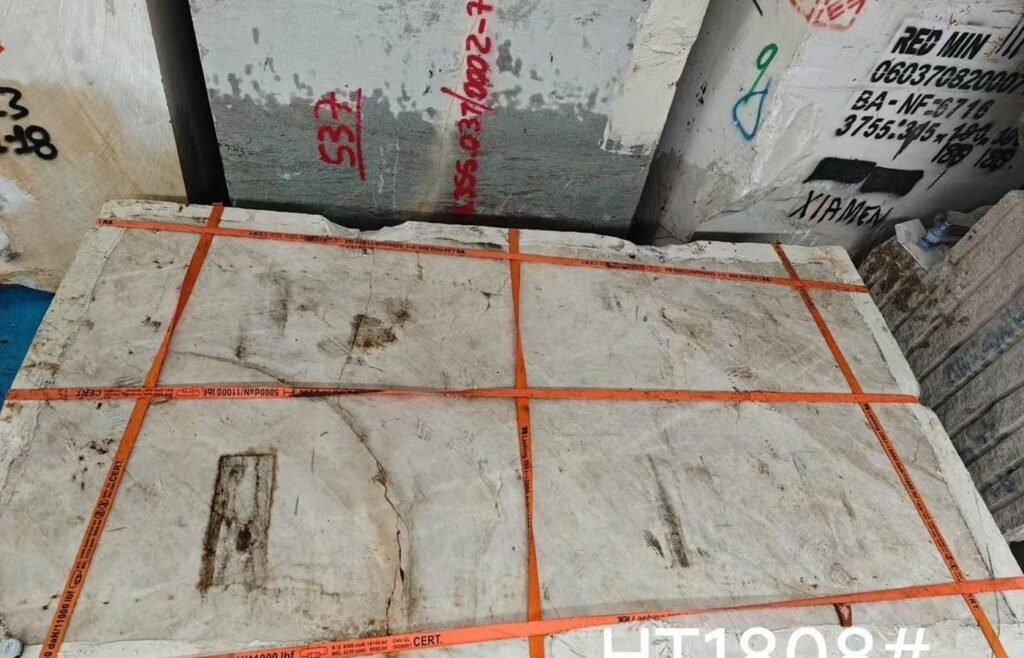
2026 Procurement Trends
Trend 1: Full-Slab Integrated Design
- Seamless countertops
- Full-height feature walls
Trend 2: Growth in High-End Residential
- Increasing demand for customization
Trend 3: Commercial Space Upgrading
- Hotels and retail spaces prefer natural stone
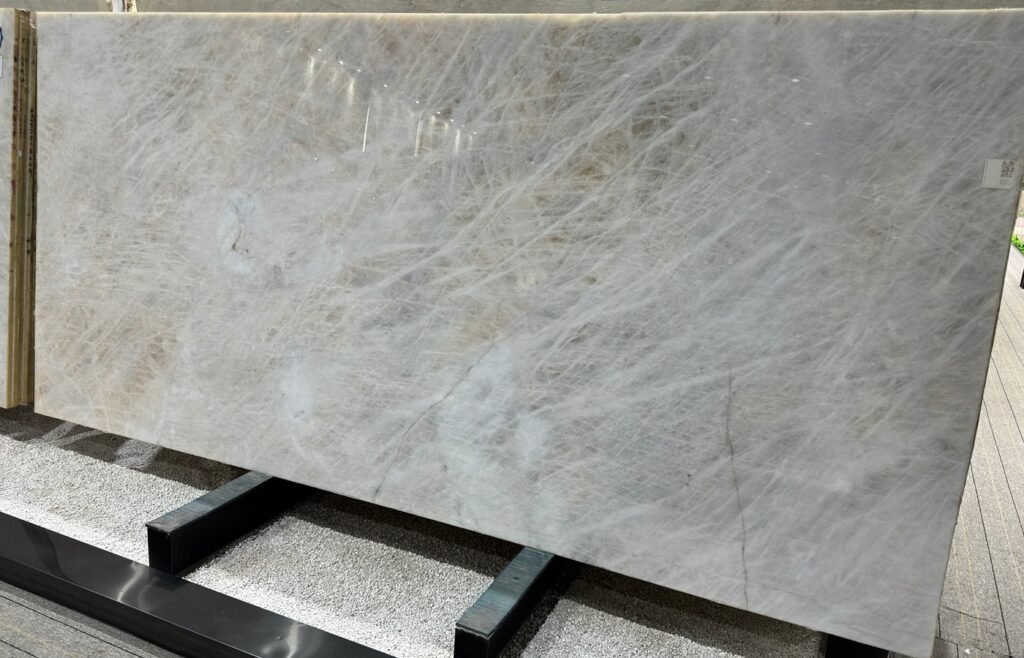
Conclusion
Taj Mahal Quartzite slab procurement is not a simple material selection process — it is a multi-dimensional system involving:
- Design
- Engineering
- Supply chain coordination
- Cost management
Successful projects depend on:
✔ Accurate slab selection
✔ Strict batch control
✔ Scientific layout planning
✔ Professional fabrication
Only by controlling quality at the slab level can the final applications — countertops, walls, and commercial installations — achieve true premium results.
FAQ
1. What is a quartzite slab?
A large natural stone panel cut from quarry blocks is used as the base material for fabrication.
2. What thickness is best for countertops?
30mm is preferred for durability and a premium appearance.
3. How to ensure color consistency?
Select slabs from the same batch and reserve inventory before production.
4. How much extra material should be ordered?
Typically, 10%–25% extra to account for cutting loss.
5. What is bookmatching?
A technique where adjacent slabs mirror each other to create symmetrical patterns.