Micro Summary
Introduction: Why the Taj Mahal Quartzite Island Deserves a Closer Look?
—
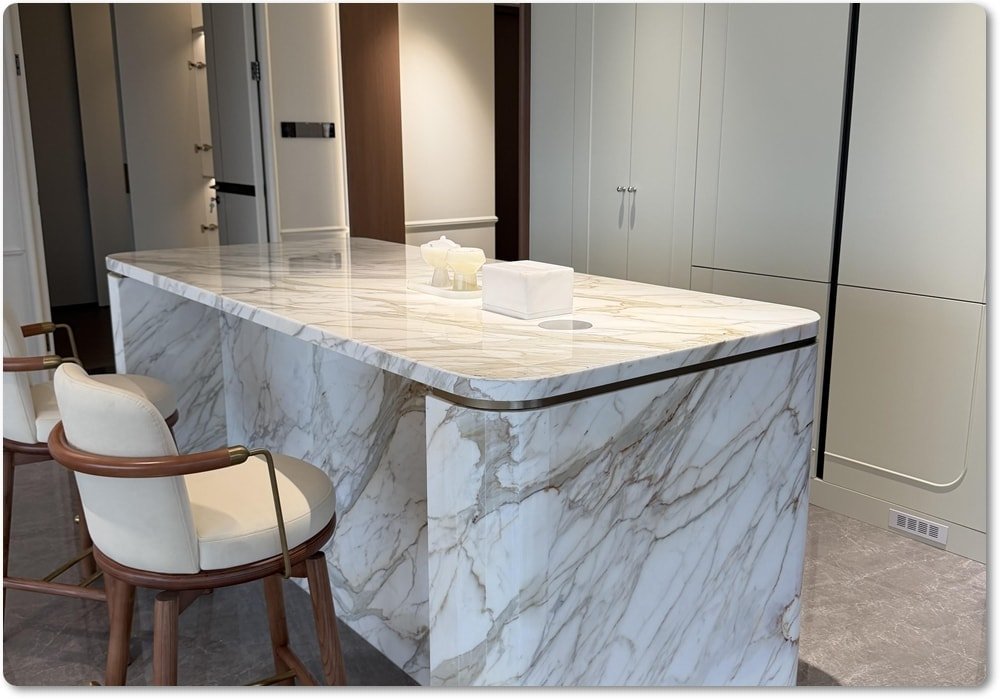
A kitchen island is more than a countertop — it is the social nucleus, the prep zone, and frequently the show’s focal point. Selecting the right surface material for that island is a design decision with practical consequences. Taj Mahal quartzite is increasingly specified for islands because it blends the luminous aesthetic of marble with the resilience of quartzite. This article examines why designers and homeowners select Taj Mahal quartzite for kitchen islands, compares it with common alternatives, breaks down initial and lifetime costs, and provides hands-on guidance for purchasing, installation, and upkeep.
What Is Taj Mahal Quartzite? Material Profile and Finishes
—
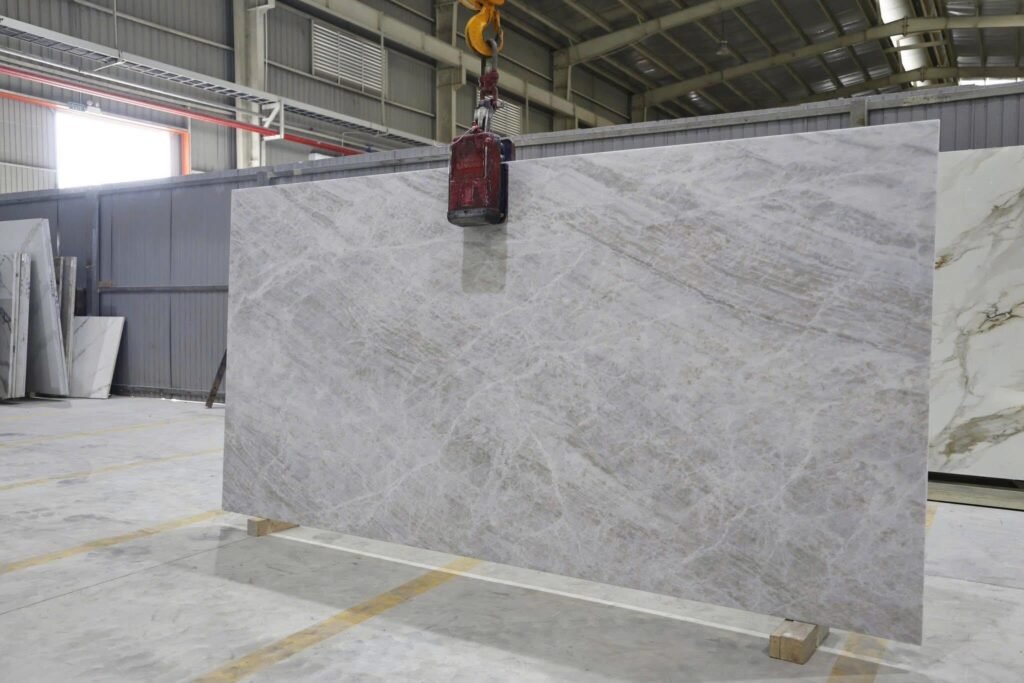
Taj Mahal quartzite is a naturally occurring metamorphic stone formed from sandstone under heat and pressure. Unlike engineered quartz, which is manufactured from resins and ground stone, Taj Mahal quartzite is a natural slab with interlocked quartz grains that give the material superior hardness and light refraction. Visually, its palette ranges from creamy ivory to warm beige with soft golden veins and occasional subtle movement—qualities that make it highly complementary to white and off-white cabinetry.
Common finishes used on kitchen islands include:
Polished — glossy, reflective surface that enhances color and veining; suits formal or luxury islands.
Honed — matte, low-sheen finish for contemporary kitchens; reduces reflection and hides minor wear.
Leathered — textured finish that adds tactility, hides fingerprints, and is forgiving for heavy daily use.
Each finish affects both aesthetics and maintenance: polished shows depth and is easiest to clean, while honed and leathered finishes may require slightly more attentive care or more frequent sealing, depending on use.
Taj Mahal Quartzite vs Alternatives: Decision Drivers for Kitchen Islands
—
Choosing a material involves balancing aesthetics, performance, cost, and long-term value. Here’s how Taj Mahal quartzite compares with common island surfaces:
Taj Mahal quartzite vs Engineered Quartz — Engineered quartz offers consistent color and low maintenance, but is more susceptible to thermal shock and can discolor under UV exposure. Quartzite provides better heat tolerance and authentic natural variation that many buyers prefer for a focal island.
Taj Mahal quartzite vs Marble — Marble offers dramatic veining and classical elegance, but is softer and more prone to etching and staining. Quartzite delivers marble-like beauty with far greater hardness and resistance to heavy kitchen use.
Taj Mahal quartzite vs Granite — Granite is durable and available in many colors, but Taj Mahal quartzite often reads lighter and warmer; it can feel more inviting next to white cabinetry. Both are robust; quartzite typically has the edge in scratch and heat resistance.
Decision matrix: prefer Taj Mahal quartzite when the island is intended to be a lasting centerpiece that combines refined aesthetics with functional resilience.
Visual Impact: Styling a Taj Mahal Quartzite Kitchen Island
—
An island clad in Taj Mahal quartzite creates a focal point that anchors the kitchen’s visual composition. Here are practical styling rules that maximize impact:
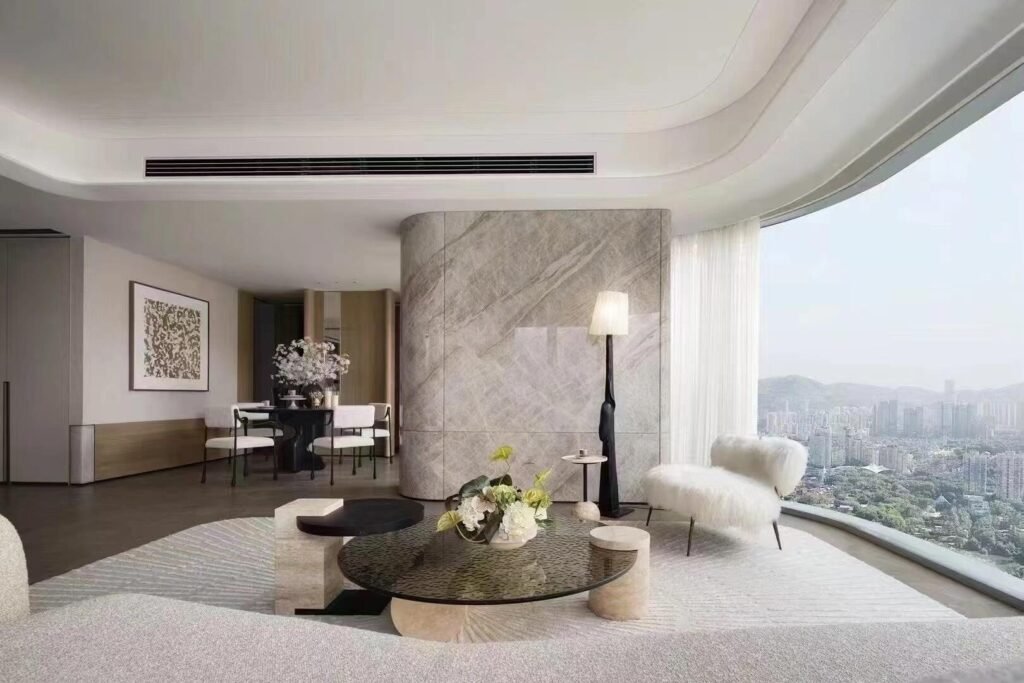
Pairing with cabinets: White or off-white cabinets create a high-contrast, timeless pairing; mid-tone or darker island bases create a two-tone look that frames the stone. Warm wood tones harmonize with quartzite’s creamy undertones for a cozy palette.
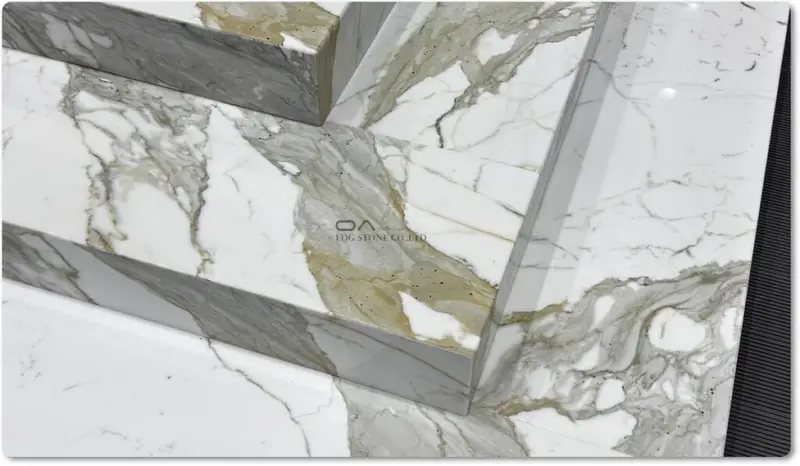
Waterfall edges: Extending the slab down the island face emphasizes the stone’s continuous pattern and creates drama. Bookmatched waterfall islands yield an architectural effect but require larger slabs and careful fabrication.
Edge profiles: Simple eased or chamfered edges are durable and modern; ogee or bullnose edges are traditional but add fabrication cost.
Backsplash coordination: Islands don’t exist alone—coordinate the island stone with the backsplash and perimeter countertops to maintain sightline harmony. A Taj Mahal quartzite island can be paired with a simpler perimeter material (e.g., honed quartz) to balance luxury and budget.
Lighting is key: natural daylight and layered task lighting reveal the stone’s depth and veining, while pendant lighting over the island can highlight texture (especially with leathered finishes).
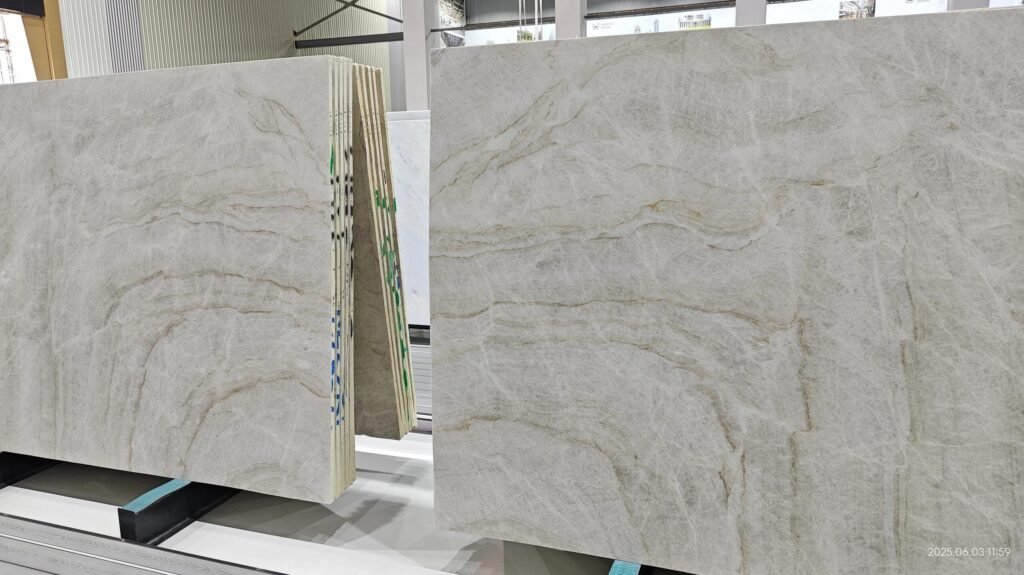
Functional Design: Workflows, Integrated Elements, and Durability
—
A kitchen island has multiple roles: food prep, casual dining, appliance integration, and storage. Taj Mahal quartzite stands up well to these functions due to its hardness and thermal resistance.
Integrated sinks and undermount details: Undermount sinks are common in islands; proper reinforcement and seam placement are critical. Ensure fabricators use sound bonding methods and recommend compatible sink types (stainless steel and fireclay are typical).
Cooktop zones and heat concerns: Quartzite tolerates hot pans better than engineered quartz and resists thermal shock. Nonetheless, trivet use is recommended, and proper clearance planning for gas ranges or induction cooktops should be observed.
Traffic and seating: Seating overhangs require substrate reinforcement. Use engineered supports below longer cantilevers. Leathered finishes can resist visible wear where elbows and dining surfaces meet.
Design the island layout so heavy work zones (sink, cooktop) are separated from casual dining areas to minimize everyday wear on visible surfaces.
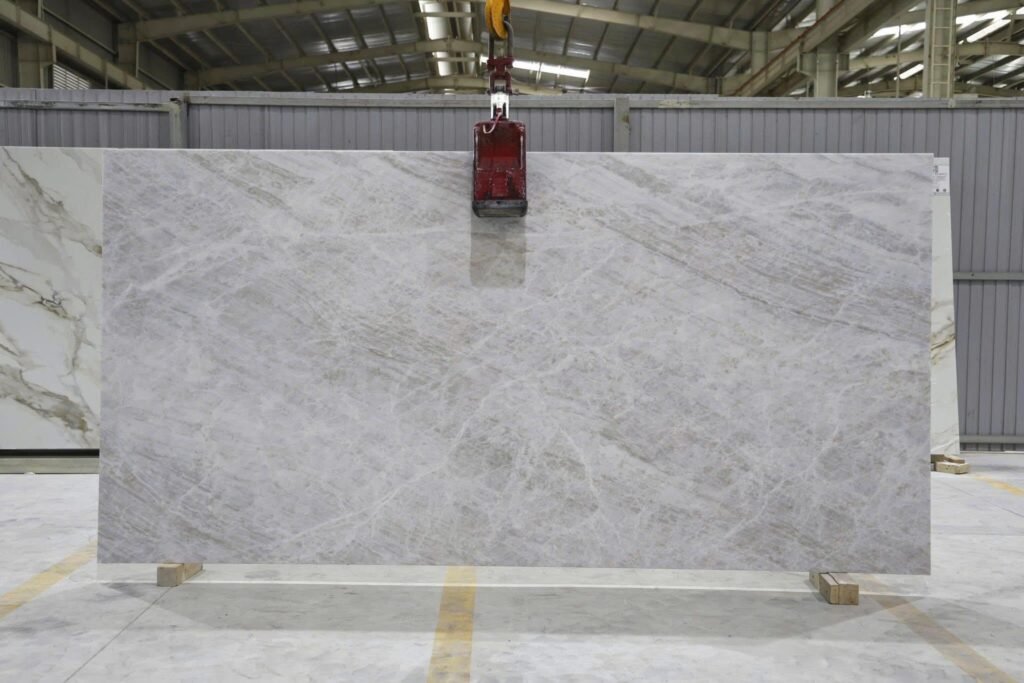
Upfront Costs: Material, Fabrication, and Installation Considerations
—
Taj Mahal quartzite sits in the premium natural stone category. Costs depend on slab grade, thickness, finish, fabrication complexity, and regional labor.
Material cost: Slab quality ranges from entry-level to premium; bookmatched or highly figured slabs command higher prices. Thicker slabs (3 cm vs 2 cm) add cost and weight.
Fabrication: Fabrication costs cover cutting, edge profiles, sink and cooktop cutouts, polishing or leathering, and bookmatching. Complex waterfall edges and mitred seams increase labor and risk (hence price).
Installation expenses: Transport, crating, and local installation labor vary by region. Large islands may require engineered support and on-site bracing during installation.
Hidden fees: Seismic or building code reinforcements, import tariffs (for imported slabs), and special handling for bookmatched pairs can raise the total budget.
Cost-reduction strategies:
Purchase factory-direct or wholesale to reduce markups.
Select honed or leathered finishes only where appropriate to balance appearance and budget.
Consolidate orders to reduce freight and slab waste.
While initial outlay is higher than some alternatives, the island’s centrality often justifies the investment because of the aesthetic and resale benefits.
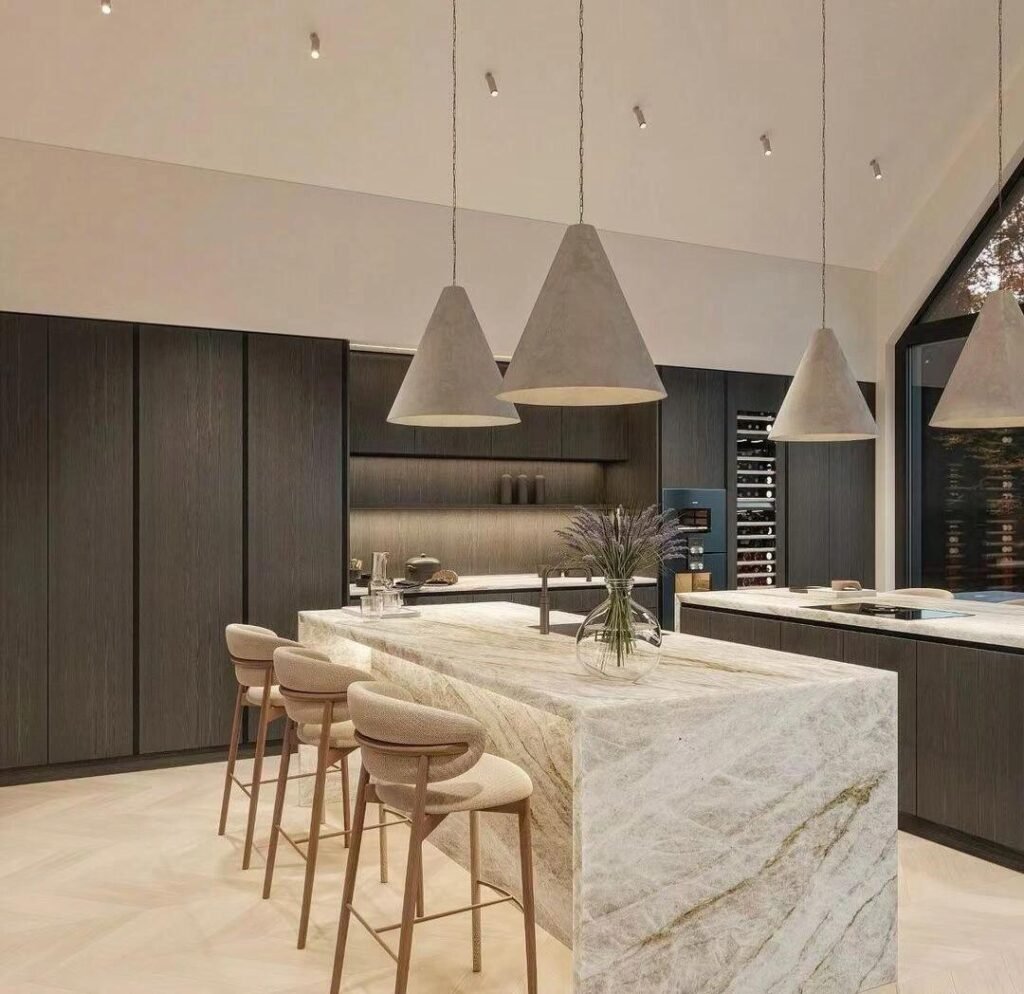
Long-Term Maintenance & Lifecycle Costs for Islands
—
The real comparison to alternatives emerges once lifetime costs are considered.
Routine maintenance: Daily cleaning with pH-neutral stone cleaner and microfiber cloths keeps the surface pristine. Avoid acidic cleaners, which can affect some finishes. Polished surfaces are simplest to maintain; honed or leathered finishes may hide light scratches but can appear to require more frequent cleaning.
Sealing: Depending on finish and use, resealing every 12–24 months is typical. Polished quartzite may need less frequent sealing than honed or leathered surfaces. Sealers are an annual budget line item, andthe the cost depends on the product and professional service vs DIY.
Repairs: Quartzite resists scratches and chips; when repairs are needed, they are often localized. Replacing a damaged section of an island is costly because of matching and seam work, so prevention matters.
Annualized cost model:
Yearly cleaning supplies and minor resealing: modest.
Every 10–20 years: possible professional honingpolishingh or spot repairs.
Compared with marble (higher repair/polish needs) and engineered quartz (possible UV degradation over time), quartzite’s long lifespan often makes it financially favorable over a 15–25 year horizon.
Case Studies & Project Scenarios: Three Island Archetypes
—
Scenario 1 — City Apartment Compact Island
20–30 sq ft surface area, single slab, simple edge, undermount sink.
Material: mid-grade Taj Mahal quartzite.
Benefits: creates visual luxury in a tight footprint; lower material waste.
Cost considerations: moderate fabrication; minimal freight.
Scenario 2 — Family Mid-Size Island with Seating and Sink
40–60 sq ft, integrated sink and seating overhang, partial waterfall.
Material: mid-to-premium slab for continuity; honed finish for wear.
Benefits: durable daily surfacing and social hub.
Cost considerations: reinforcement required for overhangs; higher fab for sink cutouts.
Scenario 3 — Designer Bookmatched Waterfall Island
80+ sq ft, bookmatched slabs, full waterfall, premium finish.
Material: premium-grade bookmatched Taj Mahal quartzite.
Benefits: architectural centerpiece with strong resale signal.
Cost considerations: highest initial material and fabrication expense; requires careful slab coordination and transport.
Each scenario should include a tailored maintenance plan and an expected 10-year ownership cost schedule to evaluate TCO against alternatives.
Purchasing & Supply Chain: Manufacturer, Factory, Wholesale Advice
—
Sourcing strategy affects not only cost but consistency and risk:
Manufacturer / Factory direct: Best for large projects; lower per-sq-ft pricing and greater control over slab selection and bookmatching. Ask for inspection photos and certificates of origin.
Wholesale: Useful for multiple-unit projects and developers; negotiate volume discounts and consolidated shipping.
Local slab yard / Distributor: Offers immediate selection and on-site inspection, but often ata higher retail markup.
What to ask suppliers:
Provide slab lot photos and measurements.
Confirm finish options and sample pieces.
Clarify lead times, crating, and freight terms.
Ask about minimum order quantities for book-matching.
EDG Stone and established manufacturers can assist with factory-level inspections, slab sorting, and shipping logistics for island projects.
Regulations, Sustainability, and Industry Trends Impacting Islands
—
Environmental regulations and sustainability expectations influence both price and procurement practices. Responsible quarry management, waste reduction at fabrication, and traceability are becoming central to procurement policies for high-end projects. Durable, long-life materials like Taj Mahal quartzite align well with green building goals by reducing replacement frequency and embodied carbon associated with rework. Designers and specifiers are increasingly requesting chain-of-custody documentation and quarry impact statements from suppliers—factors that can slightly increase upfront cost but improve marketability and compliance.
Installation Checklist & Fabrication Specifications
—
A practical checklist minimizes delays and prevents costly mistakes:
Pre-purchase
Inspect full slabs and bookmatch pairs in person or via high-resolution photos.
Confirm slab thickness and finish.
Validate cutlist and seam placement.
On-site
Verify structural support for overhangs.
Ensure access and crane or lift requirements are planned.
Coordinate appliance and plumbing rough-ins with fabricator cutouts.
Post-install
Requestthe manufacturer or fabricator’s sealing documentation.
Record maintenance guidance and warranty details with homeowner packets.
A disciplined process from slab selection to post-install care ensures a successful island delivery.
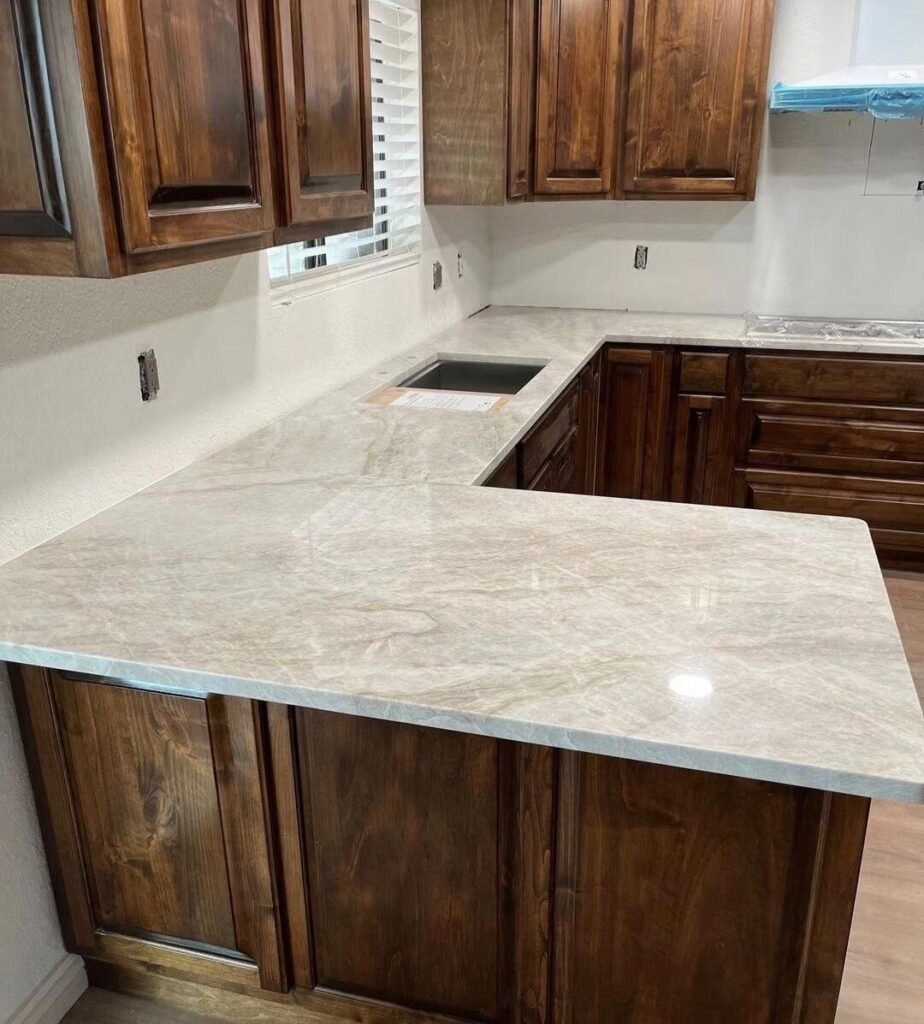
FAQ — Google Hot-Search Style
—
Q1: Is Taj Mahal quartzite expensive for a kitchen island?
A: Taj Mahal quartzite is typically in the premium price tier compared with common engineered quartz options. However, when considering durability, heat resistance, and long-term aesthetic value, many owners find the island investment justified—especially for high-use and display islands where resale value and visual impact matter.
Q2: How does Taj Mahal quartzite compare to quartz for islands?
A: Quartzite offers superior heat tolerance and natural variation that engineered quartz cannot fully replicate. Quartz is low maintenance and consistent, but may be more susceptible to UV fade and thermal issues on active cooktop islands or in sunlit spaces.
Q3: How often should a Taj Mahal quartzite island be sealed?
A: Sealing frequency depends on finish and use: polished surfaces often require less frequent sealing (every 18–36 months), while honed or leathered surfaces may benefit from resealing every 12–24 months. High-use islands may need more frequent attention.
Q4: Can I have an integrated sink or cooktop in a Taj Mahal quartzite island?
A: Yes. Integrated undermount sinks and cooktop cutouts are common. Proper template, fabrication tolerances, and reinforcement are essential to maintain long-term performance. Work closely with an experienced fabricator.
Q5: Where can I buy Taj Mahal quartzite near me — manufacturer or wholesale options?
A: Options include factory-direct purchases for large projects, wholesale suppliers for multi-unit needs, and local slab yards for immediate selection. For bookmatched islands, factory or wholesale sourcing often yields the best slab continuity and pricing.
Semantic Closure — Key Insights & Considerations
Why: It balances marble-like aesthetics with superior hardness and heat resistance, reducing replacement and repair costs over time.
Options: Polished for show-stopping islands; honed for modern, understated looks; leathered for tactile, high-traffic islands. Consider bookmatching for waterfall islands when continuity is essential.
Considerations: Factor in slab selection, fabrication skill, sealing schedule, and structural reinforcement for overhangs. Factory-direct sourcing (manufacturer/factory/wholesale) can lower per-unit cost for large projects.
Trend & Market Signal: Sustainability and traceability are rising procurement priorities; long-life materials like quartzite align well with green building and resale expectations.