Micro Summary
Introduction: Why a Cost-Benefit Analysis of Taj Mahal Quartzite Matters?
Taj Mahal quartzite has become one of the most specified natural stones for high-end kitchens, particularly in projects that demand warmth, durability, and long-term value. Designers, homeowners, and developers often ask the same core questions: Is the higher upfront cost justified? How expensive is maintenance over time? Is Taj Mahal quartzite outdated or still relevant in modern kitchens?
What Is Taj Mahal Quartzite? Material Characteristics and Variations
Geological Origin and Visual Identity
Taj Mahal quartzite is a natural metamorphic stone formed under intense heat and pressure. Unlike marble, which is softer and calcium-based, quartzite is predominantly composed of interlocking quartz crystals. This crystalline structure gives Taj Mahal quartzite its superior hardness and resistance to wear.
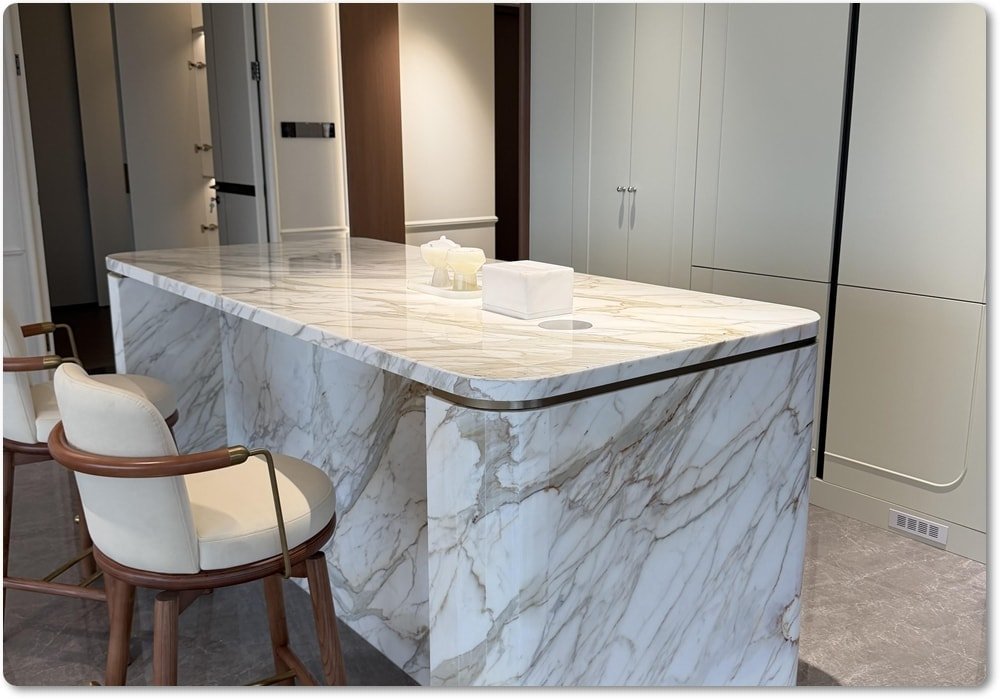
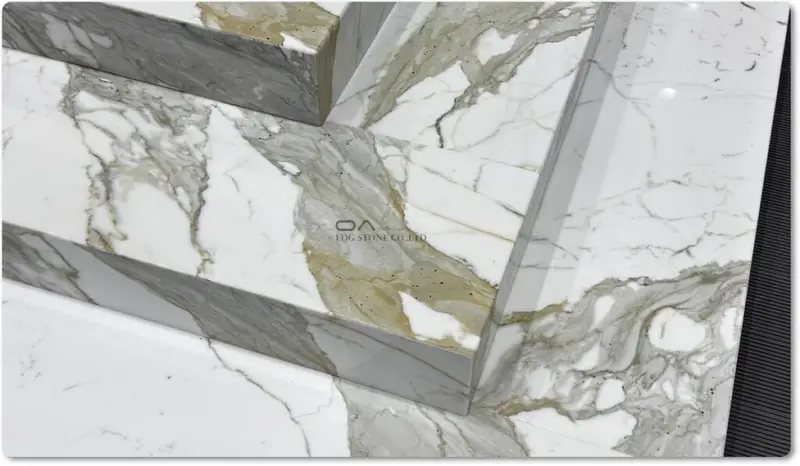
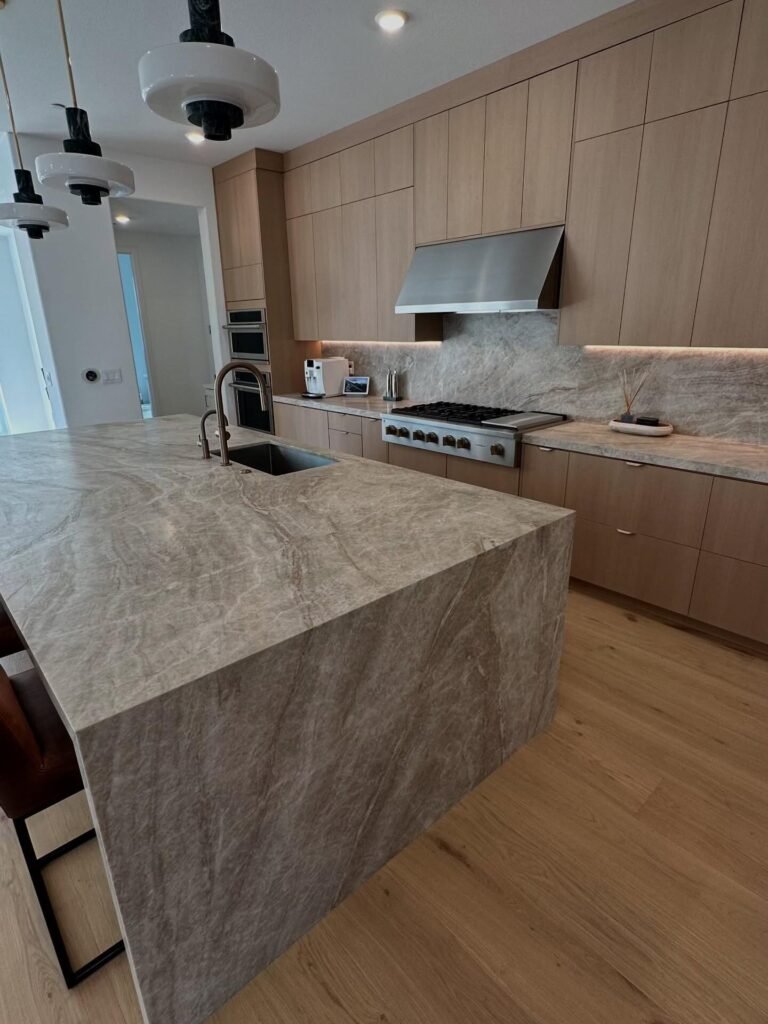
Visually, it is known for its soft ivory-beige base, gentle gold veining, and subtle movement. These characteristics make it particularly popular for Taj Mahal quartzite kitchens with white cabinets, where warmth and contrast are both required.
Finishes and Applications
Common finishes include:
Polished: Reflective and elegant, ideal for statement islands.
Honed: Matte and understated, popular in contemporary kitchens.
Leathered Taj Mahal quartzite: Textured, slip-resistant, and forgiving for daily use.
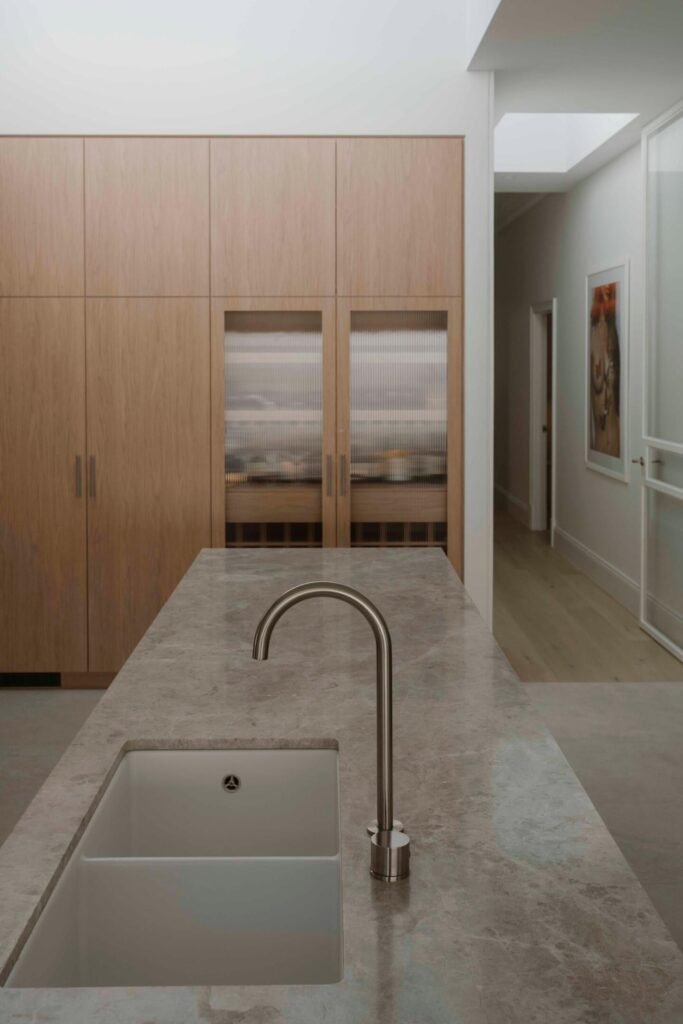
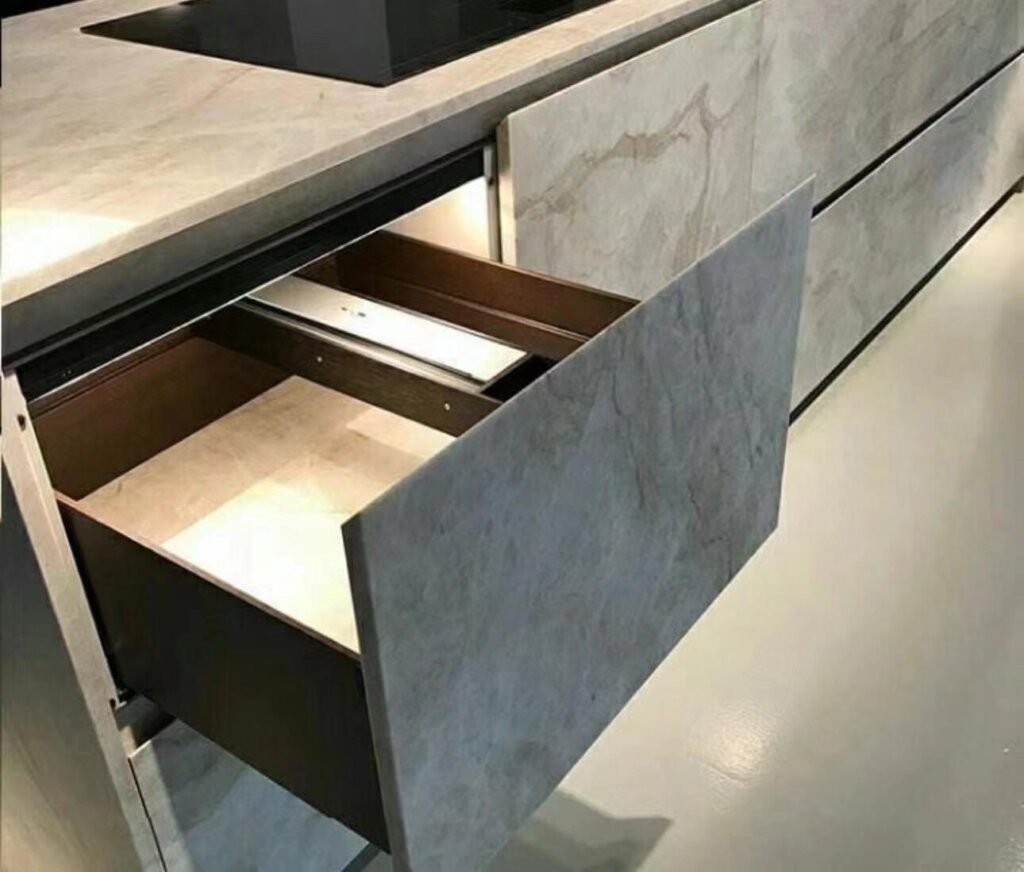
Applications range from kitchen countertops and islands to backsplashes, integrated sinks, and waterfall edges.
Taj Mahal Quartz vs Quartzite
A frequent comparison is Taj Mahal quartz vs quartzite. Engineered quartz mimics the look but lacks the natural depth, heat resistance, and long-term durability of real quartzite. Quartzite withstands hot pans, UV exposure, and decades of use without color degradation—factors that strongly affect lifecycle cost.
Initial Costs: Material, Fabrication, and Installation
Material Pricing Overview
The price of Taj Mahal quartzite typically falls into the premium natural stone category. Pricing is influenced by slab quality, origin, thickness, and finish.
Entry-grade slabs: Suitable for secondary surfaces or smaller kitchens.
Mid-grade slabs: Balanced veining and consistent color.
Premium-grade slabs: Bookmatched, minimal resin, high clarity.
Buying directly from a manufacturer or factory-level supplier such as EDG Stone can significantly reduce per-square-foot costs, especially for large kitchen islands or multi-surface projects.
Fabrication and Customization Costs
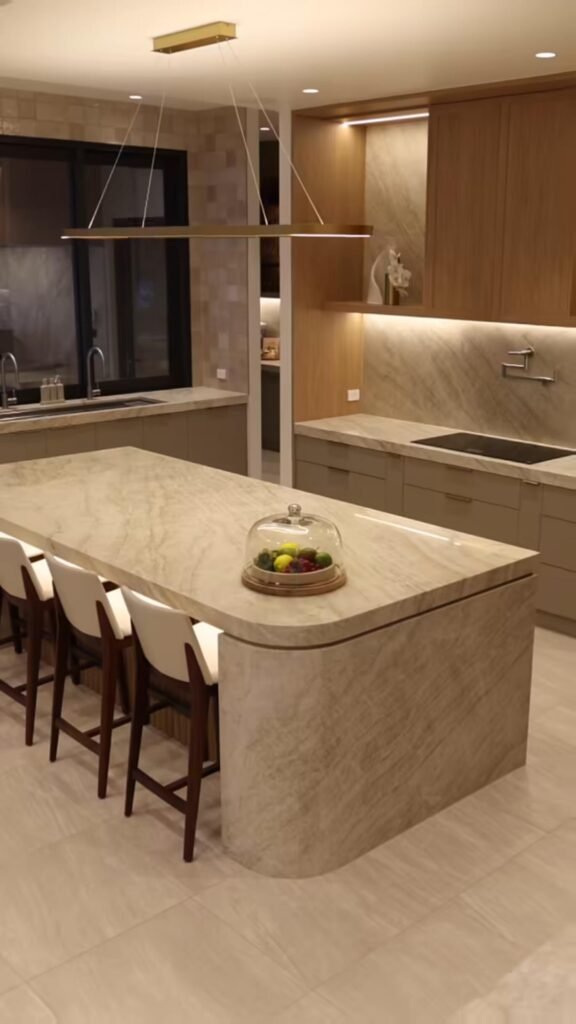
Fabrication includes cutting, edging, sink cutouts, and polishing or texturing. Complex layouts, such as Taj Mahal quartzite kitchen islands with waterfall edge,s increase labor costs but also enhance visual impact and resale value.
Installation and Ancillary Expenses
Installation costs vary by region and project complexity. Additional expenses may include:
Crating and inland transportation
Sealing prior to installation
Reinforcement for large spans
Custom backsplashes or integrated sinks
Initial investment is higher than quartz or granite, but it represents only one component of total ownership cost.
Long-Term Maintenance Costs and Practical Upkeep
Routine Maintenance
Taj Mahal quartzite requires simple, predictable maintenance:
Daily cleaning with neutral stone cleaners
Periodic resealing (typically every 12–24 months for honed or leathered finishes)
Annual maintenance costs are generally low when compared to marble, which often requires frequent polishing and stain remediation.
Repair and Risk Mitigation
Due to its hardness, quartzite resists scratching and chipping better than many natural stones. In the rare case of damage, spot repairs are usually localized and do not require full surface replacement.
Real-World Maintenance Cost Scenarios
Over 15 years, most homeowners spend a fraction of the maintenance cost associated with softer stones. This significantly lowers the long-term financial burden and improves predictability for developers and property managers.
Durability, Lifespan, and Total Cost of Ownership
Expected Lifespan
Taj Mahal quartzite routinely performs for 25 years or more in residential kitchens without structural degradation. This lifespan exceeds most engineered surfaces.
Total Cost of Ownership (TCO)
When combining:
Initial material and installation cost
Maintenance and resealing
Repair probability
Replacement avoidance
…the total cost of ownership often favors quartzite over cheaper alternatives that require earlier replacement.
Sustainability and Lifecycle Considerations
Long lifespan directly reduces environmental impact by minimizing replacement cycles. In markets with increasing sustainability regulations, durable natural materials align better with long-term compliance trends.
Design Value and Market Relevance
Is Taj Mahal Quartzite Outdated?
No. Taj Mahal quartzite remains highly relevant due to its adaptability. It complements both classic and modern kitchen design trends, especially minimalist layouts and warm neutral palettes.
Resale and Perceived Value
Homes featuring Taj Mahal quartzite countertops consistently show stronger buyer appeal. Real estate professionals frequently cite natural quartzite as a premium differentiator in luxury listings.
Where to Buy: Manufacturer, Factory, and Wholesale Channels?
Sourcing directly from a factory or manufacturer reduces cost volatility and ensures access to consistent slab quality. Wholesale channels are especially advantageous for:
Large kitchen projects
Multi-unit developments
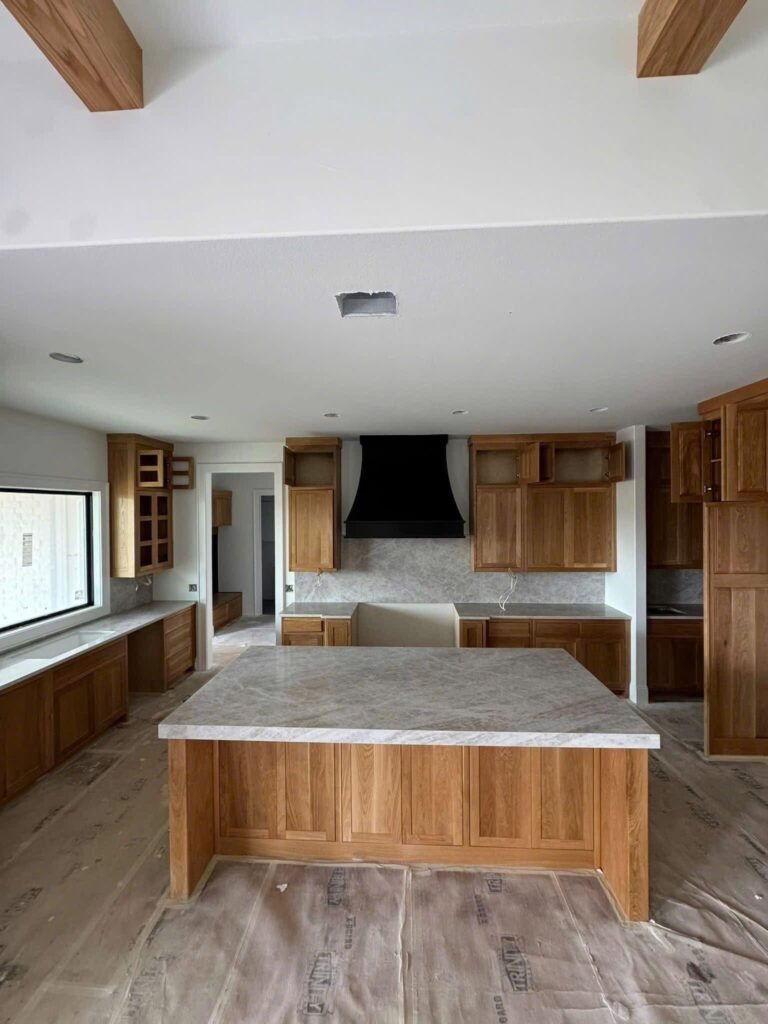
Custom bookmatched islands
Direct sourcing also improves transparency regarding origin, processing standards, and lead times.
Regulations, Compliance, and Industry Direction
Environmental regulations increasingly favor materials with long service life and reduced replacement frequency. Natural quartzite aligns well with these trends, particularly as restrictions tighten around resin-heavy engineered surfaces.
Manufacturers are also responding to stricter quarry management standards, improving traceability and responsible sourcing—factors that influence both price stability and long-term availability.
Comparative Analysis: Quartzite vs Alternatives
Quartzite vs Quartz: Quartzite offers superior heat resistance and longevity.
Quartzite vs Marble: Quartzite delivers similar elegance with far lower maintenance.
Quartzite vs Granite: Quartzite provides a softer, more refined aesthetic with comparable durability.
For kitchens with heavy daily use, quartzite consistently delivers better long-term value.
Practical Buying and Maintenance Checklist
Verify slab photos and lot consistency
Confirm the finish type and sealing method
Plan seam placement for islands
Establish a simple resealing schedule
Project Cost Scenarios (Illustrative)
Scenario A: Small Kitchen Countertops
Moderate initial cost
Minimal maintenance
Strong durability for daily use
Scenario B: Full Kitchen with Island and Backsplash
Higher upfront investment
Long-term cost efficiency
Strong resale impact
Scenario C: Premium Bookmatched Island
Highest initial cost
Architectural centerpiece
Maximum value retention
Semantic Closure — Key Insights & Considerations
Why: Higher upfront cost is offset by extended lifespan and reduced replacement risk.
Options: Polished for luxury impact, honed for modern kitchens, leathered for high-traffic environments.
Considerations: Initial sourcing, fabrication quality, and proper sealing determine lifetime performance.
Market Trend: Demand continues to grow as buyers prioritize durability, natural aesthetics, and regulatory alignment.
FAQ (Google Hot-Search Style)
1. Is Taj Mahal quartzite outdated?
Taj Mahal quartzite is not outdated. Its neutral color palette and natural veining allow it to adapt to evolving kitchen trends. It remains highly desirable in both modern and transitional designs.
2. How much does Taj Mahal quartzite cost per square foot?
Pricing varies by slab quality and sourcing method. Factory-direct and wholesale purchases typically offer better value than retail slab yards.
3. Taj Mahal quartz vs quartzite: which is better for kitchens?
Quartzite is better for heat resistance, UV stability, and long-term durability. Quartz offers consistency but may have a shorter effective lifespan in demanding kitchens.
4. How often does Taj Mahal quartzite need sealing?
Most installations require resealing every one to two years, depending on finish and usage. Leathered and honed surfaces may require slightly more frequent sealing.
5. Is Taj Mahal quartzite suitable for kitchen islands and sinks?
Yes. Its strength and resistance to heat make it ideal for islands, integrated sinks, and high-use kitchen zones.