
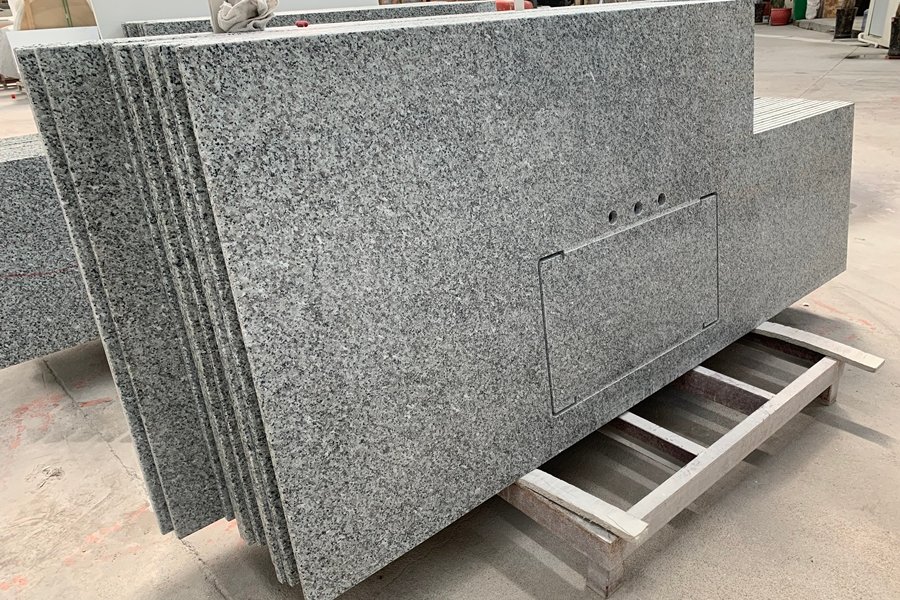
Bulk sourcing—especially when importing heavy, low-margin products like stone countertops, vanity tops, and slabs—looks attractive on an invoice per-unit basis. But the total landed cost includes many moving parts beyond the FOB price: ocean freight surcharges, carrier demurrage and detention, port terminal handling charges, customs duties and antidumping/countervailing (AD/CVD) duties, brokers’ fees, inspections, and sometimes steep penalties where authorities suspect tariff circumvention. Accurate cost management means anticipating these hidden charges and designing supply-chain, legal, and commercial defenses to avoid them. This long-form guide gives procurement leaders practical tactics, regulatory context, data-backed signals, and a ready checklist so bulk buys don’t become profit-eating surprises.
Why hidden freight & tariff costs matter now?
Tariff policy volatility and intensified enforcement have made “unexpected fees” a larger share of landed cost. CBP and enforcement partners have stepped up investigations into transshipment and misclassification, and regulators are more frequently imposing retroactive duties and penalties. Meanwhile, ocean carriers and terminals continue to apply a variety of contractual surcharges (peak season surcharges, bunker/fuel adjustments, terminal handling charges) and punitive demurrage/detention fees when cargo is delayed — charges that can outstrip the product margin for low-margin bulk goods. For companies importing at scale, these variables materially change profitability and inventory decisions. Recent industry briefings and advisory reports emphasize increased enforcement and the need for proactive classification and supply-chain design.

The common hidden charges that catch purchasing managers out
Customs duties and unexpected tariff escalations
Basic import duties are usually planned, but antidumping/countervailing duties (AD/CVD) or new reciprocal tariffs can be applied suddenly or retroactively. For some engineered stone products, combined AD/CVD rates have been dramatic in recent years — turning a low-margin import into very high duty exposure. Stay aware that tariff lines and country-specific measures can change rapidly.
Transshipment and circumvention penalties
Imports routed through intermediate countries to avoid duties (transshipment) are a major enforcement target. CBP and DOJ have increased enforcement and penalties for circumvention; large recent enforcement actions show that authorities are willing to levy significant fines and deny mitigations. Don’t assume re-routing by a forwarder shields you from origin-based duties.
Demurrage & detention (container holding / dwelling fees)
When containers remain at terminals or in importer control beyond free time, carriers/terminals charge per-container, per-day fees. These can range from tens to hundreds of dollars per container per day, quickly multiplying for a big bulk shipment and turning savings into losses. Real-world analyses show demurrage/detention revenue has been significant for carriers and terminals.
Freight surcharges and variable fees
Bunker Adjustment Factor (BAF), Peak Season Surcharge (PSS), Currency Adjustment Factor (CAF), Terminal Handling Charges (THC), and carriers’ ancillary fees. Some carriers also add “congestion” or “equipment imbalance” fees — these move with market conditions and are often applied with little prior notice. Drewry and other index providers track container rate volatility, which influences surcharge timing.
Customs broker, inspection, and compliance costs
Broker fees, customs examinations, fumigation, phytosanitary inspection, and samples can produce additional line items. Random or risk-profiled exams can create storage time and demurrage exposure, plus extra costs if rework is needed. CBP also issues “withhold release orders” and detentions in suspect cases, which create days of delay and high storage/inspection fees.
Anti-circumvention enforcement & retrospective duties
Even if you think you complied at entry, aggressive post-entry audits can trigger dollar adjustments and penalties years later — creating retroactive landed cost spikes and reputational risk. Legal firms and auditors warn that governments are investing in detection and enforcement.

How U.S. tariffs & policy shifts reshape freight economics (what procurement must track)?
Tariff policy doesn’t just change duty percentages — it reshapes route economics, carrier demand, and modal choices. When tariffs increase on imports from one country, buyers may:
Shift production to alternative low-duty countries (increasing lead times and sometimes freight costs).
Re-route via third countries, but transshipment controls may catch this and trigger enforcement.
Switch to larger, less frequent shipments to amortize fixed costs — increasing dwell risk and demurrage exposure.
These behaviors have been observed in recent analyses of supply-chain rearrangement; freight indices and consultancy notes show that tariff announcements correlate with shifts in modal mixes and port volumes. The key is: tariff-induced behavior can amplify hidden freight exposure unless the procurement team adjusts commercial and logistics terms proactively.

Practical, legal (compliant) strategies to reduce hidden tariff & ocean freight costs
Below are actionable strategies — combine several for best results:
1) Get the HTS classification and valuation right — invest in quality customs expertise
A precise Harmonized Tariff Schedule (HTS) classification can mean the difference between a low duty line and a high AD/CVD liability. Classification engineering is legal when honest — reclassifying to an accurate subheading backed by product specs and rulings saves money; falsifying origin or value is illegal. Use an experienced customs broker or trade attorney and obtain formal rulings if ambiguity persists. Rulings and prior decisions (e.g., CBP rulings portal) are powerful defenses.
2) Confirm country-of-origin and use preferential trade programs when eligible
Use free trade agreements (USMCA, bilateral FTAs) where product rules of origin apply. If parts qualify, leverage preferential tariffs. But retain supplier certificates of origin and audit trails — CBP checks are increasing. CBP announcements indicate continuing refinement of preferential rules and enforcement.
3) Use bonded logistics and in-bond shipments to defer duties and avoid demurrage traps
Bonded warehouses or in-bond movements can defer duties until goods are consumed or re-exported. This is especially valuable if you’re transloading or reworking goods domestically before making a final duty decision. It also removes immediate pressure to pick up cargo from terminal yards where demurrage accrues.
4) Negotiate Incoterms to shift risk and cost clarity
Use Incoterms strategically: DDP (Delivered Duty Paid) transfers tariff and customs risk to the seller (if they offer it), while CIF/FOB leaves importing risk to the buyer. Some buyers prefer DDP for predictable landed cost; others retain import responsibility to access duty mitigation strategies.
5) Design shipments to minimize container dwell and terminal delays
Work with carriers and 3PLs to optimize appointment windows and immediate inland pickup. Use visibility tools (Vessel/Container tracking) and hold back arrival windows so you’re not hit with terminal demurrage due to mis-scheduling. Platforms and visibility providers reduce demurrage exposure by alerting teams early.
6) Consider origin diversification — but avoid transshipment risk
Nearshoring or diversifying factories across compliant low-duty countries reduces country-specific tariff exposure but requires careful costing. Beware of simplistic “transship through X” fixes; governments are explicitly cracking down on circumvention schemes. Ensure legal supply chain redesign rather than stealth rerouting.
7) Use post-entry remedies and protests when warranted
If you’ve overpaid duties, post-entry corrections, protests, and NAFTA/USMCA requests can recover duties — but they require documentation and legal support. Maintain meticulous records to support refunds.
8) Build contractual protections with suppliers and forwarders
Include tariff-change clauses, demurrage cap language, and shared-risk agreements with suppliers and international freight forwarders. Make sure your contract management addresses who bears which ad hoc surcharge and under what notice.

Tactical checklist for purchasing managers (what to do this month?)
Map all landed cost components for a typical bulk stone order: FOB, ocean freight (base + surcharges), THC, ISF/AMS, customs broker fee, duty (HTS + AD/CVD), demurrage/detention buffer, inspection/inspection hold, inland drayage, VAT/consumption tax (if applicable).
Order a binding tariff classification request (or formal ruling) for any ambiguous stone or engineered material. Use the CBP rulings portal for precedent.
Ask suppliers for COOs, mill test reports, and production logs to substantiate origin claims.
Negotiate DDP offers and compare DDP landed cost vs buyer-managed import cost (include buffer for demurrage risk).
Set up a bonded warehouse or an in-bond movement for high-volume, periodic shipments to smooth duty timing.
Contractually cap demurrage responsibility where possible and require forwarder appointment confirmations.
Purchase visibility tools or services (carrier portals, freight visibility platforms) to monitor arrival and reduce dwell.
Keep a regulatory watch: subscribe to CBP, USTR, and reputable trade law advisories; major enforcement trends are signaled months ahead by legal firms and consultants.

Data & market signals (what analysts are saying)
Freight rate indices like Drewry’s World Container Index show continued volatility in container pricing; surcharges follow market stress and capacity shifts. Use indices to benchmark expected base rates.
Studies and consulting reports indicate a meaningful share of U.S. importers experienced logistics cost increases of 10–15% due to tariffs and associated supply-chain shifts; this is not just duty, but broader freight/handling impacts.
Demurrage and detention represent billions in carrier/terminal collections globally in recent years; for big bulk shipments, even modest daily fees compound rapidly. Platform analyses and trade press highlight the scale of this issue.
Five practical case rules (summary)
If it smells like evasion, treat it like enforcement — don’t assume informal routing shields you from origin-based duties.
Classify precisely, document relentlessly — file rulings if needed.
Use bonded options to defer duties and reduce terminal exposure.
Negotiate commercial terms that align with your risk appetite (DDP vs FOB).
Invest in visibility and SLAs to minimize demurrage/detention.
FAQ — Google hot searches (5 questions)
Below are five high-value FAQs that purchasers and importers search for. The exact Q&A follows and is also provided as JSON-LD for direct embedding (preserves wording).
What hidden fees should I expect when importing stone countertops in bulk?
How can I avoid paying unexpected antidumping or countervailing duties on bulk imports?
Why am I being charged demurrage, and how can I reduce it?
Is it legal to route shipments through a third country to avoid tariffs?
What steps should procurement take to estimate landed cost accurately?
Semantic Closure: How / Why / What / Options / Considerations
How — Hidden ocean-freight costs accumulate when shipments experience terminal delays, are reclassified by customs, or when authorities apply AD/CVD or circumvention penalties. Purchasing managers must embed customs classification, documented origin, and bonded logistics into procurement workflows to prevent surprises.
Why — Tariff unpredictability and stricter enforcement raise the stakes for bulk sourcing. Mistakes or opaque routing can produce retroactive duties and punitive fines, while inefficient pickup and scheduling create demurrage/detention liabilities that rapidly erode margins.
What — The main levers to manage risk are (1) legal/compliance controls (accurate HTS, origin docs, audits), (2) logistics design (bonded movement, visibility, appointment management), (3) commercial terms (Incoterms, DDP options, demurrage caps), and (4) strategic sourcing (nearshoring/diversification with compliant documentation).
Options (detailed) — Use bonded warehouses to defer duties; negotiate DDP with suppliers when possible; buy classification rulings for ambiguous items; diversify origins ethically; implement container-tracking and KPI dashboards to reduce dwell time; and set contractual insurance for tariff-change risk.
Considerations (detailed) — Enforce clear recordkeeping and supplier audits, update RFQs to require silica/AD/CVD/COO documentation where product category risk is elevated, and include post-entry audit plans in financial forecasting to protect P&L from retroactive adjustments. Stay subscribed to CBP/USTR/industry advisories — enforcement trends often show months of signals before major actions.