Introduction: The Timeless Appeal of Limestone in Bathroom Design
Natural stone has always been a symbol of elegance and durability in architecture. Among the many materials used in modern interior design, limestone stands out for its soft appearance, subtle color palette, and timeless aesthetic. Designers increasingly choose limestone for bathroom applications because it creates a warm and relaxing environment that complements contemporary design trends.
Bathrooms have evolved from purely functional spaces into private wellness environments. The popularity of spa-inspired interiors and Mediterranean-style homes has increased demand for natural stone materials that evoke calm and authenticity. Limestone countertops provide exactly that. Their smooth textures and warm neutral tones create an atmosphere that feels both luxurious and natural.
Manufacturers such as EDG Stone have recognized this growing trend and are expanding their production of limestone countertop slabs for residential and hospitality projects worldwide. The stone’s natural beauty, combined with modern fabrication techniques, allows limestone to be used in vanities, integrated sinks, shower walls, and bathroom flooring.
Beyond aesthetics, limestone also aligns with modern architectural priorities, including sustainability, natural material sourcing, and long-lasting design. When properly sealed and maintained, limestone countertops can provide years of performance while maintaining their unique visual character.
Understanding Limestone as a Natural Stone
Geological Formation and Composition
Limestone is a sedimentary rock primarily composed of calcium carbonate. It forms over millions of years through the accumulation of marine organisms such as coral, shells, and microscopic algae.
This natural formation process creates distinctive patterns and subtle textures that give limestone its unique visual appeal. Unlike highly crystalline stones such as granite, limestone typically has a softer, more uniform appearance.
Because of this structure, limestone is often associated with historical architecture and classical buildings. Many famous landmarks across Europe and the Mediterranean region are constructed from limestone, demonstrating the material’s durability and timeless beauty.
Limestone Countertop Slab Production
The process of producing limestone countertop slabs begins with quarrying large stone blocks from natural deposits. These blocks are transported to fabrication facilities where they are cut into slabs using diamond wire saws or large block cutters.
After cutting, slabs undergo finishing processes such as honing, brushing, or polishing. Honed limestone countertops are particularly popular in bathrooms because the matte surface reduces reflections and enhances the stone’s natural color tones.
Modern stone factories employ advanced CNC machines to fabricate customized countertop shapes, sink cutouts, and edge profiles. This technology allows manufacturers to produce limestone countertops tailored for specific architectural applications.
Limestone Countertops Colors and Patterns
One of limestone’s greatest advantages is its natural color palette. The stone typically appears in warm and neutral shades, including:
Cream
Beige
Sand
Light gray
Soft ivory
These tones blend seamlessly with wood cabinetry, natural textiles, and earthy interior palettes.
Unlike marble, limestone rarely features dramatic veining. Instead, its patterns are subtle and uniform, making it ideal for calming interior spaces such as bathrooms and wellness areas.
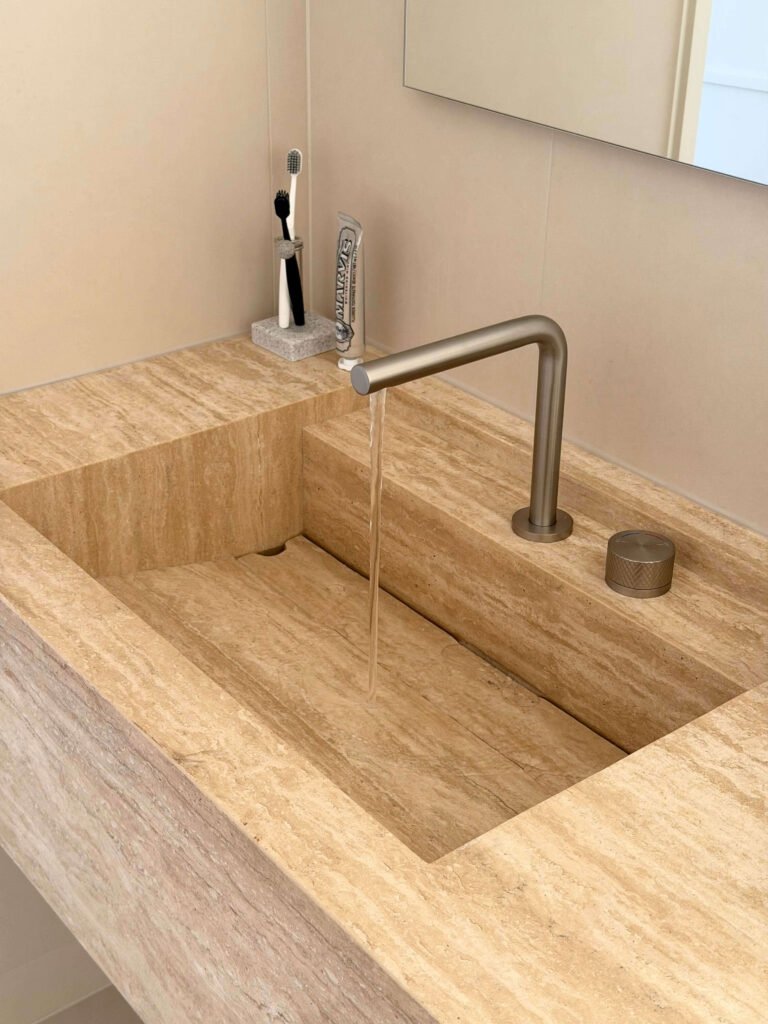
Limestone Countertops Colors and Patterns
One of limestone’s greatest advantages is its natural color palette. The stone typically appears in warm and neutral shades, including:
Cream
Beige
Sand
Light gray
Soft ivory
These tones blend seamlessly with wood cabinetry, natural textiles, and earthy interior palettes.
Unlike marble, limestone rarely features dramatic veining. Instead, its patterns are subtle and uniform, making it ideal for calming interior spaces such as bathrooms and wellness areas.
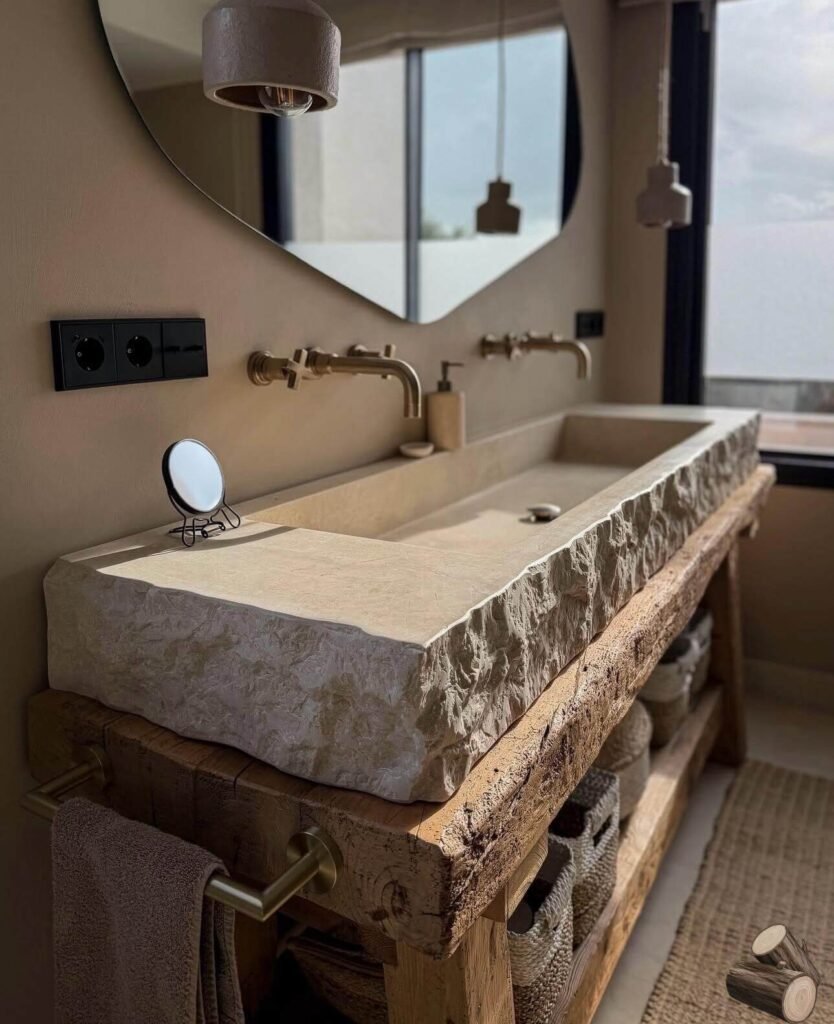
Why Limestone Countertops Are Perfect for Spa-Style Bathrooms?
Creating Calm and Natural Spaces
Spa-inspired bathrooms aim to replicate the peaceful atmosphere of wellness resorts. Designers achieve this effect by incorporating natural materials, soft lighting, and neutral colors.
Limestone countertops fit perfectly into this design philosophy. The stone’s smooth surface and gentle color variations contribute to a tranquil visual environment.
Honed Limestone Countertops for Matte Elegance
Honed finishes are widely used for limestone bathroom countertops. The matte surface creates a refined look while also reducing reflections from overhead lighting.
This finish enhances the stone’s natural color depth and allows it to blend seamlessly with other spa-style elements such as wooden furniture and textured walls.
Compatibility With Organic Materials
Limestone pairs exceptionally well with natural materials commonly used in spa bathrooms, including:
Teak wood
Bamboo accents
Linen fabrics
Natural stone tiles
The result is an interior that feels cohesive and balanced.
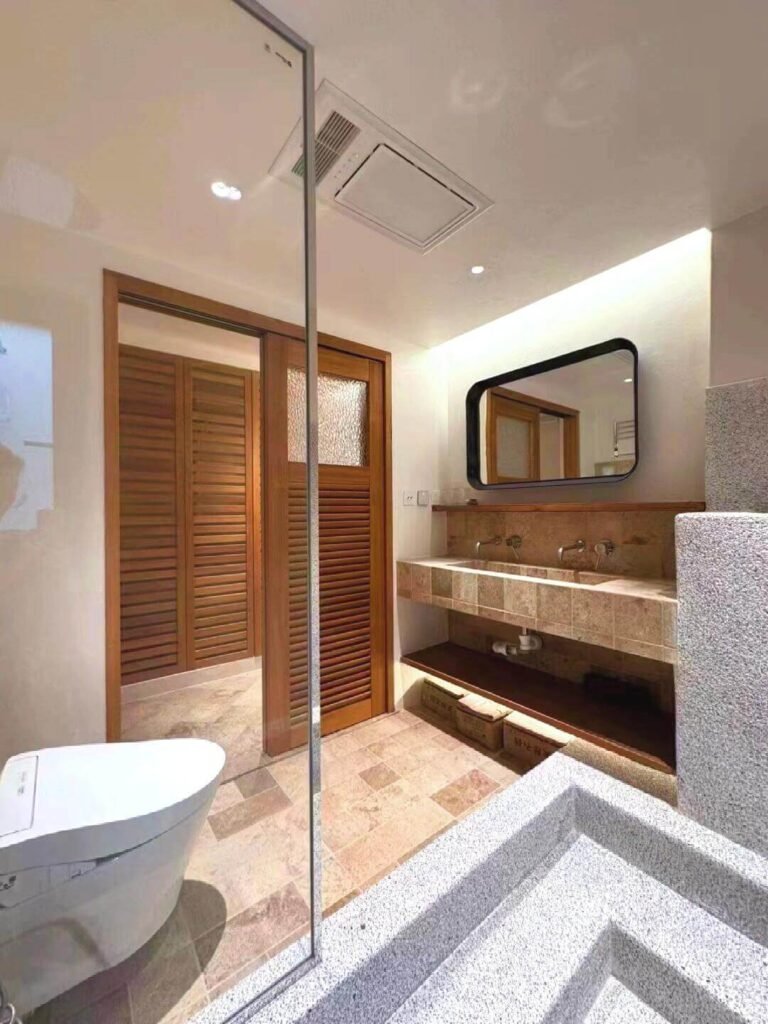
Limestone in Mediterranean-Style Bathroom Design
Mediterranean Architecture and Natural Stone
Mediterranean architecture has long relied on natural stone for structural and decorative elements. Limestone, in particular, has been widely used throughout Italy, Spain, and Greece.
In bathroom design, limestone countertops evoke the charm of coastal villas and historic European homes.
Warm Limestone Colors for Mediterranean Interiors
Mediterranean interiors emphasize warm earth tones. Limestone naturally complements these palettes with shades of sand, honey, and cream.
These colors create a bright yet relaxed atmosphere that reflects the coastal landscapes of southern Europe.
Limestone Bathroom Countertops in Villa-Style Design
Villa-style bathrooms often feature large stone vanities, arched mirrors, and textured plaster walls. Limestone countertops integrate beautifully into these spaces, providing both functionality and visual warmth.
Limestone Bathroom Countertops: Durability and Maintenance
Are Limestone Countertops Durable?
Although limestone is softer than granite, it remains a durable material for bathroom countertops when properly maintained. Its moderate hardness allows it to resist everyday wear in vanity applications.
Because bathrooms experience less mechanical stress than kitchens, limestone countertops can maintain their appearance for many years.
Moisture and Humidity Resistance
Bathrooms are humid environments, but limestone performs well when sealed correctly. Sealers penetrate the stone’s pores and reduce water absorption.
Routine resealing ensures long-term protection.
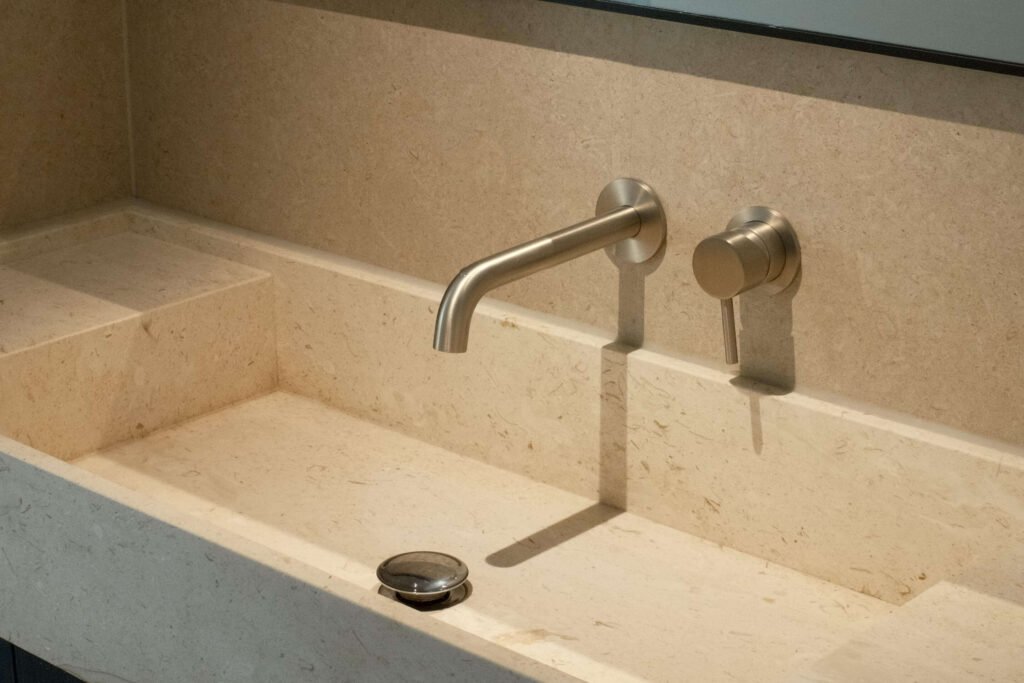
How to Seal Limestone Countertops?
Proper sealing is essential for maintaining limestone countertops. The sealing process typically involves applying a penetrating sealer that fills the stone’s microscopic pores.
The steps include:
Cleaning the countertop surface thoroughly
Applying the stone sealer evenly
Allowing sufficient drying time
Reapplying the sealer periodically
This treatment significantly improves resistance to stains and moisture.
Limestone Countertops Cost and Market Trends
The price of limestone countertops varies depending on several factors.
These include:
Stone quality
Slab thickness
Fabrication complexity
Installation location
On average, limestone countertops are priced in the mid-range compared with other natural stones. Their growing popularity in luxury bathrooms continues to expand global demand.
Stone manufacturers and factories are responding by increasing production capacity and improving finishing technologies.
Design Inspiration: Limestone Bathrooms
Limestone bathrooms appear in many luxury hotels and residential projects around the world.
Common design applications include:
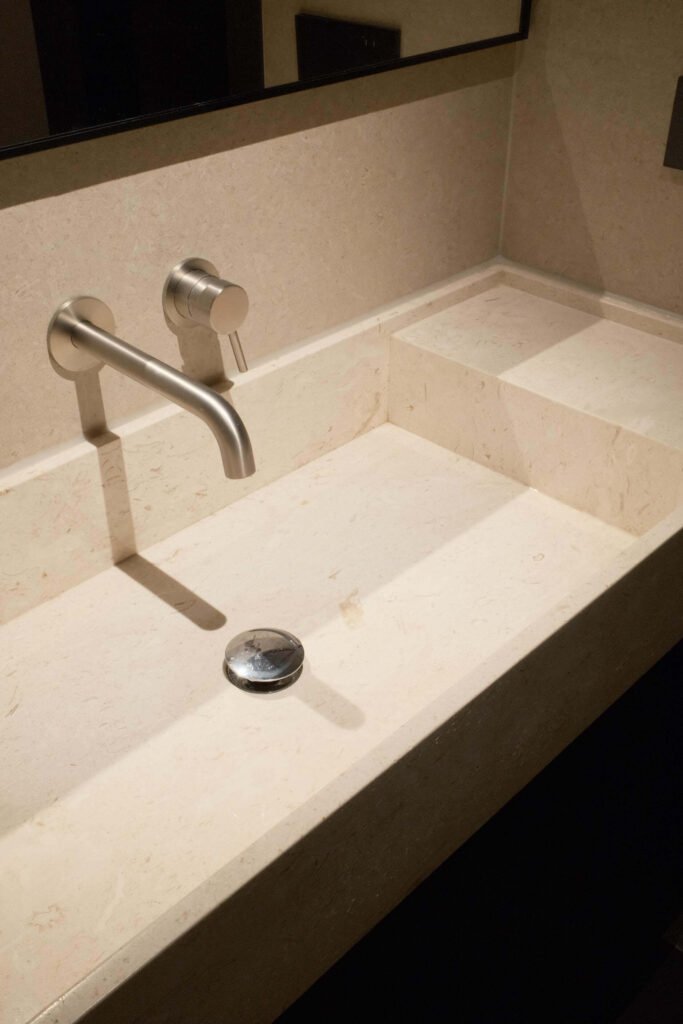
Limestone vanity countertops
Limestone wall cladding
Limestone shower benches
Limestone flooring
These features combine to create cohesive interiors that emphasize natural materials and warm textures.
Choosing a Reliable Limestone Countertop Supplier
When sourcing limestone countertops, buyers should evaluate several factors.
First, suppliers should demonstrate consistent stone quality and proper fabrication capabilities. Advanced stone factories use precise cutting equipment to ensure accurate dimensions and smooth finishes.
Second, manufacturers should provide properly finished honed surfaces suitable for bathroom environments.
Finally, buyers should consider suppliers with reliable international logistics and quality control processes.
FAQ: Popular Questions About Limestone Countertops
Are limestone countertops durable?
Limestone countertops are durable when properly sealed and maintained. Although the stone is softer than granite or quartzite, it performs well in bathroom environments where mechanical stress is relatively low. Regular sealing helps protect the surface from moisture and staining.
What are the pros and cons of limestone countertops?
The main advantages of limestone countertops include their natural beauty, soft color palette, and compatibility with spa-style interiors. Potential disadvantages include higher porosity and sensitivity to acidic substances. Proper sealing and maintenance help minimize these concerns.
How much do limestone countertops cost?
Limestone countertops generally fall within a mid-range price category among natural stone materials. The final cost depends on stone quality, slab size, fabrication complexity, and installation requirements.
How do you seal limestone countertops?
Sealing limestone countertops involves applying a penetrating stone sealer that protects the surface from moisture and staining. The process typically includes cleaning the stone, applying the sealer evenly, and allowing it to dry completely.
Are honed limestone countertops good for bathrooms?
Yes. Honed limestone countertops are widely used in bathrooms because their matte surface reduces glare and complements natural interior materials. When properly sealed, they provide both durability and aesthetic appeal.
How Limestone Countertops Enhance Bathroom Design
Limestone countertops enhance bathroom interiors by providing natural textures and warm tones that create relaxing environments. The stone’s matte finish helps diffuse lighting while complementing spa-inspired design elements.
Why Designers Choose Limestone for Spa-Style Bathrooms
Architects prefer limestone because it embodies natural elegance. Its subtle patterns and soft color palette align perfectly with wellness-focused interiors that emphasize tranquility and organic materials.
What Limestone Finishes Work Best
Honed finishes are most commonly used in bathrooms because they produce a smooth matte texture. This finish enhances the stone’s natural appearance while reducing reflections.
Options Available From Limestone Manufacturers
Stone manufacturers offer limestone countertop slabs in various thicknesses, finishes, and sizes. Fabrication technologies allow customized vanity tops, integrated sinks, and wall panels for modern bathrooms.
Considerations When Buying Limestone Countertops
Buyers should evaluate stone quality, finishing capabilities, sealing treatments, and supplier reliability. Professional stone manufacturers provide consistent materials and precise fabrication for architectural projects.
References
Building Stone Magazine — Limestone in Modern Architecture
ASTM International — Natural Stone Testing Standards
Architectural Digest — Spa-Inspired Bathroom Design Trends
Stone World Magazine — Limestone Quarrying and Fabrication
International Interior Design Association — Wellness Interior Trends
Construction Specifier — Natural Stone in Interior Applications