1. How radiant floor heating works — quick primer?
Radiant floor heating transfers heat mainly by radiation from the warmed floor surface and by convection from air warmed near the floor. Two common technologies:
Hydronic (wet) systems: hot water in pipes embedded in screed or panels — highly efficient at low temperatures and well-suited to large slabs and stone finishes.
Electric (dry) systems: heating mats or cables — often used for retrofits or in small areas (bathrooms).
Because natural stone has high thermal conductivity and mass, it suits radiant systems: it spreads heat evenly and stores heat for longer — great for comfort and efficiency. But success depends on the full build-up (pipe spacing, screed depth, adhesive, floor finish thickness, and thermal resistance).
2. Thermal properties of common natural stones (what the numbers mean?)
The Natural Stone Institute provides measured thermal conductivity (k-value, W/m·K) and equivalent R-values for common stones — higher k-values indicate greater conductivity (heating faster and transferring heat more efficiently). Here are representative values (1″ thickness equivalents from NSI technical bulletin):
Granite: k ≈ 1.7–3.98 W/m·K (high variability by variety).
Marble: k ≈ 2.07–2.94 W/m·K.
Limestone: k ≈ 1.26–2.15 W/m·K.
Quartzite: (example Sioux) k ≈ 5.38 W/m·K — extremely conductive.
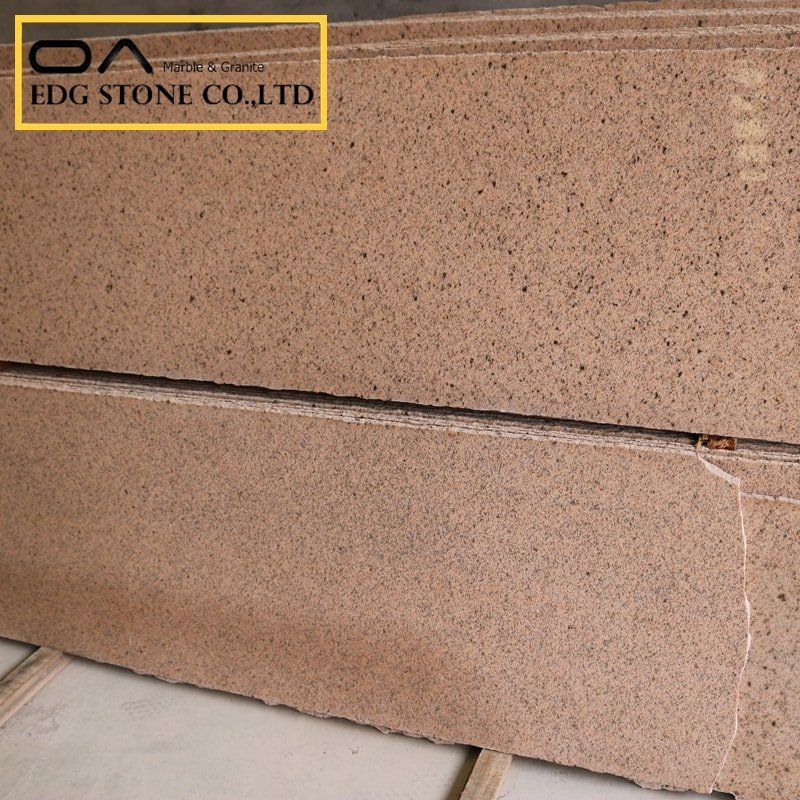
Sandstone / Travertine: moderate k-values (1.2–1.8 W/m·K), often slightly slower to respond but good retention.
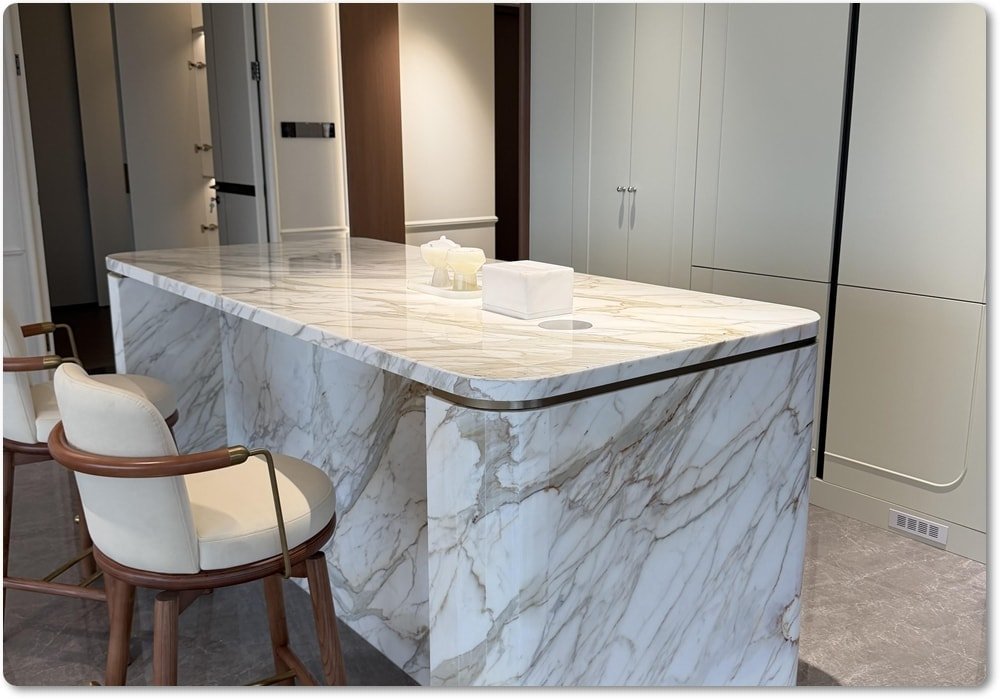
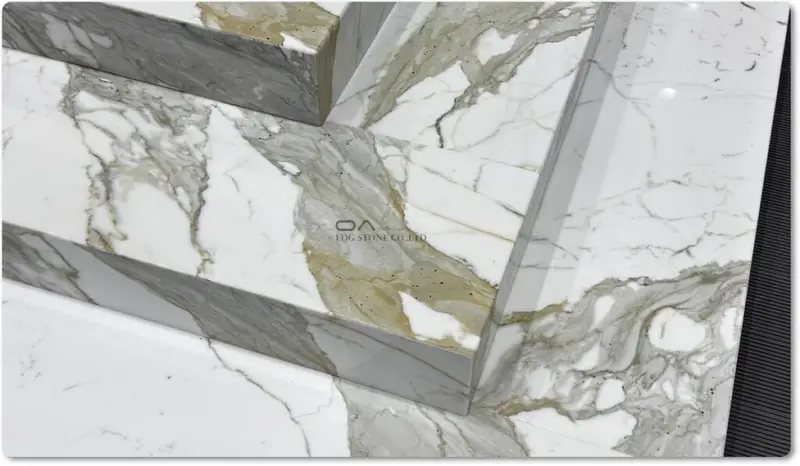
Implication: Quartzite and dense granites are top performers for fast, efficient heat transfer. Marble is excellent for even radiant warmth and aesthetics, but check the particular variety for porosity and strength. Porous stones (highly veined marbles, some travertines) may need sealing and special adhesives.
3. Engineered quartz: what to watch for (resin + heat)?
Engineered quartz slabs (often 90% quartz + polymer resin and pigments) are widely used for countertops — and increasingly for architectural floor panels. Key points:
The resin component is heat-sensitive. Manufacturer guidance varies: many recommend avoiding sustained temperatures far above routine floor-surface temperatures; some brand literature highlights risks from direct, high-point heat (hot pans, etc.). Always consult the specific quartz manufacturer’s tech data sheet for the maximum allowable floor-surface temperature.
Under proper UFH control (EN1264 limits), most engineered quartz should be safe because typical radiant floor surface temperatures for comfort are well below the temperatures that damage resin surfaces. Still: verify and document manufacturer sign-off if specifying quartz over hydronic UFH.
4. Standards, regulations, and designer obligations (why codes matter?)
EN 1264 / BS guidance: sets design boundaries for hydronic surface-embedded systems and indicates a maximum floor surface temperature of ~29°C in living areas to ensure comfort and protect floor finishes. This is used across Europe and referenced by many manufacturers.
ANSI / TCNA (US): Tile Council of North America and ANSI publish installation standards and recommended methods for installing tile/stone over radiant systems — follow the appropriate A108/A118/A136 methods and TCNA handbook notes on wet/dry activation and adhesive selection.
Local building regs & energy directives: e.g., UK Approved Document L pushes energy-efficient heating solutions and often drives uptake of low-temperature hydronic UFH with heat pumps (impacting material choice and operating temps).
Spec/Contractor checklist: confirm floor-surface temperature limits with stone/quartz manufacturer; choose adhesives and grouts rated for expected operating temperatures; use appropriate decoupling/membrane where needed; document activation schedule for screeds and thermal cycling.
5. Best natural stones for underfloor heating — recommendation matrix
Top picks (performance + durability):
Quartzite — highest thermal conductivity in many tests; excellent for rapid heat transfer and retention; very durable.
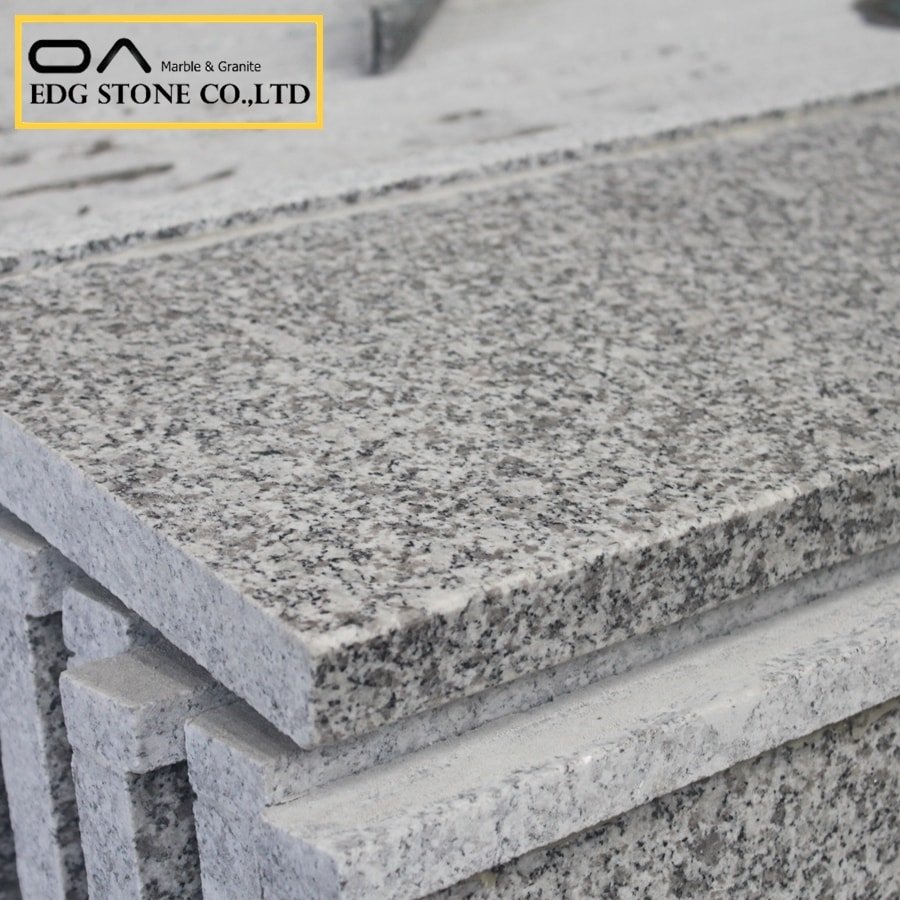
Dense Granite — excellent thermal mass, low porosity, great long-term durability; wide varieties perform very well.
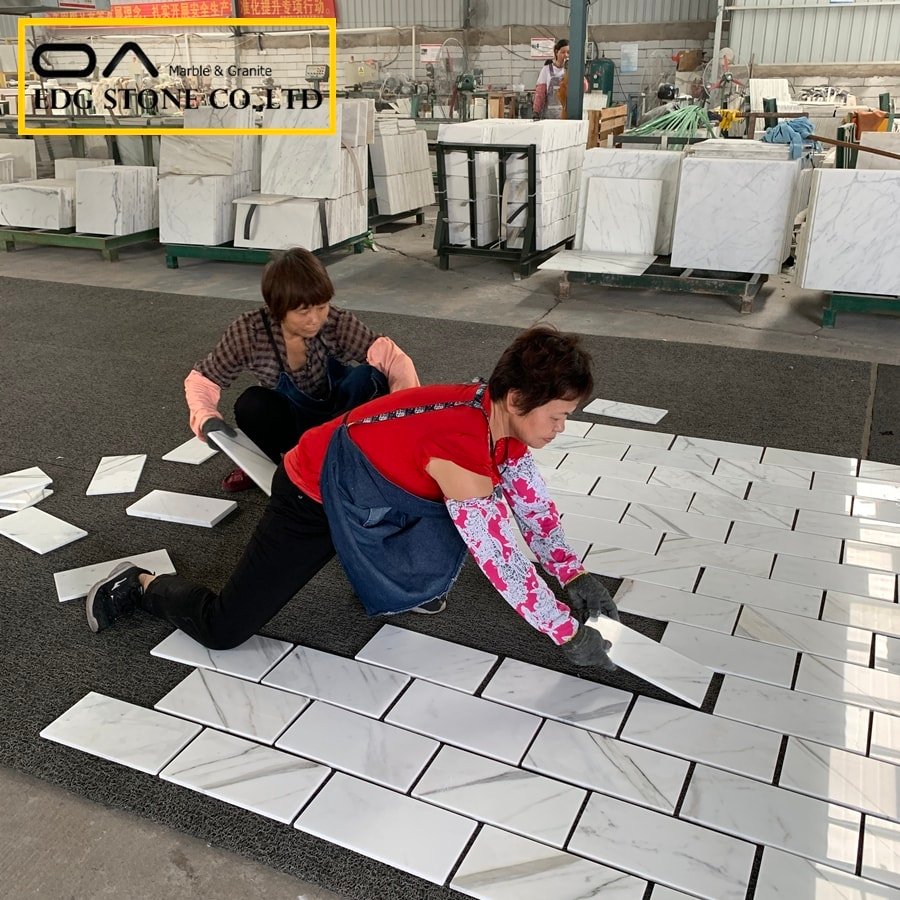
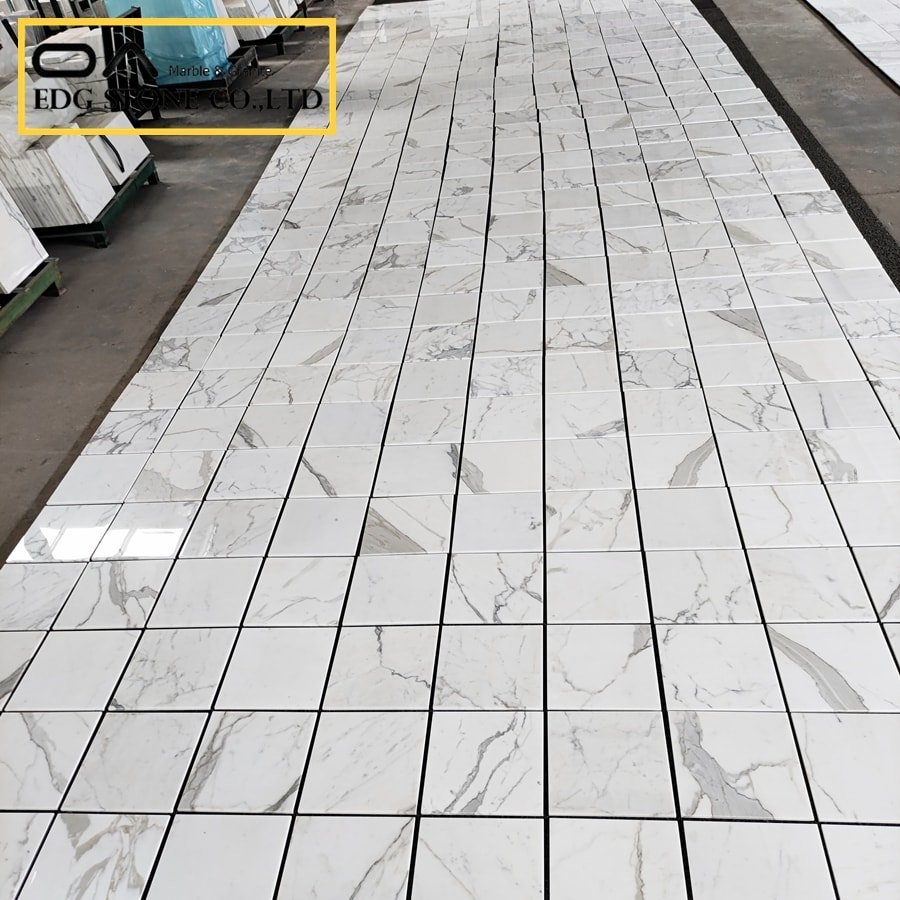
Hard Marble (low-porosity varieties) — beautiful, even heat emission; choose compact, low-porosity grades to avoid moisture/adhesive issues.
Dense Sandstone / Calibrated Limestone / Travertine (select grades) — acceptable when densified/sealed and correctly installed; slightly slower to warm but retains heat.
Use caution / conditional:
Highly porous marbles or veiny marbles — may need stronger adhesives and sealing; thermal cycling can highlight weaknesses.
Some engineered quartz — safe below manufacturer-max temps; do not assume all brands behave the same — get written approval.
6. Practical design rules (install to perform)
Limit floor surface temperature: design to EN1264 29°C max for living spaces (27°C where tile may be more sensitive in some guidance). Use this as the controlling parameter for system flow temperatures.
Screed thickness & finishing: thinner screed / lower thermal resistance above the pipes gives faster response; thicker screeds and heavy slabs increase inertia. For stone slabs, pay attention to the recommended slab thickness for structural performance and adhesive shear.
Adhesives & grouts: Use products rated for heated floors (TCNA/ANSI compatible). Some adhesives have maximum operating temperatures — always check technical data sheets.
Activation & commissioning: follow manufacturer/screed standards for wet screed activation cycles and gradual heating to avoid thermal shock. TCNA and Mapei provide guidance on when to energize systems relative to tile/stone installation.
Controls & sensors: floor surface sensors and outdoor reset can prevent overheating and maintain comfort while protecting the finish.
7. Cost signals & “heated marble floors price” (brief market note)
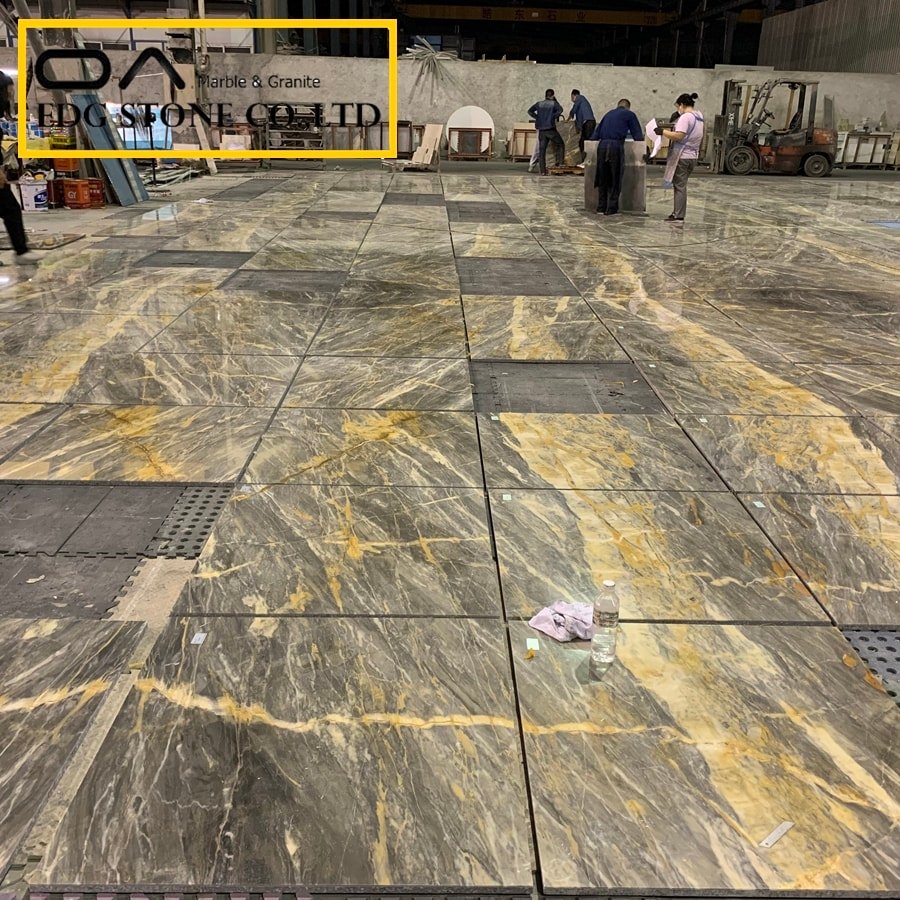
Natural stone installation over UFH tends to be costlier than standard tile because of slab handling, fabrication, and the need for precise flatness and adhesives — but running costs often fall because UFH operates at lower water temperatures (especially when coupled with heat pumps). For commercial pricing, request quotes from fabricators (EDG Stone or regionally local manufacturers/factories) with full build-up and manufacturer sign-off. (Price varies widely by stone species, finish, logistics, and fabrication.)
8. 3–5 long-tail keywords, including manufacturer/factory/wholesale variations
hydronic radiant floor heating stone supplier manufacturer
Buy quartzite slabs for underfloor heating factory wholesale
EDG Stone heated marble floors price manufacturer
hydronic heating floor system stone tile adhesive manufacturer
quartz slabs compatible with underfloor heating wholesale supplier
Semantic Closure: How to choose & why it matters?
How: Start with EN 1264 design limits (29°C living area). Choose a stone with high thermal conductivity (granite, quartzite) if you want speed; choose thickness and screed to balance response and inertia; confirm adhesive and grout thermal ratings; get manufacturer sign-off for engineered quartz.
Why: Stone’s conductivity and mass determine comfort, energy demand, and response time. Poorly matched materials increase heat-up time, operating cost, or risk of surface damage.
What options: Hydronic UFH with thin screed + dense stone = efficient steady warmth. Electric UFH can work for small/retrofit areas, but check interface temps and surface controls.
Considerations: local building regulations (energy/Part L), installation standards (TCNA/ANSI), material-specific constraints (porosity, finish, resin content), and long-term maintenance (sealers, grout upkeep).
Google-ready FAQ
Q1: Can I use natural stone with underfloor heating?
A1: Yes — many natural stones (granite, quartzite, marble) are excellent with UFH when installed with correct screed thickness, adhesives, and controls; check porosity and sealing needs.
Q2: Is engineered quartz safe for radiant floor heating?
A2: Often yes — but engineered quartz contains resin; you must confirm the manufacturer’s maximum allowable floor-surface temperature. Work within EN 1264 limits (≈29°C) and get documented approval from the quartz brand.
Q3: Which stone heats up fastest and holds heat longest?
A3: Quartzite and dense granites have higher thermal conductivity and heat up efficiently while retaining heat well. Thicker slabs increase thermal mass and retention.
Q4: What floor-surface temperature should I design for?
A4: Use EN 1264 guidance: design max floor-surface temperature about 29°C (≈85°F) for living areas; some guidance suggests 27°C–29°C for tile/stone interfaces.
Q5: What standards should installers follow?
A5: Follow EN 1264 / BS guidance for hydronic systems (Europe), TCNA/ANSI installation standards for tile/stone (US), and the manufacturer’s technical data sheets for adhesives, grouts, and stone/quartz products.
Practical checklist for specifiers & project teams
Select stone based on thermal conductivity table and porosity — prefer quartzite, dense granite, or selected marbles for best performance.
Confirm manufacturer TDS (especially for engineered quartz) — collect written sign-off for intended UFH use.
Design system to EN 1264 (29°C) for living spaces; specify control strategy to avoid hot spots.
Specify adhesives & grout rated for the expected thermal cycle and working temperature (TCNA/ANSI guidance).
Commission carefully — follow screed activation and slow ramp cycles to avoid thermal shock to stone slabs.
References (select, high-authority)
Natural Stone Institute — R-Value for Natural Stone (thermal conductivity table).
Mapei — Radiant heat under ceramic tile or stone (practical installation guidance).
EN 1264 series / BS guidance — surface-embedded heating design limits (29°C).
TCNA / ANSI — installation standards for tile and stone.