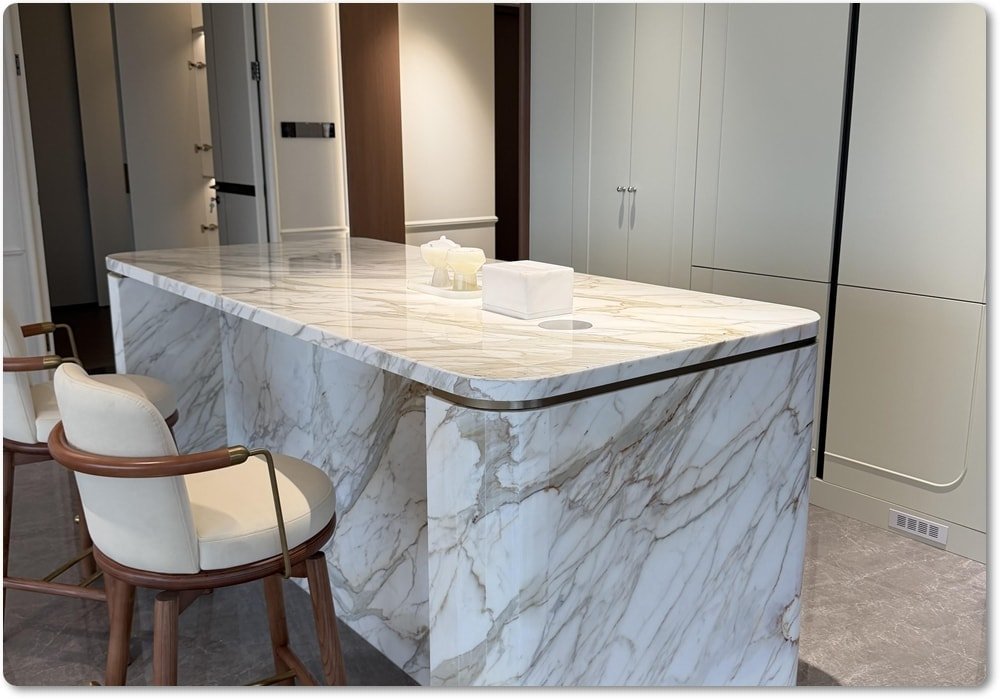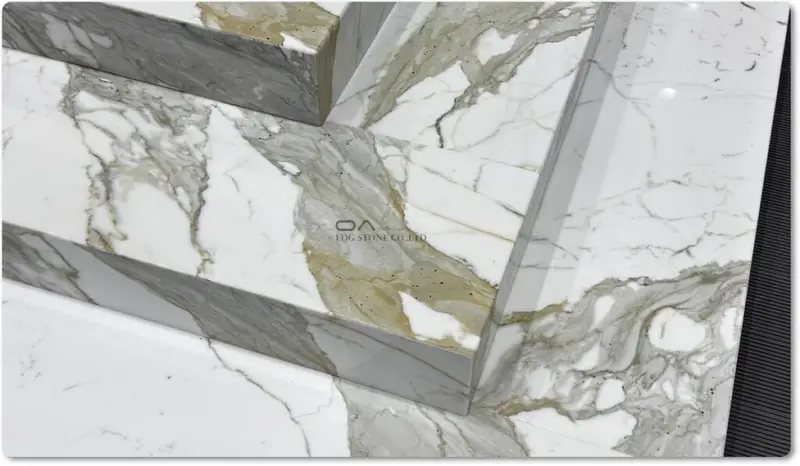
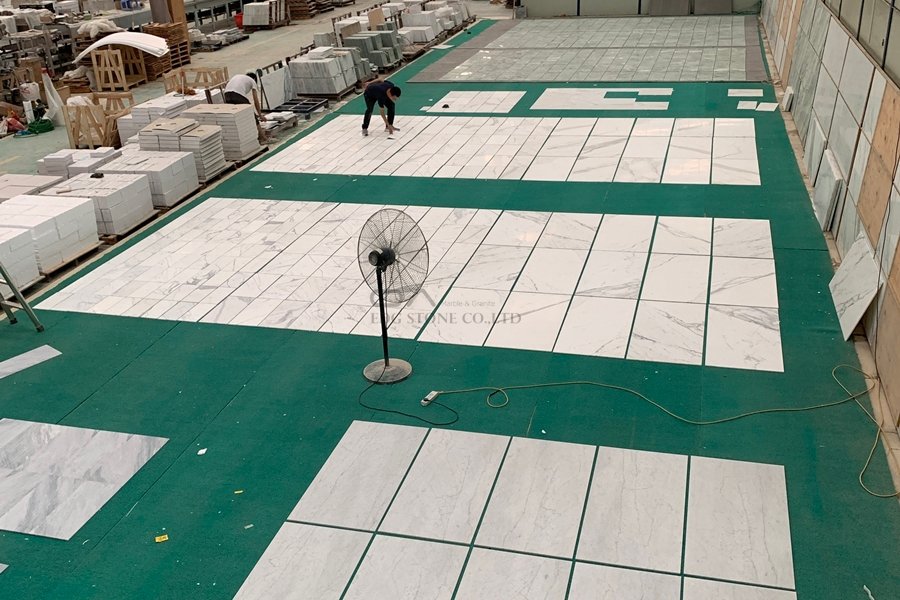
1. What is “stone veneer” and what product types are used for interior feature walls?
Stone veneer is a decorative cladding that gives the appearance of full-dimension stone but is produced or installed as thinner, lighter sections. Main product families:
Natural thin stone veneer (adhered): quarried stone cut (calibrated) to thin slices (usually 1/4″–3/4″ / 6–20 mm) and adhered to a substrate. See Natural Stone Institute installation guides.
Honeycomb-backed stone panels / stone-aluminum composite panels: thin stone face bonded to an aluminum honeycomb or composite backing for large-format, ultra-stable panels used in feature walls and curtain systems. Examples: StonePly, StoneSheets.
Manufactured (cultured) stone veneer: cast concrete products colored and textured to mimic natural stone — lighter and often cheaper than natural veneer.
Flexible/ultra-thin natural veneers: wafer-thin (≈1–3 mm) natural stone sheets bonded to a flexible backing for wrapping curved surfaces (e.g., Slate-Lite).
Each has trade-offs in authenticity, cost, installation complexity, and maintenance.
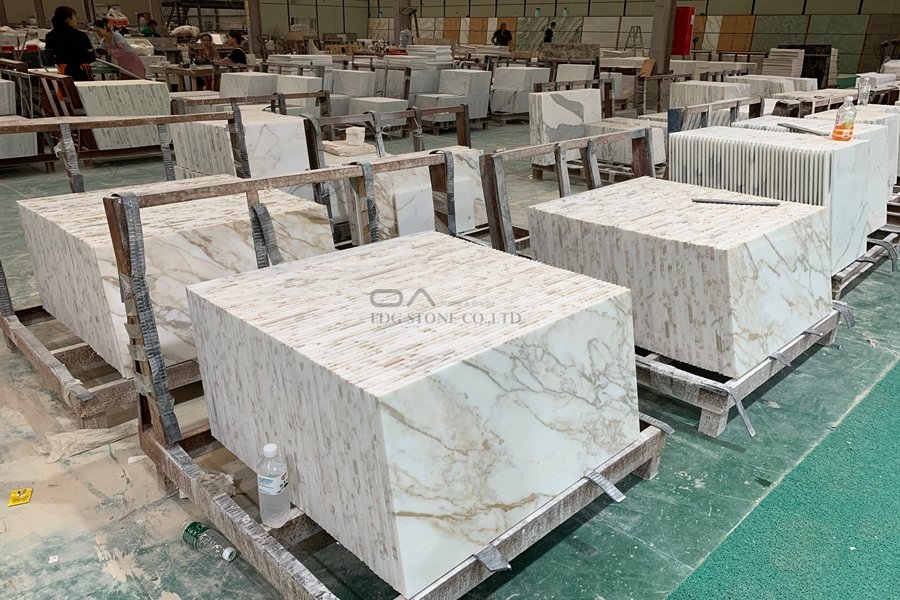
2. Cost overview — installed price ranges and the real drivers of cost
Costs vary by region, stone species, panel system, and installation complexity. Recent market data and consumer guides show these typical installed ranges:
Manufactured stone veneer (interior): material + install often in the low end—$6–$18 / ft² for materials, higher when installed by pros.
Thin natural stone veneer (adhered) / thin-stone panels: common published ranges put professionally installed costs around $13–$45 / ft², depending on stone, size, substrate prep, and labor. HomeGuide and This Old House surveys align in this band.
Premium honeycomb-backed or engineered stone panels (factory-fabricated large formats): higher upfront material cost but faster install — expect upper-tier pricing and project-specific quotes. Panel systems often deliver savings on scaffolding, labor hours, and site waste.
Key cost drivers
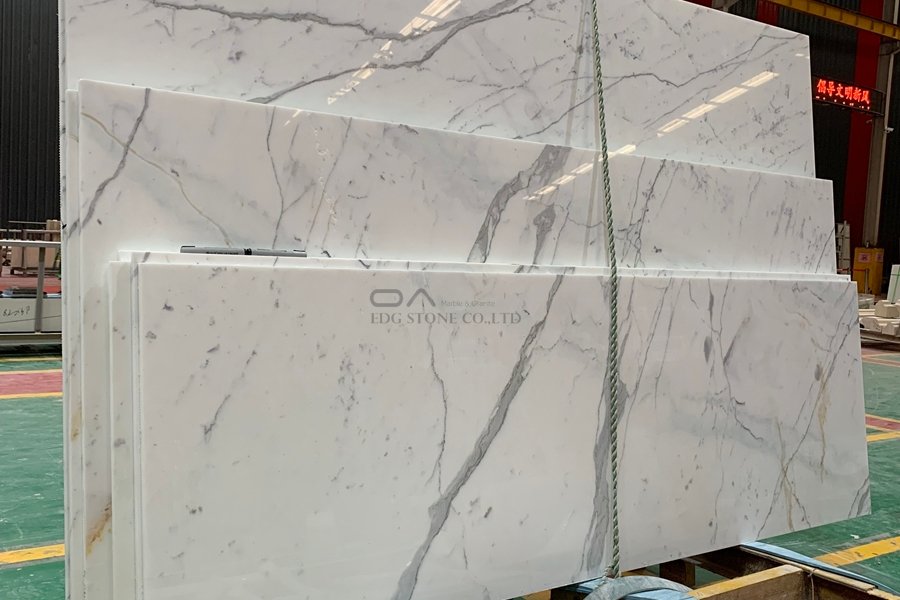
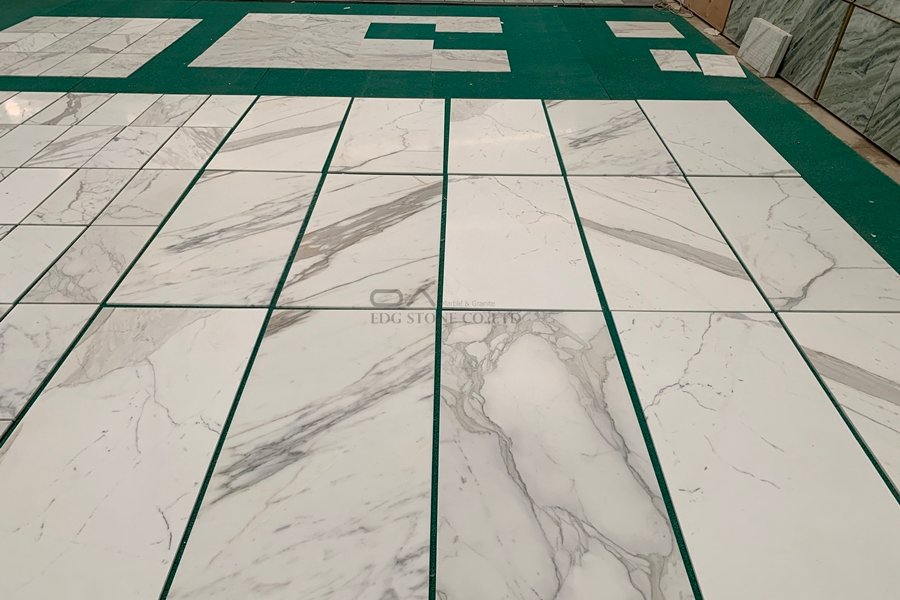
Stone species and rarity (Carrara Marble vs common travertine).
Panel system (simple adhered veneer vs factory bonded honeycomb panel).
Fabrication and edge finishing (bookmatching, bookmatched slabs, and precision joins cost more).
Substrate preparation and structural support (older walls may require reinforcement).
Labor skill — mason or specialized panel installer rates.
Logistics (large slabs require special transport and handling).
Value note: while natural thin veneer materials can cost more per square foot than manufactured veneer, they often deliver higher long-term value, durability, and luxury perception that helps justify the investment.
3. Performance and technical considerations (installation, durability, moisture & substrate)
Adhesion & substrate prep: Adhered natural veneer needs correctly prepared substrates (cement board, masonry, or structural backing) and appropriate mortar/adhesive specified for stone veneer (Natural Stone Institute guidance). Poor substrate prep is the most common cause of premature failure.
Panel systems reduce field risk: factory-bonded panels (stone + honeycomb) reduce on-site cutting, lowering labor time and waste; panels also produce large, continuous bookmatched surfaces with fewer joints.
Moisture & HVAC considerations: interior installations must manage humidity and vapor movement; polished marbles are sensitive to etching in wet environments, while some stones require sealing. Follow manufacturer and industry installation guidelines.
Maintenance & lifecycle: natural stone typically ages gracefully and can be restored; manufactured veneer may chip or fade over many years. Consider lifecycle costs when assessing cost-effectiveness.
4. Fire and building-code implications — what specifiers must verify?
Although natural stone itself is non-combustible, panel systems and adhesives can introduce combustible elements. Building codes and fire tests often apply to wall cladding systems:
ASTM E84 / NFPA classifications: commonly used tests for flame spread and smoke development; some composite panels achieve Class A ratings via non-combustible cores or low-combustible adhesives (StonePly claims ASTM E84 performance).
NFPA 285 / IBC considerations (exterior curtain walls): for exterior cladding, NFPA 285 is widely used — interior feature walls face fewer exterior-assembly tests but must still meet local interior finish requirements and exit-path/fire-rating constraints.
Specifiers’ checklist: always request test reports (ASTM E84, NFPA, and manufacturer data) for the exact assembly; for commercial projects, get the engineer’s sign-off and verify local code acceptance.
5. Natural vs manufactured veneer — a direct comparison for cost-effectiveness
Natural thin stone veneer
Pros: authentic look, higher perceived value, durable, restorable; suitable for high-end hospitality and luxury residential interiors.
Cons: higher material cost for premium stones, heavier (requires a stronger substrate), and more skilled labor.
Best where long-term value and authenticity are paramount.
Manufactured (cultured) stone veneer
Pros: lower material cost, lighter, consistent appearance, and often simpler installation.
Cons: less authentic; color fading and chipping over a very long service life; lower resale premium.
Panel systems (honeycomb-backed / factory panels)
Pros: combine real stone aesthetics with lightweight, large-format ease of install; reduce on-site labor and cutting waste. Cost-effective on medium-to-large projects when factoring in labor and schedule savings.
6. How to estimate ROI and make a cost-effective choice?
Define project goals: Is the wall a high-visibility showroom driver, luxury residential feature, or a budget hospitality accent?
Compare installed costs (material + labor + substrate + finishes) rather than material price alone. Use $13–$45/ft² as an indicative range and obtain multiple quotes.
Account for schedule and disruption: factory panels shorten site time, which can be monetized (earlier lease-up, lower site supervision).
Lifecycle & maintenance: long-term repairability and perceived value should be part of ROI for high-end projects.
Procurement strategy: for multiple projects, consider factory direct (manufacturer/factory/wholesale) buying to lower per-unit costs.
7. Long-tail commercial keywords (3–5 examples) — purchase intent & SEO-ready
marble veneer wall panels manufacturer factory wholesale
Buy thin stone panels for interior feature walls wholesale
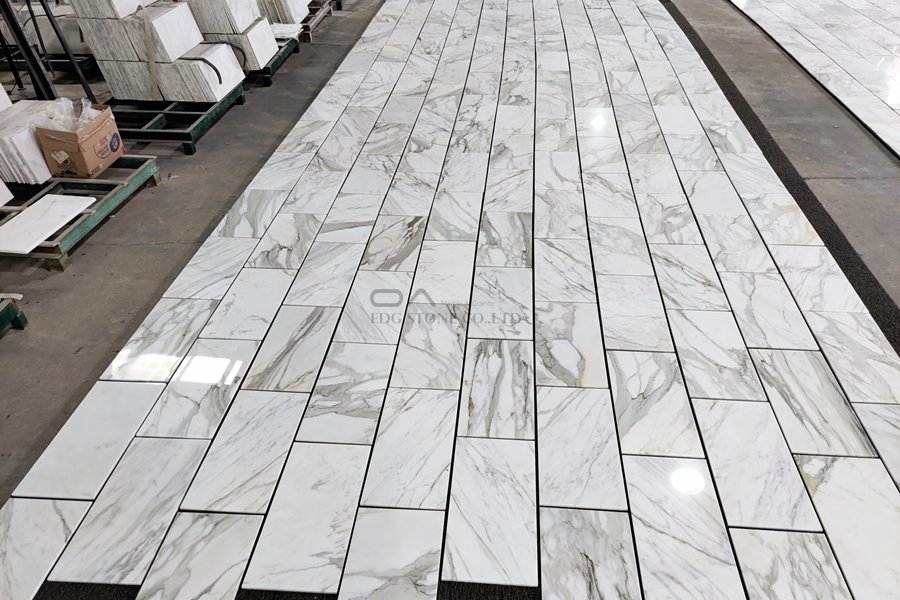
EDG Stone marble veneer supplier manufacturer
thin marble veneer wall panels factory bookmatched slabs
calibrated natural stone veneer panels wholesale supplier
(Use these in product pages, category landing pages, and PPC landing pages to capture high-intent searchers.)
8. Practical specification checklist for procurement & installers
Request the manufacturer’s installation guide and TDS for the exact product.
Ask for ASTM E84 / NFPA / product fire test reports if panels include composite backings.
Specify substrate preparation (cement backer board, shear connectors, mechanical fixing where required).
Confirm sealing and maintenance protocol, especially for polished marbles in high-touch areas.
Specify transport & handling provisions for large-format panels to avoid on-site damage (factory crating, suction lifters, expert installers).
9. Case for EDG Stone or similar manufacturers (commercial positioning)
A manufacturer that offers calibrated thin slabs, honeycomb-backed panel systems, and factory bookmatching provides a strong value proposition: superior visual results, reduced on-site labor, and lower project risk. When communicating with specifiers, highlight:
Panelized solutions and attention to testing/certification (fire ratings).
Factory pre-finishing and drilled fixing points for simplified installation.
Direct manufacturer pricing for volume buyers and trade customers.
Google-ready FAQ
Q1: How much does it cost to install a stone veneer interior feature wall?
A1: Installed costs vary by stone type and system, but typical ranges (materials + pro installation) are roughly $13–$45 per ft² for thin natural stone veneer and panels; manufactured stone can be less. Always get local contractor quotes.
Q2: Is natural marble veneer worth the price vs cultured stone?
A2: For luxury projects where authenticity and longevity matter, natural marble veneer generally delivers higher perceived value and durability. Cultured stone is a cost-effective alternative but lacks the unique grain and aging characteristics of real marble.
Q3: Are thin stone panels safe for interior use (fire-wise)?
A3: Natural stone is non-combustible, but panel backings and adhesives may affect fire performance—request ASTM E84 / NFPA test reports for the exact assembly. Some honeycomb-backed panels achieve Class A ratings.
Q4: What are honeycomb-backed stone panels, and why use them?
A4: They are thin stone faces bonded to a lightweight aluminum honeycomb core, producing large, stable panels that reduce weight and speed installation—ideal for feature walls and large spans.
Q5: Can I buy thin stone veneer directly from manufacturers at wholesale prices?
A5: Yes—many suppliers offer factory-direct and wholesale programs for calibrated thin slabs and panel systems. Use purchase-intent keywords like “manufacturer,” “factory,” and “wholesale” when searching or contacting suppliers.
Semantic Closure: How / Why / What / Options / Considerations
How (choose & spec): Select product form (adhered thin veneer, honeycomb-backed panel, or cultured veneer) based on aesthetics, wall structure, and schedule. For true stone visuals in high-impact locations, prefer calibrated thin natural stone or factory honeycomb panels for bookmatching and large-format continuity.
Why (value proposition): Thin-stone systems reduce structural load and on-site labor while preserving visual authenticity. When you amortize the premium material cost against shorter install time, reduced scaffolding, and higher perceived value in luxury spaces, panels, and thin veneer often outperform full-thickness stone on total project economics.
What (technical must-haves): Obtain manufacturer installation guides, fire-test reports (ASTM E84 / NFPA where relevant), and specify adhesives and substrates suitable for the chosen veneer. For large-format panels, plan for factory fabrication tolerances and transport logistics.
Options (practical choices):
• Budget-focused: manufactured/cultured veneer (lower material cost, lighter).
• Premium aesthetic: calibrated thin natural veneer or honeycomb-backed panels (higher material cost, lower field labor).
• Hybrid: natural veneer for focal walls and manufactured veneer for secondary areas.
Considerations (risk & compliance): Verify local building-code acceptance for composite panels and assemblies; assess lifecycle maintenance (sealers, joint repair); and procure from suppliers who provide test data and installation training for installers.