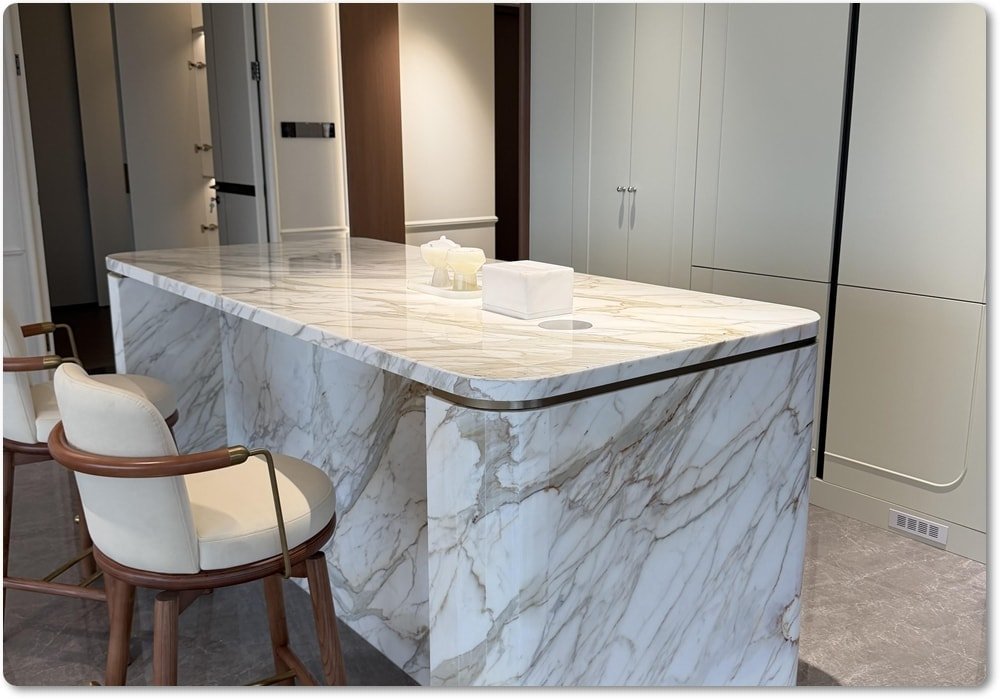
Can sintered stone be used outdoors?
Quick answer
Yes — modern sintered stone products (commonly sold as Neolith®, Dekton®, Lapitec® and other “ultra-compact” / sintered surfaces) are engineered specifically to perform outdoors: they are highly resistant to UV fading, heat, frost, staining and chemical attack, and are essentially non-porous (very low water absorption), making them an excellent choice for outdoor countertops, patio tables, cladding and pool surrounds. However, correct specification (finish, thickness, edge treatment), professional fabrication, and compliance with local building codes and silica-control regulations are essential for long-term performance.
1) What is sintered stone?
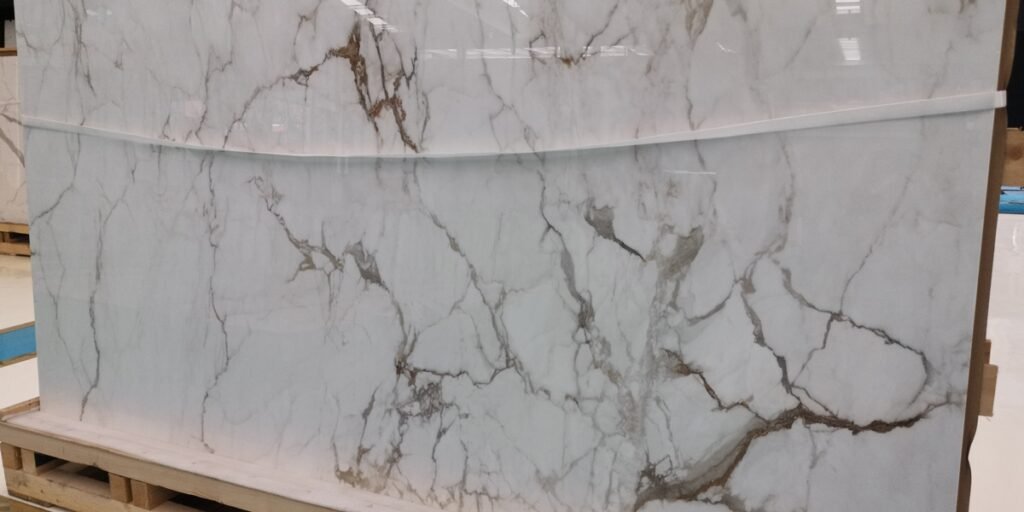
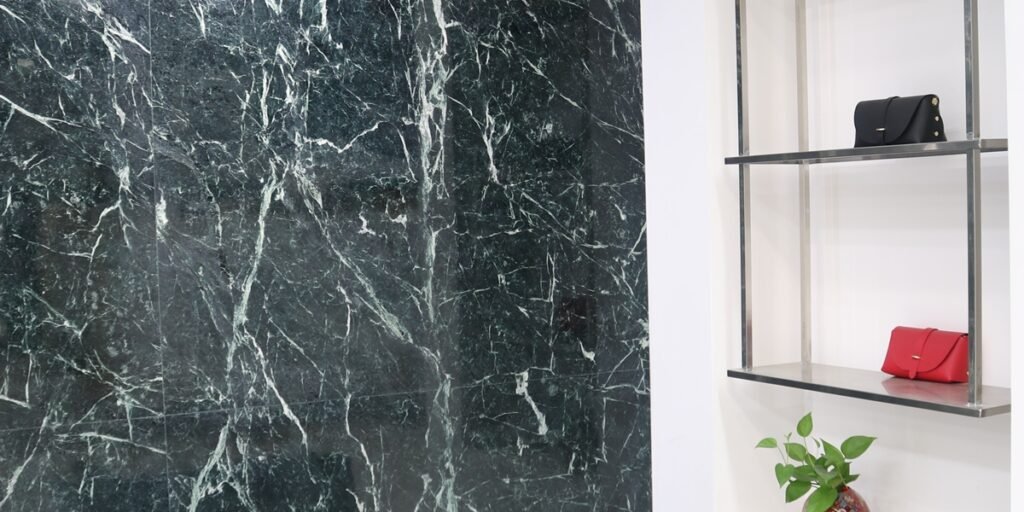
Sintered stone is a high-performance engineered surface made by compacting and sintering (extreme heat and pressure) natural mineral powders, oxides, and glass into continuous slabs. Unlike resin-based engineered quartz (which uses polymer binders), many sintered stone products are resin-free and achieve their color through pigments and mineral composition throughout the slab. Sintered stone is sold under trade names such as Neolith, Dekton, Lapitec, and others; the format, technical properties, and finishes may differ slightly by brand.
2) Outdoor performance: UV, freeze-thaw, heat & stains
Key outdoor strengths of sintered stone:
UV stability / Color fastness: Sintered stone is formulated and fired so its color is integral to the slab, resisting fading and yellowing in long sunlight exposure — making it suitable for sun-exposed kitchens, cladding, and outdoor furniture.
Low water absorption / Frost resistance: Typical independent tests and manufacturer datasheets show water absorption at or below 0.1% (often near 0.01–0.05%), which reduces freeze-thaw damage risk in temperate and cold climates. That’s why many manufacturers explicitly recommend use in exterior applications.
Heat & thermal shock: Sintered stone resists high surface temperatures better than resin quartz (which can discolor or delaminate with hot pans). Many suppliers advertise excellent thermal shock resistance (but avoid direct flame contact or placing glowing coals directly on the surface).
Chemical & stain resistance: Being non-porous, sintered stone resists wine, oils, and typical household chemicals; this makes it low-maintenance outdoors compared to porous natural stones.
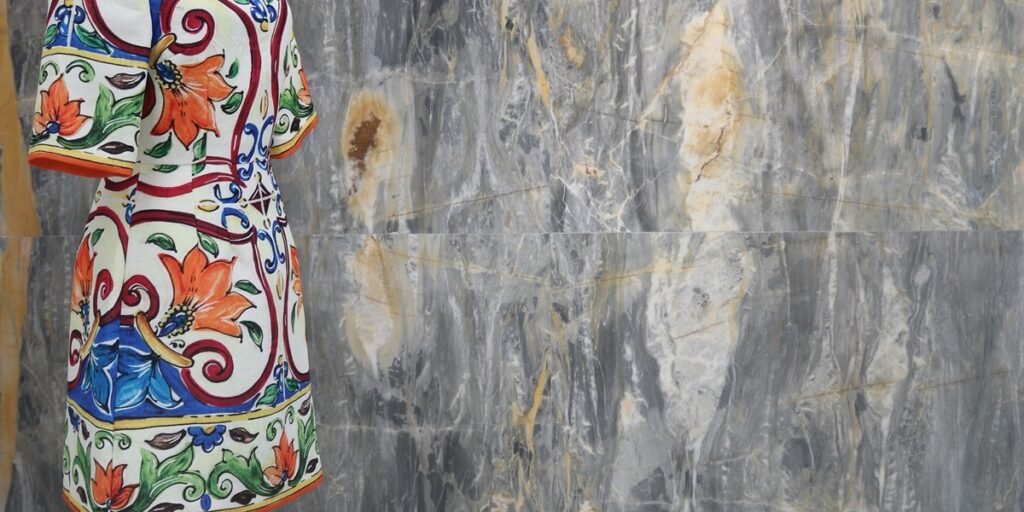
3) Sintered stone vs quartz outdoors — the key differences
Composition: Quartz (engineered quartz) uses 85–95% quartz with polymer resins (usually ~7–15% resin) and pigments; sintered stone is often mineral-only (no resin) and is fired at very high temperature. This resin content in quartz makes it more vulnerable to heat and prolonged UV exposure.
UV & color stability: Sintered stone generally performs better outdoors (color stable and non-yellowing). Quartz manufacturers usually advise against direct outdoor exposure for long periods because resins and pigments can fade or discolor.
Porosity & sealing: Sintered stone is essentially impervious; most manufacturers state it does not require sealing. By contrast, many natural stones require periodic sealing, and quartz does not require sealing either, but has other limitations outdoors.
4) Can sintered stone be used for patio tables and outdoor furniture?
Yes. Many product lines offer thicknesses and finishes (e.g., honed, polished, textured) suitable for dining/tabletops, benches, and outdoor countertops. Sintered stone’s low porosity, scratch and stain resistance, and UV stability make it an excellent tabletop material — it won’t absorb spills or develop mold in damp climates the way porous surfaces can. Manufacturers and fabricators frequently showcase outdoor kitchens, island tops, and alfresco dining furniture made from sintered slabs. When used as furniture (tables), pay attention to edge treatments, slab reinforcement, and suitable leg/frame fixtures to avoid point loads and slab stress.
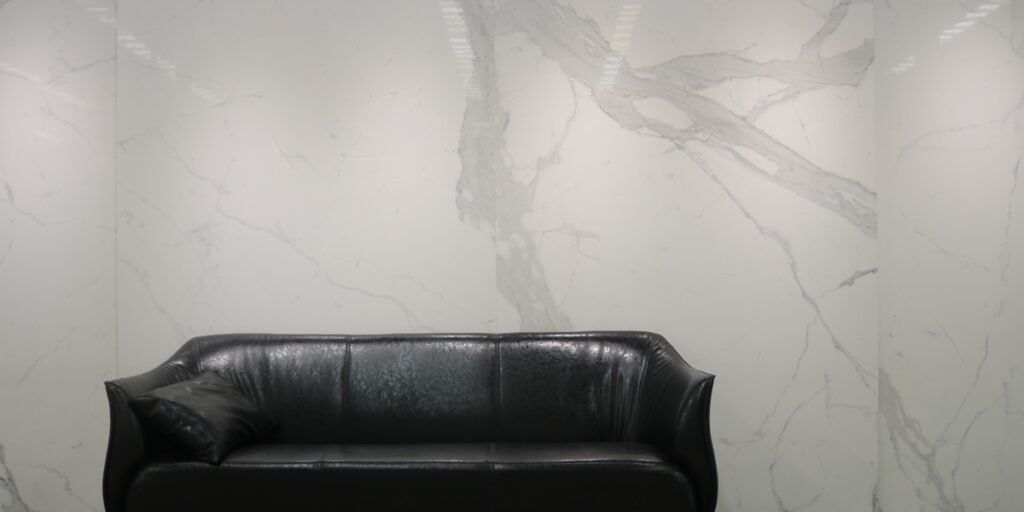
5) Fabrication & cutting: what you need to know (tools, safety)?
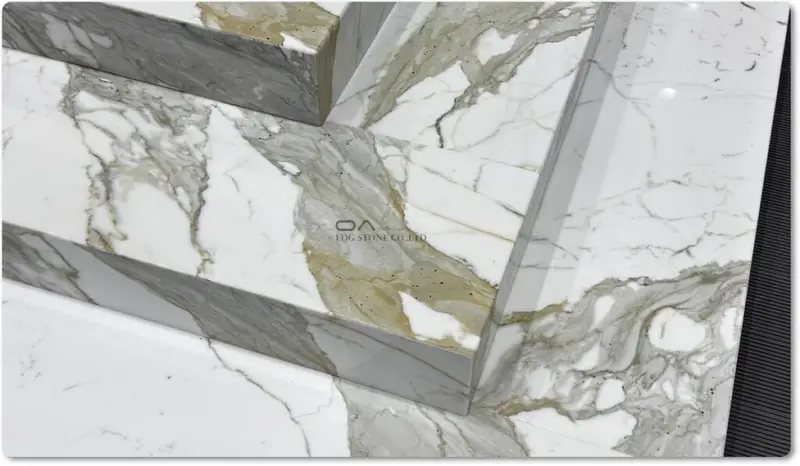
Specialized tooling: Sintered stone is tough. Professional fabricators use water-cooled bridge saws, CNC routers, waterjet, and premium diamond blades specifically engineered for ultra-compact/sintered materials. Edge profiles and mitered waterfall edges require precise equipment and expert technique.
Wet cutting & dust control: Use wet cutting, local exhaust, and respirators — this controls respirable crystalline silica and meets safety guidance for stone fabrication. Wet cutting also reduces chipping and stress. Many fabrication manuals advise trimming slab edges (to relieve stress) and slow feed rates near edges.
Do-it-yourself warning: Because of density and brittleness, DIY cutting with ordinary blades risks chipping/cracking and creates hazardous silica dust. Always use an experienced fabricator for precision work.
6) Installation considerations for outdoors
Support & framing: Slabs must be supported across their full area; outdoor tabletops require a stable frame and rated fasteners. For countertops, account for expansion joints, fixed points vs. floating areas, and recommended adhesive/mortar systems for outdoors.
Drainage & overhangs: Ensure water drains off the surface and doesn’t pool beneath overhangs, where freeze cycles could cause edge or substrate issues. Keep cutouts (sinks, grills) reinforced and sealed per manufacturer instructions.
Edges & lamination: Mitered edges and glued seams are possible, but need expert fabrication to avoid weak joints. For outdoor waterfall tables, consider full-thickness slabs or mechanically supported laminates.
7) Durability, maintenance, and sealing guidance
Sealing: Most sintered stone products are marketed as non-porous and not requiring sealing for stain protection; however, some owners apply protective sealers to polished edges or highly trafficked areas to add a marginal layer of stain/UV protection. Check the manufacturer’s installation/maintenance guide.
Cleaning: Routine cleaning with mild detergent and water is enough. Avoid abrasive cleaners or harsh acids frequently; refer to the brand’s cleaning recommendations.
Longevity: With proper fabrication and installation, exterior sintered stone installations commonly last decades with minimal visual change — manufacturers publish long warranties and case studies for facades and outdoor kitchens.
8) Regulations, sustainability & certifications shaping the industry
The sintered stone sector has become more regulated and transparency-driven:
Environmental Product Declarations (EPDs) & EN 15804: Leading producers publish EPDs (life-cycle disclosures) to help architects and specifiers quantify environmental impacts — useful for LEED/BREEAM credits and public procurement.
Cradle to Cradle / Greenguard / CE & Health Declarations: Some brands have obtained Cradle to Cradle Bronze, GREENGUARD Gold, and CE declarations; these are increasingly requested in institutional projects and green building specifications.
Safety & fabrication laws: Local occupational safety regulations (respirable silica control) require wet cutting/ventilation and PPE during fabrication; fabricators must comply with OSHA (or local equivalents) and follow manufacturer guidance to limit silica exposure.
What this means for buyers & specifiers: specify product EPD/HPD numbers, verify certifications for intended use (roofline/cladding vs table top), and require fabricator proof of silica-safety practices.
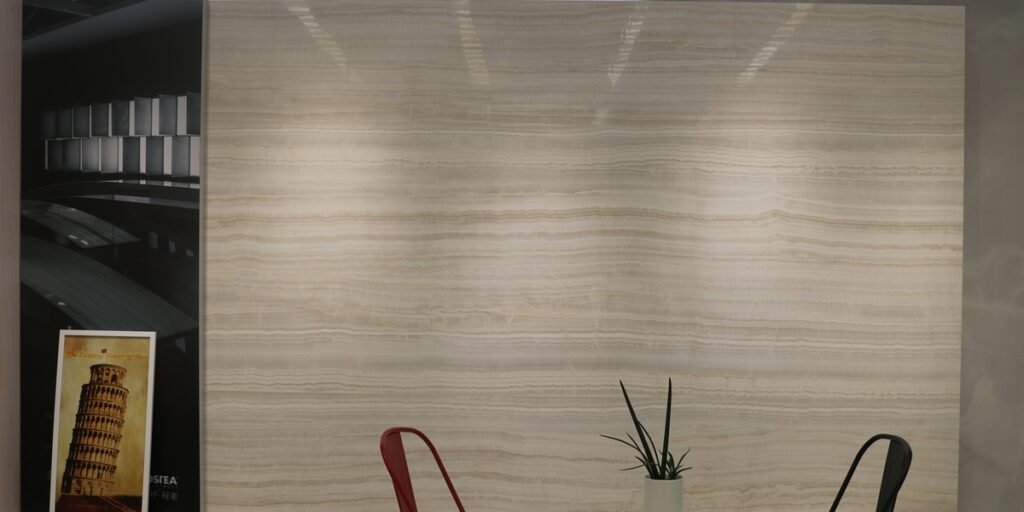
9) Pros and cons (short)
Pros
UV-stable, frost-resistant, non-porous (low water absorption) — ideal outdoors.
Highly scratch, stain, and heat resistant compared with resin quartz.
Increasingly transparent sustainability data (EPDs, HPDs, Cradle to Cradle).
Cons / Cautions
Requires specialist fabrication equipment and trained fabricators (not DIY).
Heavier than some alternatives — structural support must be designed.
Some finishes may show wear differently outdoors (choose textured/honed finishes if heavy use is expected).
10) Long-tail keywords (3–5 purchase-intent driven)
Buy sintered stone slabs manufacturer
sintered stone patio table wholesale factory
sintered stone outdoor countertops near me supplier
sintered stone table top manufacturer bulk
sintered stone slabs wholesale factory outdoor cladding
(Use these in product landing pages, category pages, and schema metadata to capture buyer intent.)
11) Focus Keyword, 50 SEO tags
Focus keyword: sintered stone outdoor
50 SEO tags (use as tags and page metadata):
sintered stone, sintered stone outdoor, sintered stone patio table, sintered stone table, sintered stone table top, sintered stone countertops, sintered stone vs quartz, outdoor sintered stone, buy sintered stone slabs, sintered stone manufacturer, sintered stone factory, sintered stone wholesale, Neolith outdoor, Dekton outdoor, Lapitec outdoor, sintered surface, engineered stone outside, can engineered stone be used outside, is sintered stone durable, does sintered stone need sealing, can sintered stone be cut, outdoor kitchen countertops, patio table materials, UV resistant stone, frost resistant stone, non-porous countertops, outdoor furniture stone, sintered stone installation, fabrication sintered stone, sintered stone maintenance, sintered stone sustainability, EPD sintered stone, Cradle to Cradle sintered stone, sintered stone certifications, sintered stone for facade, sintered stone pool surround, sintered stone dining table, sintered stone dining table manufacturer, sintered stone supplier near me, sintered stone cutting guide, diamond blade sintered stone, waterjet sintered stone, best stone for outdoor kitchens, ultra compact surface outdoor, resilient outdoor countertop, environmental product declaration stone, sintered stone pros cons, sintered stone vs natural stone, low maintenance outdoor countertop.
12) FAQ — 5 popular Google hot queries
Below are five FAQs for Google and users. The Q&A is listed verbatim — the same wording is repeated in the JSON-LD block below, so you can paste it unchanged.
FAQ 1 — Can sintered stone be used outside?
Yes. Modern sintered stone products are formulated and tested for outdoor use — they are UV-stable, frost-resistant, and non-porous, making them suitable for patios, outdoor kitchens, cladding, and furniture.
FAQ 2 — Does sintered stone need to be sealed for outdoor use?
Generally no. Sintered stone is essentially non-porous and does not require sealing for stain protection; some installers may apply sealers to polished edges or particular finishes as an extra precaution. Always follow the manufacturer’s maintenance instructions.
FAQ 3 — Can sintered stone be cut and fabricated like quartz or granite?
Yes, but it requires specialized diamond tooling, water-cooled saws/CNCs, or waterjet cutting and an experienced fabricator. Wet cutting and dust controls are critical for safety and quality. DIY cutting is not recommended.
FAQ 4 — Is sintered stone better than quartz for outdoor countertops?
For outdoor exposure, sintered stone typically outperforms resin-based quartz because it is resin-free and more UV-stable and heat/frost-resistant. However, quartz remains a strong indoor option and may be less expensive up front. Compare manufacturer warranties and specs before choosing.
FAQ 5 — Are there environmental or regulatory documents I should ask for?
Yes. Ask for the slab’s EPD (EN 15804 / ISO 14025), HPD/Health Product Declaration, and any Cradle to Cradle or GREENGUARD certificates if sustainability is a requirement for your project. Also, confirm the fabricator’s silica-control practices to meet local occupational safety laws.
Semantic Closed-Loop: How / Why / What / Options / Considerations
How: Sintered stone is manufactured by compacting mineral powders and firing at very high temperatures (sintering). This process yields a hard, dense, non-resin slab that is UV stable and water resistant. Fabrication requires diamond tooling, water cooling, and trained fabricators.
Why: For outdoor use, resin-free composition and low porosity mean better color stability, frost resistance, and less maintenance compared to resin quartz or many natural stones. EPDs and independent tests support long-term performance claims.
What: Typical outdoor applications include patio dining tables, outdoor kitchen countertops, pool surround, and façade cladding. Choose the right finish (textured or honed for slip resistance), thickness, and support system.
Options (detailed):
Material families: Neolith, Dekton, Lapitec, and other sintered slabs — compare EPDs, thickness options, finishes, and warranty.
Fabrication: CNC/waterjet for complex cuts; bevel & miter joints for waterfall edges; reinforcing where heavy tables or large spans are used.
Considerations (detailed):
Safety & regulation: Verify EPD/HPD/Cradle to Cradle claims and ensure the fabricator uses silica-control measures during cutting. Request test data (water absorption, flexural strength) for your climate and application, and require installation practices that allow expansion and drainage to avoid freeze damage.