
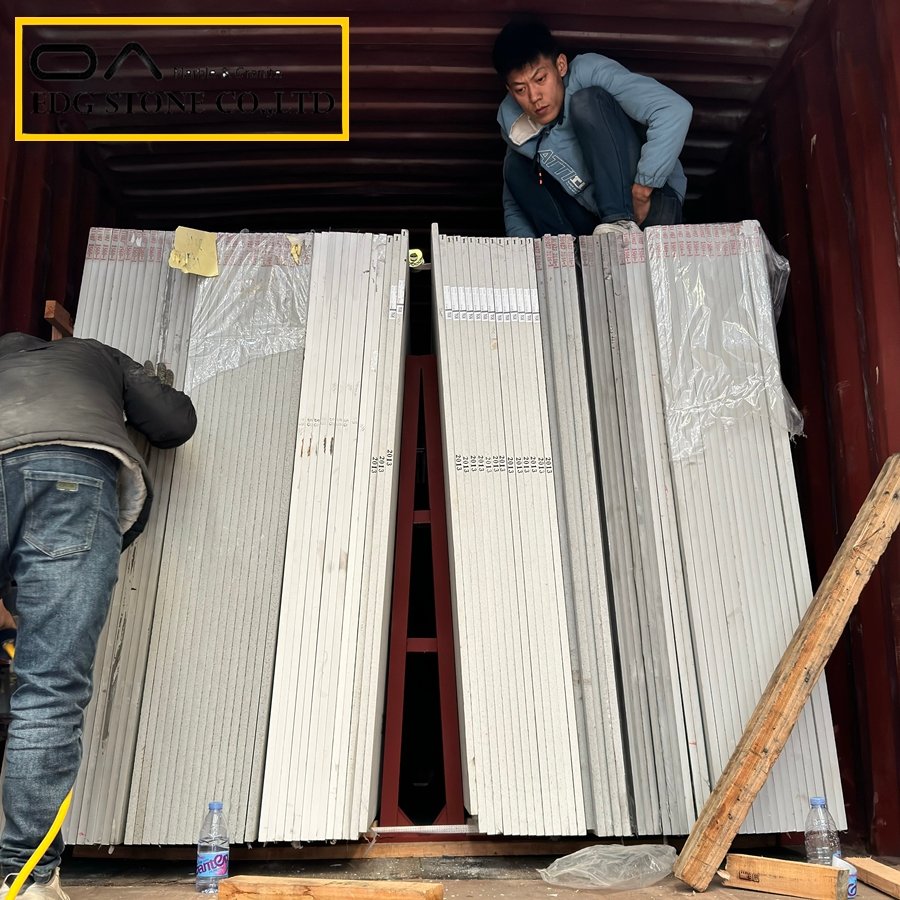
Why “Zero Damage” transport matters now?
Every cracked slab, chipped edge, or shattered countertop is a direct cost: replacement material, expedited shipping, crane/forklift rework, installation delay penalties, and reputation damage. For a typical mid-size fabricator and logistics chain, avoiding even a handful of damage incidents per year can save thousands to tens of thousands of dollars and dramatically reduce warranty workload.
North American regulatory pressure and supply-chain disruptions (longer ocean legs, cross-border handoffs) make robust packing and securement an operational requirement — not a luxury. The Federal Motor Carrier Safety Administration (FMCSA) cargo securement rules require that any securement system have an aggregate working load limit at least one-half the weight of the cargo; failure to follow securement rules exposes carriers and shippers to fines and liability.
OSHA and Natural Stone Institute guidance also emphasize engineered handling, approved device maintenance, and trained crews for slab handling, unloading, and bracing — critical because slab shifting in transit or during unpacking is a leading cause of loss and injury.
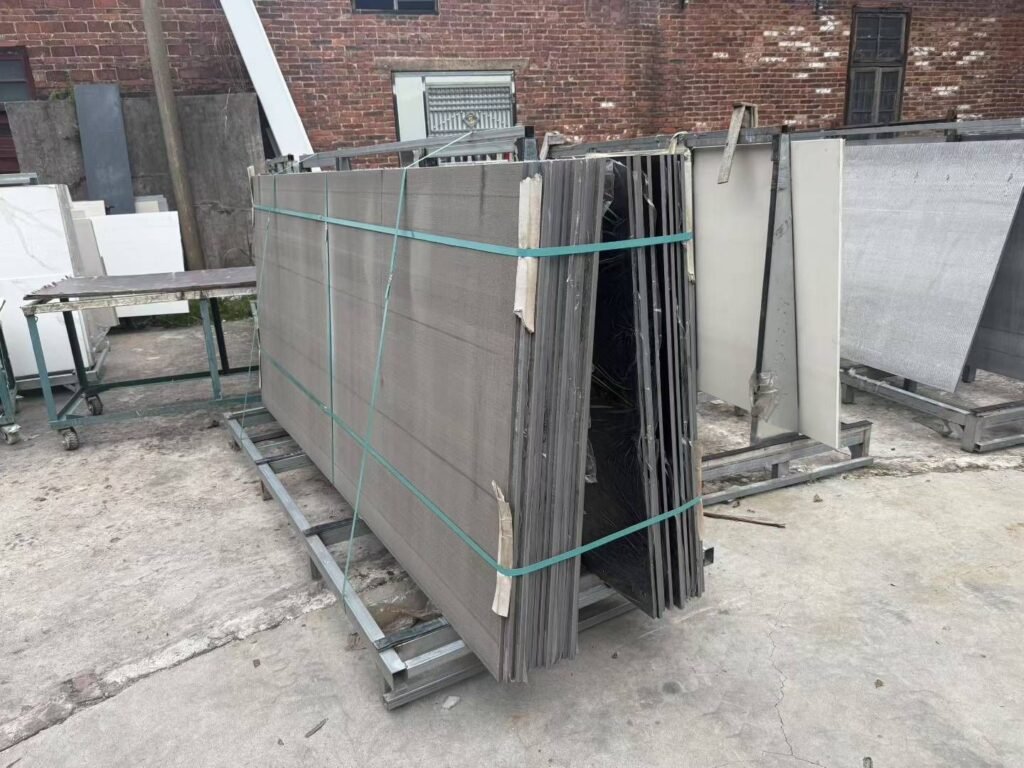
The typical failure modes (what actually breaks on the way?)
Edge impacts during loading/unloading — sharp knocks against the A-frame rail or side rails produce chips.
Slab-to-slab friction and tilting inside containers — microscopic movement during ocean crossings causes abrasion and eventual crack propagation.
Unsupported cantilevers and overhangs— long slabs with unsupported spans flex under vibration and break or delaminate.
Inadequate blocking & dunnage — poor timber bracing allows slabs to shift or lean; under-defended corners are particularly vulnerable.
Improper securement (ratchets, straps, lashings) — under-rated straps, or inadequate anchor points in truck beds and containers, allow movement; FMCSA rules must be followed.
A-Frames: selection, configuration, a nd load engineering
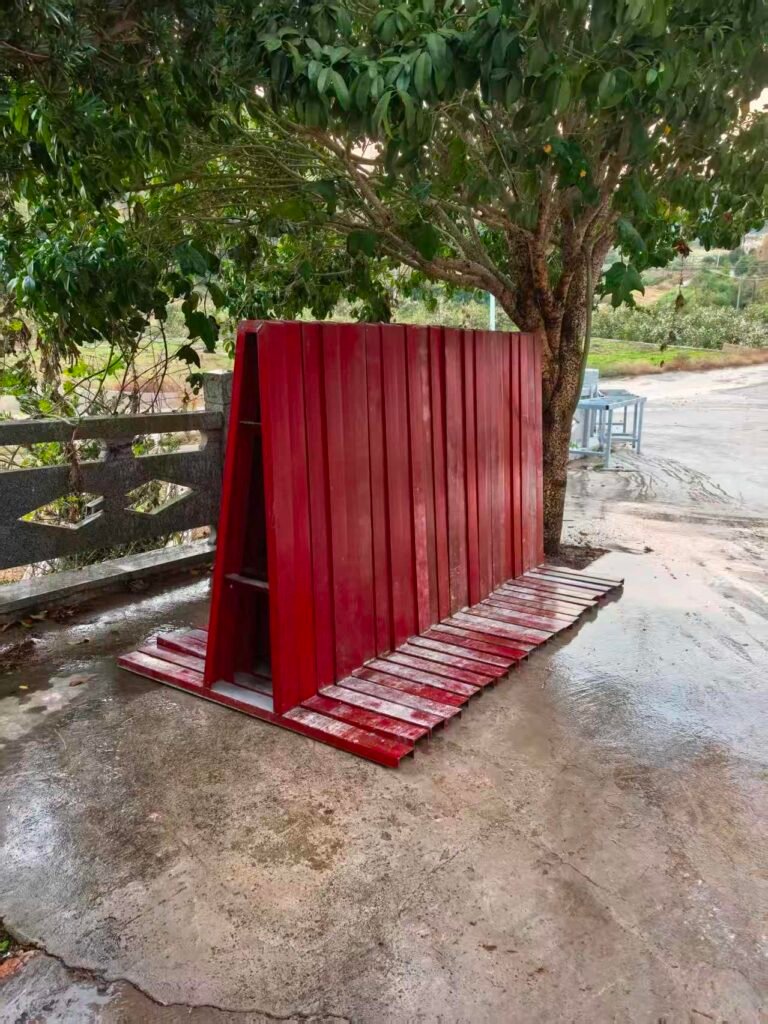
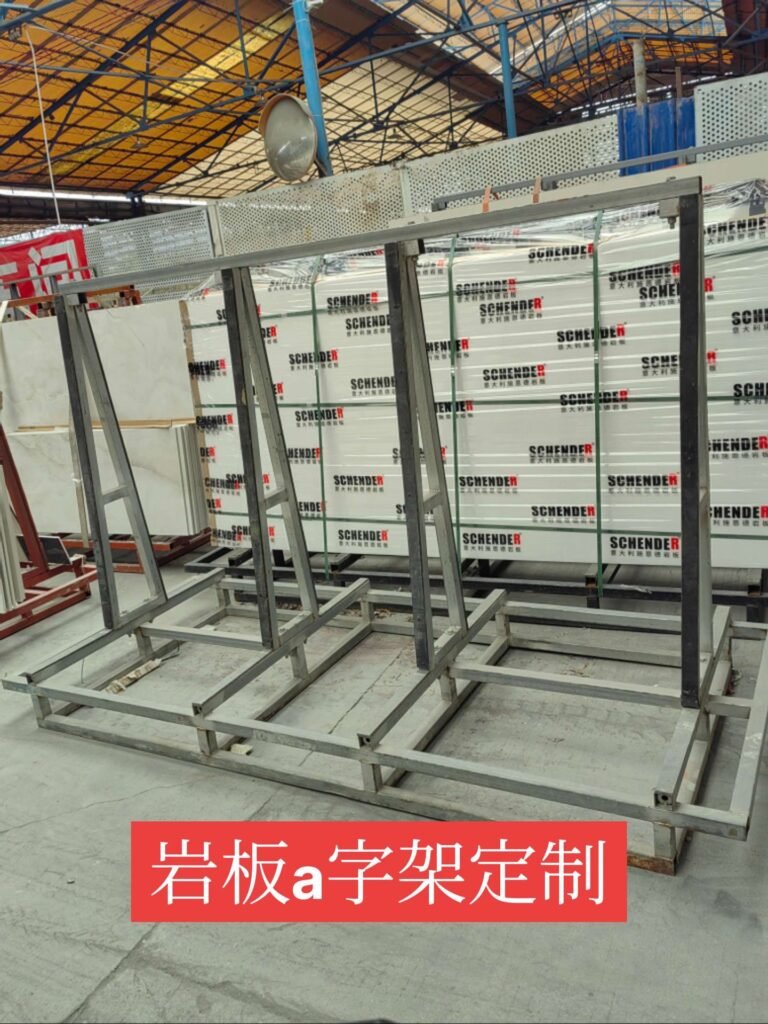
A-frames remain the industry standard for slab transport on flatbeds and inside trailers. But not all A-frames are created equal. Key considerations:
Rated load capacity — choose frames with a safety factor above anticipated slab weights; check product specs and evidence (nameplate/load test data). Do not overload.
Design: single-sided vs double-sided vs folding — double-sided frames on trailers reduce lateral movement; folding frames help with storage and intermodal loading.
Securing points — frames with integrated ratchet bars, welded lashing rings, and crossbars simplify compliant securement and reduce reliance on ad-hoc lashings.
Padding & anti-slip — rubber or neoprene pads on rails and the use of anti-slip mats or adhesive tape reduce shear between slabs and frames.
Practical spec: Use A-frames with welded lashing rings rated to at least the working load required by FMCSA (per cargo weight), rubber padding at all contact surfaces, and cross-bracing for every 3–4 slabs, depending on thickness.
Container reinforcement & crating for ocean and rail (best-practice techniques)
When stone slabs move in containers or international supply chains, vertical A-frames alone are often insufficient. You must consider crate design and reinforcement.
1. Engineered timber crating + steel reinforcement
Timber blocking combined with steel cross-braces creates stiff crates that resist container vibration and stacking loads. Blocking should follow a “no-void” principle: fill voids to prevent slab lean and movement. EDG Stone and other specialist fabricators recommend this for ocean freight.
2. Dunnage and anti-slip layering
Place anti-slip rubber sheets or polymer mats between slabs, and between the slab and timber to minimize micro-movement, which leads to abrasion and edge chipping.
3. Lashing + rated ratchet straps + load-lock bars
Use lashing assemblies attached to container lashing points or integrated frame rings. FMCSA’s cargo securement standards apply to domestic truck segments; equivalent container stowage and securing best practices must be used for ocean legs.
4. Mechanical steel racks inside containers
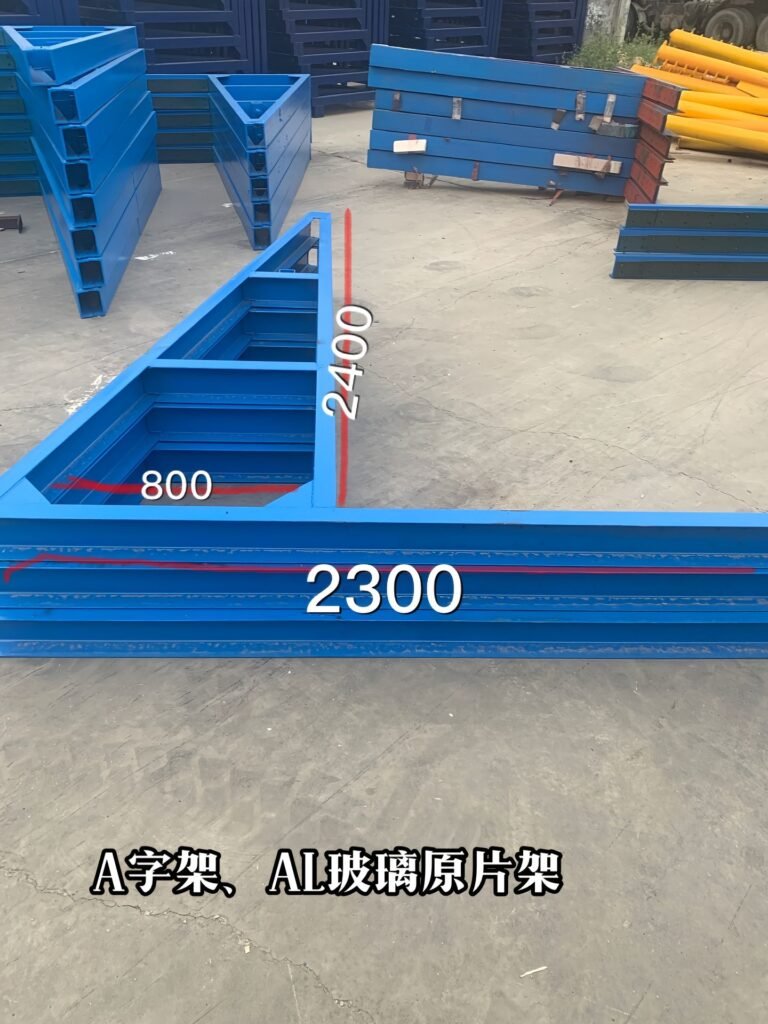
For high-value projects, specify welded steel internal racks (A-frames bolted/welded to a container subframe) that provide permanent, rigid anchoring for slabs and prevent lateral load transfer. This is common in the specialized transport of heavy, fragile goods.
5. Airbags & inflatable dunnage
Inflatable airbags can fill irregular voids and stabilize slab bundles in containers — especially useful for mixed-pack loads where timber blocking alone may be insufficient. Use certified airbags sized and rated for the void and container environment.
Intermodal & cross-border considerations (North America focus)
Truck legs must meet FMCSA securement rules (working load and anchor validation) — when stone moves by truck domestically or cross-border (US–Canada), carriers must use approved securement.
Rail and ocean legs require additional bracing and consideration for vertical accelerations and stack loads — container crate reinforcement must accommodate these load spectrums. Use welded racks or full crating for intermodal shipments.
Equipment & rental options (dollies, dollies for slabs, A-frame rentals)
Many fabricators and installers prefer renting specialized slab-moving equipment for occasional projects to avoid capital expense:
Pneumatic slab dollies (PneumoDolly / Plate & Slab Dolly) are commonly available through equipment rental houses and ease the manoeuvring of heavy slabs on-site. They reduce manual lift risk and minimize edge knocks if used properly.
Slab transport carts & granite dollies — heavy-duty carts, slab dollies with straps and cradle supports are available from tool suppliers and rental services; Home Depot and local rental houses often have basic dollies but may not stock specialist slab dollies.
Truck-mounted A-frames — many suppliers offer truck A-frames or folding rack systems to permanently equip delivery trucks for slab work. Abaco and several North American manufacturers offer folding and truck-specific A-frames.
QA, labelling, and documentation: how to spec “Zero Damage”?
Pre-shipment checklist (shop)
Inspect slabs for hairline cracks, consistent thickness, and factory edge finish.
Record slab dimensions & weight on packing list.
Place anti-slip mats and timber blocking; record blocking scheme in crating drawing.
Use rated ratchets and lashings; record lashing type and working load.
Photograph created slabs and weld/fasten points.
On-carrier checklist (driver/loader)
Verify A-frame condition; confirm lashing ring integrity and strap WLL (working load limit), secure load per FMCSA rules.
Receiving checklist (site)
Uncrate using sequence guidance to avoid slab shift (OSHA/Natural Stone Institute recommends staged removal to prevent collapse). Inspect for transit damage, photograph any issues, and sign off.
ROI: real-world rationale
Investing in engineered crating, proper A-frames, and trained handling teams reduces in-transit damage and callbacks. Case examples from North American fabricators show major reductions in breakage when moving from ad-hoc blocking to engineered crates and rated racks — an outcome also reflected in industry guidance and supplier case notes. (EDG Stone’s slab crating notes document crate design and the economic benefits of reduced rework.)
Template language for bids & shop orders (copy/paste)
Zero Damage Transport Specification – Stone Slabs/Countertops
Packing: Engineered timber crate with anti-slip rubber layers and steel cross-bracing; crate drawing attached.
Internal support: welded steel A-frame/rack bolted to crate base, rubber-padded contact points.
Lashing: Ratchet straps to be rated for aggregate working load ≥ 1/2 total cargo weight; anchor to certified lashing rings.
Dunnage: Anti-slip sheets between slabs; airbags as required for road or ocean legs.
Documentation: Photos before/after, weight/dimension manifest, FMCSA compliance note for truck legs, crate drawing for container legs.
Unloading: Follow OSHA/Natural Stone Institute recommended sequence for slab removal.
(Modify per project specifics: slab thickness, number of slabs, export/import requirements.)
Long-tail keyword suggestions (buyer intent + manufacturer angle)
countertop transport rack manufacturer North America
granite slab moving equipment rental near me
A-frame truck rack for stone slabs factory wholesale
container reinforcement for stone slab shipping manufacturer
countertop dolly rental pneumatic plate slab dolly
FAQs — North American hot-search questions
What is the best A-frame for transporting granite slabs?
Choose a heavy-duty, rated A-frame with welded lashing rings, rubber padding at contact points, and a capacity above the aggregate slab weight; double-sided or truck-mounted folding A-frames reduce lateral movement.Can stone slabs be shipped in standard 20′ containers without extra reinforcement?
Standard containers can be used, but you must crate and block slabs to prevent shifting — engineered timber crating with steel reinforcement and anti-slip dunnage is recommended for ocean or mixed-mode shipments. China Stone SuppliersWhat securement standards apply for countertop transport on U.S. highways?
FMCSA cargo securement rules require the aggregate working load of the securement system to be at least one-half the cargo weight and other device standards; use rated straps and certified anchor points.Is it cheaper to rent dollies or to buy A-frames for occasional jobs?
For occasional or one-off jobs, renting pneumatic slab dollies and slab carts is typically more cost-effective; for regular deliveries, investing in truck-mounted A-frames reduces per-job expense and damage risk.What is the recommended uncrating/unloading sequence to avoid slab collapse?
Follow OSHA & Natural Stone Institute recommended removal sequences: remove blocking and bracing in a manner that prevents remaining slabs from shifting or collapsing — staged removal and use of mechanical handling is critical.
Semantic closure content block — How / Why / What / Options / Considerations
How: Engineer your transport chain end-to-end — specify rated A-frames with welded lashing rings for truck legs, engineered timber + steel-reinforced crating for ocean legs, anti-slip dunnage and airbags for void-filling, and use rated ratchets and lashing points per FMCSA rules. Document the scheme with photos and crate drawings for QA.
Why: Slab movement under dynamic loads causes abrasion, edge-chipping, and structural failure; conforming to FMCSA and OSHA guidance reduces legal exposure and direct replacement costs.
What to consider: cost trade-offs (rental vs buy), intermodal load spectra (truck vs ocean vs rail), certification and testing of cargo securement devices, and local/regional import/export rules for fumigation or timber packaging.
Options:
• Lightweight: foam + anti-slip + rated straps for short domestic moves.
• Robust: timber crate + steel internal rack + airbags for intermodal/ocean.
• Enterprise: truck fleet retrofitted with welded truck-mounted A-frames and standard crating protocol.
Considerations: training & SOPs, spare parts (straps and ratchets), supplier audits (crate builders and A-frame manufacturers), and continual review of FMCSA or OSHA updates. Implementing these layers together is what makes “zero damage” a practical, measurable target rather than marketing rhetoric.