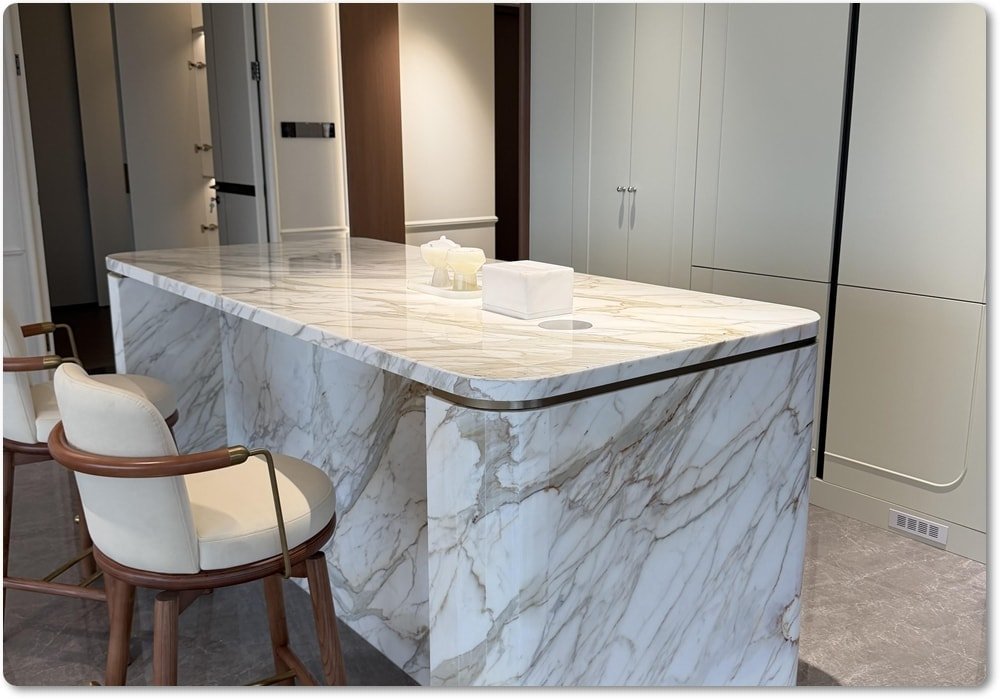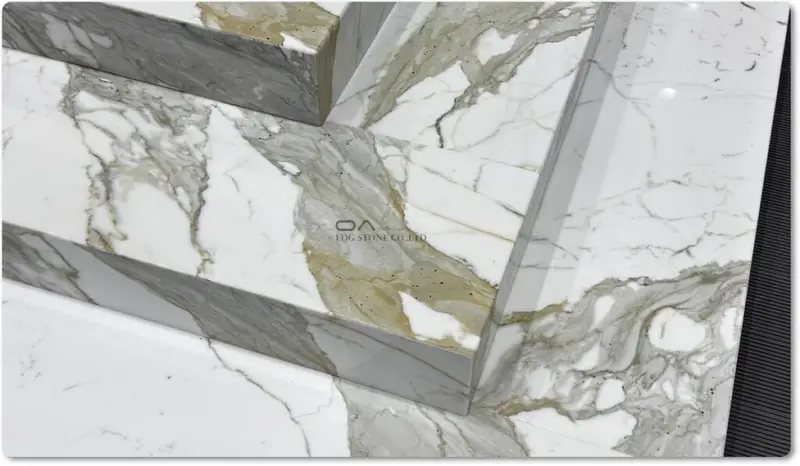
Definition (What): A monument is a durable, intentionally built structure—often stone—designed to commemorate a person, event, or cultural memory.
Purpose (Why): Monuments preserve identity, history, ancestry, and social values.
Materials (How): Traditionally marble and granite; now also engineered stone, bronze, and sustainable composites due to new cemetery regulations.
Use Cases (Where): Cemeteries, public squares, national monuments, military memorials, religious sites, and personal or family heritage plots.

1. What Is a Monument? (Formal Definition)
A monument is a physical structure created to honor, preserve, or memorialize a significant person, group, event, cultural moment, or place. The term originates from the Latin monere, meaning “to remind.” Traditional monuments include statues, pillars, tombstones, cenotaphs, obelisks, mausoleums, and stone markers.
Today, the definition extends to:
Cemetery monuments (granite headstones, marble gravestones, memorial plaques)
Public heritage structures (war memorials, historic landmarks)
Religious monuments (shrines, temple sculptures)
Cultural landmarks (city monuments, sculpture parks)
Government-protected national monuments (e.g., geological formations)
Monuments continue to serve as the physical anchors of memory and identity—blending architecture, sculpture, craftsmanship, and symbolism.
2. Historical Evolution of Monuments
Monuments have existed for over 5,000 years. Across civilizations:
Ancient Civilizations
Egypt: Pyramids, obelisks, limestone, and granite statues
Greece: Marble temples, Parthenon sculptures
Rome: Triumphal arches, marble columns, sarcophagi
Medieval & Renaissance Europe
Cathedrals with carved stone memorials
Bronze and stone effigies of nobility
Modern Era
War memorials after WWI and WWII
National monuments based on geology, nature, or heritage
Personalized cemetery headstones (granite became dominant after 1900)
Digital & Contemporary Monuments
QR-coded memorial plaques
Virtual memorial walls
AI-customized engraved monuments
Laser-etched black granite headstones
Monuments today merge tradition with technology, making them more accessible, durable, and customizable.
3. Types of Monuments (With Examples)
3.1 Cemetery Monuments & Headstones
These include:
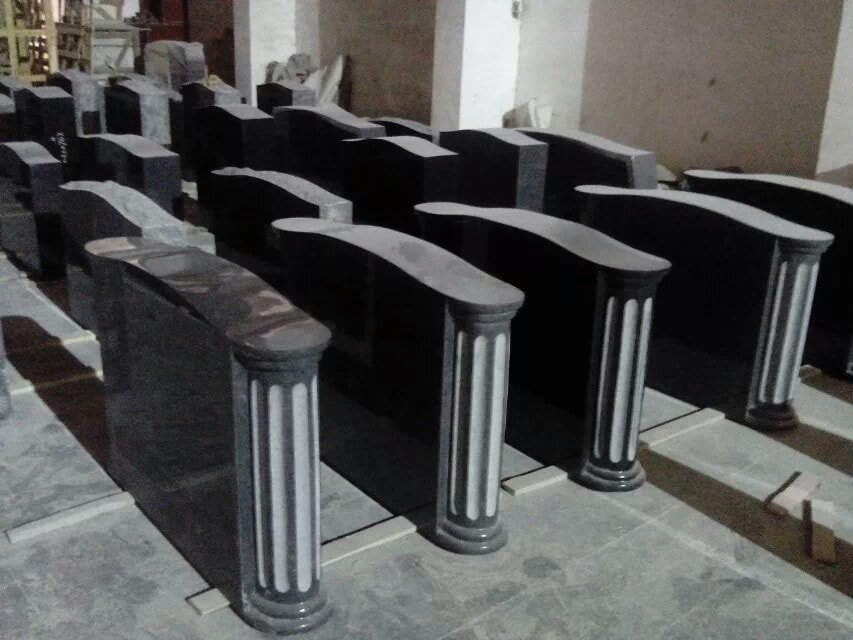
Granite headstones (most common due to durability)
White marble headstones (traditional & prestigious)
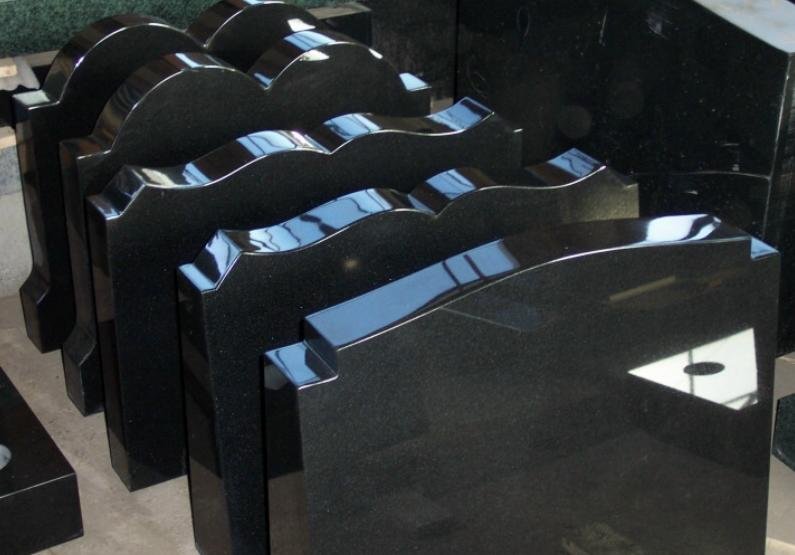
Black granite headstones (popular for laser-etching portraits)
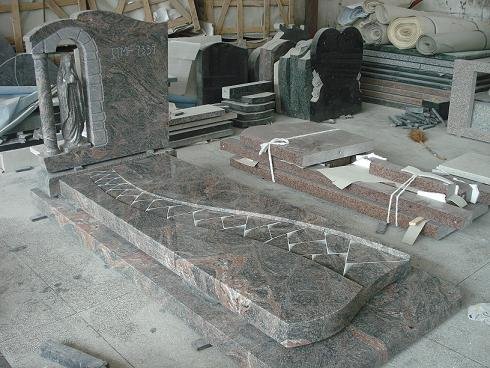
Upright monuments, flat markers, slant markers, benches, and mausoleums
Customized granite monument statues and family memorials
3.2 Public & National Monuments
Examples:
Washington Monument (obelisk)
Lincoln Memorial (marble statue)
Mount Rushmore (granite carving)
National landscape monuments (e.g., Grand Staircase–Escalante)
3.3 Cultural & Religious Monuments
Temples, shrines, pagodas
Sculpted deities
Sacred stone pillars & cairns
3.4 Landscape or Geological Monuments
Rock formations protected by law
Natural monoliths
Canyon structures
4. Granite vs Marble: What’s the Best Stone for Monuments?
This is one of the most searched combinations online, especially for purchase intent queries like:
“granite monument companies”
“granite monument manufacturers”
“marble headstones near me”
“granite vs marble headstones”
Let’s break down the comparison.
4.1 Granite Headstones (Most Popular Worldwide)
Pros
Extremely durable (lasts 500+ years)
Scratch-resistant
Weather-resistant (rain, snow, acid rain)
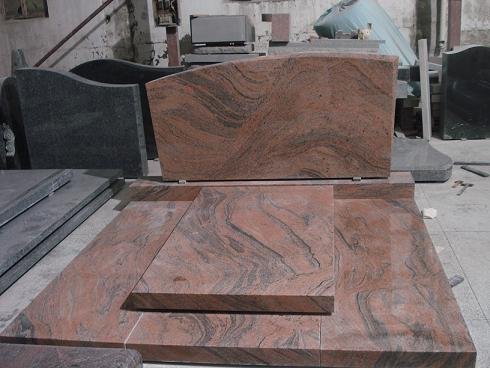
Available in black, gray, blue, red, green
Great for laser-etched portraits (black granite especially)
Lower cost than premium marble
Preferred by most cemeteries
Cons
Grain pattern may affect fine engraving detail
Polished surfaces may fade under harsh UV without sealing
Price Range (2024 Global Market)
Basic flat granite headstone: $350–$900
Upright granite monument: $1,000–$3,500
Custom family monument or statue: $4,000–$25,000+
Wholesale granite monument (factory pricing from China): 20–55% cheaper
4.2 White Marble & Classic Marble Headstones
Pros
Timeless beauty, smooth veining
High-end appearance
Historically used in European cemeteries
Easy to carve into detailed sculptures
Cons
Softer than granite
Prone to staining and acid rain erosion
Veins can weaken over decades
Price Range
White marble headstones: $1,200–$4,500
Sculpted marble monument: $8,000–$50,000+
When to choose marble?
High aesthetic value
Religious or classical design
Historic restoration projects
5. Modern Monument Regulations & Industry Trends (2024–2025)
5.1 Cemetery Material Rules
Most U.S. cemeteries now require:
Approved materials (granite, marble, limestone, bronze)
Minimum thickness standards
Polished or honed finishes
Foundations to prevent sinking
Some cemeteries restrict white marble headstones because they weather more quickly.
5.2 Sustainability Regulations
Growing pressure for:
Certified stone sourcing
Reduced quarry emissions
Water recycling in fabrication
Eco-friendly packaging
Traceability of stone origins
5.3 Market Trends
Increasing demand for black granite headstones due to laser portraits
AI-generated epitaph designs
Augmented reality (AR) memorial plaques
Online purchase models (factory-direct granite monuments)
Demand for granite monument companies in Oklahoma (“granite monument granite OK” is a trending long-tail search)
5.4 Government Regulations
U.S. National Park Service requires geological monuments to follow strict conservation rules
National cemeteries (like Arlington) standardize dimensions and materials
Many states require permits for installing large private monuments

6. How Modern Granite Monuments Are Manufactured
Large manufacturers and factories follow a multi-stage process:
Selecting blocks from quarries (China, India, Brazil, Norway)
Cutting & Slabbing with diamond wire saws
CNC Shaping for curved monuments
Polishing to a mirror finish
Hand-carving for angels, flora, and religious symbols
Laser or sandblasting engravings
Quality inspection (ISO + local cemetery requirements)
Crating & Exporting for wholesale buyers
This is why many searches include “manufacturer,” “factory,” “wholesale price,” especially for U.S. distributors sourcing from Asia.
7. Examples of Famous Monuments (Natural & Man-Made)
Natural Monuments
Monument Valley (Arizona & Utah)
Giant’s Causeway (Northern Ireland)
Devil’s Tower (Wyoming)
Man-Made Monuments
Taj Mahal (white marble)
Lincoln Memorial (marble)
Mount Rushmore (granite)
Washington Monument (granite, marble & bluestone gneiss)
Vietnam Veterans Memorial (black granite)

8. Buying Guide: Choosing the Right Monument or Headstone
8.1 Key Considerations
Cemetery regulations
Material durability
Climate (marble erodes faster in acid rain regions)
Engraving style
Cultural or religious symbolism
Future maintenance
8.2 Best Material by Purpose
| Purpose | Best Stone |
|---|---|
| Long-lasting headstone | Granite |
| Classical look | White marble |
| Laser portraits | Black granite |
| Sculptures | Marble or fine-grain granite |
9. Semantic Loop: How Monuments Reflect Culture, Materials, and Regulation Trends
Monuments transition from purely symbolic markers to data-rich, digitally indexed memorials. Modern headstones integrate QR codes, GPS plots, genealogical metadata, and sustainability certifications. AI-driven personalization—such as laser portraits generated from enhanced images—makes granite monuments more interactive and enduring.
Why granite has become the global standard
Durability, global quarry availability, and compatibility with modern engraving methods make granite the most stable long-term material. Its lifecycle advantage aligns with updated cemetery regulations aimed at reducing replacement waste and stone erosion.
What buyers consider today
Consumers search for:
“granite headstones near me”
“black granite headstone price”
“granite monument manufacturer wholesale”
“marble headstones for cemetery regulations”
Cost, longevity, and personalization capabilities dominate decision-making.
Options that shape the future market
Manufacturers now offer CNC-carved statues, eco-friendly quarrying options, imported premium black granite, and hybrid memorials combining stone + digital screens. Wholesale buyers seek stable supply chains, bulk customization, and ISO-certified stone fabricators.
Key considerations for regulations & compliance
10. Conclusion
Monuments—whether granite headstones, marble statues, national landmarks, or cultural structures—remain a powerful expression of memory and identity. Understanding materials, history, modern regulations, and technological trends helps buyers, architects, and families choose responsibly and meaningfully.
11. FAQ (Google Hot Search)
1. What material lasts the longest for headstones?
Granite lasts the longest due to its hardness, weather resistance, and low maintenance.
2. Are marble headstones more expensive than granite?
Yes. Marble typically costs 20–60% more due to aesthetics and carving quality.
3. Which is better for portraits: marble or black granite?
Black granite is best because it supports laser engraving.
4. How long do marble headstones last?
Around 70–120 years, depending on the climate, but granite lasts centuries.
5. Can I buy granite monuments directly from manufacturers?
Yes. Many factories offer wholesale pricing, custom designs, and bulk orders.