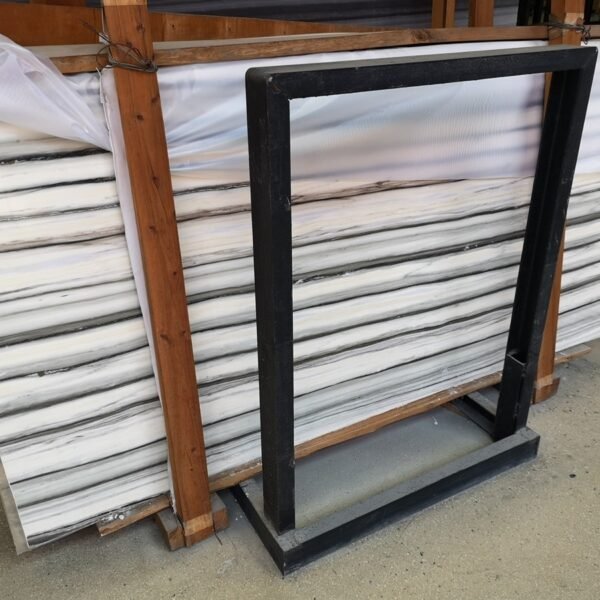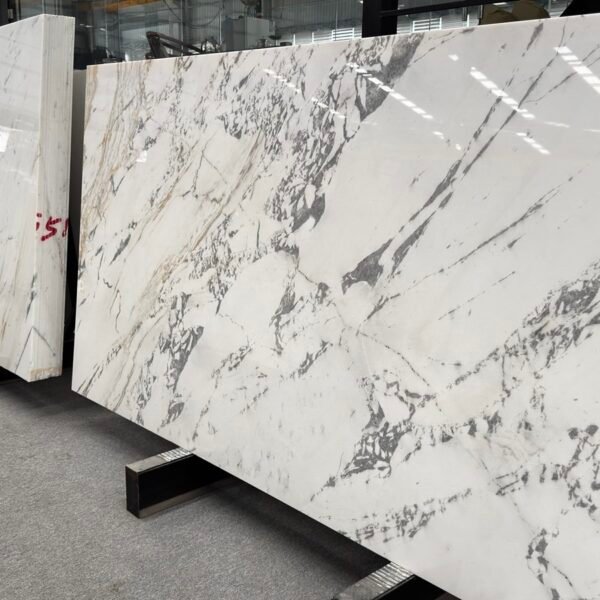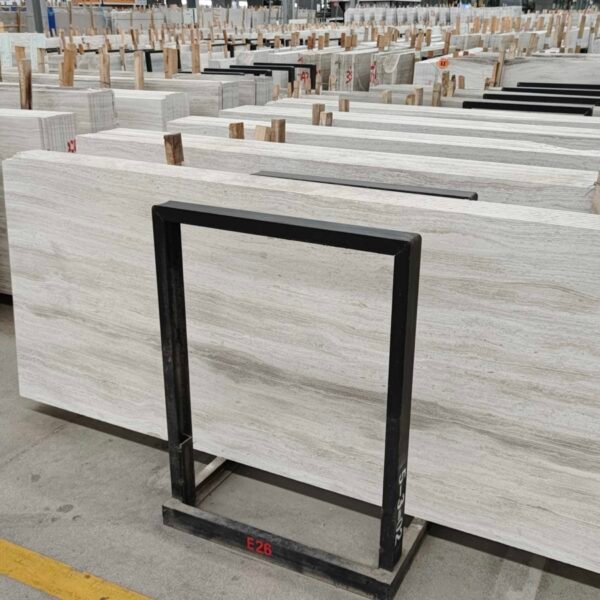
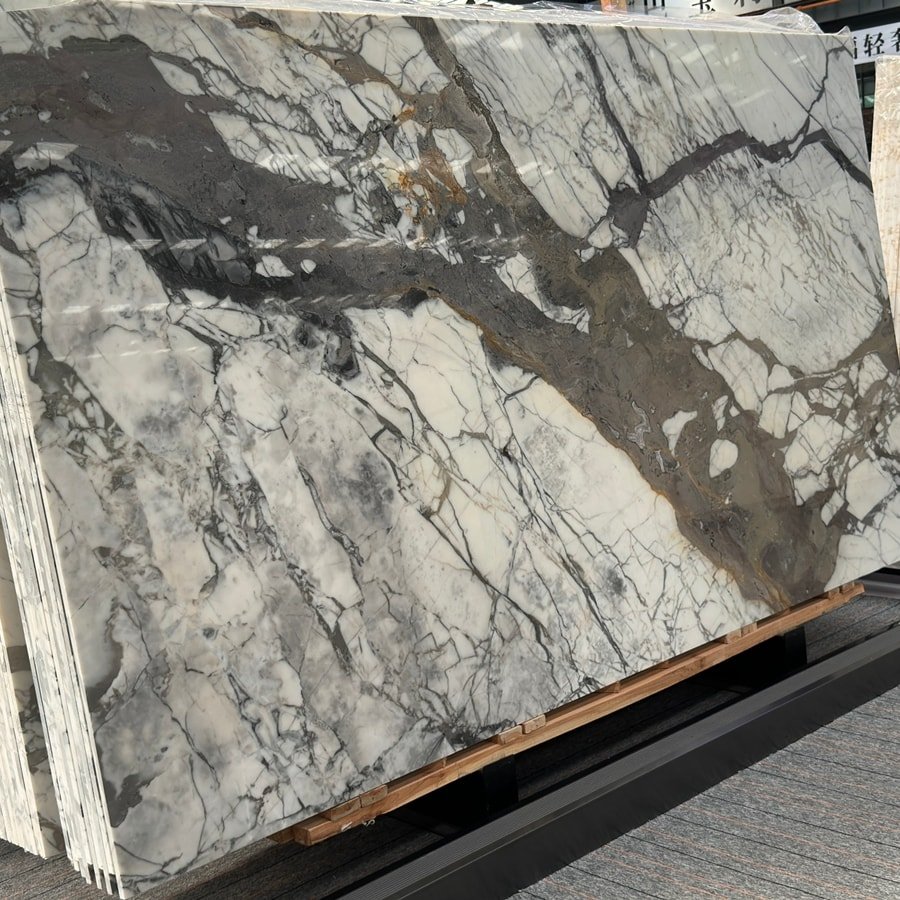
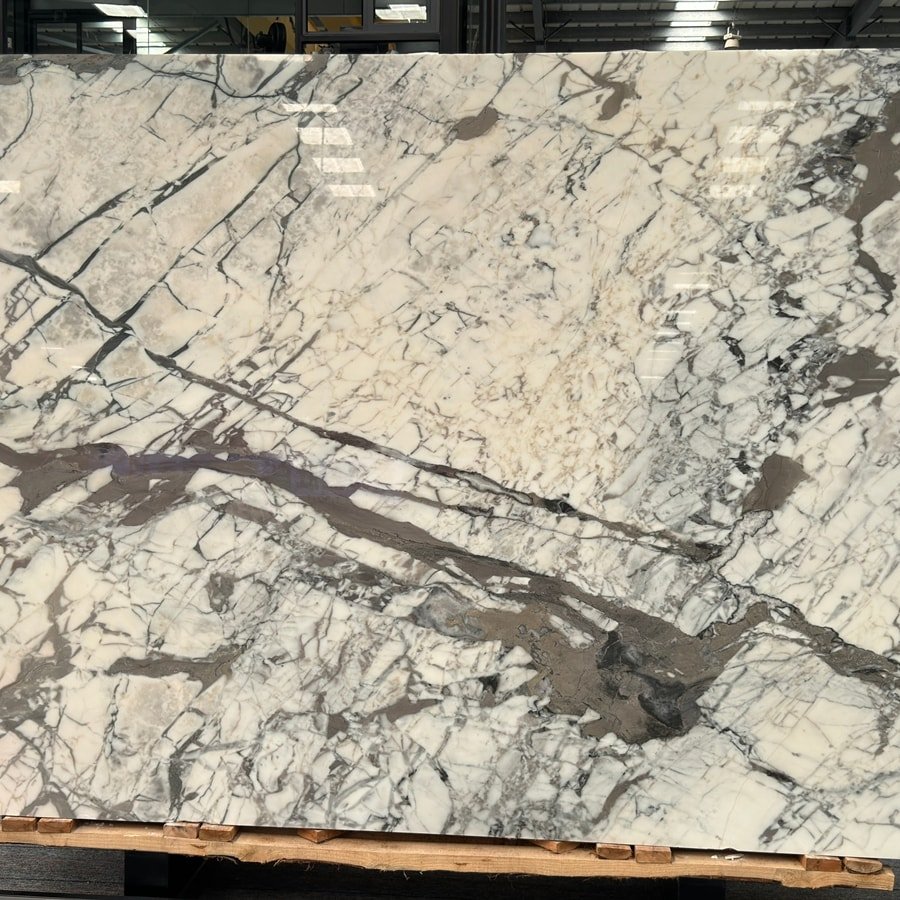
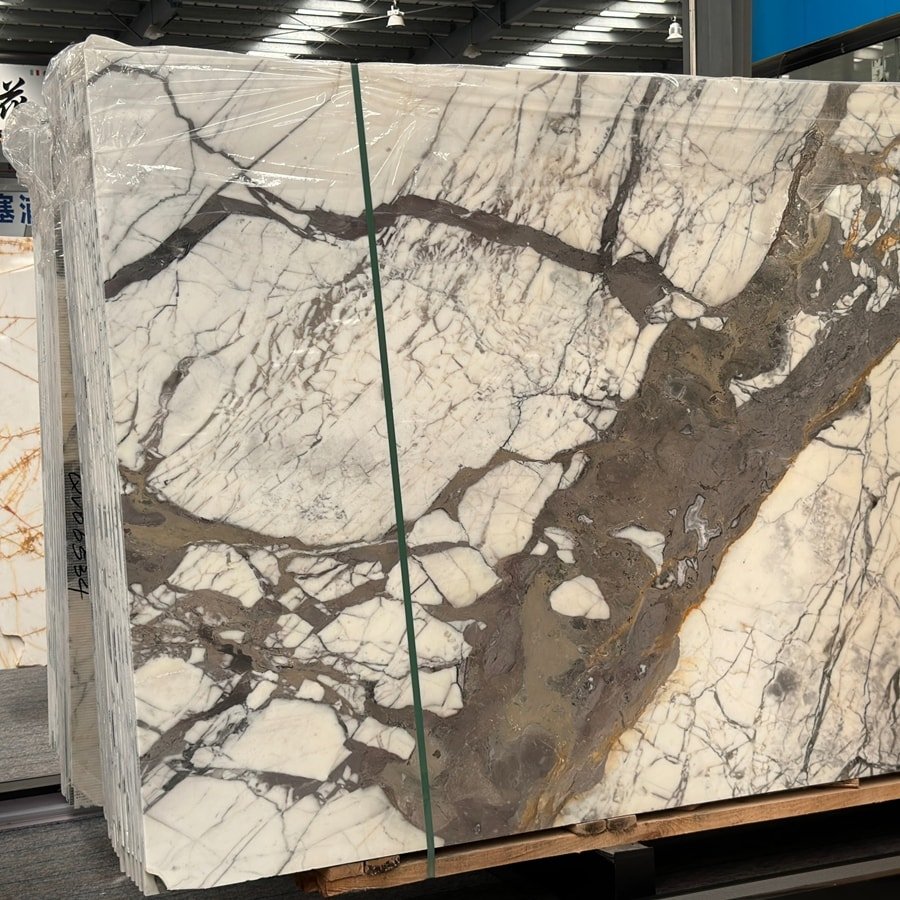
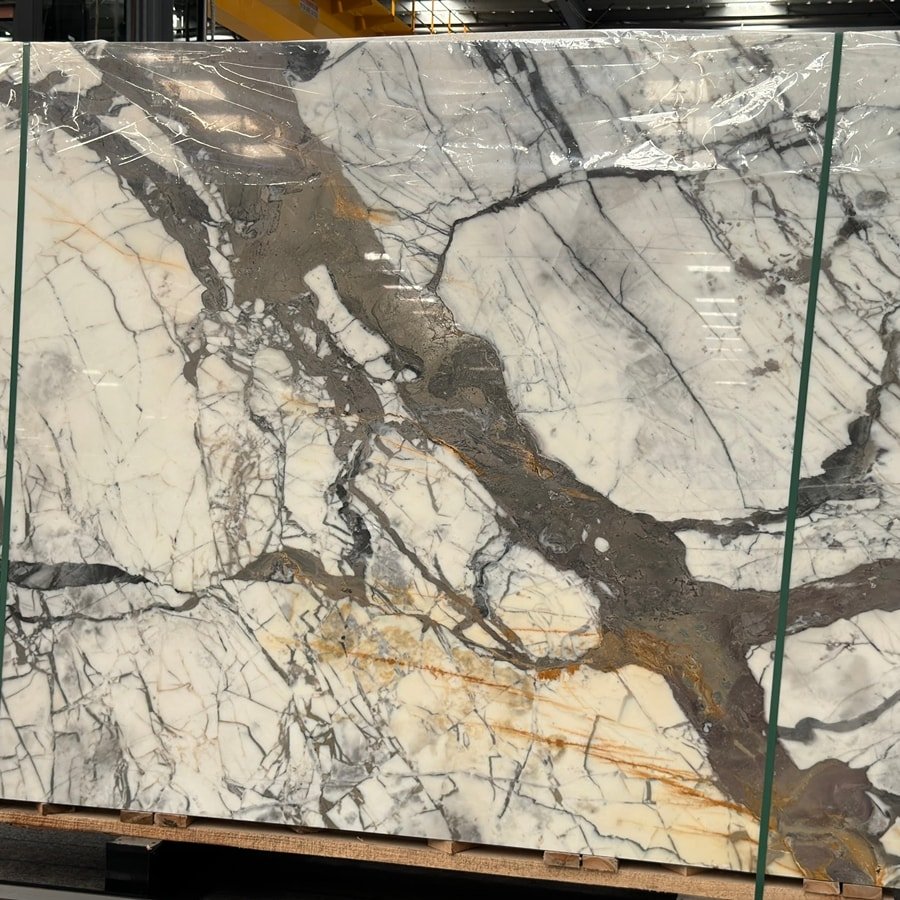
Iran Arabescato Corchia Marble is a regional variant of the Arabescato-style marbles, sourced from Iranian quarries that yield stones with expressive grey veining over white grounds. While similar in aesthetics to its Italian counterparts, Iranian Arabescato may show unique vein flow, mineral inclusions, and slab sizing that influence design decisions and cost. The stone functions as a premium decorative element; successful use requires attention to structural, fabrication, and lifecycle considerations.
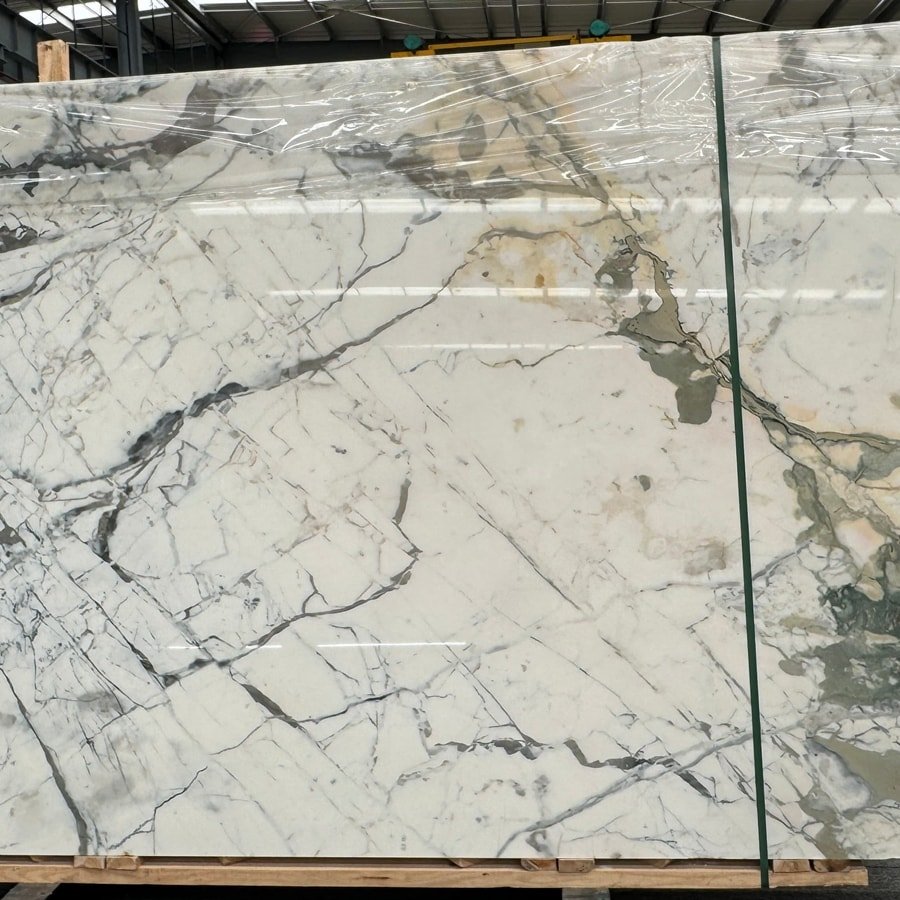
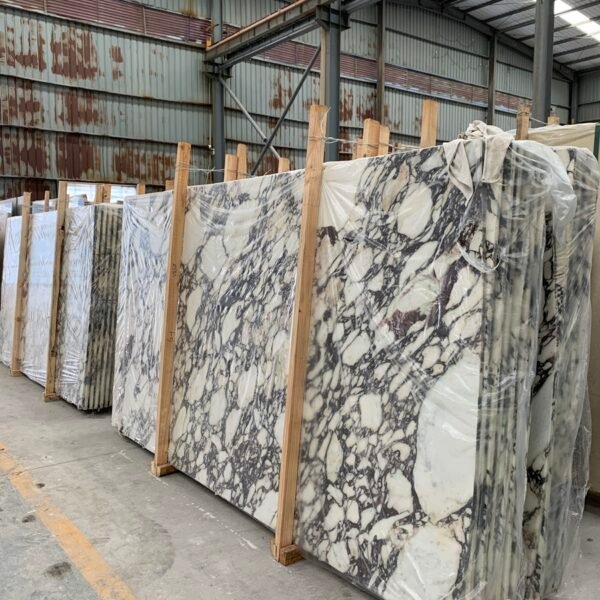
Material and visual characteristics: This marble typically presents high-contrast veining—ranging from thin, lace-like veins to thick, sculptural strokes—set against a luminous white matrix. The vein patterns can be dramatic and directional, making the material especially suitable for bookmatching and large-format compositions. Like other calcareous marbles, it polishes attractively but remains softer and more porous than quartzites or granites, which affects wear resistance.
Architectural applications: Iranian Arabescato Corchia is best employed where its bold veining can be displayed and preserved. Typical uses include hotel and corporate lobby walls, spa and bathroom cladding, waterfall islands, feature fireplace walls, tabletops and console surfaces, and bespoke millwork. For floors, use in low-traffic or formal rooms is appropriate; alternatively, employ it as central medallions or inset panels framed by more durable stone to protect high-traffic zones.
Finish and performance choices: Polished finish amplifies drama and is desired for vertical and occasional horizontal features. Honed or leathered finishes reduce reflectivity and hide wear while still displaying veins. For wet floors and stair treads, choose honed surfaces with anti-slip treatments. In kitchens, reserve Iranian Arabescato for accent surfaces or consider protective sealing schedules and usage guidelines for the client to manage staining and etching risk.
Fabrication and technical considerations: The veins can create inherent thin planes and natural fissures, so careful slab inspection is essential. Resin stabilization, back-buttering, and mechanical anchorage are common to reinforce slabs, particularly in thin or large-format installations. Bookmatching requires sufficient slab size and coordinated templating; plan seam locations to minimize visual disruption. For vertical cladding, adhere to manufacturer-recommended anchoring systems and movement joints to accommodate thermal and structural movement.
Maintenance and lifecycle planning: Penetrating sealers reduce staining risk but do not prevent etching. Implement pH-neutral daily cleaning and immediate spill response. For commercial installations, schedule periodic repolishing to maintain appearance. Include lifecycle maintenance costs in project budgets and owner documentation.
Sourcing and sustainability: Procurement should confirm source, processing methods, and any resin or dye treatments. Iranian stone may offer cost benefits compared to European equivalents, but verify slab quality and consistency. Reclaimed or remnant strategies can reduce waste and environmental impact.
Integration in design: Pair with matte metals, warm woods, or minimalistic furniture to let the stone read as the primary visual element. Lighting—both natural and accent—greatly affects perceived depth and contrast; coordinate lighting plans to showcase bookmatched surfaces.
Summary: Iran Arabescato Corchia Marble is a compelling, dramatic stone that mirrors the high-impact look of classic Arabescato with regional variation. It is best used as a focal material with skilled fabrication, structural reinforcement where needed, and a defined maintenance regimen to ensure longevity and visual brilliance.